Home » Blog » How to Split Yucca Plants: A Step-by-Step Guide
How to Split Yucca Plants: A Step-by-Step Guide
December 27, 2024
Yucca plants have become a favored option for both outdoor gardens and indoor areas. Their appeal lies in the minimal care they require, along with their adaptability to different conditions, making them an ideal choice for adding a touch of nature to a home. Nonetheless, over time, yuccas can outgrow their existing pots or spaces. When this happens, dividing the plant into smaller parts may be essential to ensure its continued well-being.
Understanding Yucca Plants is important before attempting to split them. Yucca plants are hardy and adaptable, but they do have specific needs when it comes to soil, water, and sunlight. Before splitting your plant, make sure you are familiar with its specific requirements. This will help ensure that the plant remains healthy and continues to thrive after splitting.
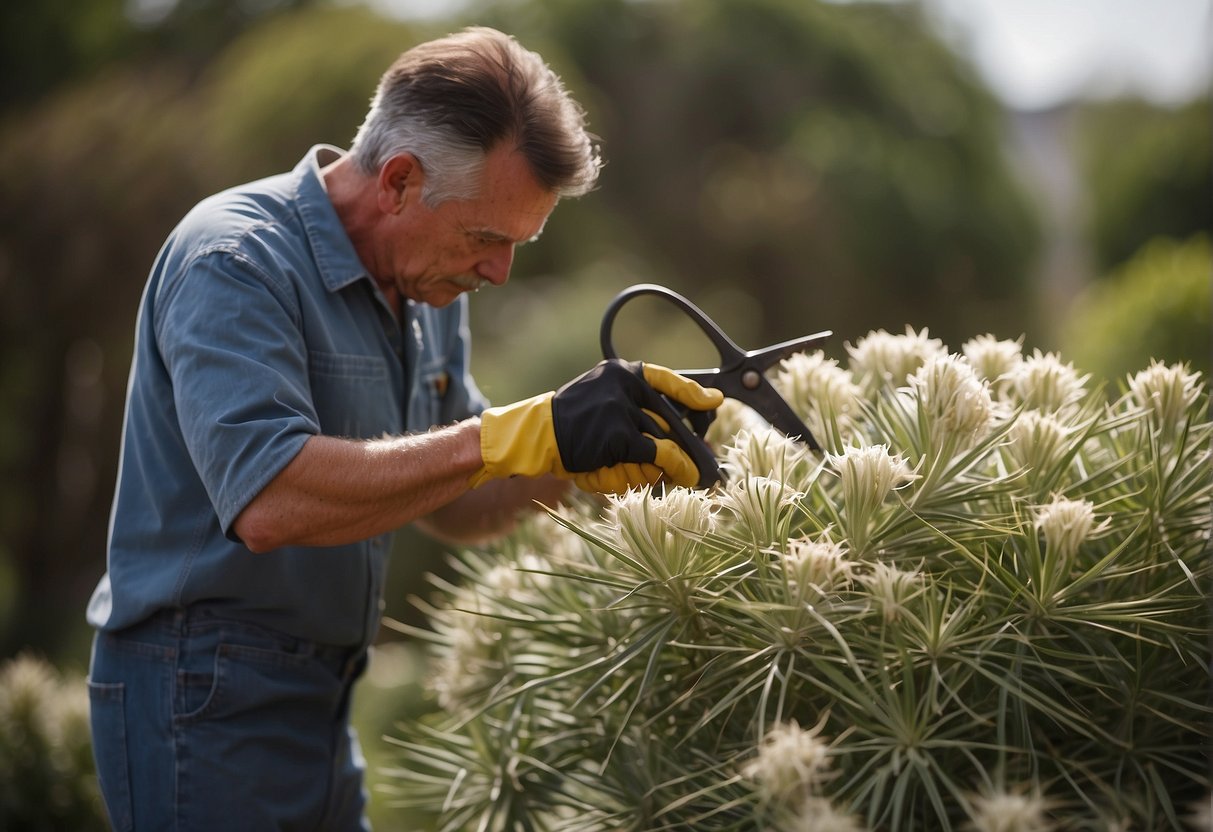
The Process of Splitting Yucca Plants is relatively simple, but it does require some care and attention. The first step is to carefully remove the plant from its pot and gently loosen the roots. Next, use a sharp, clean tool to divide the plant into sections, making sure each section has a healthy root system. Finally, replant the sections in fresh soil and water thoroughly. With proper care, your split yucca plants will continue to grow and thrive.
Key Takeaways
Yucca plants may need to be split as they grow larger.
Understanding the specific needs of your yucca plant is important before attempting to split it.
The process of splitting yucca plants involves carefully dividing the plant into sections and replanting each section in fresh soil.
Understanding Yucca Plants
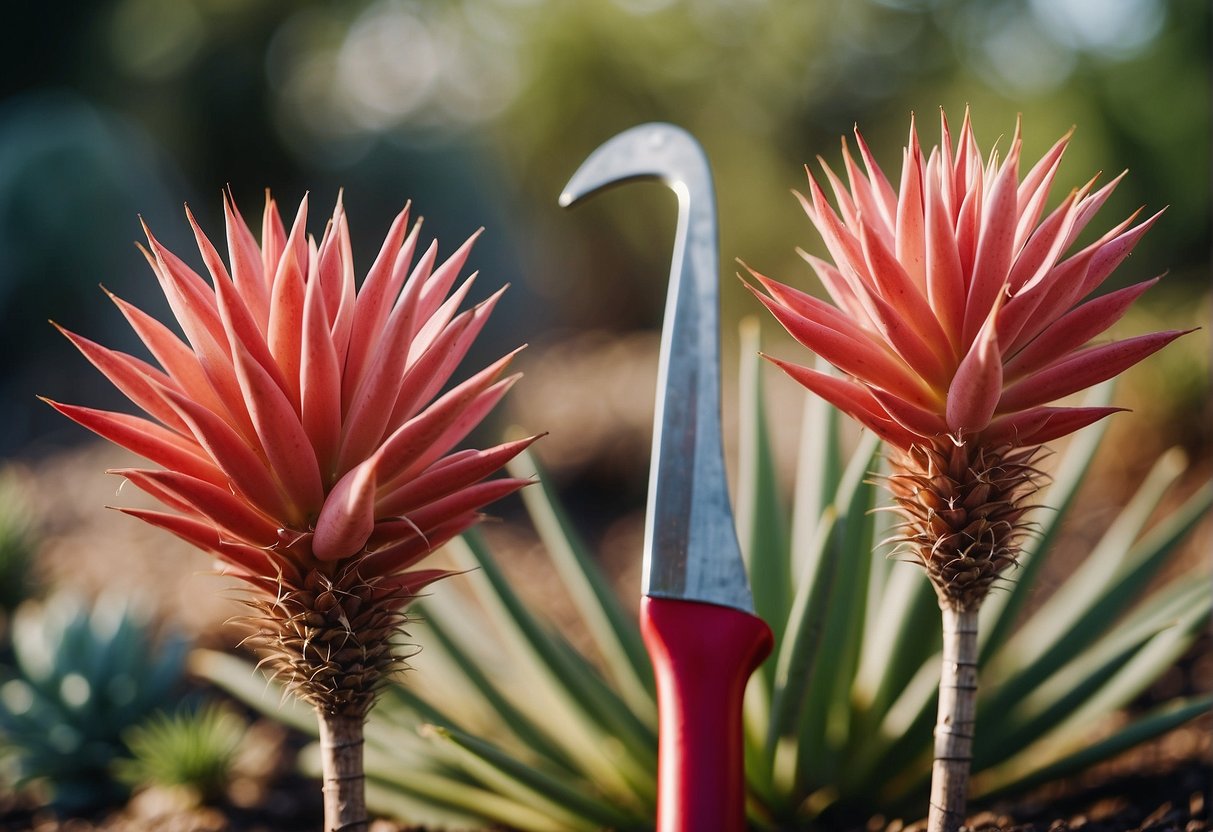
Yucca plants are native to arid regions of North America and are known for their hardy, drought-tolerant nature. They are popular among gardeners for their low maintenance and striking foliage, which can range from spiky leaves to tree-like growth. Here are some key things to know about yucca plants before diving into the process of splitting them.
Identifying Different Yucca Varieties
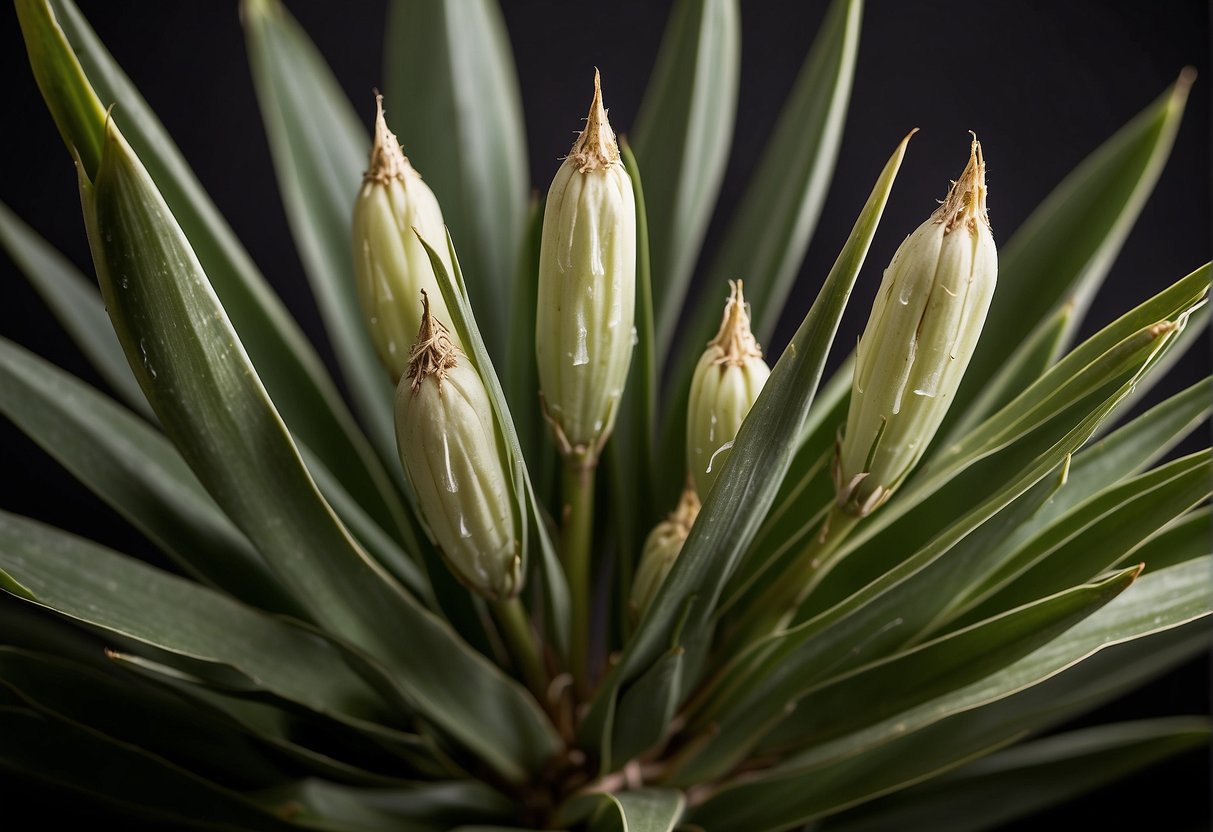
There are over 40 different yucca varieties, each with its own unique characteristics. Some of the most popular varieties include the Yucca gigantea, also known as the spineless yucca or yucca cane, which can grow up to 30 feet tall. Other varieties, like the Yucca filamentosa, have long, narrow leaves with thread-like filaments. Knowing which variety you have will help you determine the right conditions for its growth.
Recognizing the Right Conditions for Yucca
Yucca plants thrive in well-draining soil and plenty of sunlight. They are drought-tolerant and can survive in low-water conditions, but they also benefit from occasional watering during dry spells. Yuccas are hardy plants and can survive in a range of temperatures, but they prefer warm, dry climates.
Benefits of Yucca Division
Splitting a yucca plant is a great way to propagate new plants and keep your existing yucca healthy. Dividing a yucca can also help manage its growth and prevent it from becoming too large for its space. When dividing a yucca, it’s important to use a sharp, clean tool to avoid damaging the plant. Once divided, each new plant can be potted or replanted in a new location.
Overall, yucca plants are a great addition to any garden or landscape. With their striking foliage, low maintenance, and drought tolerance, they are a versatile and hardy plant that can thrive in a variety of conditions.
The Process of Splitting Yucca Plants
If you want to propagate your yucca plant or simply divide it to give it more space to grow, splitting it is the way to go. Here is a step-by-step guide to help you successfully divide your yucca plant.
Best Time for Dividing Yucca
The best time to divide your yucca plant is in early spring, before new growth appears. This is when the plant is dormant, making it easier to handle and less likely to suffer from transplant shock.
Preparing for Division
Before you start dividing your yucca plant, make sure you have all the necessary tools ready. You will need a sharp knife, a sturdy pair of gloves, a long-sleeved shirt, and sturdy pants to protect your skin from the sharp leaves. You will also need a shovel, a new pot, and fresh soil.
Steps for Dividing Yucca
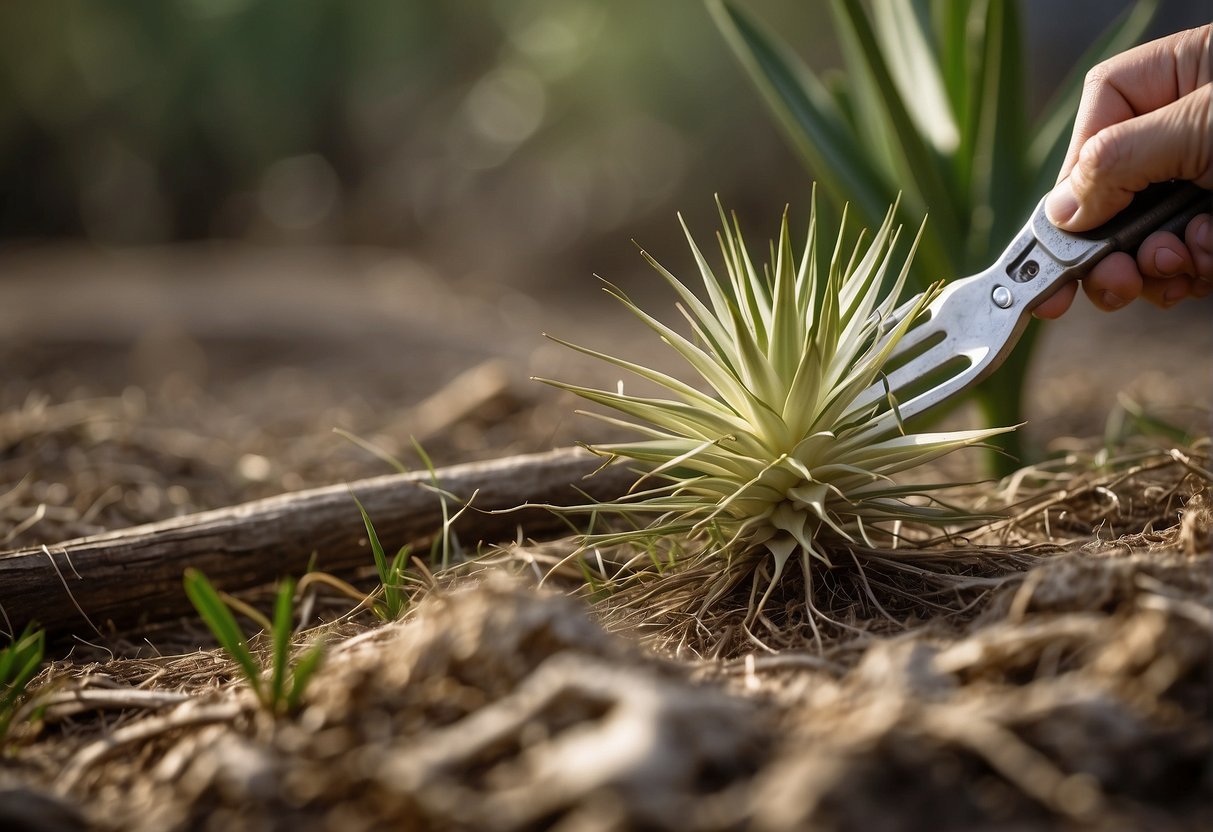
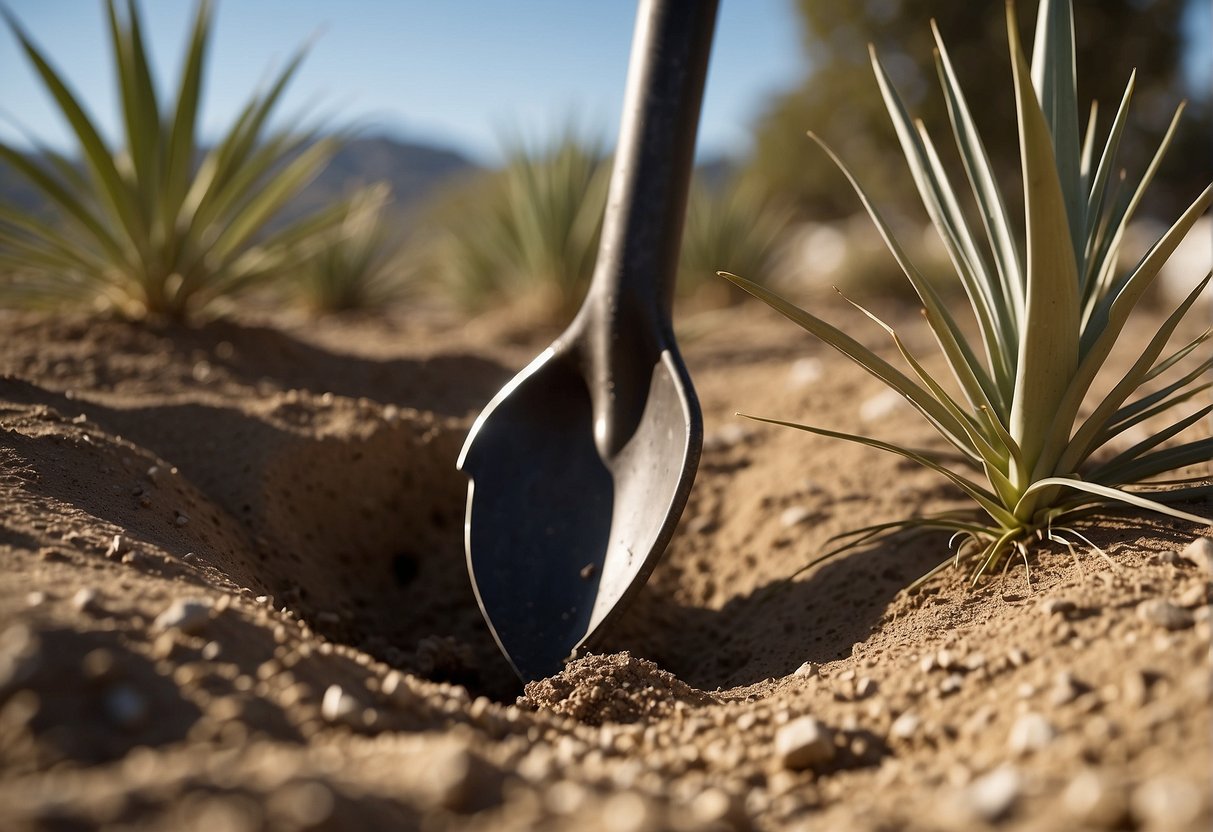
Dig around the parent plant with a shovel, making sure to leave enough space around it to avoid damaging the roots.
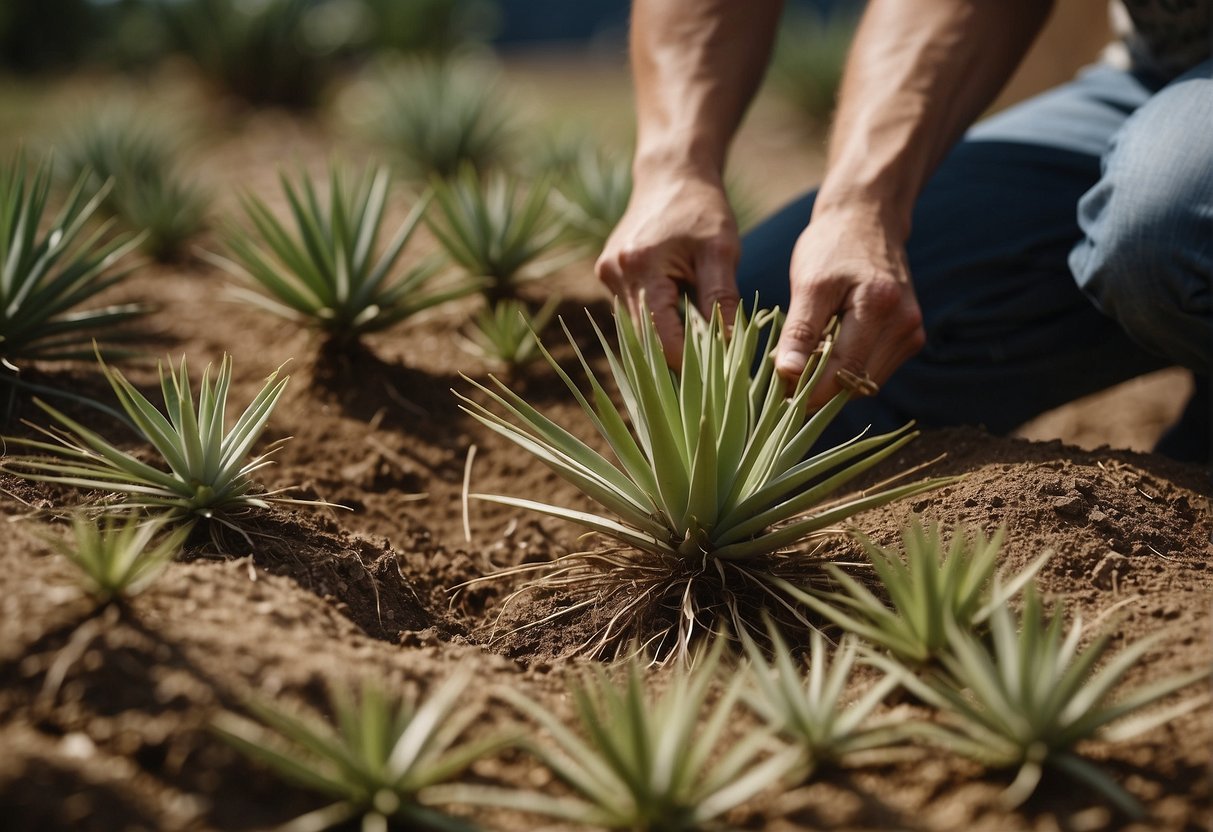
Gently lift the parent plant out of the soil and shake off any excess soil to expose the roots.
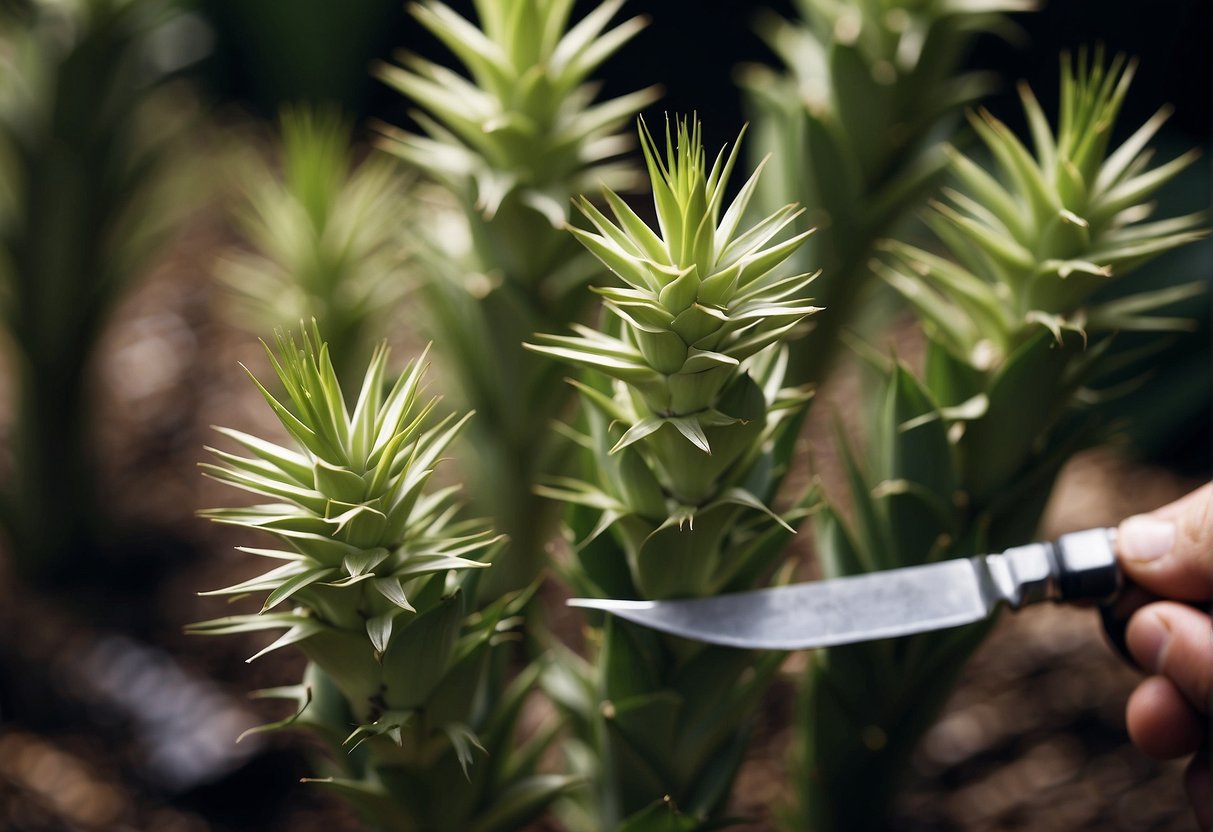
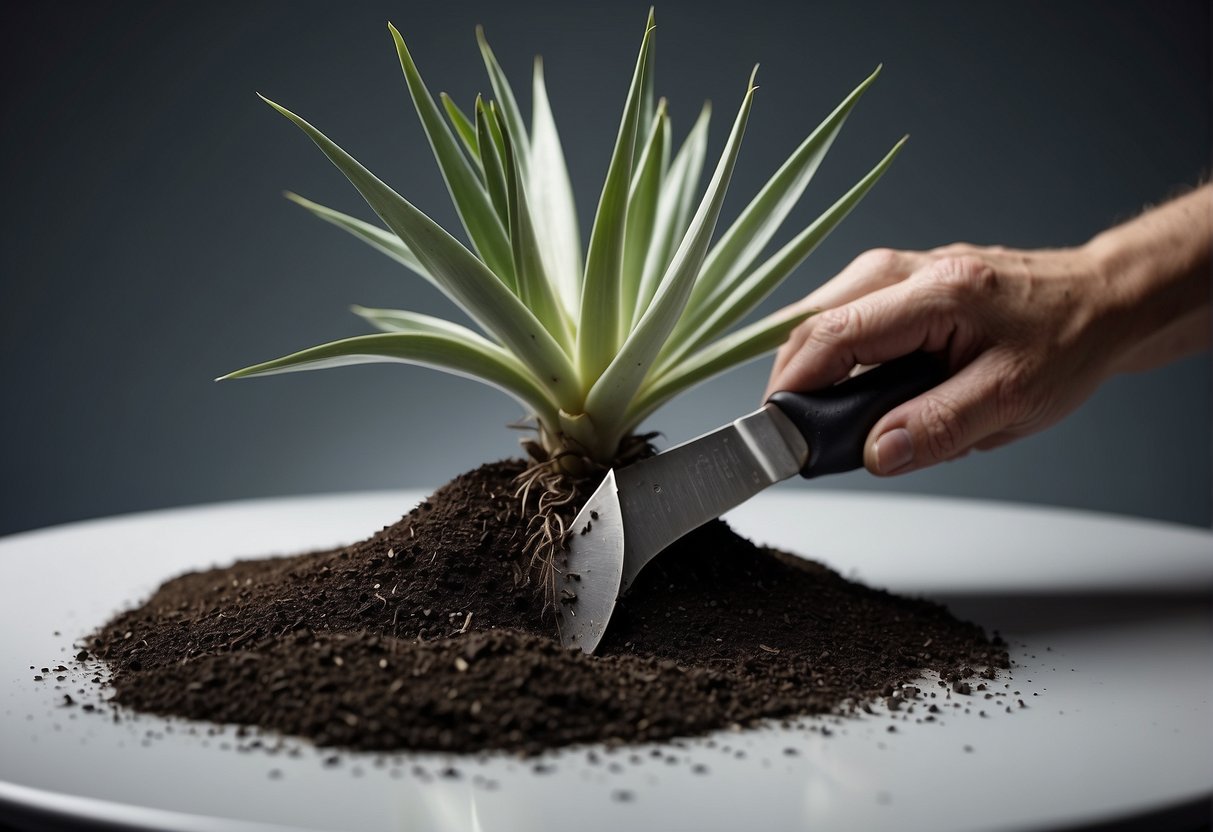
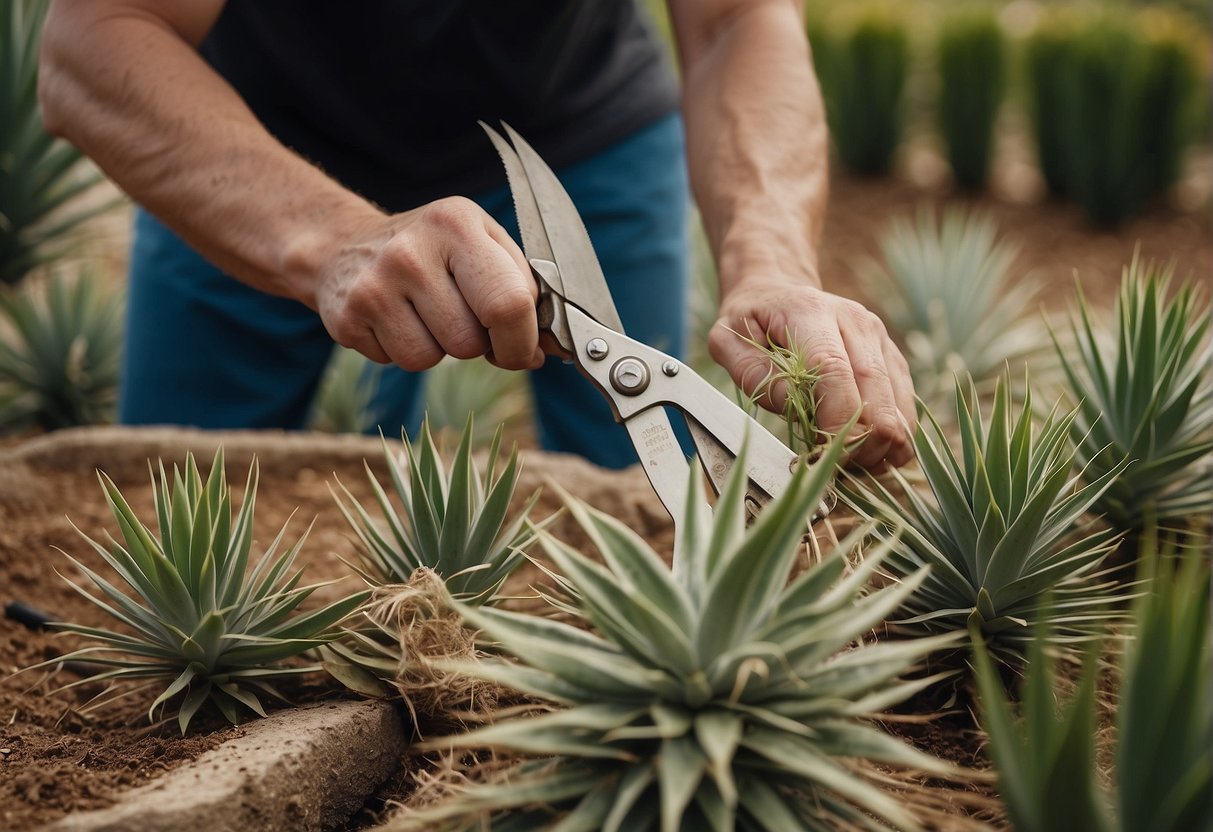
Use a sharp knife to separate the offshoots or pups from the parent plant, making sure to keep some roots attached to each new plant.
If the yucca plant has clumps or large varieties, you may need to use a saw to separate them.
Adjust the fresh soil in the new pot and add some grit to improve drainage.
Plant the new yucca plants at the same depth they were growing before, making sure to space them out adequately.
Water the new plants thoroughly and place them in a sunny location.
Post-Division Care
After dividing your yucca plant, it is essential to take good care of the new plants to help them establish themselves. Here are some tips to help you care for your newly divided yucca plants:
Water the new plants regularly, making sure not to overwater them.
Provide adequate sunlight to encourage new growth.
Make sure the soil is well-draining to prevent root rot.
Fertilize the new plants with compost or a well-balanced fertilizer to help them grow.
By following these simple steps, you can successfully divide your yucca plant and propagate it to create more plants. With proper care and maintenance, your new yucca plants will thrive and add beauty to your landscaping.
Frequently Asked Questions
What is the proper technique for dividing a large yucca plant?
When dividing a large yucca plant, you should first remove it from its container or dig it up from the ground. Then, use a sharp, clean knife or saw to cut through the root ball, ensuring that each section has a healthy root system and a portion of the stem. Finally, replant each section in a well-draining soil mix, and water thoroughly.
Can yucca plants be effectively propagated from side shoots?
Yes, yucca plants can be propagated from side shoots, which are also known as pups. To do this, carefully remove the pup from the mother plant, ensuring that it has a healthy root system. Then, plant it in a well-draining soil mix, and water thoroughly.
What are the steps for transplanting yucca plants?
To transplant a yucca plant, first choose a new location that receives plenty of sunlight and has well-draining soil. Then, dig a hole that is slightly larger than the root ball of the plant. Carefully remove the plant from its container or dig it up from the ground, being sure not to damage the roots. Place the plant in the hole, backfill with soil, and water thoroughly.
How can I propagate yucca cuttings directly in the soil?
To propagate yucca cuttings directly in the soil, first choose a location that receives plenty of sunlight and has well-draining soil. Then, take a cutting from the mother plant, ensuring that it has a healthy stem and a few leaves. Dip the cut end of the cutting in rooting hormone, and plant it in the soil. Water thoroughly, and keep the soil moist until the cutting has rooted.
Is it possible to replant a yucca after cutting it?
Yes, it is possible to replant a yucca after cutting it. When cutting a yucca, be sure to leave a portion of the stem attached to the root ball. Then, replant the yucca in a well-draining soil mix, and water thoroughly.
What should I consider when splitting yuccas in containers?
When splitting yuccas in containers, you should first ensure that each section has a healthy root system and a portion of the stem. Then, replant each section in a well-draining soil mix that is appropriate for container gardening. Be sure to choose a container that is large enough to accommodate the yucca as it grows, and water thoroughly after planting.
Hi Lovelies ! I made this blog to share my tips about Home Improvement, Children, Pets, Food, Gadgets, Automotive, Health & Beauty, and ways to be frugal while maintaining a natural lifestyle. Interested to be a Guest Blogger on my website? Please email me at: [email protected]