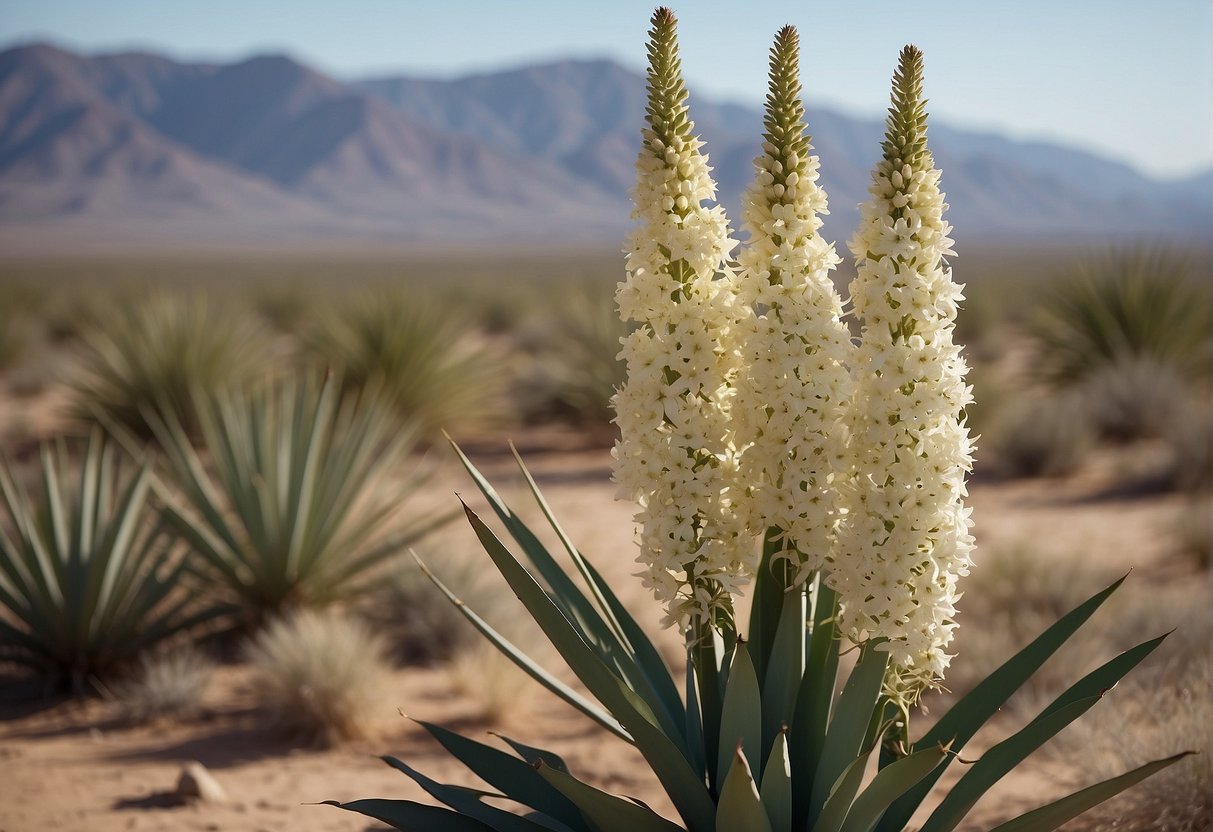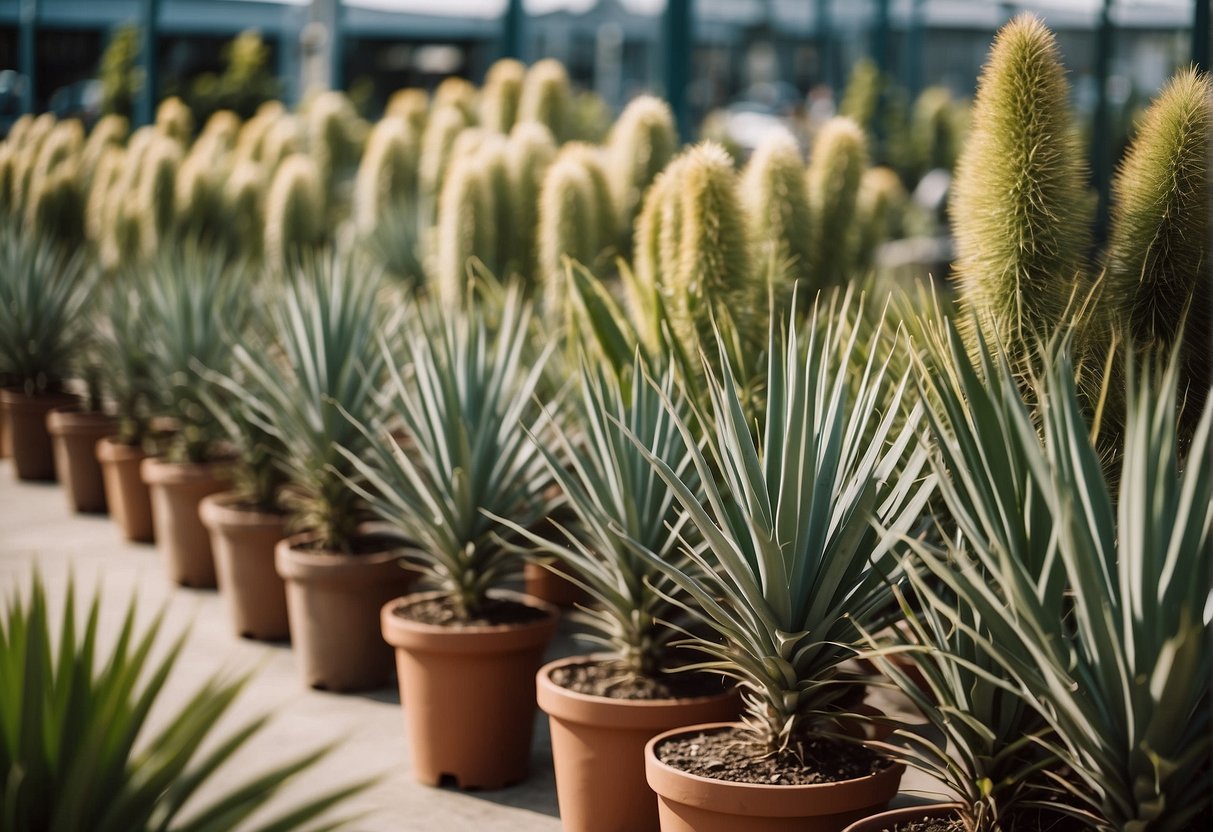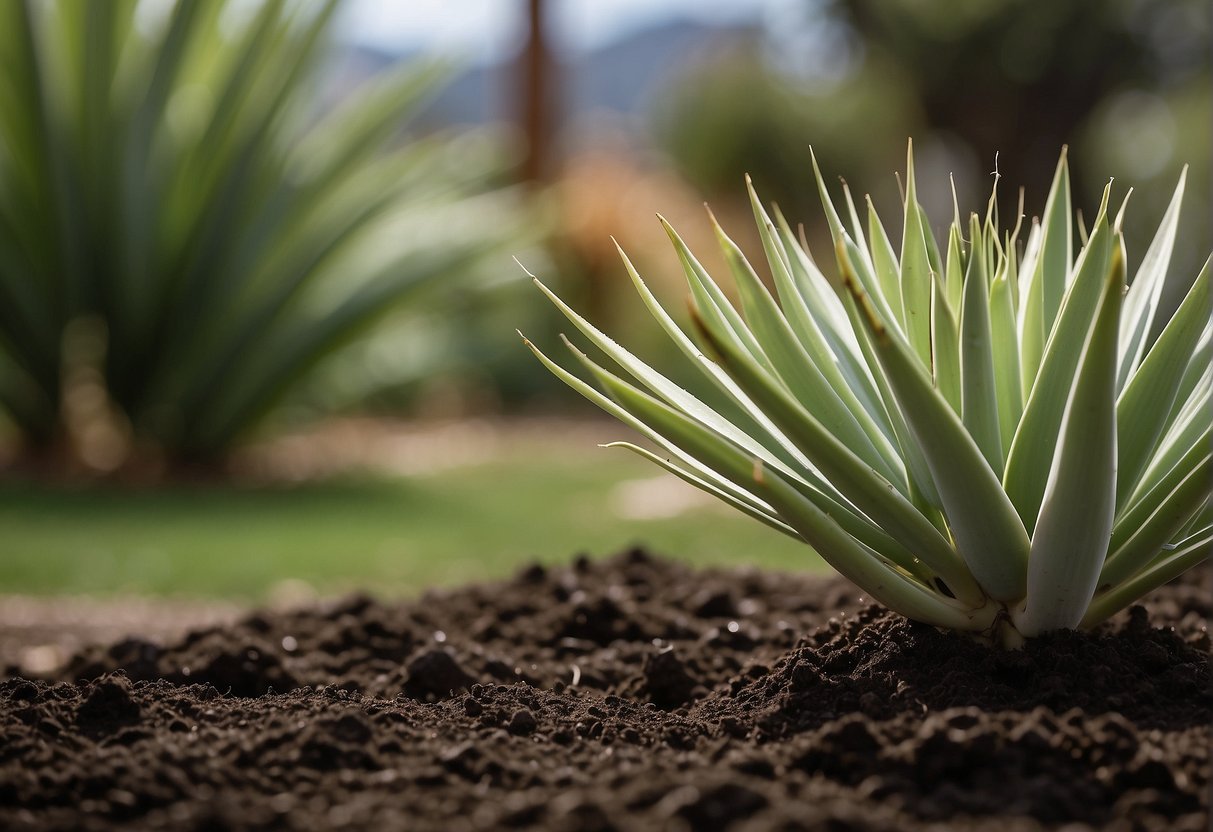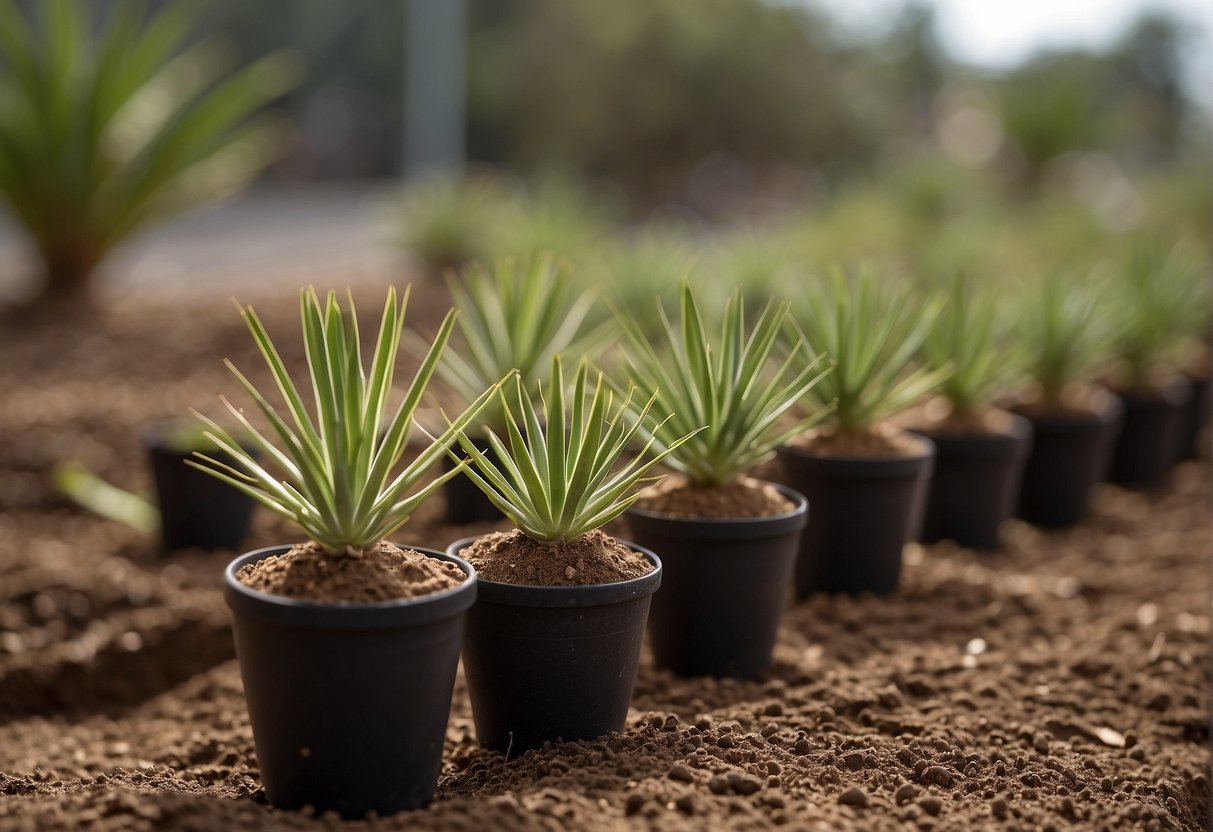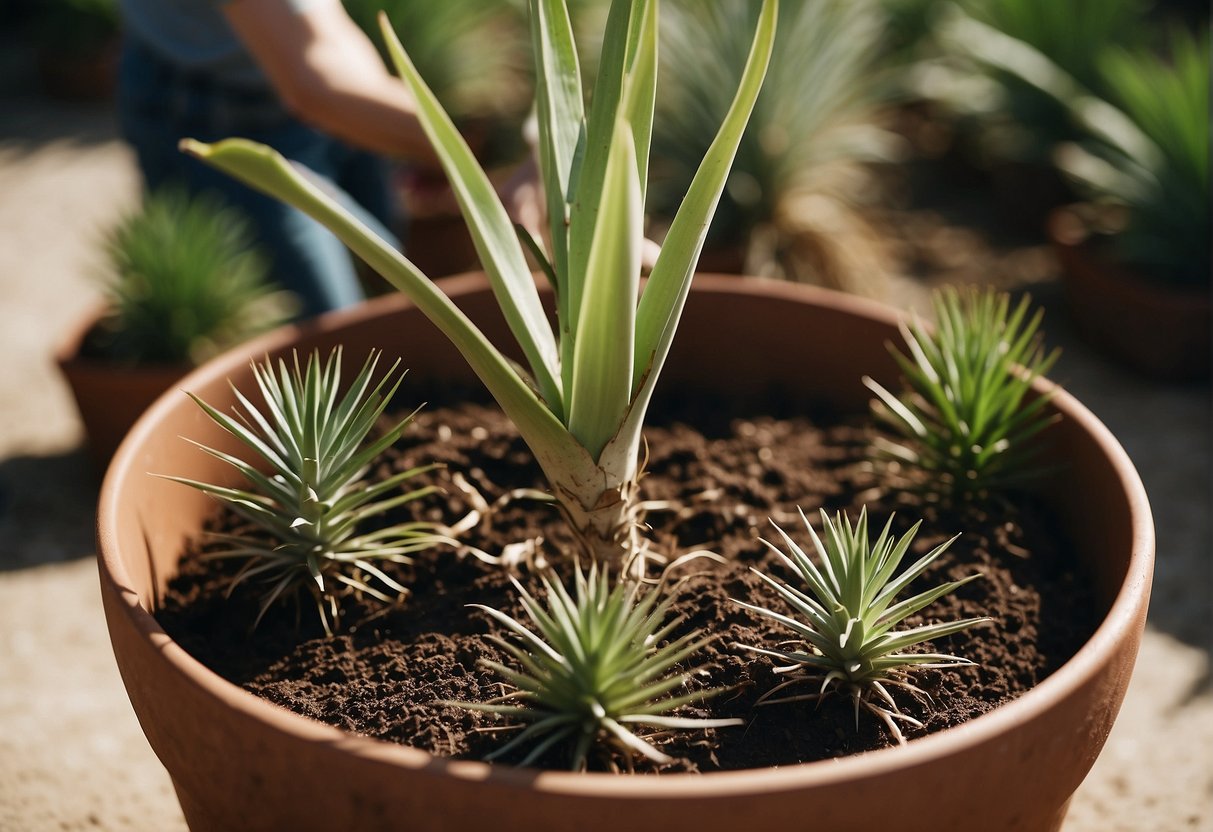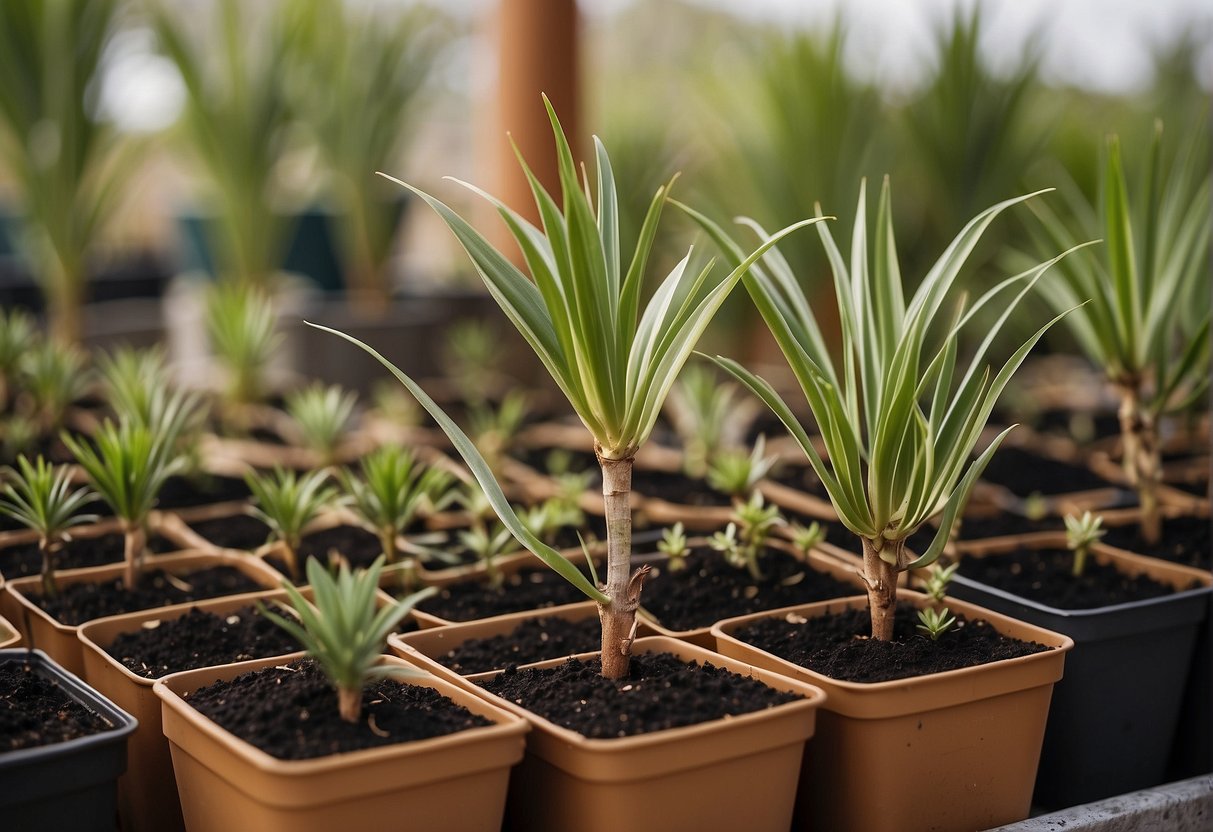

Moving large yucca plants might seem challenging, yet it’s entirely achievable with proper planning and the correct approach. Yuccas are recognized for their toughness and ability to bounce back, however, incorrect transplanting efforts can lead to shock and harm to the plant. If you’re relocating a yucca to another spot or putting it in a new pot, adhering to these guidelines will aid in maintaining a vibrant and flourishing plant.
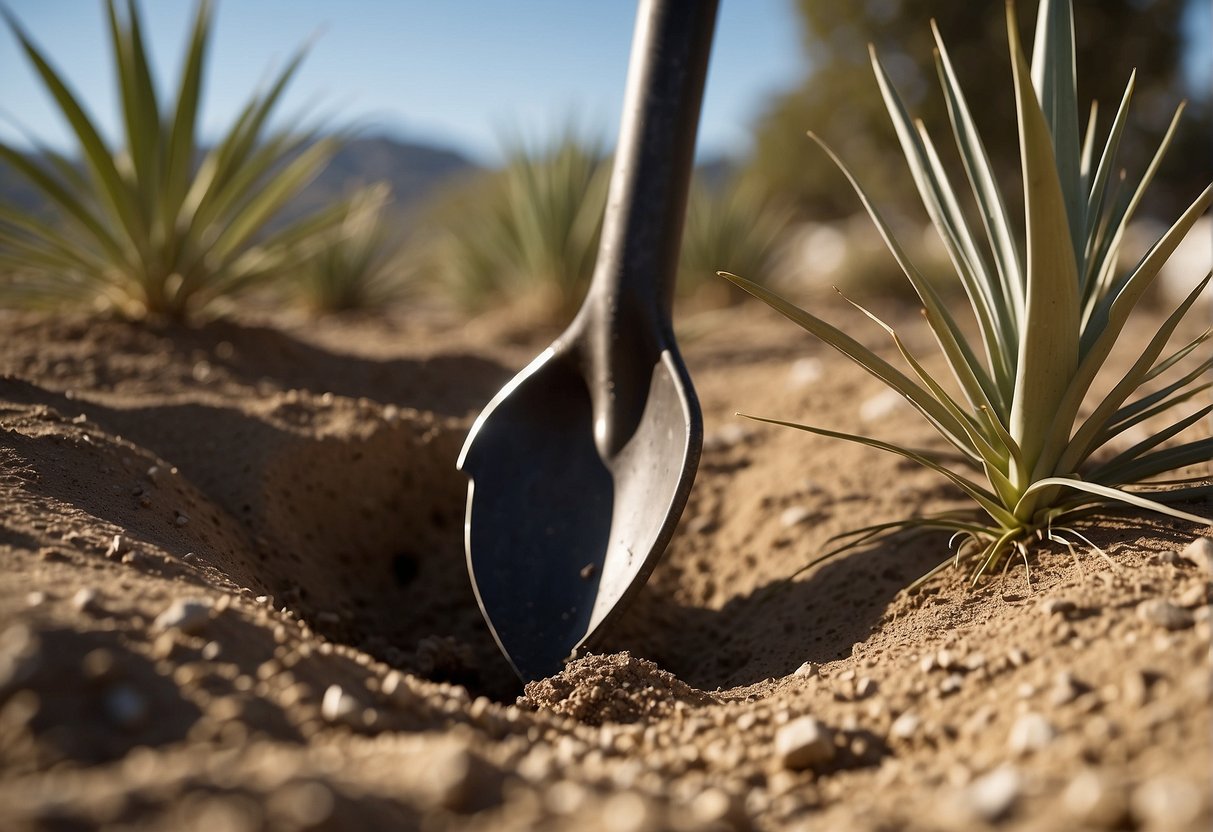
Preparing for transplant is crucial to the success of the operation. Yuccas have long, deep roots that can be difficult to remove. Start by watering the plant a few days before transplanting to loosen the soil. Choose a new location with well-draining soil and enough space for the plant to grow. Have all necessary tools and materials, such as a shovel, wheelbarrow, and new pot or planting hole, ready before starting the transplant. With the right preparation, transplanting your yucca will be much easier and less stressful for both you and the plant.
Key Takeaways
- Proper preparation is key to a successful yucca transplant.
- Choose a new location with well-draining soil and enough space for the plant to grow.
- Have all necessary tools and materials ready before starting the transplant.
Preparing for Transplant
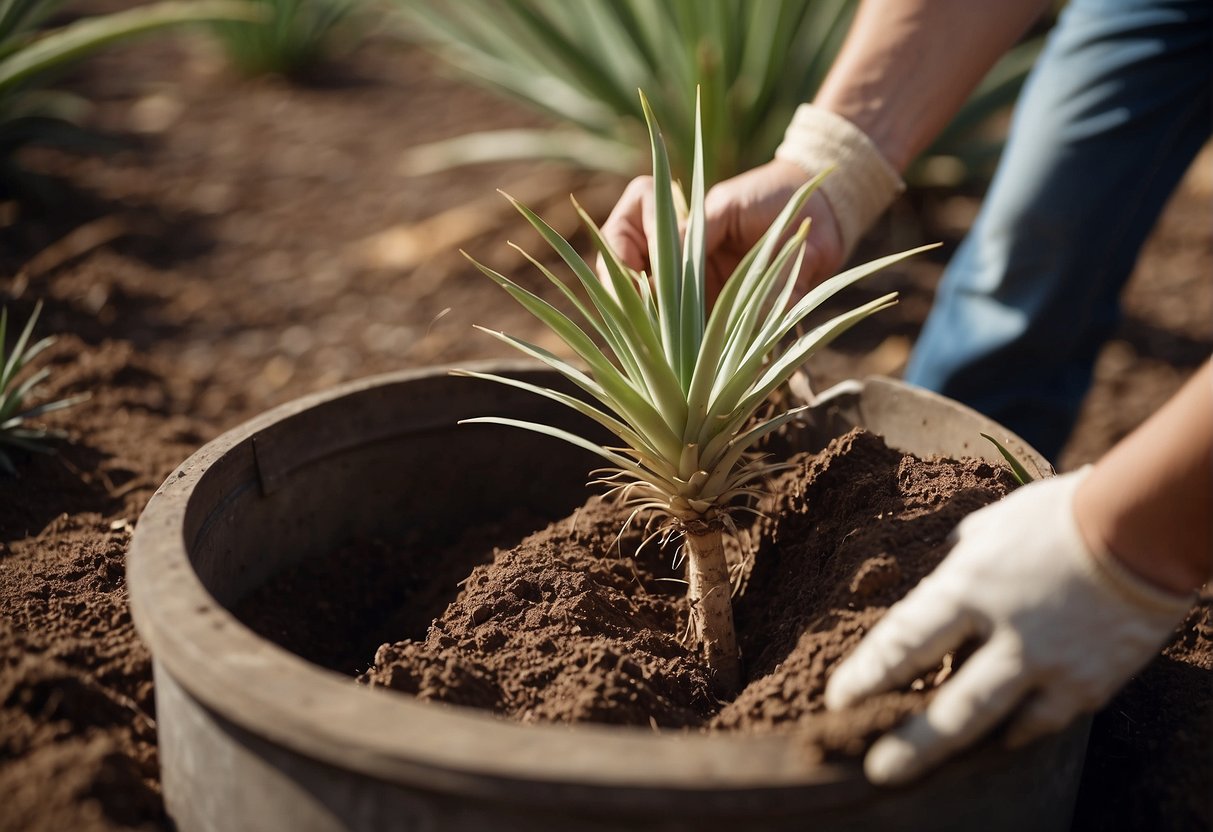
Transplanting a large yucca plant can be a daunting task, but with the right preparation and tools, you can successfully move your plant to a new location. Here are some steps to follow to prepare for transplanting your yucca plant.
Choosing the Right Time
The best time to transplant yucca plants is in the spring or fall when the weather is mild. If you live in an area with mild winters, you can also transplant in early spring or when the plant is dormant. Avoid transplanting during the summer or winter months as extreme temperatures can cause transplant shock and damage the plant.
Selecting the New Location
Before transplanting your yucca plant, choose a new location that has full sun exposure and well-draining soil. Yucca plants thrive in full sun and require well-draining soil to prevent water from sitting around the root system. Make sure the new location has enough space for the plant to grow and won’t be obstructed by other plants or structures.
Digging Up the Yucca
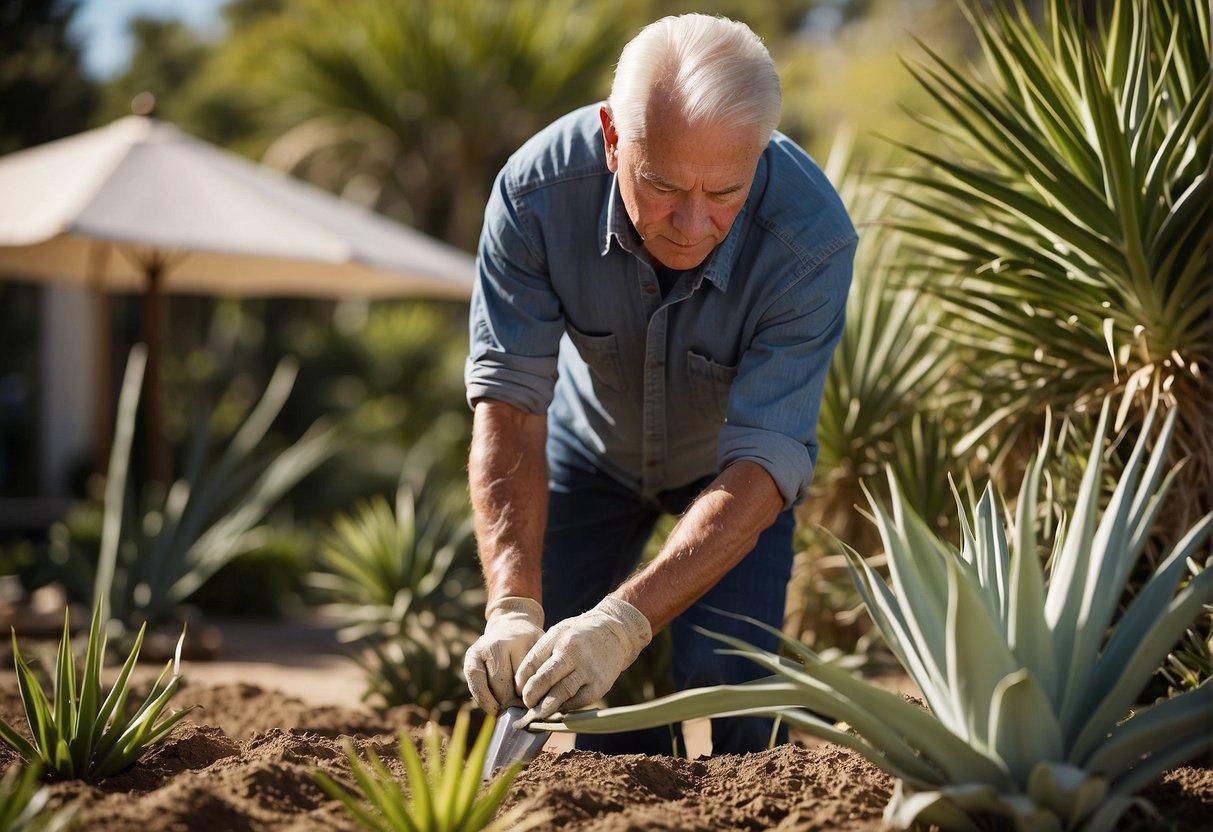
To transplant your yucca plant, you will need a sharp shovel, a box, and a wheelbarrow. Start by digging around the plant, making sure to dig deep enough to expose the taproot. Carefully remove the plant from the ground, making sure to keep the root system intact. Place the plant in a box or wheelbarrow and transport it to the new location.
By following these steps, you can successfully prepare for transplanting your large yucca plant. Remember to handle the plant with care and avoid damaging the root system to prevent disease and transplant shock.
Transplanting the Yucca
Transplanting large yucca plants can be a challenging task, but with proper care and attention, it can be done successfully. Here are some tips on how to transplant your yucca plant.
Planting the Yucca
-
Choose a new location for your yucca plant that receives plenty of sunlight and has well-draining soil. Yucca plants are drought-tolerant and prefer dry soil, so avoid areas with standing water.
-
Dig a new hole twice as wide as the root ball of your yucca plant. Add compost and sand to the soil to improve drainage. Mix the soil well.
-
Carefully remove your yucca plant from its old location. If the plant is too large to lift, you may need to cut the crown into sections. Be sure to use a clean, sharp knife.
-
Place the yucca plant in the new hole, making sure it is level. Backfill the hole with the soil mixture, and gently tamp down the soil around the plant to remove any air pockets.
-
Water your yucca plant thoroughly, and add a layer of organic mulch around the base to help retain moisture.
Aftercare and Maintenance
-
Water your yucca plant sparingly, only when the soil is completely dry. Overwatering can lead to root rot and other diseases.
-
Fertilize your yucca plant once a month during the growing season with a low-nitrogen fertilizer. Avoid fertilizing during the winter months.
-
Regularly remove any dead or damaged leaves from your yucca plant to promote new growth.
-
Check your yucca plant regularly for pests and diseases. Common pests include spider mites and mealybugs, while common diseases include root rot and leaf spot.
By following these tips, you can successfully transplant your yucca plant and enjoy its low-maintenance beauty for years to come.
Frequently Asked Questions
What is the best method to dig up and transplant a mature yucca plant?
To transplant a mature yucca plant, it is best to dig up the entire root ball. This can be done by using a sharp spade to cut around the plant, about 12 inches away from the base, and then digging down to a depth of at least 18 inches. Once the root ball is exposed, use a tarp or burlap to carefully lift the plant out of the ground and move it to its new location.
How do you minimize transplant shock when moving a large yucca?
To minimize transplant shock when moving a large yucca, it is important to water the plant thoroughly a few days before transplanting. This will help to ensure that the roots are well-hydrated and better able to handle the stress of being moved. Additionally, it is important to minimize the amount of time that the plant is out of the ground, and to keep the roots covered and moist during the transplanting process.
When is the ideal time of year to transplant yucca plants?
The ideal time of year to transplant yucca plants is in the spring or fall, when temperatures are mild and there is less stress on the plant. Avoid transplanting yucca plants during the hot summer months or during periods of drought, as this can increase the risk of transplant shock and damage to the plant.
What are the steps to successfully divide and transplant yucca plants?
To divide and transplant yucca plants, start by digging up the entire root ball and then carefully separating the plant into smaller sections. Each section should have a healthy root system and several stems or leaves. Plant each section in a new location, making sure to water thoroughly and provide adequate sunlight.
Can you plant yucca cuttings directly into the ground, and how?
Yes, yucca cuttings can be planted directly into the ground. To do this, simply prepare a hole in well-draining soil and insert the cutting, making sure that the base of the cutting is below the soil surface. Water thoroughly and provide adequate sunlight.
What should be considered when selecting pots for repotting large yucca plants?
When selecting pots for repotting large yucca plants, it is important to choose a pot that is at least 2-3 inches larger in diameter than the current pot. Additionally, make sure that the pot has drainage holes to allow excess water to escape. Choose a high-quality potting soil that is well-draining and nutrient-rich, and water the plant thoroughly after repotting.