Home » Blog » How to Split Red Yucca Plants: A Step-by-Step Guide
How to Split Red Yucca Plants: A Step-by-Step Guide
December 29, 2024
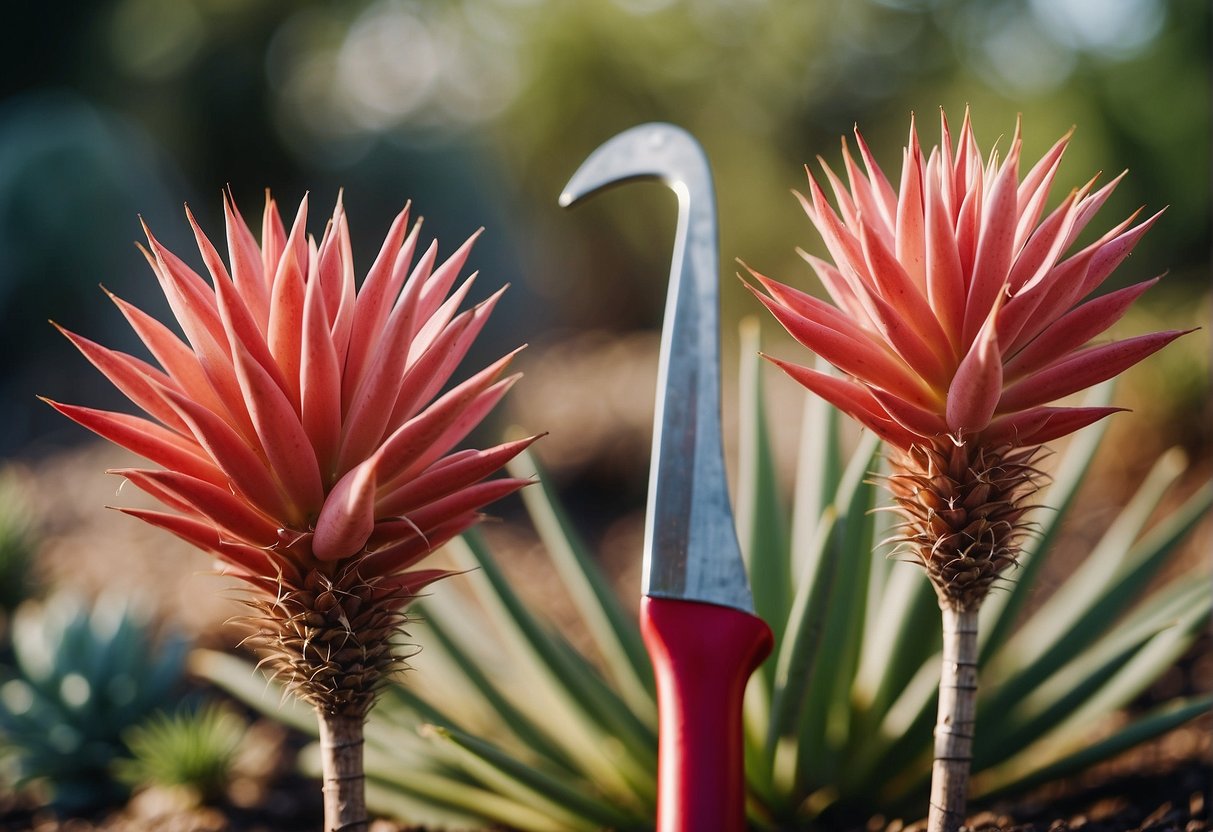
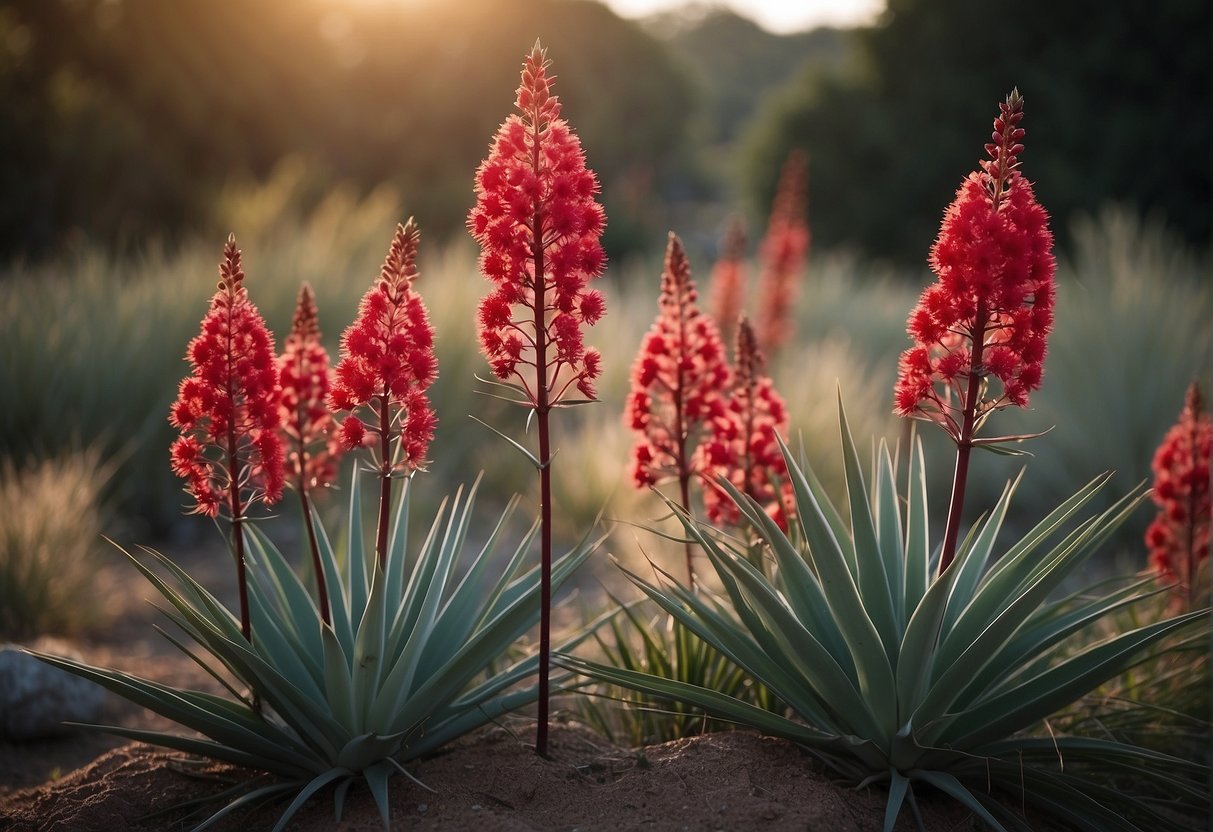
Should you be in search of a plant that requires little upkeep and can thrive in dry conditions for your garden, consider the red yucca (Hesperaloe parviflora). These resilient plants hail from the southwestern regions of the United States and Mexico, and they’re celebrated for their vibrant red blooms that appear from late spring to fall. For those who already possess a red yucca in their garden and are thinking of increasing their collection or passing some on to friends, splitting the plant is an easy and efficient method to achieve this.
Before you begin dividing your red yucca plant, it’s important to prepare the plant and the surrounding area. Make sure the plant is well-watered and healthy, and choose a time to divide it when the weather is mild and overcast. You’ll also want to gather all of the necessary tools, including a sharp knife or pruning shears, a shovel or garden fork, and a container or pot for the new plant. By taking the time to prepare properly, you’ll minimize the risk of damaging the plant and ensure that the division process goes smoothly.
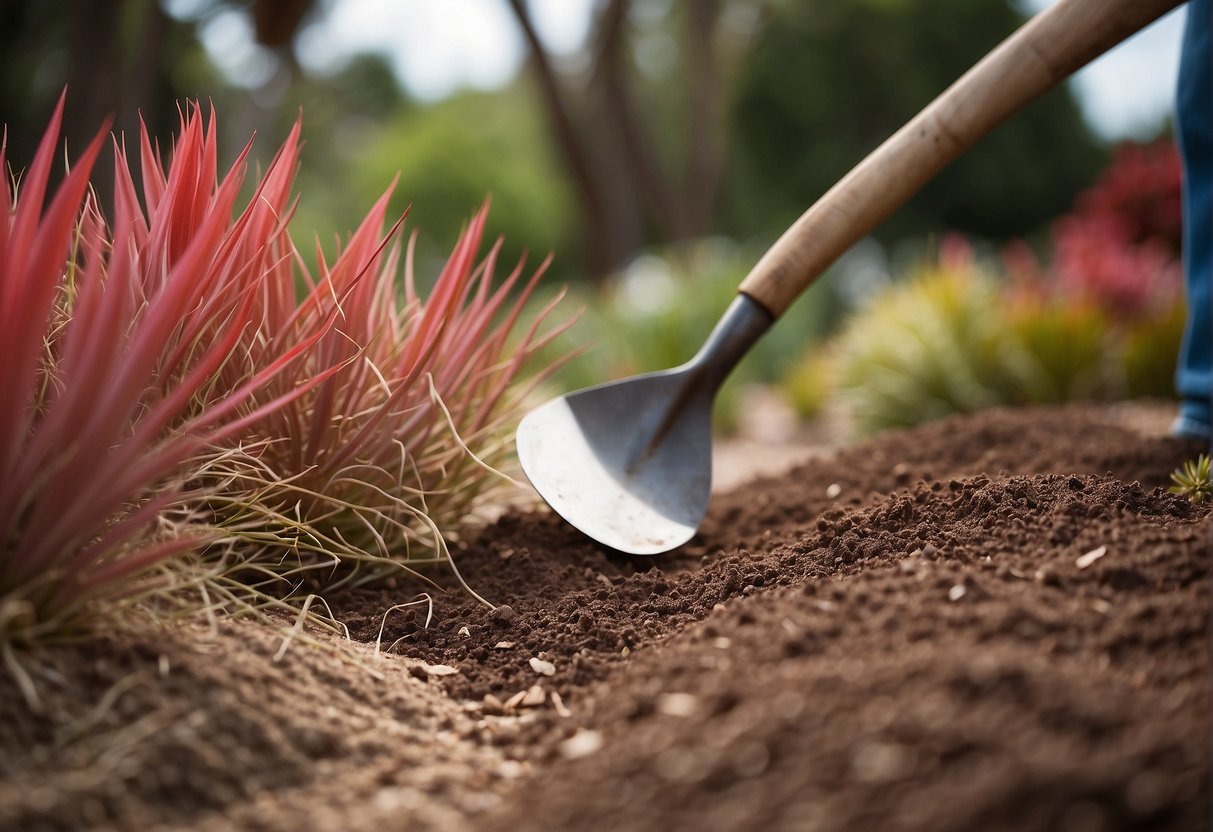
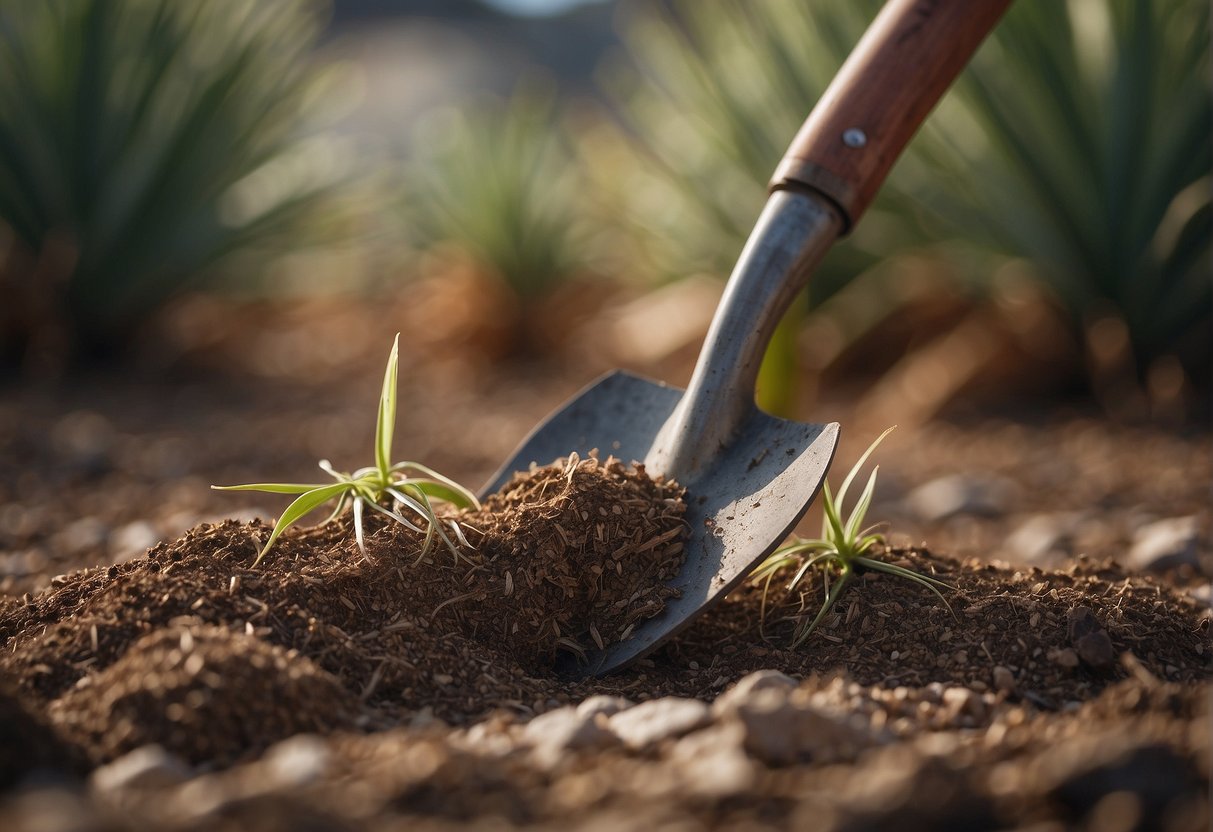
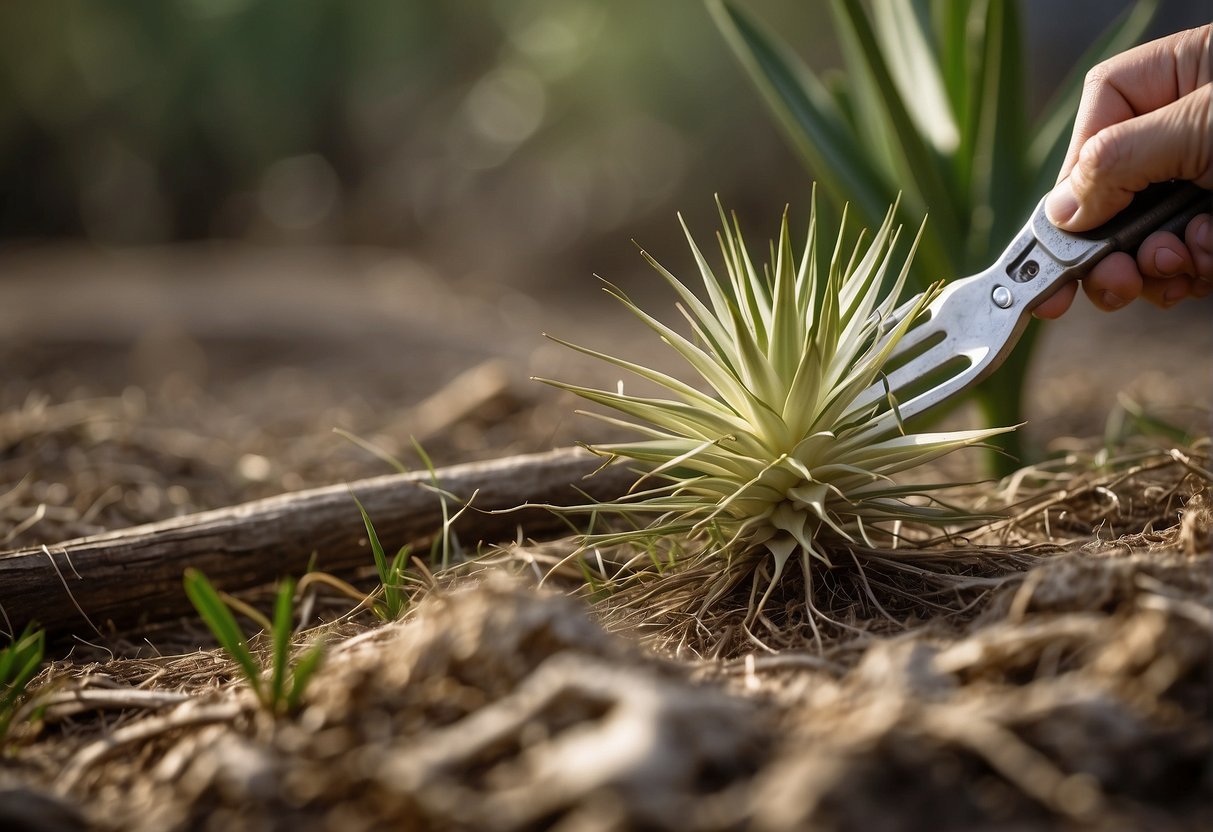
Executing the division of a red yucca plant is a relatively straightforward process. Begin by digging around the base of the plant with a shovel or garden fork, being careful not to damage the roots. Once you’ve loosened the soil, gently lift the plant out of the ground and use your knife or pruning shears to separate the plant into two or more sections. Make sure each section has a healthy root system and at least one stem or rosette of leaves. Finally, replant each section in a new location, being sure to water the plant thoroughly to help it establish itself in its new home.
Key Takeaways
Red yucca plants are a low-maintenance, drought-tolerant plant that are native to the southwestern United States and Mexico.
Before dividing a red yucca plant, make sure it is well-watered and healthy, and choose a time to divide it when the weather is mild and overcast.
To divide a red yucca plant, dig around the base of the plant with a shovel or garden fork, lift the plant out of the ground, separate it into two or more sections, and replant each section in a new location.
Preparing for Division
Before splitting your red yucca plants, you must prepare adequately to ensure that the process goes smoothly. This section will guide you on the optimal timing for division and the required tools for the process.
Optimal Timing
The best time to divide your red yucca plants is during early spring or fall. During these seasons, the plants are not actively growing, and the temperatures are mild, which reduces the chances of transplant shock. It is advisable to avoid dividing the plants during the summer when the temperatures are high, and the plants are actively growing.
Required Tools
To split your red yucca plants successfully, you will need the following tools:
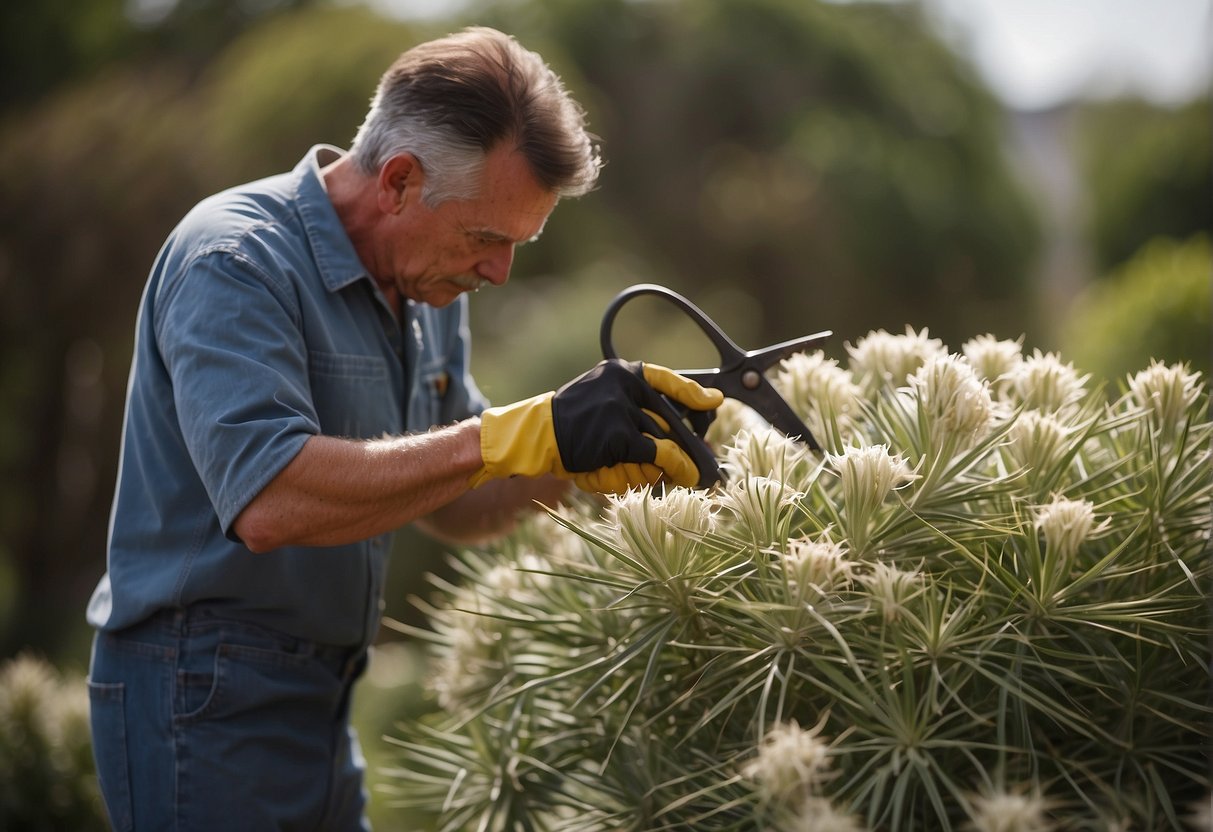
Gloves: Wear gloves to protect your hands from the sharp leaves of the plant.
Shovel or Spade: Use a shovel or spade to dig around the plant to loosen the soil.
Sharp Knife or Garden Knife: Use a sharp knife or garden knife to cut through the roots of the plant.
Pruning Saw: Use a pruning saw to cut through any thick or woody roots that the knife cannot cut.
Ensure that your tools are clean and sharp before use to avoid damaging the plant. With these tools, you are ready to divide your red yucca plants.
Remember to handle the plants with care during the division process to avoid damaging the roots or leaves. With the right tools and optimal timing, your red yucca plants will thrive after division.
Executing the Division
Dividing a red yucca plant is a simple process that can help improve its health and promote new growth. Here’s how you can execute the division of your red yucca plant.
Separating Offsets
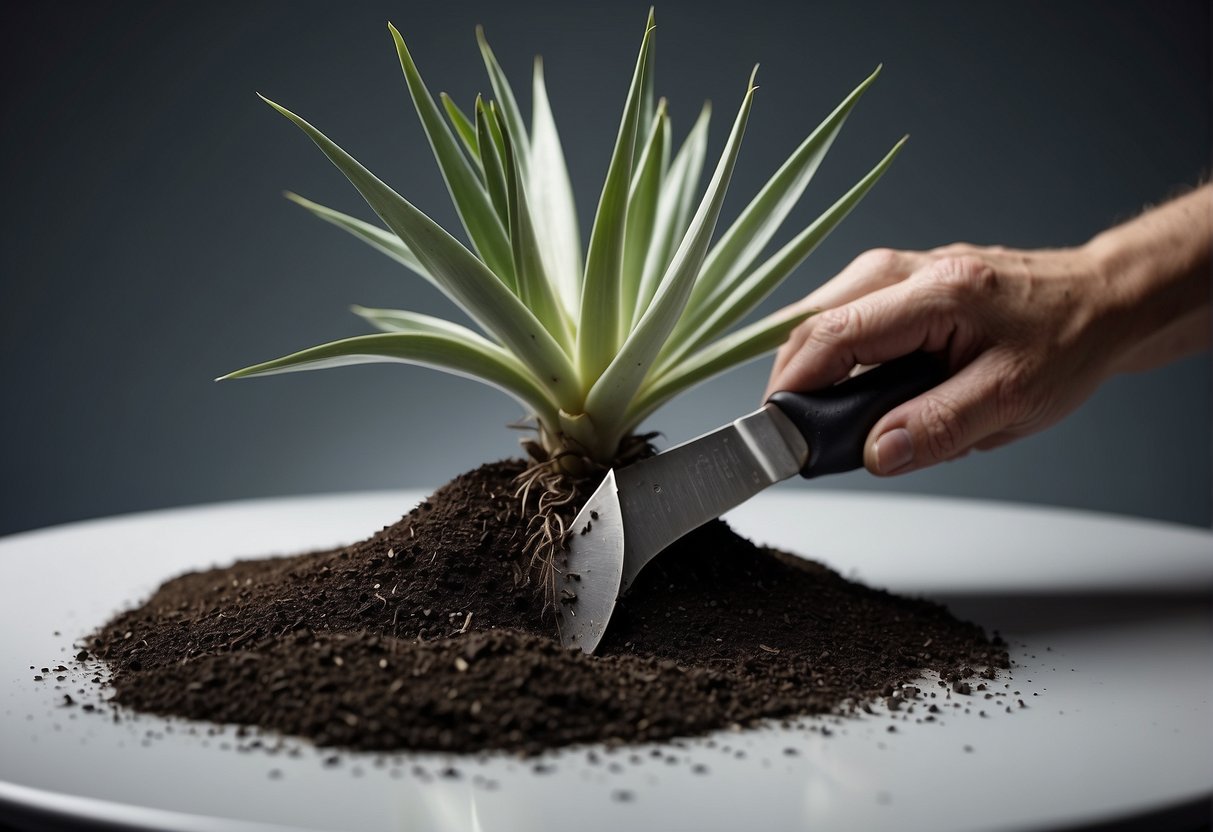
First, identify the offsets or pups that have grown around the base of the parent plant. Use a clean and sharp knife or pruning saw to separate the offsets from the main stem. Make sure to cut as close to the parent plant as possible to avoid damaging the roots.
Potting and Aftercare
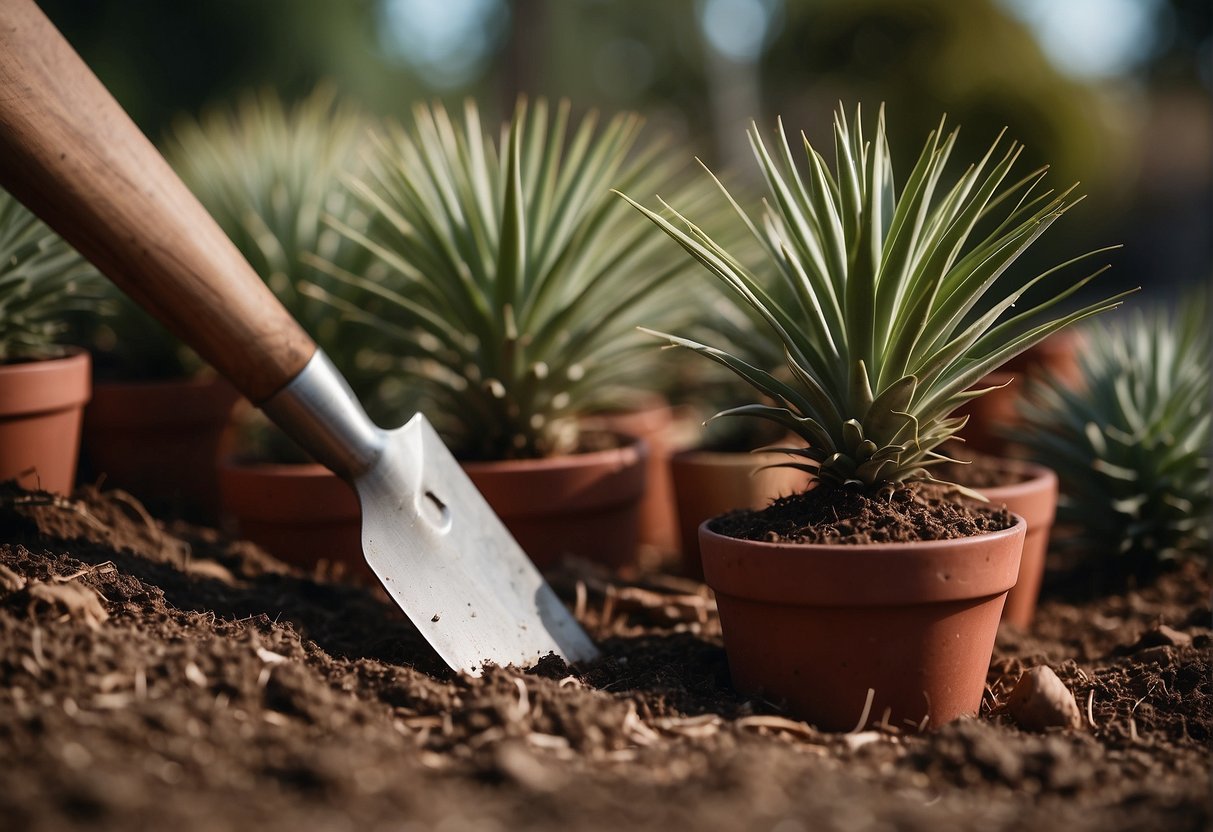
After separating the offsets, prepare a pot with well-draining soil. A mixture of sand and succulent potting soil is ideal for red yucca plants. Make sure the pot has drainage holes to ensure proper drainage.
Plant the offsets in the pot and water them thoroughly. Place the pot in a bright location with full sun exposure. Water the plants regularly, but make sure the soil is well-drained to prevent root rot.
During winter dormancy, reduce watering and fertilization. Prune any unproductive stems and remove any rotted roots to promote plant health.
Dividing red yucca plants is best done during the spring or early fall when the plant is not in its dormant phase. Small plants are easier to handle and have a higher chance of success when dividing.
With proper care and maintenance, your red yucca plants will thrive and produce vibrant blooms year after year. For more gardening tips and free downloads, check out the Gardening Know How newsletter or ebook on how to grow delicious tomatoes. Remember to wear sturdy pants and a long-sleeved shirt when handling yucca leaves to protect your skin.
Frequently Asked Questions
What is the best time of year to divide yucca plants?
The best time to divide yucca plants is in the spring or fall when the weather is mild. This is when the plants are actively growing and can recover quickly from the shock of being divided.
What steps should be followed to successfully divide a large yucca plant?
To divide a large yucca plant, start by digging around the plant to loosen the soil. Then, carefully lift the plant out of the ground and gently shake off any excess soil. Use a sharp, clean knife or pruning shears to cut the plant into smaller sections, making sure that each section has at least one healthy root system. Replant the sections in well-draining soil and water them thoroughly.
Can you propagate yucca by planting side shoots directly in the soil?
Yes, yucca plants can be propagated by planting side shoots directly in the soil. Simply cut off a healthy side shoot, remove any leaves from the bottom, and plant the shoot in well-draining soil. Water the plant thoroughly and keep it in a warm, sunny location until it establishes roots.
What is the proper technique for propagating red yucca?
To propagate red yucca, start by removing any dead or damaged leaves from the plant. Then, use a sharp, clean knife or pruning shears to cut off a healthy side shoot. Remove any leaves from the bottom of the shoot and plant it in well-draining soil. Water the plant thoroughly and keep it in a warm, sunny location until it establishes roots.
Should you cut back a red yucca before attempting to split it?
Yes, it is recommended to cut back a red yucca before attempting to split it. This will make the plant easier to handle and will reduce the amount of stress on the plant during the division process.
How do you care for yucca plants after dividing them?
After dividing yucca plants, it is important to water them thoroughly and keep them in a warm, sunny location until they establish roots. Once the plants are established, they can be moved to their permanent location and cared for like any other yucca plant. Make sure to water the plants deeply but infrequently, and avoid overwatering or allowing the soil to become waterlogged.
Hi Lovelies ! I made this blog to share my tips about Home Improvement, Children, Pets, Food, Gadgets, Automotive, Health & Beauty, and ways to be frugal while maintaining a natural lifestyle. Interested to be a Guest Blogger on my website? Please email me at: [email protected]