Home » Blog » How Tall Can Yucca Plants Grow: A Comprehensive Guide
How Tall Can Yucca Plants Grow: A Comprehensive Guide
December 27, 2024
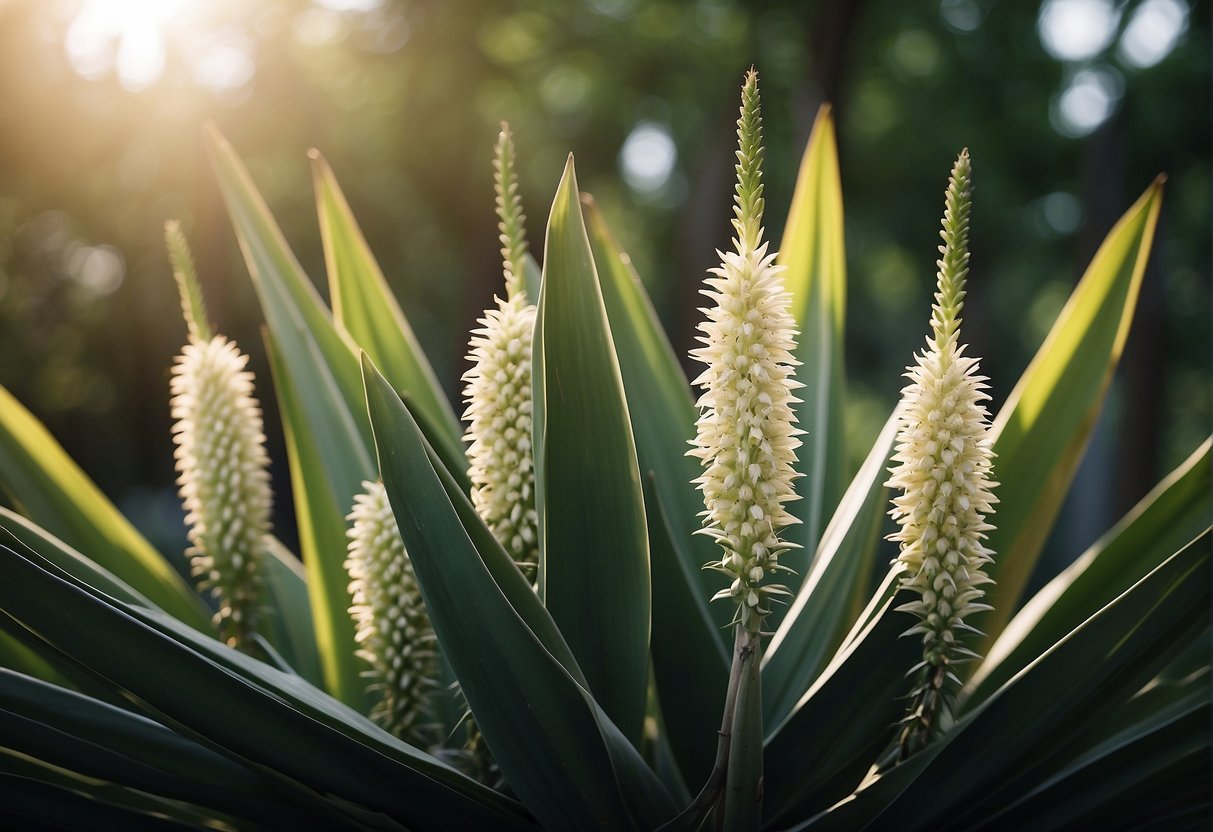
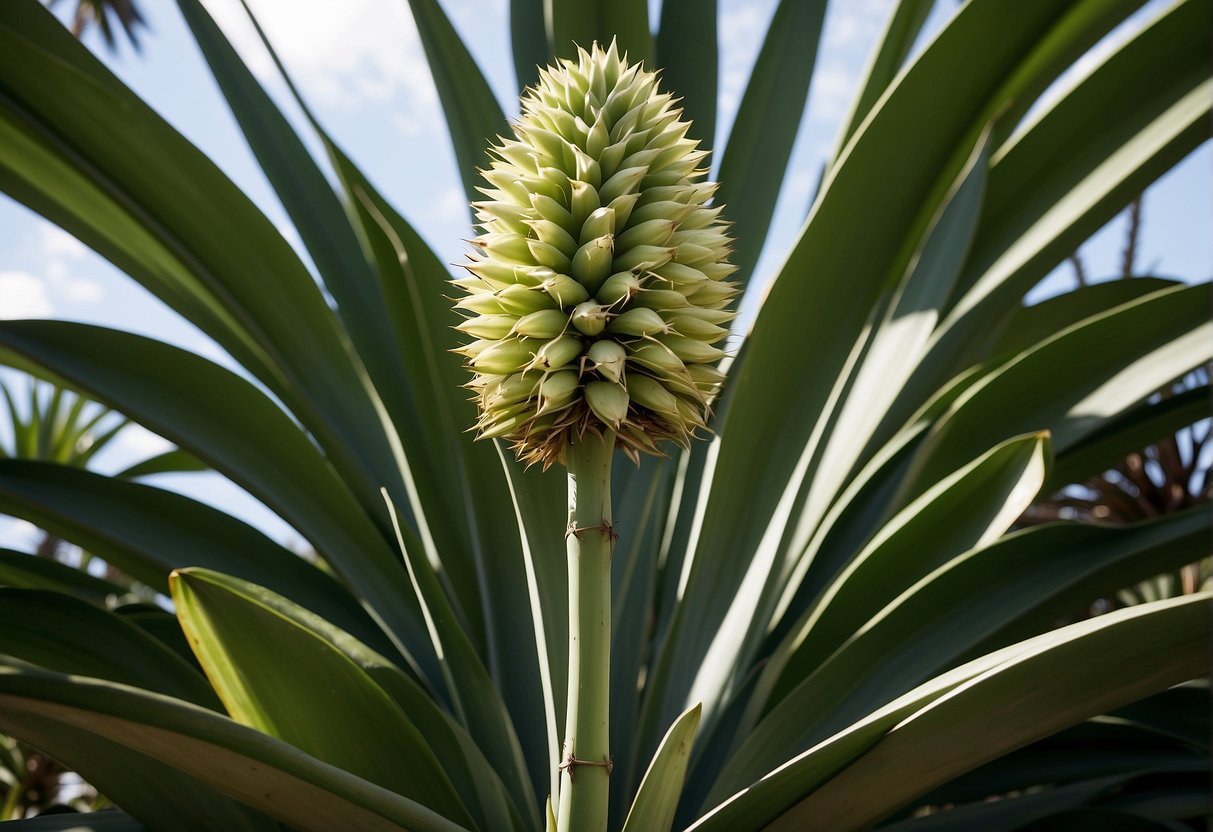
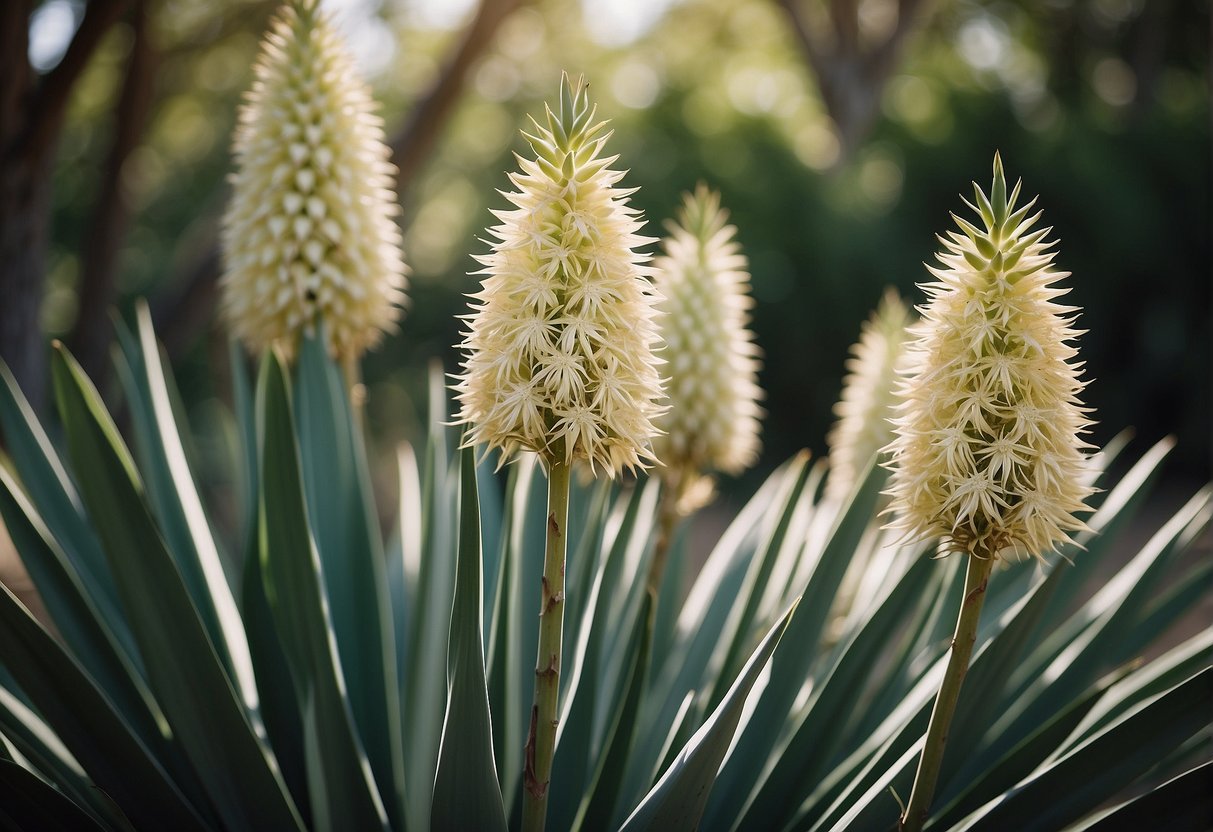
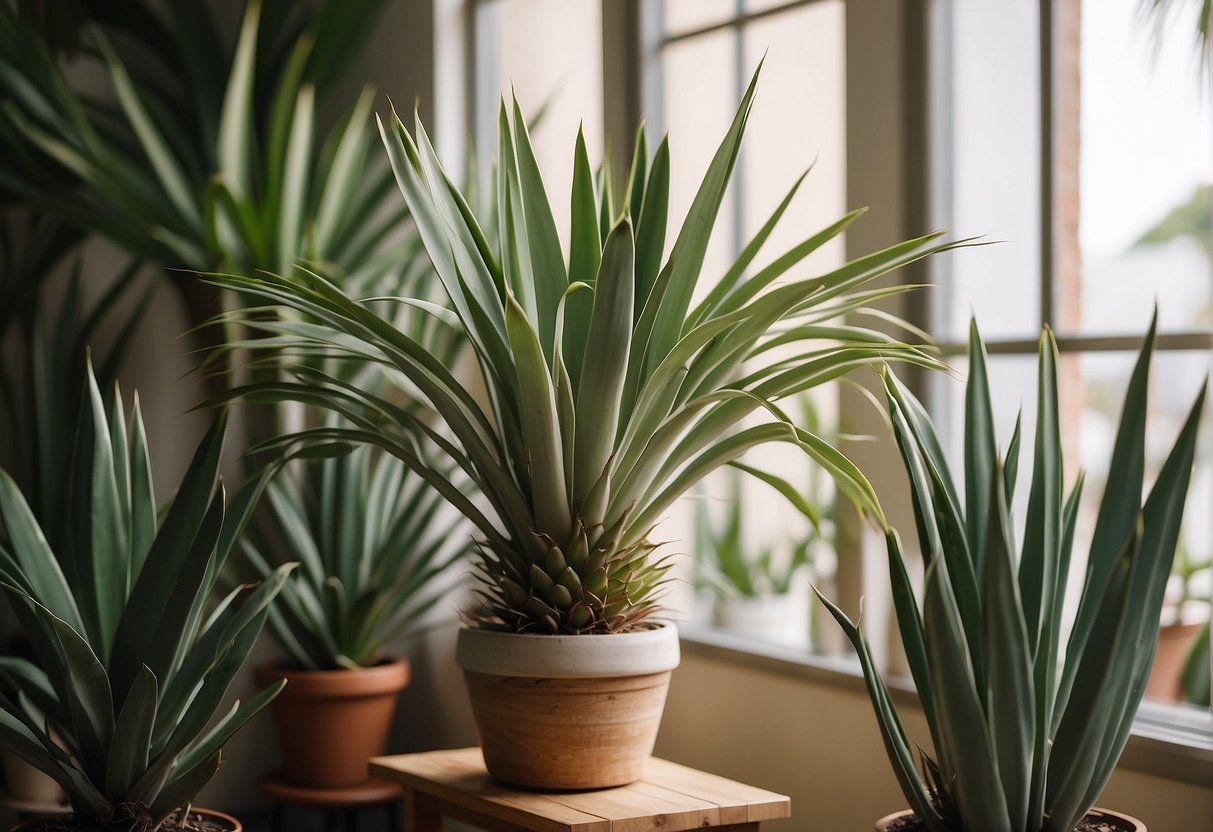
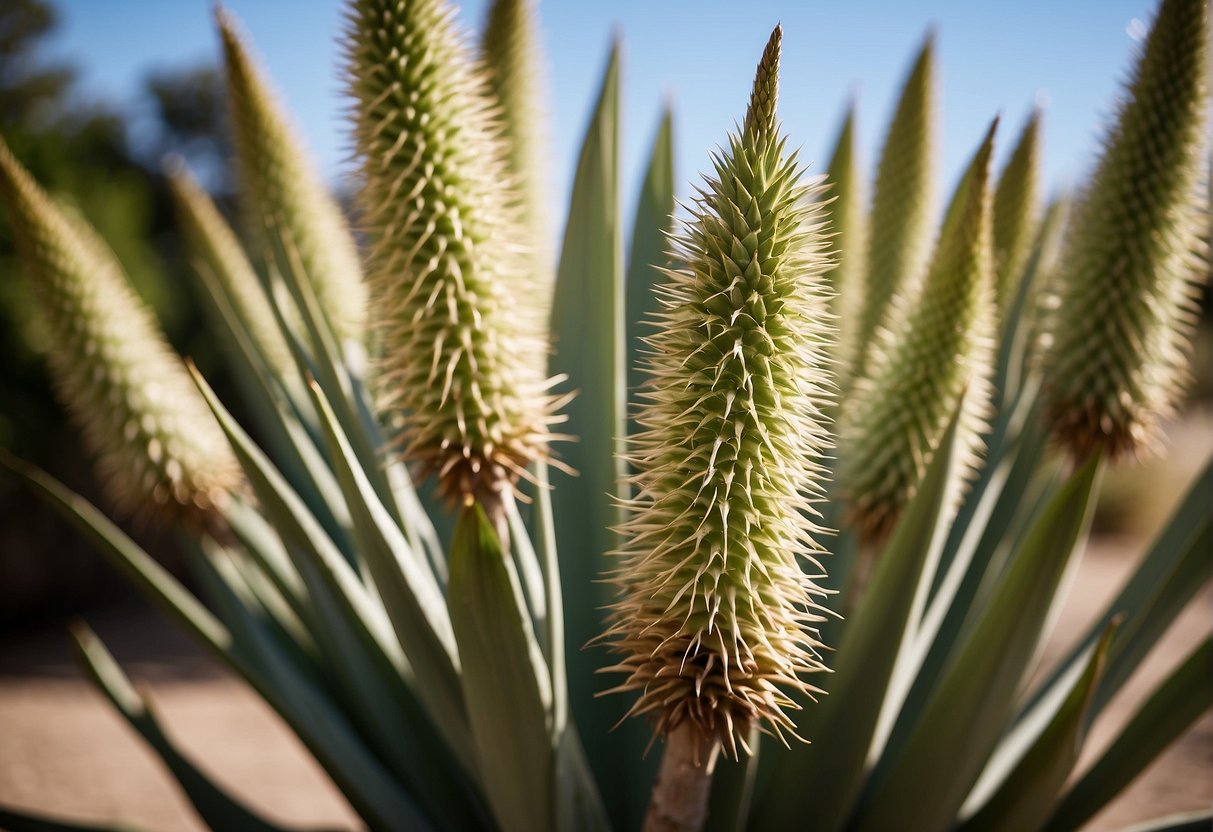
Yucca plants, recognizable by their sword-like leaves and impressive flower stalks, originate from the dry areas of the Americas and are well-suited for life in warm, arid conditions. Should you be thinking about incorporating a yucca plant into your home or garden, you might be curious about their potential growth height. In this article, we aim to delve into the elements that determine the height of yucca plants, providing insight into what you can anticipate from these distinctive plants.
Yucca plants can vary widely in size depending on the species and growing conditions. Some yucca plants, like the Yucca elephantipes, can grow up to 30 feet tall in the wild, while others, like the Yucca filamentosa, may only reach a height of 2-3 feet. Understanding the factors that influence yucca plant height can help you choose the right species for your needs and create the ideal growing conditions for your plant. In the following sections, we’ll explore these factors in more detail and answer some common questions about yucca plant growth.
Key Takeaways
Yucca plant height can vary widely depending on the species and growing conditions.
Factors that influence yucca plant height include species, growing conditions, and age.
Understanding yucca plant growth can help you choose the right species and create ideal growing conditions for your plant.
Understanding Yucca Plants
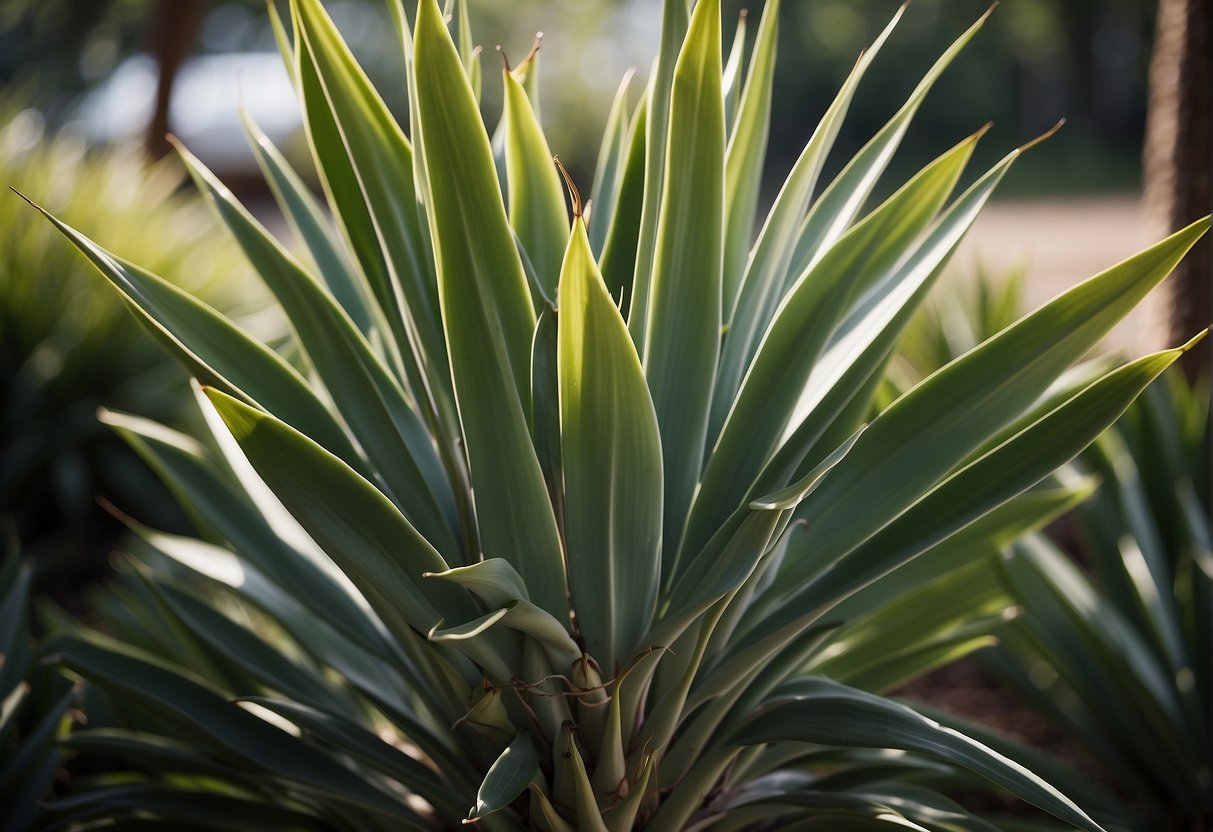
Yucca plants are a popular choice for many gardeners due to their unique shape, color, and texture. They are known for their sword-shaped leaves and rosettes, and can come in various shades of green, white, cream, blue, blue-green, yellow, and even pink or gold. There are many species of yucca plants, including the yucca elephantipes, yucca filamentosa, yucca rostrata, yucca brevifolia, and yucca gloriosa, each with its own characteristics and growing requirements.
Species and Characteristics
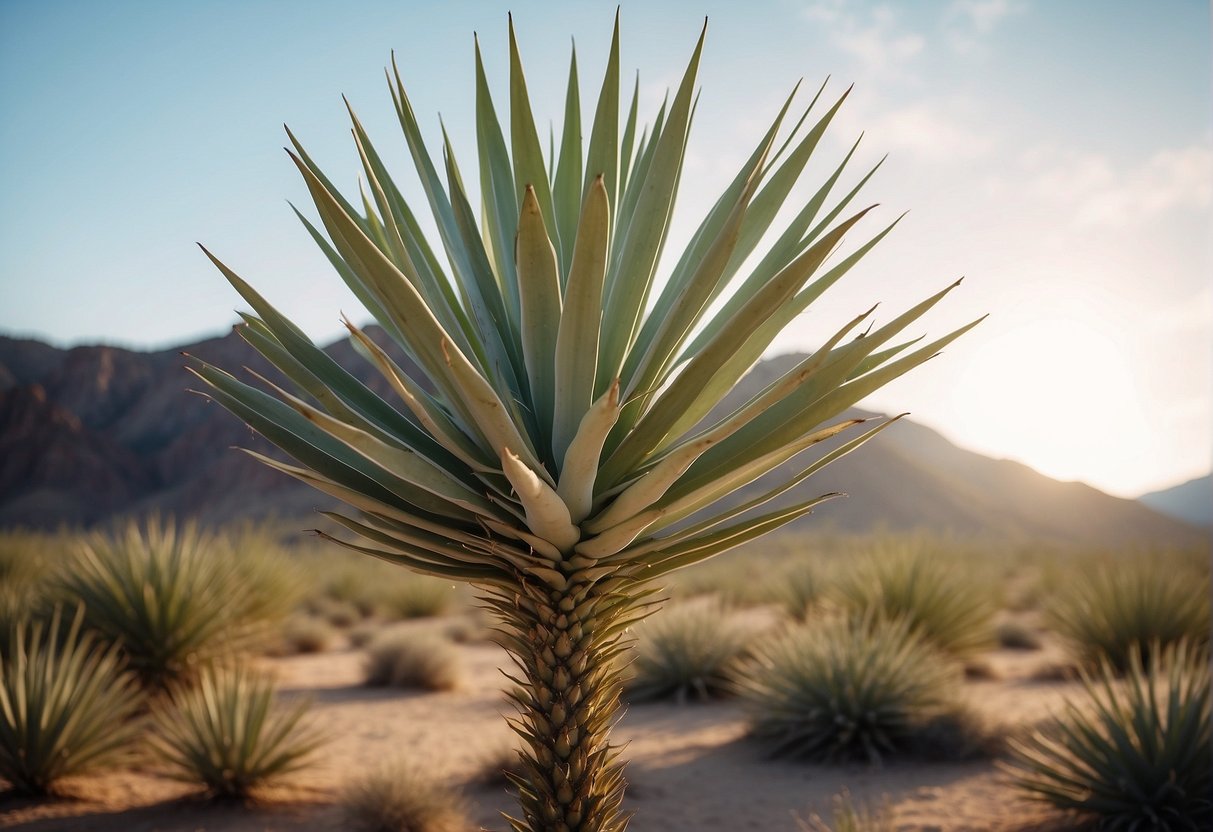
Yucca plants are native to hot and dry regions of North and Central America, and are well adapted to thrive in full sun and well-draining soil. They are hardy and drought-tolerant, making them a low maintenance option for gardens in warm climates. Yuccas can grow up to several feet tall, with some species like the yucca rostrata reaching heights of up to 20 feet. They have a trunk or stem that can be single or branched, and can produce offsets or new plants from their roots.
Optimal Growing Conditions
To ensure that your yucca plants grow to their full potential, it is important to provide them with optimal growing conditions. They prefer full sun and well-drained soil, and are not tolerant of wet or poorly drained soil. Yuccas are drought-tolerant and do not require frequent watering, but should be watered deeply when the soil is dry. They can also benefit from a low-nitrogen fertilizer applied in the spring.
Propagation and Planting
Yuccas can be propagated from seed, stem cuttings, or offsets. To propagate from offsets, simply remove the new plant from the parent plant and plant it in well-drained soil. Yuccas can be planted in the ground or in containers, but should be repotted every few years to ensure good drainage and prevent root rot.
Maintenance and Care
Yuccas are generally low maintenance plants, but do require some care to keep them healthy. They should be pruned in the spring to remove dead or damaged leaves, and can benefit from occasional fertilization with a low-nitrogen fertilizer. Yuccas are susceptible to root rot, scale, mealybugs, and leaf spot, so it is important to monitor them for signs of disease or pests.
Common Pests and Diseases
Scale insects, mealybugs, and leaf spot are common pests and diseases that can affect yucca plants. Scale and mealybugs can be treated with insecticidal soap or horticultural oil, while leaf spot can be prevented by avoiding overhead watering and ensuring good air circulation around the plant. Root rot is another common problem that can be prevented by providing good drainage and not overwatering the plant.
Yucca Plant Uses and Benefits
Yucca plants are highly valued for their ornamental and practical uses. They are versatile and can be used in a variety of ways, including as houseplants, focal points in a dry garden, or in containers and pots.
Ornamental and Landscape Design
Yucca plants are popular ornamental plants due to their unique and striking appearance. They have sword-shaped leaves that come in a variety of colors, including green, blue-green, and silver. Yucca gigantea, also known as the giant yucca, is a particularly impressive species that can grow up to 30 feet tall.
In landscape design, yucca plants are often used as focal points or as part of a xeriscape, a type of garden that requires little water. They can also be used to add texture and interest to a garden.
Cultural and Practical Significance
Yucca plants have cultural and practical significance in many parts of the world. In Central America, the roots of the yucca plant are used to make a starchy, edible food called cassava. The soaptree yucca, also known as the soapweed, was used by Native Americans for its medicinal properties.
Yucca plants also have practical uses in modern times. The fibers from the leaves can be used to make rope, while the roots can be used to make soap.
Wildlife Interactions
Yucca plants have a unique relationship with yucca moths. The moths pollinate the yucca plant, and in return, the plant provides a home for the moth’s larvae. This mutually beneficial relationship is essential to the ecosystem in which yucca plants grow.
Yucca plants also provide food and shelter for other wildlife, including deer and various species of birds.
Overall, yucca plants are a valuable addition to any garden or landscape. They are drought-tolerant and low-maintenance, making them an excellent choice for those looking for a beautiful and practical plant.
Frequently Asked Questions
What is the maximum height of a Yucca aloifolia?
The Yucca aloifolia, also known as Spanish Bayonet, can grow up to 15 feet tall in ideal conditions. However, the average height of this species is around 8 to 10 feet.
How tall can a Joshua tree Yucca grow?
The Joshua tree Yucca, also known as Yucca brevifolia, is a slow-growing species that can take up to 50 years to reach its full height. On average, it grows to be around 20 to 30 feet tall.
What are the growth expectations for a Spineless Yucca indoors?
The Spineless Yucca, also known as Yucca elephantipes, can grow up to 30 feet tall in its natural habitat. However, when grown indoors, it tends to grow at a slower rate and can reach a maximum height of 10 feet.
Can pruning control the height of a Beaked Yucca?
Pruning can control the height of a Beaked Yucca, also known as Yucca rostrata, but it is not recommended as it may damage the plant and affect its overall health. It is better to select a suitable location for the plant that allows it to grow to its full potential.
What factors influence the height of a Banana Yucca?
The height of a Banana Yucca, also known as Yucca baccata, is influenced by various factors such as soil quality, sunlight exposure, and water availability. In ideal conditions, it can grow up to 10 feet tall.
How does the growth rate of a Yucca plant affect its lifespan?
The growth rate of a Yucca plant does not necessarily affect its lifespan. Yucca plants are long-lived and can survive for decades or even centuries. However, factors such as disease, pests, and environmental stress can affect their lifespan.
Hi Lovelies ! I made this blog to share my tips about Home Improvement, Children, Pets, Food, Gadgets, Automotive, Health & Beauty, and ways to be frugal while maintaining a natural lifestyle. Interested to be a Guest Blogger on my website? Please email me at: [email protected]