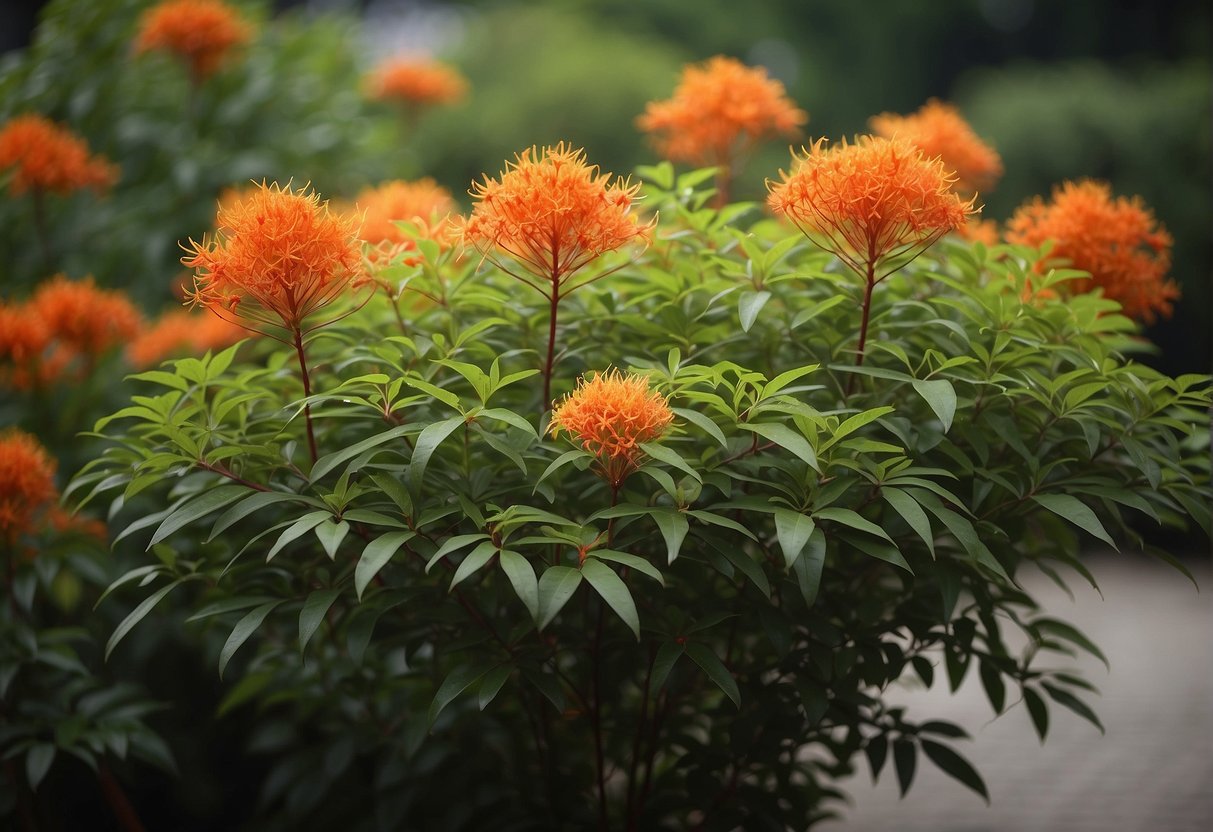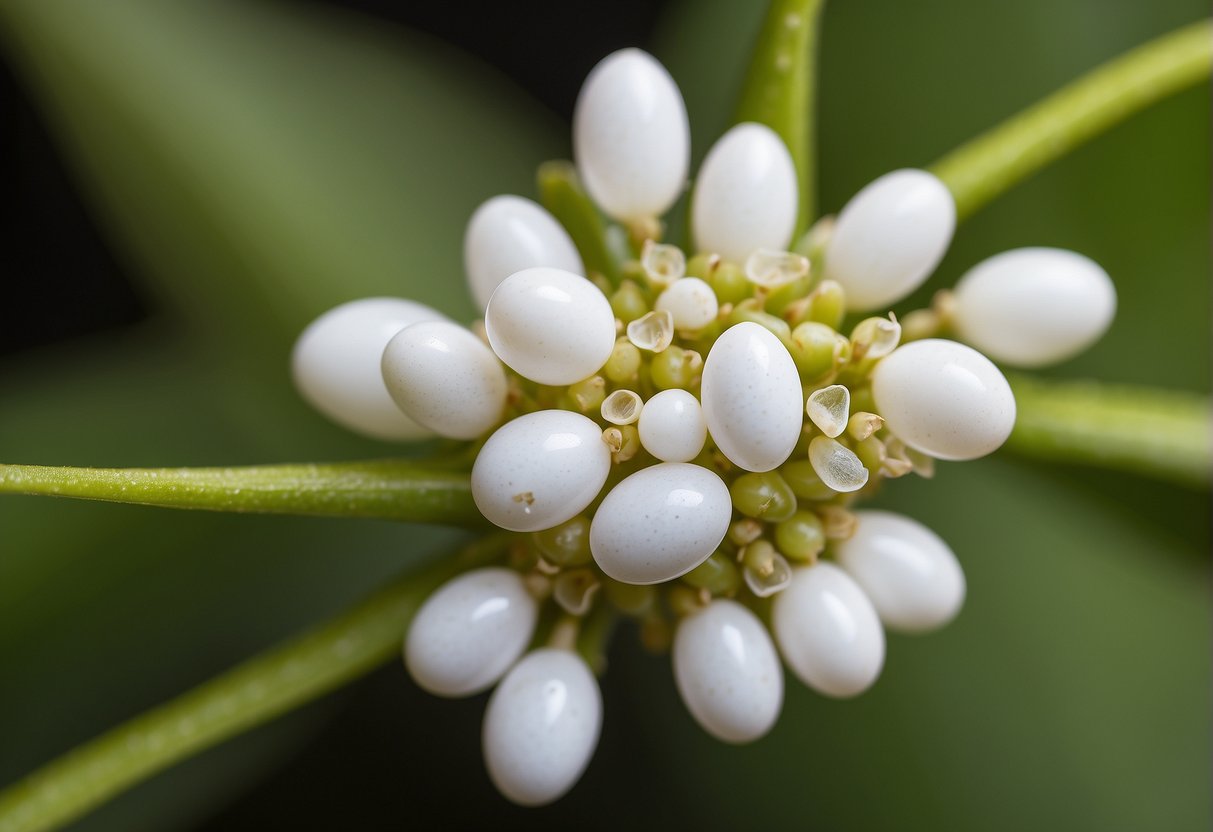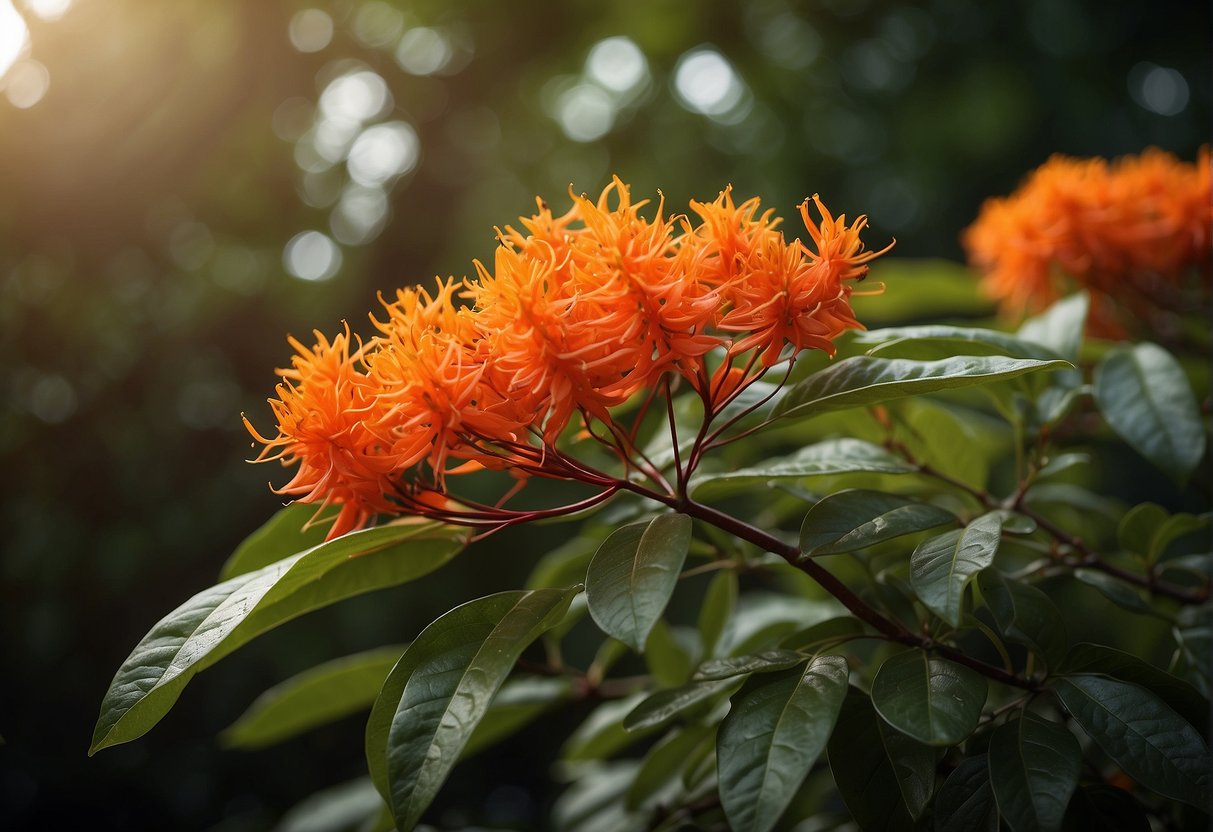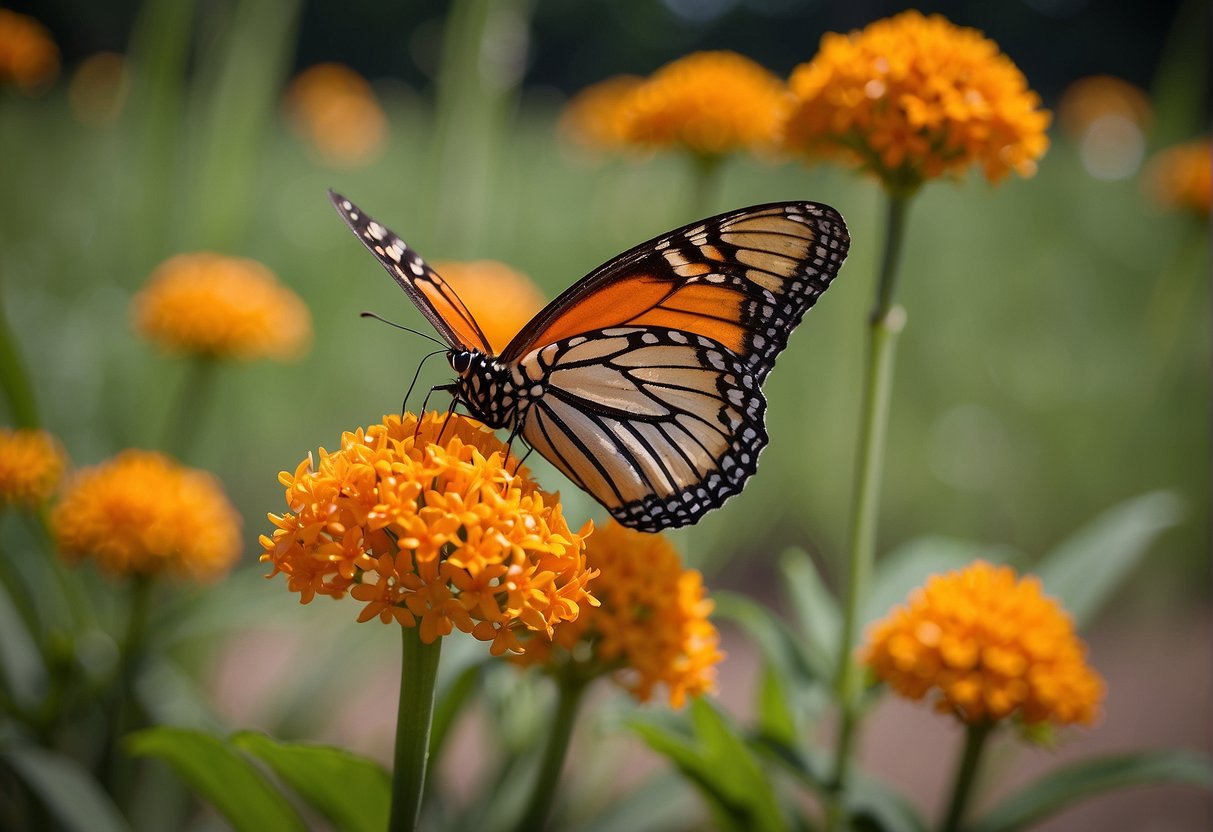

If you’re in the market to enhance your garden with vibrant hues and vibrancy, consider butterfly milkweed (Asclepias tuberosa). This indigenous species is celebrated for its striking orange blooms and its capacity to draw in pollinators such as butterflies and bees. But, what is the growth height of butterfly milkweed? In this piece, we delve into the fundamental aspects of butterfly milkweed, including its cultivation and maintenance, and we’ll tackle some common queries regarding this enchanting flora.
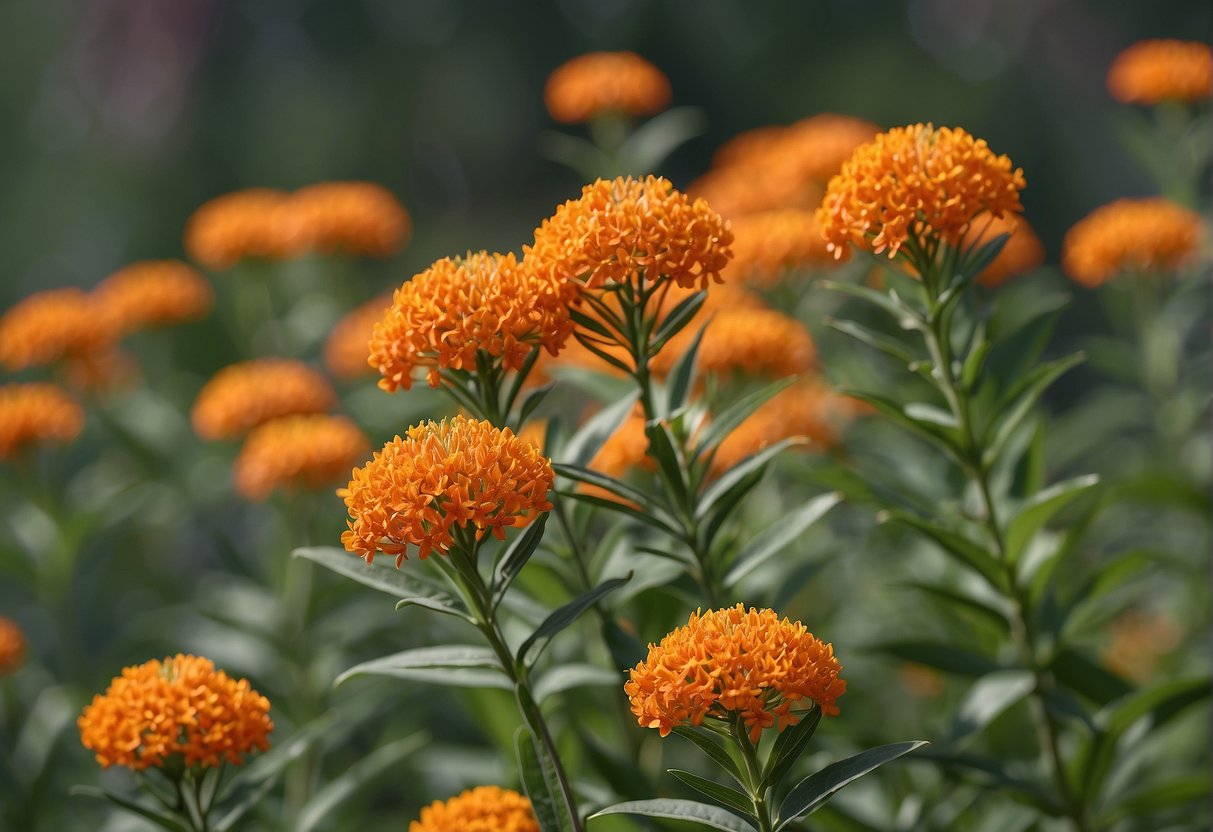
Butterfly milkweed can grow to be anywhere from 1 to 3 feet tall, with a spread of about 1 to 2 feet. Its stems are typically unbranched and covered in fine hairs, and its leaves are narrow and pointed. As mentioned, its flowers are a bright orange color and bloom in clusters from late spring to early fall. Butterfly milkweed is a hardy plant that can tolerate a range of soil types and climates, making it a popular choice for gardens across the United States.
Key Takeaways
- Butterfly milkweed can grow to be 1 to 3 feet tall and 1 to 2 feet wide.
- This native plant is known for its vibrant orange flowers and ability to attract pollinators like butterflies and bees.
- Butterfly milkweed is a hardy plant that can tolerate a range of soil types and climates, making it a popular choice for gardens across the United States.
Butterfly Milkweed Basics
Plant Characteristics
Butterfly milkweed, also known as Asclepias tuberosa, is a native perennial plant that belongs to the milkweed family. This plant is a popular choice for butterfly gardens because it attracts a variety of butterflies and other pollinators with its bright orange flowers. Butterfly milkweed can grow up to 1-2 feet in height and has a spread of 1-2 feet. The plant has a deep taproot and a thick, hairy stem that is typically unbranched. The leaves of butterfly milkweed are narrow and lance-shaped, and they grow alternately on the stem.
Growing Conditions
Butterfly milkweed requires full sun exposure to thrive and grow up to its full potential. It can tolerate a wide range of soil types, including well-draining soil, sandy soil, and clay soil. The plant prefers dry to medium moisture levels and is drought-tolerant once established. Butterfly milkweed is hardy in USDA hardiness zones 3-9, which covers most of North America.
When planting butterfly milkweed, it is important to choose a location that receives at least 6 hours of direct sunlight per day. The plant can be grown from seed or propagated through division. Seeds can be sown directly into the soil in the fall or early spring, while division should be done in the spring.
Butterfly milkweed is a low-maintenance plant that does not require fertilization or excessive watering. In fact, overwatering can cause the plant to rot. Once established, butterfly milkweed will grow well without much intervention.
Overall, butterfly milkweed is a beautiful and easy-to-grow plant that adds color and attracts pollinators to any garden.
Cultivation and Care
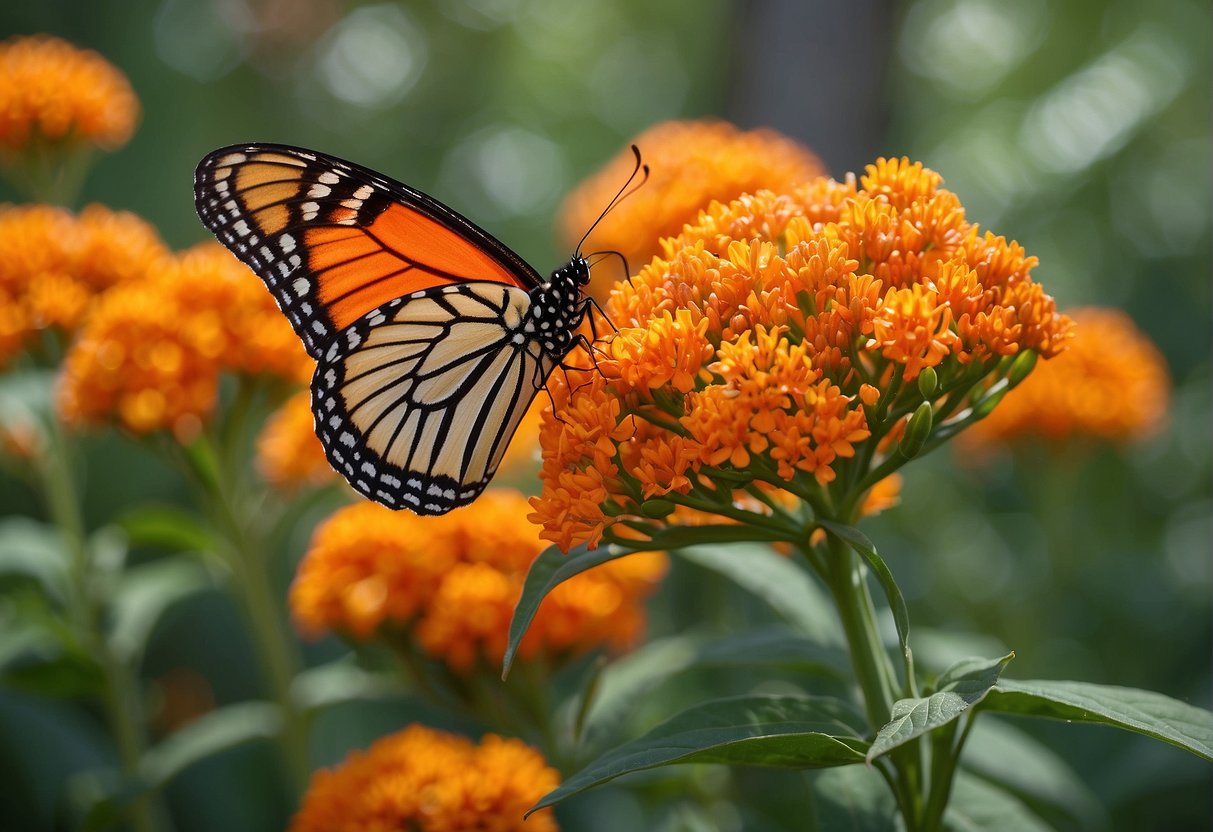
If you want to add butterfly milkweed (Asclepias tuberosa) to your garden, you’ll be happy to know that it’s easy to grow and care for. Here are some tips to help you get started.
Propagation
Butterfly milkweed can be propagated from seeds or by dividing mature plants. If you’re starting from seed, you can either sow them directly in the ground in the fall or stratify them in the refrigerator for 30-60 days before planting them in the spring.
Maintenance and Management
Once your butterfly milkweed is established, it requires minimal maintenance. Here are some things to keep in mind:
- Watering: Butterfly milkweed is drought-tolerant and doesn’t require much watering once established. However, it’s important to keep the soil moist when the seedlings are first starting out.
- Fertilizing: Butterfly milkweed doesn’t require fertilizer, but you can give it a boost with a low-nitrogen fertilizer in the spring.
- Pruning: Deadheading spent flowers will encourage more blooms and prevent the plant from self-seeding too much.
- Pests and diseases: Butterfly milkweed is relatively pest and disease-free, but keep an eye out for milkweed bugs and aphids. If you notice any signs of disease, remove the affected parts of the plant and dispose of them.
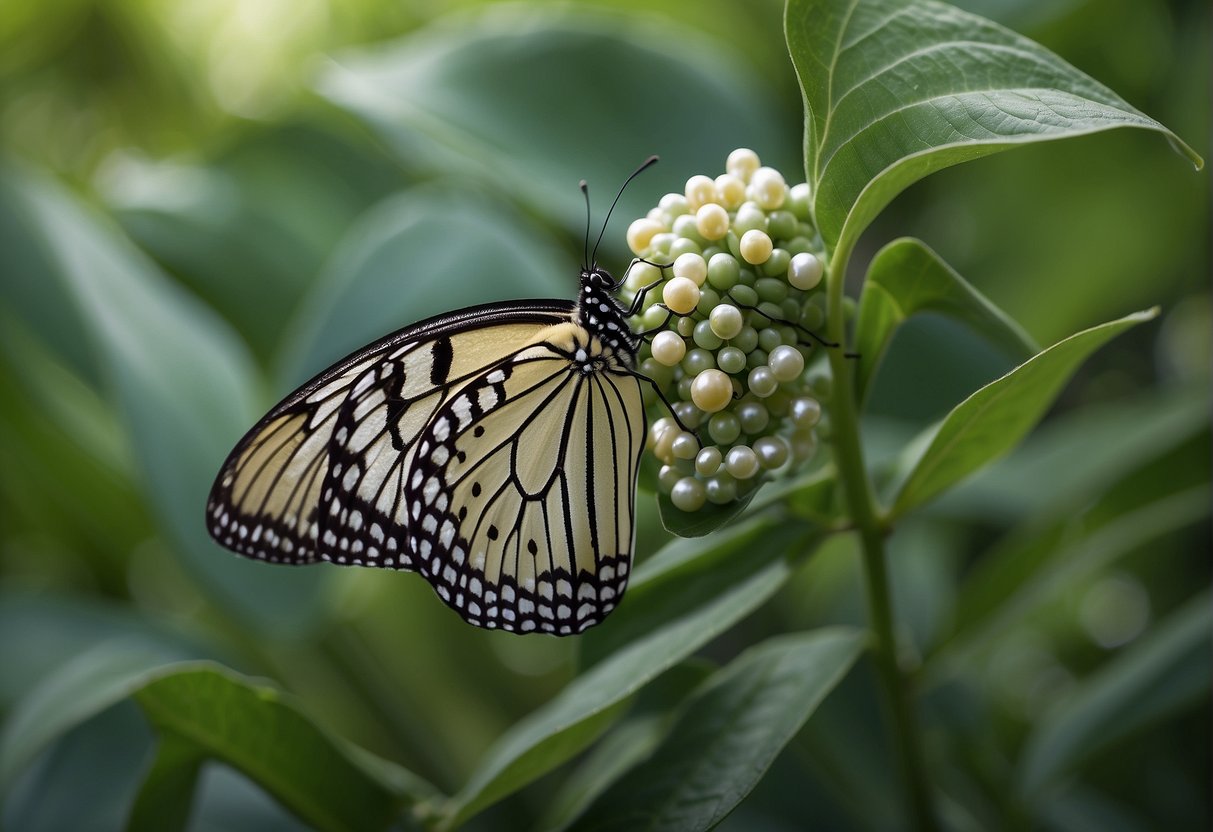
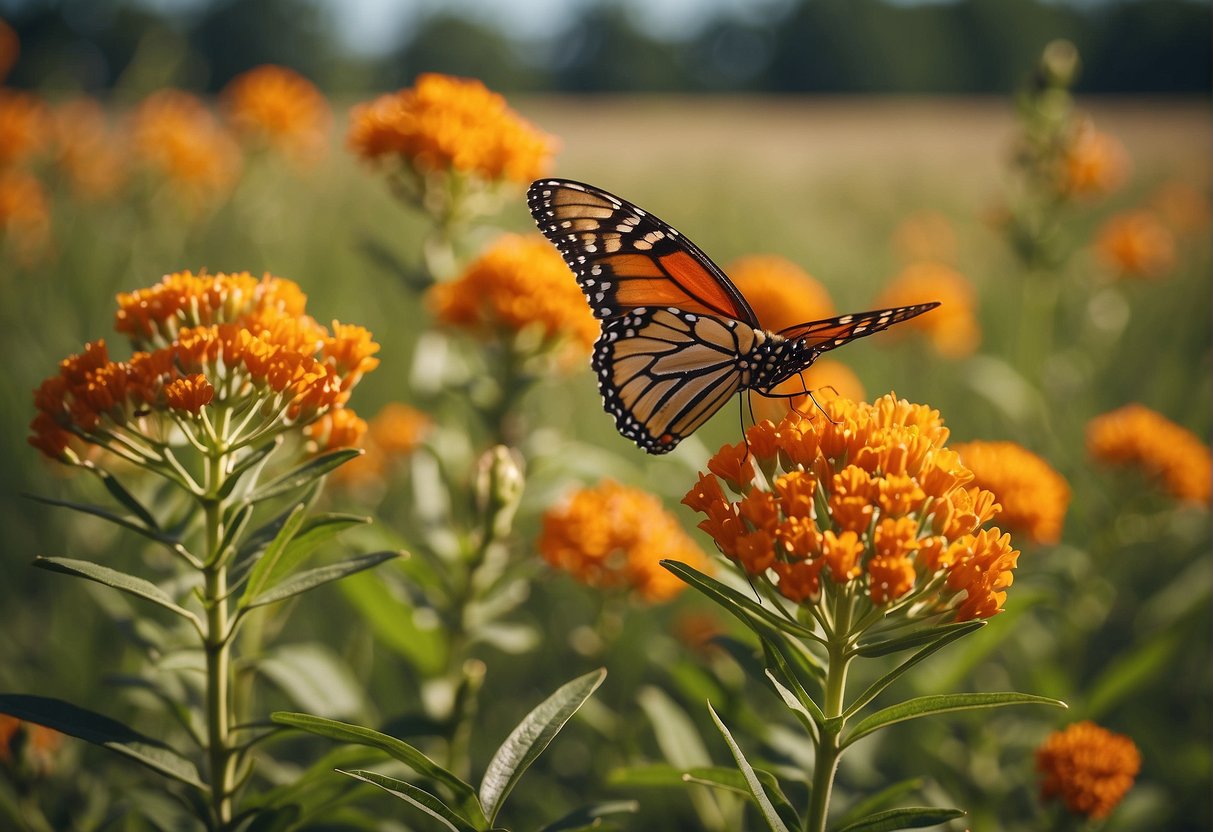
Butterfly milkweed is a great addition to any butterfly garden, as it provides nectar for adult butterflies and serves as a host plant for monarch butterfly caterpillars. Its bright orange flowers also add a pop of color to the landscape. Just be aware that the milky sap from the plant can be toxic to pets and humans, so handle it with care.
Frequently Asked Questions
What is the typical height range for mature butterfly milkweed plants?
Mature butterfly milkweed plants typically grow to a height of 1-3 feet (30-90 cm). However, it is possible for them to reach heights of up to 4 feet (120 cm) under ideal growing conditions.
Can butterfly milkweed reach heights that vary from its average growth?
Yes, butterfly milkweed can vary in height depending on growing conditions, soil quality, and weather conditions. It is possible for the plant to grow taller or shorter than its average growth range.
What factors influence the growth height of butterfly milkweed?
The growth height of butterfly milkweed is influenced by several factors, including soil quality, moisture levels, temperature, and sunlight exposure. Plants grown in well-draining soil with adequate moisture and full sun exposure tend to grow taller.
How does planting location affect the height of butterfly milkweed?
Planting location can have a significant impact on the height of butterfly milkweed. Plants grown in areas with poor soil quality, limited sunlight, or excessive moisture may not reach their full height potential. It is best to plant butterfly milkweed in a location with well-draining soil and full sun exposure.
What maintenance practices impact the vertical growth of butterfly milkweed?
Regular watering, fertilization, and pruning can all impact the vertical growth of butterfly milkweed. Watering the plant regularly and providing it with adequate nutrients can help promote healthy growth. Pruning can also help maintain the plant’s shape and prevent it from becoming too tall or leggy.
Are there any specific cultivars of butterfly milkweed known for their height?
While there are no specific cultivars of butterfly milkweed known for their height, some species may naturally grow taller than others. Asclepias tuberosa, for example, is known to grow taller than Asclepias incarnata. However, it is important to note that individual plants may vary in height even within the same species.