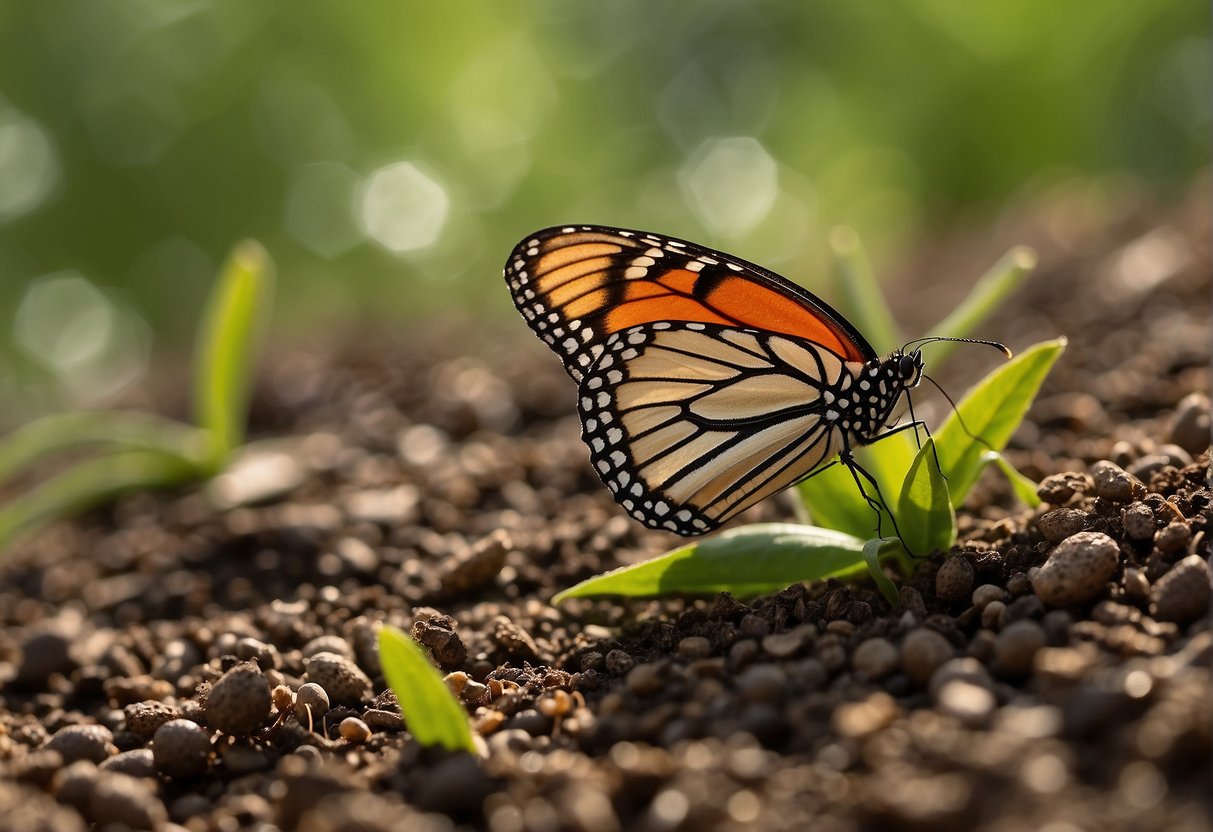

If you want to draw monarch butterflies to your yard, butterfly milkweed is an essential addition. It serves as a source of nectar for the adult butterflies and a breeding ground for their larvae. A major advantage of the butterfly milkweed is its ease of cultivation and propagation. This article will guide you in collecting butterfly milkweed seeds, enabling you to cultivate more plants and contribute to the preservation of monarch butterflies.
Before you start harvesting butterfly milkweed seeds, it’s important to understand when the seeds are mature. If you harvest the seeds too early, they won’t be viable and won’t germinate. On the other hand, if you wait too long, the seeds will have already dispersed and you’ll have missed your chance. Understanding seed maturity is key to a successful harvest. In the next section, we’ll go over how to tell when your butterfly milkweed seeds are ready to be harvested.
Key Takeaways
- Understanding when butterfly milkweed seeds are mature is crucial for a successful harvest
- Harvesting butterfly milkweed seeds involves removing the seed pods and allowing them to dry
- Proper storage is important to ensure the seeds remain viable for future planting
Understanding Milkweed Seed Maturity
Milkweed seeds are an essential part of the plant’s reproductive cycle. Harvesting the seeds is an excellent way to propagate the plant and attract pollinators to your garden. However, it is crucial to understand when the seeds are mature to ensure a successful harvest.
Identifying Mature Milkweed Pods
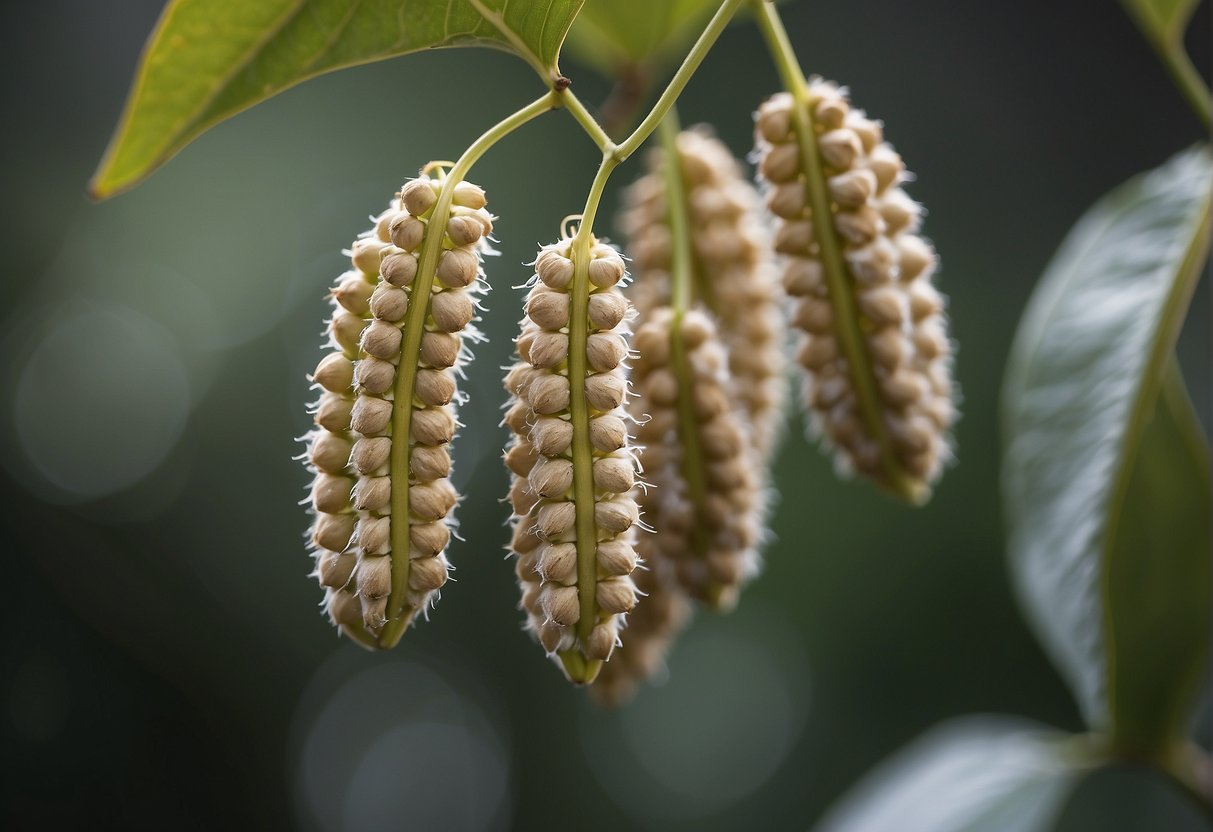
Milkweed pods are the protective covering for the seeds. They start out green and plump, but as the seeds mature, the pods turn tan or black and become dry and brittle. When the pods are mature, they will split open easily, revealing the seeds inside.
To determine if the pods are mature, gently squeeze them. If they feel soft and plump, they are not ready for harvest. If they feel dry and brittle, they are ready for harvest.
Optimal Timing for Harvest
The optimal time for harvesting milkweed seeds is when the pods have turned tan or black and are starting to split open on their own. At this point, the seeds are ripe and ready to be harvested.
It is essential to harvest the seeds before the pods split open completely, as the wind can easily disperse the seeds. To harvest the seeds, gently pull the pods off the plant and place them in a paper bag. Store the bag in a dry, cool place until you are ready to extract the seeds.
In conclusion, understanding milkweed seed maturity is crucial to ensure a successful harvest. By identifying mature milkweed pods and harvesting them at the optimal time, you can propagate the plant and attract pollinators to your garden.
Harvesting and Storing Milkweed Seeds
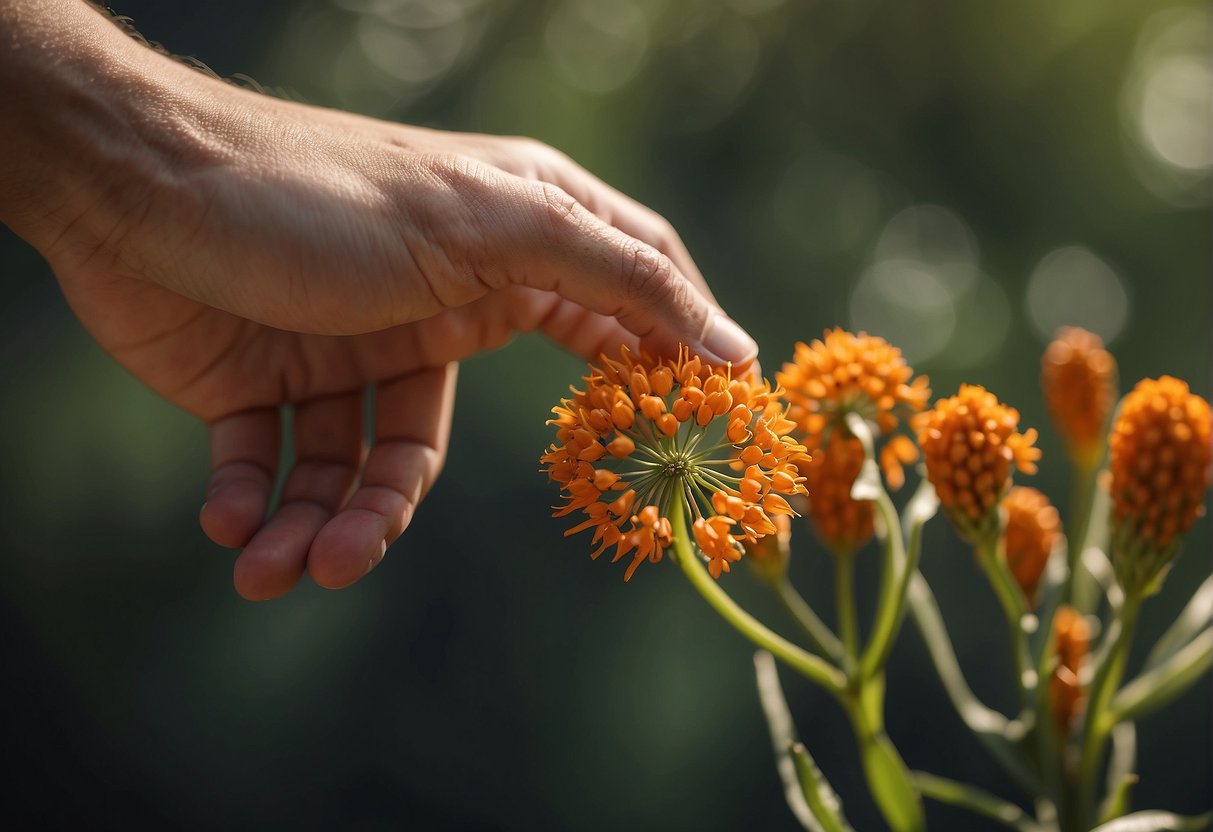
If you want to attract monarch butterflies to your garden, planting milkweed is a must. Butterfly milkweed is a popular choice because of its vibrant orange flowers and its ability to provide food for monarch caterpillars. Harvesting the seeds from your butterfly milkweed plants is a simple process that can help you grow more milkweed and support monarch populations. Here’s how to do it:
Collecting Milkweed Pods
The best time to harvest milkweed seeds is in late summer or early fall when the pods have turned brown and leathery. Collect the pods by cutting the stem just below the pod with a pair of sharp scissors. Be sure to wear gloves to protect your hands from the sticky sap that milkweed plants produce.
Drying and Separating Seeds
Once you have collected the pods, it’s time to dry and separate the seeds. Place the pods in a paper bag or a plastic bag with a few ventilation holes and hang them upside down in a dry, well-ventilated area. After a few weeks, the pods will dry out and begin to split open, releasing the seeds and floss.
To separate the seeds from the floss, gently rub the pods between your hands or use a strainer to sift out the seeds. Be sure to remove any milkweed bugs or other debris that may be mixed in with the seeds.
Preventing Mold and Harm
To prevent mold and harm to the seeds, it’s important to store them in a cool, dry place. You can use small plastic bags or organza bags to store the seeds. Be sure to label the bags with the date and the type of milkweed seeds.
Cold Stratification for Germination
If you plan to plant the milkweed seeds in the spring, you may want to consider cold stratification to improve the germination rate. To do this, place the seeds in a plastic bag with a damp paper towel and seal it shut. Then, place the bag in the refrigerator for 4-6 weeks. After the cold stratification period, the seeds are ready to be planted.
By following these simple steps, you can harvest milkweed seeds from your butterfly milkweed plants and help support monarch butterfly populations.
Frequently Asked Questions
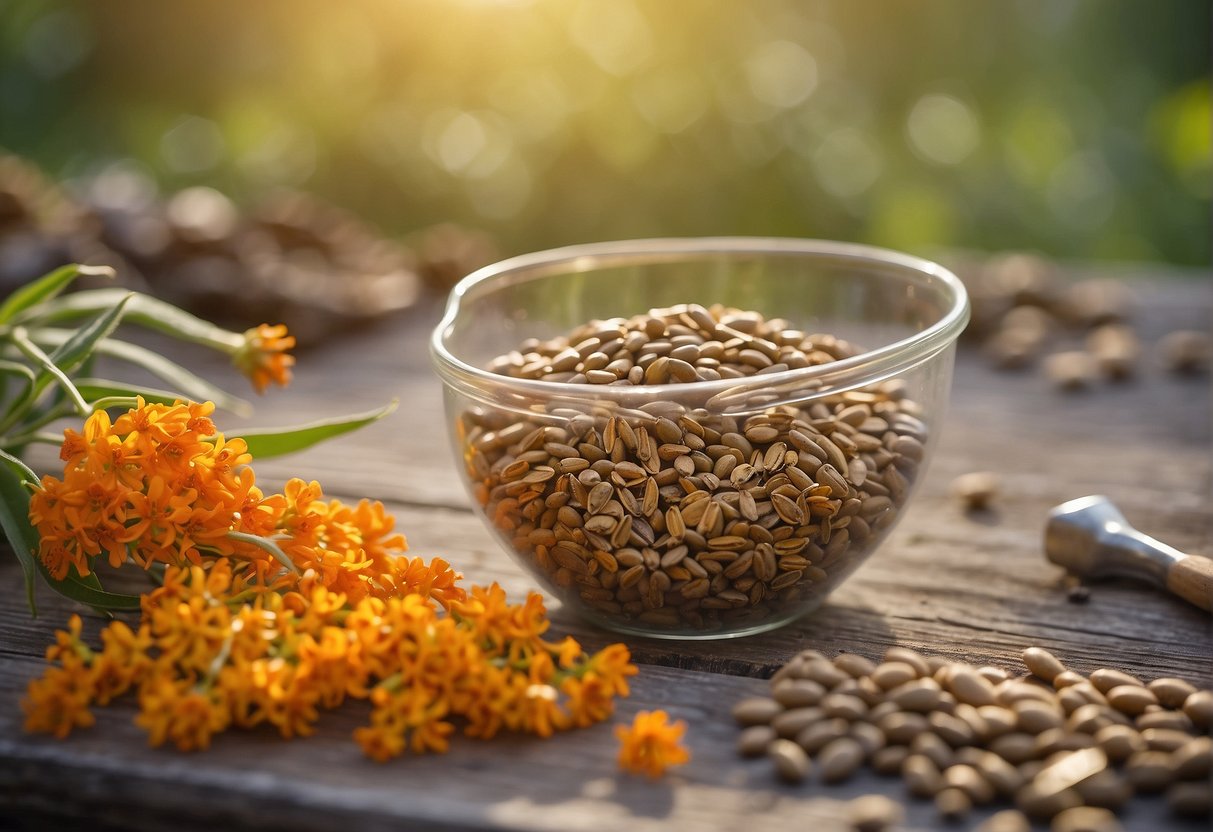
When is the best time to collect milkweed pods for seed harvesting?
The best time to collect milkweed pods for seed harvesting is when they have turned brown and are starting to split open. This usually occurs in late summer or early fall. You can check if the pods are ready by gently squeezing them; if they open easily, they are ready for harvesting.
What is the proper method for separating milkweed seeds from the fluff?
The easiest way to separate milkweed seeds from the fluff is to place the pods in a paper bag and gently shake them. The seeds will fall to the bottom of the bag, while the fluff will remain on top. You can also use a fine mesh sieve to separate the seeds from the fluff.
How can you tell if milkweed seeds are mature enough to harvest?
Mature milkweed seeds are brown and hard. If the seeds are still green or soft, they are not yet ready for harvesting. You can also check if the seeds are mature by cutting one open; if the seed is white or cream-colored, it is not yet mature.
What steps should be taken to store milkweed seeds after harvesting?
After harvesting, milkweed seeds should be stored in a cool, dry place. You can store them in an airtight container or a paper envelope. It’s important to label the container or envelope with the date and the type of milkweed seeds stored.
Is it possible to directly sow milkweed seeds outdoors, and if so, how?
Yes, you can directly sow milkweed seeds outdoors. The best time to do this is in the fall, after the first frost. Before sowing, make sure the soil is well-drained and has been cleared of weeds. Scatter the seeds on the soil surface and lightly press them into the soil. Water the area well.
Are there any precautions to take when handling milkweed pods due to toxicity?
Yes, milkweed pods and plants are toxic if ingested. It’s important to wear gloves when handling the pods and to wash your hands thoroughly after handling them. Keep children and pets away from the plants and pods. If you have a milkweed allergy, it’s best to avoid handling the plants altogether.