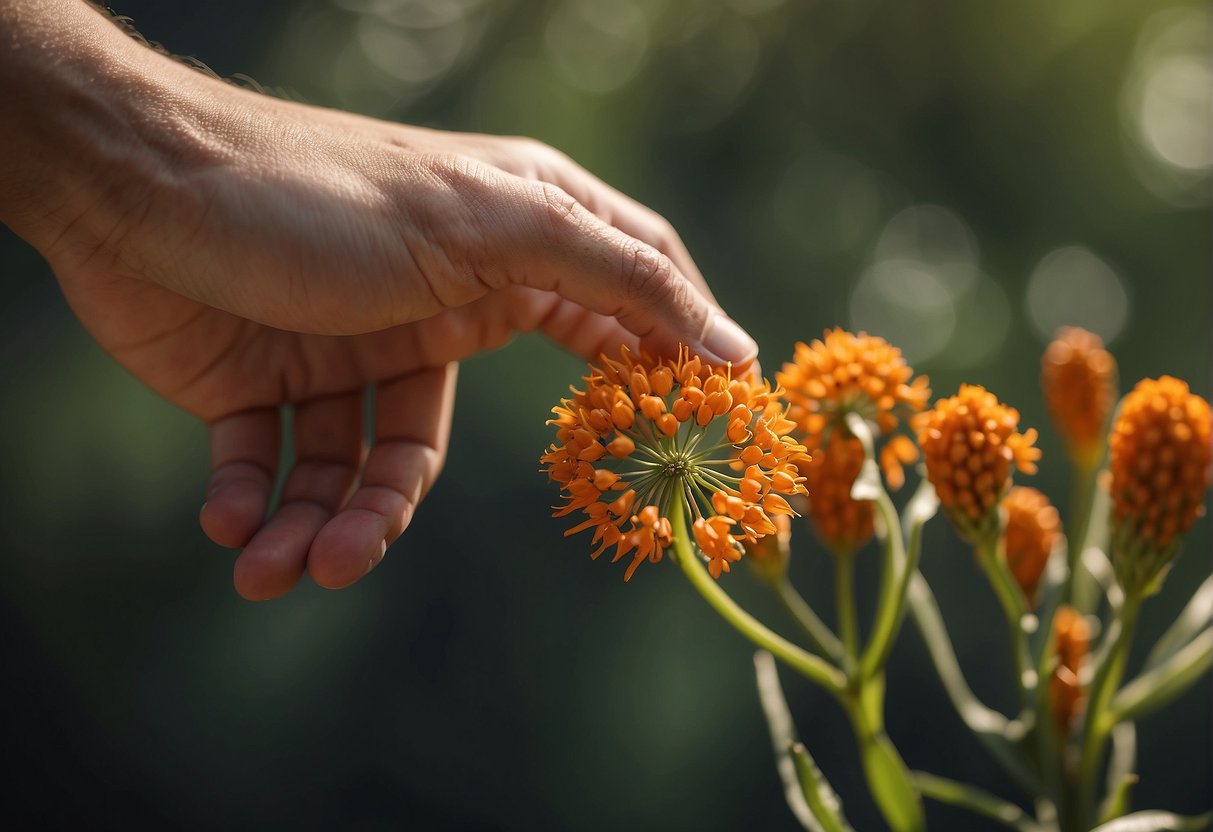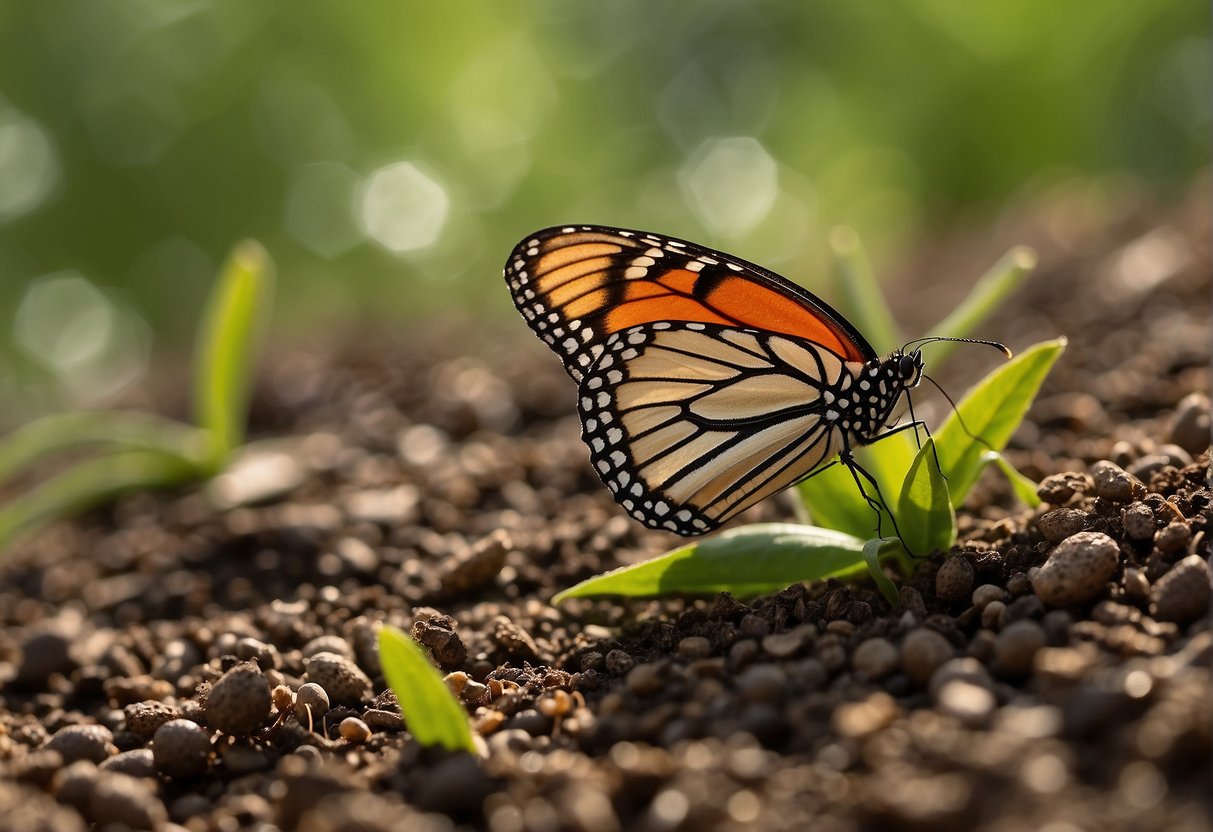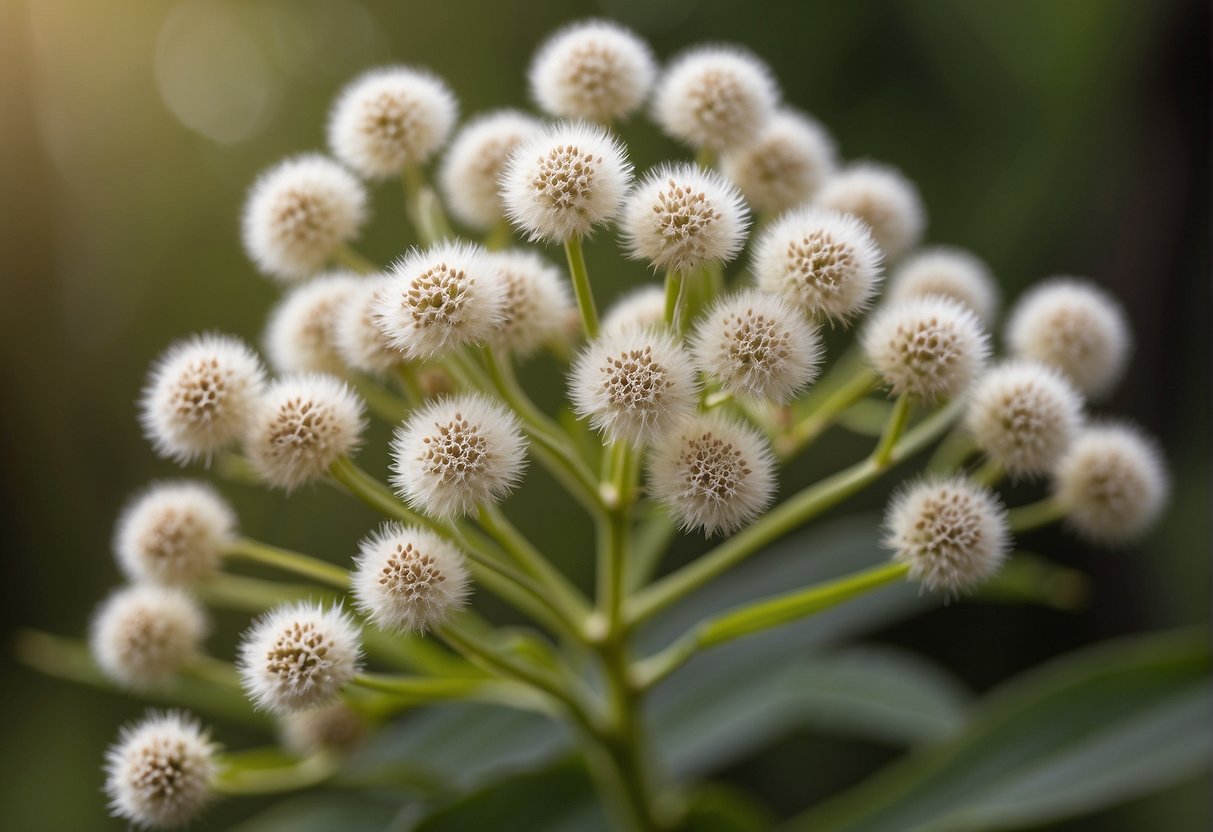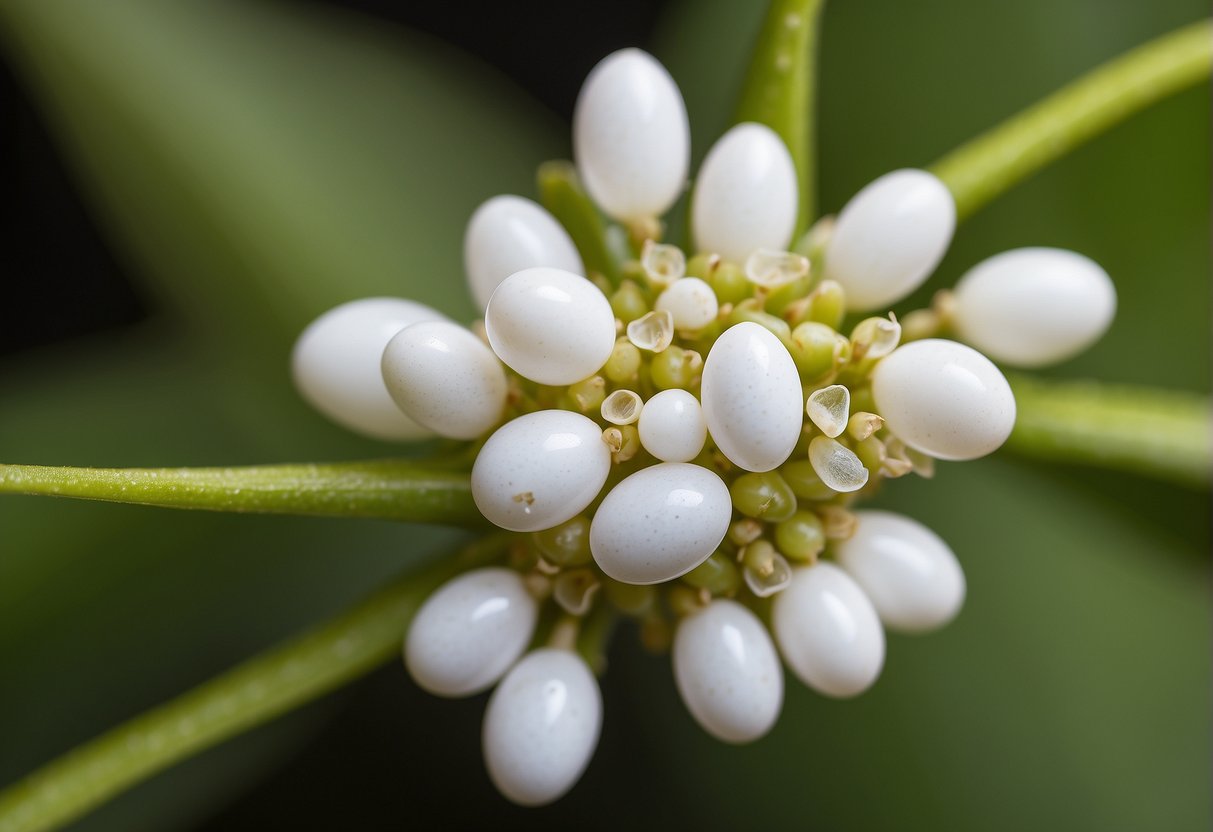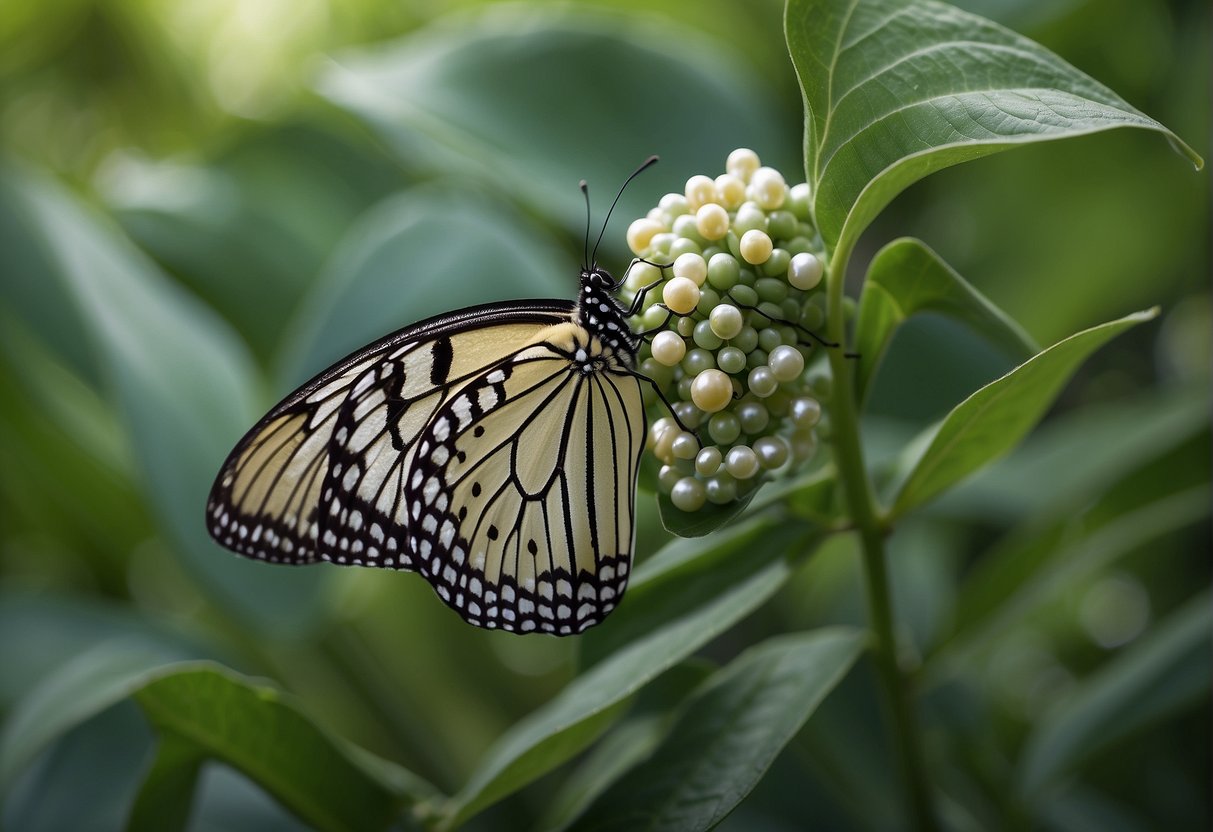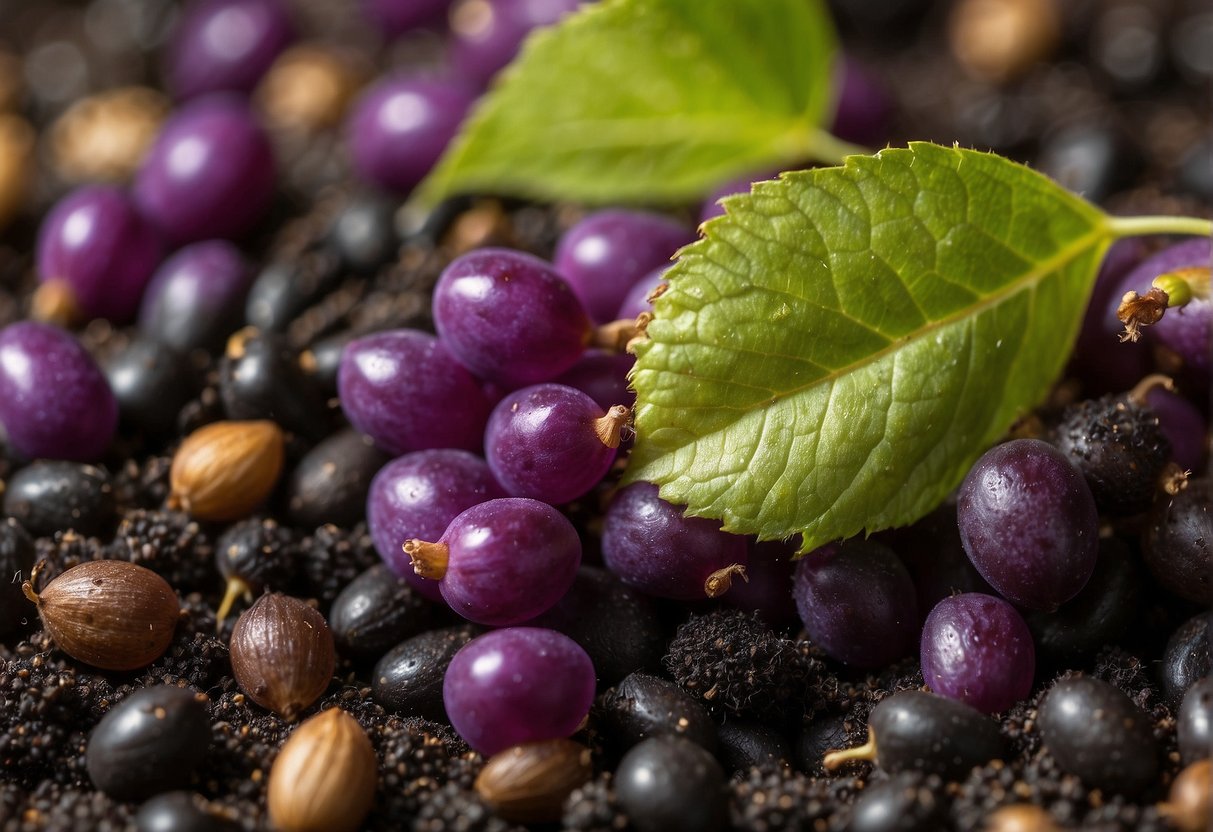

If you’re interested in drawing butterflies to your garden, consider adding butterfly milkweed to your space. It serves as a vital food source for monarch butterflies and also injects vibrant color into your garden scenery. Nevertheless, to witness the splendor of the butterfly milkweed, understanding the process for seed germination is essential.
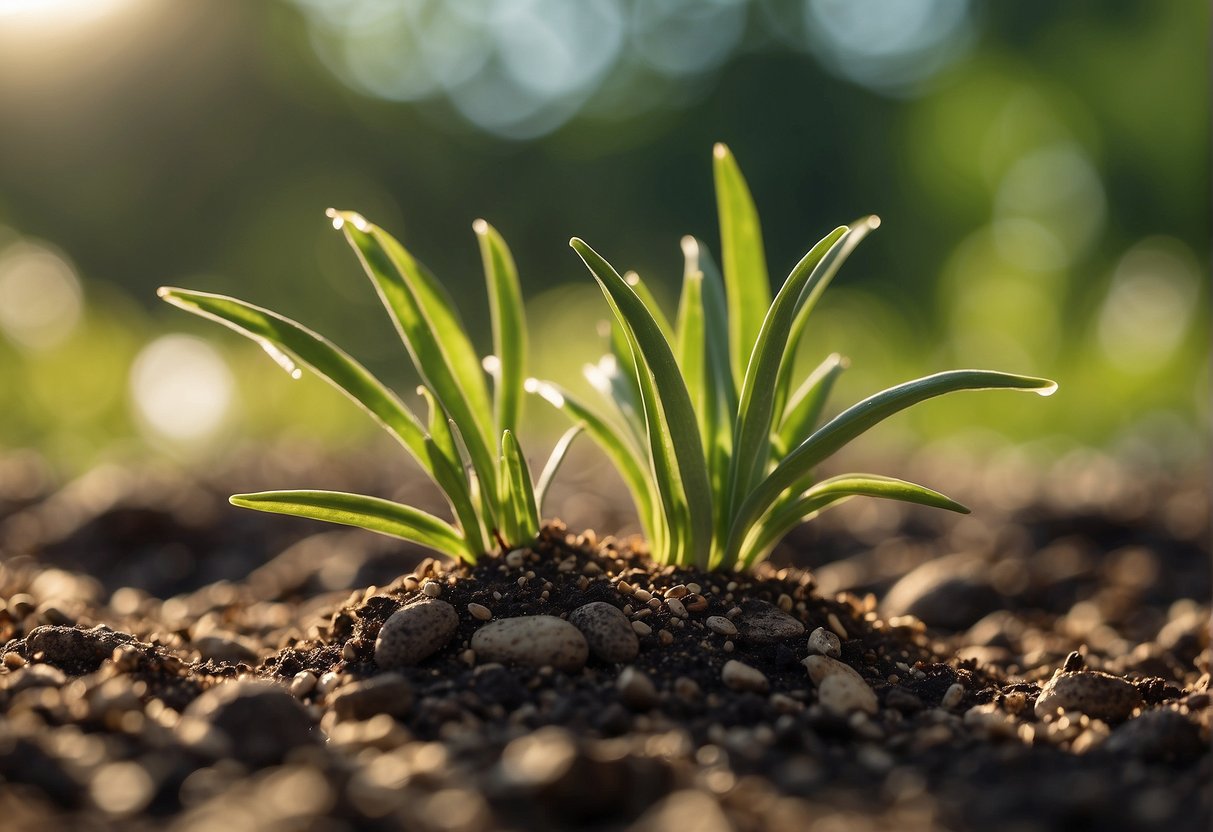
Preparing milkweed seeds for germination is an important step in ensuring that your seeds have the best chance of sprouting. Butterfly milkweed seeds require a period of cold stratification before they can germinate. This means that they need to be exposed to cold temperatures for a certain amount of time before they will sprout. Once you have properly prepared your seeds, it’s time to start planting and caring for the germinated seeds.
Key Takeaways
- Butterfly milkweed seeds require a period of cold stratification before they can germinate.
- Plant germinated seeds in a sunny location with well-draining soil.
- Water your butterfly milkweed regularly, but be careful not to overwater.
Preparing Milkweed Seeds for Germination
If you want to grow butterfly milkweed from seeds, you need to prepare them for germination. This involves breaking their dormancy cycle so that they can sprout and grow into healthy plants. Here are the steps you need to take to prepare milkweed seeds for germination.
Understanding Seed Stratification
Milkweed seeds are naturally dormant, which means they won’t germinate until certain conditions are met. One way to break their dormancy cycle is through a process called stratification. This involves subjecting the seeds to a period of cold and moist conditions, which simulates winter temperatures and triggers the seed to sprout in the spring. There are two types of stratification: cold stratification and cold moist stratification.
Cold Moist Stratification Process
To perform cold moist stratification, follow these steps:
- Dampen a paper towel with water and wring out any excess moisture.
- Spread the milkweed seeds out on the damp paper towel.
- Fold the paper towel over the seeds to cover them.
- Place the paper towel with the seeds in a plastic bag and seal it.
- Put the bag in the refrigerator and leave it there for 4-6 weeks.
- Check the seeds periodically to ensure they are still moist. If they are dry, dampen the paper towel again.
- After the stratification period is over, remove the seeds from the bag and plant them in soil.
By following these steps, you can successfully break the dormancy cycle of butterfly milkweed seeds and increase your chances of successful germination. Remember to keep the seeds moist and at the proper temperature throughout the stratification process.
Planting and Caring for Germinated Seeds
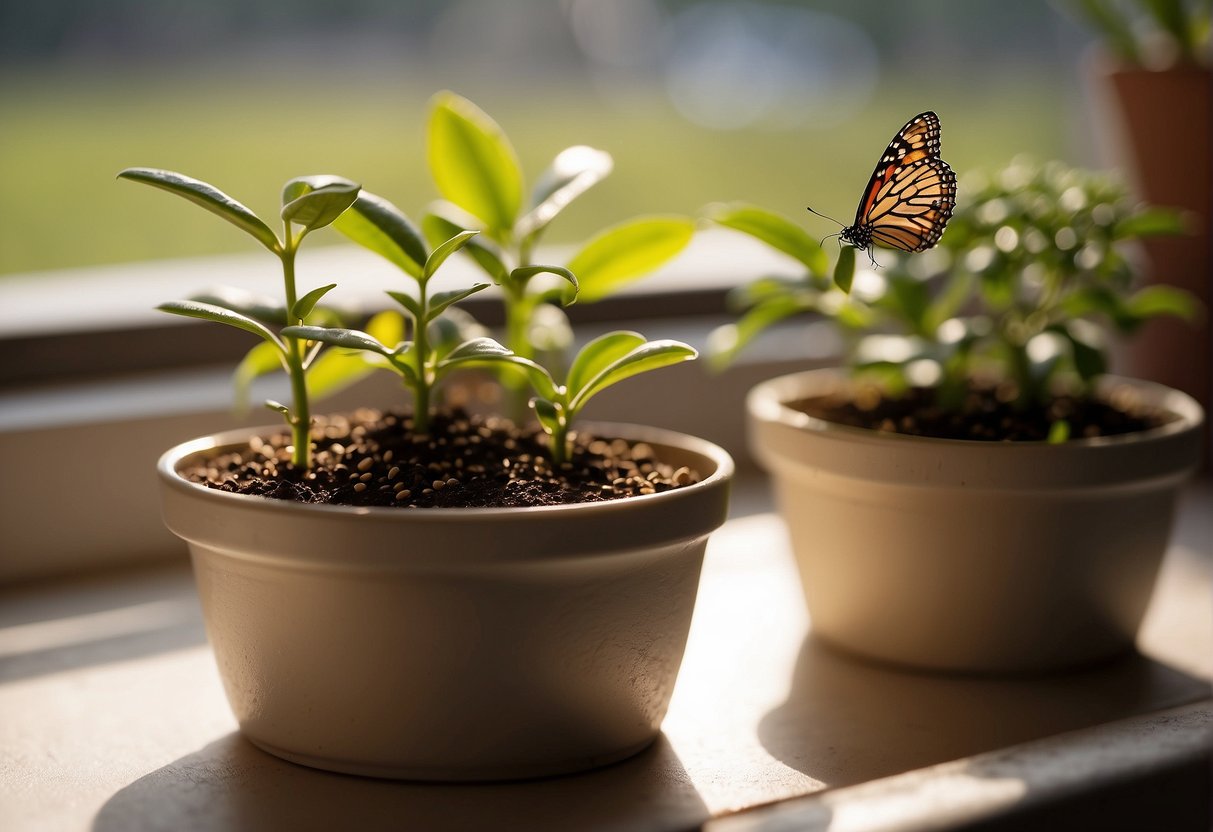
Once your butterfly milkweed seeds have germinated, it’s time to start caring for them properly to ensure they grow into healthy plants. Here are some tips to help you get started.
Sowing Seeds in Appropriate Soil
When planting your germinated seeds, it’s important to use a well-draining potting soil that is specifically formulated for seed starting. Avoid using heavy garden soil or soil that contains a lot of clay, as this can lead to poor drainage and root rot.
Fill your containers with the potting soil, leaving about 1 inch of space at the top. Make a small hole in the soil with your finger or a pencil, and gently place the seedling into the hole. Cover the seedling with soil and press down gently to ensure good soil-to-seed contact.
Maintaining Moisture and Temperature
Keep the soil moist but not waterlogged by watering your seedlings regularly. Avoid over-watering, as this can lead to fungal diseases and root rot. You can also use a grow light to provide your seedlings with the right amount of light and warmth they need to thrive.
Maintain a temperature of around 70-75°F (21-24°C) during the day and 60-65°F (15-18°C) at night to ensure optimal growth. Keep your seedlings in a sunny window or under a grow light for at least 6-8 hours a day.
Transplanting Seedlings
Once your seedlings have grown to about 2-3 inches tall and have developed their first set of true leaves, it’s time to transplant them into larger containers or into your garden. Before transplanting, make sure there is no danger of frost and that the last frost date has passed.
When transplanting, gently lift the seedling out of its container, being careful not to damage the roots. Place the seedling in a larger container or in a hole in your garden soil, and backfill with soil. Water the seedling well and continue to care for it as it grows.
By following these tips, you can successfully plant and care for your butterfly milkweed seedlings, ensuring they grow into strong, healthy plants that will attract butterflies to your garden.
Frequently Asked Questions
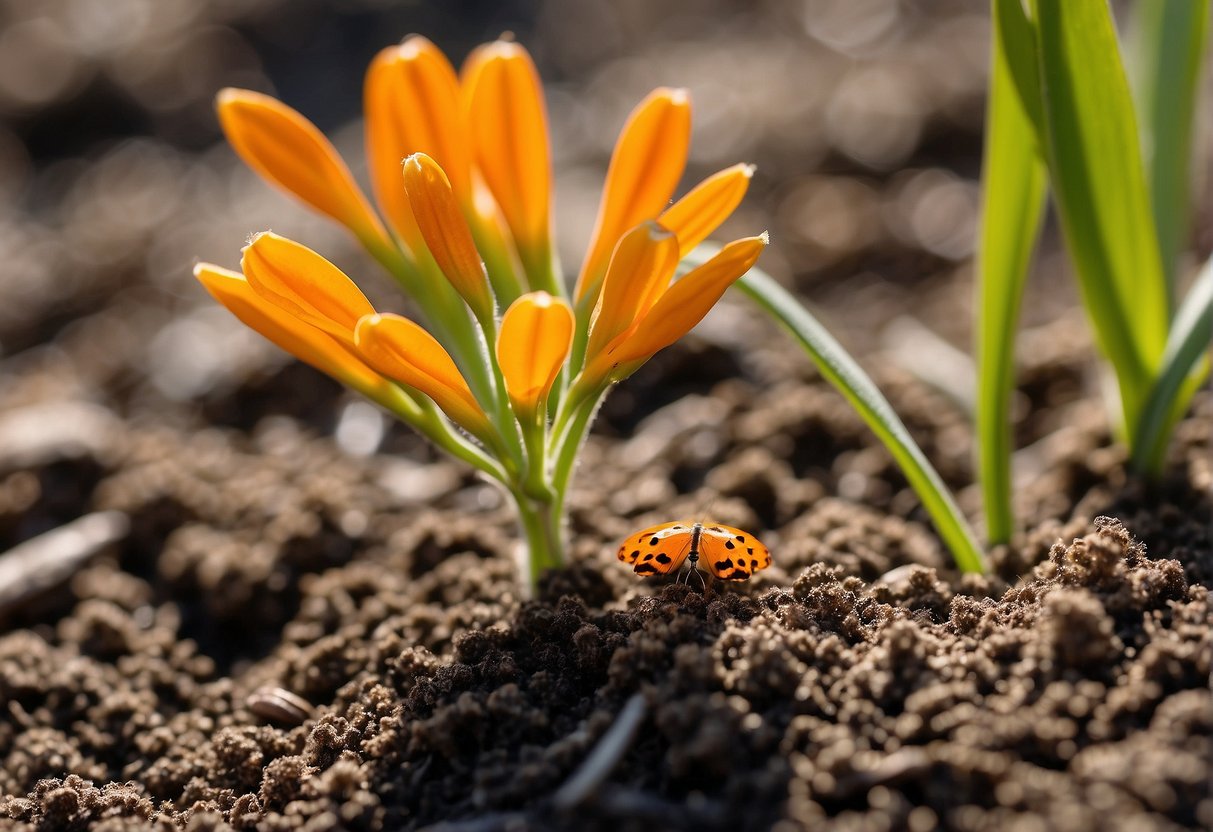
What is the fastest way to germinate milkweed seeds?
The fastest way to germinate butterfly milkweed seeds is to start them indoors. This allows you to control the temperature and moisture levels, which can speed up the germination process.
How long does it take for butterfly milkweed seeds to germinate?
Butterfly milkweed seeds typically take anywhere from 7 to 30 days to germinate, depending on the conditions. If you’re starting them indoors, you can speed up the process by keeping the soil temperature between 70-75°F (21-24°C) and ensuring that the soil stays moist.
Do you need to soak milkweed seeds before planting?
Soaking butterfly milkweed seeds before planting is not necessary, but it can help speed up the germination process. If you choose to soak them, place the seeds in a bowl of warm water and let them soak for 24-48 hours before planting.
Does butterfly milkweed need cold stratification?
Yes, butterfly milkweed seeds require cold stratification to germinate. This means that they need to be exposed to cold temperatures for a period of time before they will sprout.
How can I successfully start milkweed seeds indoors?
To start butterfly milkweed seeds indoors, fill a seed tray or small pots with a well-draining soil mix. Sow the seeds on top of the soil and cover with a thin layer of soil. Keep the soil moist and maintain a temperature of 70-75°F (21-24°C). Once the seedlings have grown to a few inches tall, you can transplant them into larger pots or outdoors.
What are the steps to plant milkweed seeds in fall or spring?
To plant butterfly milkweed seeds in the fall or spring, choose a sunny location with well-draining soil. Sow the seeds on top of the soil and cover with a thin layer of soil. Water the seeds well and keep the soil moist until the seedlings emerge. In the fall, the seeds will naturally stratify over the winter and begin to sprout in the spring. In the spring, you can stratify the seeds in the refrigerator for 4-6 weeks before planting if desired.