
If you aim to draw butterflies to your garden, consider adding butterfly milkweed (Asclepias tuberosa) to your planting scheme. This perennial native plant is particularly appealing to a variety of butterfly species, such as monarchs, and requires minimal maintenance after it has settled in. However, you might wonder, what’s the ideal planting time for butterfly milkweed?
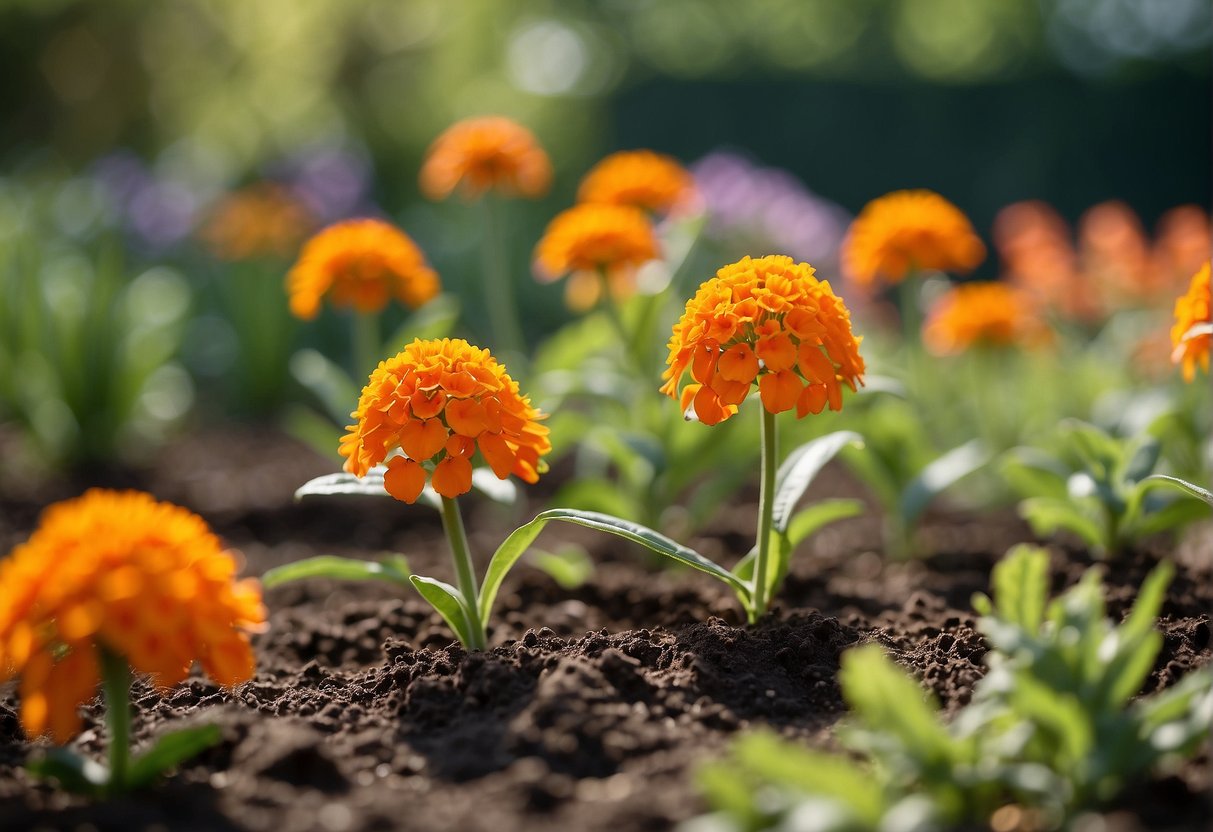
The answer depends on where you live and the climate in your area. In general, butterfly milkweed should be planted in the spring after the last frost date in your area. This will give the plant time to establish itself before the hot summer months arrive. If you live in a warmer climate, you may be able to plant butterfly milkweed in the fall instead.
Once you’ve planted your butterfly milkweed, it’s important to care for it properly to ensure it thrives. This includes watering it regularly, especially during dry spells, and fertilizing it with a balanced fertilizer in the spring. You’ll also want to deadhead the spent blooms to encourage new growth and prevent the plant from going to seed too early. With the right care, your butterfly milkweed should provide years of beauty and attract plenty of butterflies to your garden.
Key Takeaways
- Plant butterfly milkweed in the spring after the last frost date in your area, or in the fall if you live in a warmer climate.
- Water and fertilize your butterfly milkweed regularly to ensure it thrives.
- Deadhead spent blooms to encourage new growth and prevent the plant from going to seed too early.
Planting Butterfly Milkweed

Butterfly milkweed is a beautiful and beneficial plant that attracts pollinators like butterflies and bees to your garden. If you are planning to add this plant to your garden, here are some things you should know about planting butterfly milkweed.
Choosing the Right Time
The best time to plant butterfly milkweed is in the spring, after the last frost. This is usually in late April or early May, depending on your hardiness zone. Planting in the late spring ensures that the soil is warm enough for the seeds to germinate, and the plants have enough time to establish before the hot summer months.
Soil and Sunlight Requirements
Butterfly milkweed prefers full sun and well-drained soil. It can tolerate a wide range of soil types, but prefers sandy or loamy soil. If your soil is heavy clay, you can improve drainage by adding organic matter like compost or sand.
Propagation Methods
Butterfly milkweed can be propagated by seeds or cuttings. If you are starting from seeds, you can either sow them directly in the ground or start them indoors. To improve germination rates, you can stratify the seeds by placing them in the refrigerator for a few weeks before planting.
If you prefer to use cuttings, take them in the late spring or early summer when the plant is actively growing. Cut a stem that is about 4-6 inches long, remove the lower leaves, and dip the cut end in rooting hormone. Plant the cutting in a pot with well-drained soil and keep it moist until it roots.
In conclusion, planting butterfly milkweed is a great way to support pollinators and add beauty to your garden. By following these tips, you can ensure that your butterfly milkweed thrives and provides a habitat for butterflies and other beneficial insects.
Caring for Butterfly Milkweed
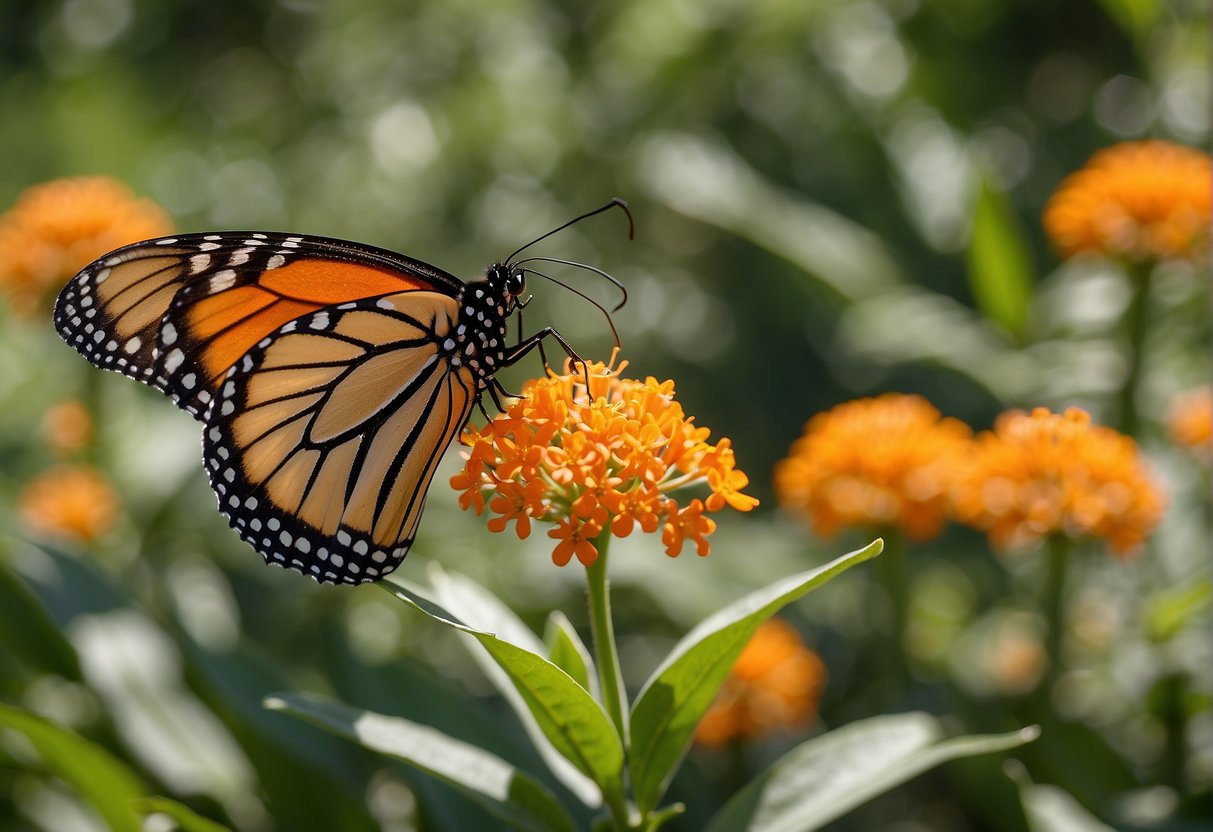
Butterfly milkweed is a beautiful native wildflower that is easy to care for. With a little attention, you can help it thrive and provide an important food source for pollinators, especially monarch butterflies. Here are some tips on how to care for your butterfly milkweed:
Watering and Fertilizing
Butterfly milkweed prefers well-draining soil and doesn’t need much water once established. Water it deeply once a week during dry spells, but be careful not to overwater as this can cause root rot. Avoid fertilizing your butterfly milkweed with chemical fertilizers, as they can harm pollinators. Instead, use organic fertilizers such as compost or a slow-release fertilizer specifically formulated for native wildflowers.
Managing Pests and Diseases
Butterfly milkweed is relatively pest-free, but it can be susceptible to aphids and milkweed bugs. If you notice an infestation, try washing them off with a strong stream of water or using insecticidal soap. Avoid using pesticides, as they can harm beneficial insects such as pollinators. If your butterfly milkweed shows signs of disease, such as yellowing leaves or black spots, remove the affected leaves and dispose of them in the trash.
Supporting Wildlife and Ecosystem
Butterfly milkweed is an important host plant for monarch butterfly caterpillars, and its nectar-rich flowers provide food for a variety of pollinators. By planting butterfly milkweed in your garden, you can help support local wildlife and ecosystem. Avoid using chemical pesticides and herbicides, as they can harm beneficial insects and disrupt the ecosystem. Instead, try using natural pest control methods such as companion planting or handpicking pests.
In conclusion, caring for your butterfly milkweed requires a little attention and care, but it’s well worth it to provide an important food source for pollinators and support local wildlife and ecosystem. With these tips, you can help your butterfly milkweed thrive and enjoy its beautiful flowers all season long.
Frequently Asked Questions
What is the optimal time of year to plant butterfly milkweed?
The best time to plant butterfly milkweed is in the spring, after the last frost has passed and the soil has warmed up. This allows the plant to establish its root system before the hot summer months.
How should butterfly milkweed be planted for successful growth?
Butterfly milkweed should be planted in a location with full sun exposure and well-draining soil. It is important to loosen the soil and remove any weeds or grass before planting. The plant should be placed in a hole that is twice as wide and deep as the root ball. After planting, the soil should be gently pressed down around the base of the plant.
Is there a preferred soil type or condition for planting butterfly milkweed?
Butterfly milkweed prefers well-draining soil with a pH between 6.0 and 7.5. It can tolerate a range of soil types, including sandy, loamy, and clay soils. However, it is important to ensure that the soil does not become waterlogged, as this can lead to root rot.
Can butterfly milkweed be effectively grown from seeds indoors?
Yes, butterfly milkweed can be grown from seeds indoors. The seeds should be started in late winter or early spring, 6-8 weeks before the last frost. They should be planted in a well-draining soil mix and kept moist until they germinate. Once the seedlings have developed their second set of leaves, they can be transplanted outdoors.
What are the care requirements for butterfly milkweed after planting?
Butterfly milkweed requires minimal care after planting. It should be watered deeply once a week, especially during periods of drought. It is important to avoid overwatering, as this can lead to root rot. The plant should be fertilized once a year in the spring with a balanced fertilizer. Deadheading the plant can encourage blooming throughout the summer.
Are there any specific regions where butterfly milkweed should not be planted?
Butterfly milkweed is native to North America and can be grown in most regions. However, it may not be suitable for areas with extremely hot and dry summers or very cold winters. It is important to choose a variety of butterfly milkweed that is adapted to your specific climate and growing conditions.