Home » Blog » When to Plant Beautyberry: A Guide to the Optimal Time for Planting
When to Plant Beautyberry: A Guide to the Optimal Time for Planting
December 26, 2024
Should you wish to inject a burst of color into your garden, the beautyberry could be the perfect addition. Adorned with striking purple berries and rich green leaves, beautyberry is a favored option for many garden enthusiasts. However, the question arises: when is the ideal time to cultivate this eye-catching shrub? In the following article, we will delve into the optimal planting period for beautyberry, as well as offer a comprehensive guide on how to nurture and maintain this gorgeous shrub.
Understanding Beautyberry
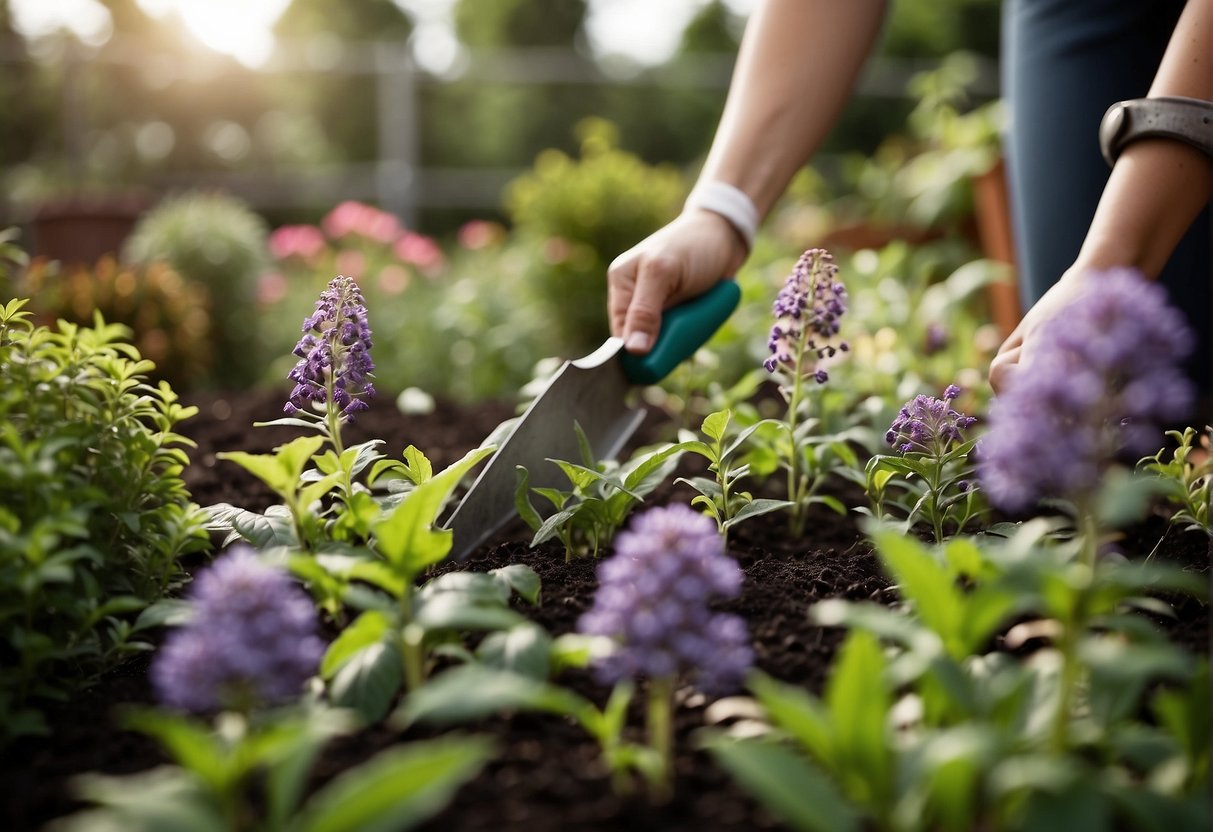
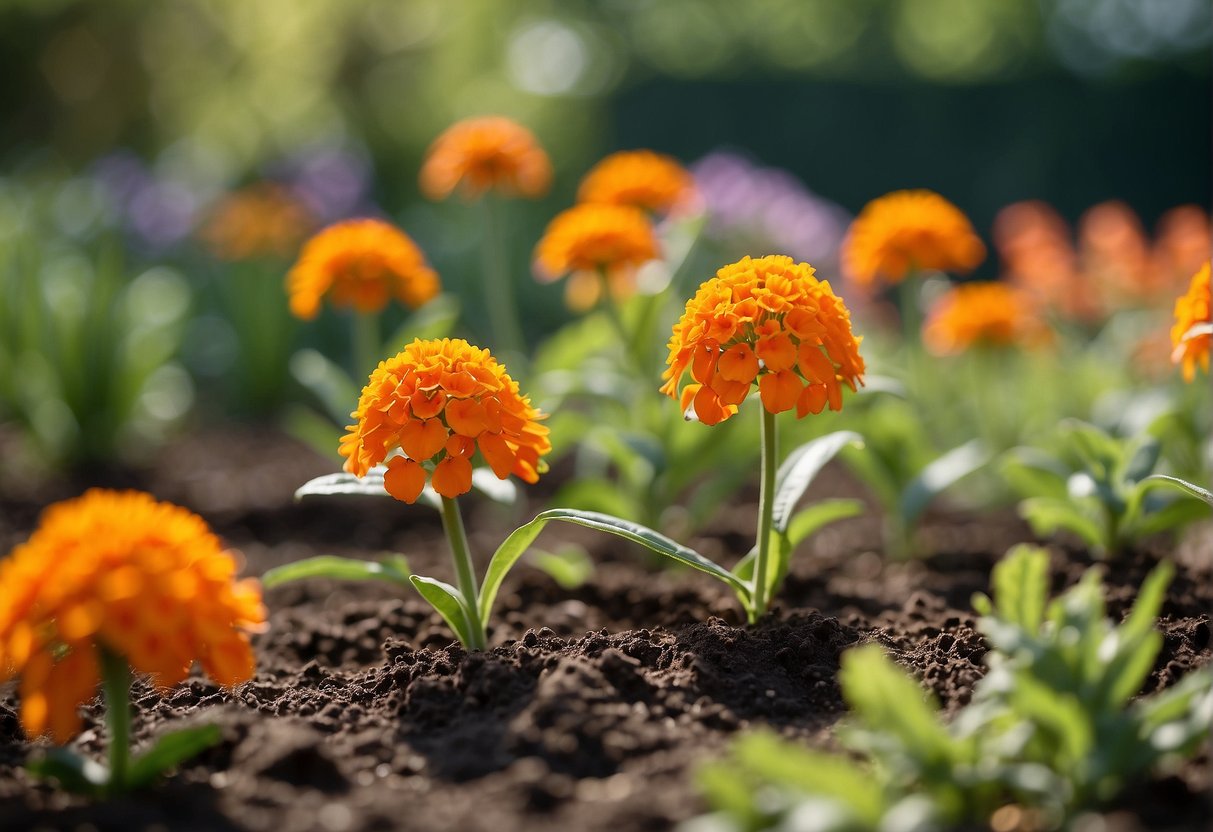
Before we dive into when to plant beautyberry, let’s take a closer look at this shrub. Beautyberry, also known as Callicarpa, is a deciduous shrub native to the southeastern United States. It typically grows to be 3-6 feet tall and wide and produces clusters of bright purple berries in the fall. Beautyberry is a low-maintenance plant that is easy to grow and care for, making it a popular choice for both novice and experienced gardeners.
Planting and Care Guide
Now that you know a little bit more about beautyberry, let’s talk about when to plant it. Beautyberry can be planted in the spring or fall, but the ideal time to plant is in the fall. This will give the plant time to establish its roots before the hot summer months. When planting beautyberry, choose a location with well-draining soil and partial to full sun. Water the plant regularly during the first growing season to help it establish its roots. Once established, beautyberry is drought-tolerant and requires little maintenance.
Key Takeaways
Beautyberry is a deciduous shrub native to the southeastern United States that produces clusters of bright purple berries in the fall.
The best time to plant beautyberry is in the fall, but it can also be planted in the spring.
Beautyberry is a low-maintenance plant that requires well-draining soil and partial to full sun. Once established, it is drought-tolerant and requires little maintenance.
Understanding Beautyberry
If you are planning to plant beautyberry in your garden, it is important to understand the plant’s botanical profile, native habitats, and varieties.
Botanical Profile
Beautyberry is a deciduous shrub that belongs to the Lamiaceae family. There are different species of beautyberry, but the most common ones are the American beautyberry (Callicarpa americana), Japanese beautyberry (Callicarpa japonica), Callicarpa bodinieri, and Callicarpa dichotoma. The plant has a rounded shape and can grow up to 6 feet tall and wide.
The leaves of beautyberry are simple, opposite, and elliptical in shape. They have a bright green color in the spring and summer and turn yellow in the fall. The plant produces small, pink or lavender flowers in the summer, which are followed by clusters of purple, magenta, or white berries in the fall.
Native Habitats and Varieties
Beautyberry is native to North America, specifically the southeastern United States. It is commonly found in woodlands, thickets, and along stream banks. There are several varieties of beautyberry, each with its own unique characteristics.
The American beautyberry is the most common variety and is known for its bright purple berries. The Japanese beautyberry has more elongated leaves and produces pink or white berries. Callicarpa bodinieri has larger leaves and produces deep purple berries. Callicarpa dichotoma has smaller leaves and produces pink or purple berries.
Beautyberry is an ornamental plant that is known for its attractive foliage and berries. It is a low-maintenance plant that is easy to grow and care for. It prefers well-drained soil and partial shade to full sun.
In conclusion, understanding the botanical profile, native habitats, and varieties of beautyberry can help you choose the right plant for your garden and ensure its proper care and maintenance.
Planting and Care Guide
Site Selection and Soil Preparation
When selecting a site for your beautyberry, choose an area that receives full sun to partial shade. Beautyberry can tolerate a wide range of soil types, but it prefers well-drained soil with good fertility. If your soil is heavy clay, consider adding compost or other organic matter to improve drainage. Beautyberry also prefers a soil pH of 6.0 to 7.0, which is slightly acidic to neutral.
Planting Instructions
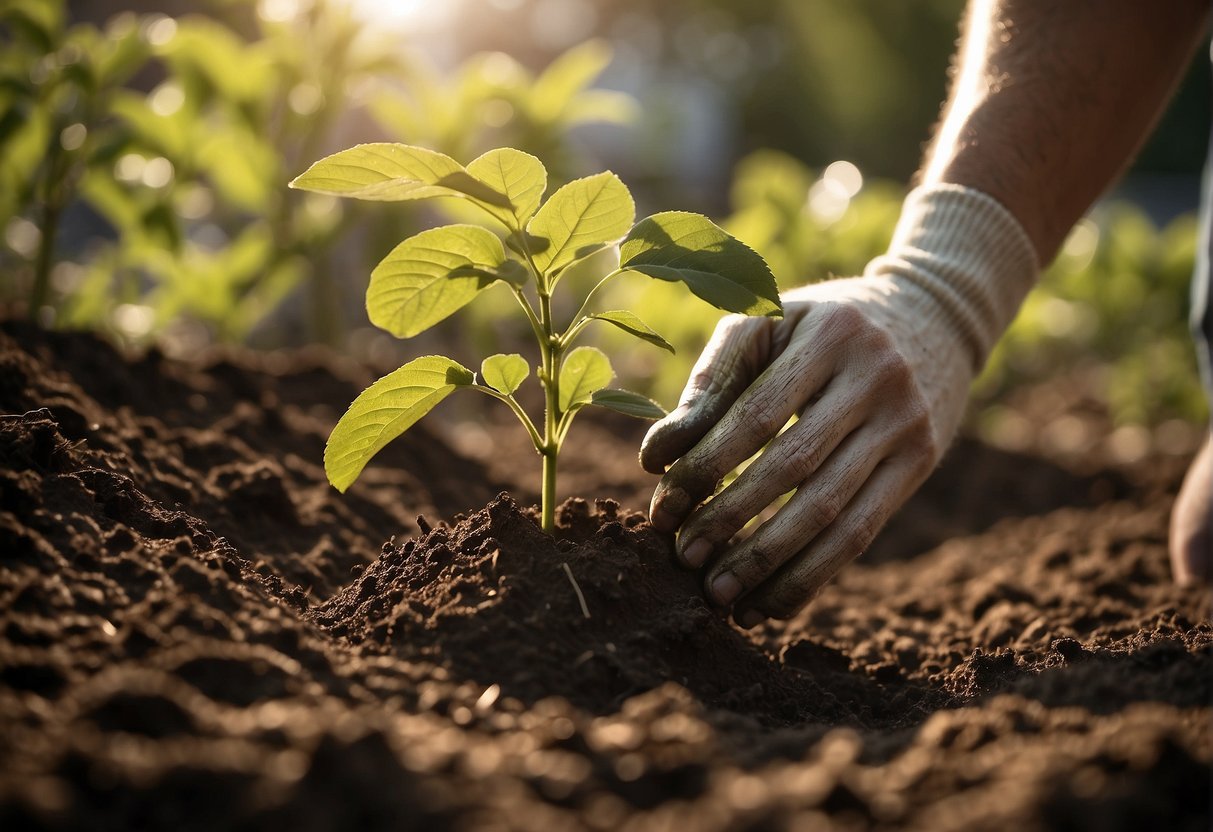
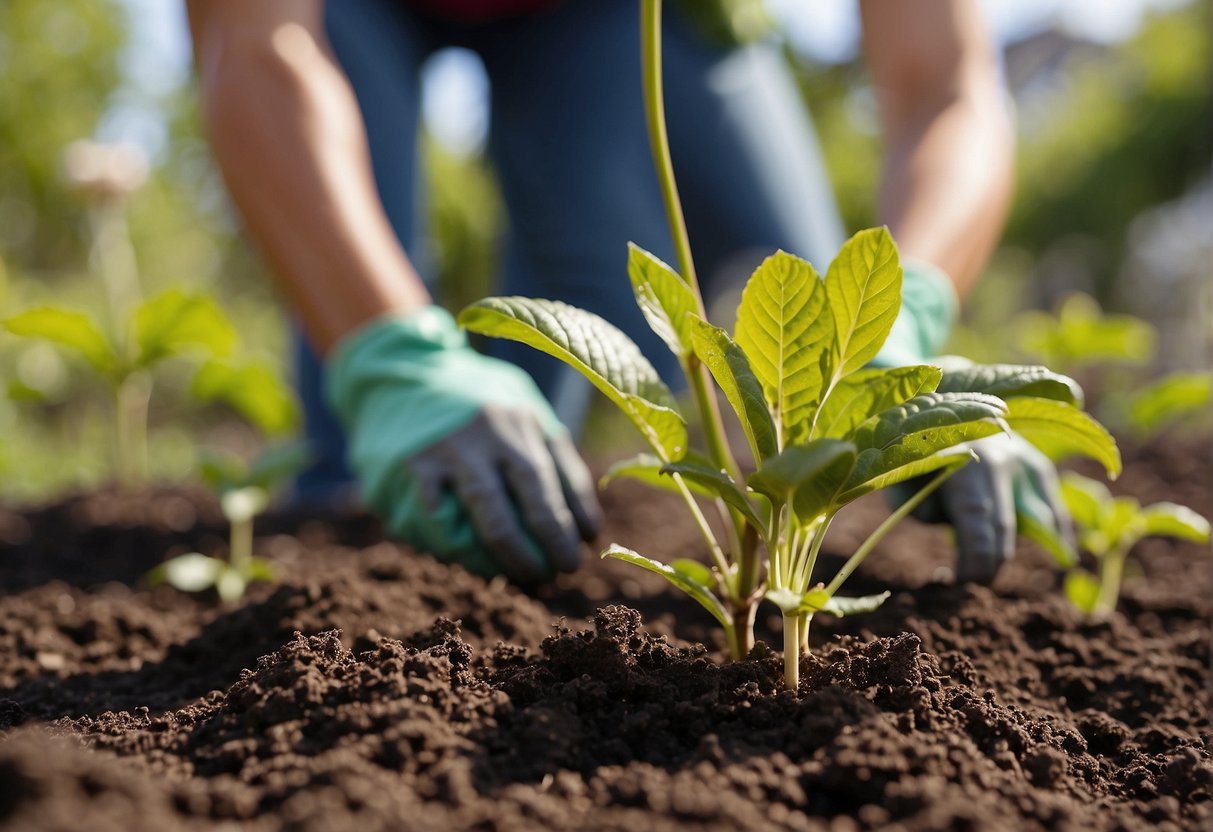
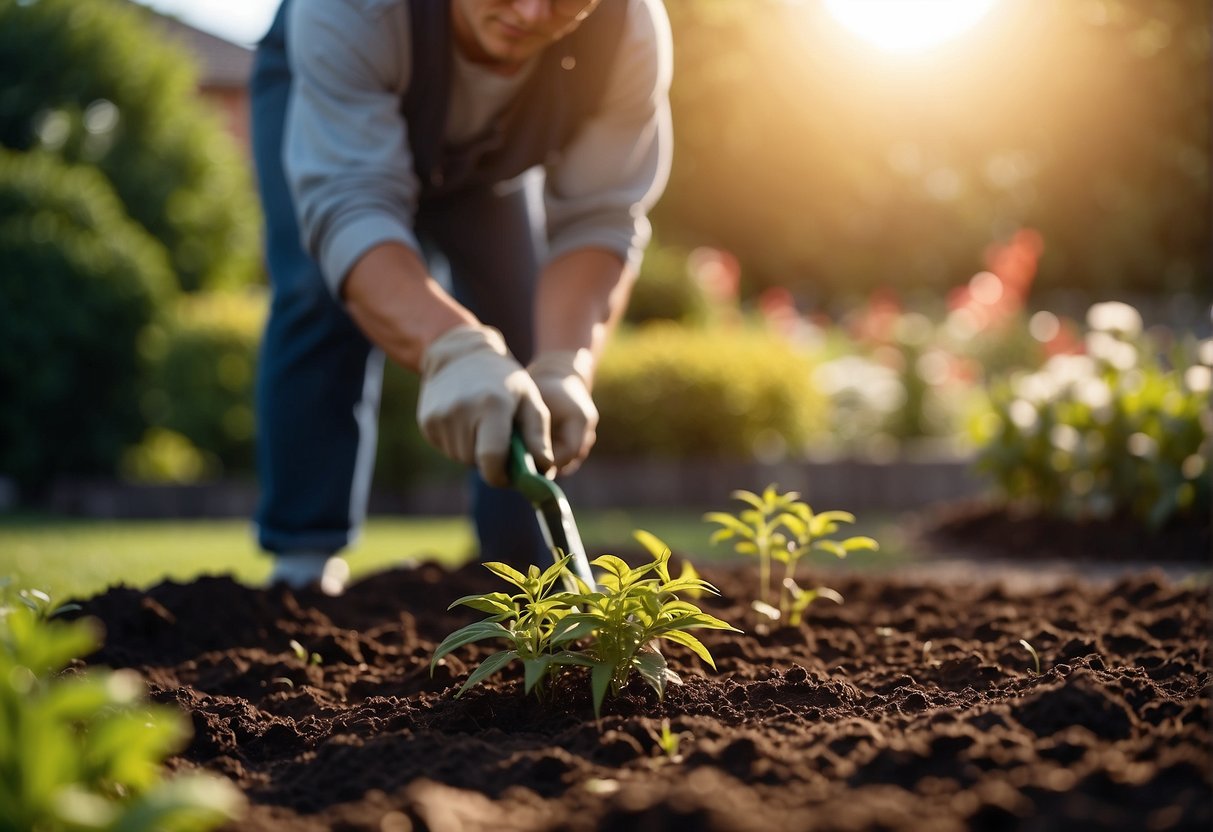
Beautyberry can be planted in the fall or early spring. Dig a hole that is twice as wide and just as deep as the root ball. Place the plant in the hole and backfill with soil, firming it down with your hands or a shovel. Water the plant thoroughly after planting, and continue to water it regularly until it becomes established.
Ongoing Care and Maintenance
Beautyberry is a low-maintenance plant that requires little care once established. Water it during dry spells, and fertilize it in the spring with a balanced fertilizer. Prune it in late winter or early spring to remove any dead or damaged wood and to shape the plant. Beautyberry can also be propagated by stem cuttings taken in the late spring or early summer.
Propagation Techniques
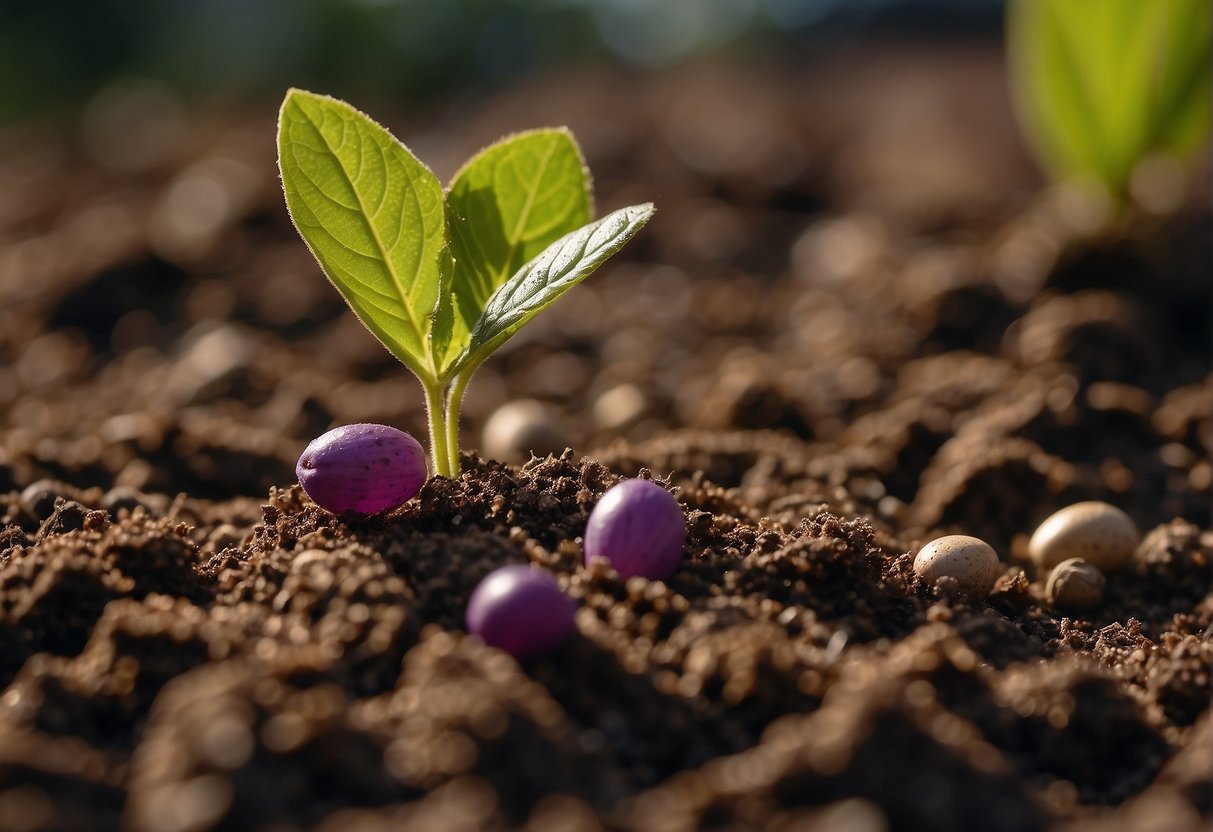
Beautyberry can be propagated by seed, but it can take several years for the plant to reach maturity and produce fruit. Stem cuttings are a quicker and more reliable method of propagation. Take stem cuttings in the late spring or early summer, and dip them in rooting hormone before planting them in well-drained soil. Keep the soil moist, and the cuttings should root within a few weeks.
Frequently Asked Questions
What is the best time of year to plant beautyberry bushes?
The best time to plant beautyberry bushes is in the late fall or early spring. This is because the plant is dormant during these times, and planting during these seasons will allow the roots to establish before the hot summer months.
How should beautyberry seeds be started for successful germination?
Beautyberry seeds should be stratified before planting. This means that they should be kept in a moist, cool environment for several weeks before planting. Once stratified, the seeds can be planted in a well-draining soil mix and kept moist until they germinate.
What are the ideal growing conditions for beautyberry plants?
Beautyberry plants prefer partial shade to full sun and well-draining soil. They can tolerate a range of soil types, but prefer slightly acidic soil. Beautyberry plants also require regular watering, especially during the hot summer months.
Can beautyberry thrive in colder climates such as zone 5?
Beautyberry plants are hardy in zones 6-10, but can also thrive in zone 5 with proper care. It is important to protect the plant from winter winds and to mulch around the base of the plant to insulate the roots.
When is the optimal planting season for beautyberry in zone 7?
The optimal planting season for beautyberry in zone 7 is in the fall, after the hot summer months have passed. This will allow the plant to establish its roots before the winter months.
Are there any common issues to be aware of when cultivating American beautyberry?
One common issue when cultivating American beautyberry is fungal leaf spot. This can be prevented by providing adequate air circulation and avoiding overhead watering. Another issue is deer browsing, as beautyberry is a favorite food of deer. To prevent deer damage, consider using fencing or deer repellents.
Hi Lovelies ! I made this blog to share my tips about Home Improvement, Children, Pets, Food, Gadgets, Automotive, Health & Beauty, and ways to be frugal while maintaining a natural lifestyle. Interested to be a Guest Blogger on my website? Please email me at: [email protected]