Home » Blog » Butterfly Milkweed: When Does It Bloom?
Butterfly Milkweed: When Does It Bloom?
December 26, 2024
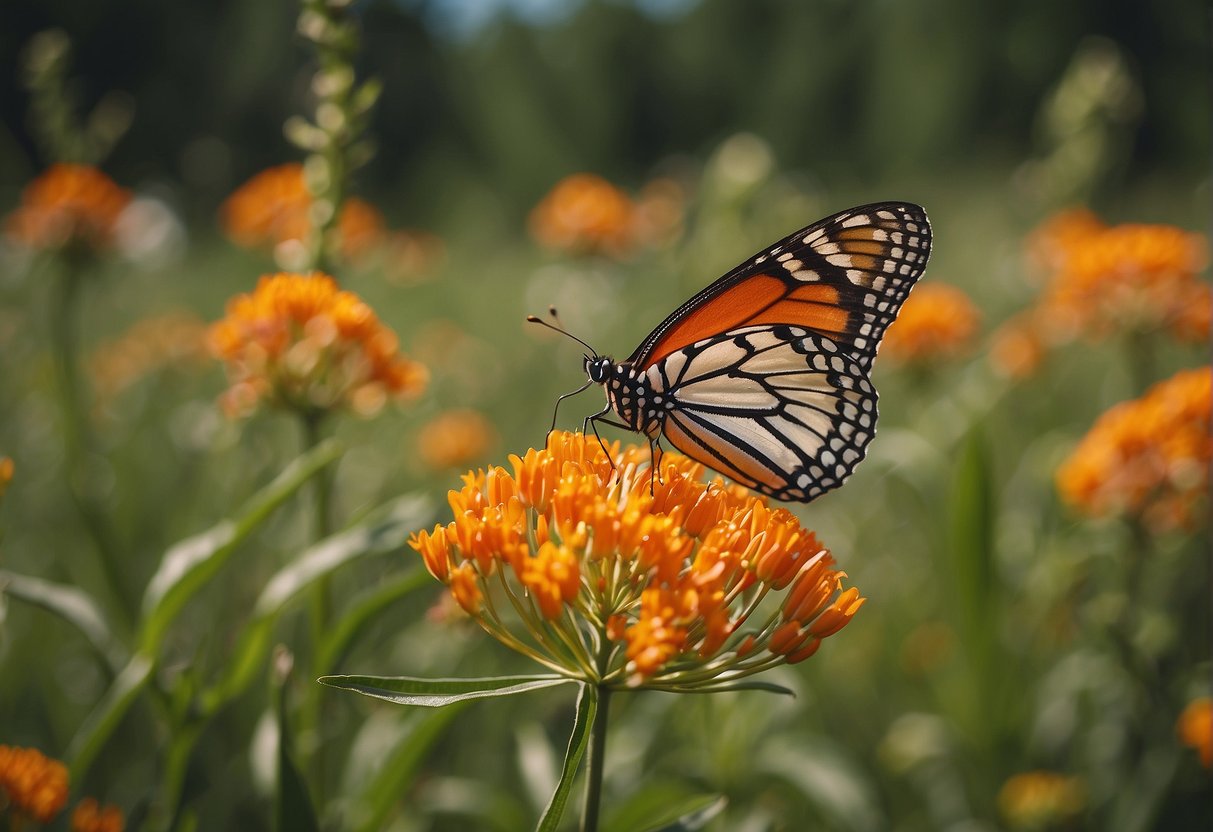
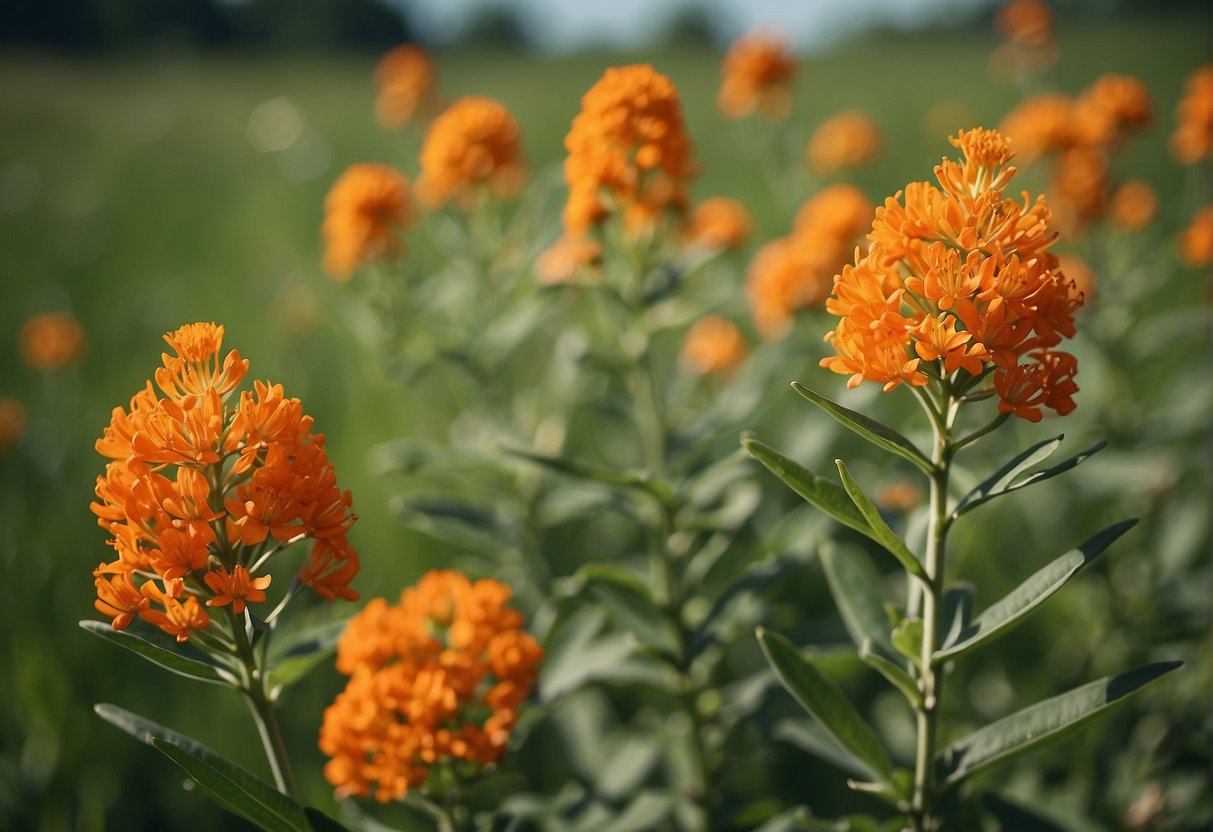
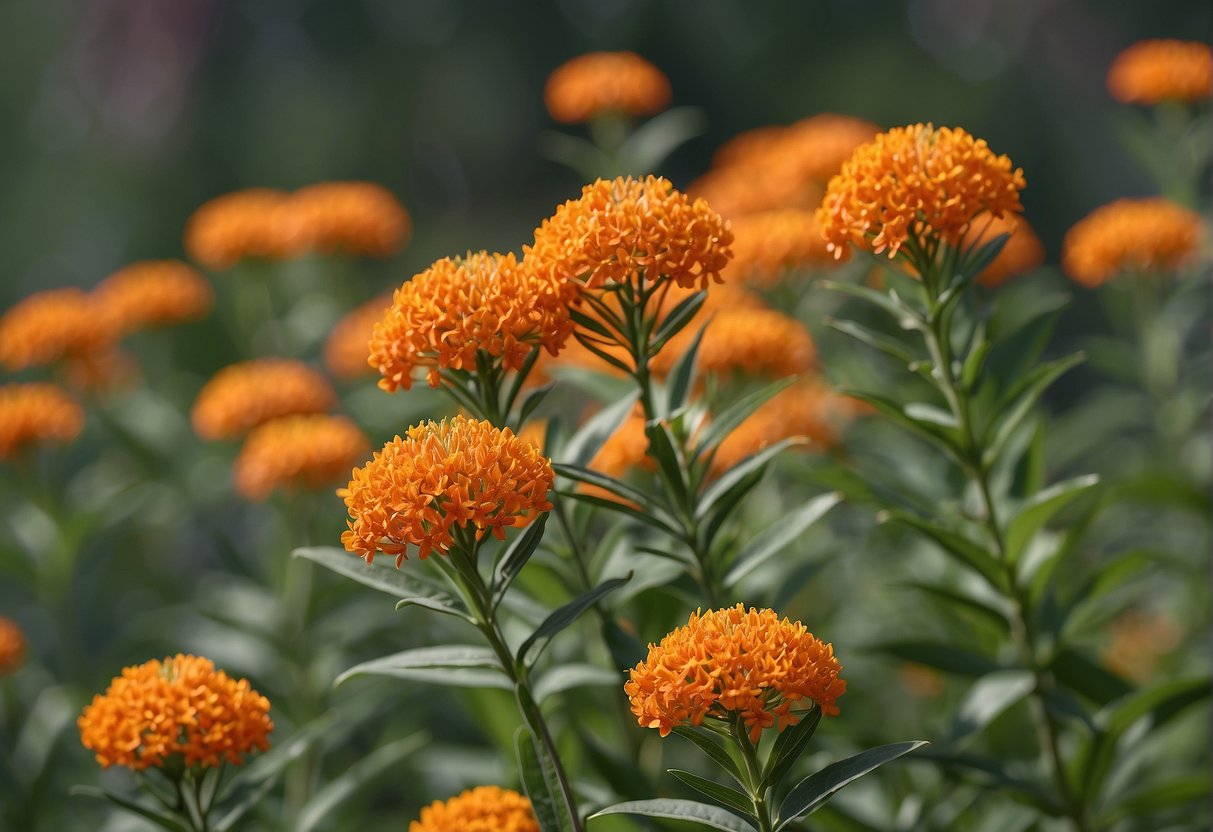
Should you be in the pursuit of a dazzling and vibrant enhancement for your garden, one that draws in pollinators and benefits the local wildlife, your search ends with butterfly milkweed. Known also as Asclepias tuberosa, this eye-catching perennial is indigenous to North America. It blooms with brilliant orange flowers that are beloved by butterflies, bees, and various insects.
One of the most common questions people have about butterfly milkweed is when it blooms. The answer to this question depends on a variety of factors, including your location, climate, and growing conditions. In general, butterfly milkweed tends to bloom in the summer months, typically from June through August. However, the exact timing can vary depending on your specific situation.
Key Takeaways
Butterfly milkweed is a native perennial plant that produces vibrant orange flowers and is a favorite of pollinators.
The plant typically blooms in the summer months, but the exact timing can vary based on location and growing conditions.
Cultivating and caring for butterfly milkweed can help support local wildlife and promote ecological health.
Cultivation and Care
If you are interested in growing butterfly milkweed, you will be pleased to know that it is relatively easy to cultivate and care for. In this section, we will cover the planting and growth conditions, maintenance and pruning, and overwintering and propagation of butterfly milkweed.
Planting and Growth Conditions
Butterfly milkweed is a hardy perennial that is native to most of the United States. It prefers to grow in full sun and well-drained soil. If you want to grow butterfly milkweed in your garden, make sure that the soil is not too rich or too wet, as this can cause the plant to rot. You can also grow butterfly milkweed in containers if you do not have a suitable garden space.
Maintenance and Pruning
Butterfly milkweed does not require much maintenance once it is established. You should water the plant regularly during the first growing season to help it establish a deep root system. After that, you can reduce watering to once a week, unless there is a drought. You should also fertilize the plant once a year in the spring with a balanced fertilizer.
Pruning is not necessary for butterfly milkweed, but you can deadhead the flowers to encourage more blooms. If the plant becomes too large, you can cut it back in the fall to prevent it from flopping over.
Overwintering and Propagation
Butterfly milkweed is a hardy plant that can survive cold temperatures and frost. However, if you live in an area with harsh winters, you should mulch the plant in the fall to protect it from the cold. You can also propagate butterfly milkweed by collecting the seeds in the fall and stratifying them in the refrigerator for a few weeks before planting them in the spring. Alternatively, you can propagate the plant by dividing the roots in the fall or early spring.
Overall, butterfly milkweed is a beautiful and low-maintenance plant that is perfect for any garden. With the right planting and care, you can enjoy its vibrant orange flowers and attract butterflies to your yard.
Ecological Impact and Wildlife Support
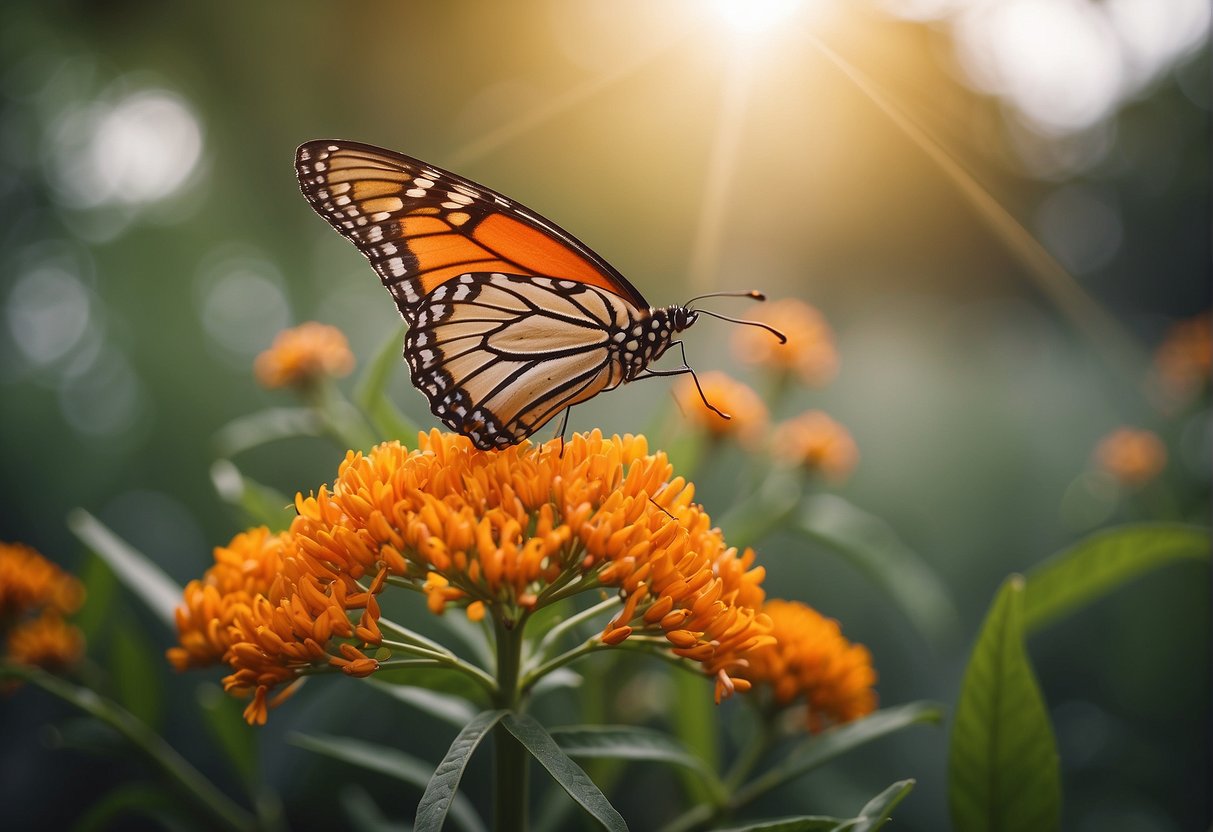
Butterfly milkweed is a native wildflower that plays a vital role in supporting wildlife and maintaining ecosystem health. Its bright orange flowers bloom in the summer, attracting a variety of pollinators and helping to sustain populations of monarch butterflies.
Attracting Pollinators and Monarchs
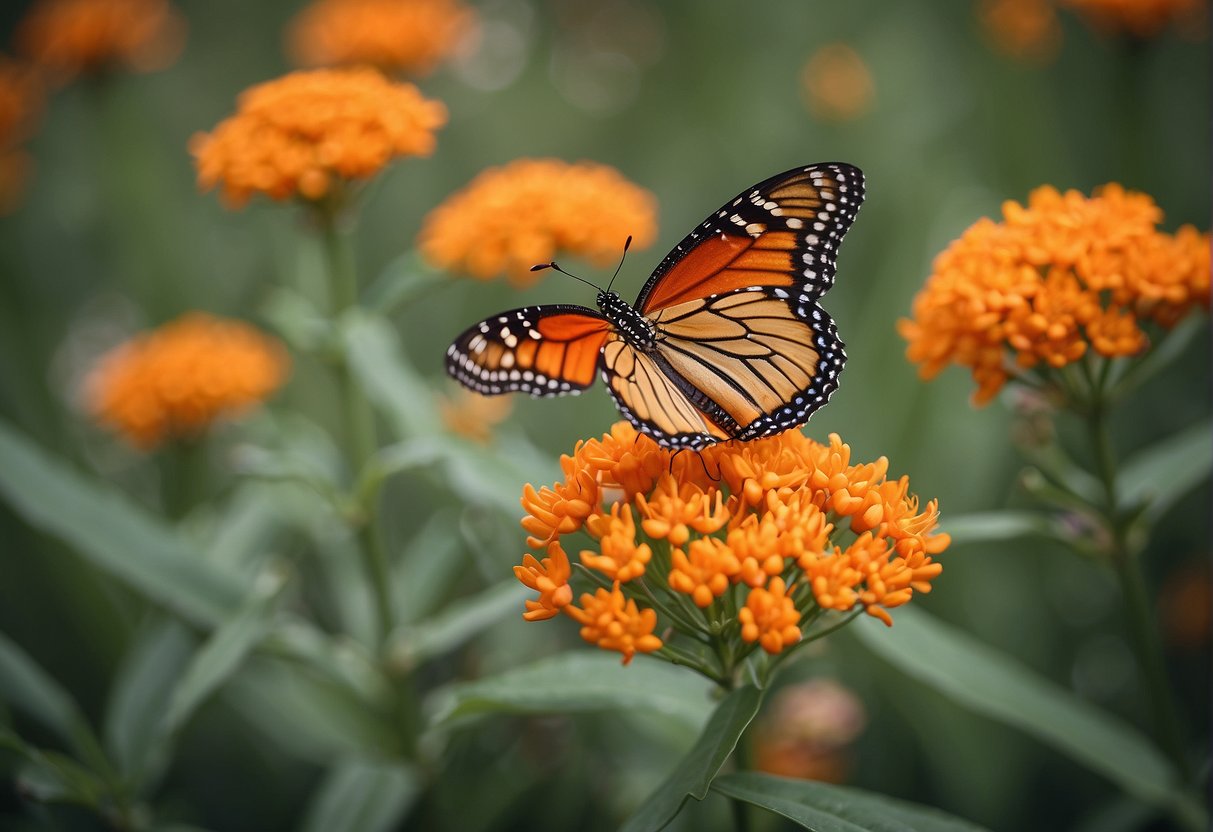
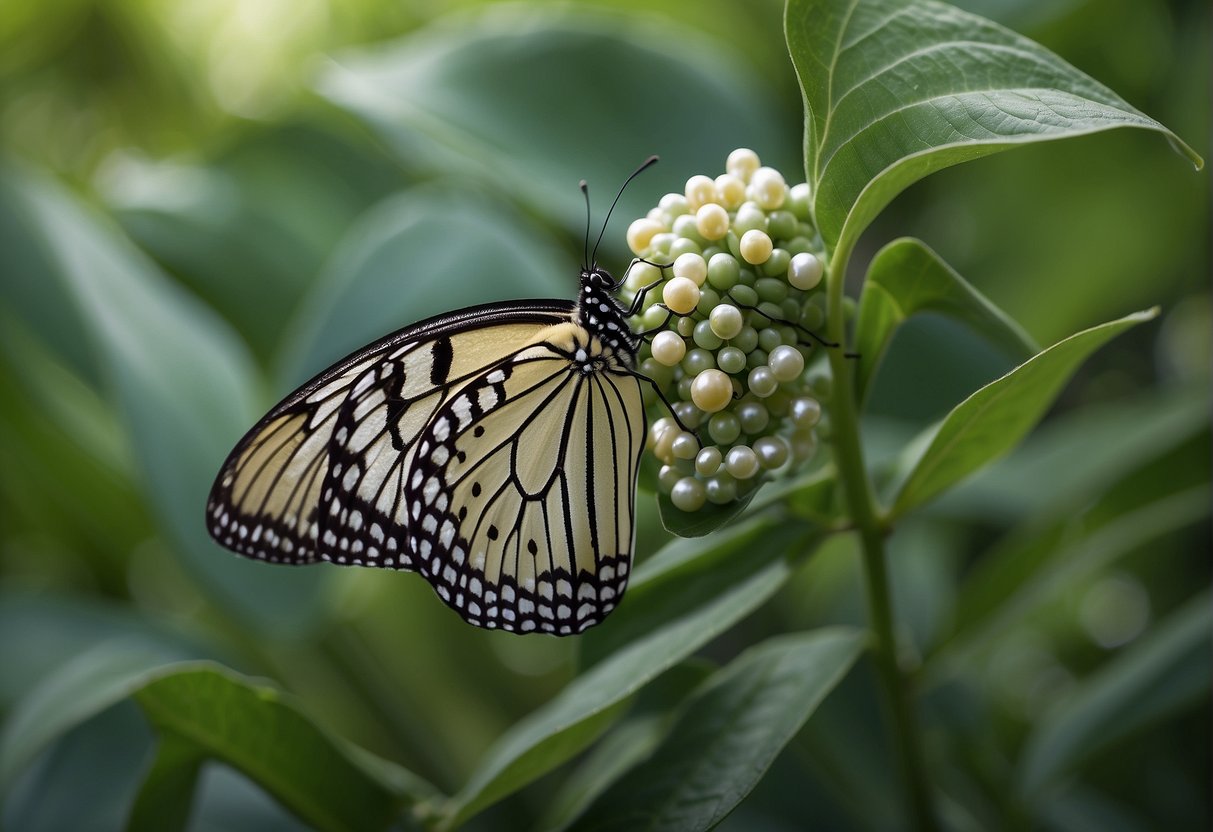
Butterfly milkweed is a great source of nectar for a wide range of insects, including bees, butterflies, and other pollinators. The flowers are particularly important for monarch butterflies, which rely on milkweed plants as a host plant for their eggs and caterpillars.
By planting butterfly milkweed in your garden, you can help support pollinator populations and provide essential habitat for monarch butterflies. This can help to ensure the continued health and survival of these important species.
Milkweed and Ecosystem Health
Butterfly milkweed also plays an important role in maintaining ecosystem health. Milkweed plants are a source of food for a variety of insects, including milkweed bugs and other herbivores. These insects, in turn, provide food for predators higher up the food chain.
In addition, milkweed plants have a deep root system that helps to prevent soil erosion and improve soil health. They also help to support a diverse range of native species, which can help to maintain a healthy and balanced ecosystem.
Overall, butterfly milkweed is an important native wildflower that provides essential habitat and food for a wide range of wildlife. By planting butterfly milkweed in your garden, you can help to support pollinator populations, maintain ecosystem health, and ensure the continued survival of important species like the monarch butterfly.
Frequently Asked Questions
What is the typical blooming period for butterfly milkweed?
Butterfly milkweed typically blooms from June to August, but the exact timing can vary depending on the climate and location. In cooler areas, it may bloom later in the summer or even into early fall.
Can butterfly milkweed thrive in partial shade, or does it require full sun?
Butterfly milkweed requires full sun to thrive. It will not grow well in partial shade or shady areas. It needs at least 6 hours of direct sunlight per day to grow and bloom properly.
How tall does butterfly milkweed typically grow?
Butterfly milkweed can grow up to 2-3 feet tall, with a spread of 1-2 feet. However, the exact height can vary depending on the growing conditions and the specific variety of butterfly milkweed.
Is butterfly milkweed a perennial plant?
Yes, butterfly milkweed is a perennial plant. It will come back year after year, as long as it is properly cared for and maintained.
When should butterfly milkweed be pruned or cut back?
Butterfly milkweed should be cut back in the fall, after it has finished blooming. This will help promote healthy growth and prevent disease. However, it is important to leave some of the stems and foliage in place over the winter, as they provide important habitat for overwintering insects.
How do you propagate butterfly milkweed from seeds?
Butterfly milkweed can be propagated from seeds. The seeds should be planted in the fall, either directly in the garden or in pots. They should be planted just below the surface of the soil and kept moist until they germinate. In the spring, the seedlings can be transplanted into their permanent location in the garden.
Hi Lovelies ! I made this blog to share my tips about Home Improvement, Children, Pets, Food, Gadgets, Automotive, Health & Beauty, and ways to be frugal while maintaining a natural lifestyle. Interested to be a Guest Blogger on my website? Please email me at: [email protected]