Home » Blog » When Does the Butterfly Milkweed Bloom: A Guide to Its Flowering Season
When Does the Butterfly Milkweed Bloom: A Guide to Its Flowering Season
December 26, 2024
Are you fascinated by the blooming period of the butterfly milkweed? Known scientifically as Asclepias tuberosa, this native perennial is celebrated for its vivid orange blossoms. It’s particularly popular among those who are passionate about butterflies and cultivating pollinator-friendly gardens, as it draws in various kinds of butterflies and other pollinating creatures. This article will delve into when the butterfly milkweed flowers and offer advice on how to successfully grow and maintain this stunning plant.
Butterfly Milkweed Characteristics:
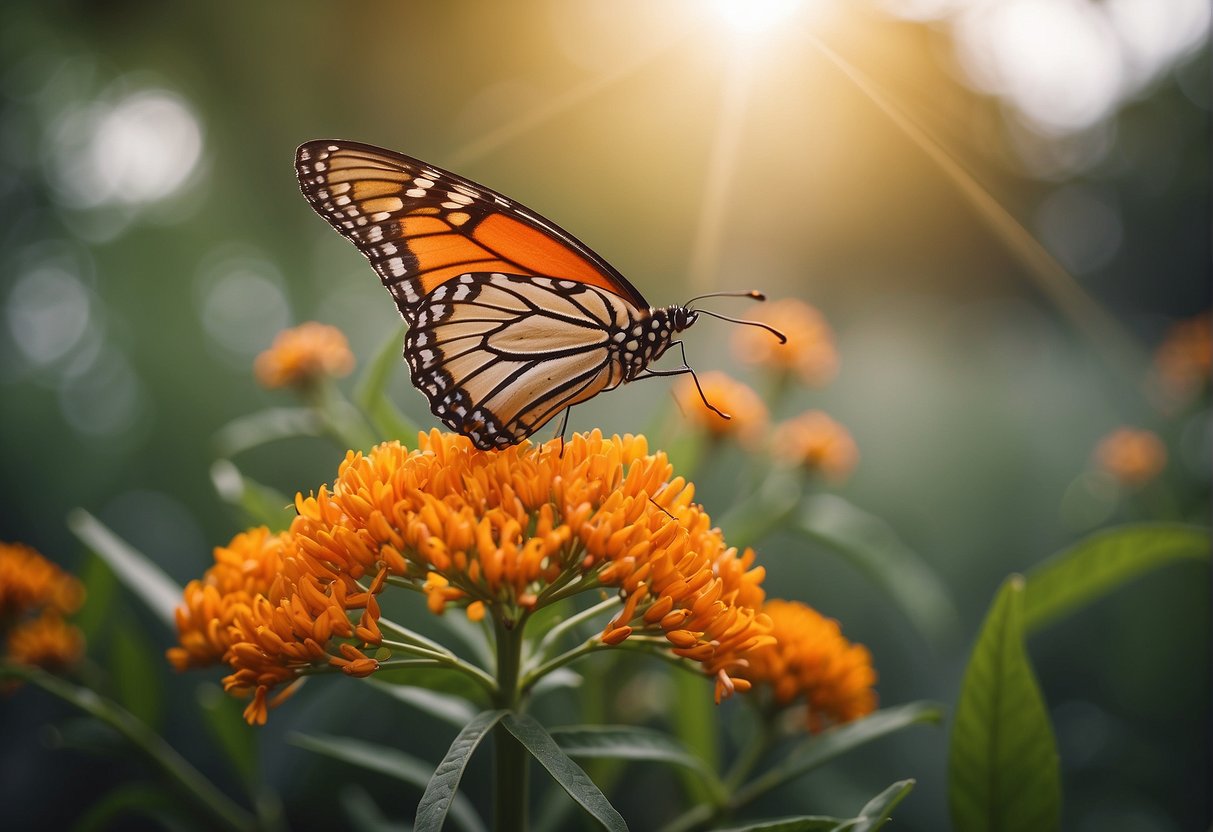
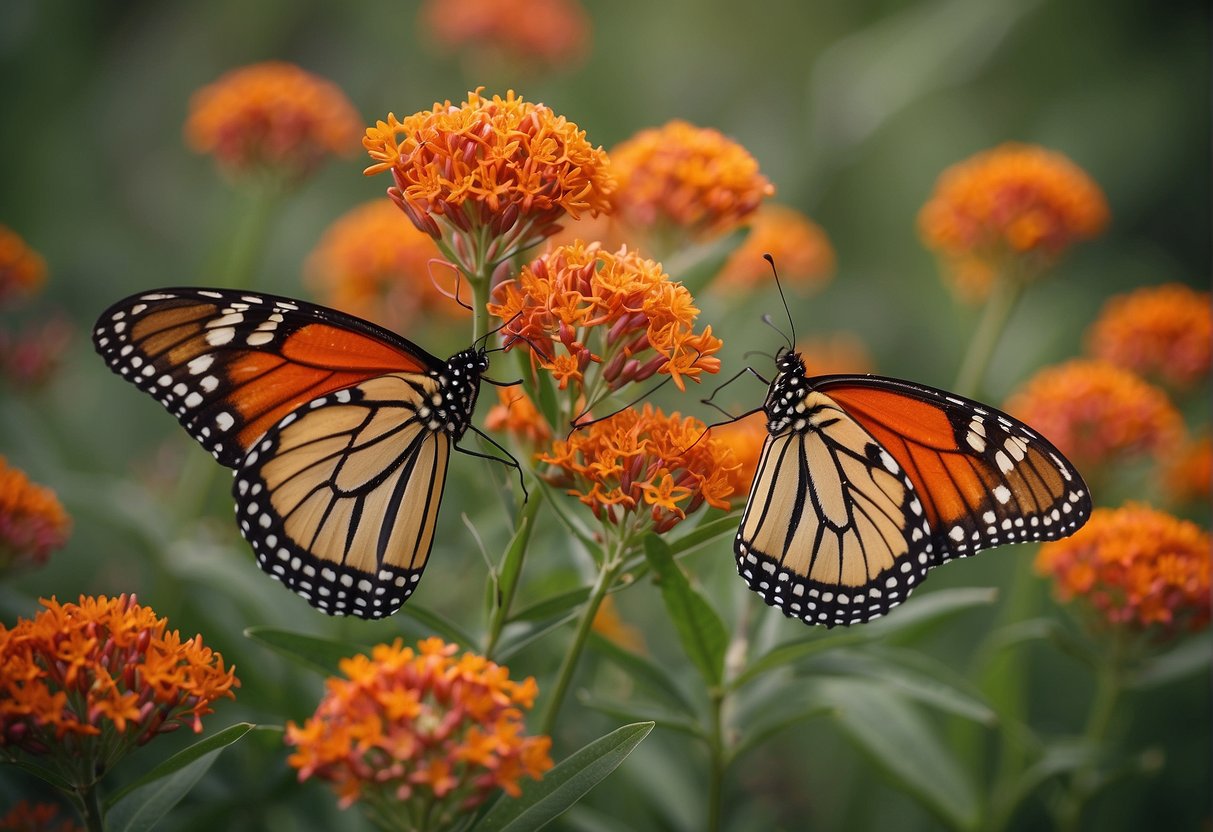
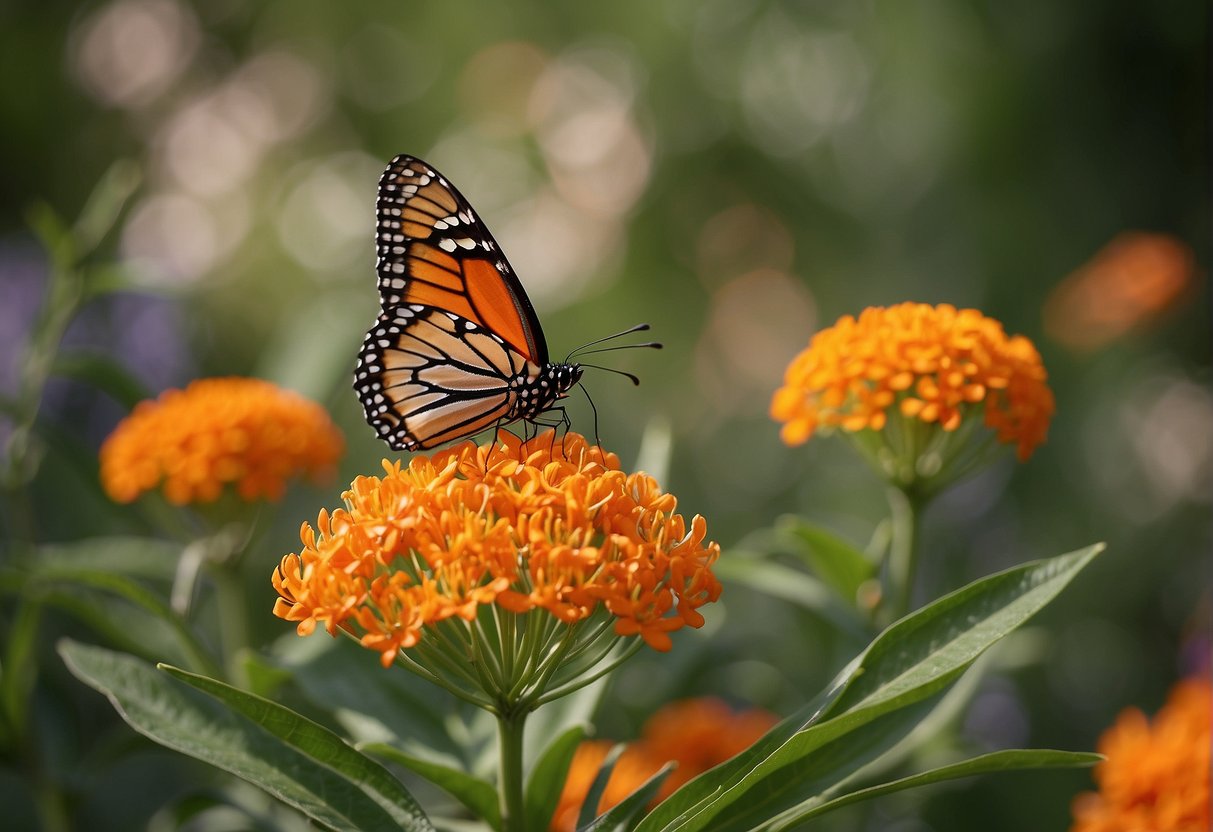
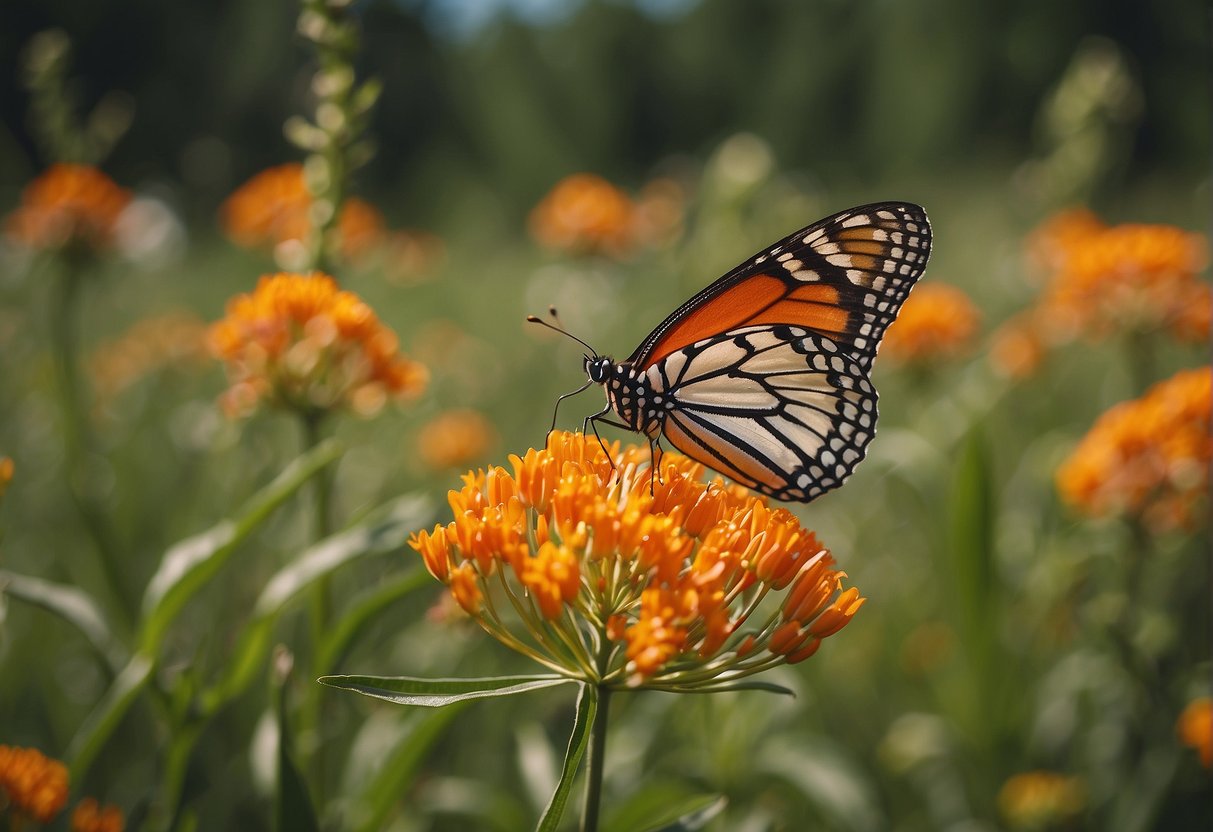
Butterfly milkweed is a hardy plant that thrives in full sun and well-drained soil. It typically blooms from June to August, but the exact blooming time can vary depending on the location and growing conditions. The flowers of butterfly milkweed are bright orange and attract a variety of butterflies, including monarchs, swallowtails, and fritillaries. In addition to its aesthetic appeal, butterfly milkweed is an important plant for pollinators and helps support the ecosystem.
Cultivation and Care:
If you want to grow butterfly milkweed in your garden, it is important to choose a sunny location and well-drained soil. This plant is drought-tolerant and does not require frequent watering. Once established, butterfly milkweed can grow up to three feet tall and spread up to two feet wide. It is a low-maintenance plant that requires little care, but deadheading spent blooms can encourage more flowers. In addition to its ornamental value, butterfly milkweed is also a host plant for monarch butterflies.
Key Takeaways
Butterfly milkweed is a native perennial plant that blooms from June to August and attracts a variety of butterflies and pollinators.
This plant requires a sunny location and well-drained soil, and is drought-tolerant and low-maintenance.
Butterfly milkweed is not only a beautiful addition to your garden, but also an important plant for supporting the ecosystem and monarch butterfly populations.
Butterfly Milkweed Characteristics
Plant Description
Asclepias tuberosa, commonly known as butterfly milkweed, is a species of herbaceous perennial plant in the milkweed family. It is native to North America and is a popular plant for butterfly gardens. The plant grows up to 2-3 feet tall and spreads up to 1-2 feet wide. The leaves are narrow and lance-shaped, and the flowers are bright orange or yellow-orange in color.
Habitat and Native Range
Butterfly milkweed is a native plant of North America and can be found in a variety of habitats, including prairies, meadows, and open woods. It prefers full sun and well-drained soil, but can also tolerate some shade and moisture. The plant is an important food source for monarch butterflies and other pollinators.
Seasonal Growth and Bloom Cycle
Butterfly milkweed blooms from June to August, with peak bloom occurring in July. The plant’s flowers are clustered in umbels and can last for several weeks. The plant is a perennial, meaning it will come back year after year. In the fall, the plant’s foliage will turn yellow and die back, but the roots will remain alive and dormant until the following spring.
Overall, butterfly milkweed is a beautiful and important plant for any butterfly garden or natural landscape. Its bright flowers and ability to attract monarch butterflies make it a popular choice for gardeners and nature enthusiasts alike.
Cultivation and Care
Butterfly milkweed is a beautiful, showy plant that is easy to grow and care for. Here are some guidelines to help you cultivate and care for your butterfly milkweed:
Planting Guidelines
Butterfly milkweed can be planted in the spring or fall, but late spring is the best time to plant. Choose a site that receives full sun and has well-draining soil. If you are planting in a container, make sure it has drainage holes and use a well-draining potting mix.
Maintenance and Management
Butterfly milkweed requires minimal maintenance once established. Water regularly during the first growing season, but after that, it is drought-tolerant and can survive on natural rainfall. Fertilize sparingly in the spring with a balanced fertilizer. Deadhead spent flowers to encourage more blooms.
Propagation Techniques
Butterfly milkweed can be propagated from seed or by dividing clumps. To sow seeds, stratify them in the refrigerator for 30 days before planting in the spring. Germination can take up to 30 days. To divide clumps, wait until the plant is dormant in the fall and carefully dig up the roots. Separate the clumps and replant in well-draining soil.
Remember that butterfly milkweed is toxic and contains milky sap that can cause skin irritation. Wear gloves when handling the plant and keep it away from pets and children. It is also an important host plant for monarch butterflies, so plant it in your garden to support these beautiful creatures. Be aware of the danger of frost and protect your plant accordingly.
Overall, butterfly milkweed is a hardy, low-maintenance plant that will add beauty to any garden. With proper care and attention, your butterfly milkweed will thrive and provide years of enjoyment.
Frequently Asked Questions
What are the growth requirements for butterfly milkweed?
Butterfly milkweed requires well-draining soil, full sun exposure, and moderate to dry moisture levels. It can tolerate a range of soil types, including clay, sandy, or loamy soils. It is also drought-tolerant and can handle high temperatures.
How can I propagate butterfly milkweed effectively?
Butterfly milkweed can be propagated through seeds, division, or stem cuttings. Seeds can be sown directly in the garden or started indoors. Division can be done in the spring or fall by separating the root ball into smaller sections. Stem cuttings can be taken in the summer and rooted in a well-draining soil mix.
What is the typical lifespan of a butterfly milkweed plant?
Butterfly milkweed is a perennial plant that can live for several years. With proper care, it can live up to 20 years or more.
How do I care for butterfly milkweed to encourage blooming?
To encourage blooming, butterfly milkweed should be planted in full sun and well-draining soil. It should be watered regularly, but not overwatered, as it can lead to root rot. Deadheading spent blooms can also encourage more blooms to form.
Are there any common pests or diseases that affect butterfly milkweed?
Butterfly milkweed is generally resistant to pests and diseases. However, aphids, spider mites, and milkweed bugs can occasionally be a problem. Diseases such as powdery mildew and leaf spot can also occur, especially in humid conditions.
What are the differences between butterfly milkweed and other milkweed species?
Butterfly milkweed is a member of the Asclepias family and is native to North America. It is different from other milkweed species in its growth habit, flower color, and leaf shape. Unlike common milkweed, butterfly milkweed does not spread aggressively and is not invasive. It is an important host plant for the monarch butterfly and other pollinators.
Hi Lovelies ! I made this blog to share my tips about Home Improvement, Children, Pets, Food, Gadgets, Automotive, Health & Beauty, and ways to be frugal while maintaining a natural lifestyle. Interested to be a Guest Blogger on my website? Please email me at: [email protected]