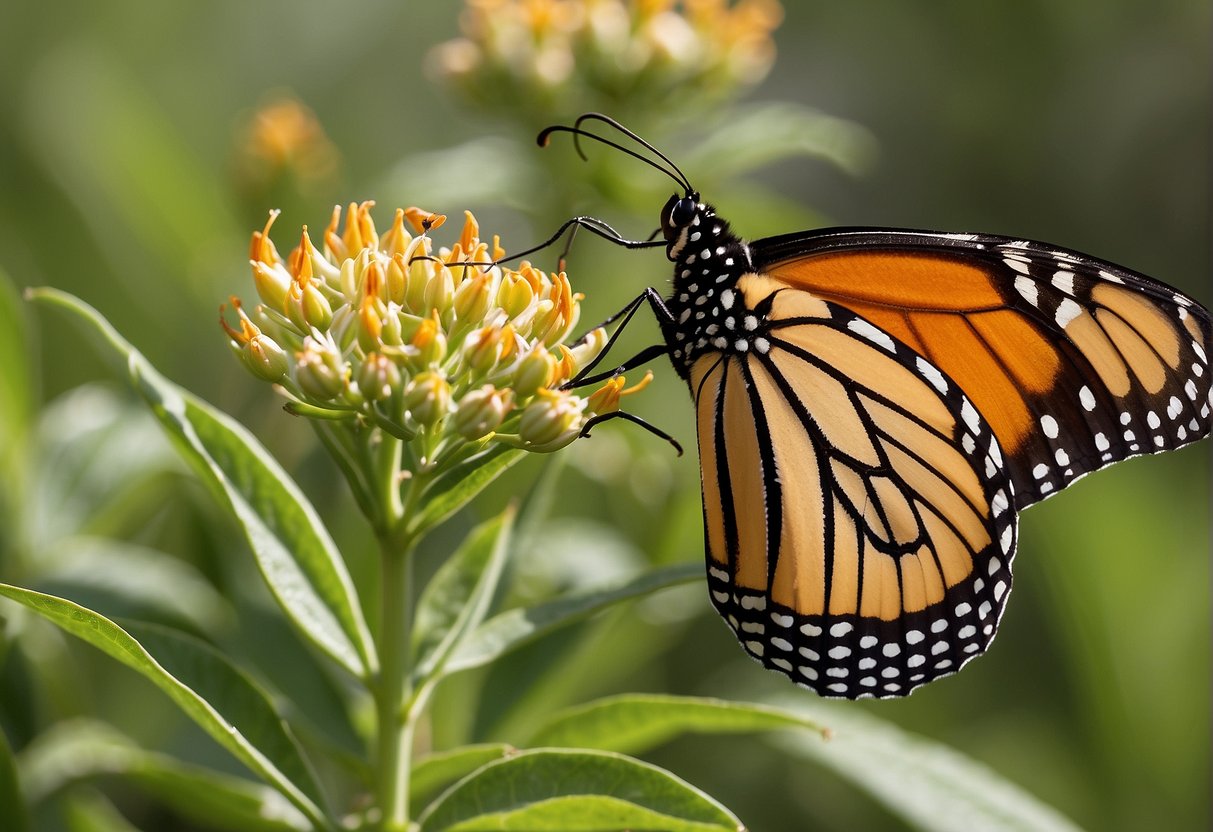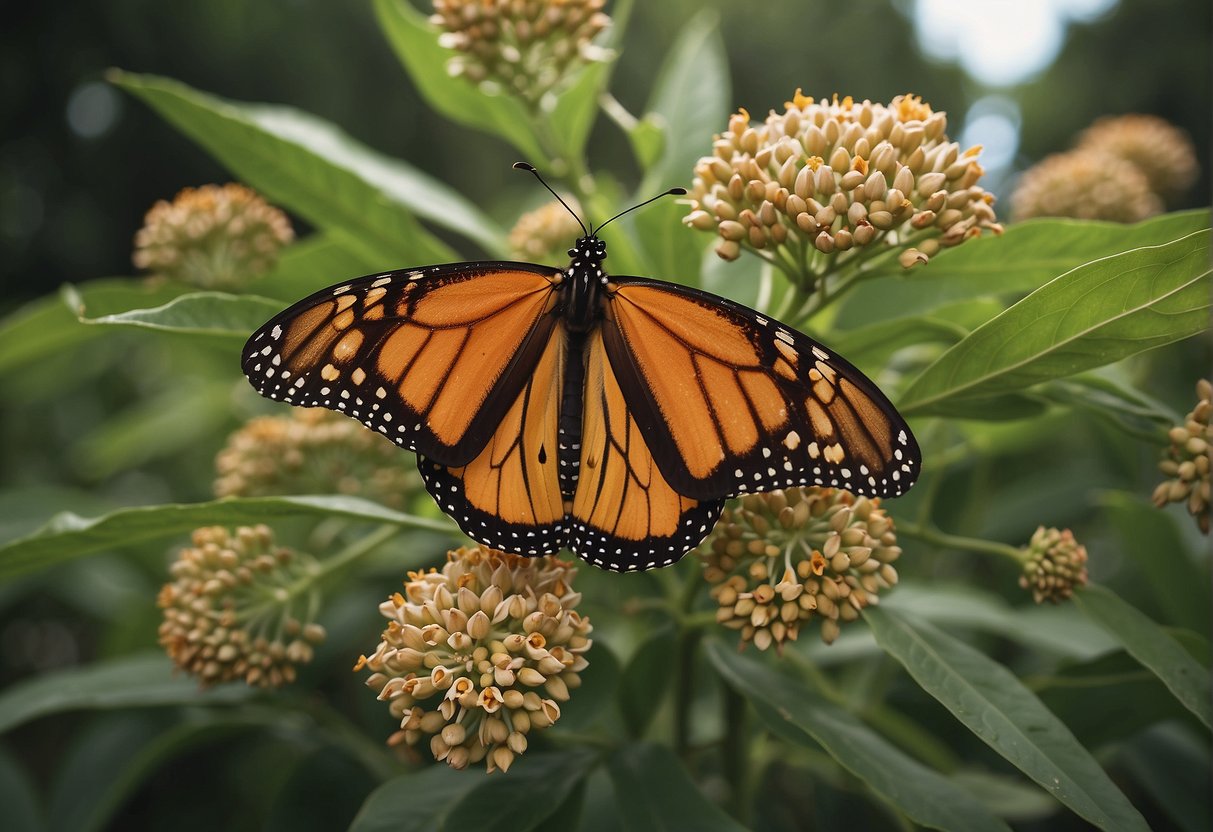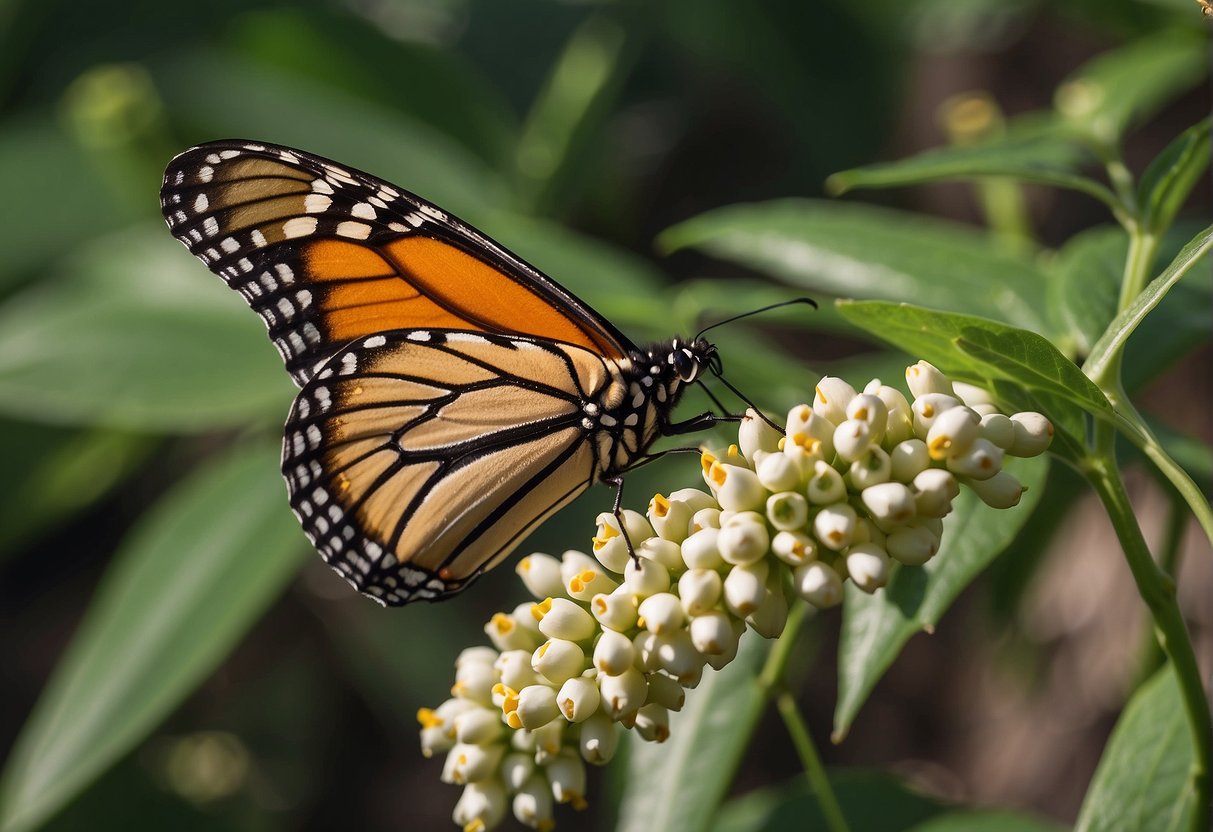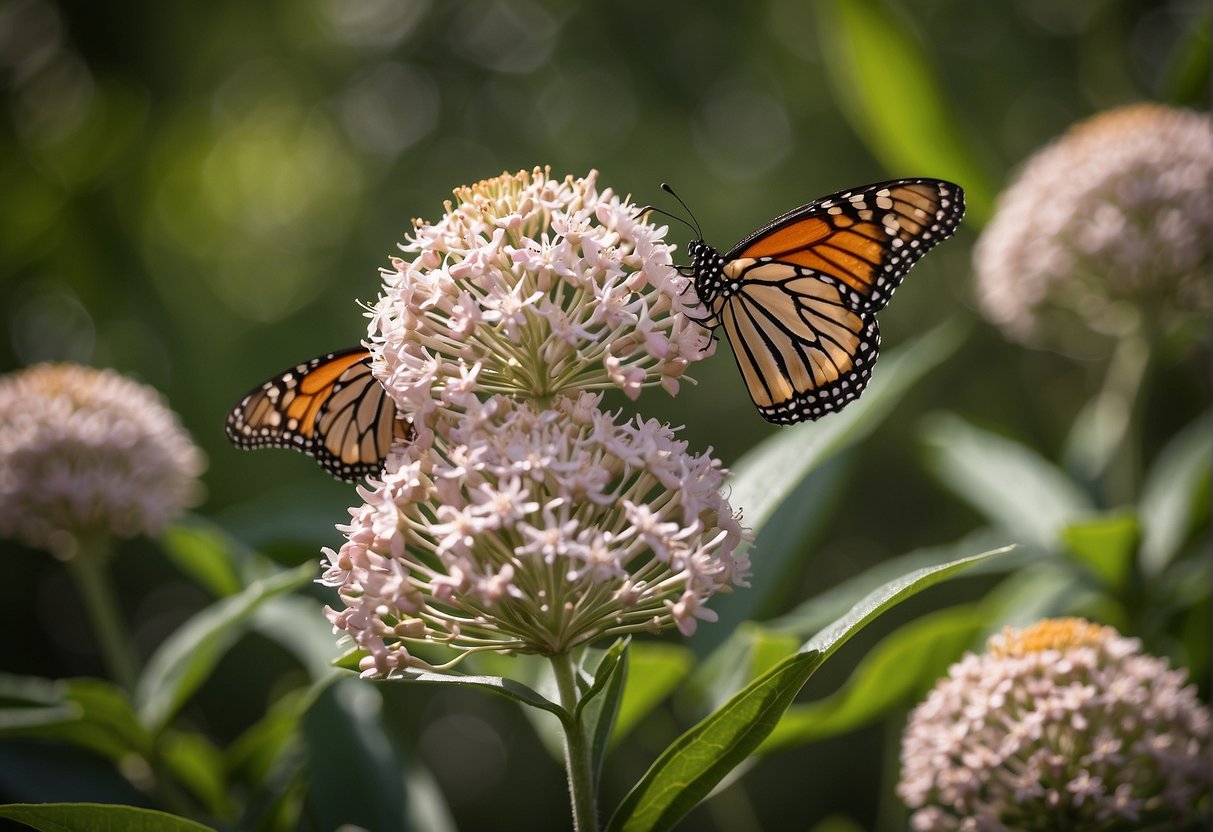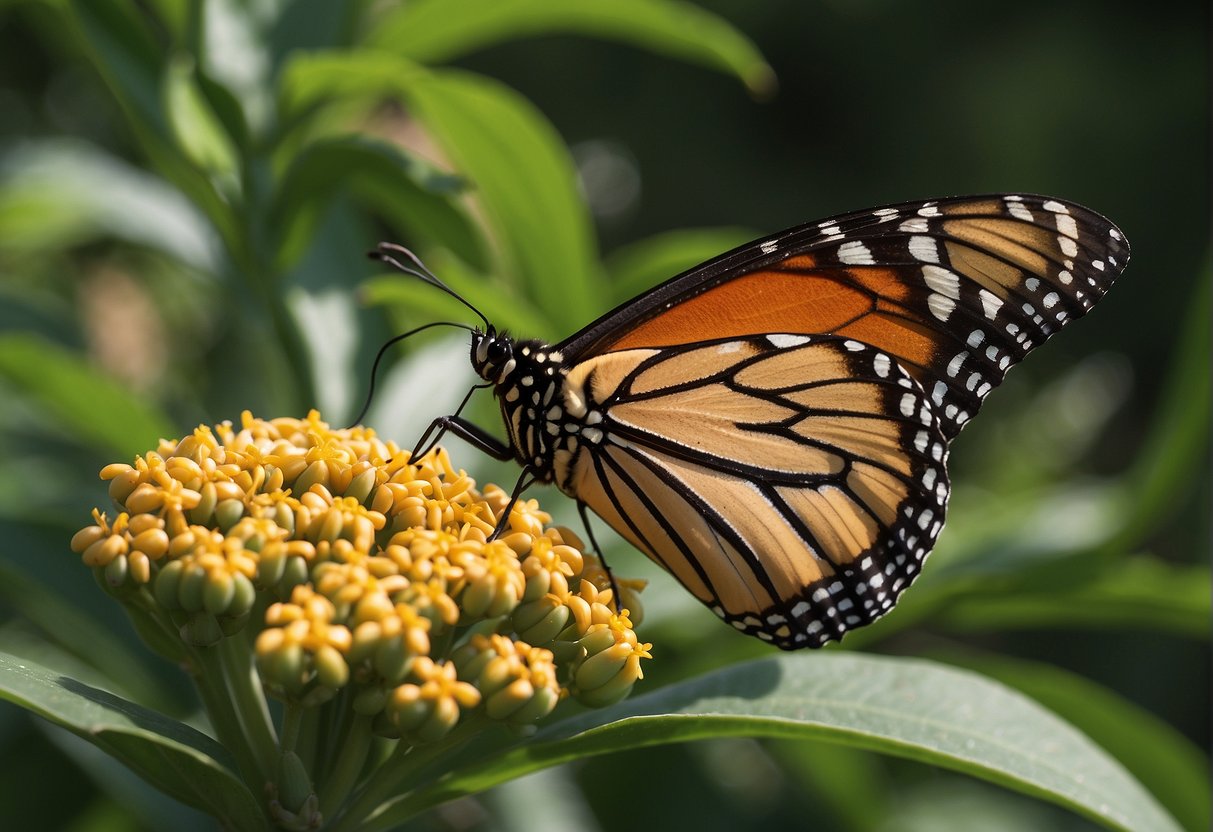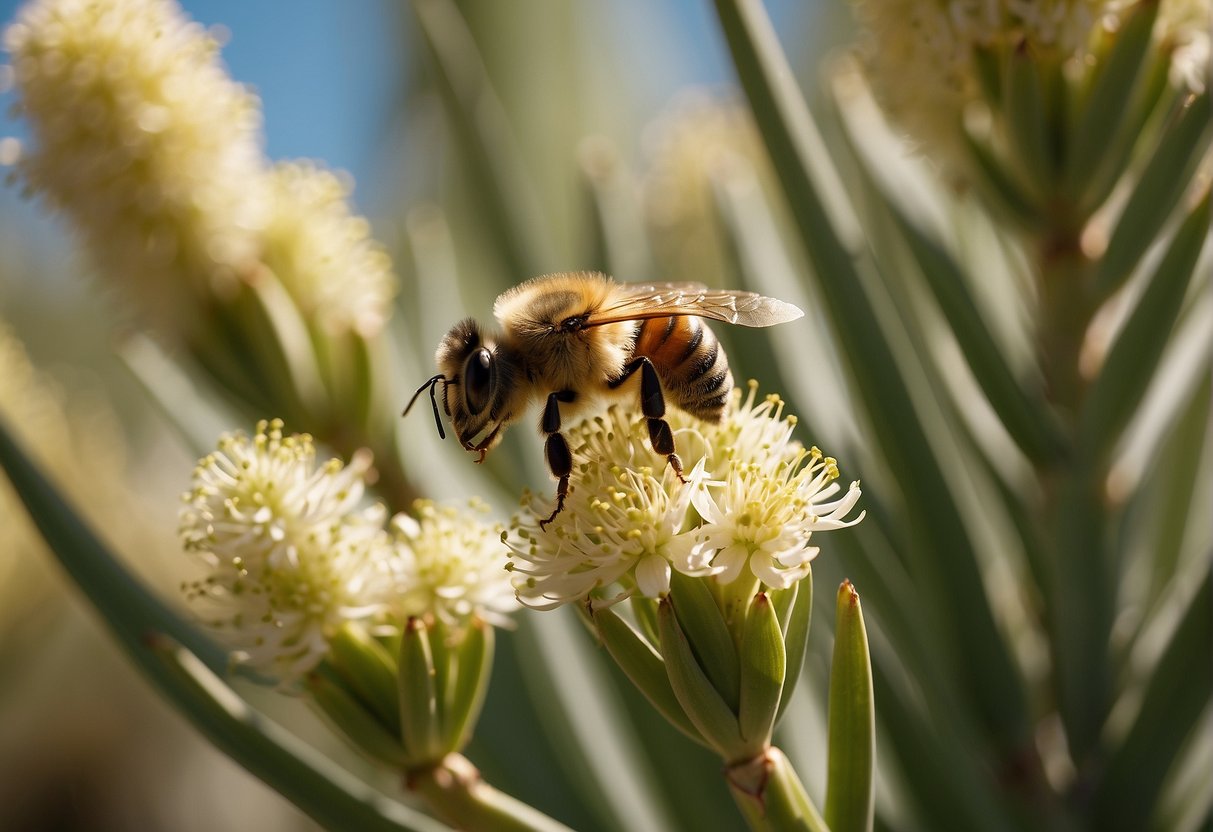

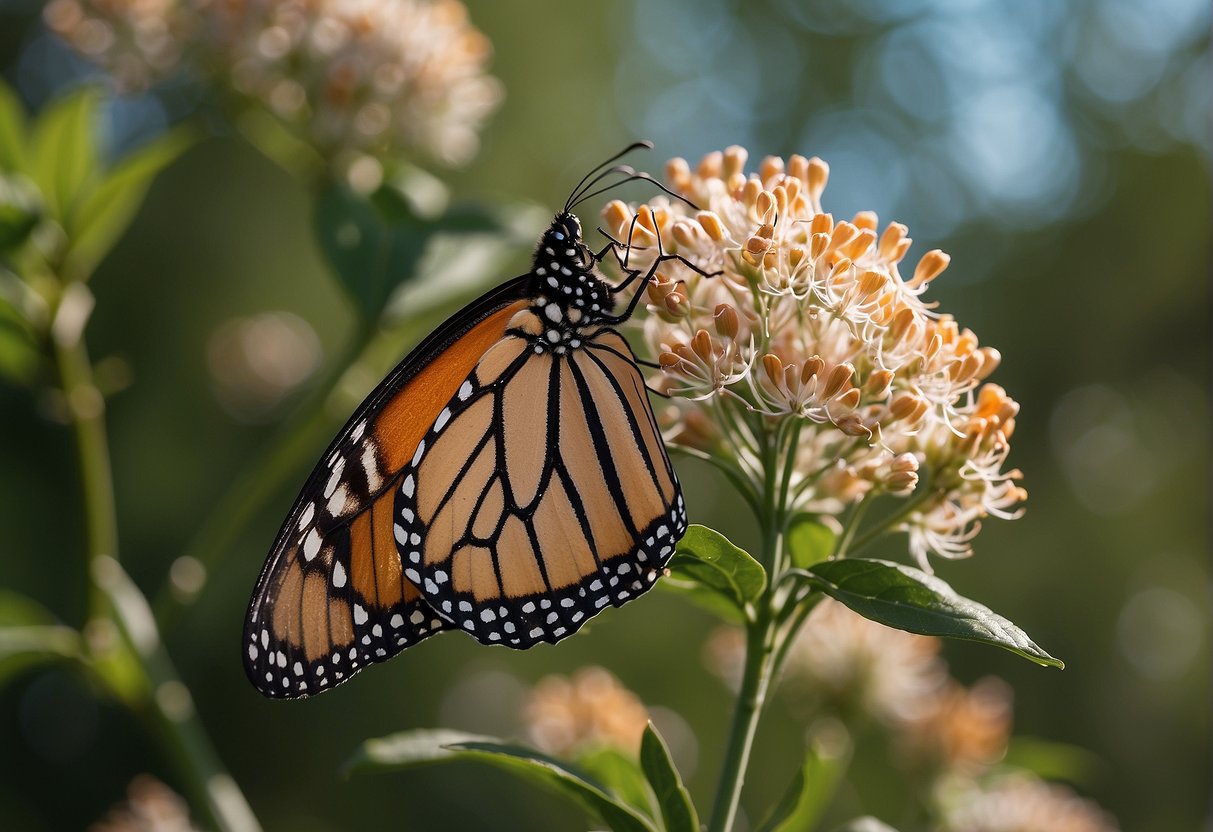
If you’ve ever observed a monarch butterfly, you may wonder why they’re attracted to specific types of vegetation. A crucial plant for these butterflies is milkweed. The relationship between milkweed and monarch butterflies is a unique symbiosis that offers an intriguing subject for examination. This article will explore the ways in which the milkweed plant entices the monarch butterfly and how we can contribute to the conservation of this vital species.
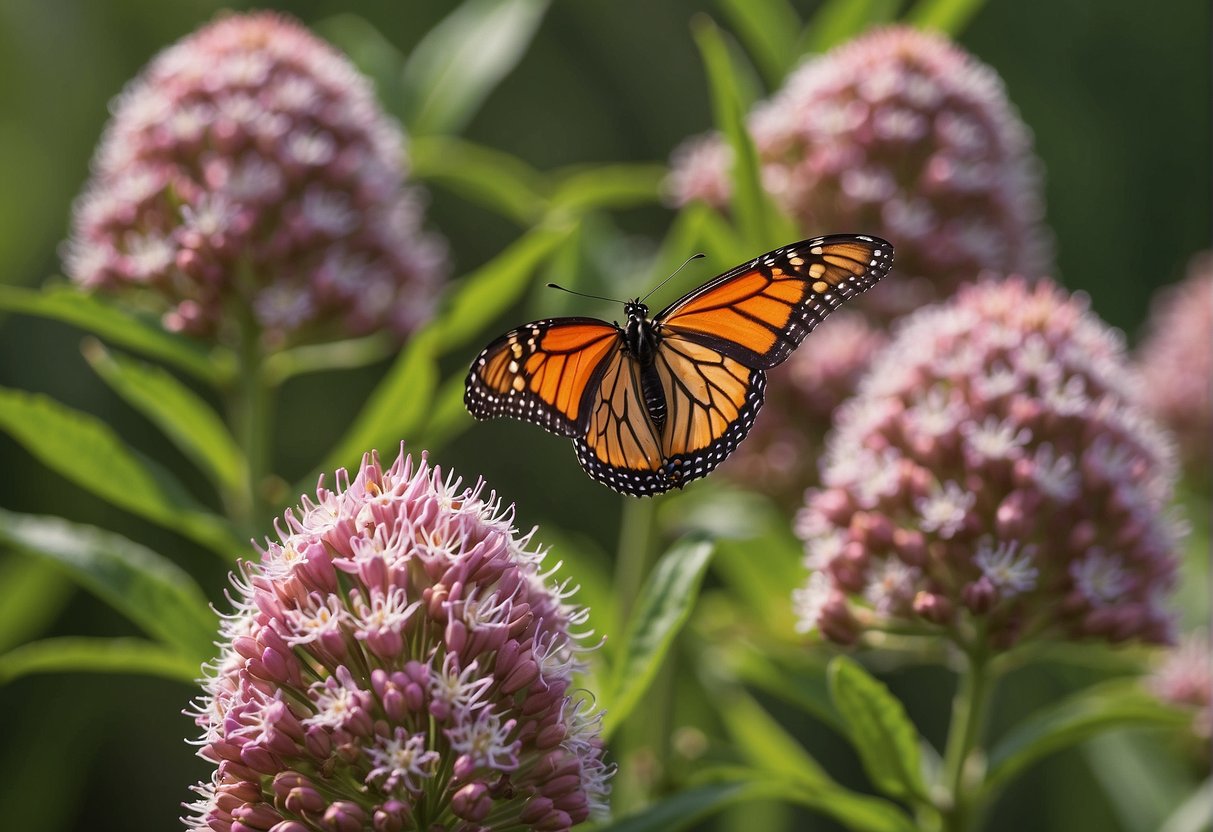
Milkweed is a critical plant for the monarch butterfly because it is the only plant that the butterfly will lay its eggs on. The leaves of the milkweed plant contain toxins that are harmless to the monarch butterfly but are toxic to predators, which helps protect the butterfly’s offspring. Additionally, the nectar produced by the milkweed plant is a valuable food source for adult monarch butterflies. The milkweed plant and monarch butterfly have co-evolved over time, with each species adapting to the other’s needs.
Conservation and cultivation practices are important for protecting both the milkweed plant and the monarch butterfly. Due to habitat loss, the population of monarch butterflies has declined in recent years. By planting milkweed in your garden or community, you can help provide a habitat for monarch butterflies and contribute to their conservation. In the next sections, we’ll explore more about the symbiotic relationship between milkweed and monarch butterflies and what you can do to help protect these important species.
Key Takeaways
- Milkweed is the only plant that monarch butterflies will lay their eggs on.
- The toxins in milkweed leaves protect monarch butterfly offspring from predators.
- Conservation and cultivation practices are important for protecting both milkweed and monarch butterflies.
Milkweed and Monarch Butterfly Symbiosis
If you are looking to attract monarch butterflies to your garden, planting milkweed is a must. Milkweed is the sole host plant for monarch caterpillars and plays a vital role in their survival. Here are some key facts about milkweed and monarch butterfly symbiosis:
Milkweed as the Monarch’s Host Plant
Monarch butterflies lay their eggs on milkweed plants, and the caterpillars that hatch feed exclusively on milkweed leaves. Without milkweed, monarchs cannot complete their life cycle. There are over 100 species of milkweed, but the most commonly used by monarchs are Asclepias syriaca (common milkweed), Asclepias incarnata (swamp milkweed), and Asclepias curassavica (tropical milkweed).
Attracting Monarchs to the Garden
If you want to attract monarchs to your garden, planting milkweed is the first step. However, it’s important to note that monarchs also need nectar plants for food. You can plant nectar-rich flowers like coneflowers, black-eyed Susans, and bee balm to provide a food source for adult monarchs.
Lifecycle Support and Milkweed Varieties
Different milkweed species bloom at different times, so planting a variety of milkweed species can provide support for monarchs throughout their entire life cycle. For example, swamp milkweed blooms in mid-summer when monarchs are laying their eggs, while common milkweed blooms in late summer when the larvae are feeding and growing.
It’s important to note that while tropical milkweed is easy to find at garden centers, it’s not native to North America and can harbor a parasite that harms monarchs. Planting native milkweed species is the best way to support monarchs and their life cycle.
In summary, milkweed is the key to attracting and supporting monarch butterflies in your garden. By planting a variety of milkweed species and nectar-rich flowers, you can help ensure the survival of these beautiful and important pollinators.
Conservation and Cultivation Practices
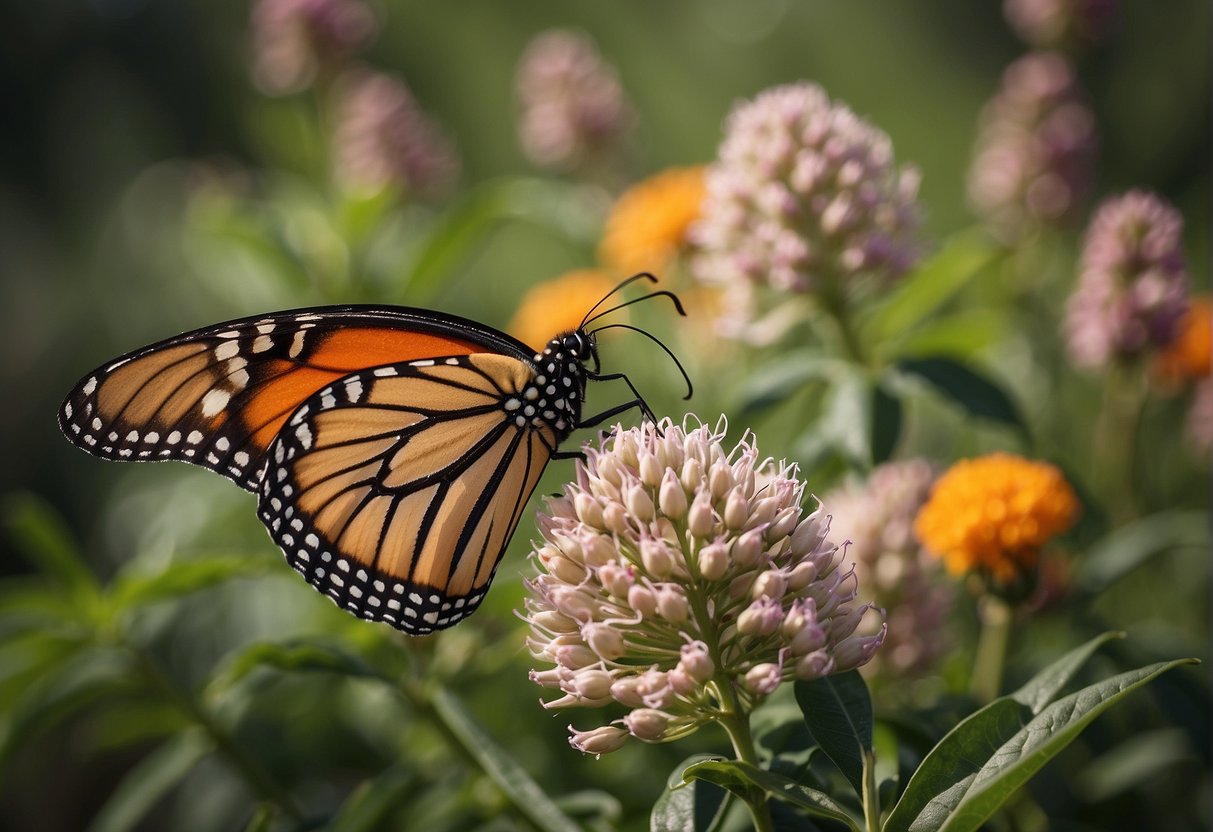
Planting and Maintaining Healthy Milkweed
To attract monarch butterflies to your garden, it is important to plant and maintain healthy milkweed. Milkweed is the only plant that monarch butterflies lay their eggs on, so it is crucial to provide a suitable habitat for them. When planting milkweed, make sure to choose a native species that is adapted to your region’s climate. This will help ensure that the milkweed thrives and provides a suitable habitat for the monarch butterflies.
Milkweed requires full sun and well-drained soil. It is important to water the plants regularly, especially during hot and dry weather. Avoid using pesticides on or near the milkweed plants, as this can harm both the milkweed and the monarch butterflies. Instead, use natural pest control methods, such as companion planting and introducing beneficial insects.
To maintain healthy milkweed, remove any dead or diseased plant material and prune the plants as needed. This will help prevent the spread of disease and encourage new growth. In addition, regularly check the milkweed plants for signs of pests or disease and take appropriate action if necessary.
Environmental Factors and Milkweed Proliferation
Environmental factors play a crucial role in the proliferation of milkweed and the success of monarch butterfly populations. Climate change, habitat loss, and the use of pesticides are all threats to both milkweed and monarch butterflies. To combat these threats, it is important to support restoration projects and promote the use of native species in landscaping and gardening.
In addition, providing a suitable habitat for monarch butterflies can help ensure their survival. This includes planting milkweed and other native plants, providing a source of water, and avoiding the use of pesticides. By taking these steps, you can help support healthy milkweed populations and promote the survival of monarch butterflies.
Frequently Asked Questions
What makes milkweed an essential part of the monarch butterfly’s lifecycle?
Milkweed is the only plant that monarch butterflies lay their eggs on. The monarch butterfly’s lifecycle is dependent on milkweed, as the eggs hatch into caterpillars that feed exclusively on milkweed leaves. Without milkweed, the monarch butterfly population would not survive.
How does milkweed contribute to the survival of monarch butterflies?
Milkweed provides essential nutrients and protection for monarch butterfly eggs, caterpillars, and adults. The leaves of the milkweed plant contain cardenolides, which are toxic to most predators but not to monarch butterflies. This toxic defense makes the monarch butterfly less vulnerable to predators, allowing them to thrive.
What characteristics of milkweed make it attractive to monarch butterflies?
Milkweed has a unique scent that attracts monarch butterflies. The flowers of the milkweed plant produce nectar, which provides a valuable food source for adult monarch butterflies. The leaves of the milkweed plant are also the perfect size and shape for monarch butterfly eggs and caterpillars.
How do monarch butterflies benefit from laying eggs on milkweed plants?
Monarch butterflies benefit from laying their eggs on milkweed plants because the leaves provide a nutritious food source for the developing caterpillars. The toxic cardenolides in the milkweed leaves also provide protection from predators, ensuring the survival of the caterpillars.
What role does milkweed play in the monarch butterfly’s diet?
Milkweed plays a crucial role in the monarch butterfly’s diet. The nectar from the milkweed flowers provides a valuable food source for adult monarch butterflies, while the leaves of the milkweed plant provide a nutritious food source for the developing caterpillars.
How does the presence of milkweed affect monarch butterfly populations?
The presence of milkweed is essential for the survival of monarch butterfly populations. Without milkweed, monarch butterfly populations would decline rapidly. The loss of milkweed due to habitat destruction, pesticide use, and other factors has contributed to the decline of monarch butterfly populations in recent years.