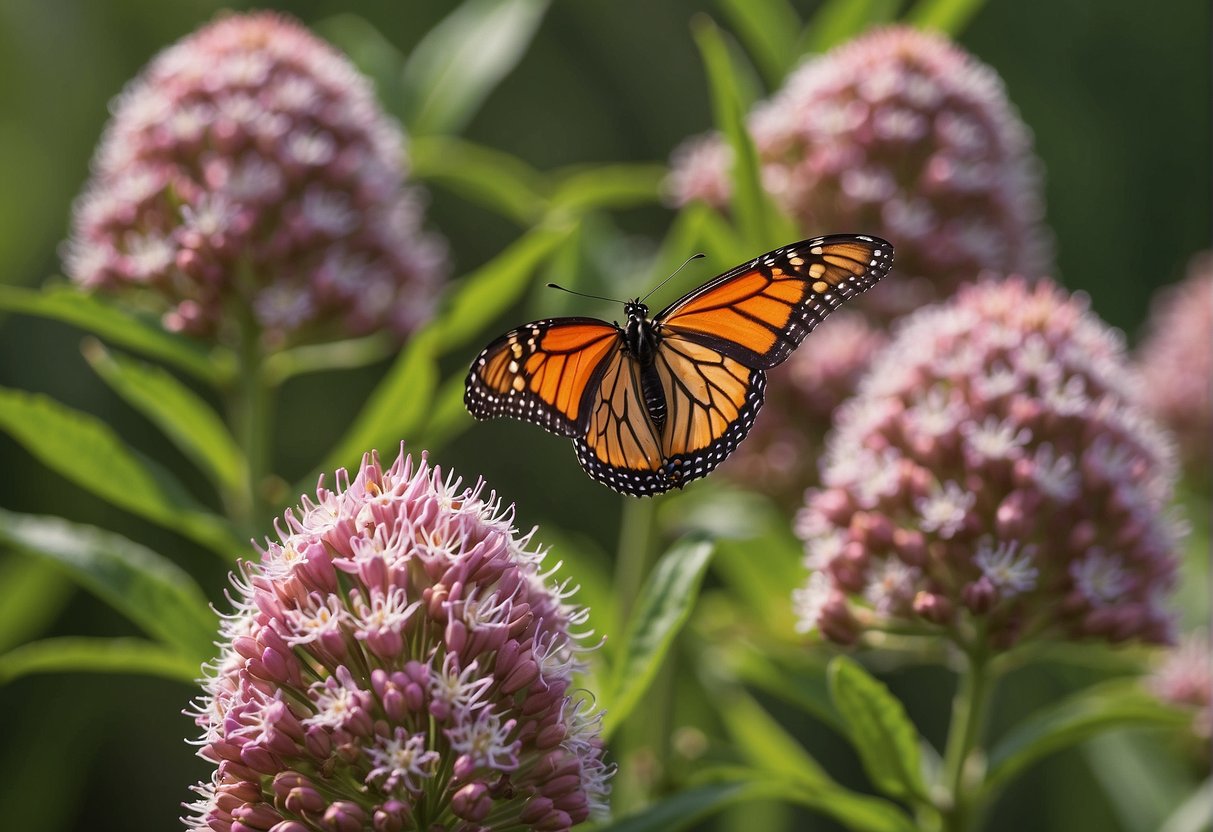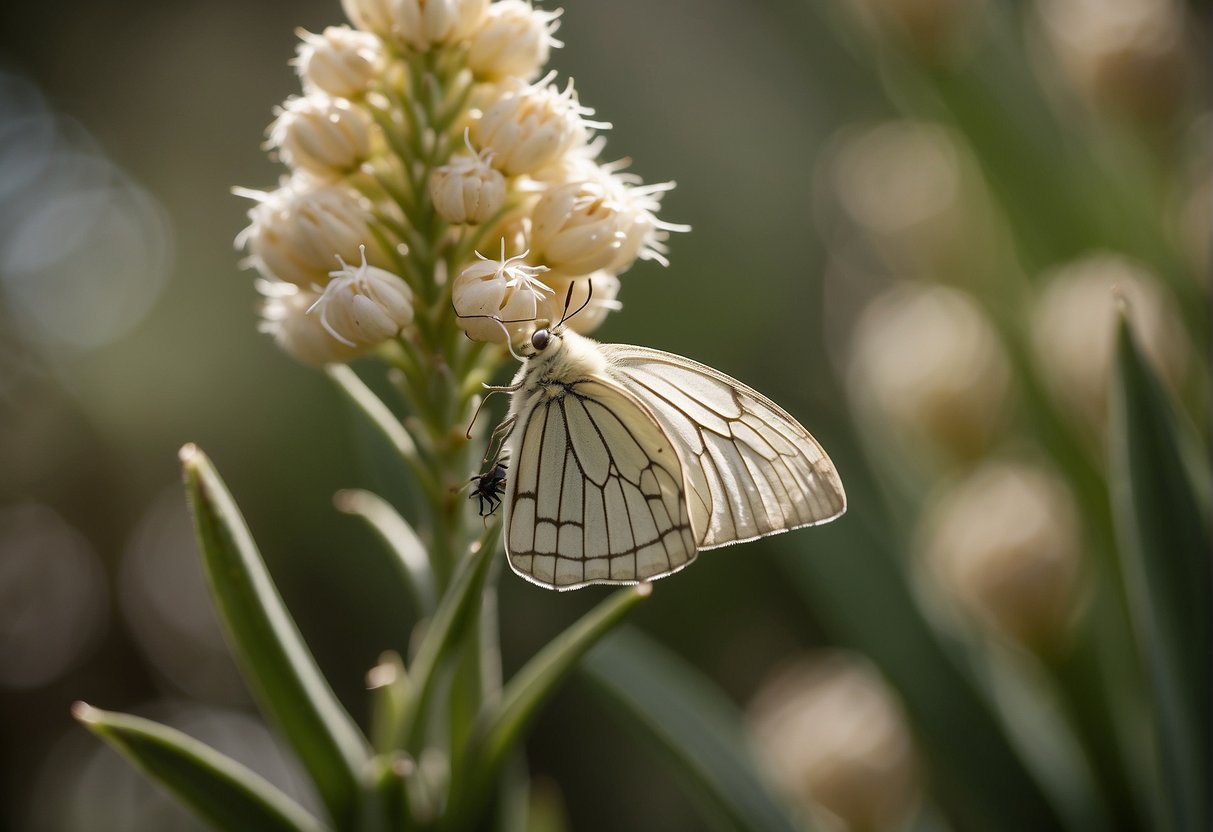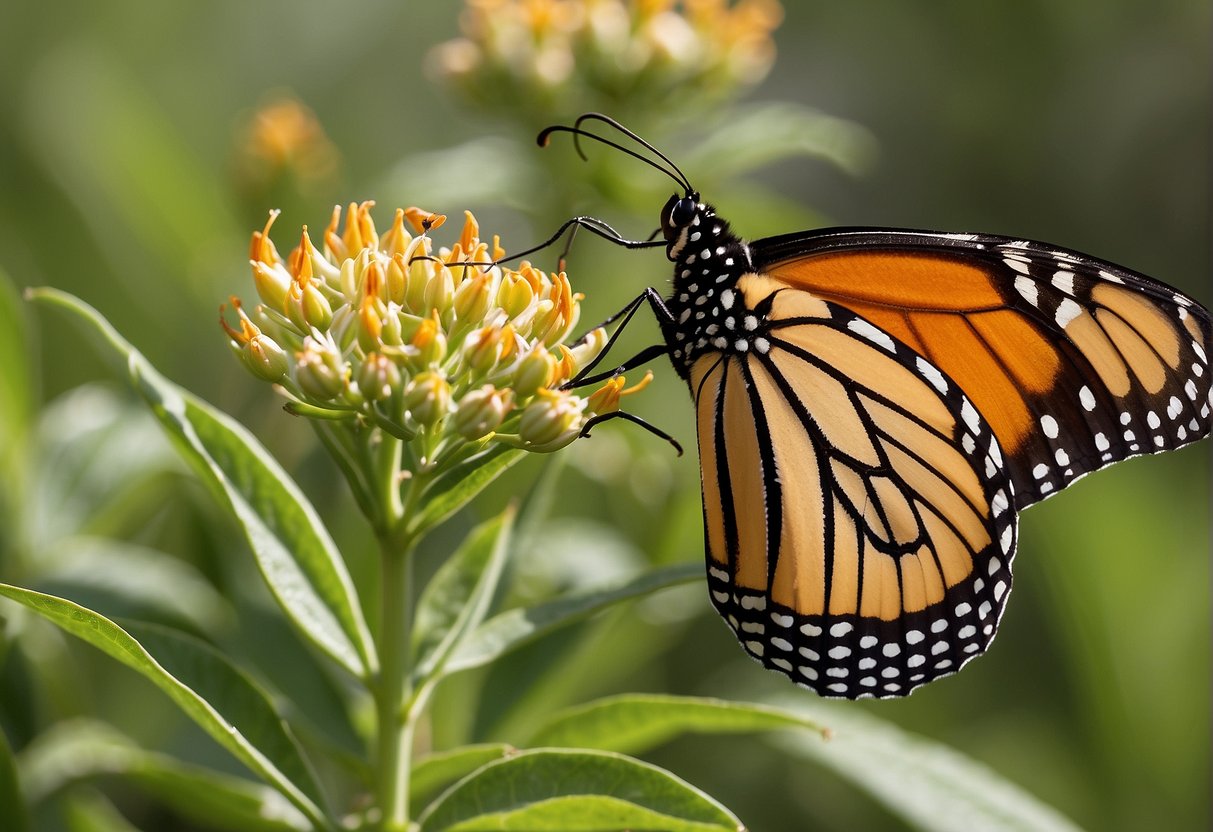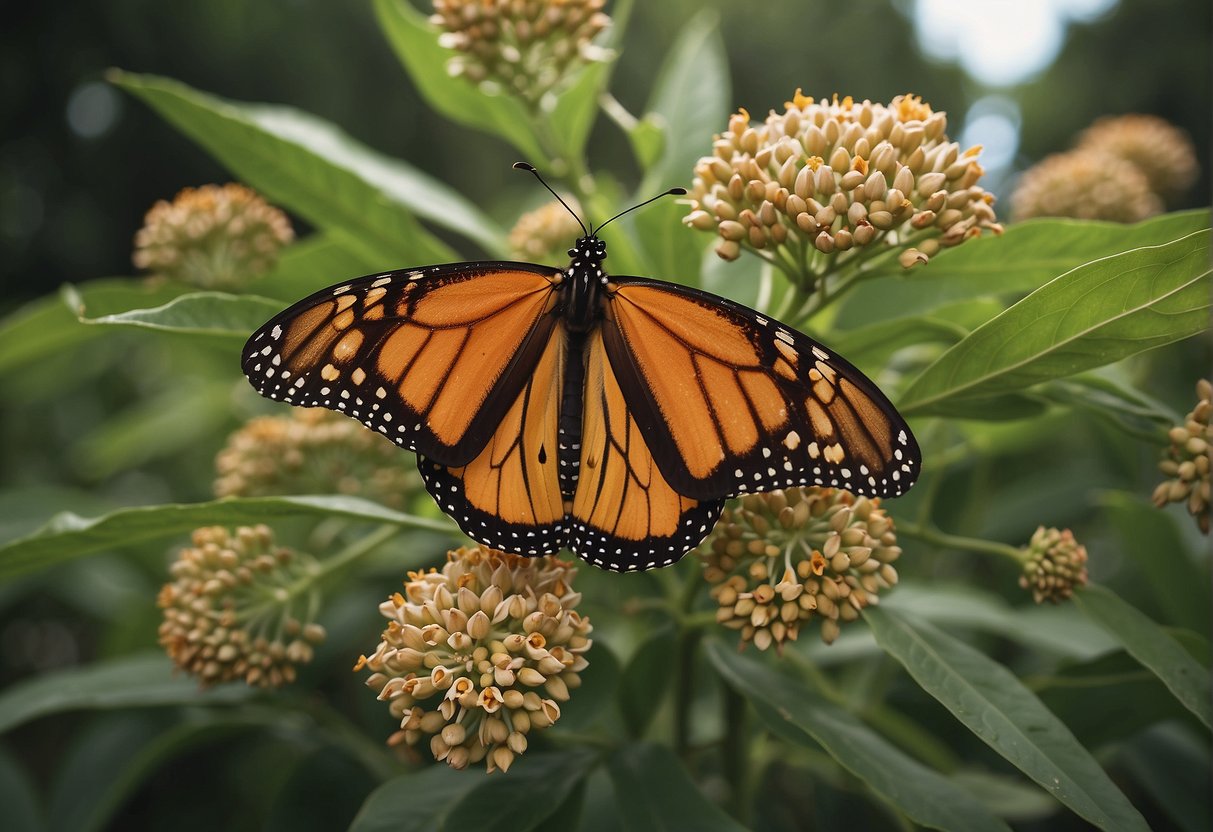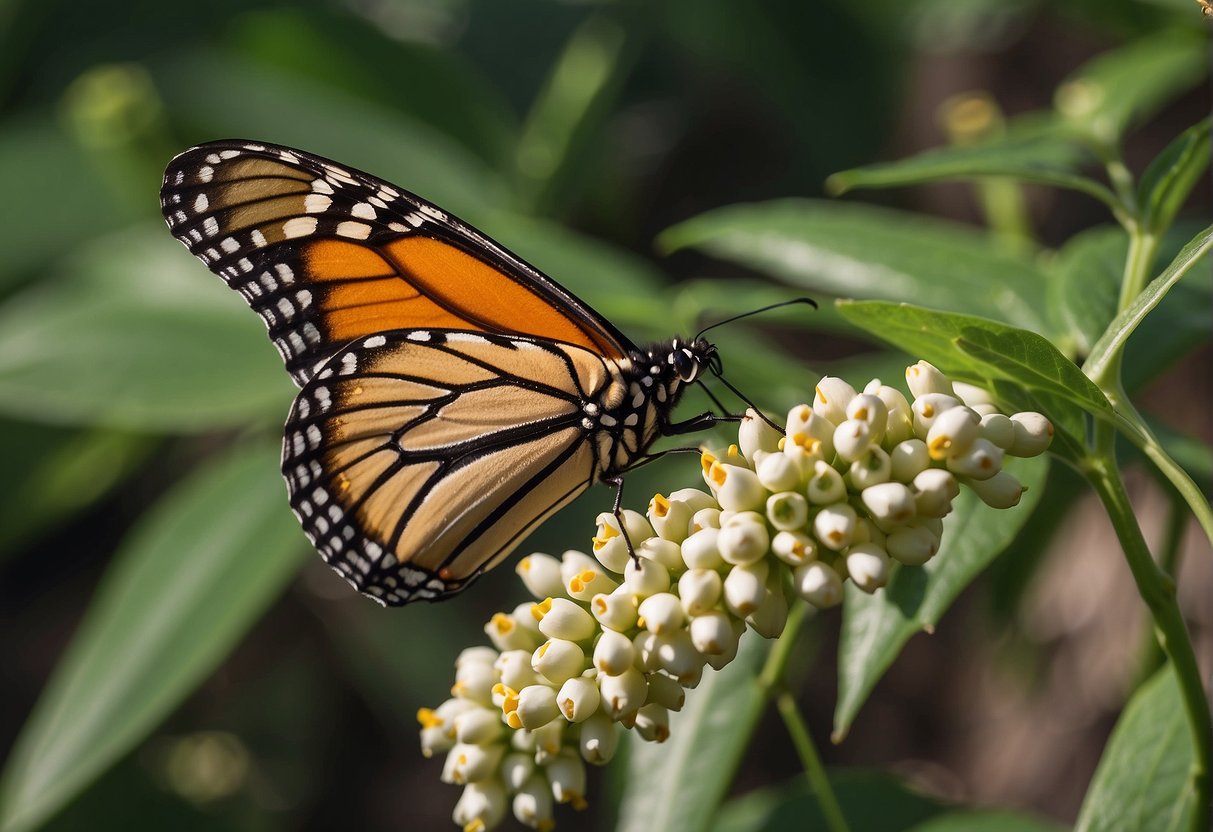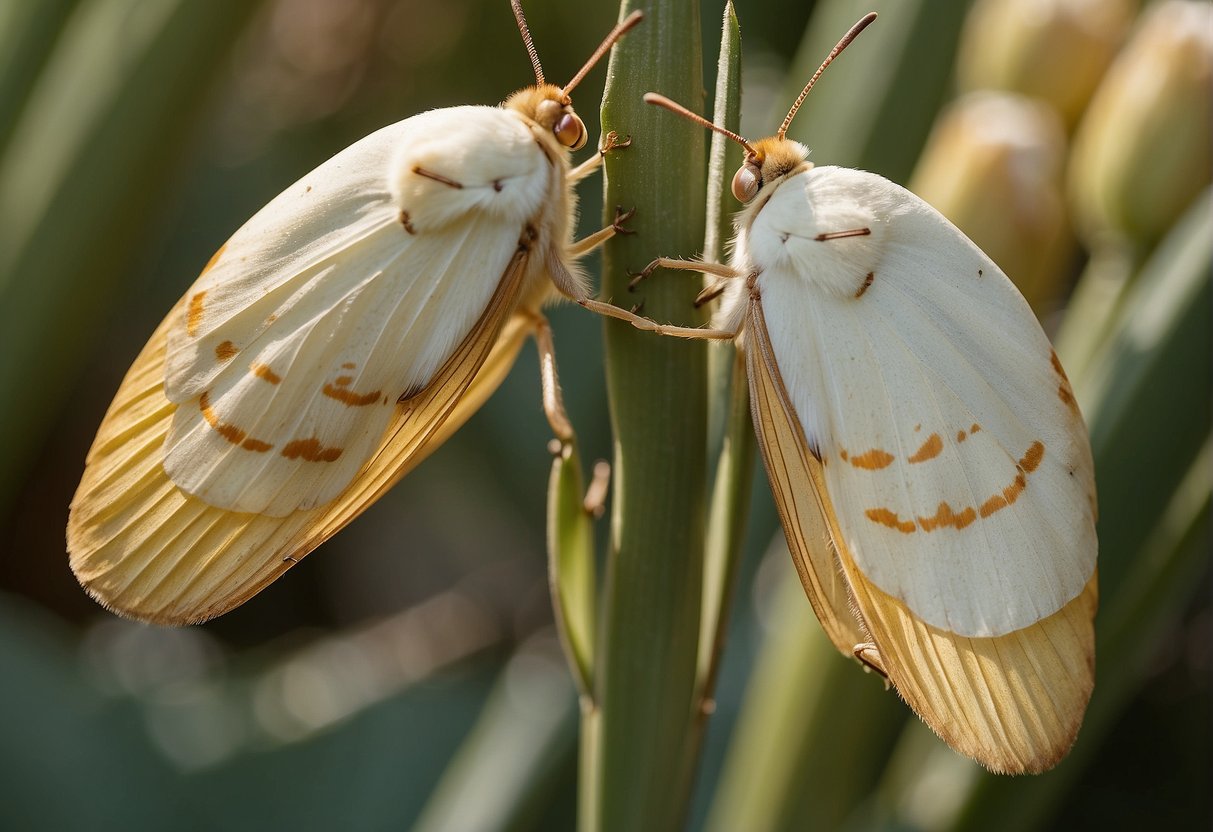

Should you ever find yourself journeying through a desert landscape, it’s possible you’ve encountered a yucca plant. Recognizable by their lofty, sharp leaves and stunning white blossoms, these plants are quite striking. But, have you pondered the process of their pollination? This piece delves into the intriguing process behind the pollination of yucca plants, highlighting the special symbiosis between the yucca plant and the yucca moth.
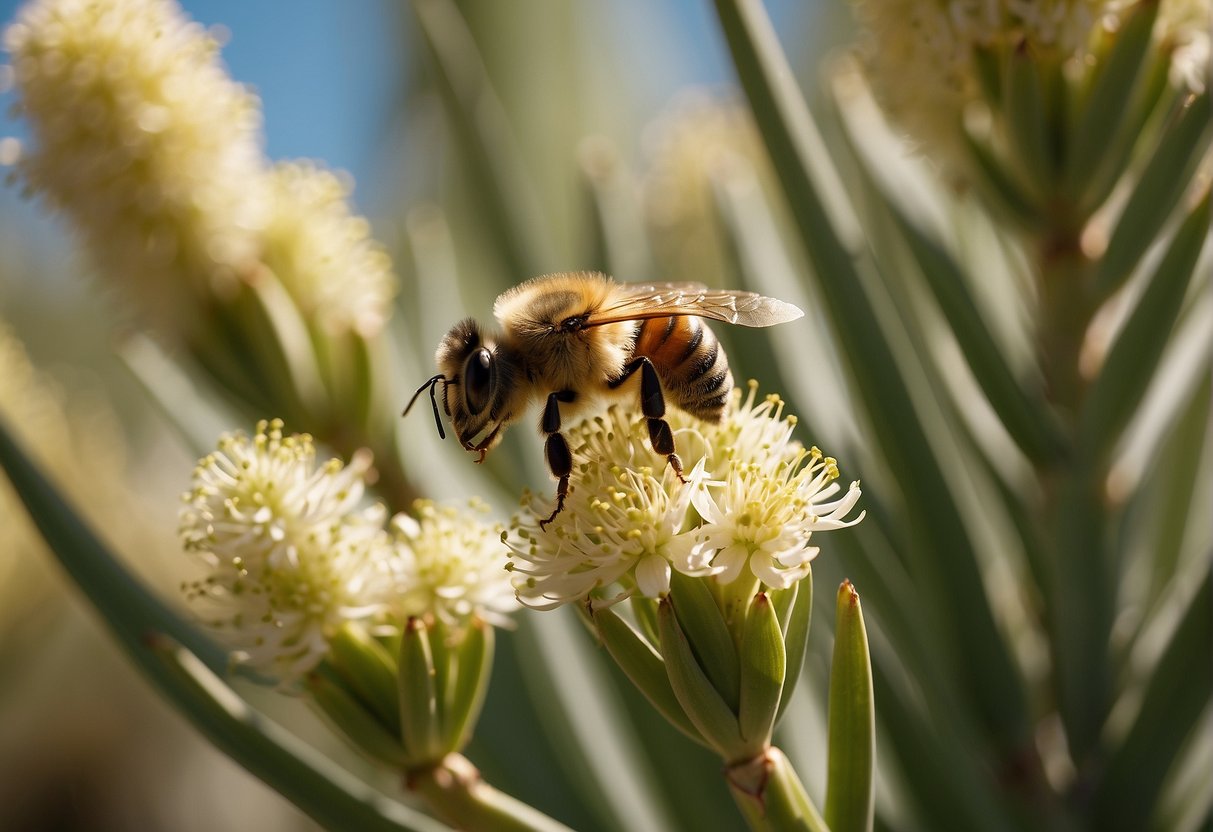
The yucca plant and the yucca moth have a special relationship that has evolved over millions of years. The yucca moth is the only insect that can pollinate the yucca plant. In return, the yucca plant provides a home for the yucca moth larvae and a source of food for the adult moths. This mutualistic relationship is essential for the survival of both species. Without the yucca moth, the yucca plant would not be able to reproduce and without the yucca plant, the yucca moth would not have a place to lay its eggs.
So, how does this relationship work? The female yucca moth collects pollen from one yucca flower and then flies to another flower to lay her eggs. As she lays her eggs, she also deposits the pollen onto the flower’s stigma, pollinating it. This process ensures that the yucca plant is able to reproduce and continue its species. As you can see, the yucca plant and the yucca moth have a fascinating and intricate relationship that is essential for their survival.
Key Takeaways
- Yucca plants are pollinated by yucca moths in a unique and essential relationship.
- The yucca moth collects pollen from one yucca flower and deposits it onto another, pollinating the plant.
- Without the yucca moth, the yucca plant would not be able to reproduce and vice versa.
Yucca Plant and Moth Symbiosis
The Unique Relationship
Yucca plants and yucca moths have a unique and mutually beneficial relationship. Yucca moths are the only pollinators of yucca plants, and yucca plants are the only host plants of yucca moths. This obligate pollination mutualism is an example of coevolution between two species.
Pollination Process
The yucca moth pollinates the yucca plant by collecting pollen from the anthers of one flower and then depositing it on the stigma of another flower. The moth then lays its eggs in the ovary of the flower, and the larvae feed on some of the developing seeds. This ensures that the yucca plant will produce seeds, and the yucca moth will have a food source for its larvae.
Reproductive Cycle
The yucca plant and yucca moth have a synchronized reproductive cycle. The yucca plant produces flowers only when the yucca moth is active, and the yucca moth emerges from its cocoon only when the yucca plant is flowering. This ensures that the yucca moth has a reliable source of food and the yucca plant has a reliable pollinator.
Overall, the yucca plant and moth symbiosis is a fascinating example of how species can evolve to depend on each other for survival. The yucca moth is an essential pollinator for the yucca plant, and the yucca plant is the only host plant for the yucca moth. This mutualistic relationship ensures the survival of both species.
Ecology and Conservation
Habitat and Distribution
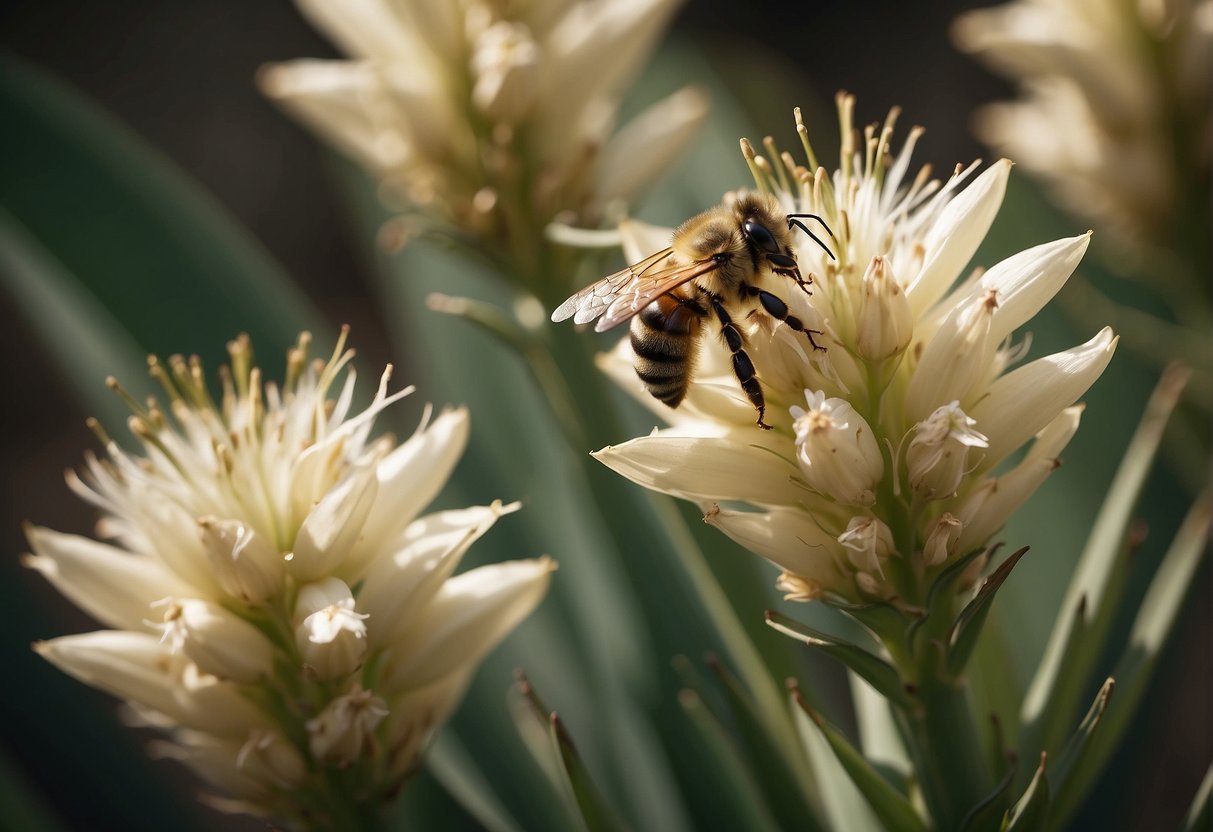
Yucca plants are native to the arid regions of North and Central America, including the Mojave Desert. They have adapted to thrive in harsh desert environments and are often found growing in sandy or rocky soils. Yucca plants are also commonly found growing alongside Joshua trees, another iconic desert plant.
Threats and Preservation Efforts
The ecology of yucca plants is tightly linked to their pollinators, which are primarily moths. The yucca moth has evolved a specialized relationship with the yucca plant, with the moth larvae feeding exclusively on yucca seeds. In turn, the moth pollinates the yucca flowers in a mutually beneficial relationship. However, changes in environmental variables, such as climate change, can disrupt this delicate balance and threaten the sustainability of both the yucca plant and the yucca moth.
Conservation efforts for yucca plants and their associated pollinators are crucial for maintaining the health of desert ecosystems. Invasive species and wildfires are also potential threats to yucca plant populations. Preservation efforts include monitoring population dynamics, protecting habitat, and promoting sustainable practices. By understanding the natural selection and adaptation of yucca plants, we can develop effective conservation strategies to ensure their survival for future generations.
Frequently Asked Questions
How do yucca moths contribute to the pollination of yucca plants?
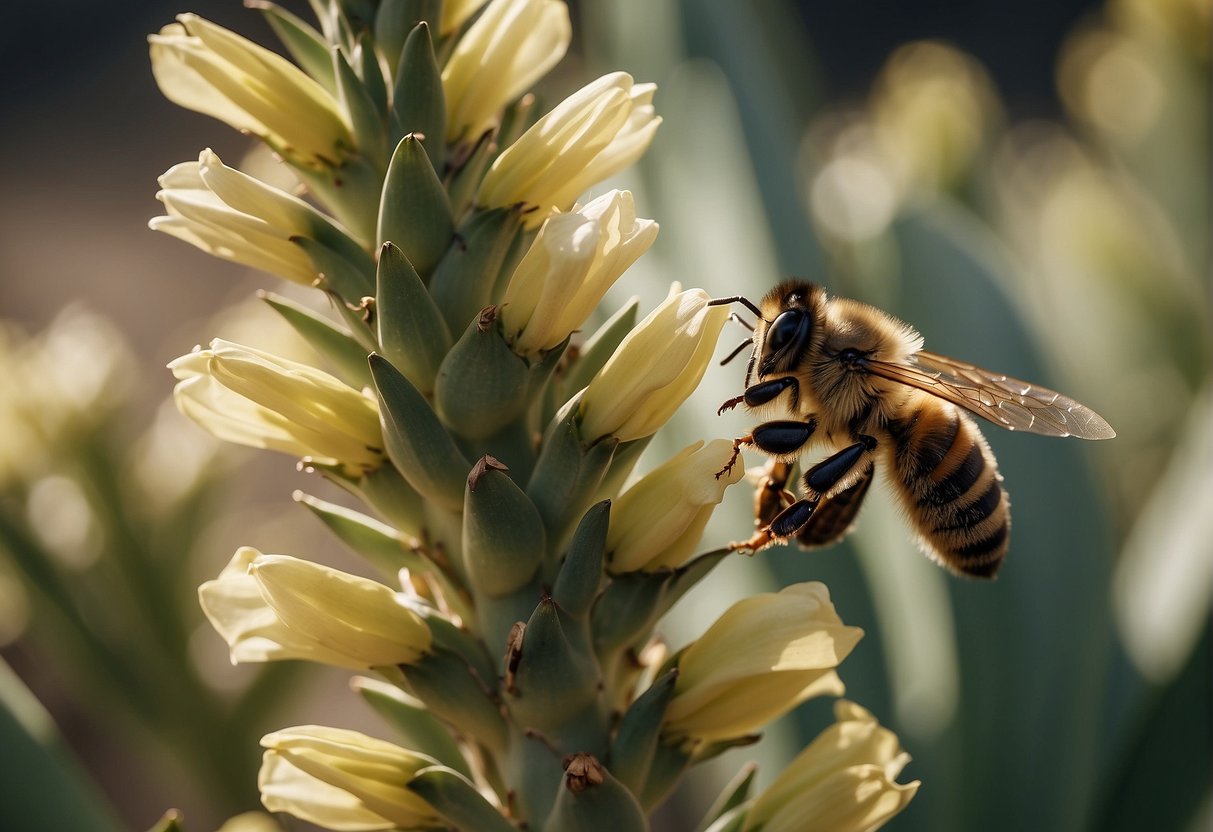
Yucca moths are the primary pollinators of yucca plants. Female yucca moths collect pollen from one yucca plant and then fly to another yucca plant to lay their eggs. While laying their eggs, they also deposit the pollen onto the stigma of the yucca plant, which results in pollination.
What is the relationship between yucca plants and yucca moths?
Yucca plants and yucca moths have a mutualistic relationship, which means that both species benefit from their interaction. Yucca moths rely on yucca plants for food and a place to lay their eggs, while yucca plants rely on yucca moths for pollination.
Can yucca plants be pollinated without yucca moths?
While yucca moths are the primary pollinators of yucca plants, there are other insects that can also pollinate yucca plants, such as bees and wasps. However, yucca moths are the only insects that have a specialized relationship with yucca plants.
What role does the yucca moth play in the ecosystem beyond pollination?
Yucca moths play an important role in the ecosystem beyond pollination. They are a food source for many predators, such as birds and lizards. Additionally, their larvae feed on the seeds of yucca plants, which helps to control the population of yucca plants.
Are there any other insects besides yucca moths that pollinate yucca plants?
While yucca moths are the primary pollinators of yucca plants, there are other insects that can also pollinate yucca plants, such as bees and wasps. However, these insects do not have a specialized relationship with yucca plants like yucca moths do.
What factors can affect the pollination process of yucca plants?
Several factors can affect the pollination process of yucca plants, including the availability of yucca moths, the timing of their emergence, and the distance between yucca plants. Additionally, environmental factors such as temperature and humidity can also affect the pollination process.