
Yucca plants share an intriguing symbiotic relationship with yucca moths, captivating researchers for decades. This interdependency exemplifies mutualism, where both organisms benefit and rely on each other to thrive. This piece delves into the reciprocal advantages for both yucca plants and moths, their role within the ecosystem, and why their symbiosis holds valuable lessons for conservation strategies.
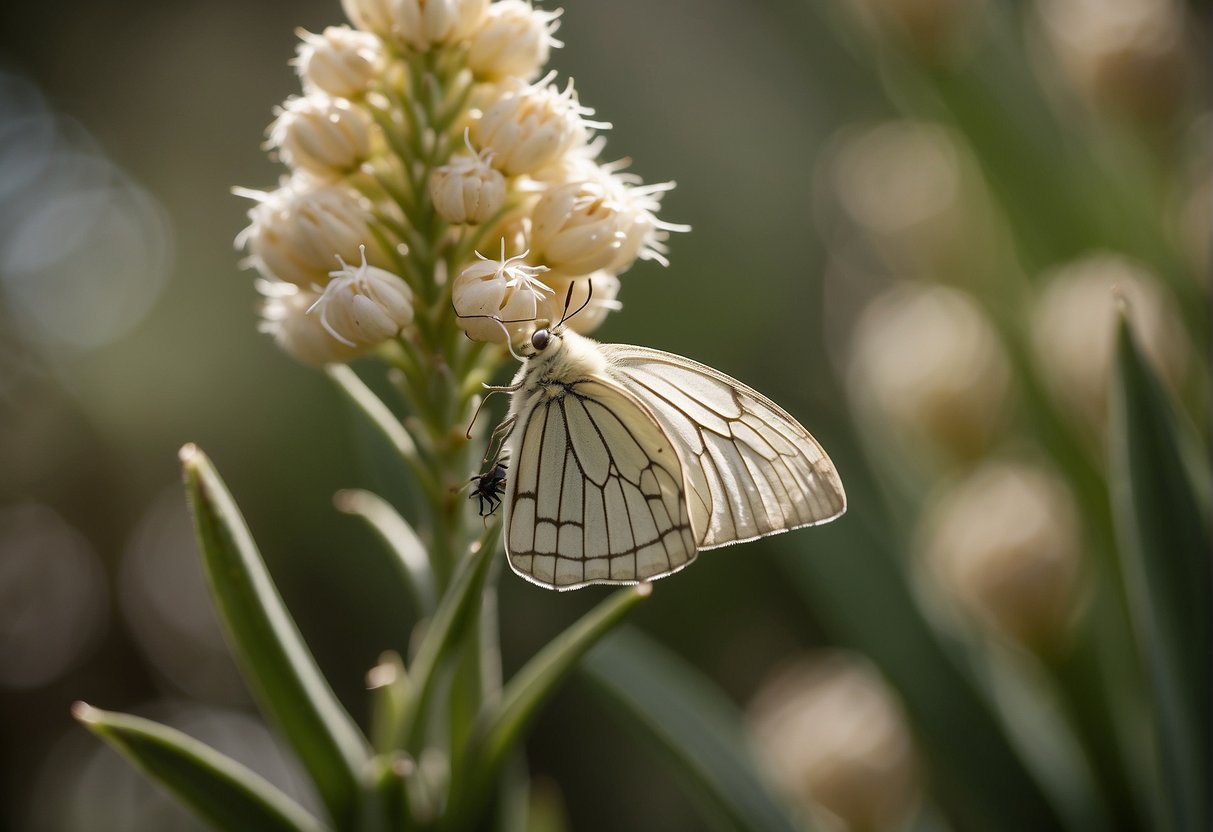
Yucca plants and yucca moths have a fascinating interrelationship that is essential for their survival. The yucca moth is the only insect that can pollinate yucca flowers, and in return, the plant provides a home and a food source for the moth larvae. The female moth lays her eggs in the flower’s ovary, and the hatched larvae feed on some of the developing seeds, ensuring that there will be enough seeds left to produce new plants. This process is essential for the yucca plant’s survival, as it relies on the moth for pollination and seed dispersal.
The mutualism between yucca plants and moths has important ecological significance, as it helps to maintain the balance of the ecosystem. Without the yucca plant, the yucca moth would have no place to lay her eggs, and without the moth, the yucca plant would not be pollinated, leading to a decline in the plant population. This interdependence highlights the importance of preserving and protecting the natural world, as every species plays a vital role in the ecosystem’s health and survival.
Key Takeaways
- Yucca plants and yucca moths have a mutualistic relationship that is essential for their survival.
- The interdependence between yucca plants and moths has important ecological significance, maintaining the balance of the ecosystem.
- The mutualism between yucca plants and moths highlights the importance of preserving and protecting the natural world.
Mutual Benefits of Yucca Plants and Moths
Yucca plants and yucca moths have a unique relationship that benefits both species. The yucca moth is the only pollinator of the yucca plant, and the plant is the sole food source for the moth’s larvae. Here’s a closer look at the mutual benefits of yucca plants and moths:
Pollination Process
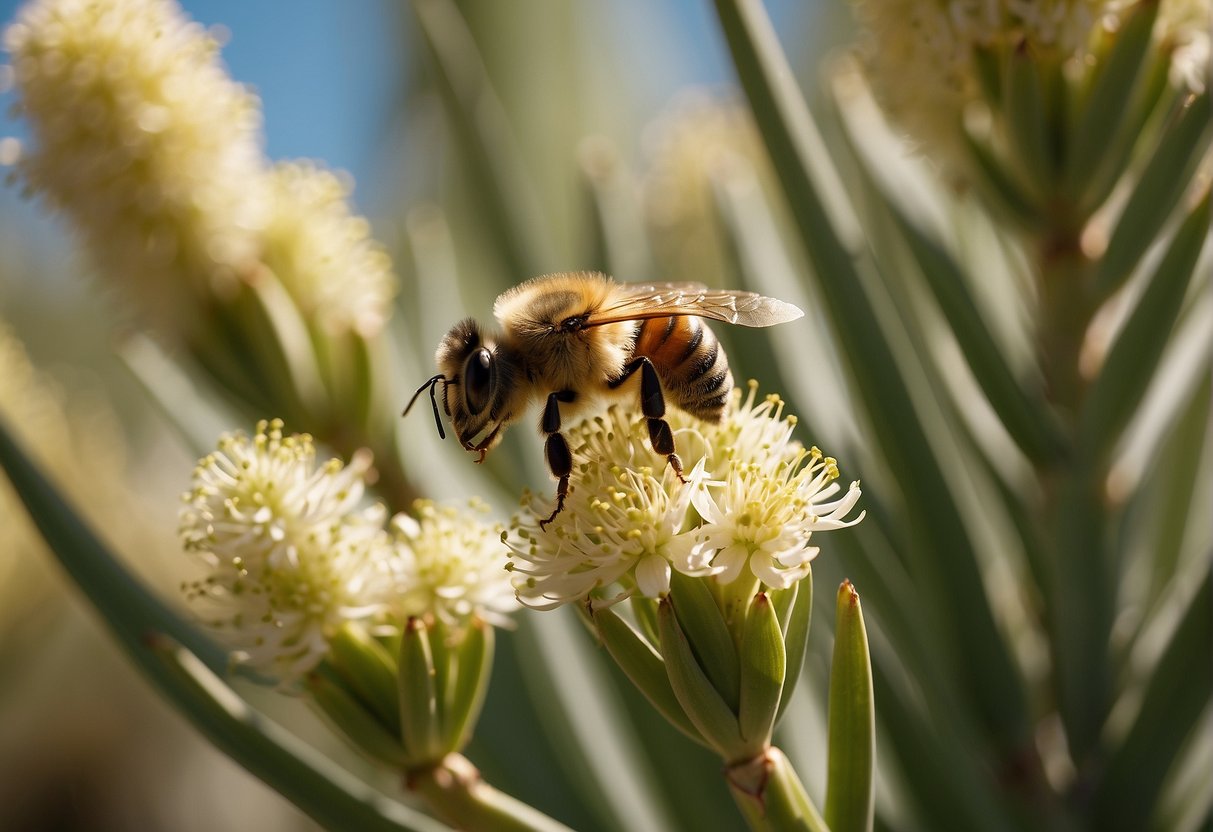
The yucca moth, specifically the genus Tegeticula, has evolved to be the perfect pollinator for yucca flowers. The female moth collects pollen from the flower’s anthers and forms it into a ball, which she carries to another flower. Once there, she lays her eggs in the flower’s ovary and then pollinates the stigma with the pollen ball. This ensures that the flower is fertilized and can produce seeds.
Reproductive Cycle
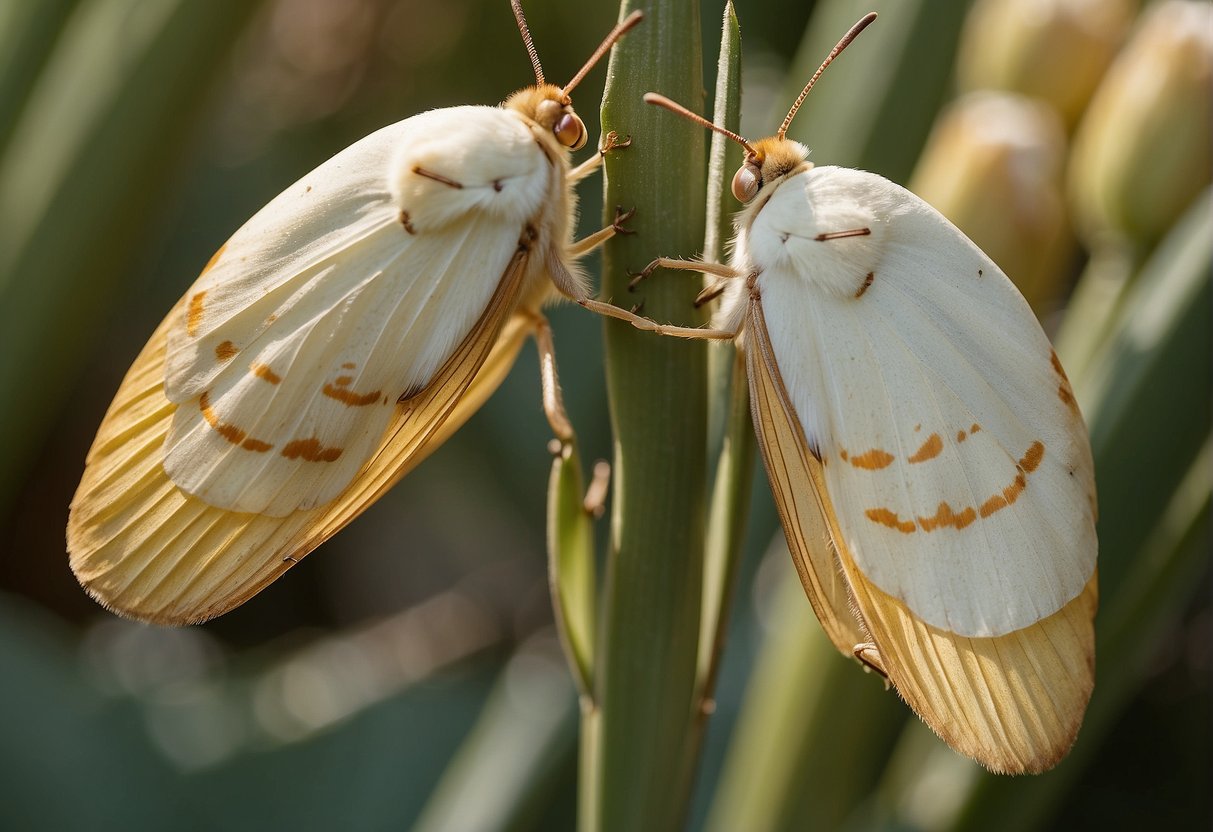
The yucca moth’s reproductive cycle is closely tied to the yucca plant’s life cycle. After pollinating the yucca flower, the moth lays her eggs in the ovary. The eggs hatch into larvae, which feed on the developing seeds. As the larvae mature, they consume more and more of the seeds until they are ready to pupate. The larvae then spin cocoons inside the fruit of the yucca plant and enter the pupal stage. The adult moths emerge from their cocoons and repeat the process, ensuring the survival of both the yucca plant and the yucca moth.
In conclusion, the relationship between yucca plants and yucca moths is a perfect example of mutualism. The yucca plant relies on the yucca moth for pollination, and the moth depends on the plant for food and shelter for its offspring. This unique and fascinating relationship highlights the importance of biodiversity and the interconnectedness of species in nature.
Ecological Significance and Conservation
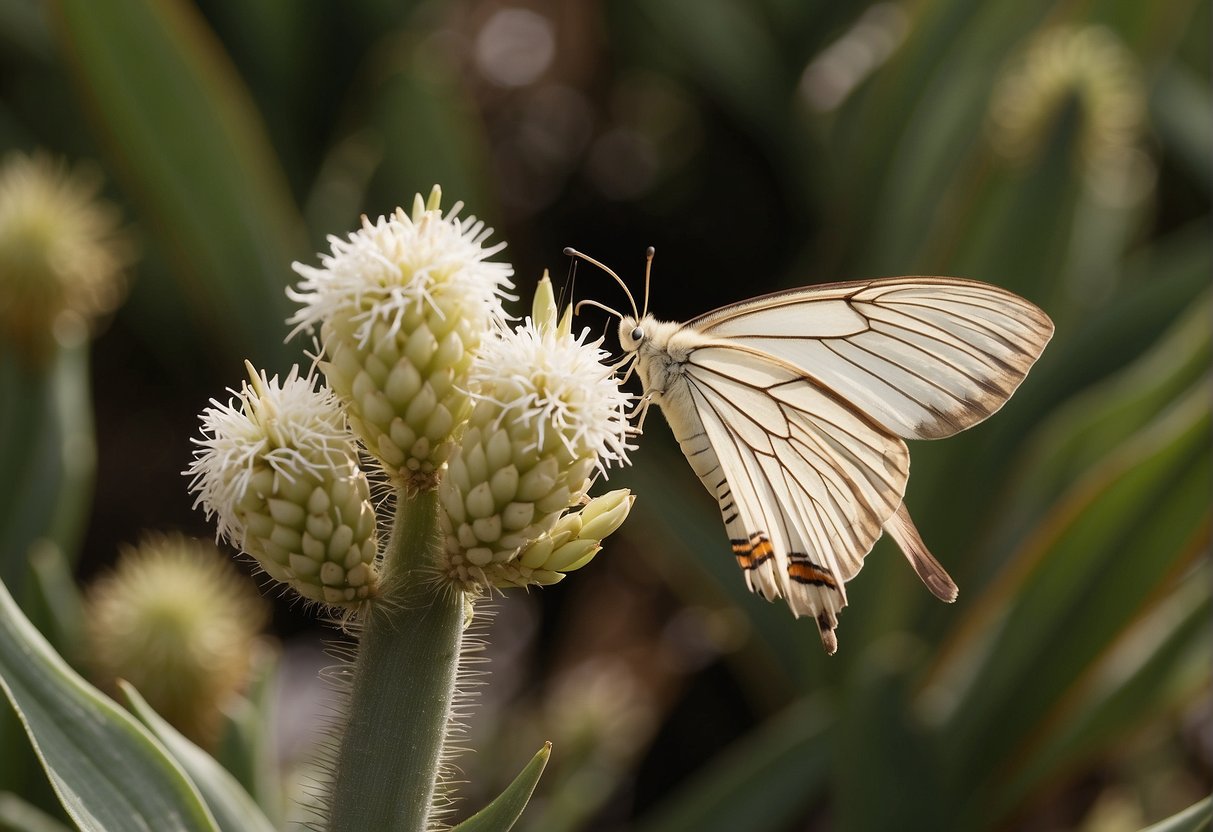
Yucca plants and yucca moths have a mutualistic relationship that is crucial for their survival. This relationship is an excellent example of co-evolution, where two species evolve together to meet each other’s needs. In this case, the yucca plant provides a habitat for the yucca moth to lay its eggs, and in return, the yucca moth pollinates the yucca plant.
Habitat and Range
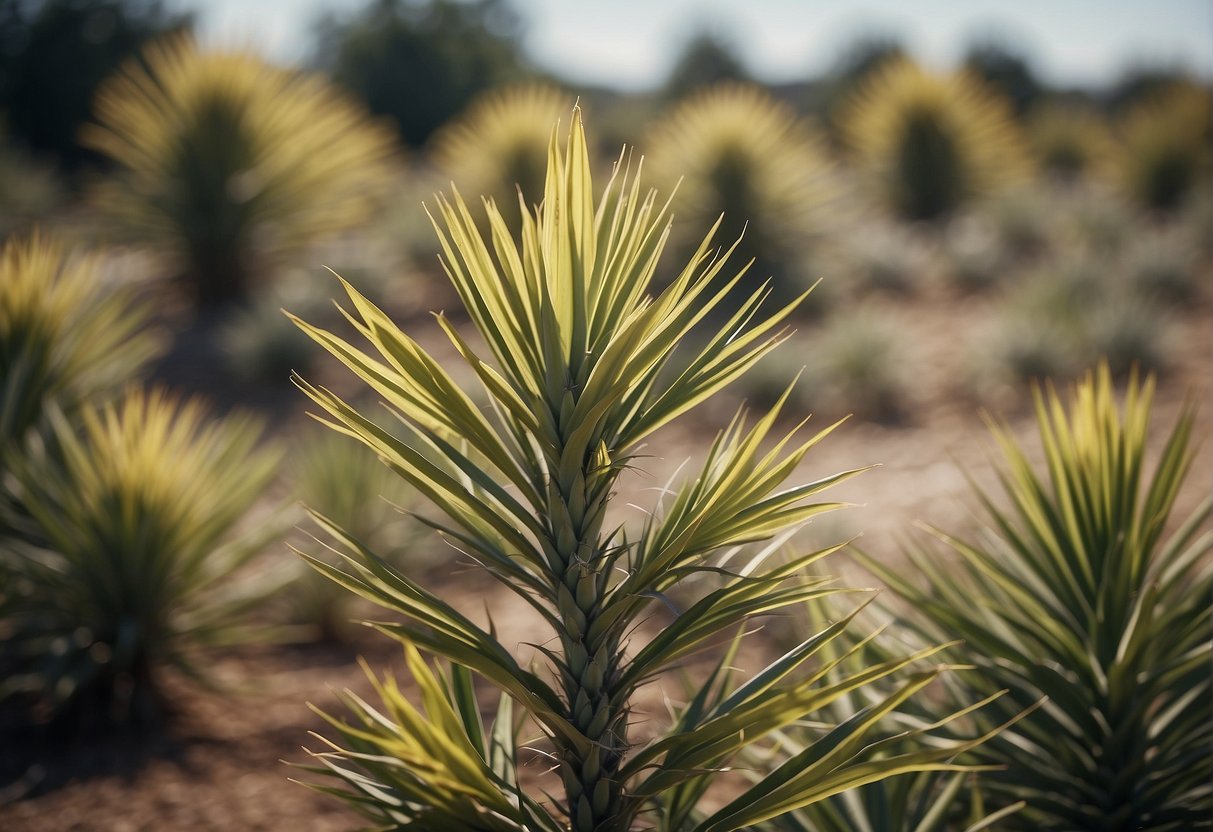
Yucca plants and yucca moths are found in North America, primarily in the desert regions. The yucca plant grows in dry soil, and the yucca moth is adapted to survive in this harsh environment. Some of the common species of yucca plants include Joshua tree and soapweed yucca.
Threats and Preservation Efforts
The survival of both yucca plants and yucca moths is under threat due to various human activities. Gardeners often remove yucca plants from their gardens, not realizing their ecological significance. In addition, the use of pesticides can harm the yucca moth population, which can lead to a decline in the yucca plant population.
To preserve these species, conservation efforts are underway. The classification of yucca moths in the Prodoxidae family has helped in identifying and studying these species. Furthermore, efforts are being made to raise awareness about the ecological significance of yucca plants and yucca moths. By understanding the importance of these species, we can take steps to ensure their survival.
In conclusion, the relationship between yucca plants and yucca moths is essential for their survival. These species have co-evolved to meet each other’s needs, and their conservation is crucial for maintaining the ecological balance. By understanding the ecological significance of these species, we can take steps to preserve them for future generations.
Frequently Asked Questions
What are the roles of yucca moths in the pollination of yucca plants?
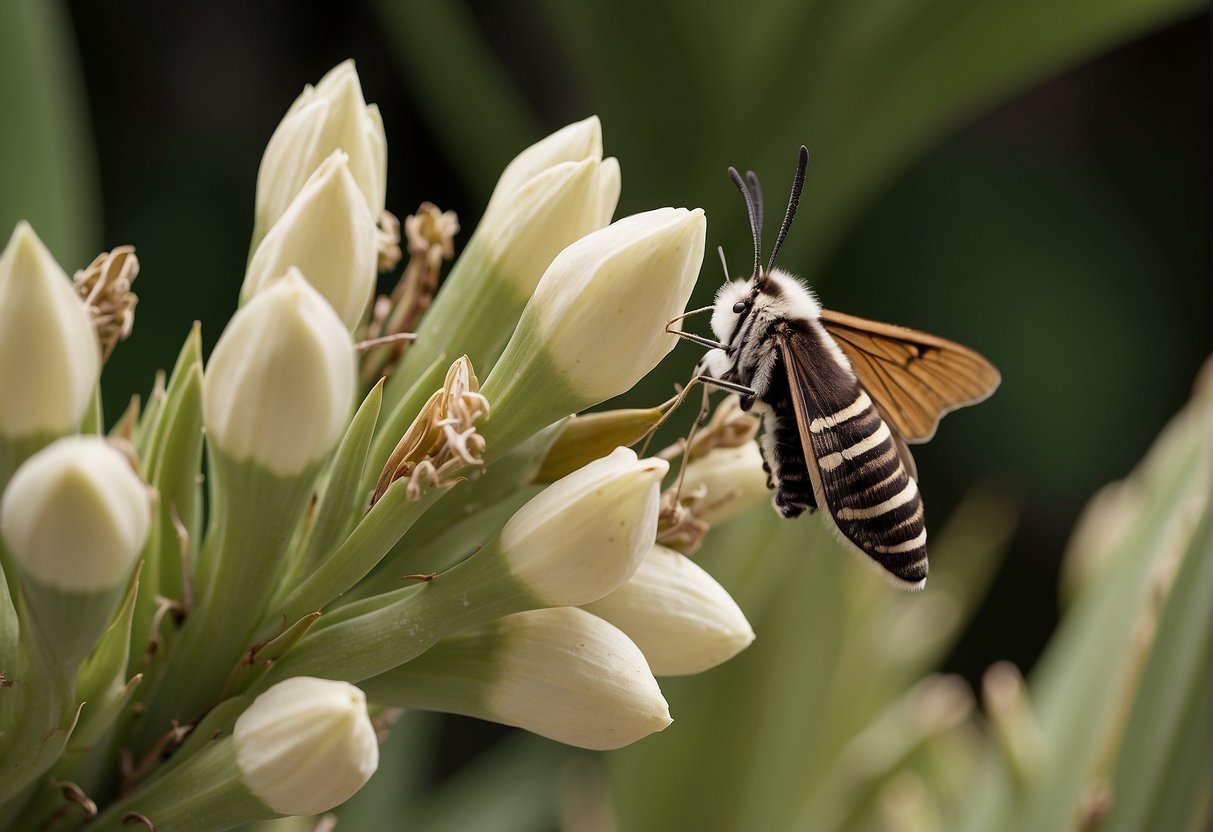
Yucca moths play a crucial role in the pollination of yucca plants. Female yucca moths collect pollen from one yucca flower and then transfer it to another yucca flower while laying their eggs inside the flower. This process ensures that the yucca plant is pollinated and that the yucca moth has a safe place to lay its eggs.
How do yucca plants provide for yucca moth larvae?
Yucca plants provide food and shelter for yucca moth larvae. Female yucca moths lay their eggs inside the yucca flower, and the larvae feed on the developing seeds. The yucca plant also provides shelter for the larvae as they develop.
In what ways do yucca moths contribute to the reproductive success of yucca plants?
Yucca moths are the only pollinators of yucca plants, and without them, the plants would not be able to reproduce. The yucca moth ensures that the yucca plant is pollinated and that its seeds are dispersed.
What adaptations allow yucca moths to effectively pollinate yucca plants?
Yucca moths have several adaptations that allow them to effectively pollinate yucca plants. Female yucca moths have specialized mouthparts that allow them to collect and carry pollen. They also have a keen sense of smell that allows them to locate yucca flowers. Additionally, yucca moths are able to distinguish between yucca species and only pollinate the species they are adapted to.
How does the lifecycle of the yucca moth intertwine with that of the yucca plant?
The lifecycle of the yucca moth is closely intertwined with that of the yucca plant. Female yucca moths lay their eggs inside the yucca flower, and the larvae feed on the developing seeds. The yucca plant relies on the yucca moth for pollination, and the yucca moth relies on the yucca plant for food and shelter.
What are the consequences of the yucca moth-yucca plant interaction for their ecosystem?
The yucca moth-yucca plant interaction has important consequences for their ecosystem. Yucca plants provide food and shelter for yucca moth larvae, and yucca moths are the only pollinators of yucca plants. The relationship between yucca moths and yucca plants is an example of mutualism, where both species benefit from their interaction. The loss of either species could have significant impacts on the ecosystem.