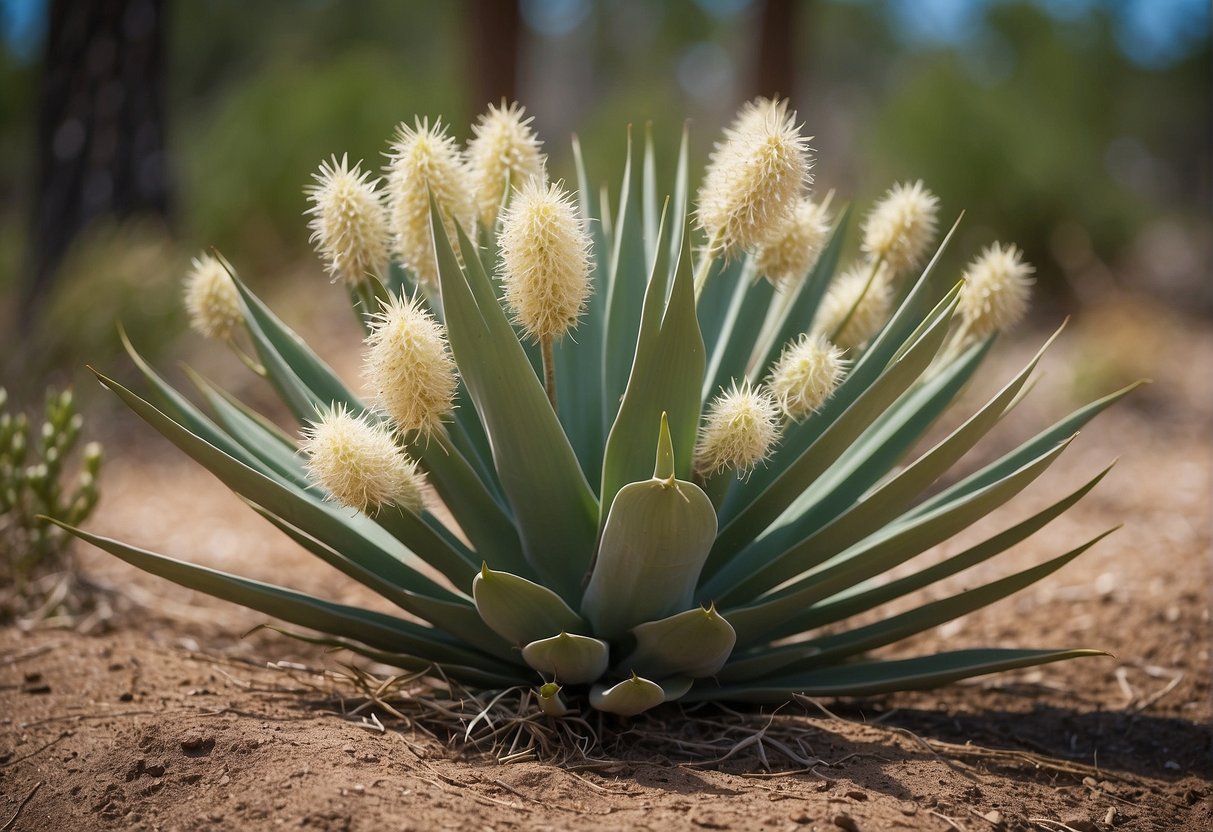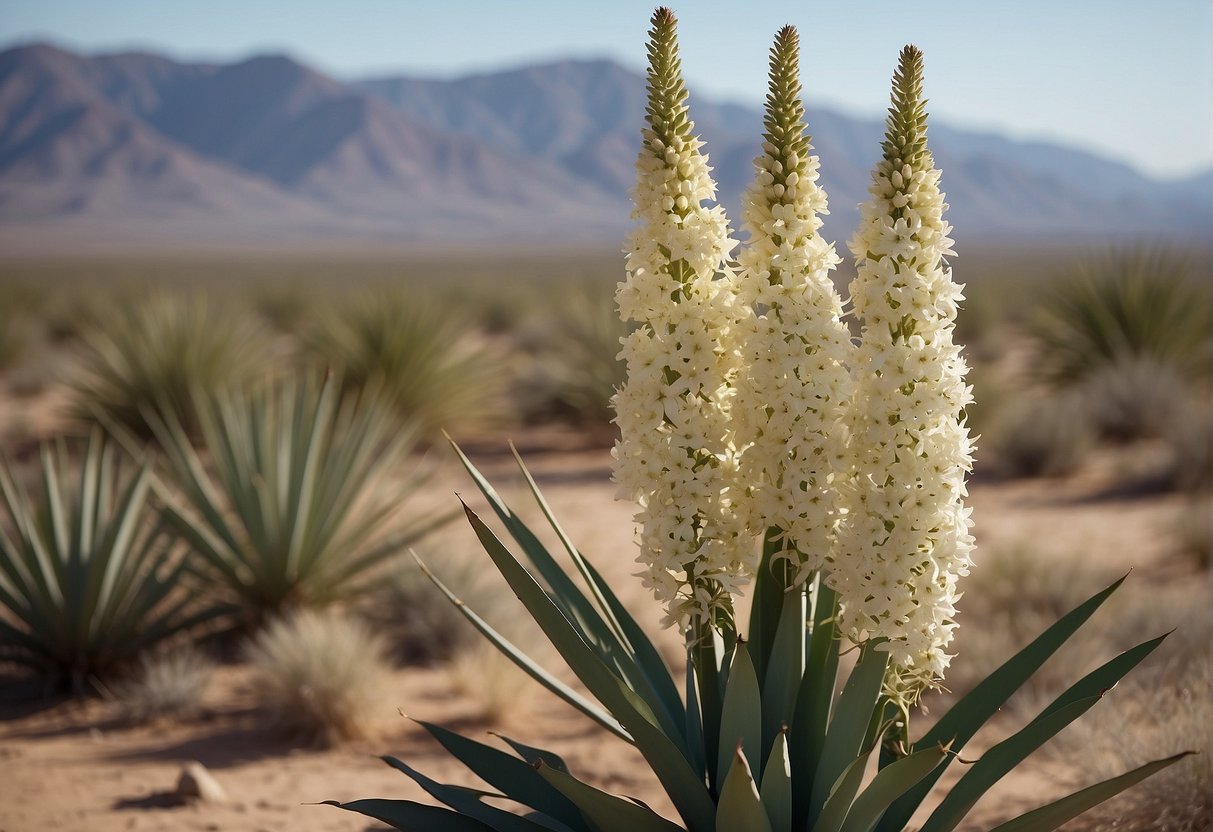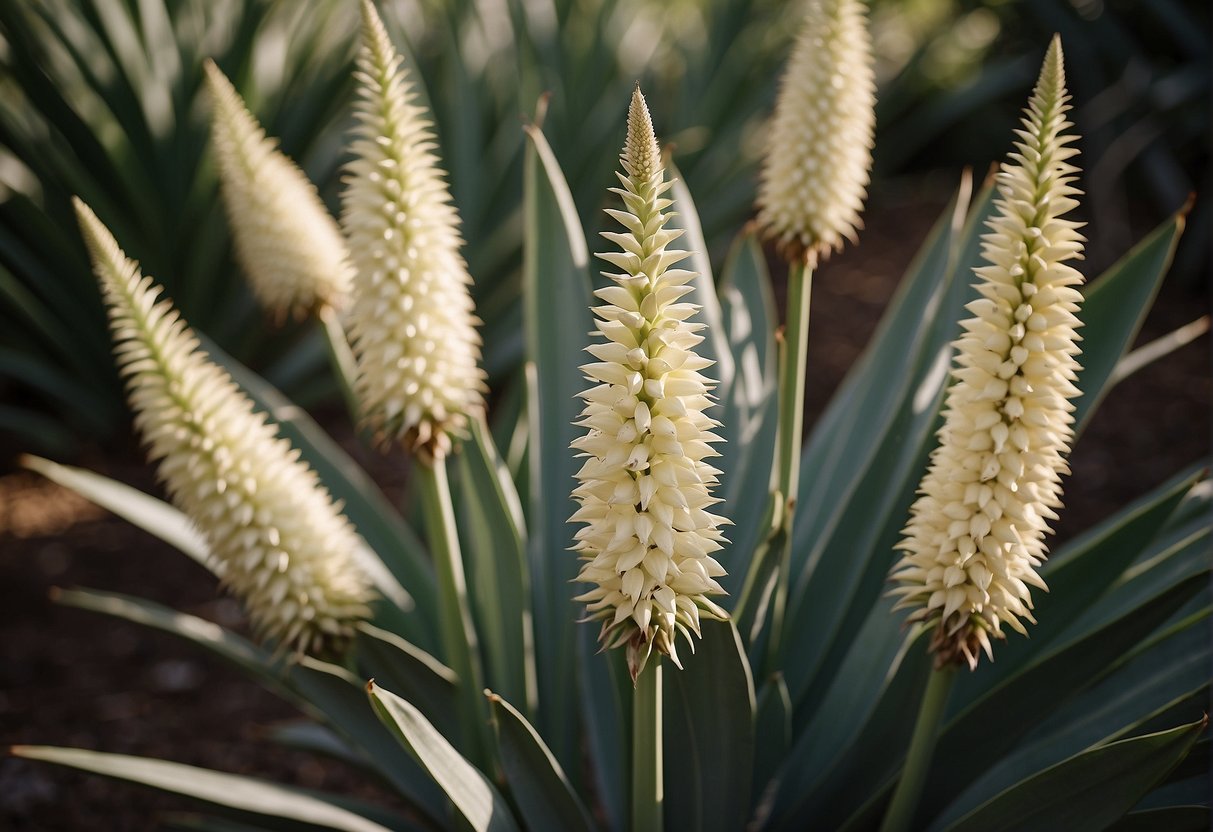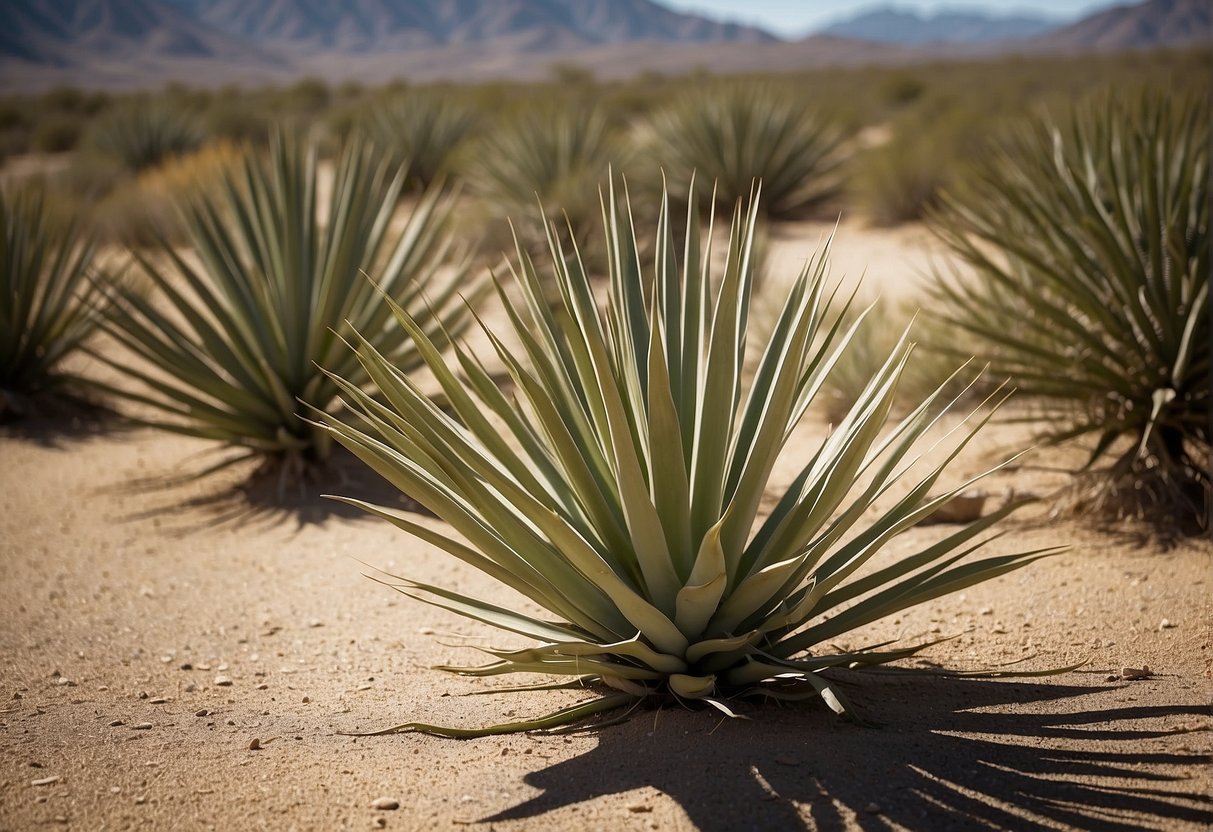

Yucca plants frequently adorn the landscapes of North and Central America’s dry areas. They’ve become adept at thriving under tough circumstances and maintain a vital symbiosis with the local fauna necessary for their existence. These plants have developed a dependency on a particular moth species to pollinate them, while simultaneously offering shelter and sustenance to numerous creatures.
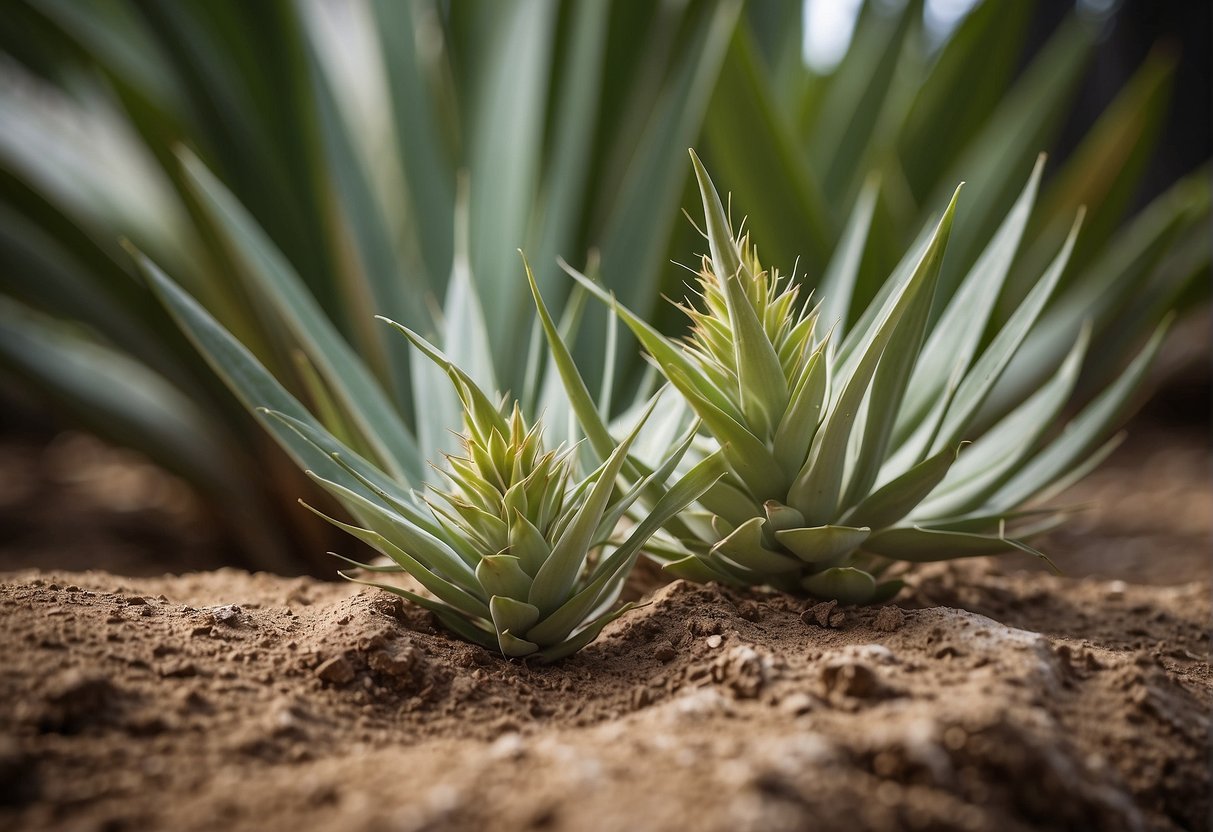
The ecological significance of yucca plants cannot be overstated. They provide shelter and food for a diverse range of animals, including birds, rodents, and insects. Yucca plants are also an important source of food for herbivores such as deer and bighorn sheep. The plant’s leaves and flowers are rich in nutrients, and many animals rely on them as a primary food source.
Yucca plants play a crucial role in many ecosystems, and understanding their relationship with wildlife is essential for their conservation. In this article, we will explore how wildlife uses yucca plants and the importance of these plants in maintaining healthy ecosystems.
Key Takeaways
- Yucca plants have a unique relationship with wildlife that is essential for their survival.
- Yucca plants provide shelter and food for a diverse range of animals, including birds, rodents, and insects.
- Understanding the relationship between yucca plants and wildlife is crucial for the conservation of these plants and the maintenance of healthy ecosystems.
Ecological Significance of Yucca Plants
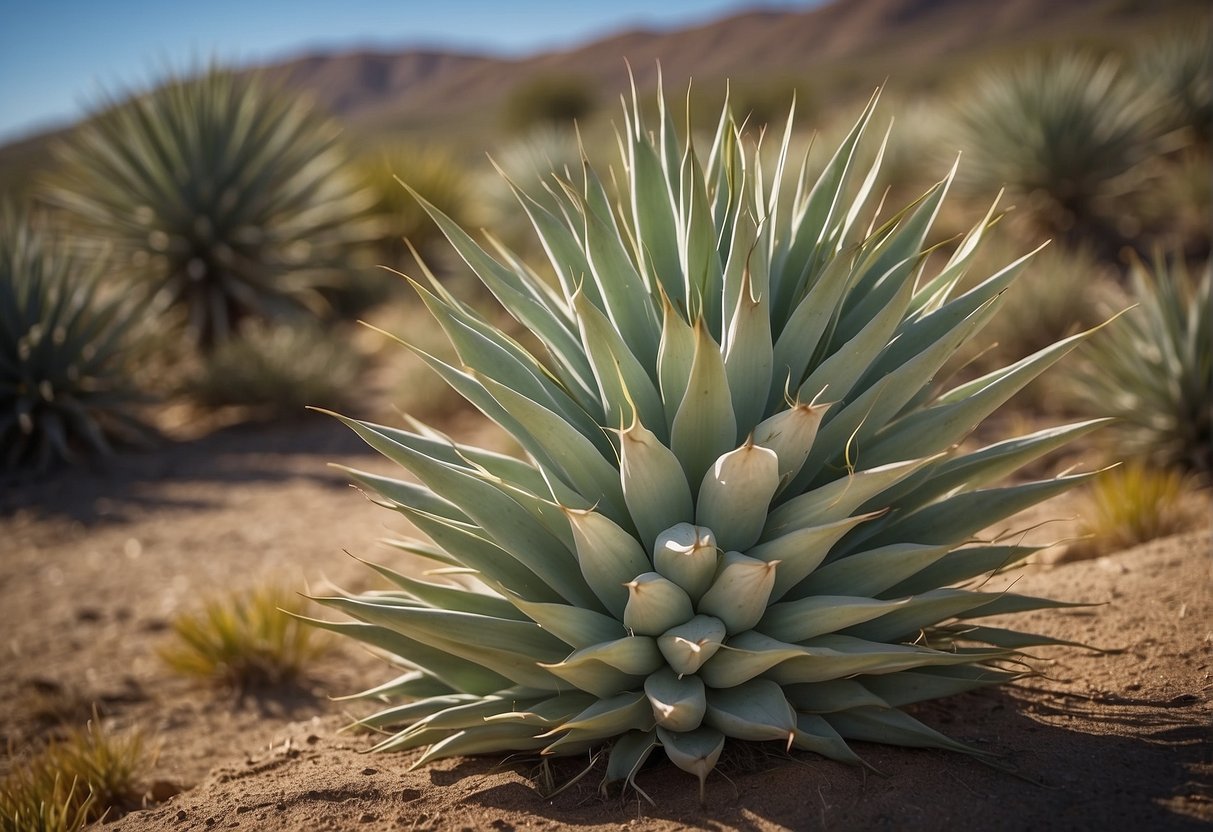
Yucca plants are not only a stunning addition to the arid landscapes they call home, but they also play a crucial role in supporting wildlife biodiversity. The following subsections will explore the two main ways that yucca plants contribute to ecological balance in their habitat.
Symbiotic Relationships with Pollinators
One of the most fascinating aspects of yucca plants is their relationship with yucca moths. These moths are the only known pollinators of yucca plants, and they have evolved to be able to pollinate the flowers while also laying their eggs inside them. This unique relationship is an excellent example of coevolution, where two species have evolved together to rely on each other for survival.
The yucca moth larvae feed on some of the developing seeds, but they do not harm the plant enough to cause significant damage. In return, the yucca plant provides a safe place for the moth to lay its eggs and ensures the survival of its offspring. This mutualistic relationship is critical to the survival of both species and highlights the importance of preserving biodiversity in our ecosystems.
Habitat Provision for Wildlife
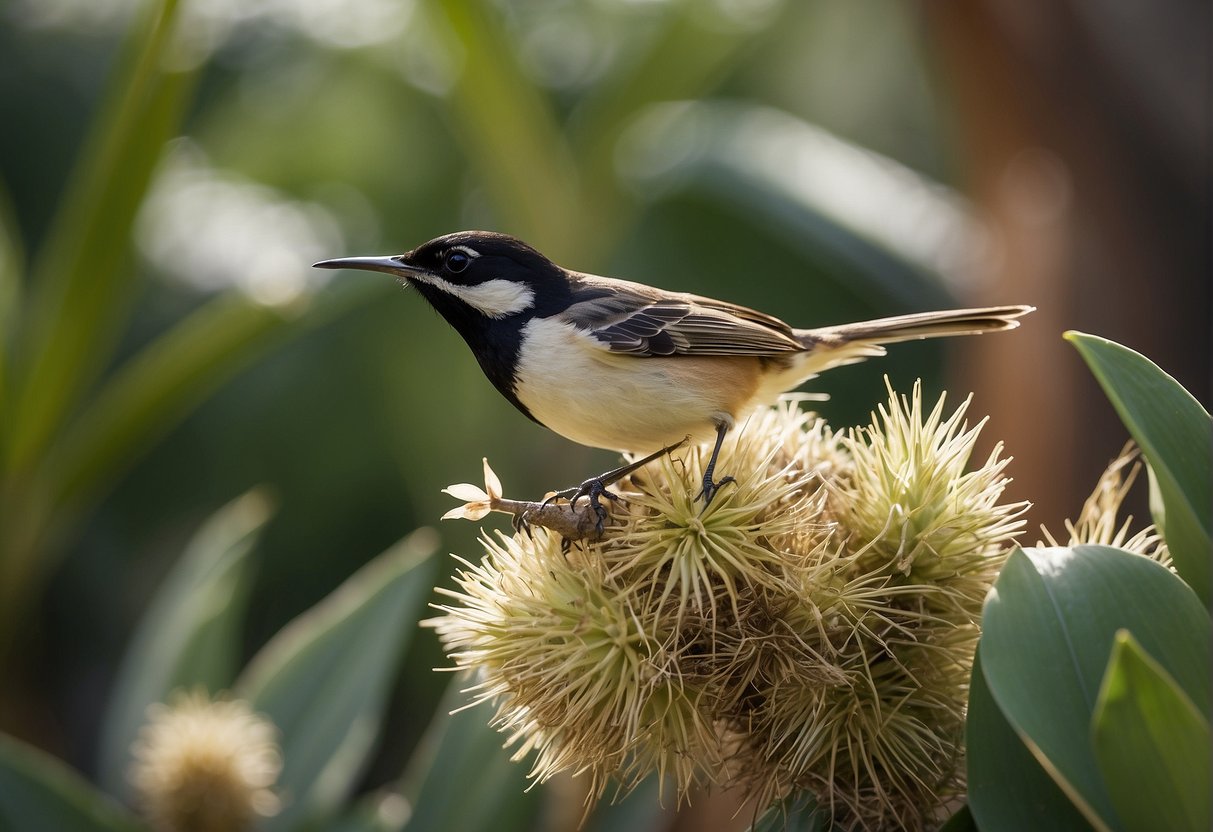
Yucca plants also provide essential habitat for a variety of wildlife species. Small mammals such as rodents and rabbits use the dense foliage of yucca plants as cover from predators. Birds, such as the greater roadrunner, use the plant’s branches to build their nests. Deer and other herbivores feed on the leaves and fruits of yucca plants, which provide important nutrition in arid environments.
In addition to providing food and shelter, yucca plants also play a role in soil stabilization. Their extensive root systems help to hold soil in place and prevent erosion, which is especially important in areas with little rainfall.
In conclusion, yucca plants are a crucial component of arid ecosystems, providing food, shelter, and habitat for a variety of wildlife species. Their unique relationship with yucca moths is a testament to the intricate interdependence of species in our natural world. By preserving these plants and the ecosystems they support, we can ensure the continued survival of biodiversity in our world.
Yucca Plants in Ecosystems
Yucca plants are a common sight in arid and desert environments, where they play an important role in the ecosystem. They are evergreen and drought-tolerant, making them well-suited to hot and dry conditions. Yucca plants are found in sandy areas and are often associated with trees and other plants that thrive in arid zones.
Adaptations to Arid Environments
Yucca plants have several adaptations that allow them to survive in arid environments. They have long, tough leaves that help to reduce water loss through transpiration. Yucca plants also have a deep root system that allows them to reach water sources deep underground. Additionally, yucca plants have a unique relationship with yucca moths, which pollinate the plants and lay their eggs in the yucca flowers. This relationship is crucial to the survival of both the yucca plant and the yucca moth.
Role in Soil Stabilization and Fertility
Yucca plants also play an important role in soil stabilization and fertility. Their deep root system helps to hold the soil in place, preventing erosion. As yucca plants grow, they shed their leaves, which decompose and add nutrients to the soil. Yucca plants are also well-suited to growing in well-draining soil, which helps to prevent waterlogging and maintain soil fertility.
Overall, yucca plants are an important part of many ecosystems in North America. They are well-adapted to arid environments and play a crucial role in soil stabilization and fertility. If you are looking for a drought-tolerant plant that thrives in full sun and well-draining soil, yucca plants are an excellent choice.
Frequently Asked Questions
What is the symbiotic relationship between yucca plants and yucca moths?
Yucca plants and yucca moths have a mutualistic relationship. The yucca moth is the only pollinator of yucca plants, and the yucca plant is the sole food source for yucca moth larvae. The female yucca moth collects yucca pollen and deposits it in the stigma of the yucca flower, where the pollen fertilizes the ovules. In return, the moth lays her eggs in the developing seeds, providing food for her offspring.
Which animals commonly feed on yucca plants in their natural habitat?
Several animals feed on yucca plants, including deer, rabbits, rodents, and birds. Some species, such as the yucca night lizard and the yucca giant skipper butterfly, are entirely dependent on yucca plants for their survival.
How do yucca moths contribute to the pollination of yucca plants?
Yucca moths are the primary pollinators of yucca plants. The female moth collects pollen from one yucca plant and deposits it in the stigma of another yucca plant. This process ensures genetic diversity in yucca populations and prevents inbreeding.
What are the ecological roles of yucca plants in supporting local wildlife?
Yucca plants provide a critical food source and habitat for many animals in their natural habitat. They also play a vital role in soil stabilization and erosion control, as their extensive root systems help to anchor the soil. Additionally, yucca plants are an essential component of desert ecosystems, providing shade and shelter for many species.
Are there any risks to wildlife from consuming parts of yucca plants?
While yucca plants are generally safe for wildlife to consume, some parts of the plant, such as the seeds, contain high levels of saponins, which can be toxic in large quantities. However, most animals have adapted to eating yucca in moderation and can safely consume it as part of their diet.
How does the presence of yucca plants affect the biodiversity of an area?
Yucca plants support a diverse array of wildlife in their natural habitat, providing food, shelter, and habitat for many species. The loss of yucca plants can have significant impacts on the biodiversity of an area, potentially leading to the decline or loss of species that depend on them for survival.