Home » Blog » When Does Firebush Bloom: A Guide to Blooming Seasons
When Does Firebush Bloom: A Guide to Blooming Seasons
December 27, 2024
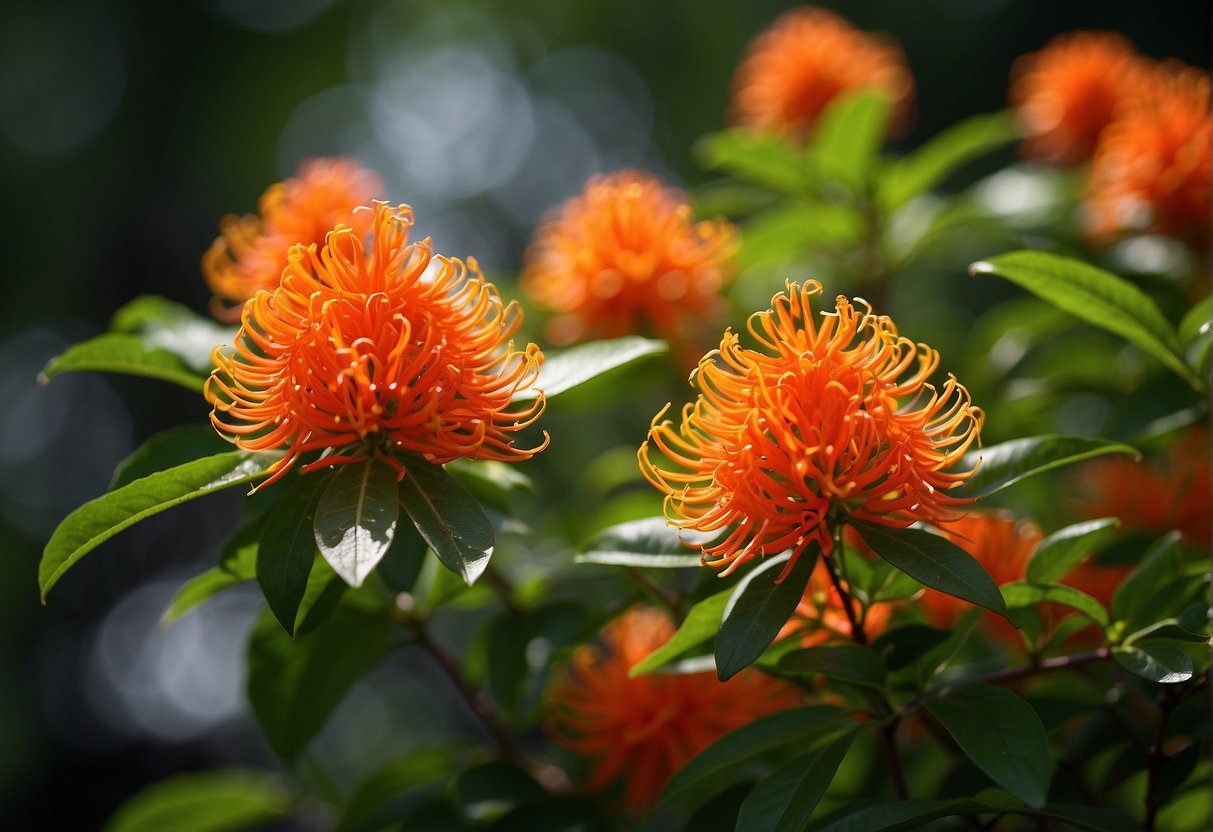
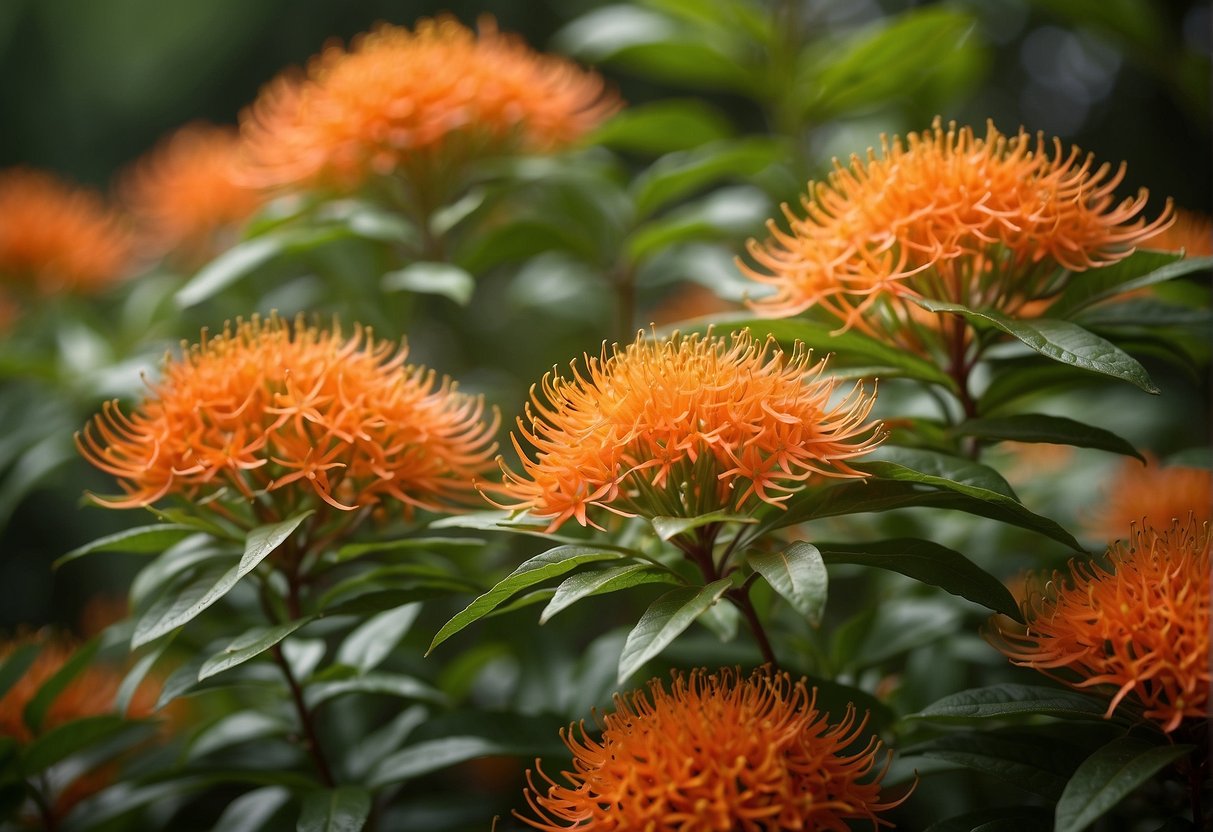
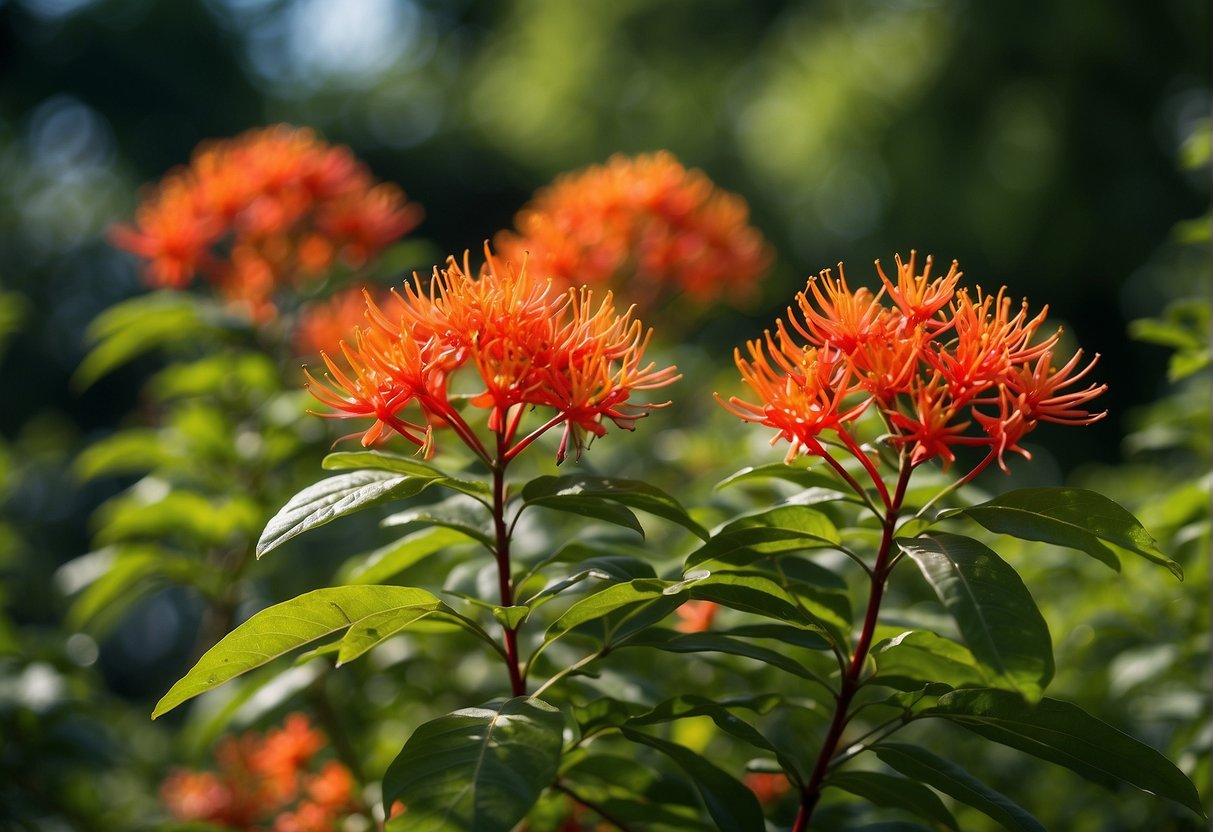
If you admire firebush, you’re probably curious about the timing of its bloom. Known also as Hamelia patens, firebush is favored by many garden enthusiasts for its striking red-orange blossoms and its knack for drawing in wildlife. In this piece, we’re going to delve into the usual blooming period of firebush and provide tips on how to nurture it for a spectacular flower show.
Firebush is a tropical shrub that is native to Florida, Mexico, and the Caribbean. It typically blooms from late spring to early fall, with peak blooming occurring in the summer months. However, the exact timing of the blooms can vary depending on factors such as climate, soil conditions, and the age of the plant. In the next section, we’ll explore some tips for cultivating and caring for firebush to help ensure that you get the most out of its beautiful blooms.
Key Takeaways
Firebush typically blooms from late spring to early fall, with peak blooming occurring in the summer months.
To ensure the best display of flowers, it’s important to cultivate and care for your firebush properly.
Firebush is not only a beautiful addition to your garden, but it also attracts a variety of wildlife.
Cultivation and Care
Planting and Soil Requirements
Firebush is a low-maintenance, drought-tolerant, woody shrub that is easy to grow. It is a native plant that thrives in full sun and partial shade. Firebush prefers well-drained soil and is ideal for containers and pots. When planting firebush, it is recommended to use a mixture of perlite and peat moss to improve drainage.
Growth Habits and Maintenance
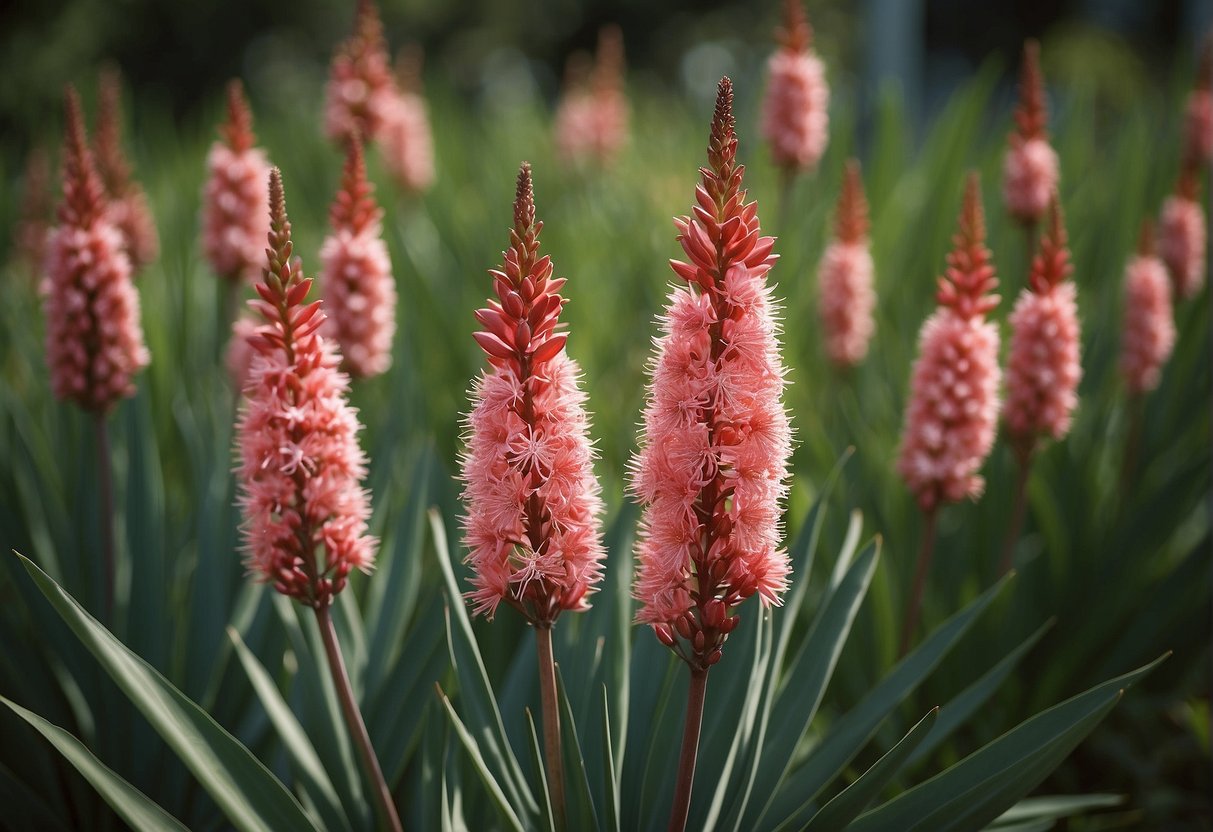
Firebush is a perennial evergreen that can grow up to 8 feet tall and 6 feet wide at maturity. It requires pruning once a year in late winter or early spring to maintain its size and shape. Firebush blooms during summer and fall, producing vibrant red-orange flowers that attract hummingbirds and butterflies.
Propagation Techniques
Firebush can be propagated by cuttings or seeds. To propagate firebush from cuttings, take a 4-6 inch cutting from an established plant in the summer or fall. Dip the cutting in rooting hormone and plant it in a well-draining soil mix. Keep the soil moist and in a warm, bright location until roots develop. To propagate firebush from seeds, collect the seeds in the fall and plant them in a well-draining soil mix. Keep the soil moist and in a warm, bright location until the seeds germinate.
Overall, firebush is a great addition to any landscape or garden. With proper care and maintenance, firebush can thrive in a variety of conditions and add vibrant color to your outdoor space.
Wildlife and Ecological Benefits
Firebush is a low-maintenance plant that is native to South Florida and tropical regions of Central and South America. It is commonly known as the “hummingbird bush” due to its ability to attract hummingbirds with its bright red flowers. However, firebush also has many other ecological benefits.
Attracting Pollinators and Birds
Firebush is an excellent choice for a butterfly garden or any garden that aims to attract pollinators such as bees and butterflies. The plant’s bright red flowers produce nectar that is rich in sugar, which is a vital source of energy for these insects. Firebush also attracts hummingbirds, which are important pollinators as well.
Seasonal Changes and Fruiting
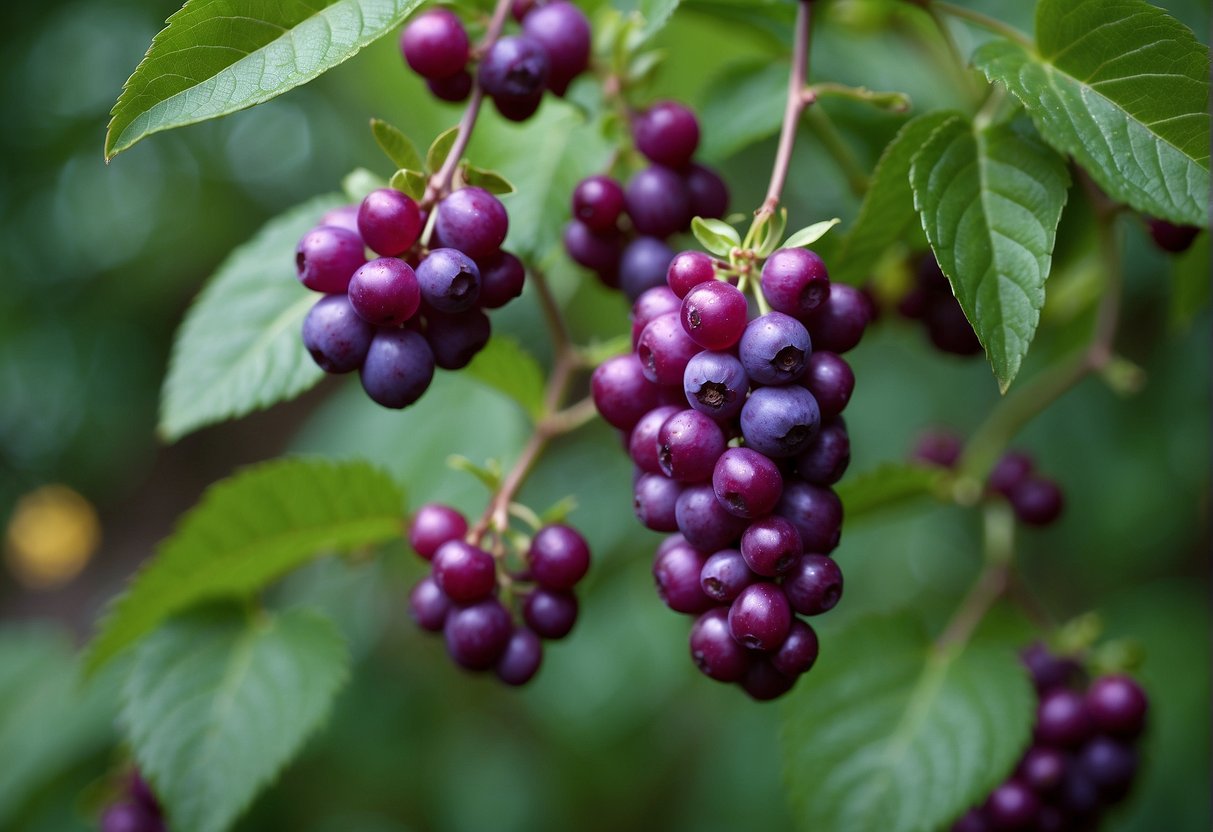
Firebush is a deciduous plant that sheds its leaves during the winter months. However, this does not mean that the plant is dormant. In fact, firebush produces fruits during the winter months that are an important food source for birds and other wildlife. The fruits are small, black berries that are rich in nutrients and provide an excellent source of food for birds.
Overall, firebush is an excellent choice for anyone looking to attract pollinators and birds to their garden. Its bright red flowers and seasonal fruits make it an attractive addition to any landscape.
Frequently Asked Questions
What is the typical blooming season for firebush in various climates?
Firebush typically blooms from late spring to early fall in warm climates. In cooler climates, it may not bloom until mid-summer. However, the exact blooming season can vary depending on the specific climate and growing conditions.
Can firebush survive winter to bloom again the next year?
Firebush is a tropical plant and is not frost-tolerant. In areas with freezing temperatures, firebush will die back to the ground in winter and may not bloom again the following year. However, it can be grown as an annual plant in cooler climates.
What conditions lead to a firebush not flowering?
Firebush requires full sun and well-drained soil to bloom properly. If it is grown in too much shade or in soil that is too moist, it may not bloom. Additionally, if it is not pruned properly, it may not produce as many flowers.
How many years does a firebush typically continue to bloom?
Firebush is a perennial plant and can continue to bloom for several years if it is properly cared for. However, the number of years it blooms can vary depending on the growing conditions and how well it is maintained.
What are the ideal planting conditions for a firebush to ensure optimal blooming?
To ensure optimal blooming, firebush should be planted in full sun and well-drained soil. It should also be watered regularly and fertilized with a balanced fertilizer during the growing season. Pruning should be done in late winter or early spring to encourage new growth and blooming.
What are the differences in blooming patterns between dwarf and standard firebush varieties?
Dwarf firebush varieties tend to bloom earlier in the season and may have a shorter blooming period than standard varieties. However, they often produce more flowers per plant than standard varieties. Standard firebush varieties tend to have a longer blooming period and can grow taller than dwarf varieties.
Hi Lovelies ! I made this blog to share my tips about Home Improvement, Children, Pets, Food, Gadgets, Automotive, Health & Beauty, and ways to be frugal while maintaining a natural lifestyle. Interested to be a Guest Blogger on my website? Please email me at: [email protected]