Home » Blog » What Goes with Yucca Plants: Companion Planting Tips
What Goes with Yucca Plants: Companion Planting Tips
December 29, 2024
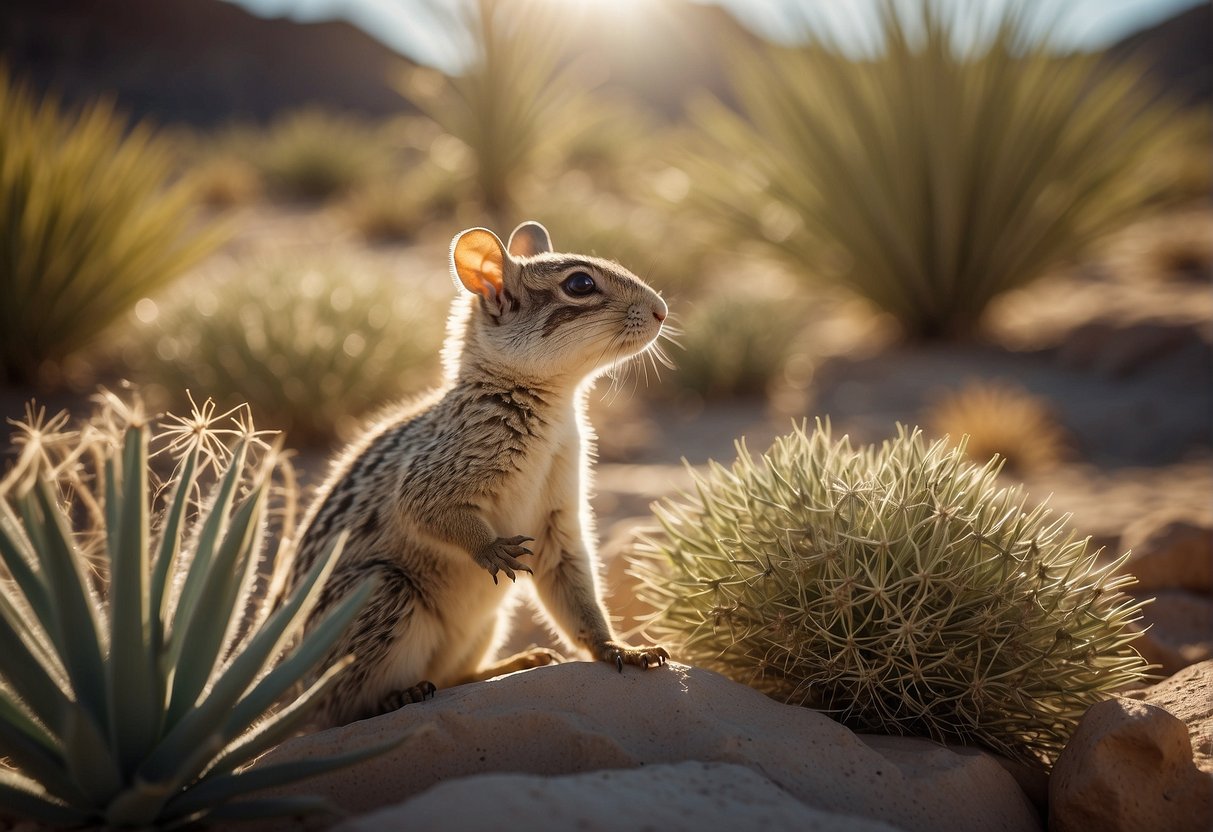
Yucca plants have become a favorite for introducing a desert vibe to both interior and exterior environments. Characterized by their pointed, blade-like foliage and statuesque, prickly blooms, they bring an unusual and striking accent to any home garden or interior setup. Nonetheless, a common inquiry revolves around the ideal companions for these plants. In this guide, we will examine various companions for yucca plants, allowing you to fashion an integrated and fashionable ambiance in your area.
When it comes to pairing yucca plants with other plants, it’s important to consider the overall aesthetic you’re going for. Yuccas are often used in desert-themed gardens, so succulents and cacti are a natural choice for pairing. However, you can also mix yuccas with other types of plants, like ferns or ivy, for a more eclectic look. Additionally, you can consider the colors of the plants you’re pairing with yuccas. For example, pairing yuccas with plants that have blue or purple flowers can create a striking contrast.
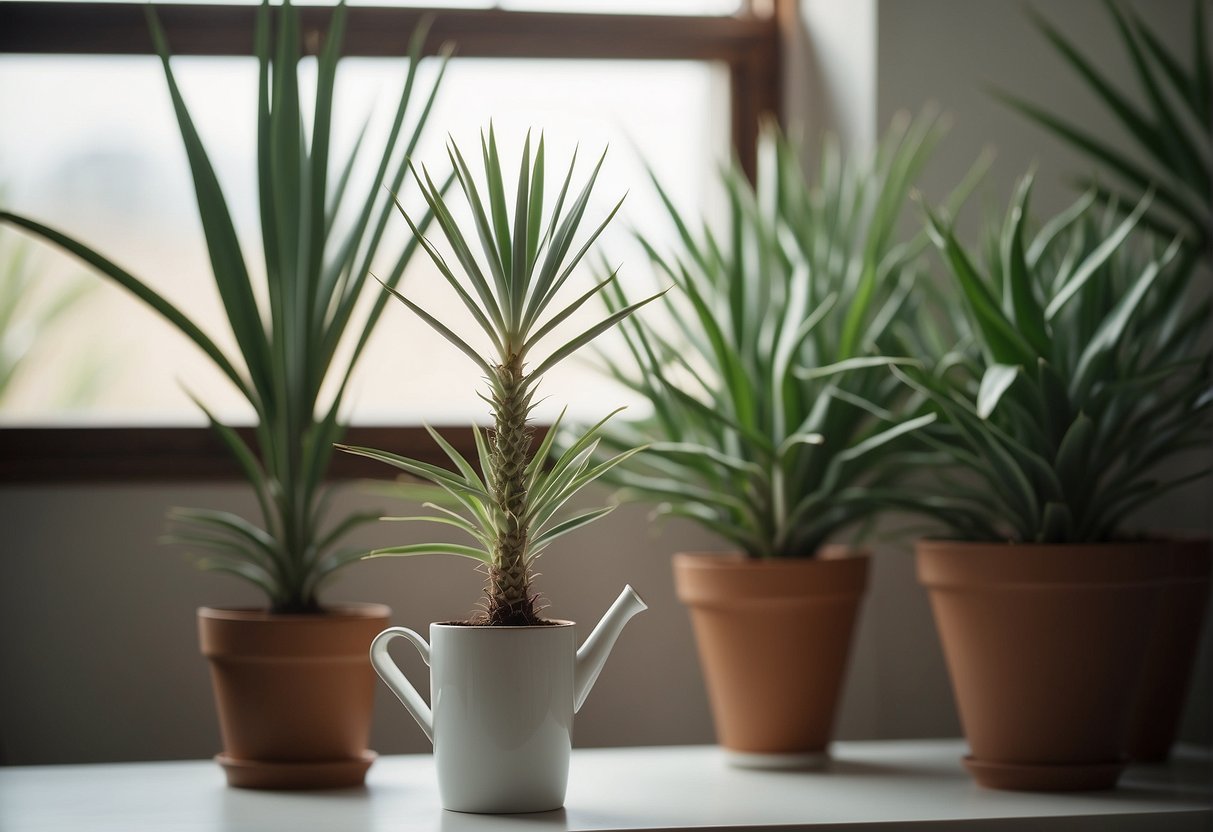
In addition to plants, there are other elements you can pair with yucca plants to create a cohesive look. Rocks, sand, and other desert-inspired elements can help tie the look together. Additionally, you can consider the type of container you’re using for your yucca plants. Pairing them with terracotta pots or other natural materials can help create a more cohesive and natural look. With these considerations in mind, let’s explore different options for what goes with yucca plants.
Key Takeaways
Consider the overall aesthetic you’re going for when pairing yucca plants with other plants.
Elements like rocks and sand can help tie the look together.
Pairing yuccas with natural materials like terracotta pots can create a more cohesive and natural look.
Cultivation and Planting
When it comes to cultivating and planting yucca plants, there are a few things you need to keep in mind. Here are some tips to help you get started.
Selecting the Right Species
There are many different yucca species to choose from, each with its own unique characteristics. Some popular species include Yucca filamentosa, Yucca elephantipes, and Yucca aloifolia. When selecting a species, consider factors such as climate, zone, and size.
Soil and Sunlight Requirements
Yuccas prefer well-drained soil and full sun. They can tolerate sandy soil, but it’s important to make sure the soil is well-drained to prevent root rot. Yuccas also need plenty of sunlight to thrive, so make sure you plant them in a location that gets at least six hours of direct sunlight per day.
Planting Techniques
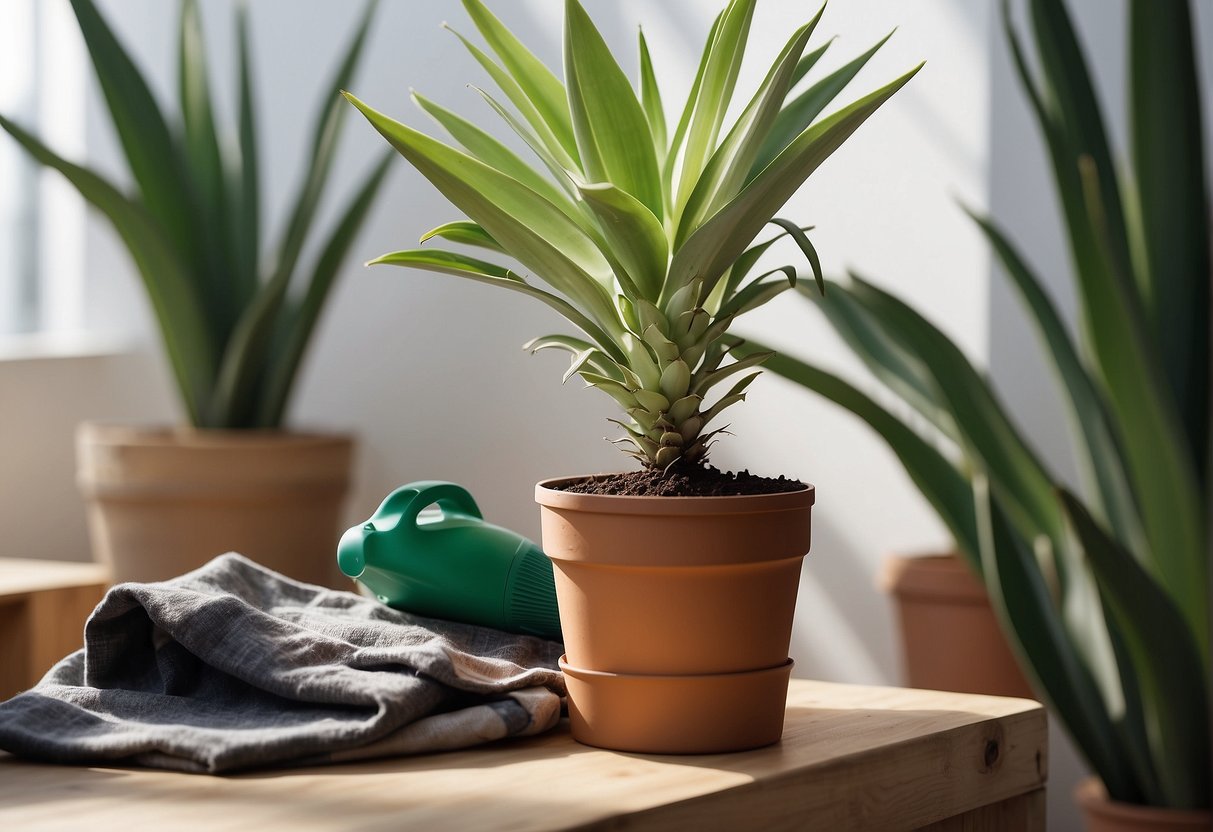
Yuccas can be planted either in containers or directly in the ground. If you’re planting in a container, make sure the container has drainage holes and use a well-draining soil mix. Yuccas can also make great indoor plants, as long as they’re placed in a sunny location.
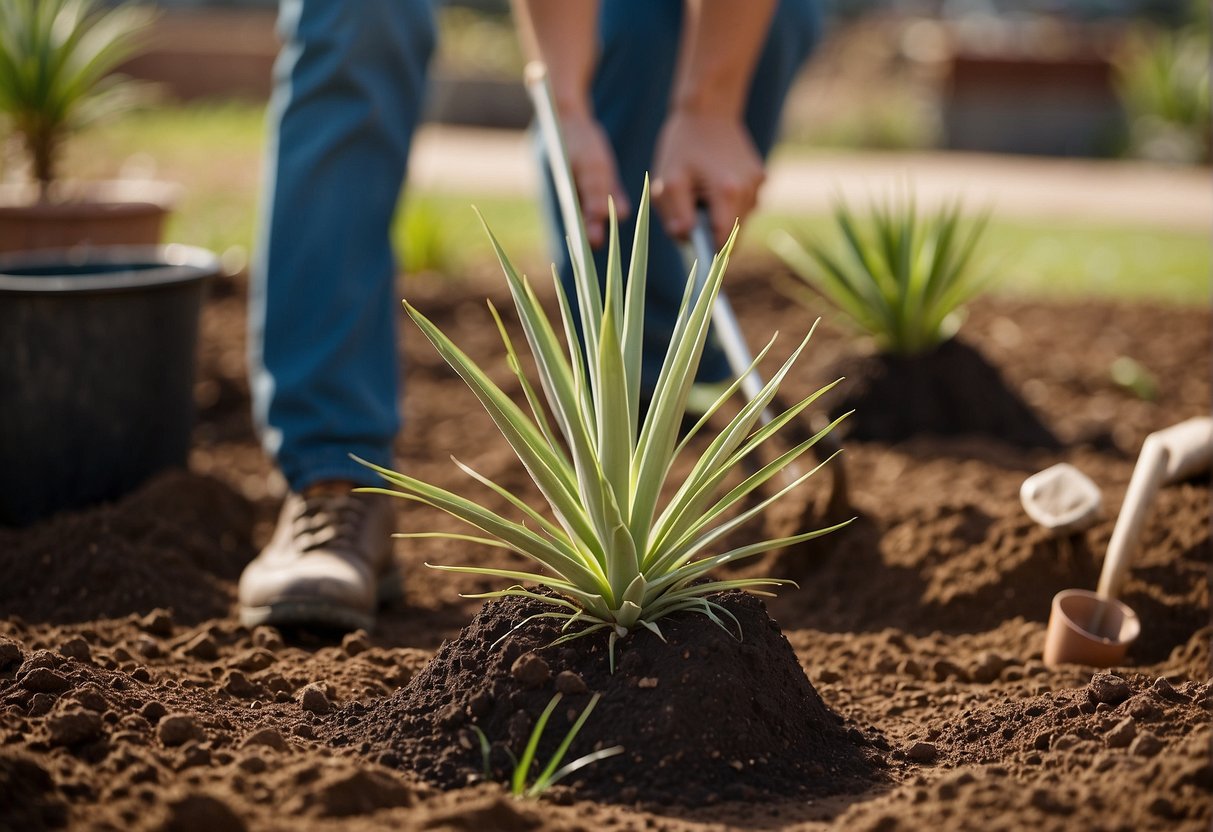
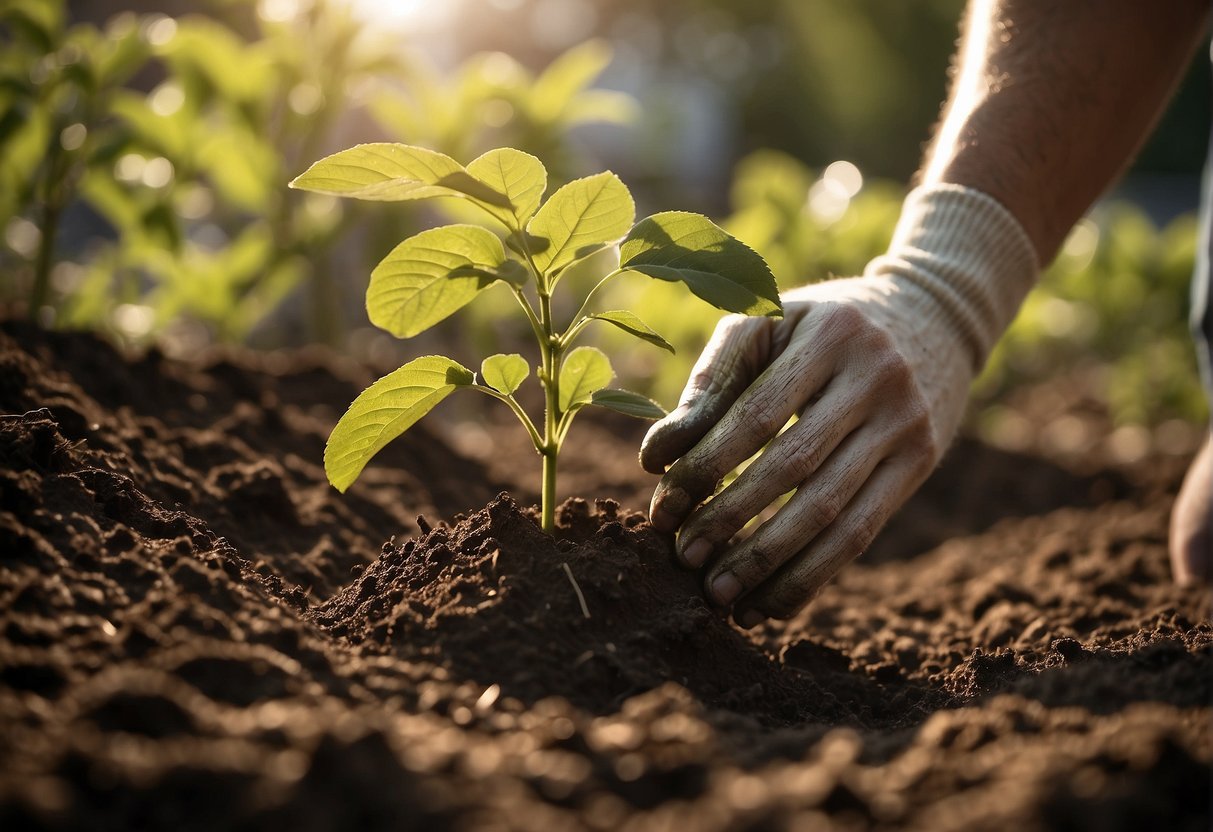
When planting yuccas in the ground, make sure to dig a hole that’s slightly larger than the root ball. Backfill the hole with soil and tamp it down firmly to remove any air pockets. Water the plant thoroughly after planting, and then water it regularly until it becomes established.
By following these tips, you can successfully cultivate and plant yucca plants in your landscaping or as a container plant.
Care and Maintenance
Yucca plants are known for their low-maintenance requirements, making them a great choice for those who want to add some greenery to their home without spending too much time caring for it. However, like any other plant, yuccas do require some care and attention to thrive. Here are some tips on how to care for and maintain your yucca plant.
Watering and Fertilization
Yucca plants are drought-tolerant, which means they can survive in dry conditions. Overwatering can actually harm the plant, so it’s important to let the soil dry out between waterings. You can water your yucca plant once every 7-10 days during the growing season (spring and summer) and once every 2-3 weeks during the dormant season (fall and winter).
Fertilization is not necessary for yucca plants, but if you want to give them a boost, you can fertilize them once every 6-8 weeks during the growing season. Use a balanced fertilizer and follow the instructions on the package.
Pruning and Propagation
Yucca plants don’t require much pruning, but you can remove dead or damaged leaves as needed. If you want to propagate your yucca plant, you can do so through seed, cuttings, or divisions. Seeds can be difficult to germinate, so cuttings or divisions are the easiest methods. Simply cut a stem or remove a pup from the base of the plant and plant it in well-draining soil.
Pest and Disease Management
Yucca plants are generally resistant to pests and diseases, but they can occasionally be affected by aphids, mealybugs, or the yucca moth. If you notice any signs of infestation, you can use insecticidal soap or neem oil to control the pests. Yucca plants can also be affected by root rot if they are overwatered, so be sure to let the soil dry out between waterings.
By following these care and maintenance tips, you can ensure that your yucca plant stays healthy and vibrant for years to come.
Frequently Asked Questions
What are the best companion plants for yucca in outdoor landscaping?
Yucca plants are versatile and can be paired with a variety of plants in outdoor landscaping. Some great companion plants for yucca include agave, cactus, lavender, and ornamental grasses. These plants can help create a visually appealing and low-maintenance landscape design.
Which plants pair well with Color Guard yucca in garden design?
Color Guard yucca is a popular variety of yucca that features striking yellow and green foliage. This plant pairs well with other plants that have contrasting colors, such as purple salvia, blue fescue, and red-hot poker. These plants can complement the Color Guard yucca and create a visually stunning garden design.
How can Adam’s needle yucca be incorporated into a garden with other plants?
Adam’s needle yucca is a hardy and drought-tolerant plant that can be incorporated into a garden with a variety of other plants. Some great companion plants for Adam’s needle yucca include black-eyed Susan, coneflower, and Russian sage. These plants can create a beautiful and low-maintenance garden design.
What are suitable companion plants for Red yucca in xeriscaping?
Red yucca is a popular variety of yucca that features vibrant red flowers. This plant pairs well with other drought-tolerant plants, such as agave, cactus, and sedum. These plants can help create a water-wise and visually appealing xeriscape design.
What types of plants complement yucca when grown in containers?
Yucca plants can be grown in containers and paired with a variety of other plants. Some great companion plants for yucca in containers include succulents, trailing vines, and ornamental grasses. These plants can help create a visually appealing and low-maintenance container garden.
What are the ideal growing conditions for yucca plants in a landscape setting?
Yucca plants thrive in well-draining soil and full sun. They are drought-tolerant and can withstand hot and dry conditions. Yucca plants can be grown in a variety of soil types, but they prefer soil that is slightly acidic. In order to maintain healthy yucca plants in a landscape setting, it is important to provide them with adequate water during the first growing season and occasional watering thereafter.
Hi Lovelies ! I made this blog to share my tips about Home Improvement, Children, Pets, Food, Gadgets, Automotive, Health & Beauty, and ways to be frugal while maintaining a natural lifestyle. Interested to be a Guest Blogger on my website? Please email me at: [email protected]