Home » Blog » How to Keep Yucca Plants Alive Indoors: Tips and Tricks
How to Keep Yucca Plants Alive Indoors: Tips and Tricks
December 31, 2024
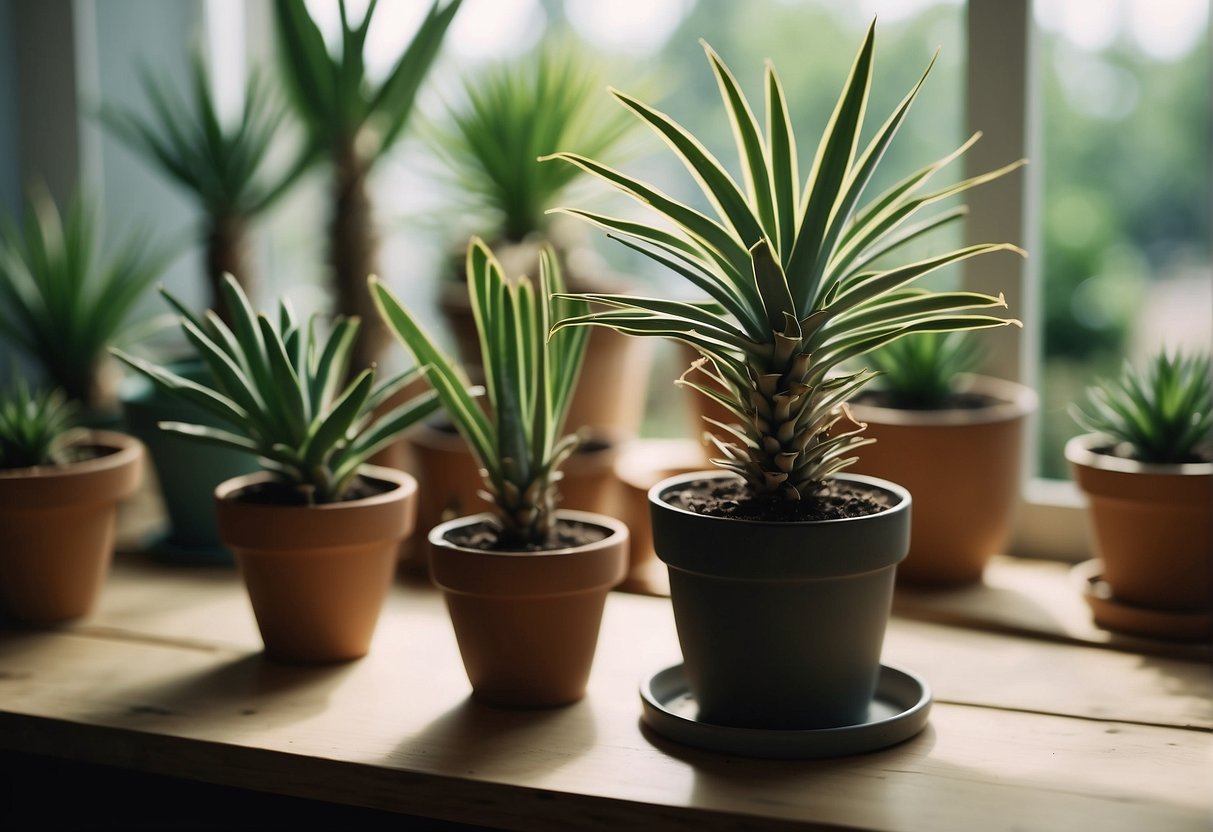
Maintaining the health of yucca plants within your home might present some challenges, particularly for those who are inexperienced with gardening inside. Originating from dry areas, yucca plants necessitate certain conditions to prosper indoors. Nevertheless, by providing the proper care and attention, it is possible to ensure that your yucca plant remains vibrant and well in your living space.
To start, it’s important to understand the optimal growing conditions for yucca plants. These plants require bright, indirect sunlight and well-draining soil. Overwatering can be a common issue with yucca plants, so it’s important to let the soil dry out between waterings. Additionally, yucca plants are sensitive to temperature changes and should be kept in a consistent environment.
Maintaining your yucca plant and troubleshooting any issues that arise is also crucial for its survival. Regular pruning can help promote growth and prevent the plant from becoming too top-heavy. Pests and diseases can also be a problem for yucca plants, so it’s important to keep an eye out for any signs of infestation. By following these guidelines, you can ensure that your yucca plant stays healthy and vibrant in your indoor space.
Key Takeaways
Yucca plants require bright, indirect sunlight and well-draining soil to thrive indoors.
Overwatering and temperature changes can be detrimental to the health of yucca plants.
Regular maintenance and monitoring for pests and diseases can help keep your yucca plant healthy.
Optimal Growing Conditions
To keep your yucca plant alive and thriving indoors, it is important to provide it with the optimal growing conditions. This includes proper lighting, suitable temperature, and correct soil and watering.
Proper Lighting
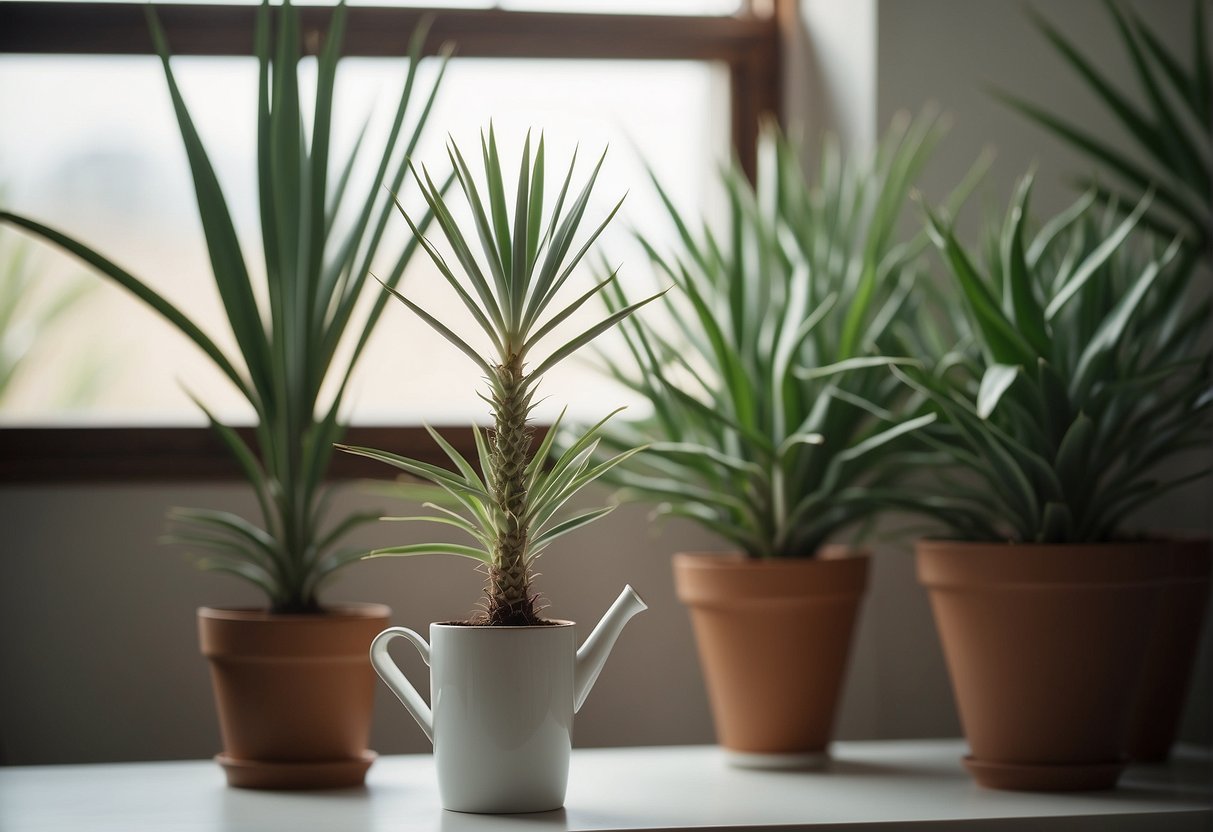
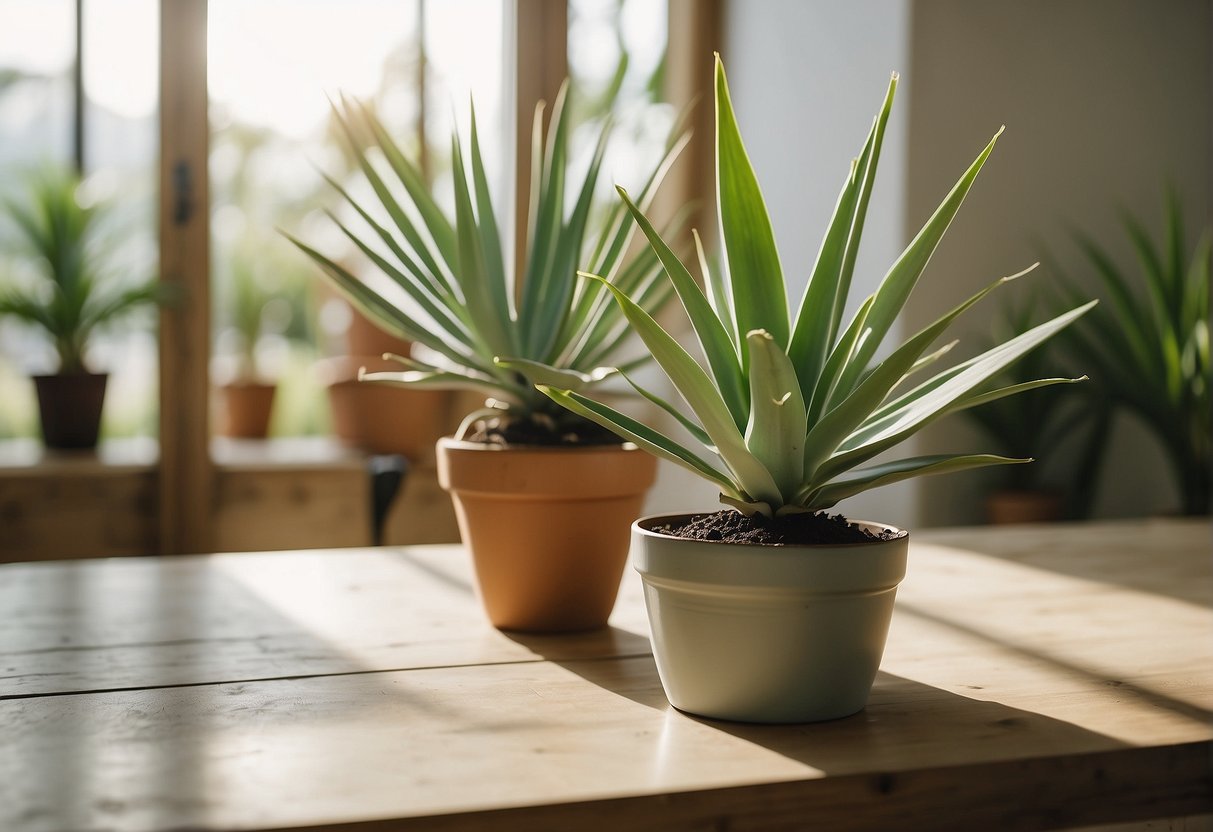
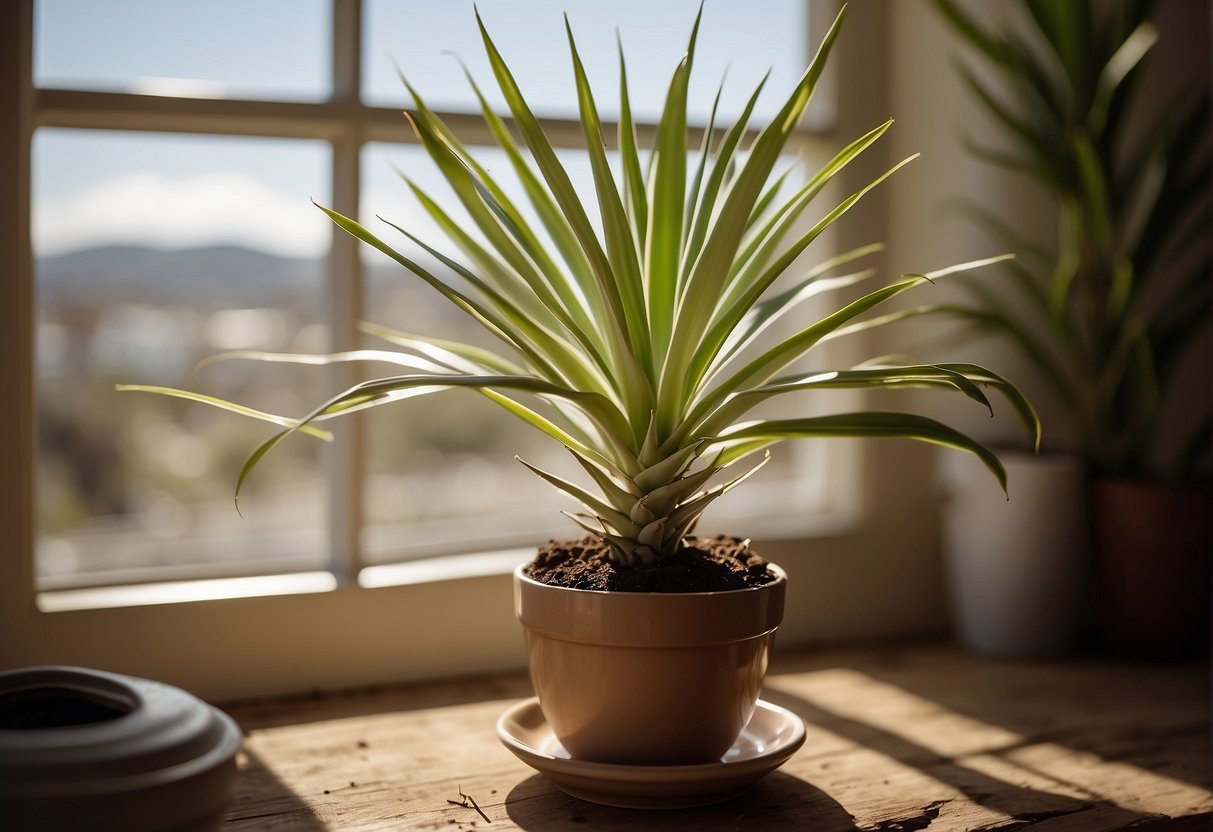
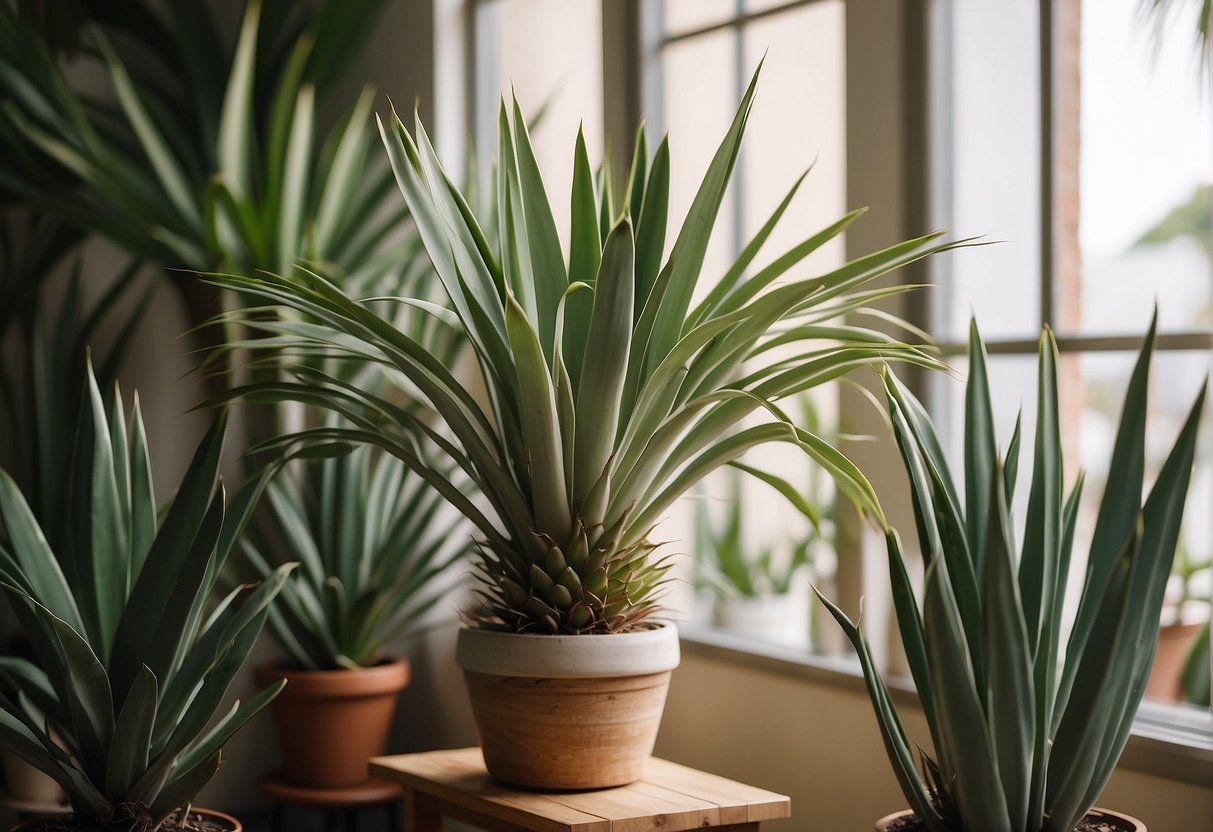
Yucca plants are hardy and drought-tolerant, but they still require some sunlight to grow. Place your yucca plant in a bright, indirect light location. If you have a west-facing or south-facing window, that would be an ideal spot for your plant. Keep in mind that too much direct sun can damage the leaves, so avoid placing your yucca plant in direct sunlight.
If you do not have access to a bright light location, you can still keep your yucca plant alive by placing it in a medium or low light area. However, keep in mind that the plant may grow slower and produce fewer leaves in these conditions.
Suitable Temperature
Yucca plants prefer moderate humidity and can tolerate low humidity environments. They can also tolerate a wide range of temperatures, but they prefer temperatures between 60-80°F (15-27°C). Keep your yucca plant away from cold drafts or extreme heat sources, such as radiators or heating vents.
Correct Soil and Watering
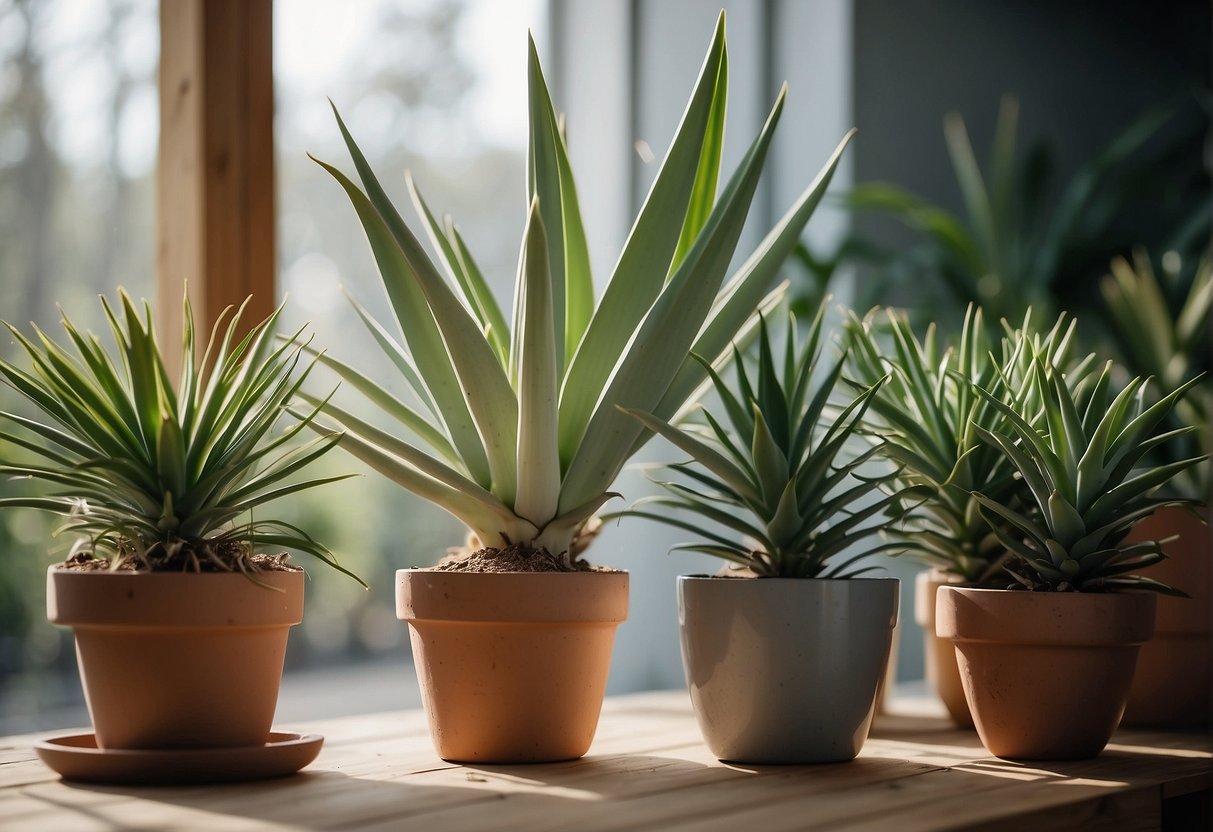
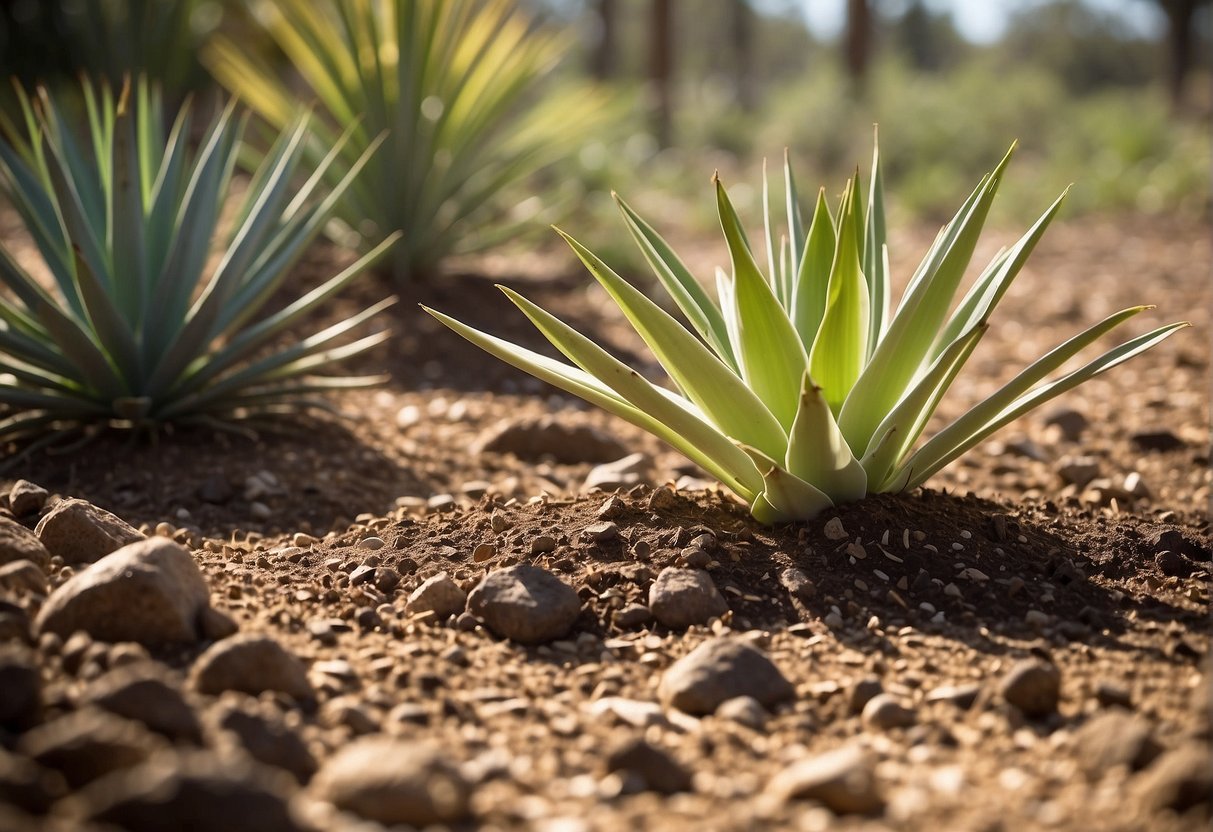
Yucca plants require well-draining soil to prevent root rot. Use a mixture of well-draining soil, perlite, and coarse sand to create a suitable soil mix. Make sure the pot has drainage holes to allow excess water to escape.
Water your yucca plant only when the top inch of soil is dry to the touch. Overwatering can cause root rot, so make sure to avoid excess water. In general, yucca plants require less water during the winter months than during the summer months.
By providing your yucca plant with the optimal growing conditions, you can ensure that it stays healthy and thriving indoors.
Maintenance and Problem-Solving
Repotting and Propagation
Repotting your yucca plant is a crucial part of its maintenance. As your plant grows, it will require more space to thrive. Repotting should be done every two to three years, or when the roots start to outgrow the pot. When repotting, choose a pot that is one size larger than the current one, and use well-draining soil.
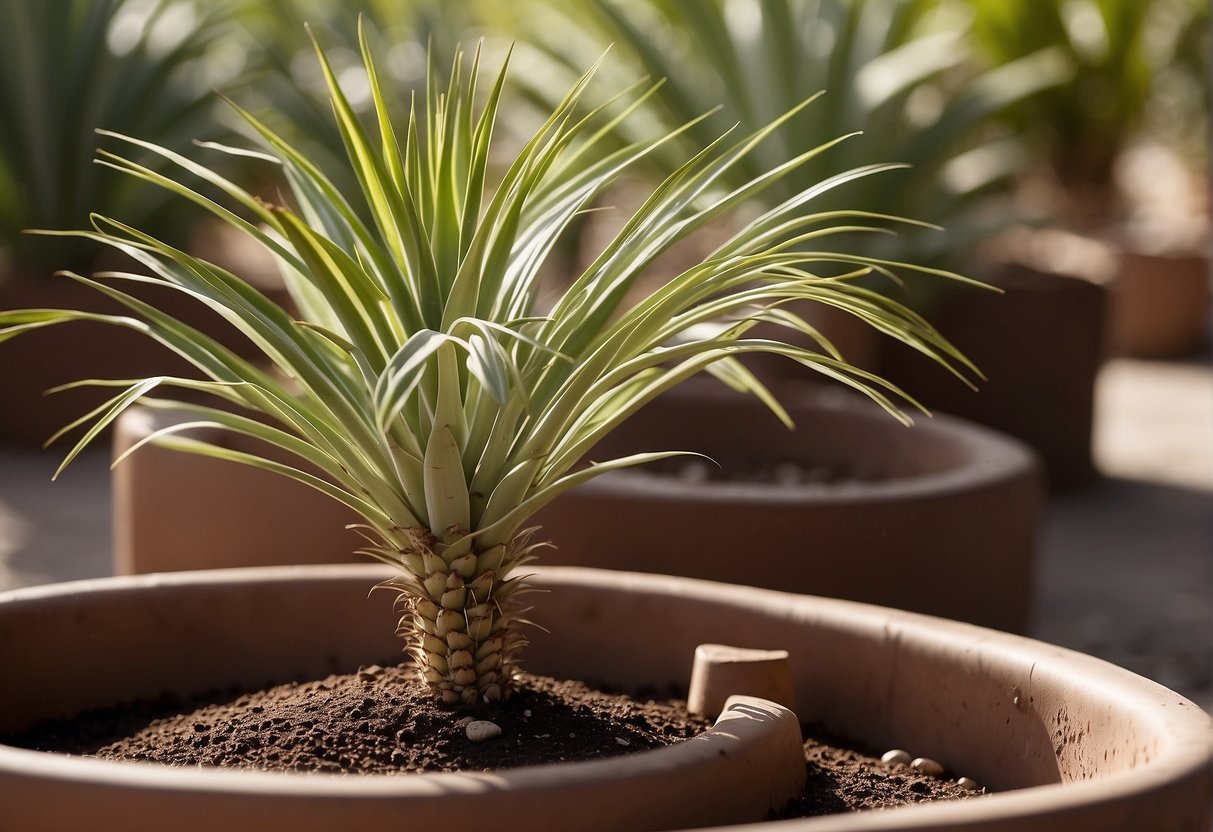
Propagation is an excellent way to expand your yucca plant collection. There are two ways to propagate yucca plants: through stem cuttings or division. Stem cuttings should be taken from the plant’s stem, and division involves separating the offsets or pups from the parent plant. Both methods require well-draining soil and bright, indirect light.
Pest and Disease Management
Yucca plants are generally low-maintenance and can tolerate a range of conditions. However, they are susceptible to pests and diseases such as mealybugs, scale, spider mites, fungal disease, and leaf spot.
To manage pests, use a mild soap and water solution or neem oil. For fungal disease, remove the affected leaves and reduce watering. Preventing pests and diseases is crucial, so avoid overwatering and keep the plant in a well-ventilated area.
Pruning and Treating Common Issues
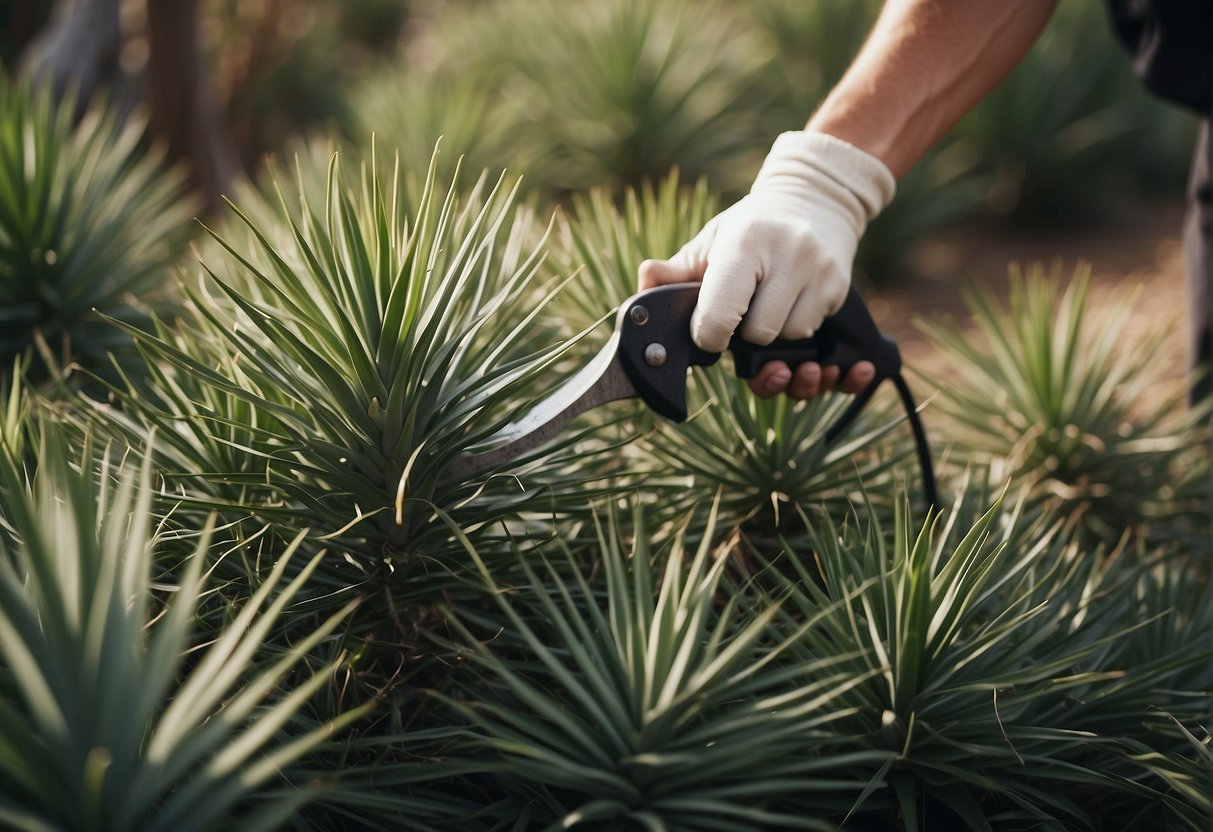
Pruning is necessary to keep your yucca plant looking healthy and tidy. Prune yellow leaves, brown tips, and brown spots to prevent the spread of disease. If your plant’s leaves are droopy, it may be due to underwatering. Increase watering and mist the leaves to improve humidity.
Remember that yucca plants contain saponins, which are mildly toxic to cats and dogs. Keep your plant out of reach of pets, and wash your hands after handling it.
Fertilizer is not necessary for yucca plants, but if you choose to fertilize, use a time-release fertilizer or liquid fertilizer sparingly. With proper care, your yucca plant will thrive and add a touch of green to your indoor space.
Frequently Asked Questions
What are the best practices for watering an indoor yucca plant?
Yucca plants prefer dry soil and do not require frequent watering. Overwatering can lead to root rot and other problems. Water your indoor yucca plant deeply, but only when the soil is completely dry. Make sure the pot has drainage holes to prevent water from pooling at the bottom.
How can I tell if my indoor yucca plant is receiving adequate light?
Yucca plants require bright, indirect light to thrive indoors. If your plant is not getting enough light, you may notice yellowing leaves or slow growth. If it is getting too much light, you may notice brown spots or burnt leaves. Place your indoor yucca plant near a window that receives bright, indirect light for at least 6 hours a day.
What are the common signs of distress in yucca plants grown indoors?
Common signs of distress in indoor yucca plants include yellowing leaves, brown spots, slow growth, and wilting. These symptoms can be caused by overwatering, underwatering, insufficient light, or pests. Monitor your plant regularly and address any issues promptly to keep it healthy.
How should I prune my indoor yucca plant to maintain its health?
Prune your indoor yucca plant in the spring or summer to remove dead or yellowing leaves. Use clean, sharp pruning shears to make clean cuts at a 45-degree angle. Do not remove more than one-third of the plant at a time. Pruning can help promote new growth and keep your plant looking tidy.
Can you provide tips for repotting a yucca plant that lives indoors?
Repot your indoor yucca plant every 2-3 years to give it fresh soil and room to grow. Choose a pot that is one size larger than the current pot and has drainage holes. Use well-draining soil and make sure the plant is positioned at the same depth as before. Water the plant thoroughly after repotting.
What steps should I take to ensure proper soil drainage for my indoor yucca?
To ensure proper soil drainage for your indoor yucca, choose a pot with drainage holes and use well-draining soil. You can also add a layer of gravel or pebbles to the bottom of the pot to help excess water drain away from the roots. Avoid overwatering and make sure the soil is completely dry before watering again.
Hi Lovelies ! I made this blog to share my tips about Home Improvement, Children, Pets, Food, Gadgets, Automotive, Health & Beauty, and ways to be frugal while maintaining a natural lifestyle. Interested to be a Guest Blogger on my website? Please email me at: [email protected]