Home » Blog » Where to Plant Firebush: Tips for Optimal Growth and Blooming
Where to Plant Firebush: Tips for Optimal Growth and Blooming
December 27, 2024
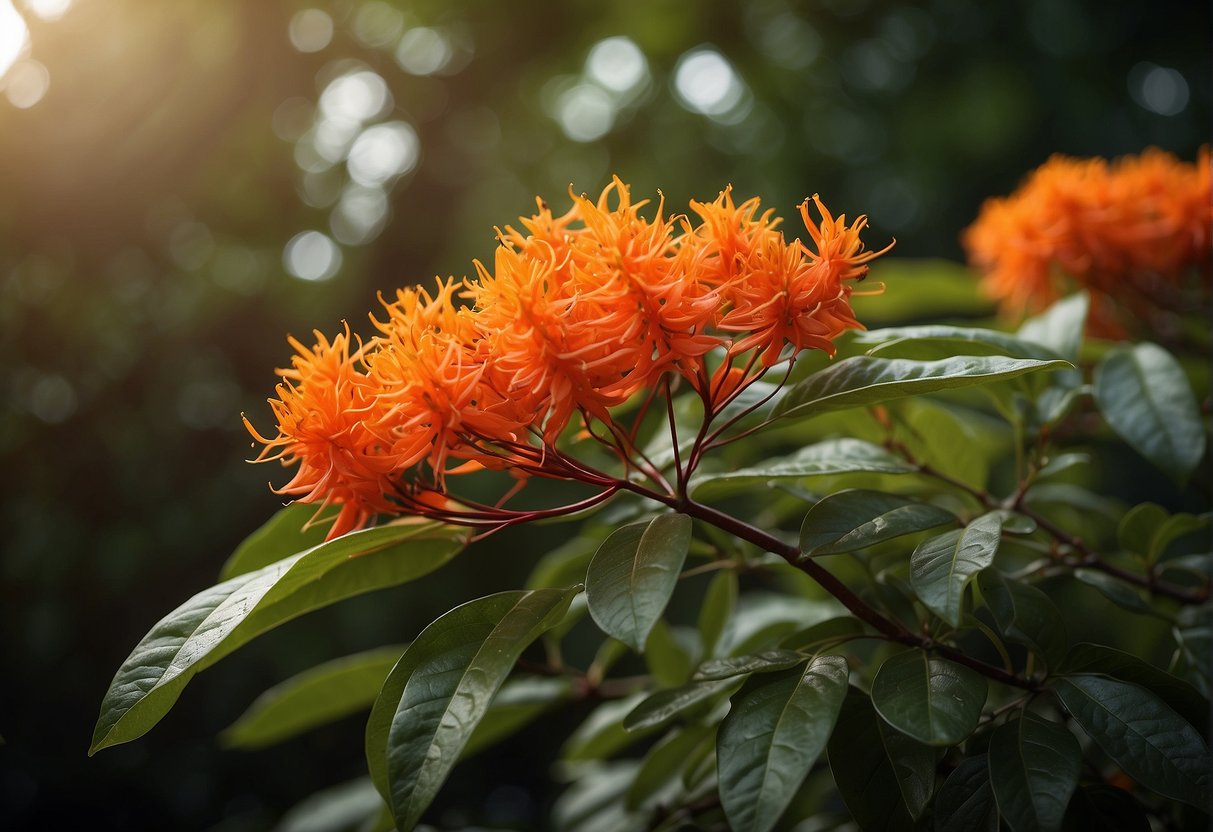
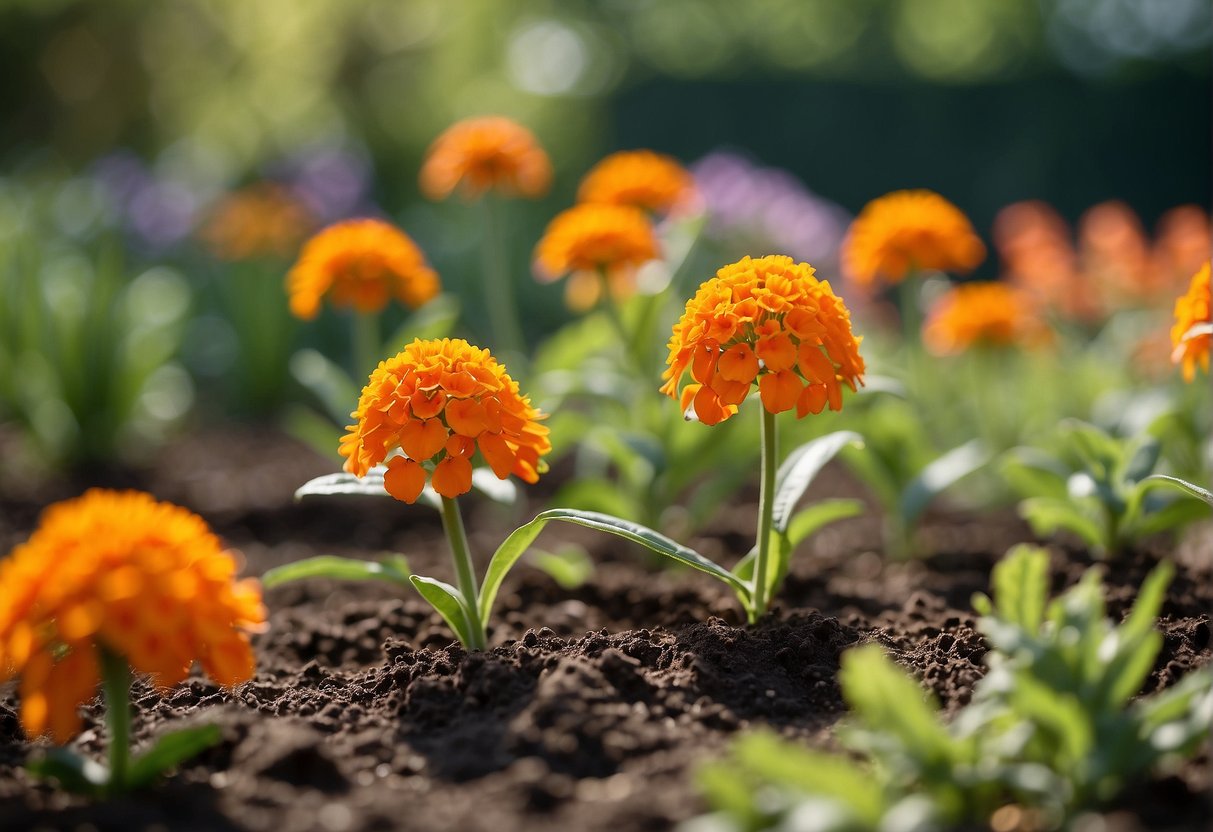
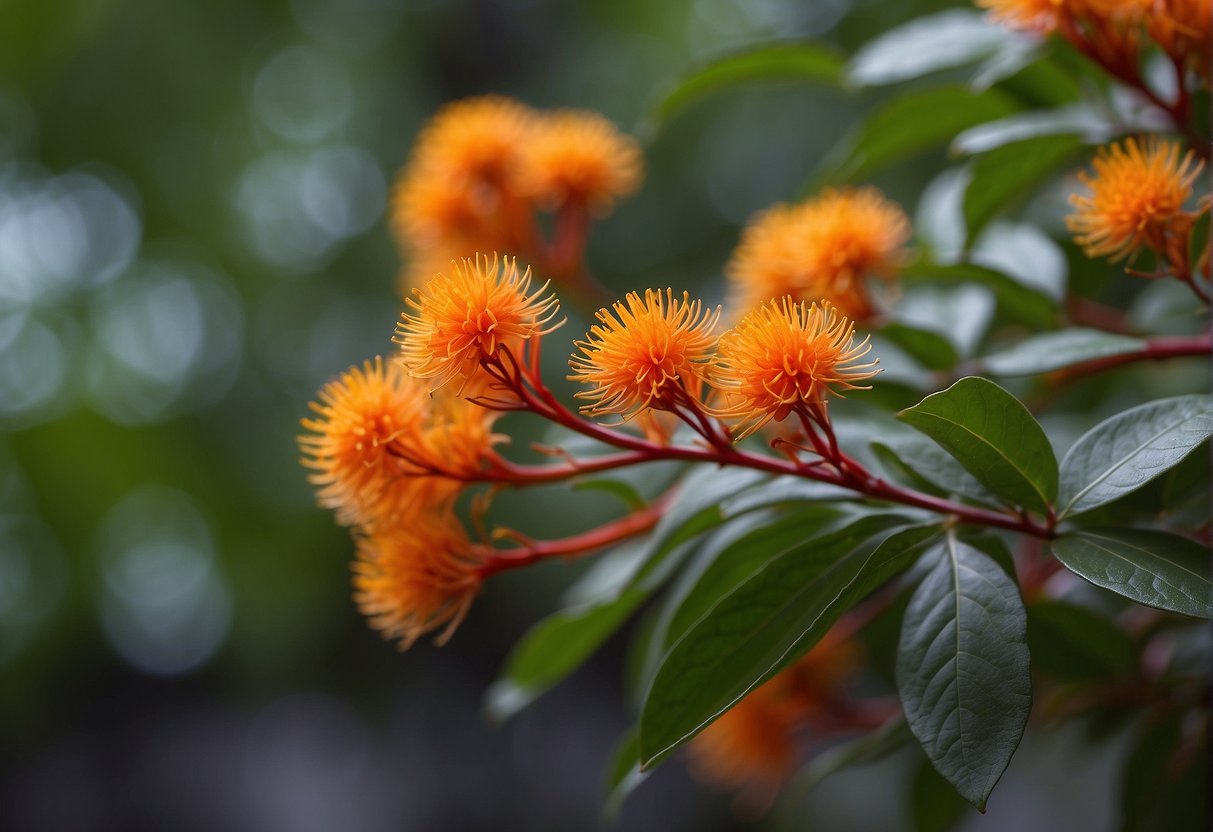
If you’re in search of a flowering plant to brighten up your garden and draw in birds and butterflies, consider the firebush (Hamelia patens). This indigenous species is celebrated for its vibrant red-orange tubular blooms and lush green foliage. However, what’s the ideal location to plant a firebush to guarantee its success?
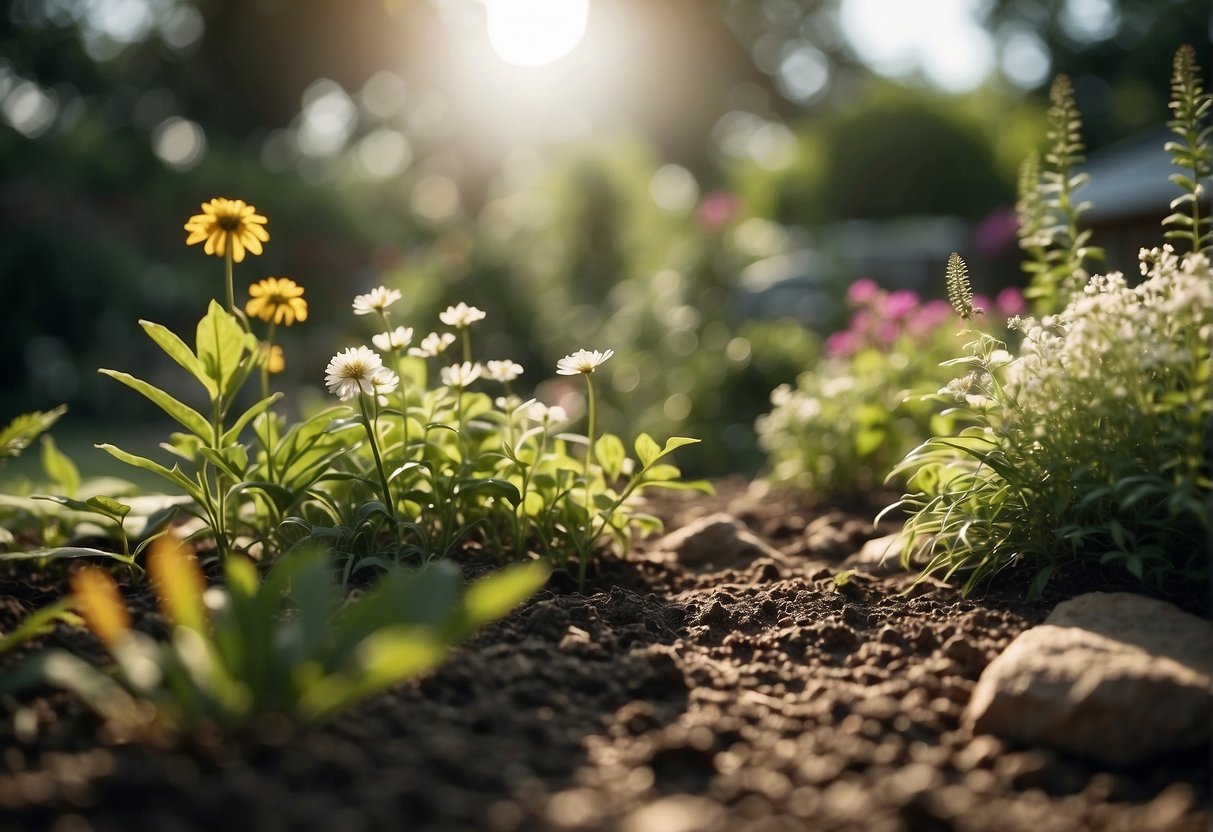
Choosing the right location is key when it comes to planting firebush. This plant prefers full sun to partial shade, so look for a spot in your garden that gets at least six hours of direct sunlight per day. Firebush also prefers well-draining soil, so if your soil is heavy or clay-like, consider amending it with compost or sand.
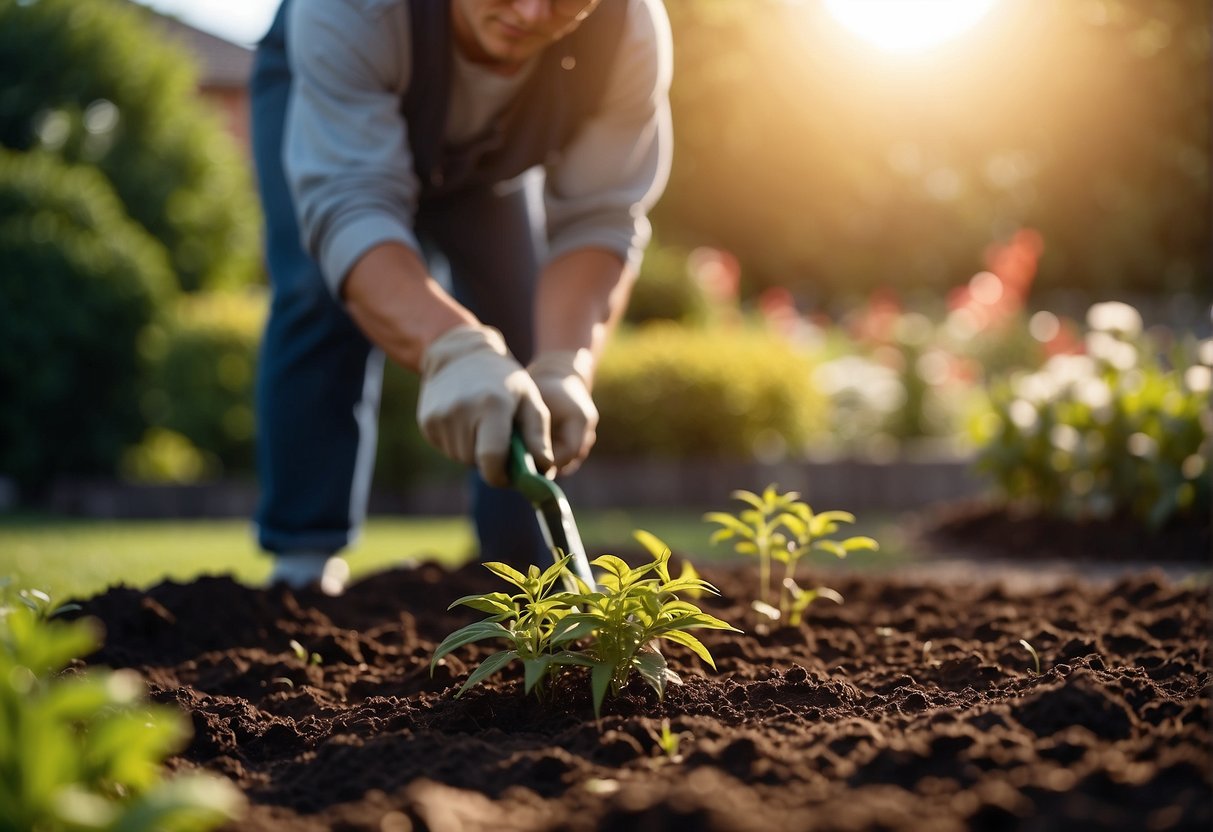
Planting and caring for firebush is relatively easy once you’ve chosen the right location. When planting, make sure to dig a hole that’s at least as deep as the plant’s root ball and twice as wide. Water the plant well after planting, and then water it deeply once a week during the growing season. Deadheading spent flowers can encourage more blooms, and pruning can help keep the plant from getting too leggy.
Key Takeaways
Firebush is a native plant that can add color to your garden while also attracting birds and butterflies.
Choose a location for firebush that gets at least six hours of direct sunlight per day and has well-draining soil.
Plant firebush in a hole that’s at least as deep as the root ball and twice as wide, and water it deeply once a week during the growing season.
Choosing the Right Location
When it comes to planting firebush, choosing the right location is crucial for ensuring healthy growth and vibrant blooms. Here are some factors to consider when selecting the perfect spot for your firebush:
Sunlight and Shade Requirements
Firebush thrives in full sun to partial shade, making it a versatile addition to any landscape. However, it’s important to note that the amount of sunlight your firebush receives can affect its growth and flowering.
For best results, plant your firebush in an area that receives at least six hours of sunlight per day. If you live in a particularly hot or dry climate, you may want to consider planting your firebush in a spot that offers some afternoon shade to prevent heat stress.
Soil Conditions and Preparation
Firebush is a drought-tolerant plant that prefers well-drained soil. Before planting, it’s important to prepare the soil by adding organic matter such as peat moss, compost, or perlite to improve drainage and nutrient retention.
If you have heavy clay soil, consider adding sand to improve drainage. On the other hand, if you have sandy soil, you may want to add organic matter to improve water retention.
When planting, ensure that the hole is at least twice as wide as the root ball and just as deep. Gently loosen the roots and backfill the hole with soil, pressing firmly to remove any air pockets.
By considering these factors and preparing the soil accordingly, you can ensure that your firebush thrives in its new home and adds a vibrant pop of color to your landscape.
Planting and Caring for Firebush
Firebush is an excellent choice for those looking for a low-maintenance plant that is also attractive to hummingbirds, butterflies, and other pollinators. Here are some tips for planting and caring for firebush:
Watering and Fertilization
Firebush prefers well-drained soil and requires moderate watering. It is recommended to water the plant once a week during the growing season. During the winter months, reduce watering to once every two weeks. Fertilize firebush with a balanced fertilizer, such as bone meal or a slow-release fertilizer, once a month during the growing season.
Pruning and Maintenance
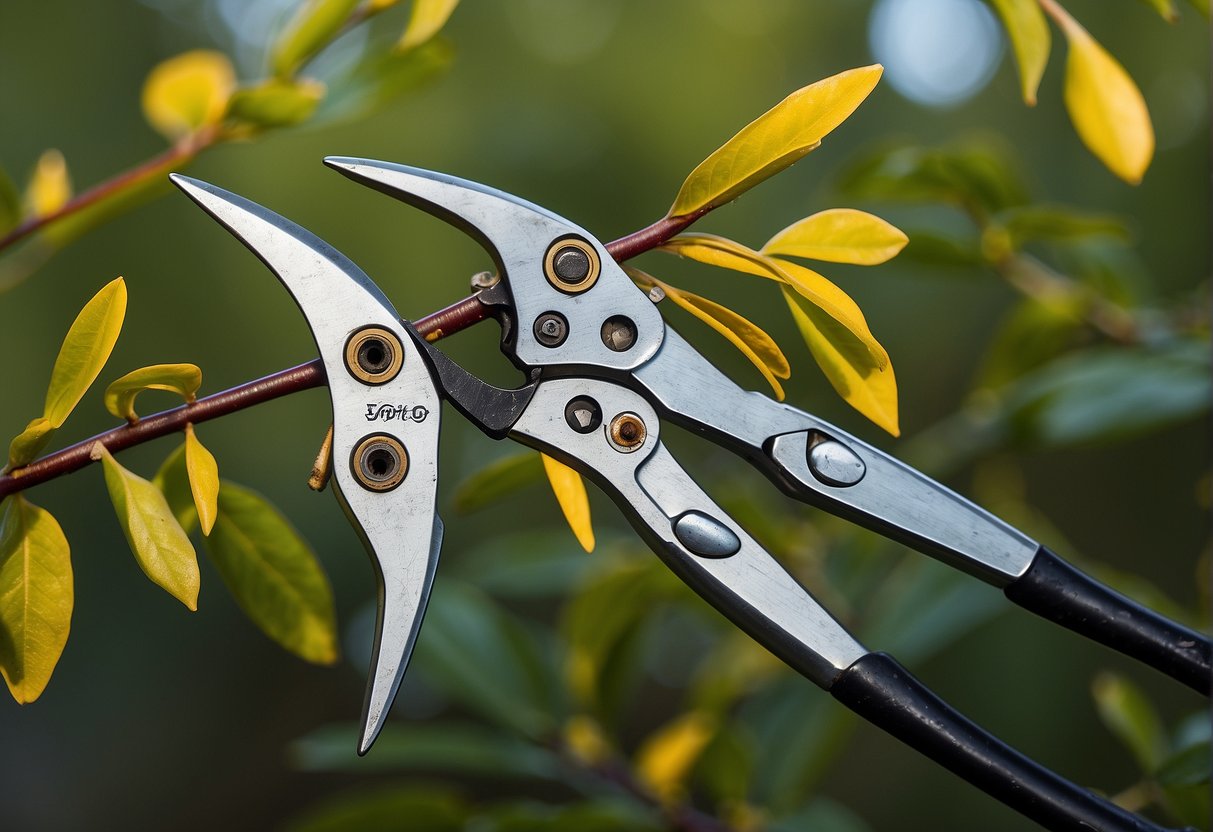
Firebush responds well to pruning and can be shaped into a hedge or tree form. Prune the plant in the late winter or early spring to encourage new growth. Remove any dead or damaged branches, and trim the plant to the desired shape. Firebush is generally a low-maintenance plant and does not require extensive care.
Propagation and Cultivation
Firebush can be propagated from cuttings or seeds. To propagate from cuttings, take a 4-6 inch cutting from a healthy plant and dip the end in rooting hormone. Plant the cutting in a well-drained potting mix and keep it moist until it roots. To propagate from seed, collect the berries from a mature plant and remove the seeds. Plant the seeds in a well-drained potting mix and keep it moist until they germinate.
Firebush is generally a pest-resistant plant but can be susceptible to mites and aphids. If you notice any pests, treat the plant with an insecticidal soap or neem oil. With proper care, firebush can provide beautiful blooms and attract hummingbirds, butterflies, and other pollinators to your garden.
Frequently Asked Questions
What type of soil is best for growing firebush?
Firebush thrives in well-draining soil that is rich in organic matter. The ideal soil pH should range between 5.5 and 7.5. Sandy loam soil is the best option for planting firebush, but it can also grow in other soil types. It’s important to avoid planting firebush in heavy clay soil, as it can cause root rot.
Can firebush thrive in partial shade, or does it require full sun?
Firebush requires full sun to grow and bloom to its full potential. It needs at least six hours of direct sunlight per day to produce vibrant flowers. If planted in partial shade, the plant may not bloom as well and could become spindly.
What are the ideal climate conditions for planting firebush?
Firebush thrives in warm and humid climates. It can tolerate temperatures as low as 28°F (-2°C) for short periods, but it is best to avoid planting in areas with prolonged freezing temperatures. The ideal temperature range for firebush is between 60°F (15°C) and 90°F (32°C).
How much space is needed between firebush plants when landscaping?
When planting firebush, it’s important to give each plant enough space to grow and spread. A spacing of 3 to 5 feet between plants is ideal. This allows for proper air circulation and prevents overcrowding, which can lead to disease and pest problems.
Are there any specific watering requirements for firebush?
Firebush requires moderate watering, especially during the first few months after planting. It’s important to keep the soil moist but not waterlogged. Once established, firebush is drought-tolerant and can survive on natural rainfall. However, during periods of prolonged drought, it’s important to water the plant deeply once a week.
What companion plants are recommended to grow alongside firebush?
Firebush pairs well with other plants that thrive in similar growing conditions, such as lantana, pentas, and salvia. These plants attract pollinators and provide a colorful backdrop for firebush. When choosing companion plants, it’s important to consider their water and light requirements to ensure they are compatible with firebush.
Hi Lovelies ! I made this blog to share my tips about Home Improvement, Children, Pets, Food, Gadgets, Automotive, Health & Beauty, and ways to be frugal while maintaining a natural lifestyle. Interested to be a Guest Blogger on my website? Please email me at: [email protected]