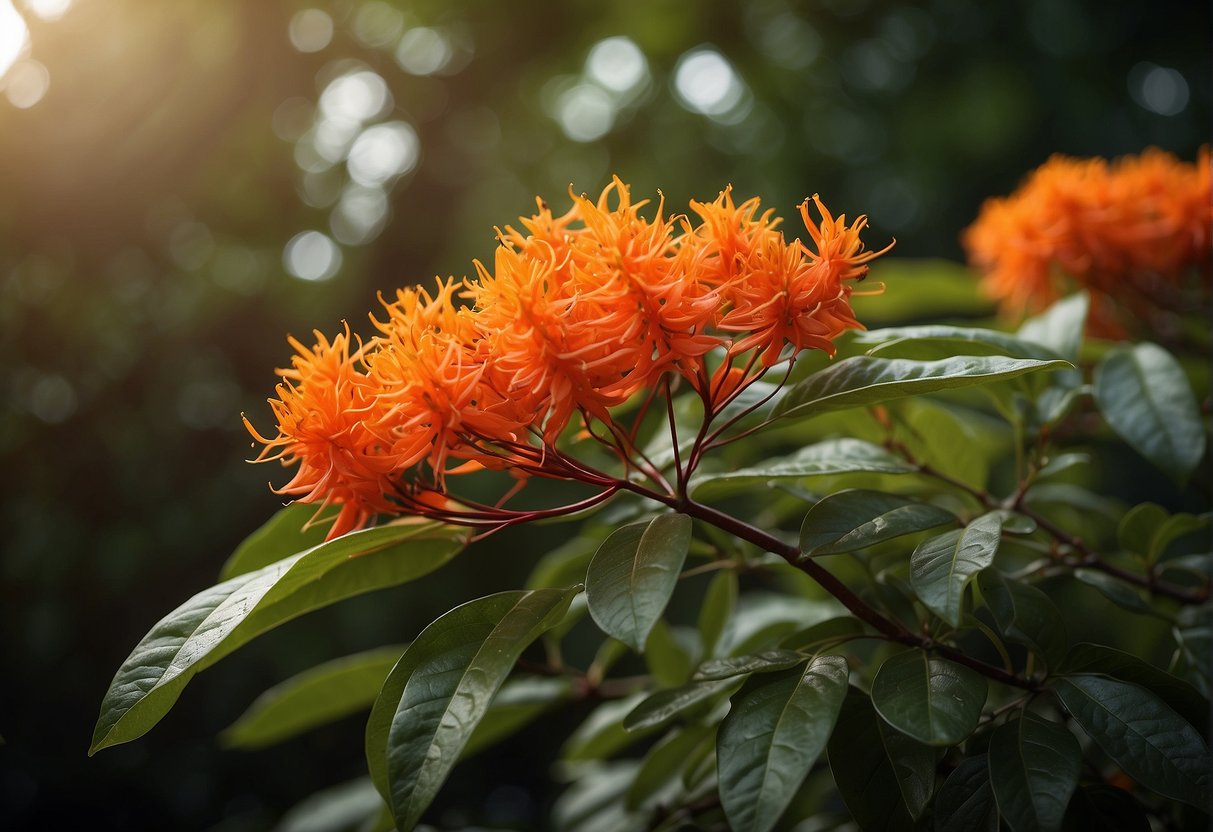

If gardening or landscaping piques your interest, you might be familiar with firebush. Known alternatively as Hamelia patens, this indigenous shrub is a favored option among enthusiasts eager to enrich their outdoor areas with vibrant hues and varying textures. However, what precisely is firebush, and what accounts for its widespread appeal?
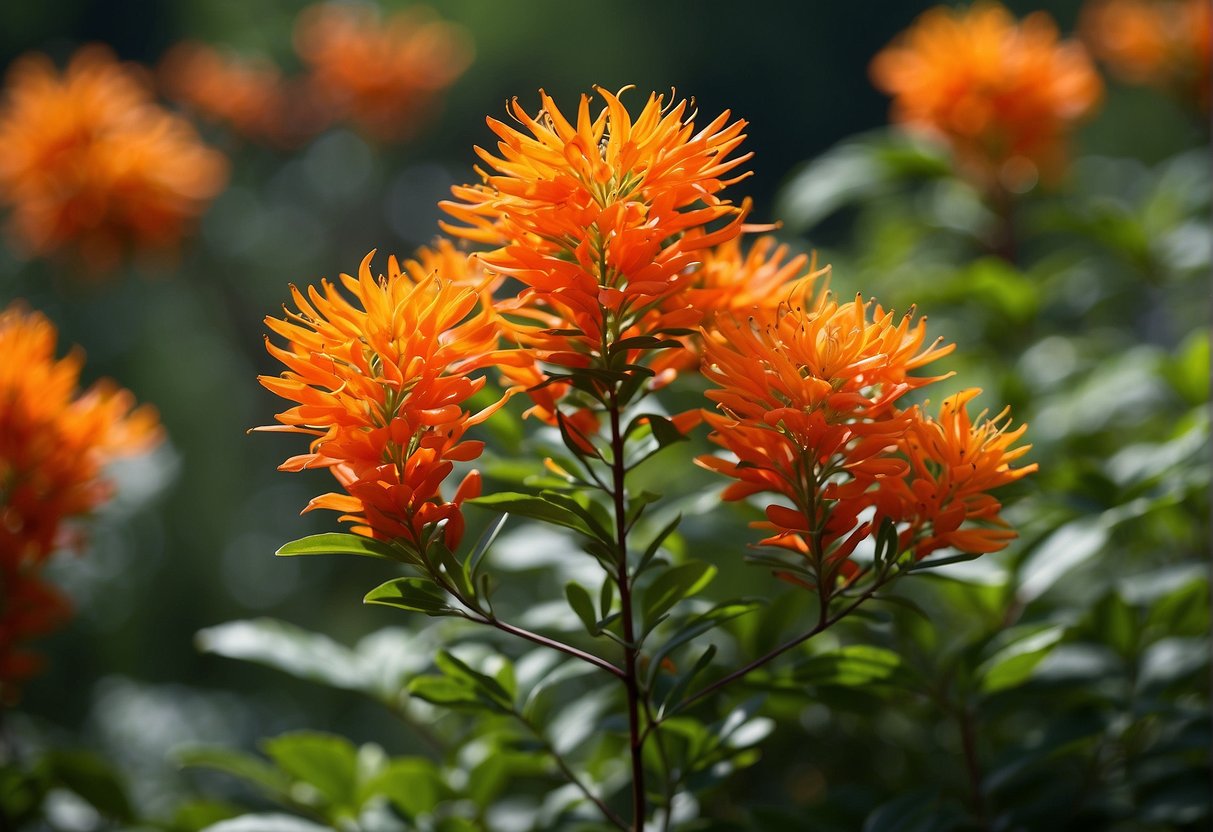
Firebush is a tropical shrub that is native to the southern United States, Mexico, Central America, and South America. It is known for its bright orange-red tubular flowers and glossy green leaves, which make it a standout in any garden. Firebush is also a favorite of hummingbirds and butterflies, making it a great choice for those looking to attract these pollinators to their yard.
If you’re considering adding firebush to your garden, it’s important to understand its cultivation and care. This shrub prefers full sun and well-drained soil, and can be propagated from cuttings or seeds. It is also relatively low-maintenance, requiring only occasional pruning to maintain its shape. With its vibrant blooms and easy care, firebush is a great choice for both novice and experienced gardeners alike.
Key Takeaways
- Firebush is a native shrub with bright orange-red flowers and glossy green leaves.
- It is a favorite of hummingbirds and butterflies, making it a great choice for those looking to attract pollinators to their yard.
- Firebush prefers full sun and well-drained soil, and is relatively low-maintenance, making it a great choice for both novice and experienced gardeners.
Understanding Firebush
Botanical Profile
Firebush, scientifically known as Hamelia patens, is a tropical woody shrub that belongs to the Rubiaceae family. It is a native plant of Central and South America and is also found in Florida and the Caribbean. Firebush is also known as scarlet bush, hummingbird bush, and redhead. There are two varieties of firebush – Hamelia patens var. glabra and Hamelia patens var. patens.
Habitat and Range
Firebush grows well in full sun and partial shade. It thrives in well-drained soil and can tolerate a variety of soil types, including sand and moist soils. This perennial plant is known for its heat tolerance and can withstand high temperatures. Firebush is a popular choice for hedges and can also be grown in pots.
Physical Characteristics
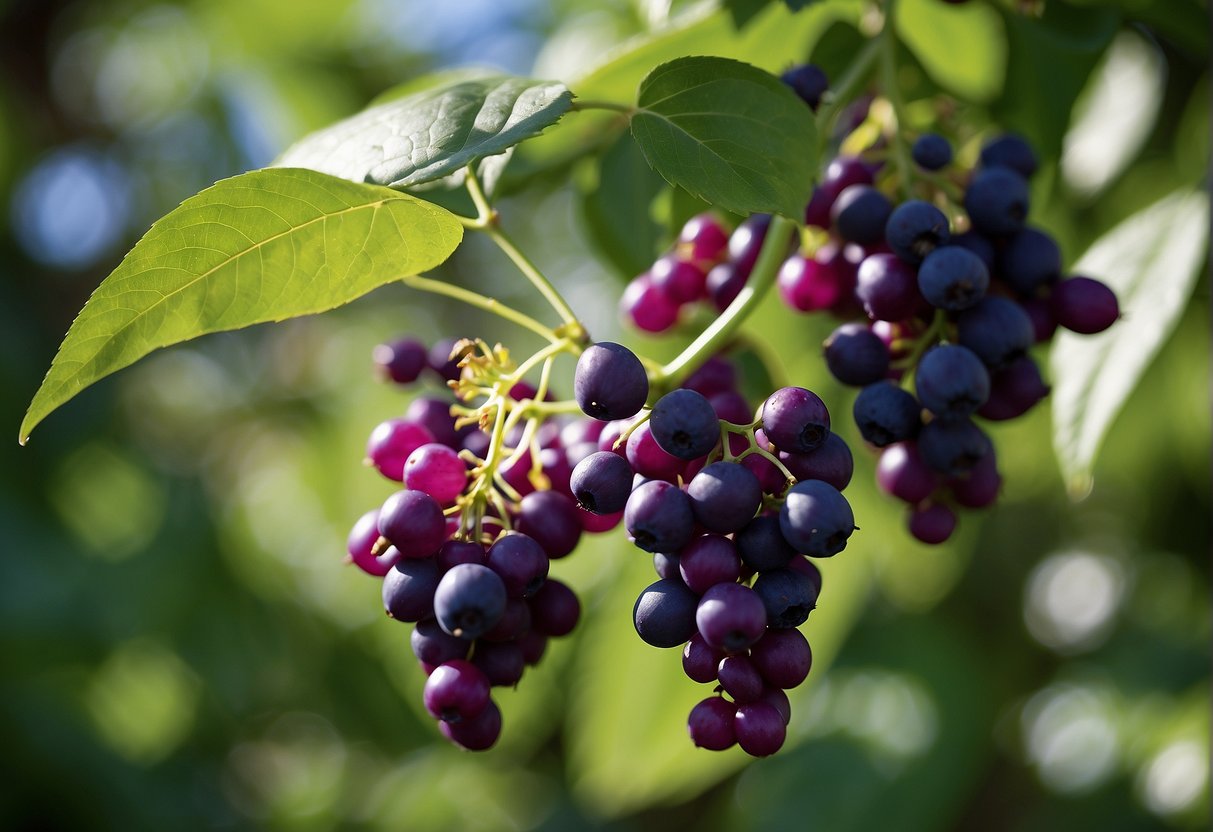
Firebush is a dwarf shrub that grows up to 8 feet tall and 6 feet wide. It has orange-red tubular flowers that bloom in summer and fall, attracting hummingbirds and butterflies. The plant produces berries that are a food source for birds. Firebush has dark green foliage that turns red in the fall. It is a hardy plant that can withstand frost.
In summary, firebush is a tropical woody shrub that is known for its heat tolerance, orange-red tubular flowers, and dark green foliage. It can be grown in full sun or partial shade and thrives in well-drained soils. Firebush is a popular choice for hedges and can also be grown in pots.
Cultivation and Care
Planting and Growth Conditions
Firebush is a drought-tolerant perennial that thrives in full sun exposure. It can also grow in partial shade, but it may produce fewer flowers. Firebush prefers well-drained soil that is moist but not too wet. Sandy soil is ideal, but it can also grow in dry soil conditions. When planting, make sure to space the plants at least 3 feet apart to allow for proper growth.
Maintenance and Pruning
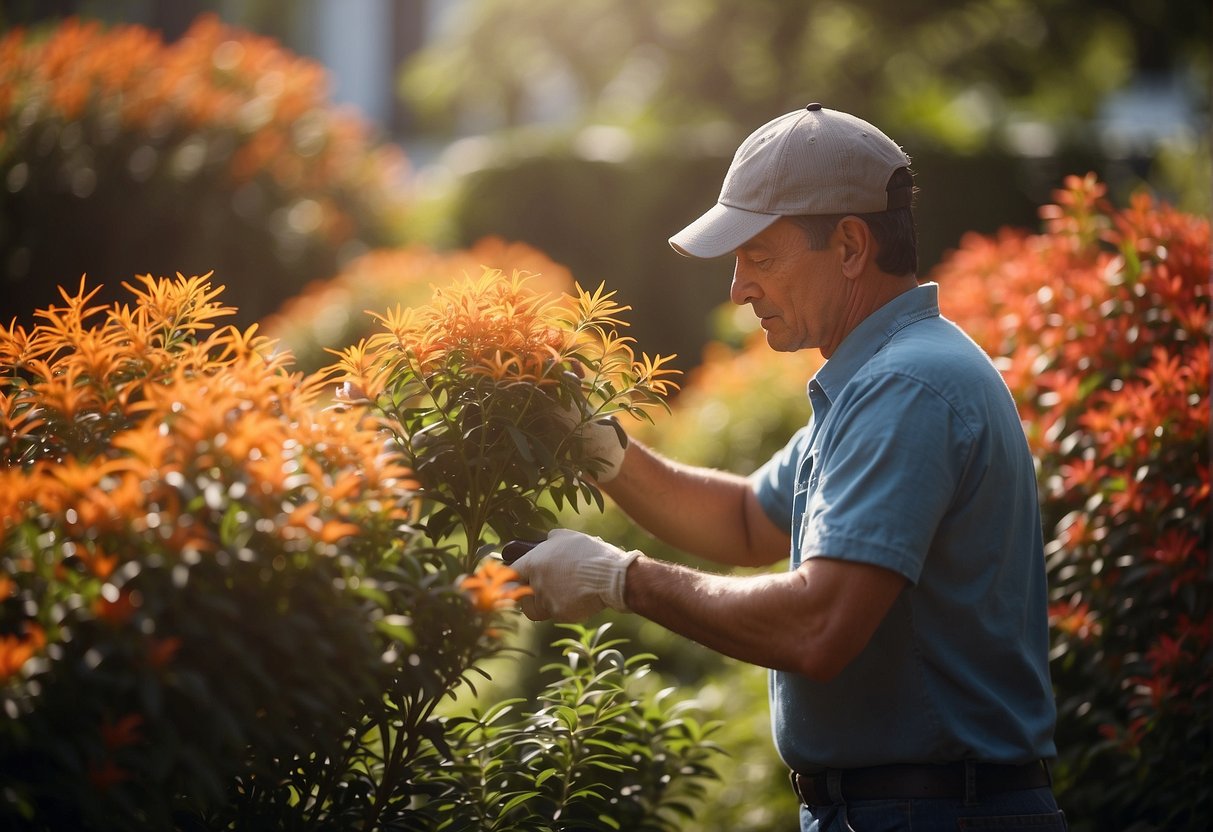
Firebush requires minimal care once it is established. However, pruning is recommended to maintain its shape and promote bushier growth. Prune the plant in late winter or early spring before new growth appears. Cut back any dead or damaged branches and trim back about one-third of the plant’s height. Firebush can also benefit from fertilization in the spring and summer months.
Propagation Methods
Firebush can be propagated through both cuttings and seeds. To propagate through cuttings, take stem cuttings from a healthy plant and dip the cut end in rooting hormone. Place the cutting in a pot with well-drained soil and keep it moist. It should root in about 4-6 weeks. To propagate through seeds, collect the seeds from the plant in the fall and sow them in pots or directly in the ground in the spring.
Pest and Disease Management
Firebush is relatively pest and disease-resistant. However, it may be susceptible to mites, aphids, and scale. To manage pests, use a mild soap solution to wash off any visible insects. If the infestation is severe, use an insecticide labeled for use on firebush. To prevent disease, avoid overwatering and make sure the soil is well-drained.
Frequently Asked Questions
Is Firebush a perennial plant?
Yes, Firebush is a perennial plant. This means that it can live for more than two years, and it will continue to grow and bloom year after year.
What are the benefits of planting Firebush?
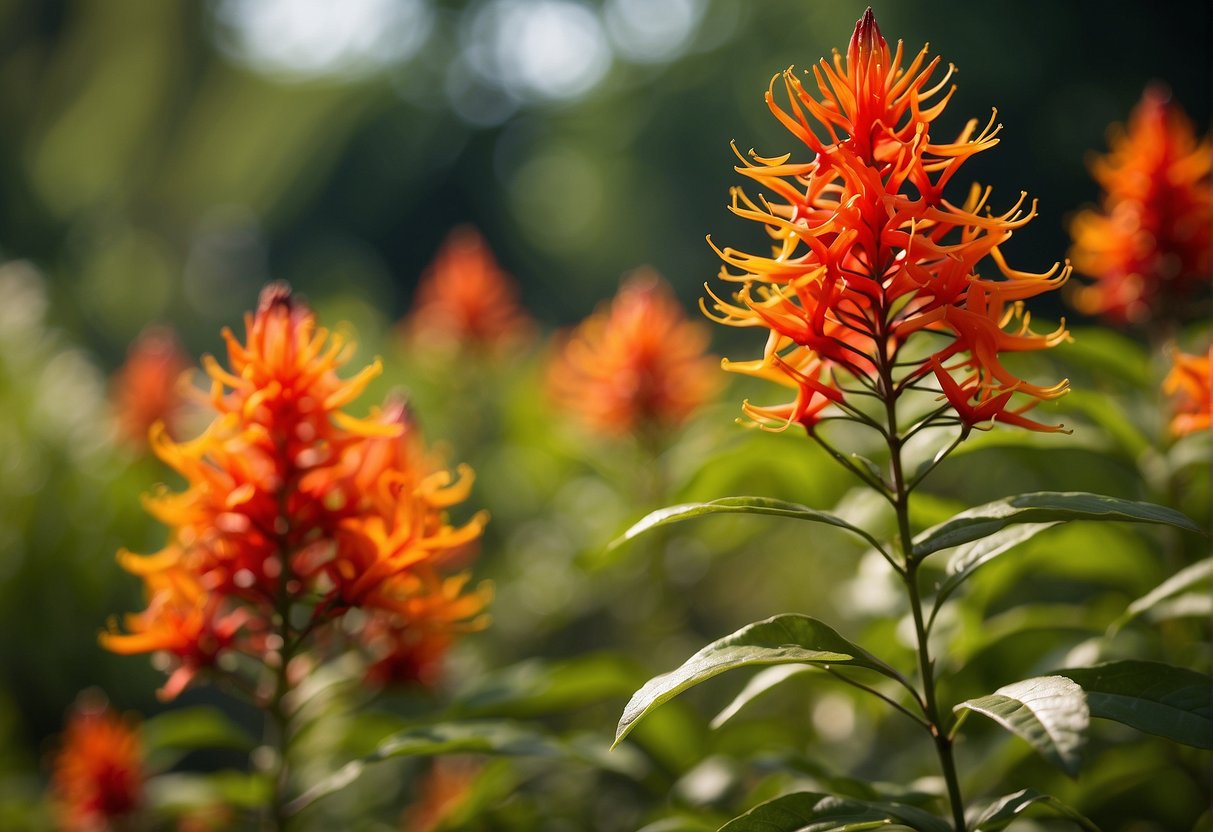
Firebush is a great addition to any garden or landscape. It is a low-maintenance plant that requires little water and can tolerate a wide range of soil types. It attracts hummingbirds and butterflies, making it a popular choice for those who want to create a wildlife-friendly garden. In addition, Firebush is known for its beautiful red, orange, and yellow flowers, which add color and interest to any space.
What are the sunlight requirements for Firebush?
Firebush thrives in full sun, but it can also grow in partial shade. If you want to get the best blooms, it is recommended that you plant Firebush in an area that receives at least six hours of direct sunlight per day.
Are Firebush and Hummingbird bush the same species?
Firebush and Hummingbird bush are not the same species, but they are closely related. Both plants belong to the family Verbenaceae, and they share many similar characteristics. However, Firebush is native to Florida, while Hummingbird bush is native to the southwestern United States and Mexico.
How do you care for a Firebush plant?
Firebush is a relatively low-maintenance plant. It requires regular watering, especially during the hot summer months, but it can tolerate drought conditions. It is important to prune Firebush regularly to promote healthy growth and to prevent it from becoming too woody. Fertilizing Firebush with a balanced fertilizer once a month during the growing season can also help to promote healthy growth.
What are common pests and diseases that affect Firebush?
Firebush is relatively resistant to pests and diseases, but it can be affected by spider mites, whiteflies, and scale insects. These pests can be controlled with insecticidal soap or horticultural oil. Firebush can also be affected by fungal diseases such as powdery mildew and leaf spot. These diseases can be prevented by providing good air circulation and avoiding overwatering.