
Yucca plants are favored by gardeners who wish to infuse a bit of arid charm into their outdoor spaces. Originating from the dry areas of North and Central America, these long-lasting plants stand out for their unique look and robust nature. As a variety of succulent, yuccas have the ability to retain water within their foliage and stems, rendering them capable of withstanding drought. This feature makes them drought-resistant and suited for surviving tough environments.
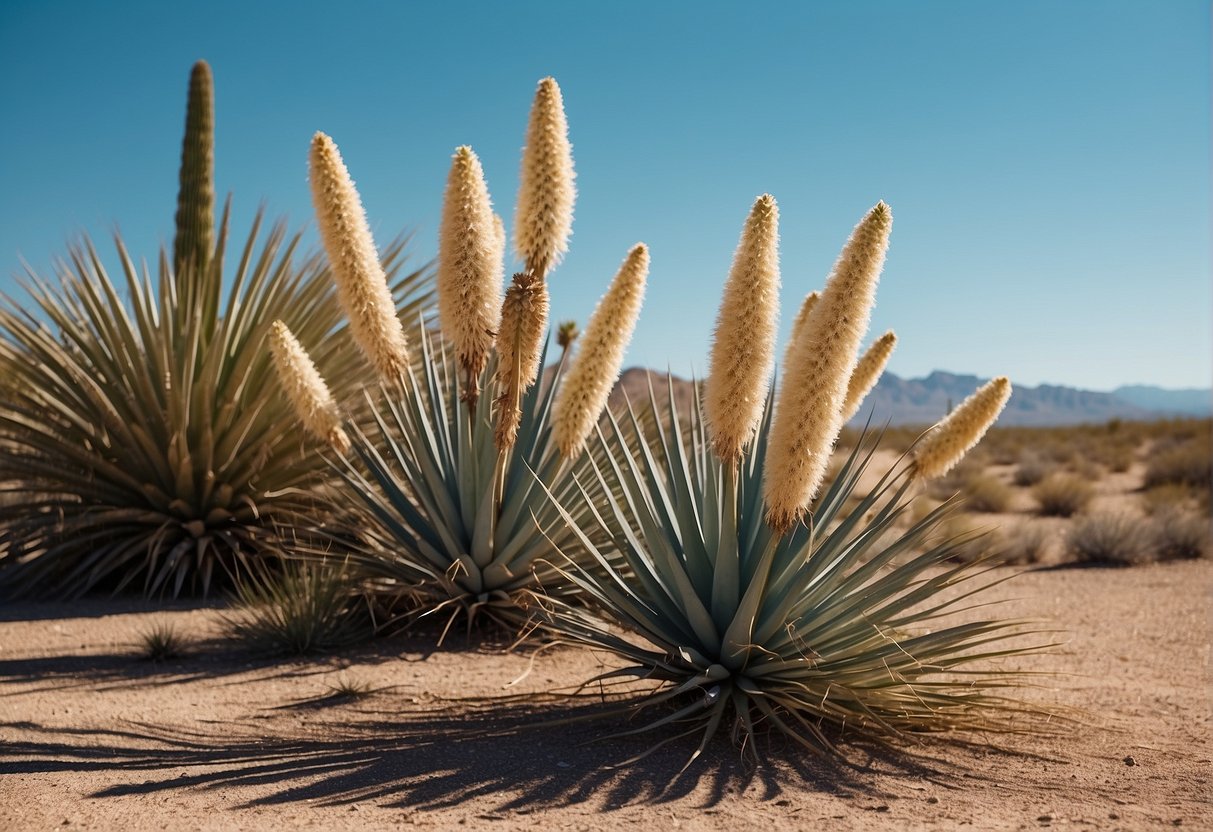
Understanding Yucca Plants is important for anyone looking to add them to their garden or landscape. These plants are known for their unique appearance, with long, spiky leaves and tall, branching stems that can reach up to 30 feet in height. They are also evergreen, meaning they retain their foliage year-round. Yucca plants come in a variety of species and cultivars, each with their own unique characteristics and growth habits.
Yucca Plant Care and Management is essential for ensuring these plants thrive in your garden. While they are hardy and able to tolerate a range of growing conditions, there are certain steps you can take to ensure they are healthy and happy. This includes providing well-draining soil, adequate sunlight, and proper watering. Additionally, pruning and fertilizing can help promote healthy growth and flowering.
Key Takeaways
- Yucca plants are a type of succulent that are native to arid regions of North and Central America.
- These plants are known for their unique appearance, hardiness, and evergreen foliage.
- Proper care and management, including well-draining soil, adequate sunlight, and pruning, can help ensure your yucca plants thrive.
Understanding Yucca Plants
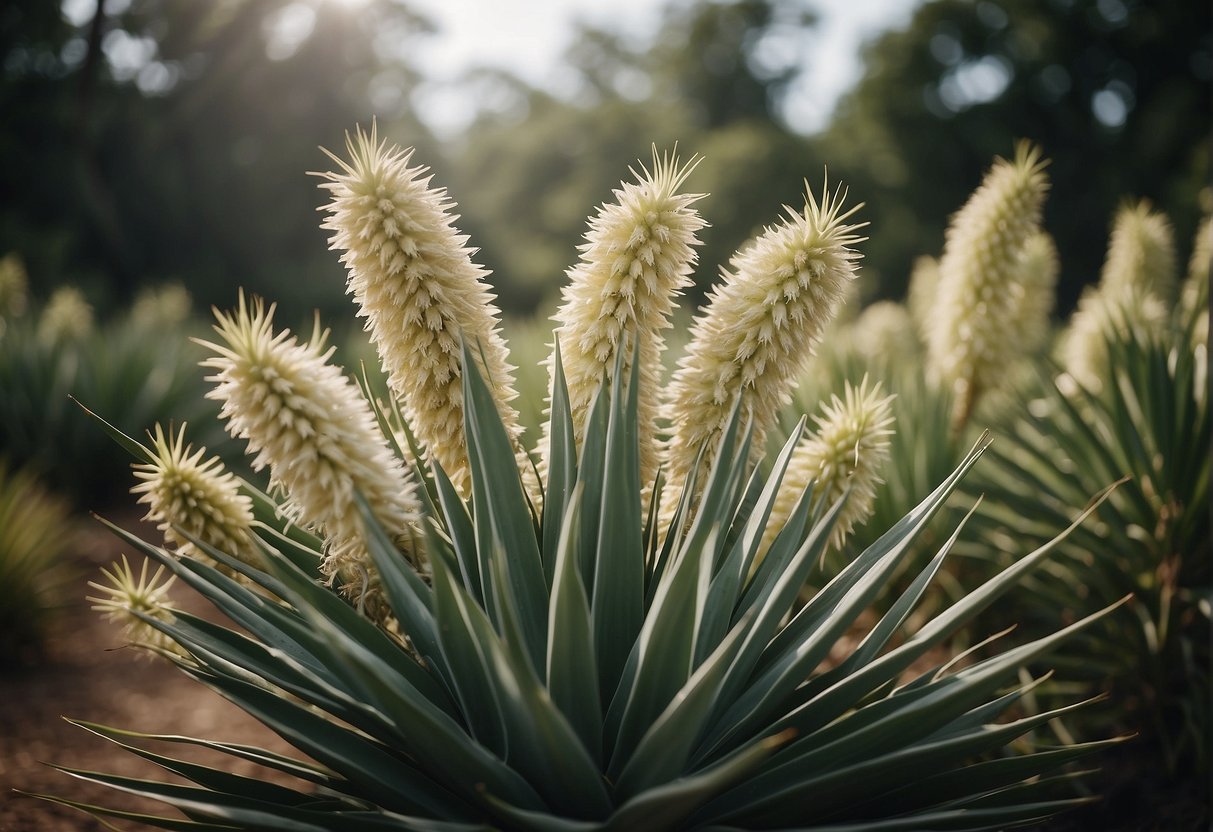
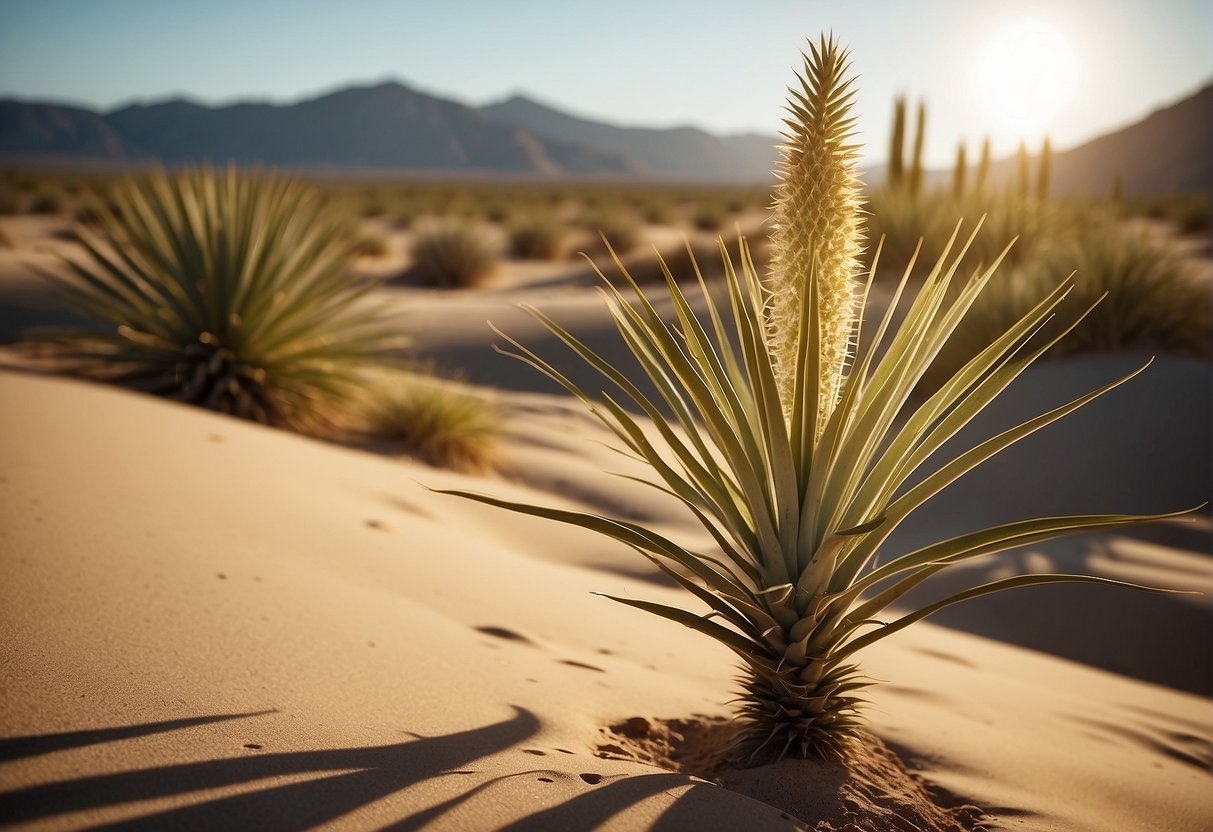
Yucca plants are a genus of perennial shrubs and trees in the Asparagaceae family. They are known for their sword-shaped, green foliage and beautiful flowers that bloom in a variety of colors such as white, cream, pink, blue, and yellow. Yuccas are native to hot and arid regions of North and Central America, and are widely cultivated as ornamental plants.
Botanical Profile
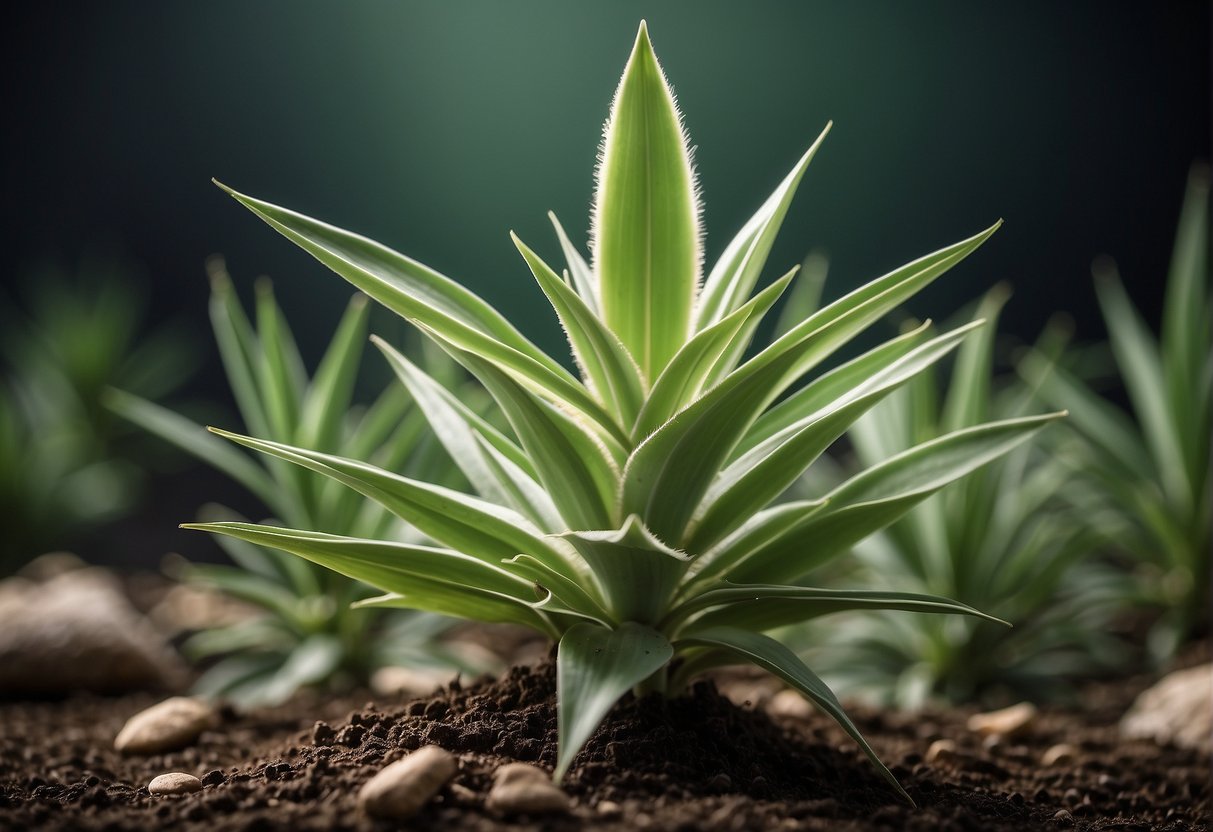
Yuccas belong to the genus Yucca, which includes about 40 species of plants. They are characterized by their rosettes of stiff, sword-shaped leaves and tall flower spikes that bloom in the spring and summer. Yuccas have a fibrous root system that allows them to survive in dry and rocky soils.
Physical Characteristics
Yucca plants come in a variety of shapes and sizes. Some species, like Yucca filamentosa and Yucca aloifolia, are low-growing shrubs while others, like Yucca elephantipes and Yucca brevifolia, can grow into tall trees. Yucca gloriosa, Yucca flaccida, Yucca baccata, Yucca rostrata, and Yucca glauca are other popular species of yucca plants. Some yuccas, like the spineless yucca, have softer leaves that lack the sharp spines found on other species. The Spanish bayonet and Joshua tree are also types of yuccas.
Growth Requirements
Yucca plants prefer full sun and well-draining soil, such as sand or well-drained soil. They are drought-tolerant and require little maintenance once established. Yuccas can grow in USDA hardiness zones 4 to 11, depending on the species. They should be watered sparingly, especially in early spring when they are actively growing. Yuccas are known for their resilience in hot and dry conditions and are a great choice for low-maintenance gardens.
Yucca Plant Care and Management
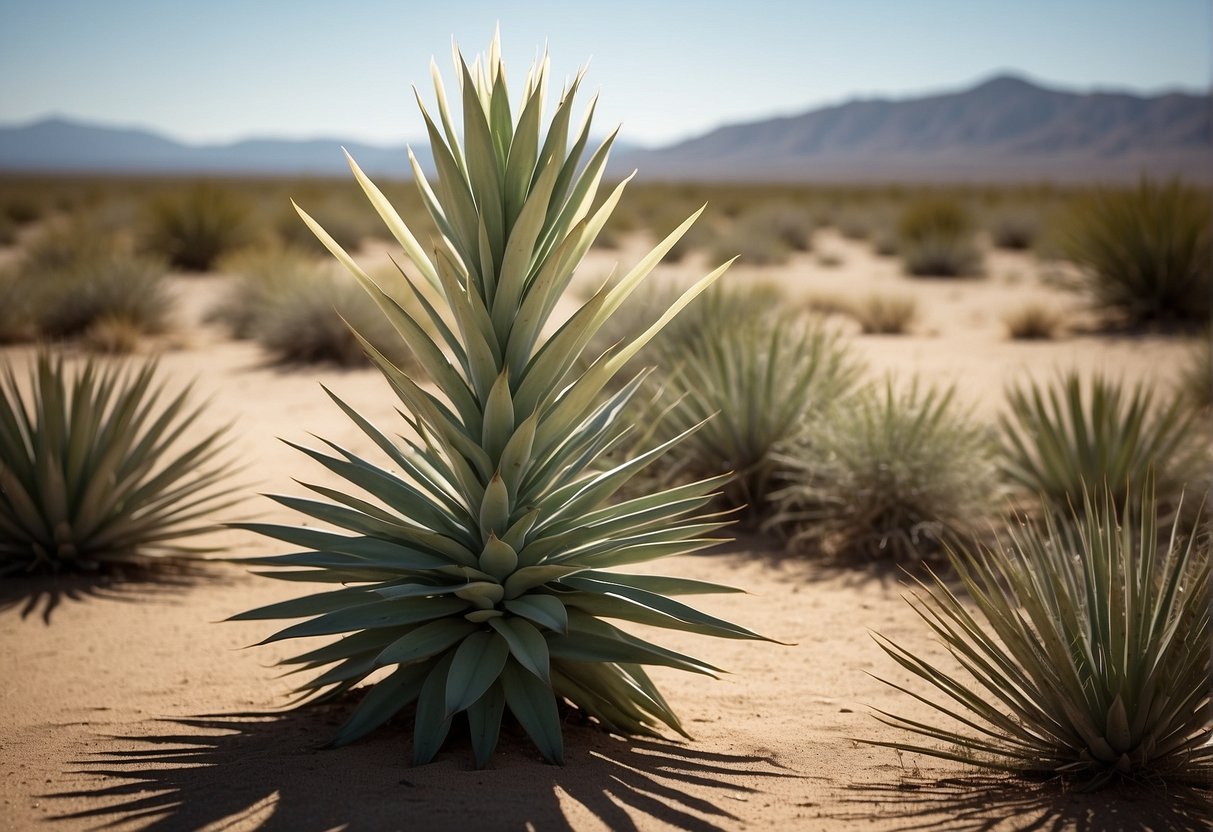
Yucca plants are low maintenance and easy to care for. However, proper care and management are essential to ensure that the plant remains healthy and vibrant. Here are some important aspects of yucca plant care and management:
Propagation and Planting
Yucca plants can be propagated from seeds or offsets. If you want to propagate your yucca plant, you can collect the seeds and plant them in a well-draining soil mix. It is important to keep the soil moist but not waterlogged.
Offsets can be removed from a mature plant and planted in a pot or container with well-draining soil. Make sure to plant the offsets at the same depth as they were in the original plant.
Maintenance Practices
Yucca plants are drought-tolerant and prefer to be slightly underwatered than overwatered. It is essential to avoid overwatering, as this can lead to root rot. Water the plant only when the soil is dry to the touch.
Yucca plants do not require frequent fertilization. You can fertilize the plant once a month during the growing season with a balanced fertilizer. Pruning is not necessary, but you can remove dead or damaged leaves to keep the plant looking neat.
Pests and Problems
Yucca plants are generally pest-free, but they can be susceptible to mealybugs, scale, and spider mites. These pests can be controlled with insecticidal soap or neem oil.
Overwatering can lead to root rot, which can be fatal to the plant. If you notice the leaves turning yellow or brown and the plant becoming mushy, it may be a sign of root rot. In this case, it is essential to remove the plant from the soil, cut off the affected roots, and replant in fresh soil.
In summary, yucca plants are easy to care for and require minimal maintenance. With proper care and management, your yucca plant can thrive and add beauty to your indoor or outdoor space.
Frequently Asked Questions
How do yucca plants benefit an indoor environment?
Yucca plants are known for their air-purifying properties. They can remove pollutants such as formaldehyde, benzene, and xylene from the air, making them a great addition to any indoor environment. Yucca plants also release oxygen at night, which can improve the air quality in your bedroom and help you sleep better.
Which parts of the yucca plant are considered toxic?
The yucca plant contains saponins, which are toxic to humans and animals if ingested in large quantities. The leaves and flowers of the yucca plant are the most toxic parts, while the roots and stems are less toxic. It is important to keep yucca plants out of reach of children and pets.
What are the ideal conditions for growing a yucca plant?
Yucca plants thrive in bright, indirect sunlight and well-draining soil. They prefer temperatures between 60-95°F (15-35°C) and can tolerate low humidity. Yucca plants do not require frequent watering and can survive in drought-like conditions. Overwatering can lead to root rot, so it is important to let the soil dry out between waterings.
Can yucca plants be used for medicinal purposes?
Yucca plants have been used for medicinal purposes by Native Americans for centuries. The roots of the yucca plant contain compounds that have anti-inflammatory properties and may help relieve arthritis symptoms. However, more research is needed to confirm the effectiveness of yucca plants for medicinal purposes.
How often should a yucca plant be watered?
Yucca plants do not require frequent watering and can survive in drought-like conditions. It is important to let the soil dry out between waterings to prevent root rot. In general, yucca plants should be watered every 2-3 weeks, depending on the humidity and temperature of your environment.
What are the common pests that affect yucca plants?
Yucca plants are relatively pest-resistant, but they can be affected by mealybugs, spider mites, and scale insects. These pests can be removed by wiping the leaves with a damp cloth or spraying the plant with insecticidal soap. It is important to regularly inspect your yucca plant for signs of pests and treat them promptly to prevent further damage.