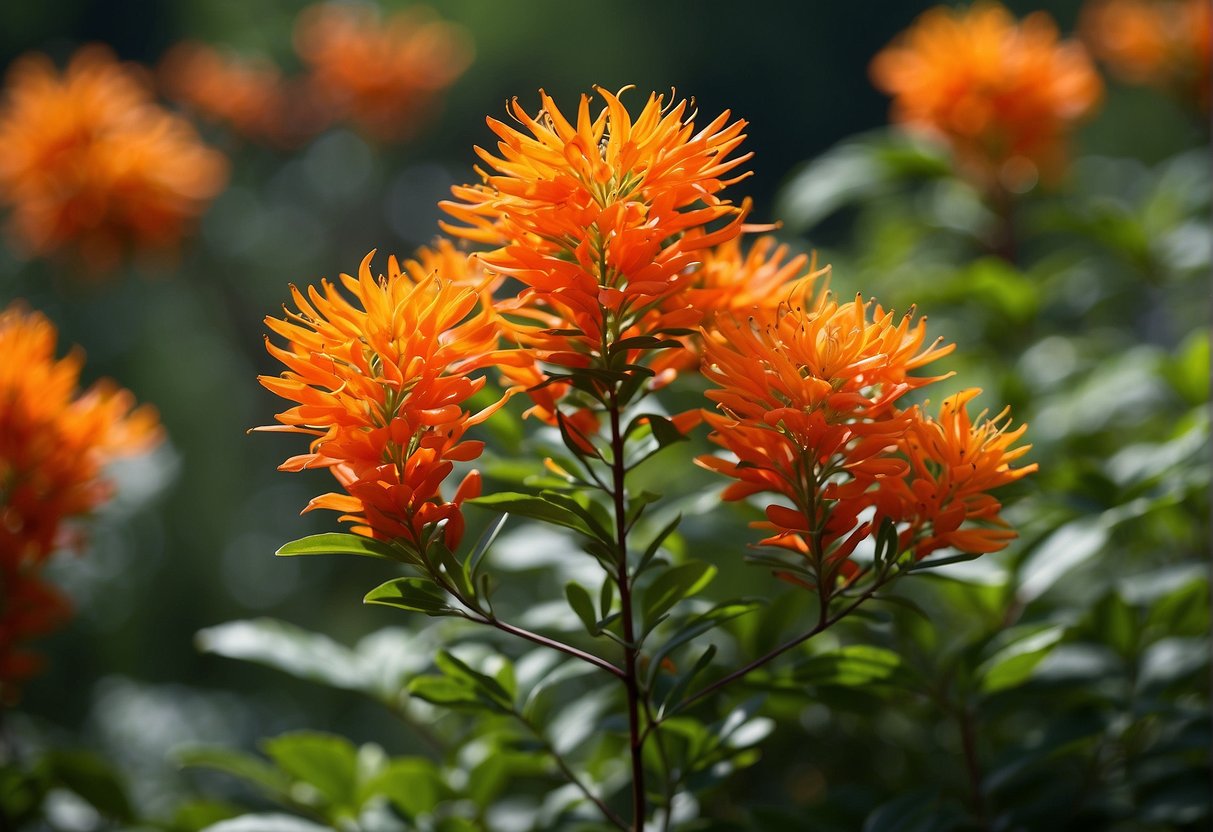

If gardening and landscaping are your passions, you’re likely familiar with the beautyberry. Known scientifically as Callicarpa americana, this ornamental bush thrives in the southeastern region of the United States. Its eye-catching purple berries and lively green leaves render it a stunning feature in any outdoor space. But what is it about beautyberry that sets it apart and captures the interest of so many?
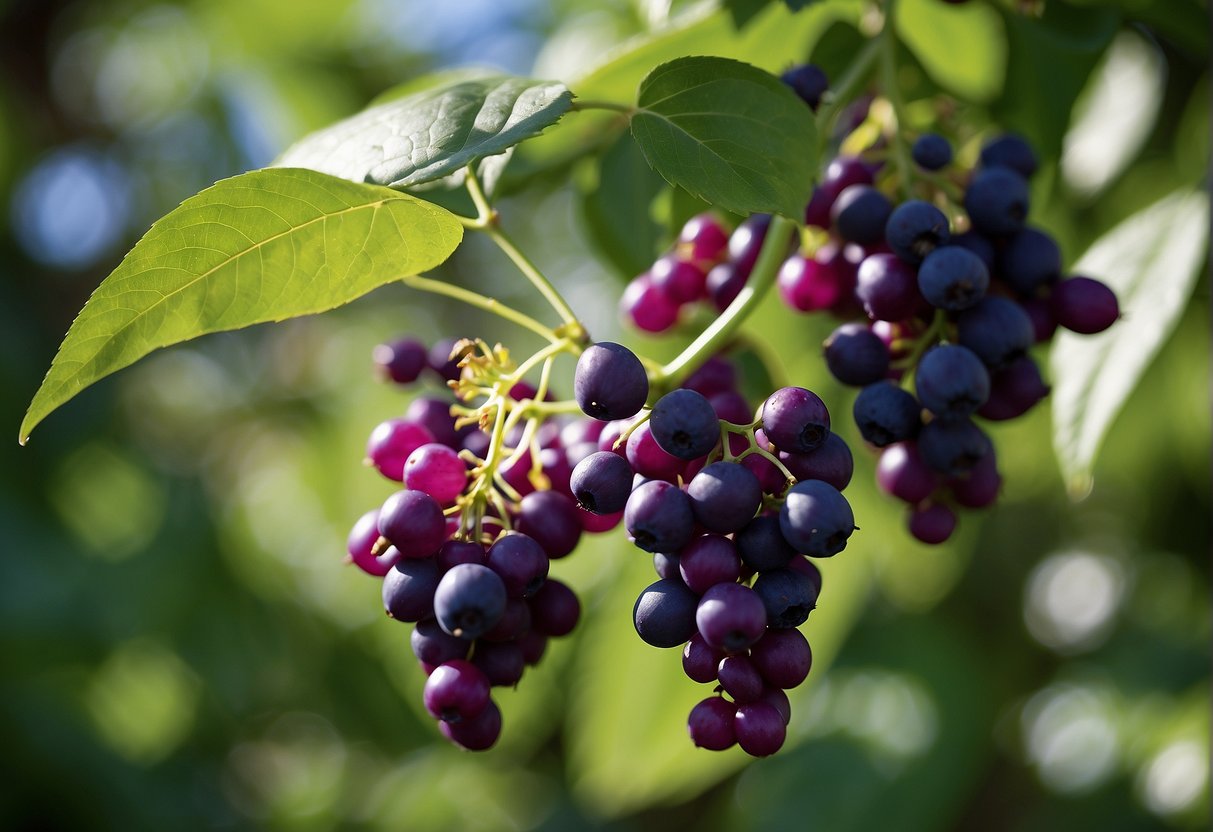
Beautyberry is a deciduous shrub that can grow up to 6 feet tall and wide. It is native to the southeastern United States, where it thrives in warm, humid climates. The plant produces clusters of small, pale pink flowers in the summer, which are followed by bright purple berries in the fall. The berries are a favorite food source for birds and other wildlife, and they can also be used to make jelly and other culinary treats. But beautyberry is more than just a pretty plant – it also has a long history of medicinal use in traditional herbal medicine.
Key Takeaways
- Beautyberry is a popular ornamental shrub that is native to the southeastern United States.
- The plant produces striking purple berries that are a favorite food source for wildlife.
- Beautyberry has a long history of medicinal use in traditional herbal medicine.
Understanding Beautyberry
Beautyberry (Callicarpa) is a genus of deciduous shrubs that are native to North America and Asia. These plants are known for their clusters of small, purple flowers that bloom in late summer and early fall, followed by bright, showy berries that persist into winter.
Botanical Profile
Beautyberry belongs to the Lamiaceae family and is characterized by its arching branches, green leaves, and clusters of colorful berries. There are several species of beautyberry, including Callicarpa americana, Callicarpa japonica, Callicarpa dichotoma, and Callicarpa bodinieri.
Physical Characteristics
Beautyberry is a shrub that can grow up to 6 feet in height and width. The American beautyberry (Callicarpa americana) is a native plant of the southeastern United States, while the Japanese beautyberry (Callicarpa japonica) is native to Asia. The French mulberry (Callicarpa bodinieri) is a hybrid of the American and Japanese species.
Varieties and Relatives
There are several types of beautyberry, including the American beautyberry, Japanese beautyberry, and French mulberry. These plants are closely related to other members of the Lamiaceae family, such as mint and sage.
Seasonal Changes
Beautyberry is a plant that changes with the seasons. In late summer and early fall, the shrub produces small, purple flowers that attract pollinators. As the flowers fade, they are replaced by clusters of bright, showy berries that persist into winter.
Wildlife Interactions
Beautyberry is a popular plant among birds and other wildlife. The bright, colorful berries are a source of food for many animals, including songbirds and small mammals. The plant is also known to repel mosquitoes, making it a popular choice for landscaping.
Cultivation and Care
Beautyberry is a low-maintenance plant that is relatively easy to grow. It prefers well-drained soil and can tolerate a range of soil types and pH levels. The plant can be propagated by seed or softwood cuttings, and should be pruned in late winter or early spring to promote new growth.
Garden and Landscape Uses
Beautyberry is a popular ornamental plant that is often used in borders and mass plantings. It is also a popular specimen plant, thanks to its colorful berries and arching branches. The plant is hardy in zones 5-8 and is well-suited to the southeastern United States.
Regional Adaptation
Beautyberry is a plant that is well-adapted to the climate and soil conditions of the southeastern United States. It is drought-tolerant and can tolerate a range of temperatures and humidity levels.
Maintenance and Pruning Tips
Beautyberry is a low-maintenance plant that requires minimal care. It should be pruned in late winter or early spring to promote new growth, and should be watered regularly during the first year after planting.
Beautyberry in Different Seasons
Beautyberry is a plant that changes with the seasons. In late summer and early fall, the shrub produces small, purple flowers that attract pollinators. As the flowers fade, they are replaced by clusters of bright, showy berries that persist into winter.
Dealing with Pests and Diseases
Beautyberry is a relatively pest- and disease-resistant plant. However, it can be susceptible to fungal diseases and should be monitored for signs of leaf spot or powdery mildew.
Optimal Growing Conditions
Beautyberry prefers well-drained soil and can tolerate a range of soil types and pH levels. It requires full sun to part shade and is drought-tolerant once established.
Planting and Initial Care
Beautyberry should be planted in the fall or early spring. It should be watered regularly during the first year after planting to ensure that it becomes established.
Beautyberry Throughout the Year
Beautyberry is a plant that changes with the seasons. In late summer and early fall, the shrub produces small, purple flowers that attract pollinators. As the flowers fade, they are replaced by clusters of bright, showy berries that persist into winter. The plant is also known for its colorful new growth in the spring and its winter interest, thanks to its persistent berries.
Frequently Asked Questions
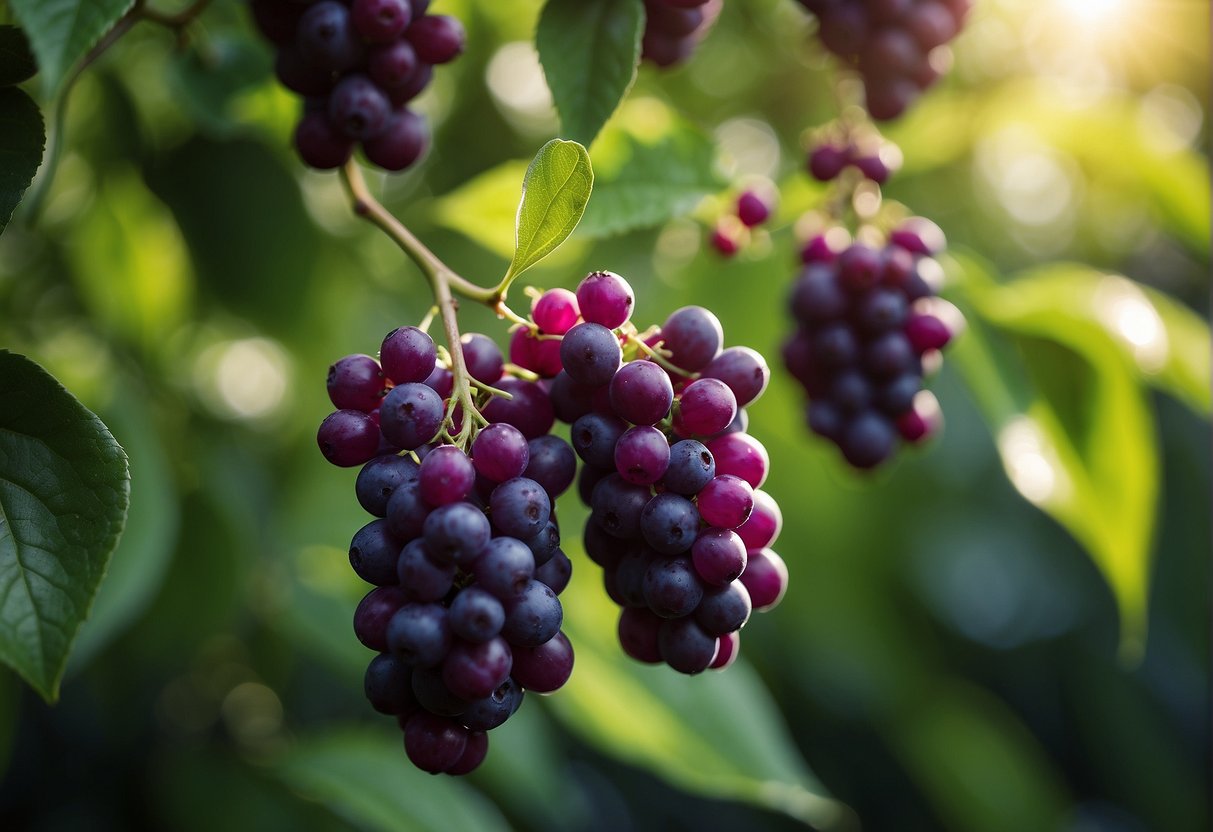
Can you consume beautyberry fruit safely?
Beautyberry fruit is not considered edible and can cause stomach upset if consumed in large quantities. The fruit is primarily used for ornamental purposes and is not commonly used in culinary applications.
What are the medicinal uses of beautyberry?
Beautyberry has a long history of medicinal use by Native Americans, who used it to treat a variety of ailments such as colic, fever, and rheumatism. Recent studies have shown that compounds found in beautyberry have anti-inflammatory, antioxidant, and anti-cancer properties, but more research is needed to fully understand its potential medicinal uses.
How effective is beautyberry as a natural insect repellent?
Beautyberry leaves and fruit have been shown to contain compounds that are effective at repelling mosquitoes and other insects. While it may not be as effective as commercial insect repellents, it can be a natural alternative for those who prefer to avoid synthetic chemicals.
What is the environmental impact of cultivating American Beautyberry?
American Beautyberry is a native plant that is well-adapted to the local environment and can provide important habitat and food sources for wildlife. Cultivating beautyberry can help support local ecosystems and promote biodiversity.
How can beautyberry be integrated into landscape design?
Beautyberry is a versatile plant that can be used in a variety of landscape designs. Its colorful fruit and foliage make it a popular choice for borders, hedges, and mixed plantings. It can also be used to attract wildlife to gardens and natural areas.
What are the care requirements for a beautyberry plant?
Beautyberry is a low-maintenance plant that prefers well-drained soil and partial shade. It can tolerate a range of soil types and moisture levels, but may require additional watering during periods of drought. Pruning can help maintain the plant’s shape and promote healthy growth.