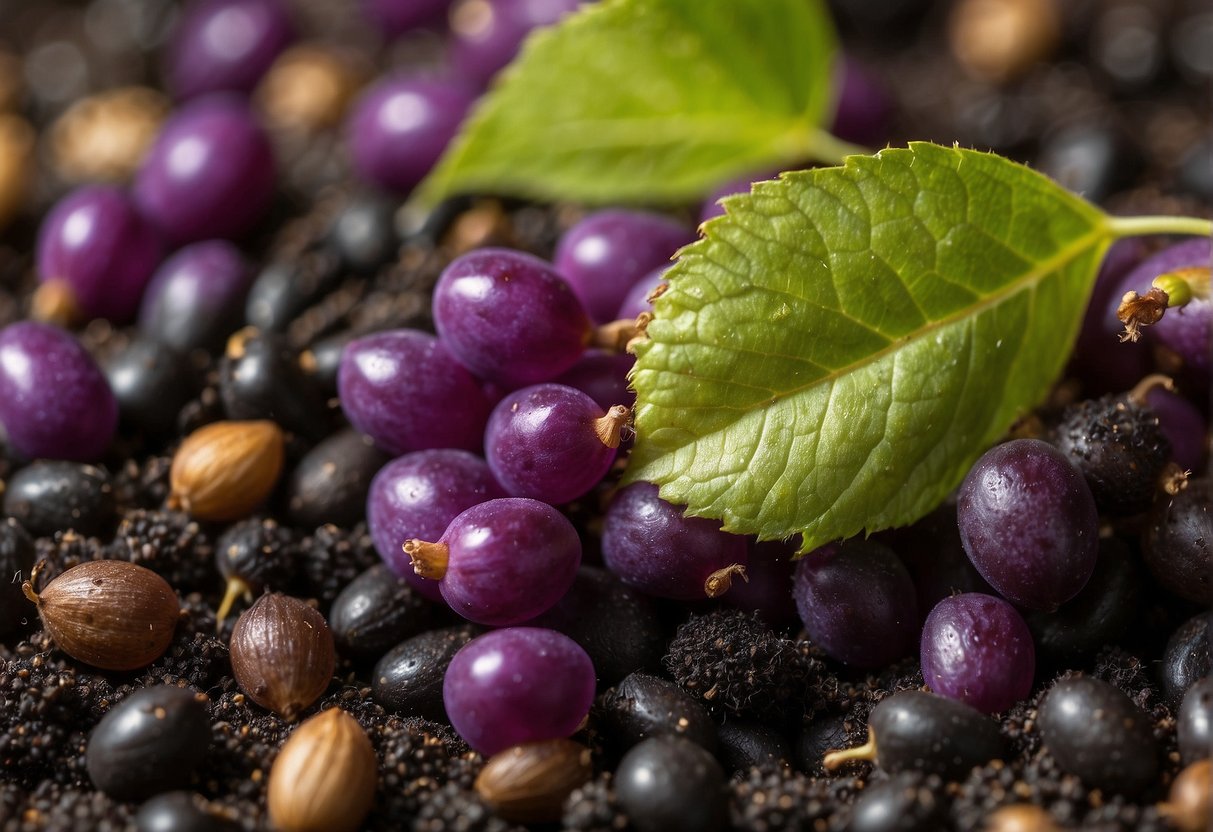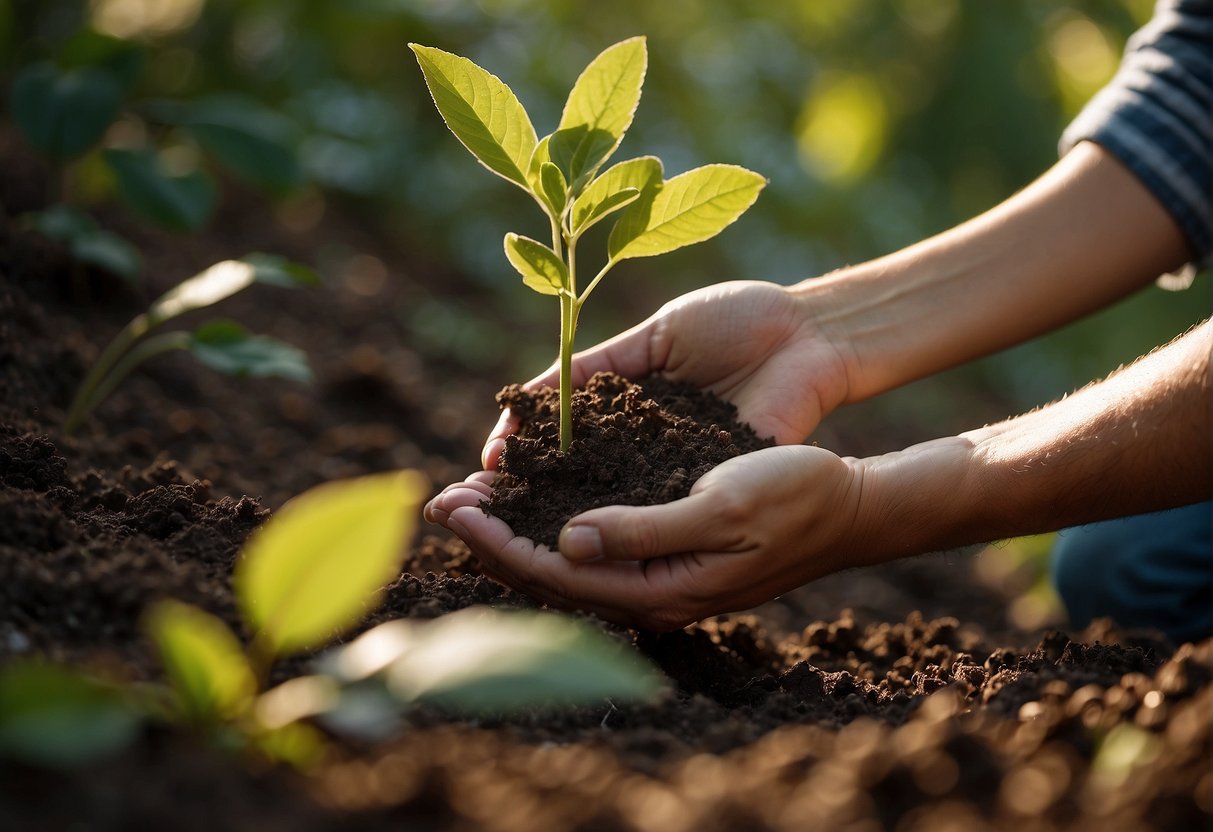

Should you aim to inject a splash of color into your garden, beautyberry plants stand out as a superb choice. Recognized for their striking purple berries that cluster on their branches, these plants not only add aesthetic appeal but also offer the opportunity to propagate new plants from the seeds within these berries. In this guide, we will walk you through the process of pinpointing and gathering seeds from beautyberry plants, and provide insights on how to successfully germinate and cultivate them.
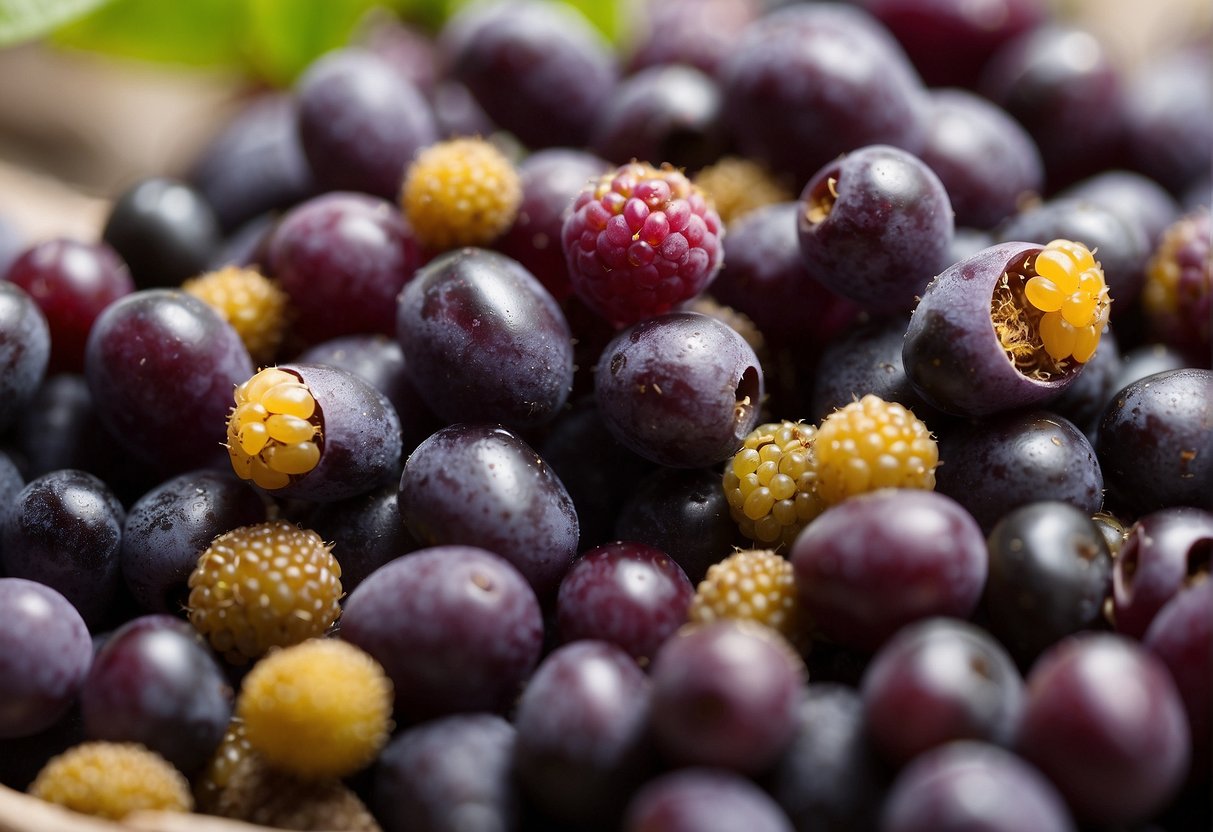
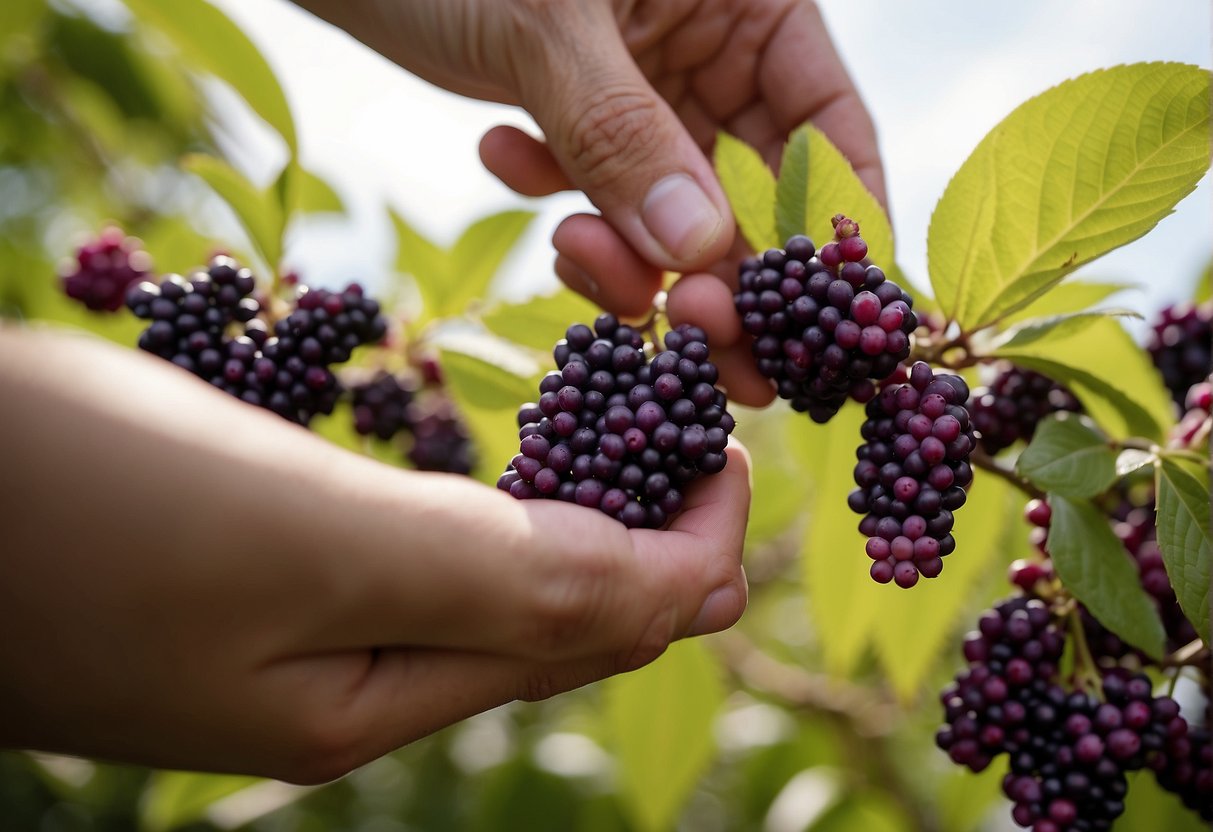
Identifying and collecting beautyberry seeds is a simple process that can be done in the late fall or early winter. The first step is to find a mature beautyberry plant with ripe berries. Look for clusters of bright purple berries that are plump and juicy. Once you’ve found a plant, gently pull the berries off the stem and collect them in a container. Be sure to wear gloves, as the leaves and stems of the plant can be prickly.
After you’ve collected your beautyberry seeds, it’s time to prepare them for planting. This involves removing the outer layer of the berry to reveal the seed inside. You can do this by crushing the berries with a mortar and pestle or rubbing them against a fine mesh screen. Once you’ve separated the seeds from the pulp, you can plant them in soil or store them for later use. In the next section, we’ll go over the steps for germinating and planting beautyberry seeds.
Key Takeaways
- Beautyberry seeds can be harvested from ripe berries in the late fall or early winter.
- To prepare the seeds for planting, remove the outer layer of the berry to reveal the seed inside.
- Germinating and planting beautyberry seeds involves keeping them moist and warm until they sprout.
Identifying and Collecting Beautyberry Seeds
Recognizing Ripe Beautyberries
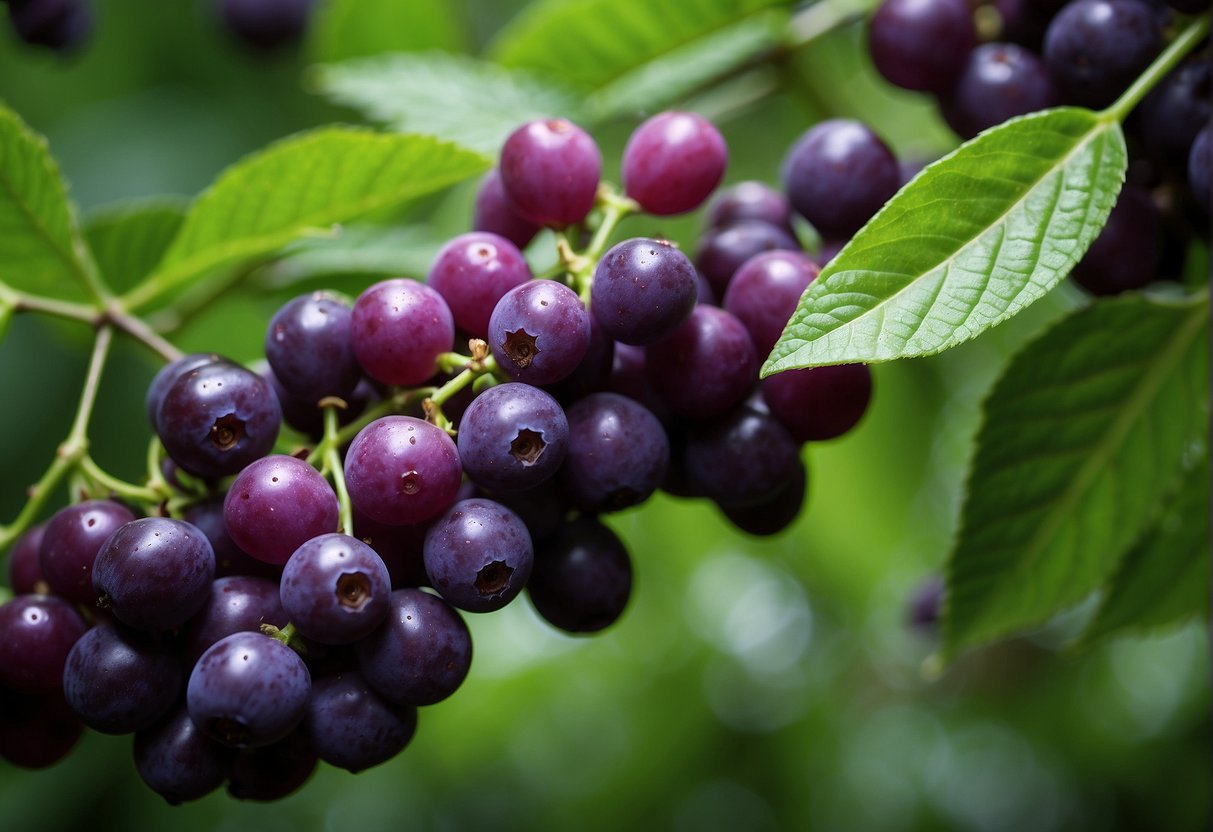
Before you can harvest beautyberry seeds, you need to know how to identify ripe beautyberries. American beautyberry, also known as Callicarpa, produces clusters of purple berries in the fall. The leaves of the beautyberry plant are oval and have a serrated edge.
To recognize ripe beautyberries, look for clusters of plump, purple berries that are evenly colored. The berries should be soft to the touch and easily come off the stem when gently pulled. Avoid picking berries that are still green or have a mottled appearance, as they are not yet ripe.
Harvesting Seeds from Berries
Once you have identified ripe beautyberries, it’s time to harvest the seeds. Start by gently removing the berries from the stem using a clean spoon. Place the berries in a container and use a fork to mash them up.
Next, fill the container with water and stir the mixture. The seeds will sink to the bottom while the pulp and debris will float to the top. Use a spoon to remove the debris and pulp from the surface of the water, being careful not to disturb the seeds at the bottom of the container.
Finally, pour the water and seeds through a fine mesh strainer to remove any remaining debris. Spread the seeds out on a paper towel to dry for a few days before storing them in an airtight container.
By following these simple steps, you can easily harvest and store beautyberry seeds for future use.
Germinating and Planting Beautyberry Seeds
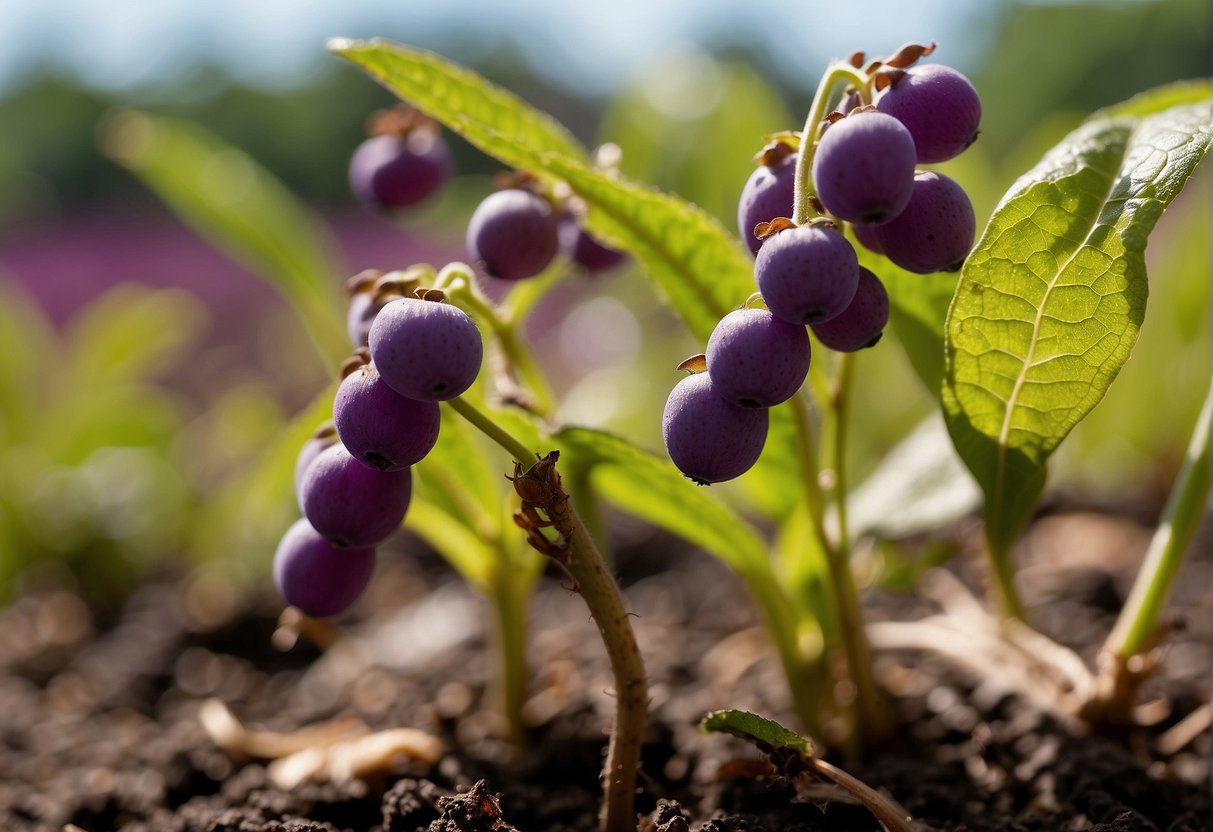
If you have harvested beautyberry seeds, you can grow your own beautyberry plants by germinating and planting the seeds. Here are the steps to follow:
Preparing Seeds for Germination
Before you can germinate beautyberry seeds, you need to prepare them. Start by cleaning the seeds and removing any pulp or debris. You can do this by washing the seeds in a strainer or by rubbing them gently with a paper towel.
Next, you need to scarify the seeds. This means breaking or weakening the seed coat to help the seed germinate. You can scarify beautyberry seeds by soaking them in hot water for 24 hours or by nicking the seed coat with a knife or sandpaper.
Sowing and Caring for Seedlings
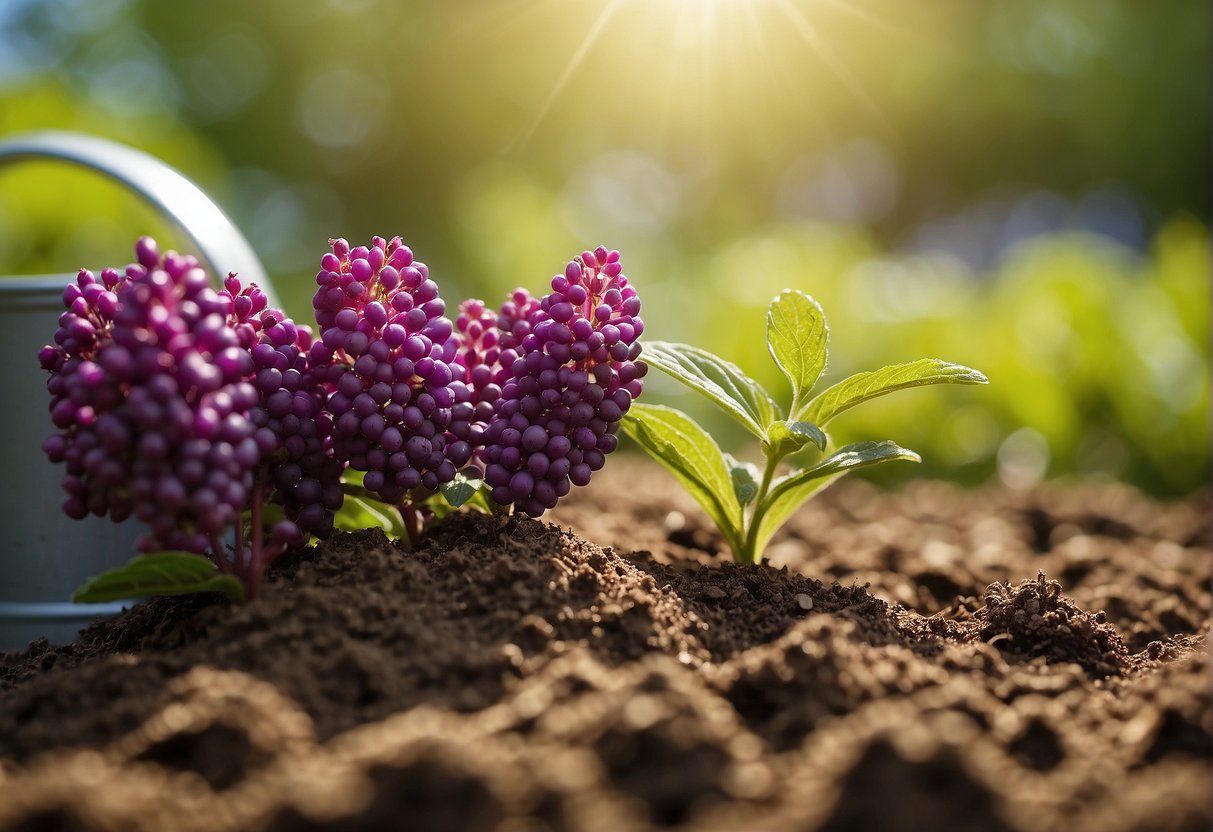
Once you have prepared the seeds, you can sow them in seedling trays filled with moist soil. Place the trays in a warm, well-lit area, but out of direct sunlight. Cover the trays with plastic bags to help retain moisture.
Check the trays daily and mist the soil with water as needed to keep it moist. It may take two to four weeks for the seeds to germinate.
Once the seedlings have emerged, remove the plastic bags and continue to water them regularly. When the seedlings are large enough to handle, transplant them into individual pots filled with compost-rich soil.
Fertilize the seedlings every two weeks with a balanced fertilizer, and provide them with plenty of light. Keep the soil moist, but not waterlogged.
With proper care, your beautyberry seedlings should grow into healthy plants that will provide you with beautiful berries for years to come.
Frequently Asked Questions
When is the best time to harvest beautyberry seeds?
The best time to harvest beautyberry seeds is in the fall when the berries have fully ripened and turned a vibrant shade of purple. This is usually between September and October.
What is the proper technique for collecting beautyberry seeds?
To collect beautyberry seeds, simply pluck the berries from the plant and remove them from the stem. Crush the berries with your fingers or a spoon to release the seeds. Be careful not to damage the seeds in the process.
Do beautyberry seeds require any special treatment before planting?
Yes, beautyberry seeds require a period of stratification before planting. This means that they need to be exposed to cold temperatures for several weeks to simulate winter conditions. This can be achieved by placing the seeds in a plastic bag with a damp paper towel and storing them in the refrigerator for 6-8 weeks.
How should beautyberry seeds be stored after harvesting?
After harvesting, beautyberry seeds should be stored in a cool, dry place. You can store them in an airtight container or plastic bag in the refrigerator until you are ready to plant them.
What are the steps to propagate beautyberry from harvested seeds?
To propagate beautyberry from harvested seeds, start by stratifying the seeds as described above. Once the seeds have been stratified, plant them in a well-draining potting mix and keep them moist. Place the pot in a warm, bright location and wait for the seeds to germinate. Once the seedlings have developed several leaves, they can be transplanted into larger pots or directly into the garden.
Is it necessary to dry beautyberry seeds before sowing?
No, it is not necessary to dry beautyberry seeds before sowing. In fact, it is better to plant them while they are still fresh and moist. However, it is important to make sure that the seeds have been stratified before planting.