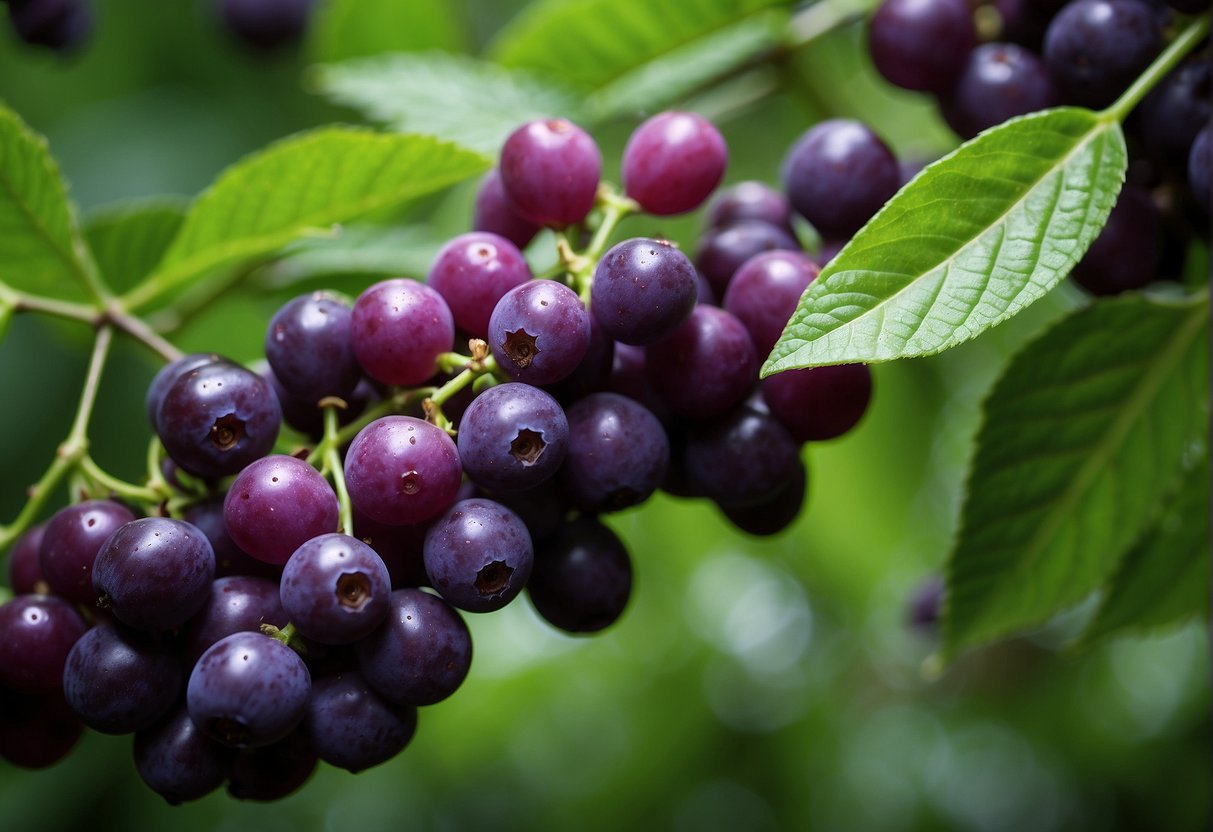

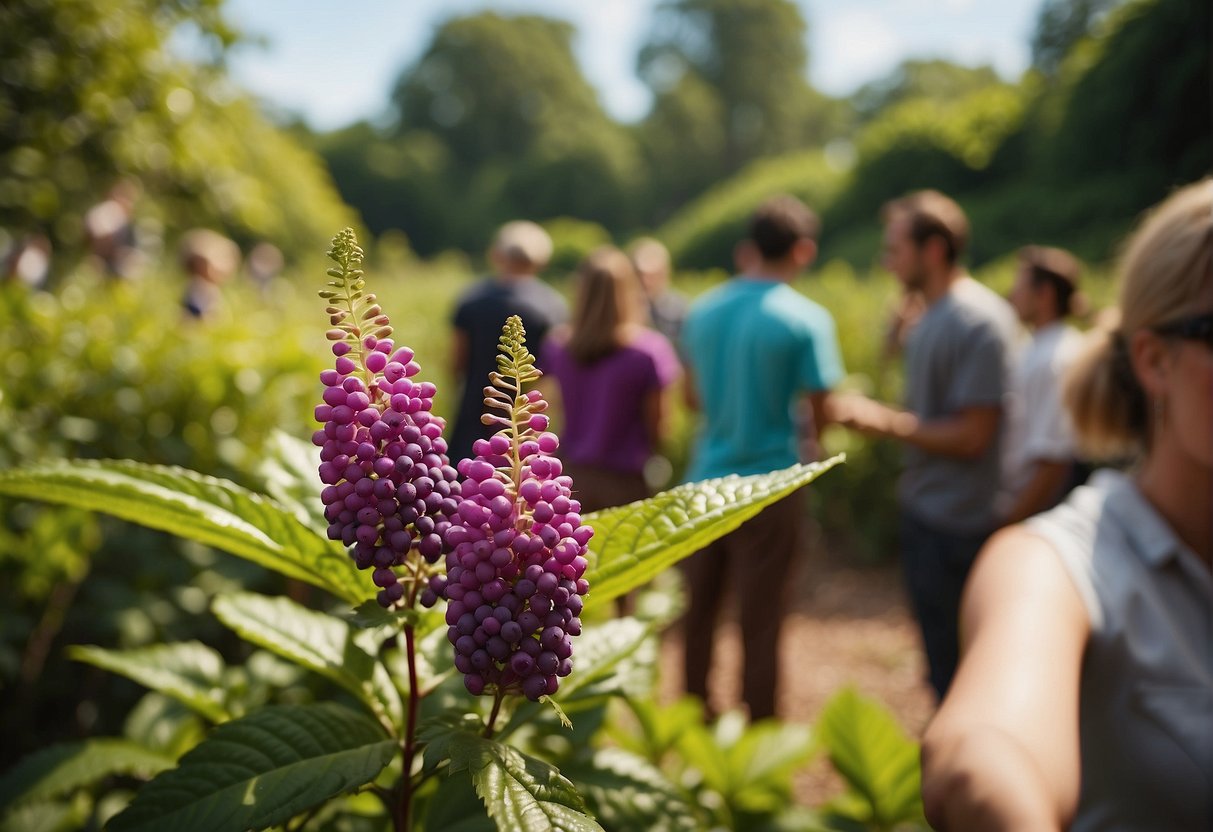
Should you be in search of a plant that requires minimal upkeep yet brings a burst of color to your garden, the beautyberry could be an ideal selection. Recognized for its vivid purple berries that emerge in autumn, this deciduous bush serves as a wonderful enhancement to the fall scenery. Throughout this article, we’ll dive into all the essentials regarding the cultivation and maintenance of beautyberry, including how to choose the best variant suited to your requirements.
Cultivating beautyberry is relatively easy, and the plant is tolerant of a wide range of growing conditions. However, there are a few things to keep in mind if you want to ensure that your beautyberry thrives. For example, the plant prefers well-draining soil and partial shade, although it can also tolerate full sun. You’ll also want to make sure that you’re planting your beautyberry in an area with good air circulation, as this can help prevent disease and pest infestations. In the next section, we’ll dive into the specifics of how to care for your beautyberry plant.
Key Takeaways
- Beautyberry is a low-maintenance shrub that produces bright purple berries in the fall.
- The plant is tolerant of a wide range of growing conditions, but prefers well-draining soil and partial shade.
- To care for your beautyberry, make sure to provide it with adequate water and fertilizer, and prune it regularly to promote healthy growth.
Cultivating Beautyberry
If you’re looking for a low-maintenance shrub that will add a pop of color to your garden, beautyberry (Callicarpa spp.) may be just what you need. These native plants are easy to grow and care for, and they produce clusters of bright purple berries in the fall that are a favorite of birds and other wildlife.
Choosing the Right Location
Beautyberry grows best in full sun to partial shade, so choose a location that gets at least six hours of direct sunlight each day. The plant prefers well-drained soil that is rich in organic matter, so consider adding compost or other organic material to your soil before planting. Beautyberry is also tolerant of a wide range of soil pH levels, but it prefers a slightly acidic soil with a pH between 5.5 and 6.5.
Planting and Soil Preparation
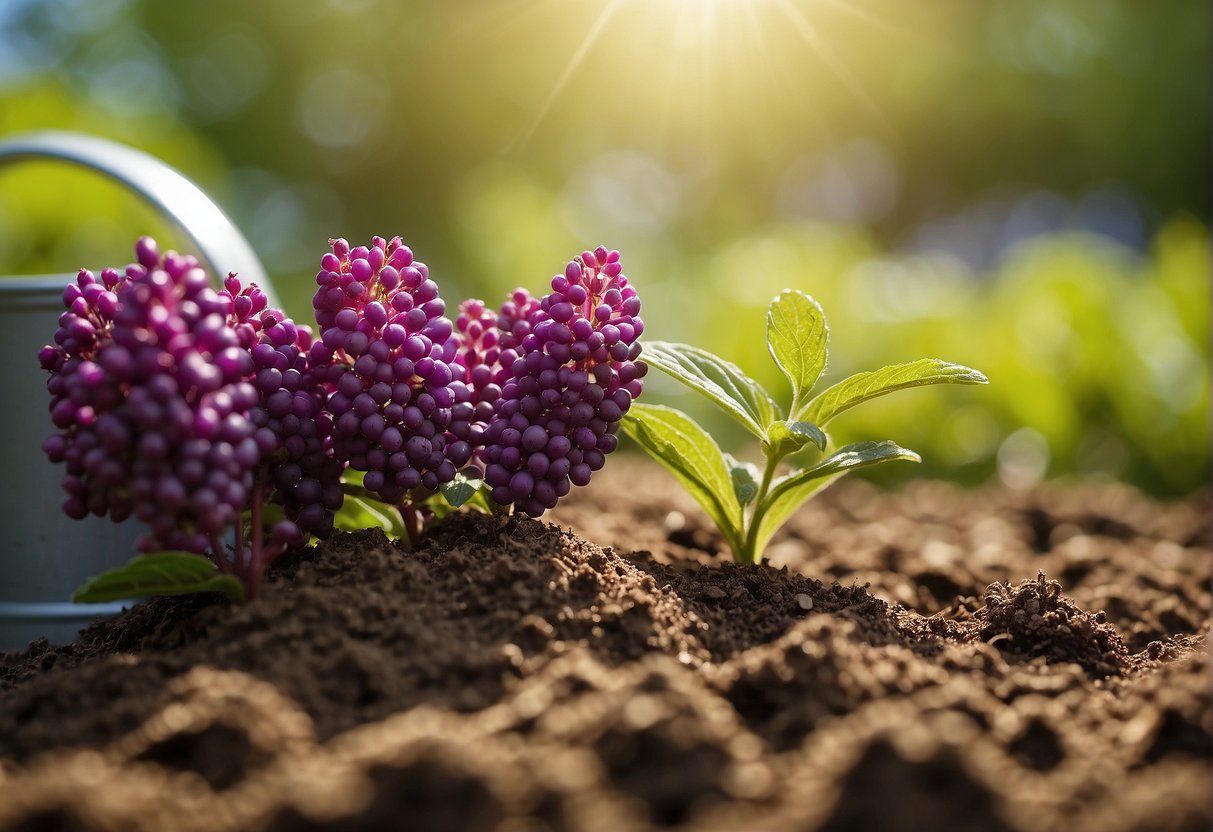
When planting beautyberry, dig a hole that is twice as wide as the root ball and just as deep. Gently loosen the roots and place the plant in the hole, making sure that the top of the root ball is level with the soil surface. Backfill the hole with soil and water thoroughly to settle the soil around the roots.
Watering and Mulching
Beautyberry prefers moist, well-drained soil, so water regularly during the growing season to keep the soil evenly moist. Mulching around the base of the plant will help retain moisture and suppress weeds. Use a layer of organic mulch, such as shredded leaves or bark chips, and keep the mulch at least two inches away from the stem to prevent rot.
Pruning and Maintenance
Beautyberry requires very little maintenance, but pruning can help keep the plant looking neat and tidy. Prune in late winter or early spring before new growth begins. Remove any dead or damaged wood, and shape the plant to your desired height and width. Beautyberry can be pruned heavily if needed to control its size, but keep in mind that the plant blooms on new wood, so heavy pruning may reduce the number of berries produced.
Beautyberry Varieties and Care
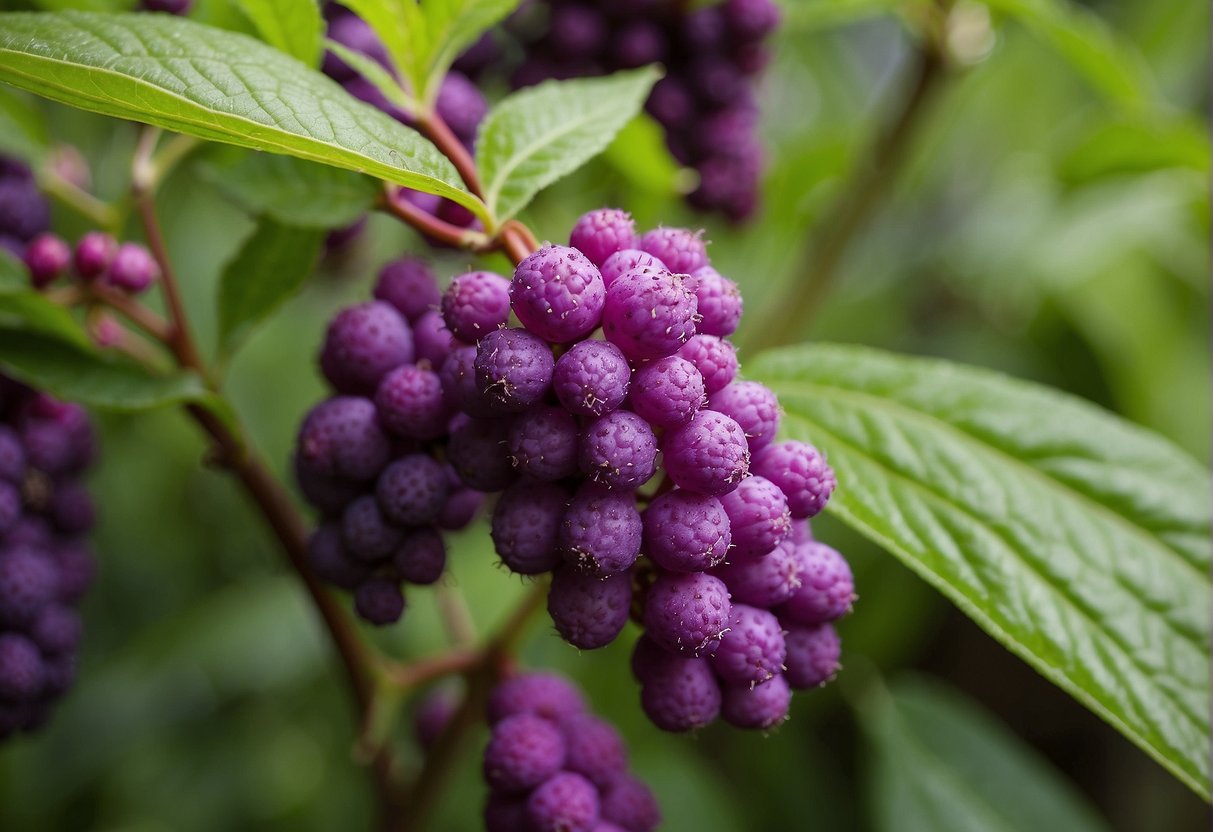
Beautyberry shrubs are a great addition to any garden, providing a pop of color and interest during the fall and winter months. There are three main varieties of beautyberry: American beautyberry, Japanese beautyberry, and Chinese beautyberry. Each variety has its own unique characteristics and care requirements.
Propagation Techniques
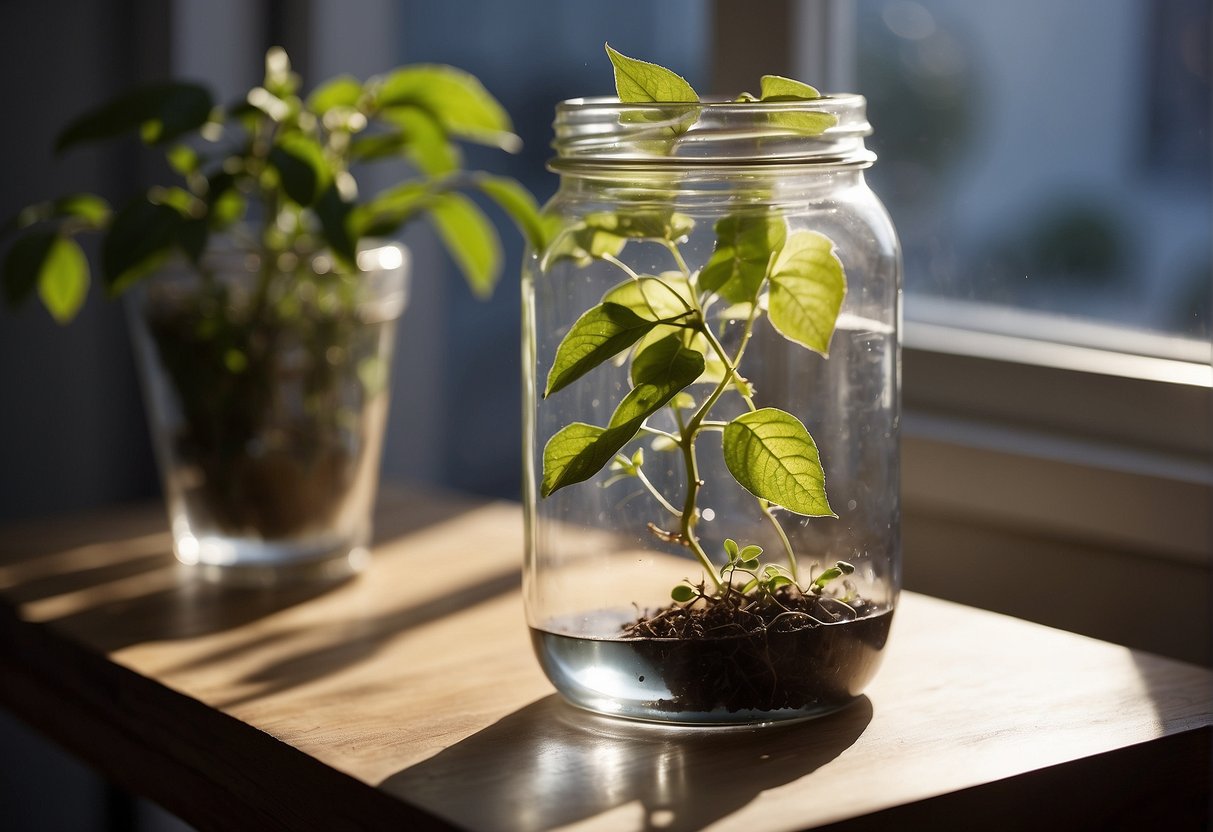
You can propagate beautyberry shrubs through seed or cuttings. Softwood cuttings taken in the summer and treated with rooting hormone have a high success rate for propagation. Beautyberry seeds can be started indoors in the winter and transplanted outside in the spring.
Pest and Disease Management
Beautyberry shrubs are generally resistant to pests and diseases. However, they can be susceptible to mosquito infestations during the summer months. To prevent mosquito breeding, remove any standing water in the vicinity of the shrub.
Encouraging Fruit and Flower Production
Beautyberry shrubs produce clusters of delicate flowers in the summer, followed by bright purple berries in the fall and winter. To encourage fruit production, ensure that the shrub receives adequate sunlight and fertilization. Cross-pollination with another beautyberry shrub can also increase fruit yield.
In conclusion, beautyberry shrubs are a low-maintenance and beautiful addition to any garden. With proper care and attention, they can thrive and provide year-round interest.
Frequently Asked Questions
What are the steps to propagate beautyberry from seeds?
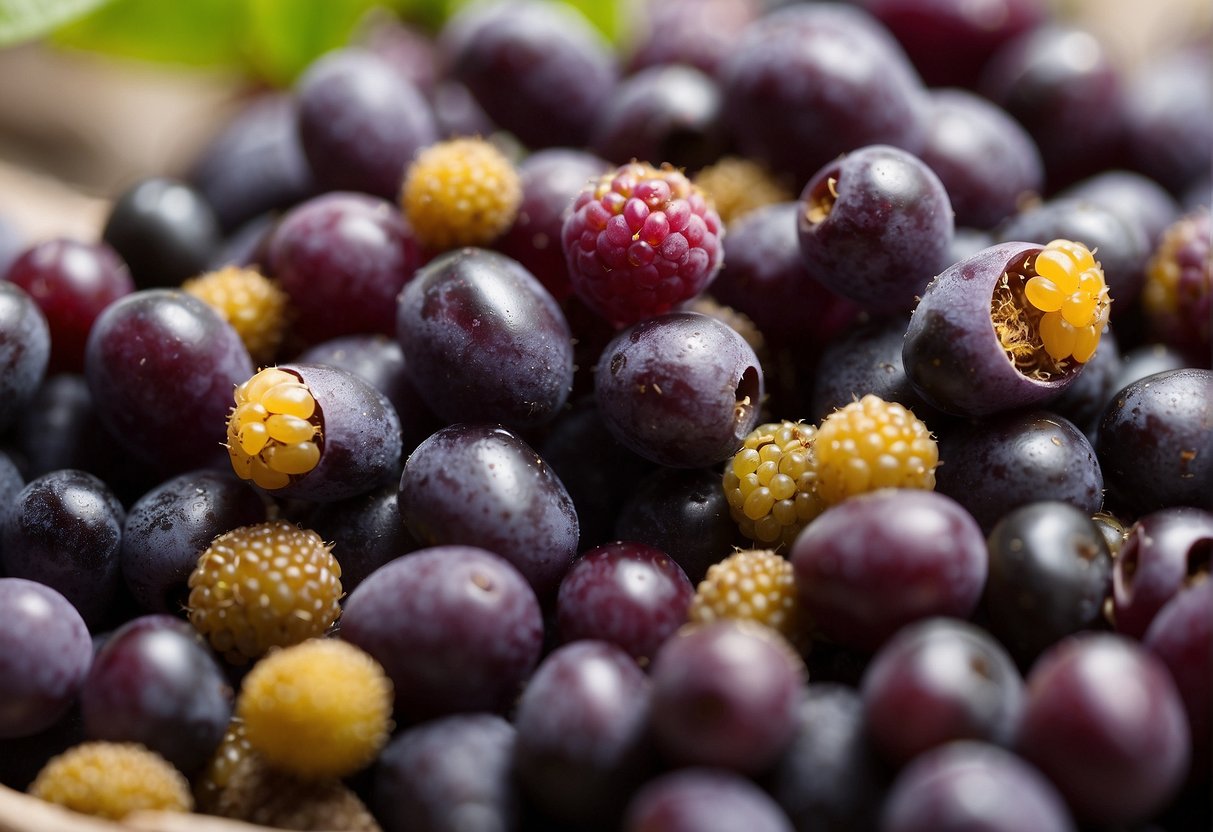
To propagate beautyberry from seeds, you should start by collecting ripe berries from a mature plant. Once you have the berries, extract the seeds and remove any pulp. Then, plant the seeds in a well-draining potting mix and keep the soil moist. Germination can take up to six weeks, so be patient. Once the seedlings have grown to be about 2-3 inches tall, you can transplant them to a larger container or directly into the ground.
What is the ideal environment for planting a beautyberry bush?
Beautyberry bushes thrive in full sun to partial shade and prefer moist, well-draining soil. They can tolerate a range of soil types, but prefer slightly acidic soil with a pH between 5.5 and 6.5. In terms of climate, beautyberry is hardy in USDA zones 6-10.
Can you explain how to grow beautyberry from cuttings?
Yes, you can grow beautyberry from cuttings. Start by taking a 6-8 inch cutting from a mature plant in the spring or early summer. Remove the leaves from the bottom half of the stem and dip the cut end in rooting hormone. Then, plant the cutting in a well-draining potting mix and keep it moist. After a few weeks, the cutting should begin to root. Once the roots have developed, you can transplant the cutting to a larger container or directly into the ground.
What are the soil requirements for a healthy beautyberry plant?
Beautyberry plants prefer moist, well-draining soil with a slightly acidic pH between 5.5 and 6.5. They can tolerate a range of soil types, but prefer fertile soil that is rich in organic matter. If your soil is heavy or compacted, consider adding compost or other organic matter to improve drainage and aeration.
How much space is needed to cultivate beautyberry effectively?
Beautyberry bushes can grow up to 6 feet tall and wide, so it’s important to give them enough space to spread out. When planting beautyberry, space the bushes at least 4-6 feet apart to allow for adequate air circulation and to prevent overcrowding.
What care regimen should be followed to ensure beautyberry thrives?
Beautyberry is a low-maintenance plant that requires little care once established. Water the plant regularly, especially during dry spells, and fertilize it once a year in the spring with a balanced fertilizer. Prune the plant in the late winter or early spring to remove any dead or damaged branches. Additionally, you can cut the plant back by up to one-third its size to promote bushier growth and more berries.