Home » Blog » How to Grow Yucca Root Plants: Tips and Tricks
How to Grow Yucca Root Plants: Tips and Tricks
December 29, 2024
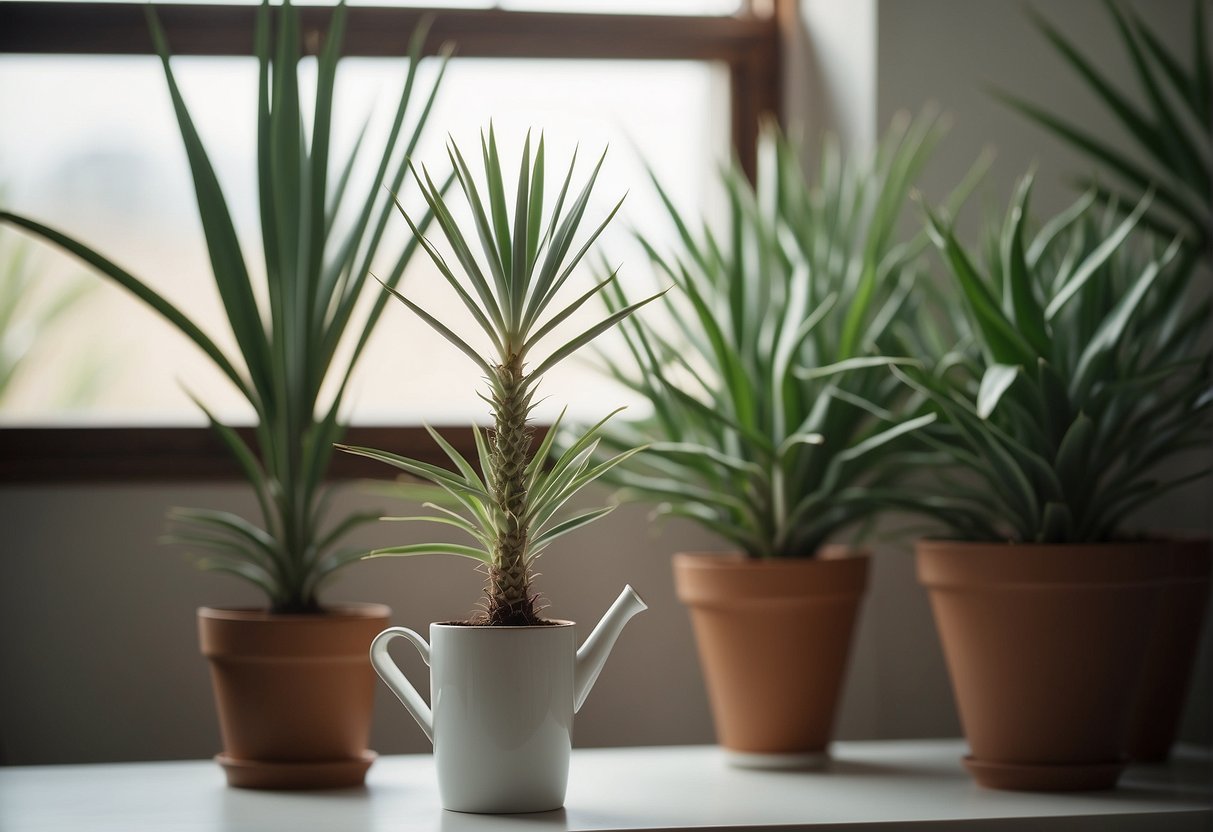
If you want an easy-to-care-for and durable plant for your garden, the yucca plant is the perfect addition. Renowned for its vivid green leaves and perpetual greenness, it’s a favored option for anyone wanting to maintain consistent vibrancy in their outdoor areas. Moreover, yucca plants offer great flexibility, with certain varieties yielding edible roots that can enhance numerous recipes.
Cultivating and caring for yucca plants is relatively straightforward, making them an ideal choice for novice gardeners. However, like any plant, yuccas can face their fair share of issues, from pest infestations to root rot. With a bit of knowledge and some proactive measures, you can keep your yucca plants healthy and thriving for years to come. In this article, we’ll go over everything you need to know to successfully grow yucca root plants, from planting and watering to common issues and solutions.
Key Takeaways
Yucca plants are hardy perennials known for their striking green foliage and evergreen nature.
Cultivating and caring for yucca plants is relatively straightforward, but they can face issues such as pest infestations and root rot.
By following a few simple tips and tricks, you can keep your yucca plants healthy and thriving for years to come.
Cultivation and Care
Optimal Growing Conditions
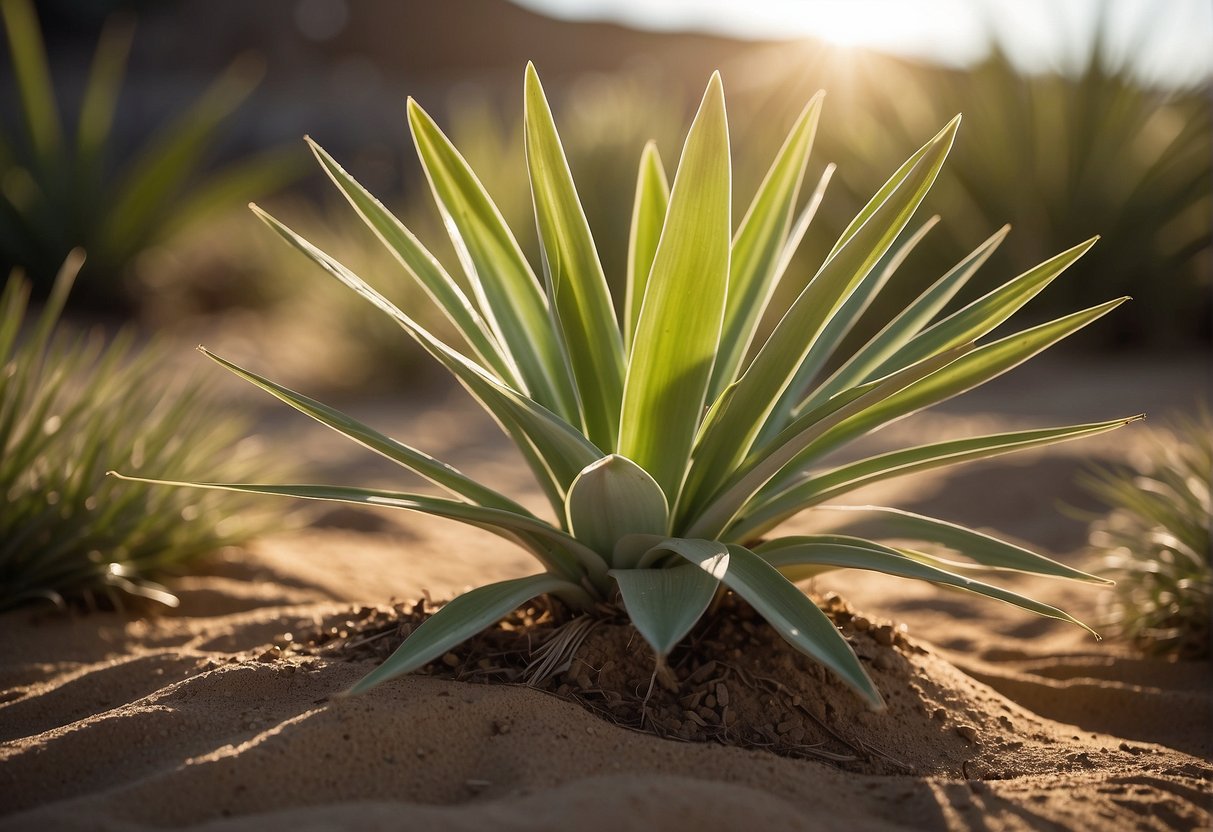
To ensure the best growth of your yucca plants, it is important to provide them with the optimal growing conditions. Yuccas are hardy plants that prefer full sun and well-draining soil. They are drought tolerant and do not require much watering or fertilizer.
When selecting a location for your yucca plants, choose a spot that receives plenty of sunlight throughout the day. Yuccas prefer well-draining soil with a pH level between 6.0 and 7.5. If your soil is heavy or clay-like, add sand or perlite to improve drainage.
Yuccas are hardy plants that can tolerate hot and cold temperatures, but they prefer warmer climates. They grow best in zones 5-11. If you live in a colder climate, you can still grow yuccas in containers that can be moved indoors during the winter months.
Planting and Propagation
Yucca plants can be propagated from seeds, cuttings, division, rhizomes, or offsets. Early spring is the best time to plant or propagate yuccas.
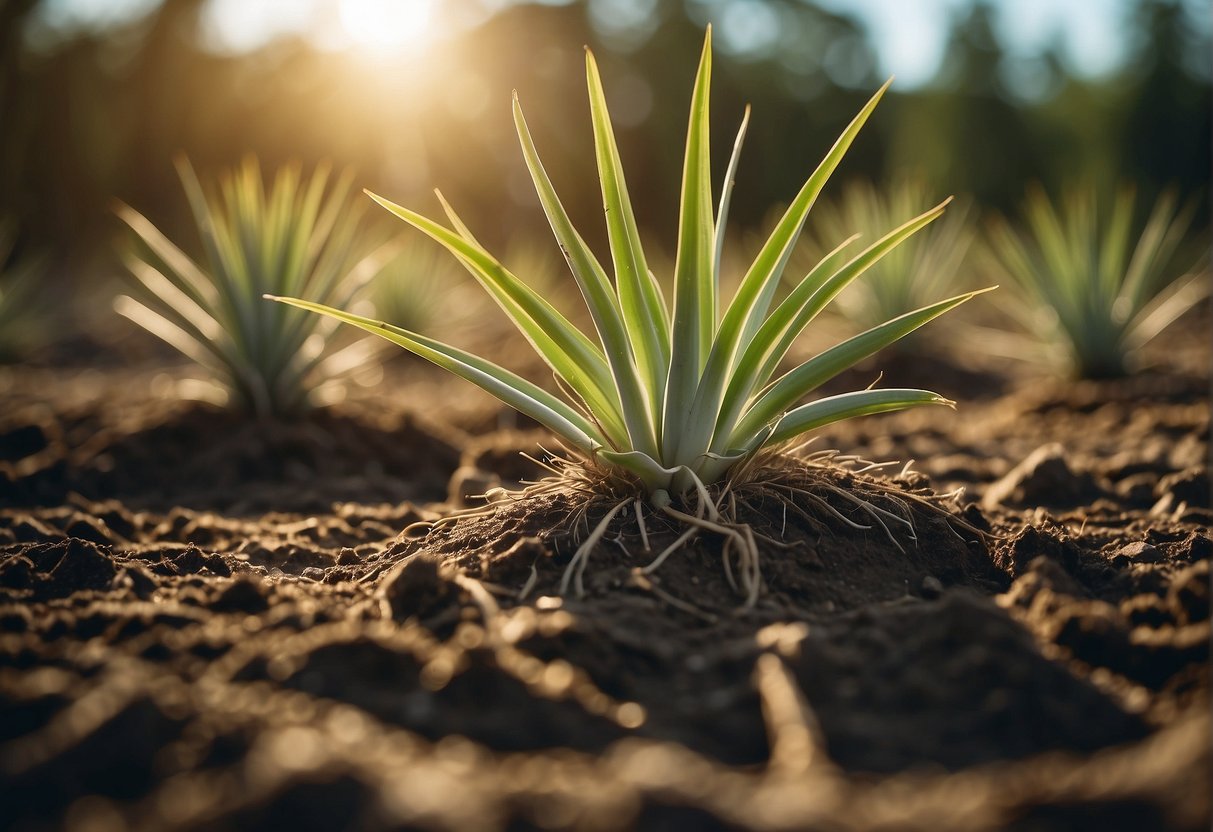
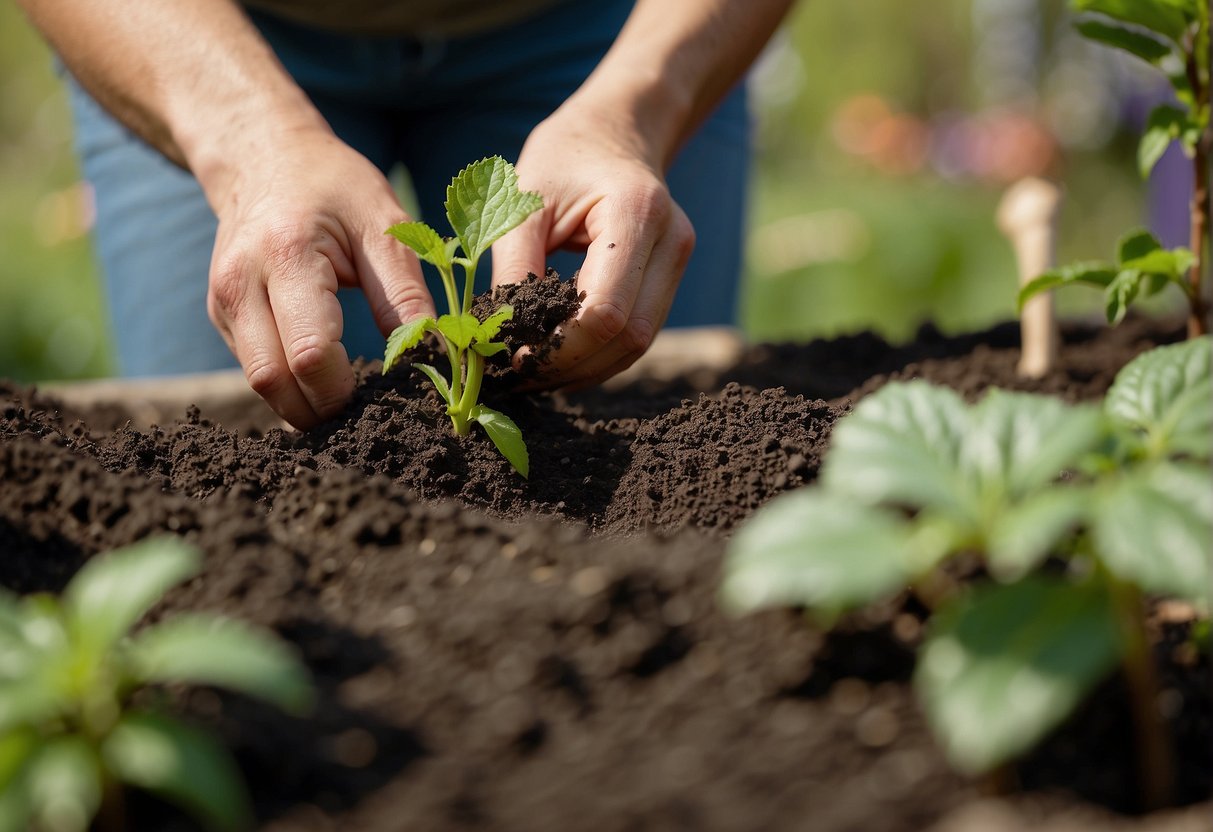
To plant yuccas, dig a hole that is slightly larger than the root ball and place the plant in the hole. Fill the hole with soil and water the plant thoroughly. If you are planting in a container, choose a pot that is at least 2 inches larger than the root ball and fill it with well-drained soil.
To propagate yuccas from cuttings, use a sharp knife to cut a stem from the parent plant. Dip the cut end in rooting hormone and plant it in well-draining soil. Keep the soil moist and the cutting in a warm, bright location until it begins to grow roots.
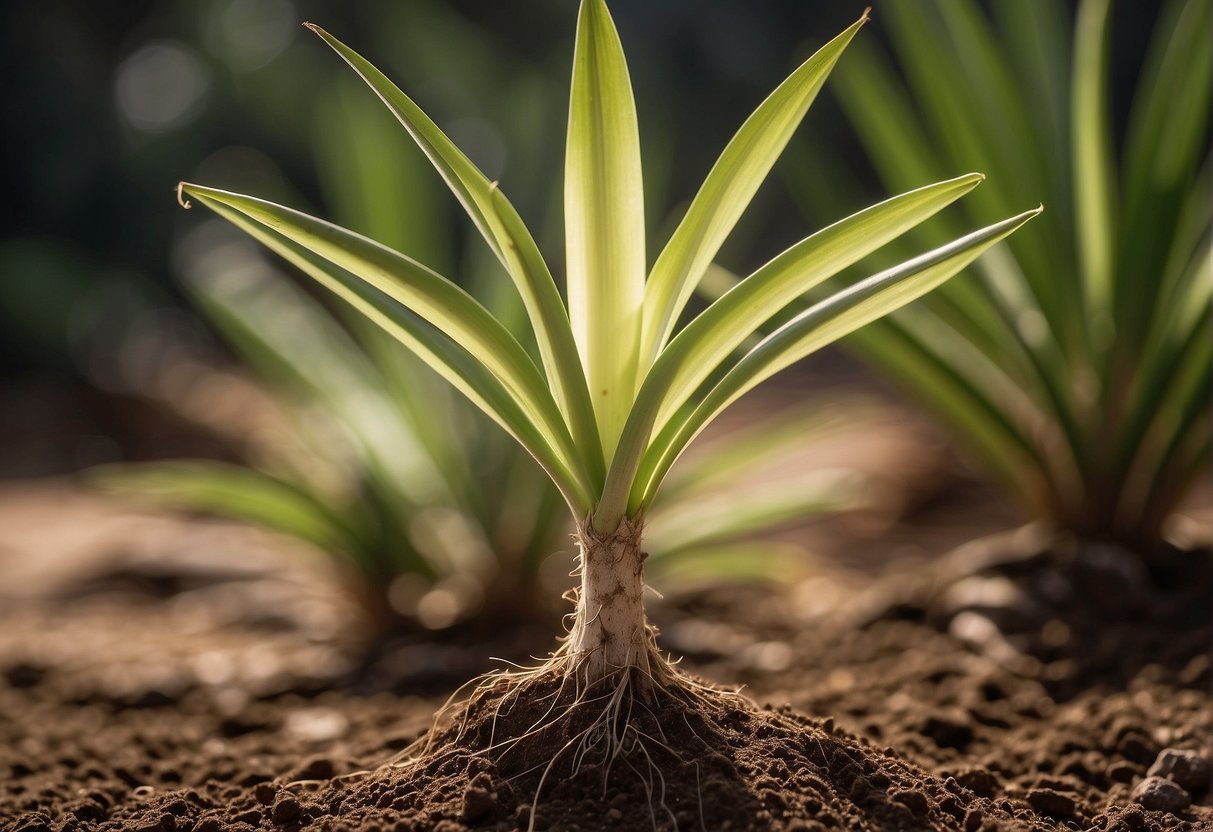
Division is another method of propagating yuccas. Carefully dig up the parent plant and separate the offsets from the main plant. Plant the offsets in well-draining soil and water them thoroughly.
In summary, yucca plants are hardy and drought-tolerant, and prefer full sun and well-draining soil. They can be propagated from seeds, cuttings, division, rhizomes, or offsets. By providing the optimal growing conditions and proper care, you can enjoy the beauty of these unique plants in your garden or home.
Common Issues and Solutions
Pest and Disease Management
Yucca plants are generally hardy and disease-resistant, but they can still fall prey to certain pests and diseases. Here are some common issues you may encounter and how to manage them:
Aphids: These small insects can suck the sap from the leaves and stems of your yucca plant, causing them to wilt and yellow. To get rid of them, spray your plant with a strong jet of water or use an insecticidal soap.
Mealybugs: These white, cottony insects can also suck the sap from your yucca plant, causing it to weaken and become stunted. To get rid of them, wipe them off with a cotton swab dipped in rubbing alcohol or use an insecticidal soap.
Scale insects: These small, oval-shaped insects can attach themselves to the leaves and stems of your yucca plant and suck the sap, causing yellowing and wilting. To get rid of them, scrape them off with a soft brush or use an insecticidal soap.
If your yucca plant is suffering from a fungal disease, such as root rot, you may need to remove the affected parts of the plant and treat it with a fungicide. Be sure to follow the instructions on the label carefully.
Routine Maintenance
To keep your yucca plant healthy and thriving, it’s important to perform routine maintenance tasks, such as:
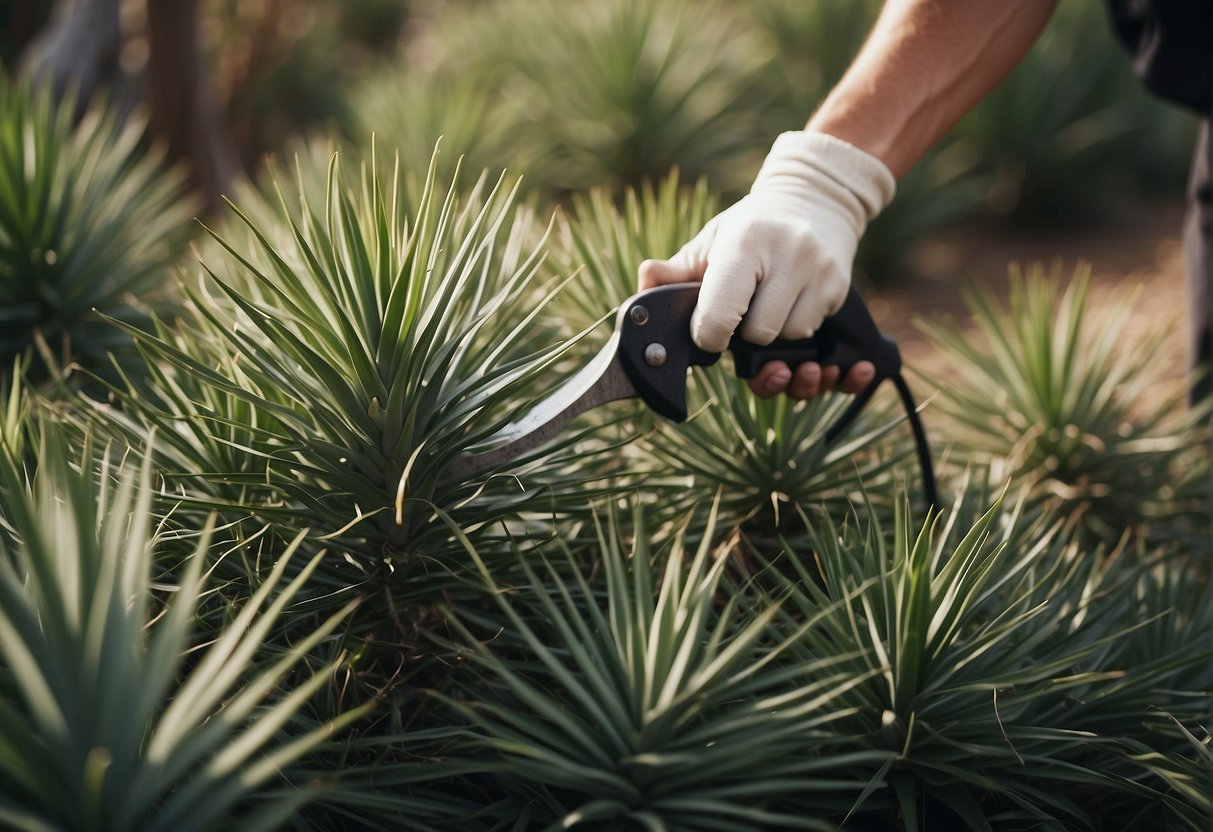
Pruning: If your yucca plant has a trunk, you can prune it back to encourage branching and a fuller, bushier growth habit. If your yucca plant has rosettes, you can remove the dead or damaged leaves to keep it looking neat and tidy.
Transplanting: If your yucca plant has outgrown its container or location, you can transplant it to a larger pot or a new spot in your garden. Be sure to handle the plant gently and water it well after transplanting.
Watering: Yucca plants are drought-tolerant and can withstand periods of dryness, but they still need regular watering to thrive. Water your yucca plant deeply once a week, or more often if the soil is very dry.
Fertilizing: Yucca plants don’t need a lot of fertilizer, but you can give them a boost by applying a balanced, slow-release fertilizer once a year in the spring. Be sure to follow the instructions on the label carefully.
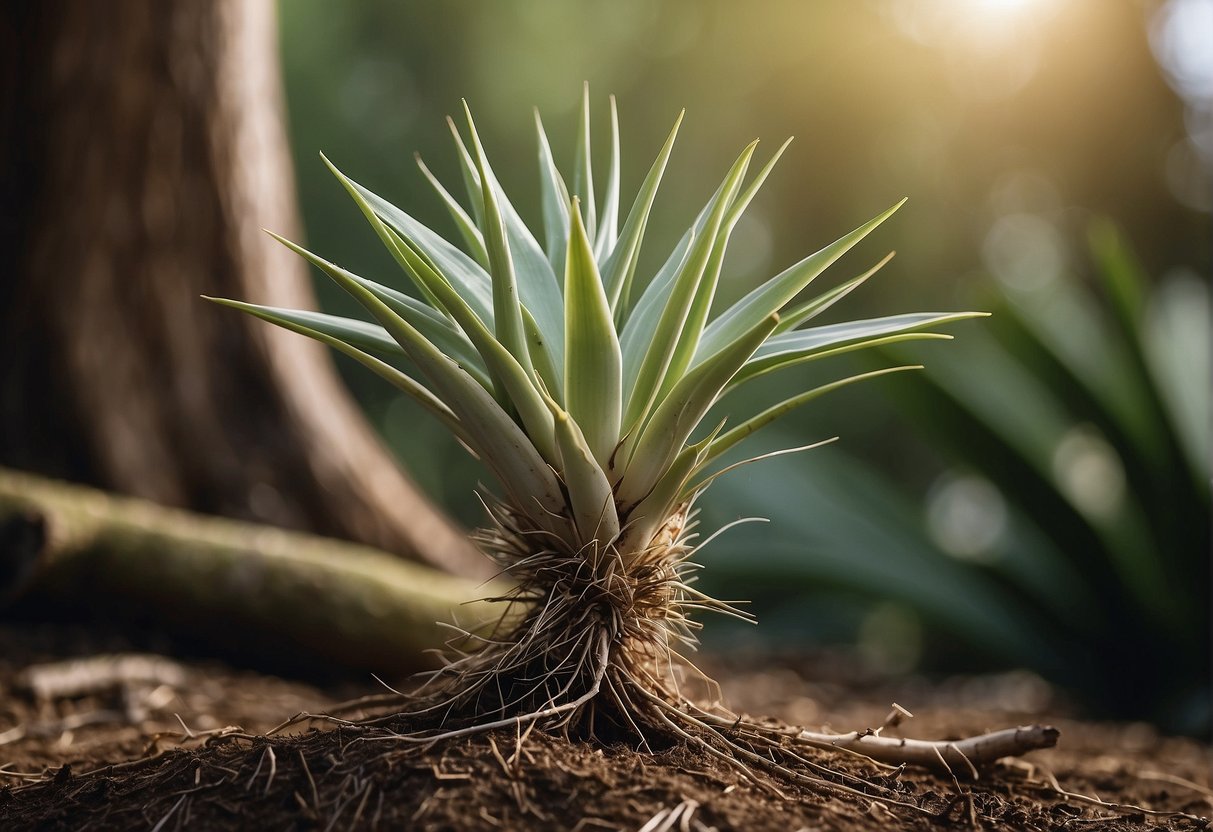
Rhizome Propagation: Yucca plants can be propagated by dividing the rhizomes, or underground stems, in the spring or fall. Be sure to use a sharp, clean knife and plant the divisions in well-draining soil.
By following these maintenance tips and keeping an eye out for pests and diseases, you can enjoy a healthy, beautiful yucca plant for years to come.
Frequently Asked Questions
What are the ideal conditions for planting yucca outdoors?
Yucca plants thrive in well-drained soil and full sun exposure. They can tolerate a wide range of temperatures and soil types, but they prefer sandy or loamy soil. It’s best to plant yucca in an area with good air circulation to prevent fungal diseases.
Can yucca plants be propagated in water?
No, yucca plants cannot be propagated in water. They require well-drained soil to grow properly. However, you can propagate yucca plants from stem cuttings or offsets.
What is the best method for growing yucca in pots?
To grow yucca in pots, use a well-draining soil mix and a container that is at least 12 inches deep. Place the pot in a location with bright, indirect sunlight and water the plant sparingly. Yucca plants prefer to be slightly dry between waterings.
How do you successfully grow yucca from cuttings?
To grow yucca from cuttings, take a stem cutting from a mature plant and allow it to dry for a few days. Then, plant the cutting in a well-draining soil mix and place it in bright, indirect sunlight. Water the cutting sparingly until it establishes roots.
What steps are involved in growing yucca from seeds?
To grow yucca from seeds, sow the seeds in a well-draining soil mix and place them in bright, indirect sunlight. Keep the soil moist but not waterlogged and wait for the seeds to germinate. Once the seedlings have developed a few leaves, transplant them into individual containers.
Is it possible to cultivate cassava in containers?
Yes, it is possible to cultivate cassava in containers. However, cassava plants require a lot of space to grow and produce a significant yield. Therefore, it’s best to plant cassava in the ground if possible. If growing in containers, use a large container and a well-draining soil mix.
Hi Lovelies ! I made this blog to share my tips about Home Improvement, Children, Pets, Food, Gadgets, Automotive, Health & Beauty, and ways to be frugal while maintaining a natural lifestyle. Interested to be a Guest Blogger on my website? Please email me at: [email protected]