Home » Blog » How to Root Beautyberry Bush: A Step-by-Step Guide
How to Root Beautyberry Bush: A Step-by-Step Guide
December 27, 2024
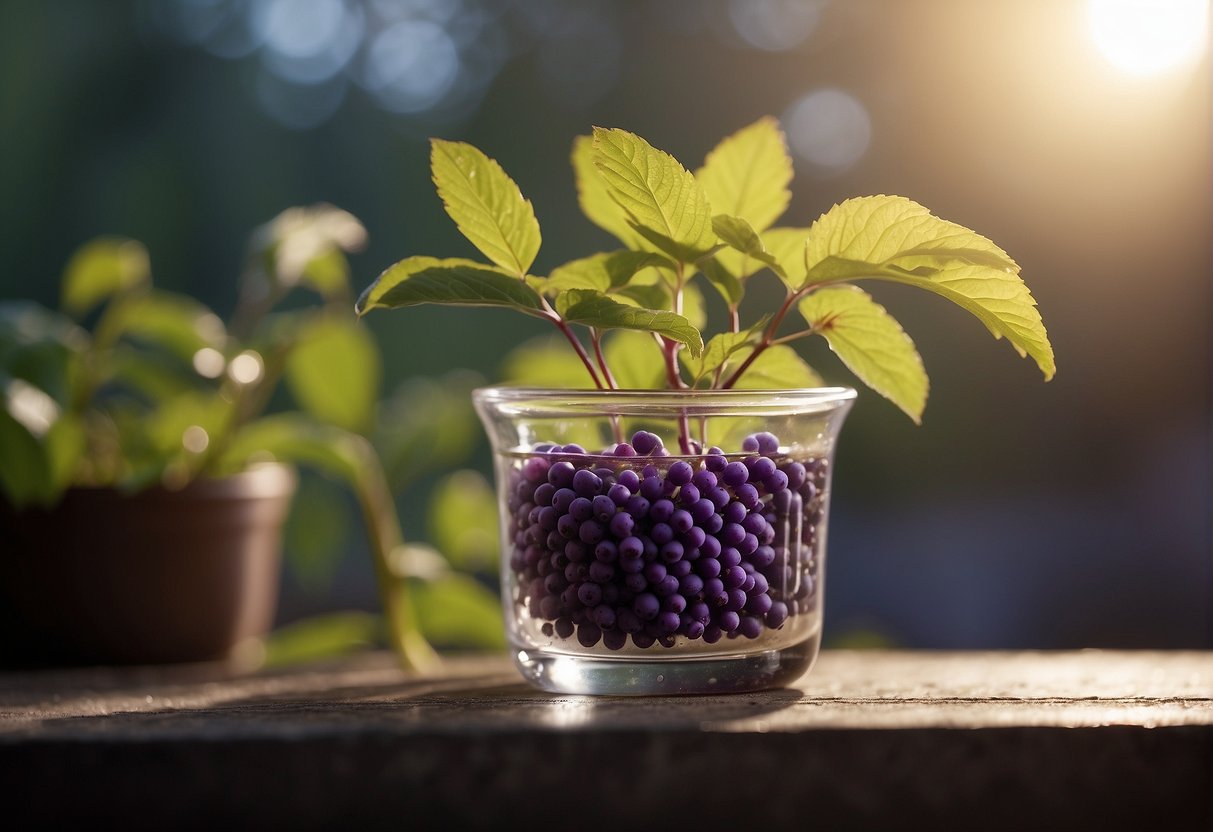
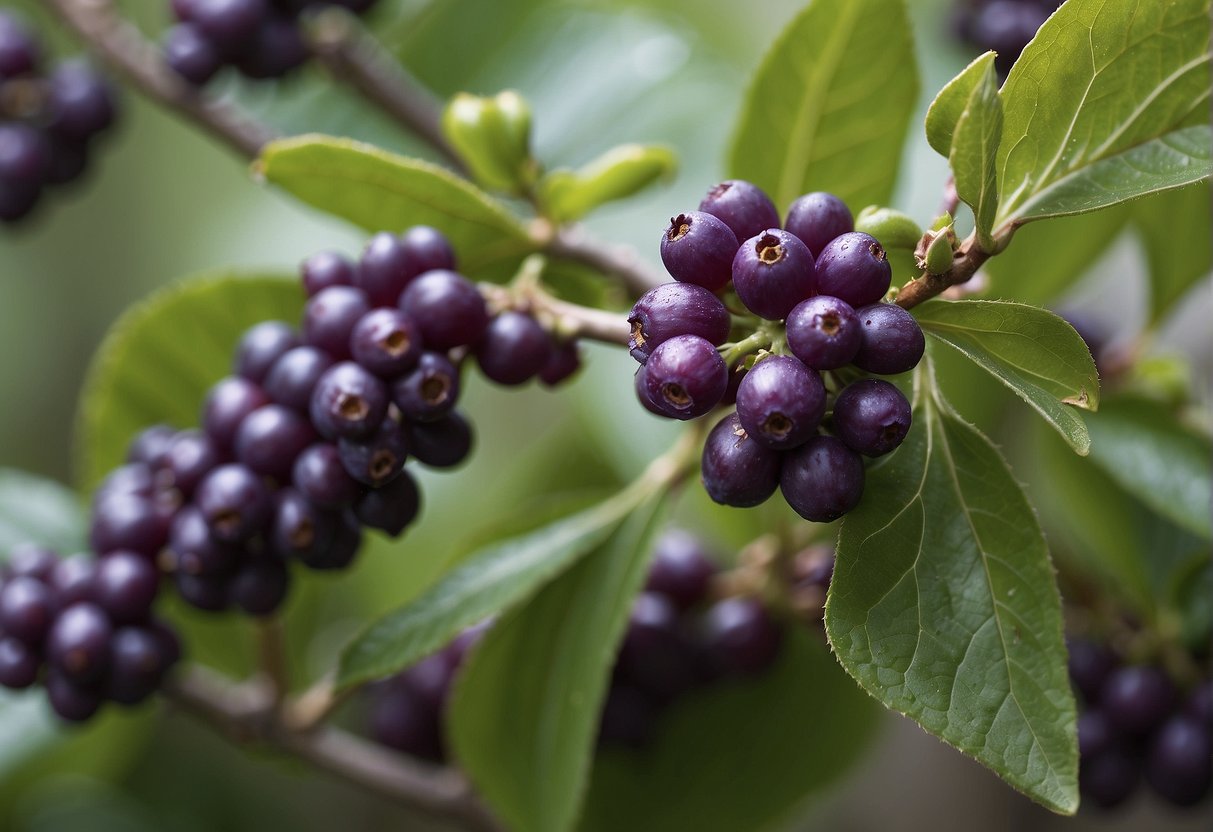
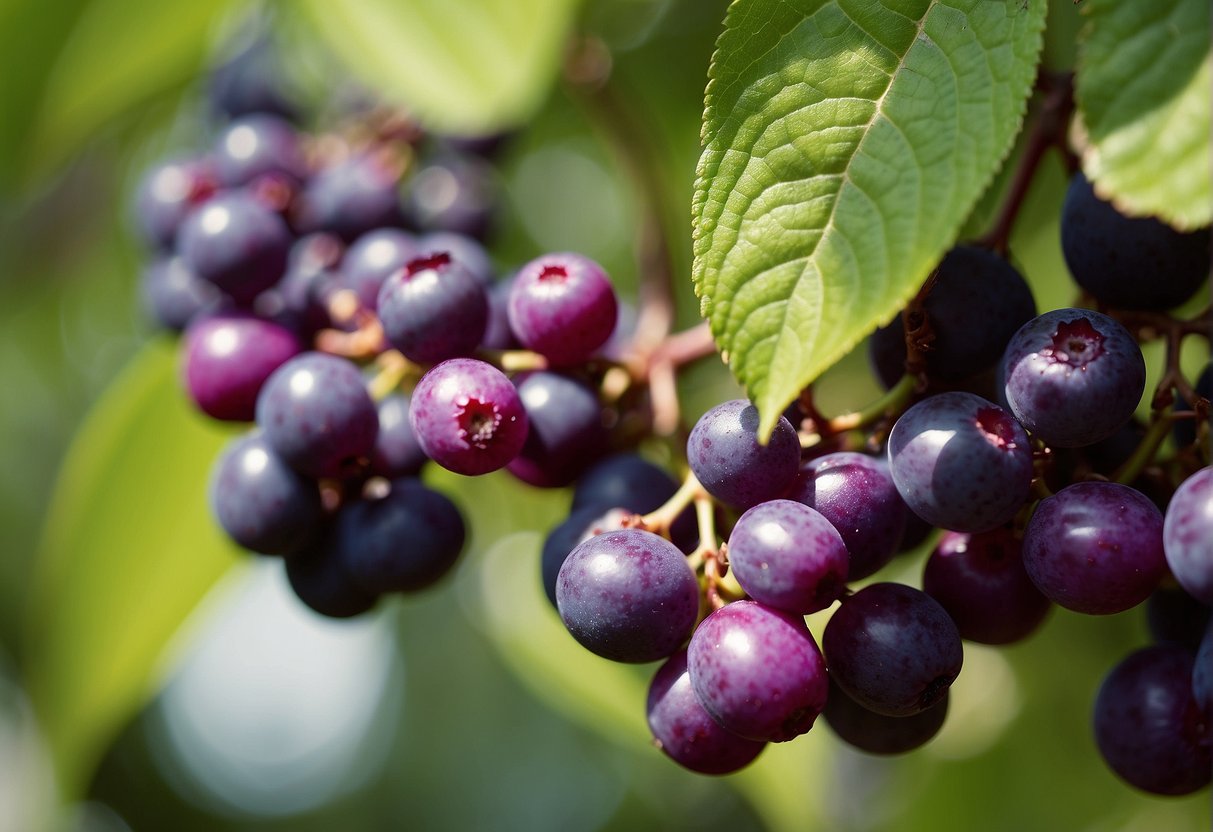
Planting a beautyberry bush is a fantastic method for bringing a burst of color into your landscape. The beautyberry, recognized also by its scientific name Callicarpa, is a deciduous shrub that blooms with vivid purple berry clusters during the autumn season. If you’re looking to multiply your beautyberry bush, rooting offers an easy and efficient way to achieve this.
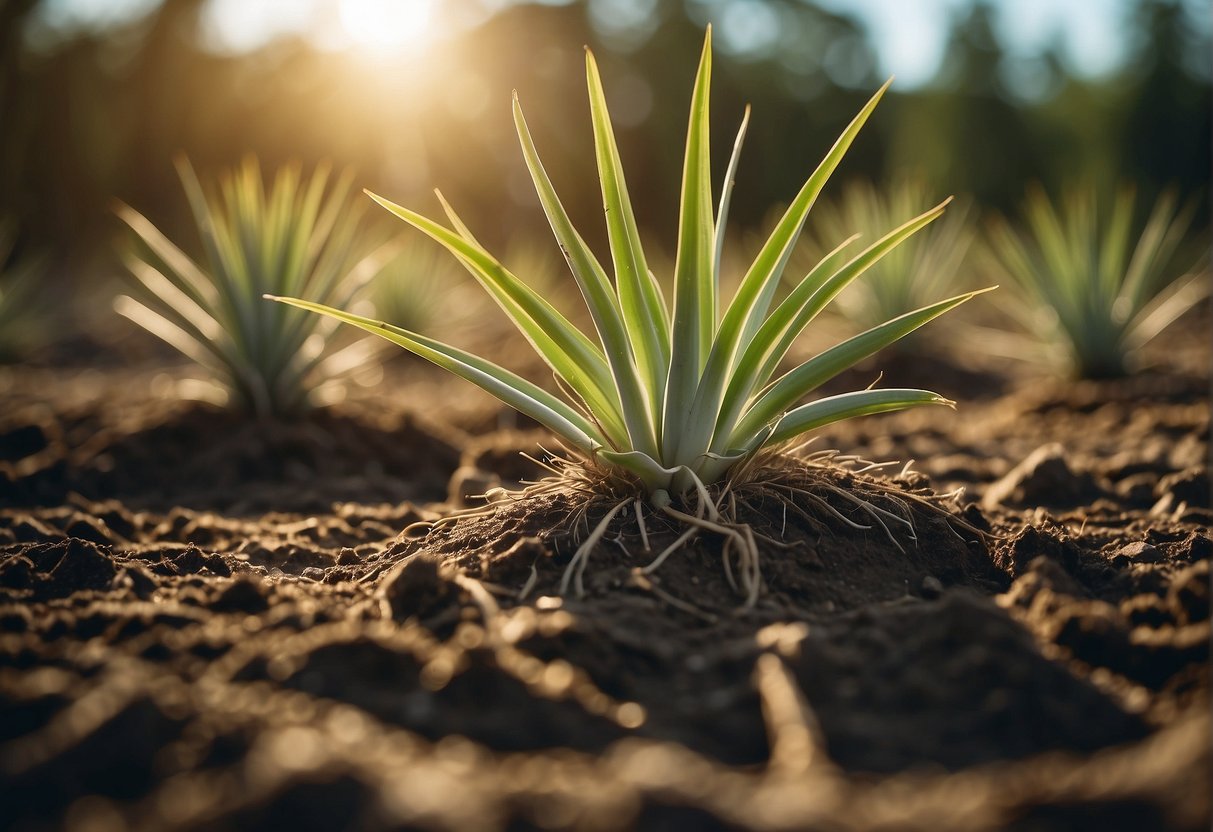
Before you begin, it’s important to prepare for propagation. Gather the necessary tools, including pruning shears, rooting hormone, and a potting mix. Additionally, timing is crucial when rooting a beautyberry bush. The best time to do so is in the early spring, before the plant begins to produce new growth. With the right preparation and timing, you can successfully root your beautyberry bush and create new plants to enjoy.
Key Takeaways
Rooting is an effective method for propagating beautyberry bushes.
Proper preparation and timing are crucial for successful rooting.
With the right tools and techniques, you can create new beautyberry plants to enjoy in your garden.
Preparing for Propagation
Before you start propagating your beautyberry bush, you need to prepare the right conditions to ensure successful rooting. This section will guide you through selecting cuttings, rooting conditions, planting and initial care, maintaining healthy growth, and transplanting to the garden.
Selecting Cuttings
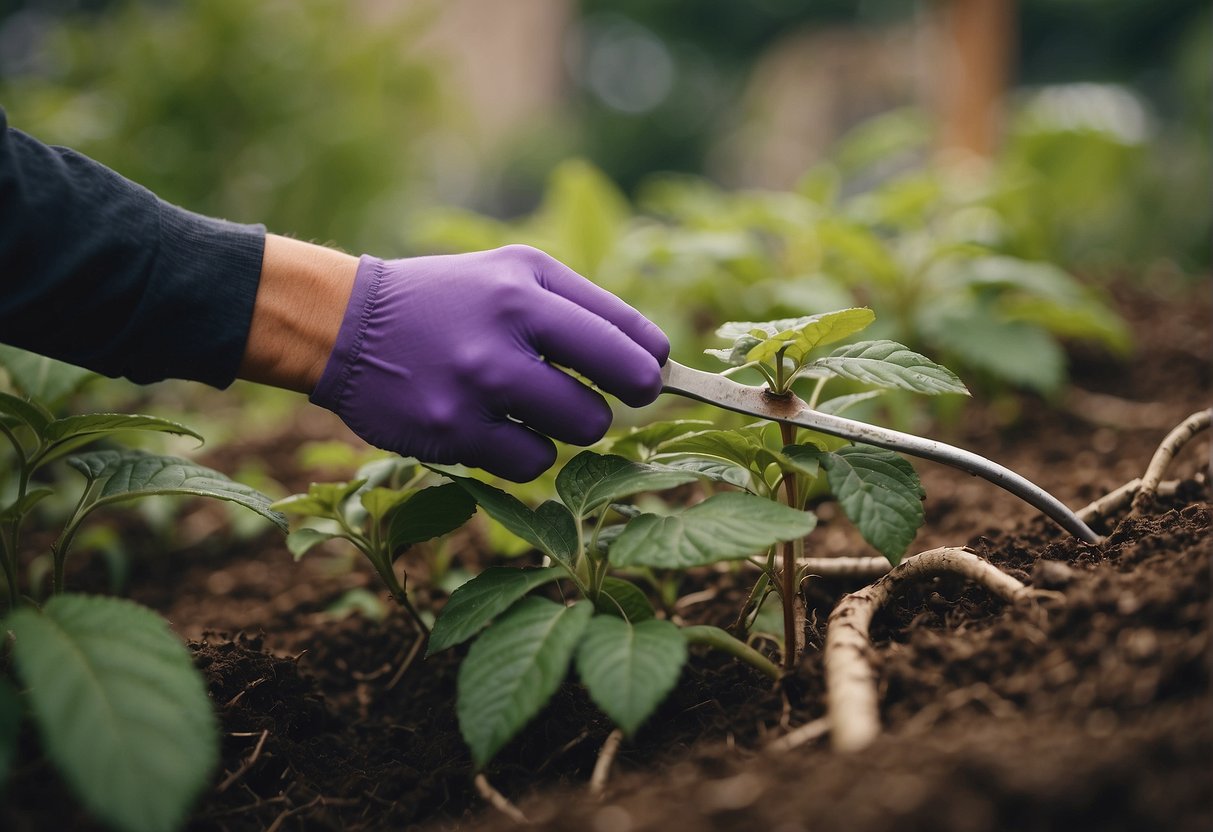
The best time to take cuttings from your beautyberry bush is in the summer when the stems are softwood and have new growth. Cuttings should be approximately 4-6 inches long and include a few leaves. Make sure to use sharp, clean pruning shears to avoid damaging the stem.
Rooting Conditions
To root your beautyberry cuttings, you need a well-draining soil or potting mix with a pH level between 5.5-6.5. You can add peat moss or sand to improve drainage. Use a rooting hormone to encourage root growth and place the cutting in a container with enough moisture to keep the soil moist but not waterlogged.
Cover the container with a clear plastic bag to create a humid environment and place it in a warm, well-lit area. Avoid direct sunlight as it can damage the cutting.
Planting and Initial Care
Once your cutting has rooted, it’s time to plant it in a container or greenhouse. Make sure the container has good drainage and use a well-draining soil mix. Water the plant regularly and fertilize with a balanced fertilizer every two weeks.
Maintaining Healthy Growth
To maintain healthy growth, prune your beautyberry bush regularly to encourage new growth and remove any damaged or diseased branches. Watch out for pests and diseases and treat them promptly to prevent damage to the plant.
Transplanting to Garden
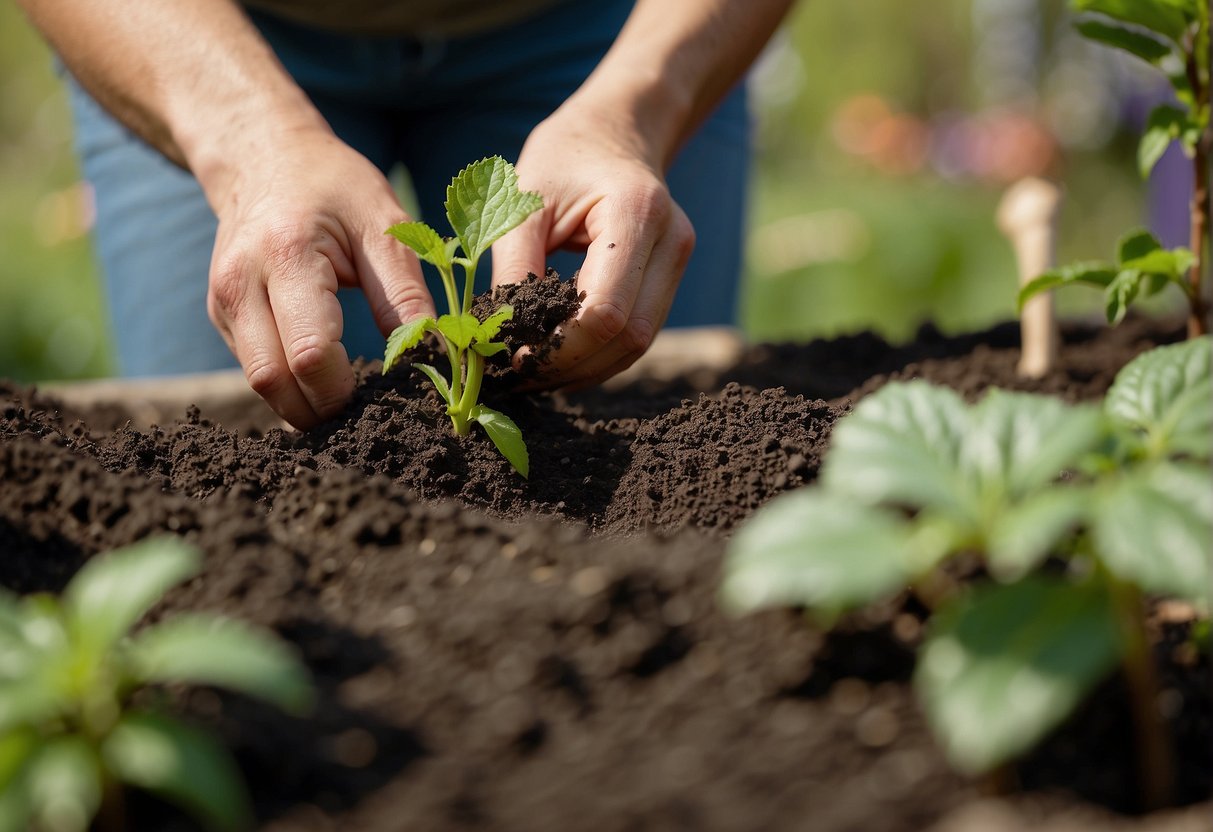
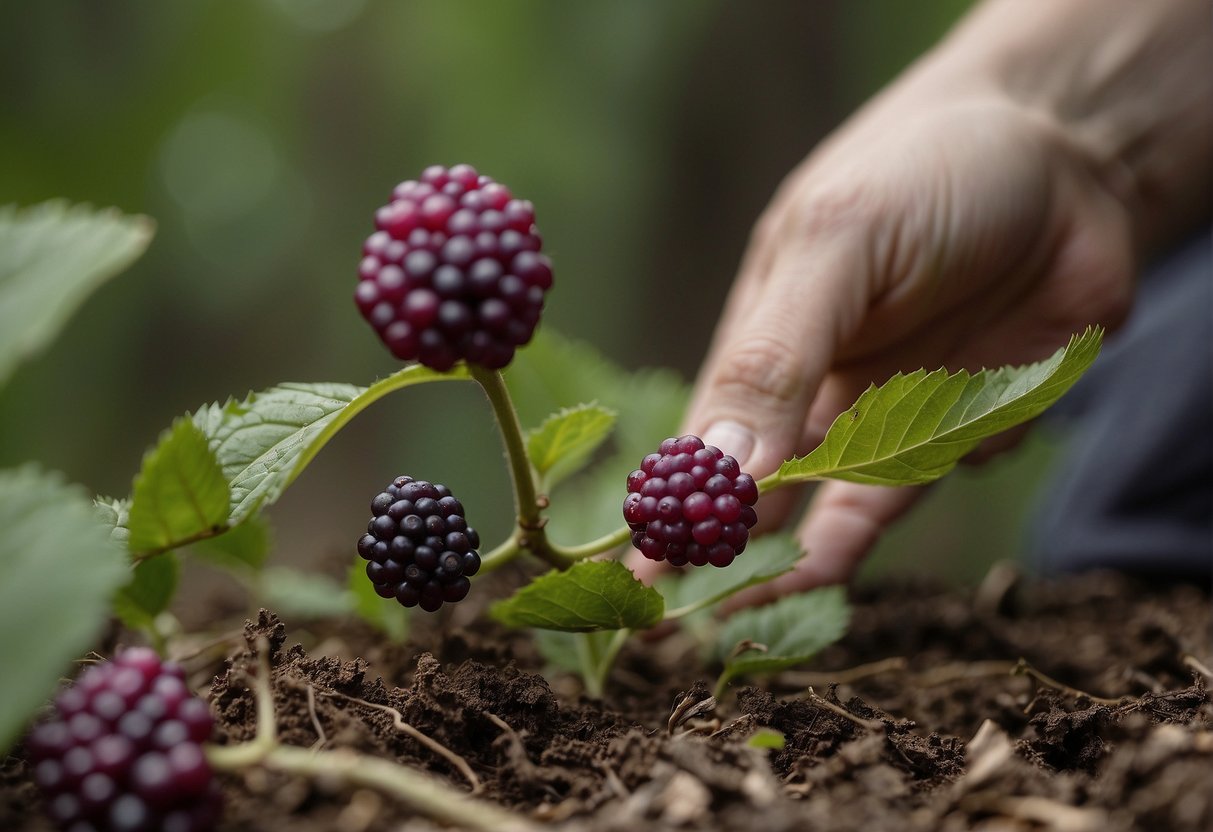
When you’re ready to transplant your beautyberry bush to the garden, make sure to choose a spot with well-drained soil and full sun. Dig a hole slightly larger than the root ball and water the plant thoroughly after planting. Mulch around the base of the plant to retain moisture and suppress weeds.
With these tips, you can successfully root and propagate your beautyberry bush and enjoy its stunning purple berries in your landscape or garden.
Understanding Beautyberry
Botanical Profile
Beautyberry (Callicarpa) is a genus of shrubs that belong to the mint family. These deciduous shrubs are native to North America and are known for their clusters of bright purple berries that grow in the fall. The shrubs can grow up to 6 feet in height and have green leaves that turn yellow in the fall. Beautyberry bushes produce small pink or white flowers in the spring.
Cultivation and Uses
Beautyberry bushes are a popular choice for gardeners and landscapers because of their attractive foliage and colorful berries. They are hardy plants that can tolerate heat and drought, as well as clay soil and well-drained soil. Beautyberry bushes grow best in full sun and benefit from regular compost and mulch.
Propagation of beautyberry shrubs can be done through stem cuttings or by planting seeds. Mature beautyberry bushes can be pruned to maintain their shape and promote new growth. Beautyberry bushes are also popular with birds, as the berries provide a source of food during the fall and winter months.
In terms of uses, beautyberry bushes are primarily grown for their ornamental value. The bright purple berries add a pop of color to gardens and can be used in floral arrangements. Some gardeners also use beautyberry bushes as a natural insect repellent. The leaves and stems of the beautyberry bush contain compounds that are toxic to insects, making them an effective natural pest control option.
Overall, beautyberry bushes are a low maintenance plant that can add color and interest to any garden or landscape. They are hardy, drought-tolerant, and easy to propagate, making them a great choice for both novice and experienced gardeners. Beautyberry bushes are also a great way to attract birds to your yard while providing an attractive source of food.
Frequently Asked Questions
What is the best method to propagate beautyberry cuttings?
The best method to propagate beautyberry cuttings is by taking softwood cuttings in early summer. Make sure the cutting is at least 4-6 inches long and has a few leaves. Remove the leaves from the bottom half of the cutting and dip it in rooting hormone before planting it in a well-draining potting mix. Keep the cutting in a warm and humid environment until it roots.
When is the ideal time to plant beautyberry seeds?
The ideal time to plant beautyberry seeds is in the fall, after the fruit has ripened and fallen from the bush. Collect the seeds and plant them in a well-draining potting mix. Keep the soil moist and place the container in a bright, but indirect light. The seeds should germinate in 2-4 weeks.
Can you grow beautyberry bushes in containers, and if so, how?
Yes, you can grow beautyberry bushes in containers. Choose a container that is at least 18 inches in diameter and has drainage holes. Fill the container with a well-draining potting mix and plant the beautyberry bush. Water the plant regularly and fertilize it once a month during the growing season.
What are the steps for successfully transplanting a beautyberry bush?
To successfully transplant a beautyberry bush, choose a location that receives partial shade and has well-draining soil. Dig a hole that is twice the size of the root ball and plant the bush at the same depth as it was in its previous location. Water the plant thoroughly and add a layer of mulch around the base of the plant to retain moisture.
What is the preferred rooting medium for beautyberry cuttings?
The preferred rooting medium for beautyberry cuttings is a well-draining potting mix that contains perlite or vermiculite. The potting mix should be moist but not waterlogged. Make sure the cutting is planted deep enough so that it remains upright.
How does the root system of American beautyberry function?
The root system of American beautyberry is shallow and fibrous, which allows it to absorb nutrients and moisture from the top layer of soil. The roots also spread out horizontally, which helps the plant to stabilize on slopes and prevent soil erosion.
Hi Lovelies ! I made this blog to share my tips about Home Improvement, Children, Pets, Food, Gadgets, Automotive, Health & Beauty, and ways to be frugal while maintaining a natural lifestyle. Interested to be a Guest Blogger on my website? Please email me at: [email protected]