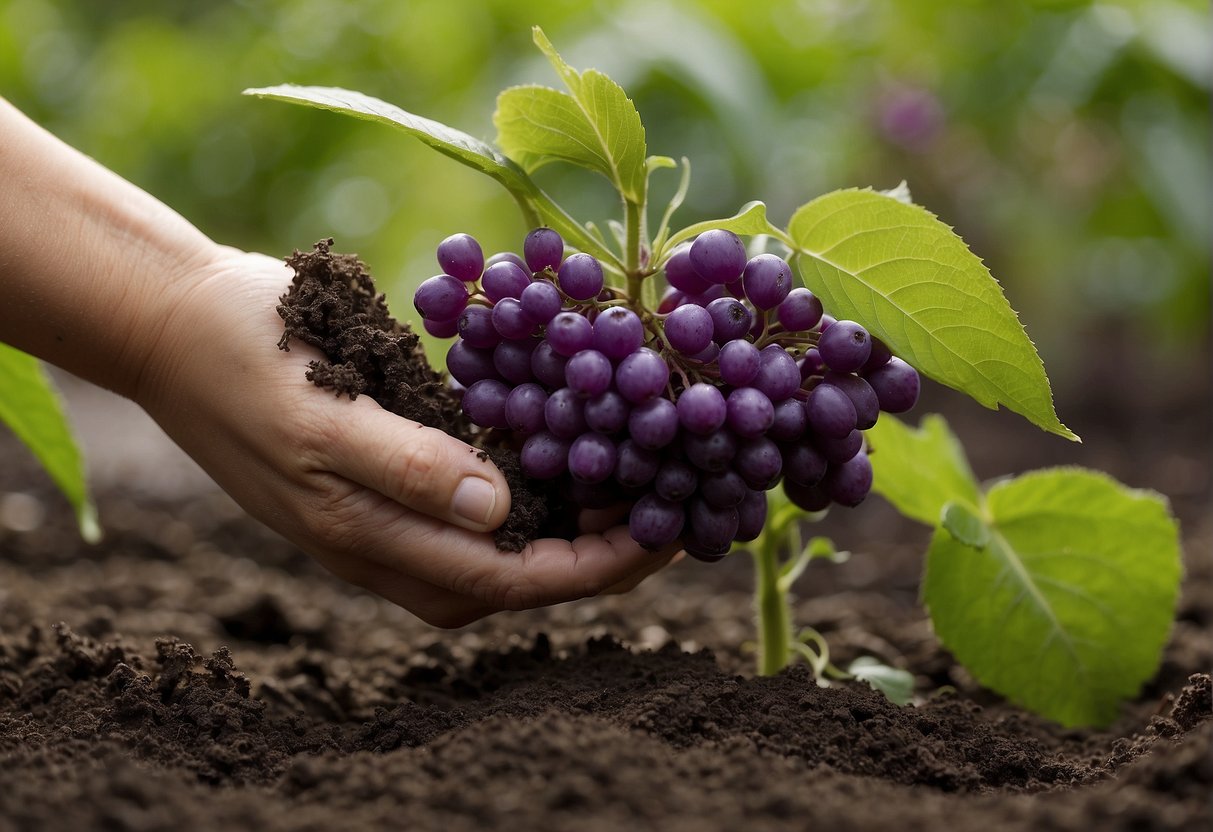

If you aim to bring a splash of color to your garden, the beautyberry bush is a superb selection. Its dazzling purple berries combined with the lush green leaves make it an attractive feature for any garden. However, should you find yourself pondering over the process of propagating beautyberry bushes, rest assured you are not the only one. While the propagation process might appear challenging at first, with the correct methods, it turns out to be quite straightforward.
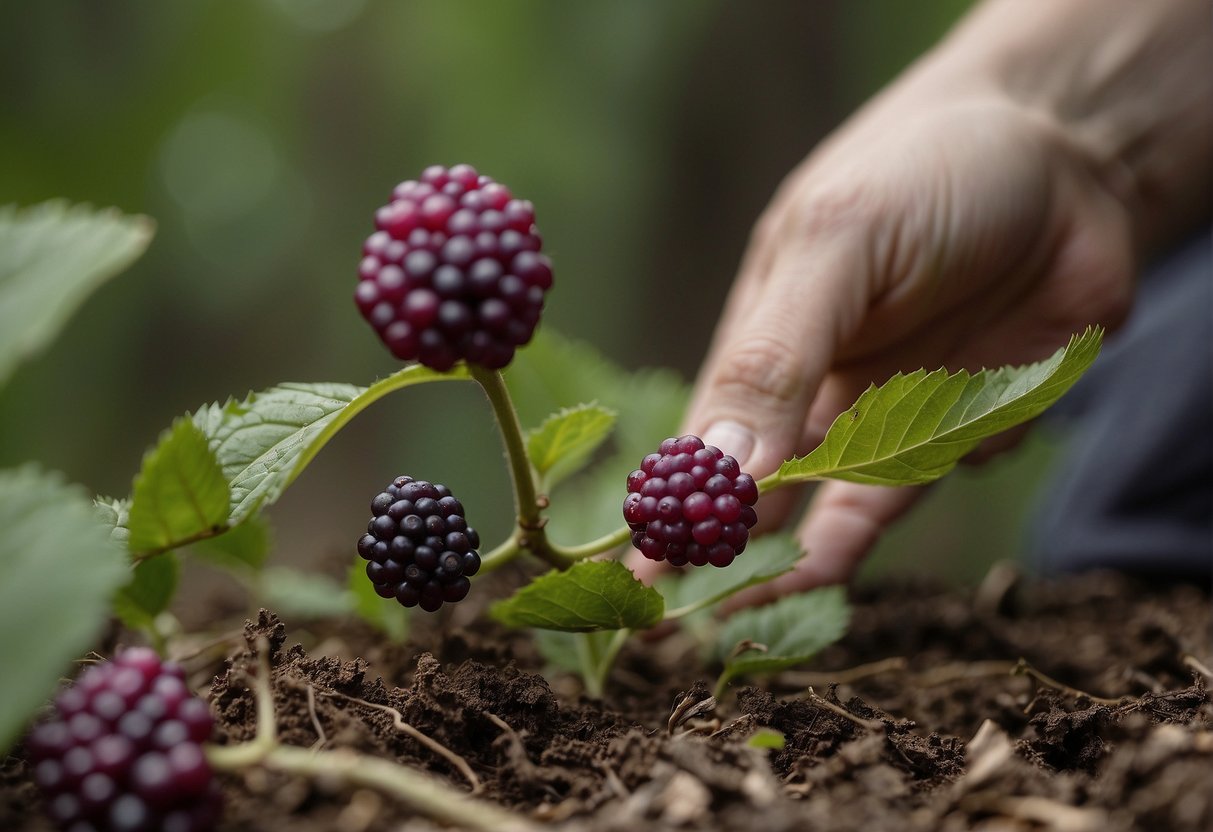
There are several propagation techniques you can use to grow new beautyberry bushes. From taking cuttings to layering, each method has its own benefits and drawbacks. By understanding the different techniques and choosing the one that works best for you, you can successfully propagate your own beautyberry bushes and enjoy their beauty for years to come. In this article, we’ll explore the different propagation techniques, as well as tips for caring for and maintaining your beautyberry bushes.
Key Takeaways
- Propagating beautyberry bushes is easier than you might think.
- There are several different techniques you can use, including taking cuttings and layering.
- With proper care and maintenance, your beautyberry bushes will thrive and add a pop of color to your garden.
Propagation Techniques
If you want to grow a beautyberry bush in your garden, you can propagate it using various techniques. Here are some methods you can use to propagate beautyberry bush:
Seed Propagation
You can propagate beautyberry bush from seeds. Collect the fruit when it is ripe and remove the pulp. Stratify the seeds by storing them in a moist, cool place for several weeks. After stratification, sow the seeds in seedling trays filled with a potting mix. Keep the soil moist and place the trays in indirect light. After germination, transplant the seedlings into individual pots and grow them until they are large enough to plant outdoors.
Cuttings Method
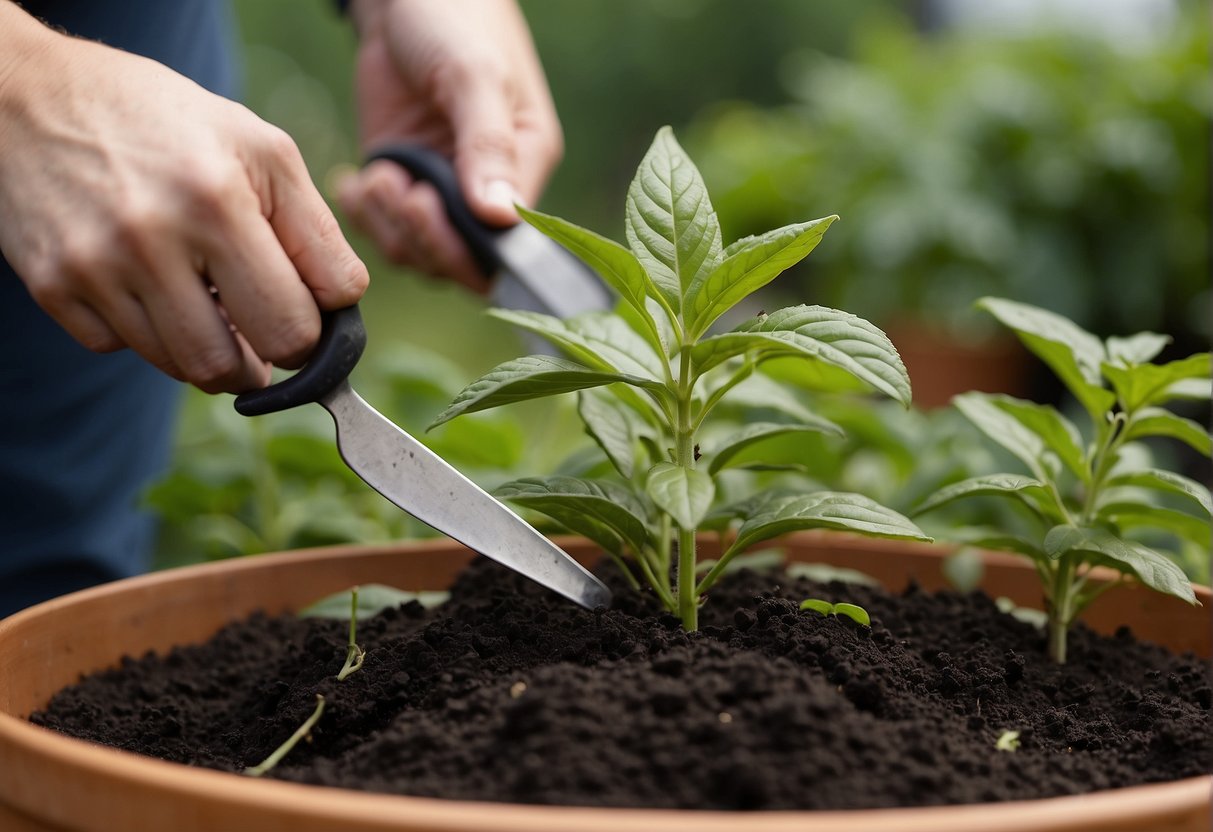
You can also propagate beautyberry bush using cuttings. Take softwood cuttings in spring or stem cuttings in summer. Dip the cuttings in rooting hormone and plant them in a potting mix of perlite, peat moss, and vermiculite. Keep the soil moist and place the pot in indirect light. Cover the pot with a plastic bag to maintain humidity. After root growth and new growth appear, transplant the cuttings into individual pots and grow them until they are large enough to plant outdoors.
Layering Approach
Another method to propagate beautyberry bush is layering. Bend a low-hanging branch to the ground and cover a section of it with soil. Keep the soil moist and in partial shade. After root development occurs, cut the branch from the parent plant and transplant the new plant into a prepared bed with organic matter and good drainage.
Using any of these propagation techniques, you can successfully grow new beautyberry bushes in your garden. Remember to provide adequate light, temperature, soil, and moisture for the best results. Fertilize the plants regularly and monitor their growth to ensure they are healthy and thriving.
Care and Maintenance
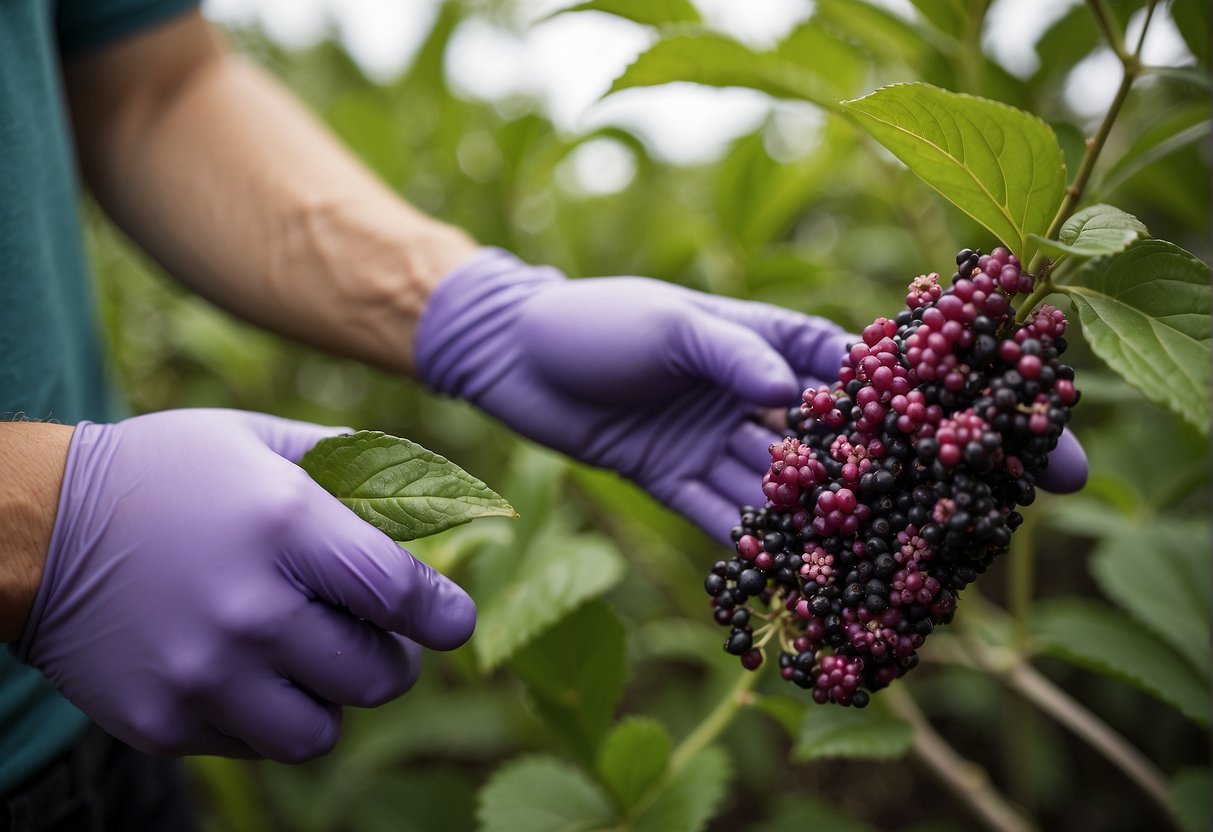
Taking care of your beautyberry bush is essential for its growth and health. This deciduous shrub requires minimal maintenance, but proper care can enhance its bloom and landscape appearance. Here are some tips on how to care for and maintain your beautyberry bush.
Optimal Growing Conditions
Beautyberry bushes thrive in well-drained soil with a pH range of 6.0 to 7.5. They prefer partial shade to full sun exposure and can tolerate a wide range of hardiness zones in North America. Watering should be done regularly during the growing season, but avoid overwatering as it can lead to root rot.
Pruning and Shaping
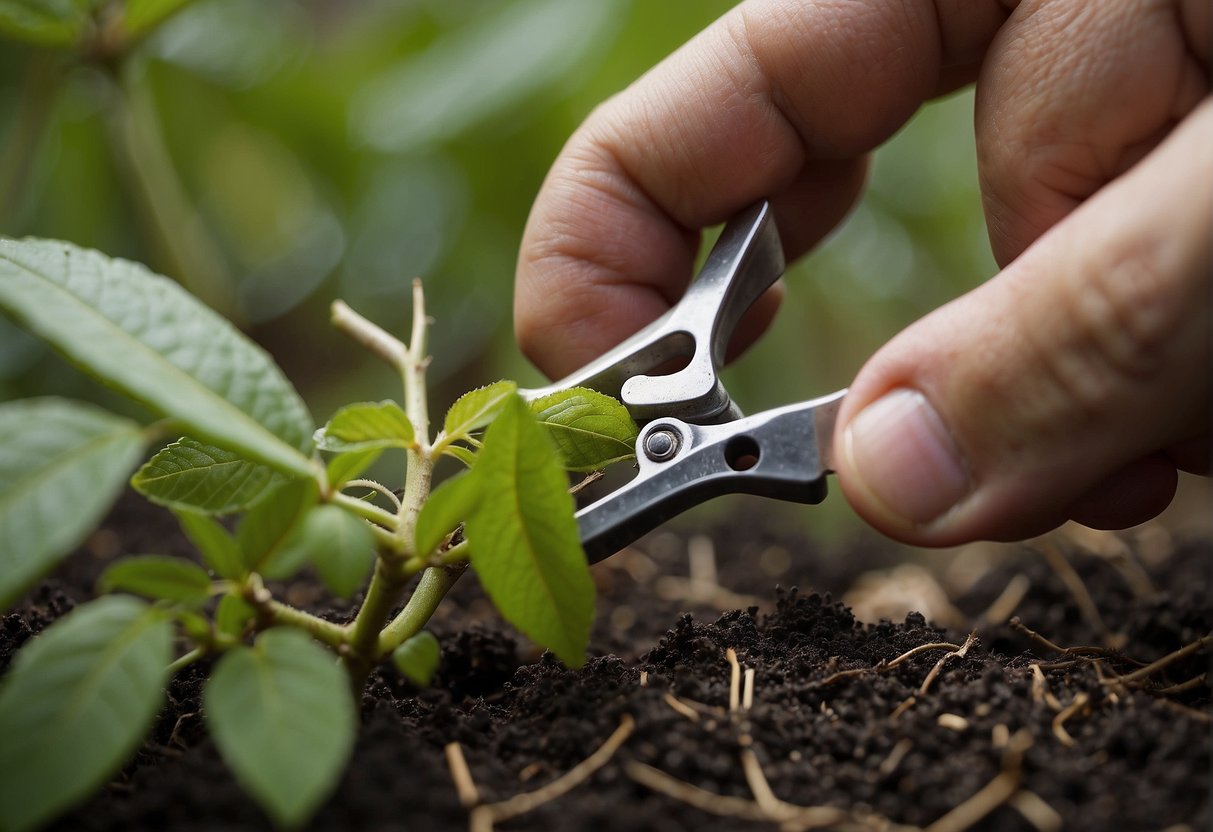
Pruning is necessary to maintain the shape and size of your beautyberry bush. It is best to prune in late winter or early spring before new growth appears. Prune the bush by cutting back the new wood to promote fruit production and remove any damaged or diseased branches. Shaping can also be done during this time to maintain a neat and tidy appearance.
Pests and Diseases
Beautyberry bushes are relatively pest and disease-resistant. However, they can be susceptible to damage from deer and other wildlife. To prevent damage, consider using a fence or other protective measures. If you notice any disease or pest infestations, treat them promptly with appropriate measures.
Supporting Wildlife
Beautyberry bushes produce purple berries that are attractive to birds and other wildlife. To support wildlife, avoid using pesticides and other harmful chemicals that can harm the environment. Planting beautyberry bushes in your garden can provide a source of food for birds and other wildlife, making it a valuable addition to your landscape.
In conclusion, taking care of your beautyberry bush is easy and requires minimal effort. By following these tips on care and maintenance, you can enhance the appearance of your garden and support wildlife at the same time.
Frequently Asked Questions

What is the best method to propagate beautyberry from cuttings?
The best method to propagate beautyberry from cuttings is to take semi-hardwood cuttings in late summer or early fall. Cuttings should be 4-6 inches long and taken from the current season’s growth. Remove all leaves from the lower half of the cutting and dip the cut end in rooting hormone. Plant the cutting in a well-draining potting mix and keep it moist and in a warm, bright location until roots develop.
Can you root beautyberry cuttings in water, and if so, how?
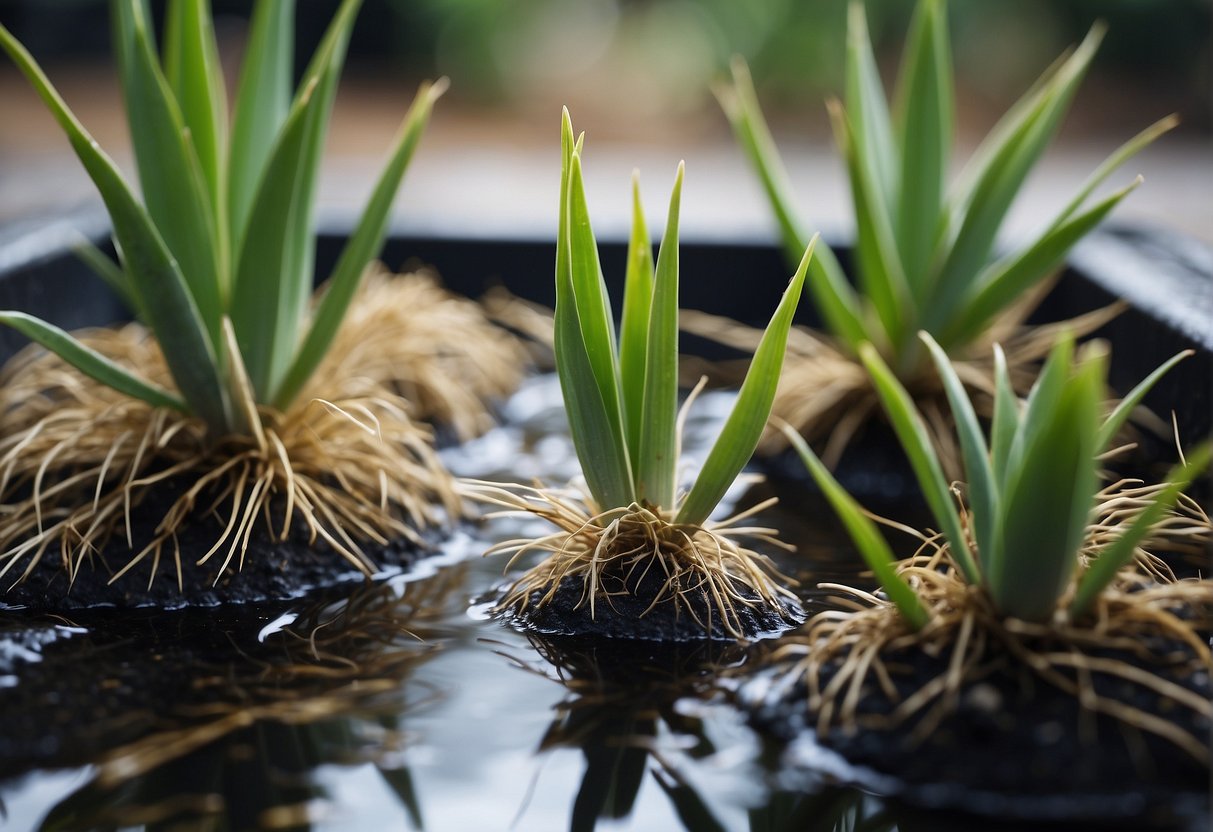
Yes, you can root beautyberry cuttings in water. Take semi-hardwood cuttings as described above and place them in a container filled with water. Change the water every few days to keep it fresh and prevent mold growth. Once roots have developed, transplant the cutting into a well-draining potting mix.
What are the steps to grow beautyberry from seed?
To grow beautyberry from seed, start by collecting ripe berries from an existing plant in the fall. Remove the pulp from the berries and soak them in water for 24 hours. Plant the seeds in a well-draining potting mix and keep them moist. Germination can take several weeks and may require stratification (exposure to cold temperatures) to break seed dormancy.
When is the ideal time to plant beautyberry seeds?
The ideal time to plant beautyberry seeds is in the fall, after they have been stratified and are ready to germinate. Plant the seeds in a well-draining potting mix and keep them moist. Alternatively, you can sow the seeds directly in the ground in the fall or early spring.
How do you start a new beautyberry plant?
To start a new beautyberry plant, take a cutting or grow it from seed as described above. Plant the cutting or seedling in a well-draining potting mix or directly in the ground in a sunny or partially shaded location. Water regularly and fertilize with a balanced fertilizer during the growing season.
Does the beautyberry plant naturally spread, and what are the implications for propagation?
Beautyberry plants can spread naturally through self-seeding, but the resulting plants may not be true to the parent plant. Propagation through cuttings or seed ensures that the new plant will have the same characteristics as the parent plant.