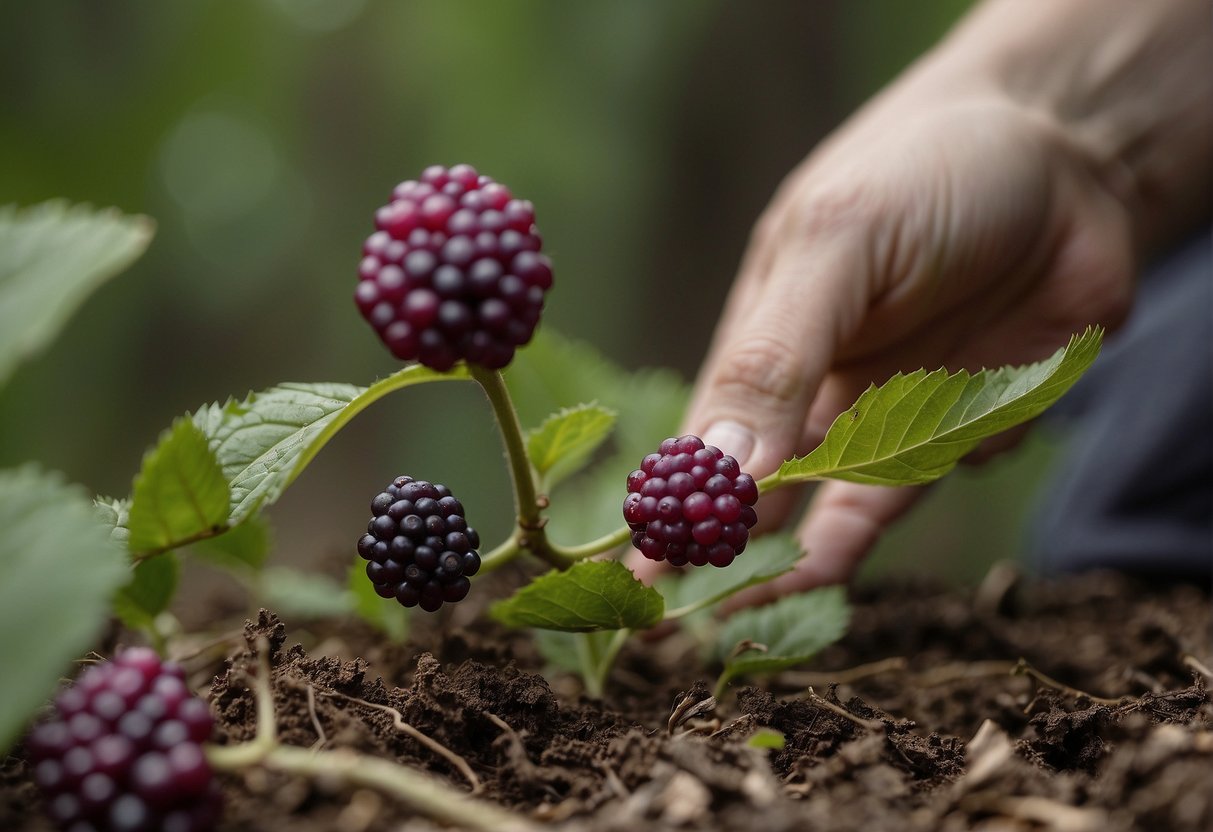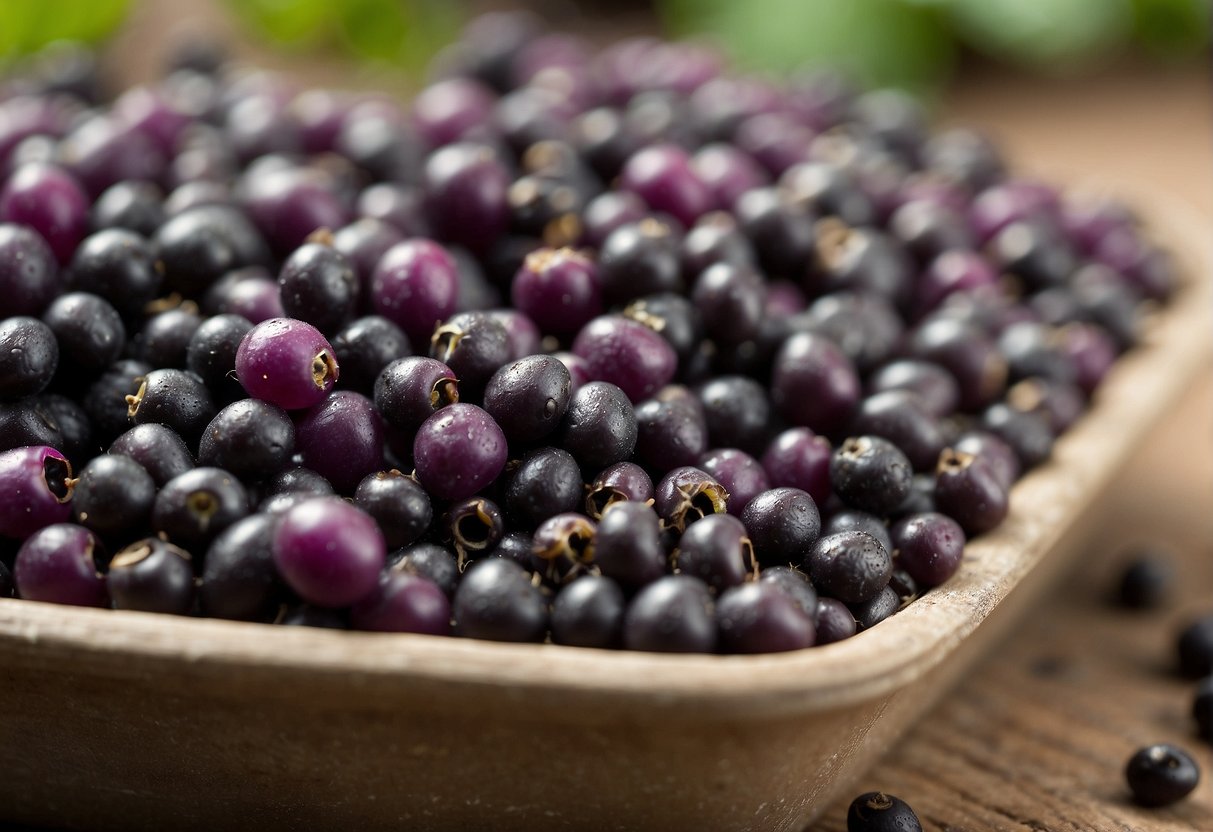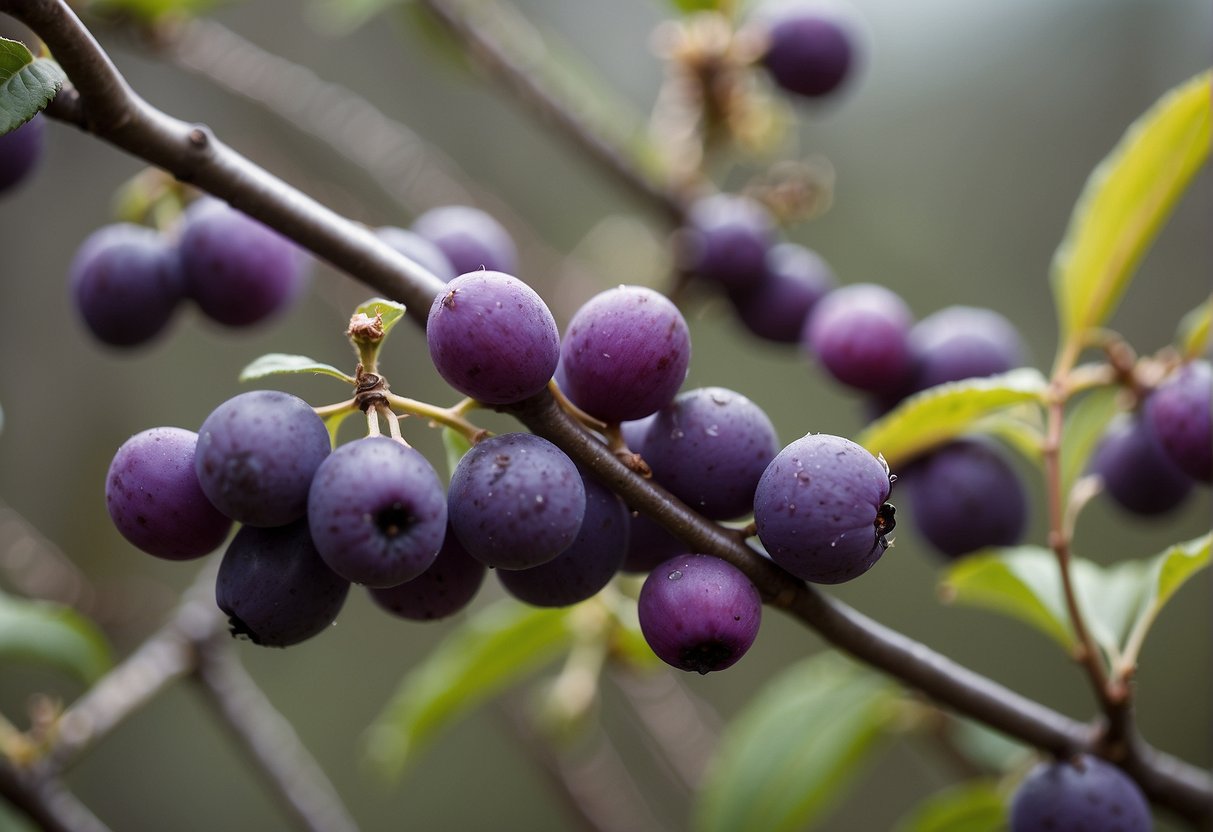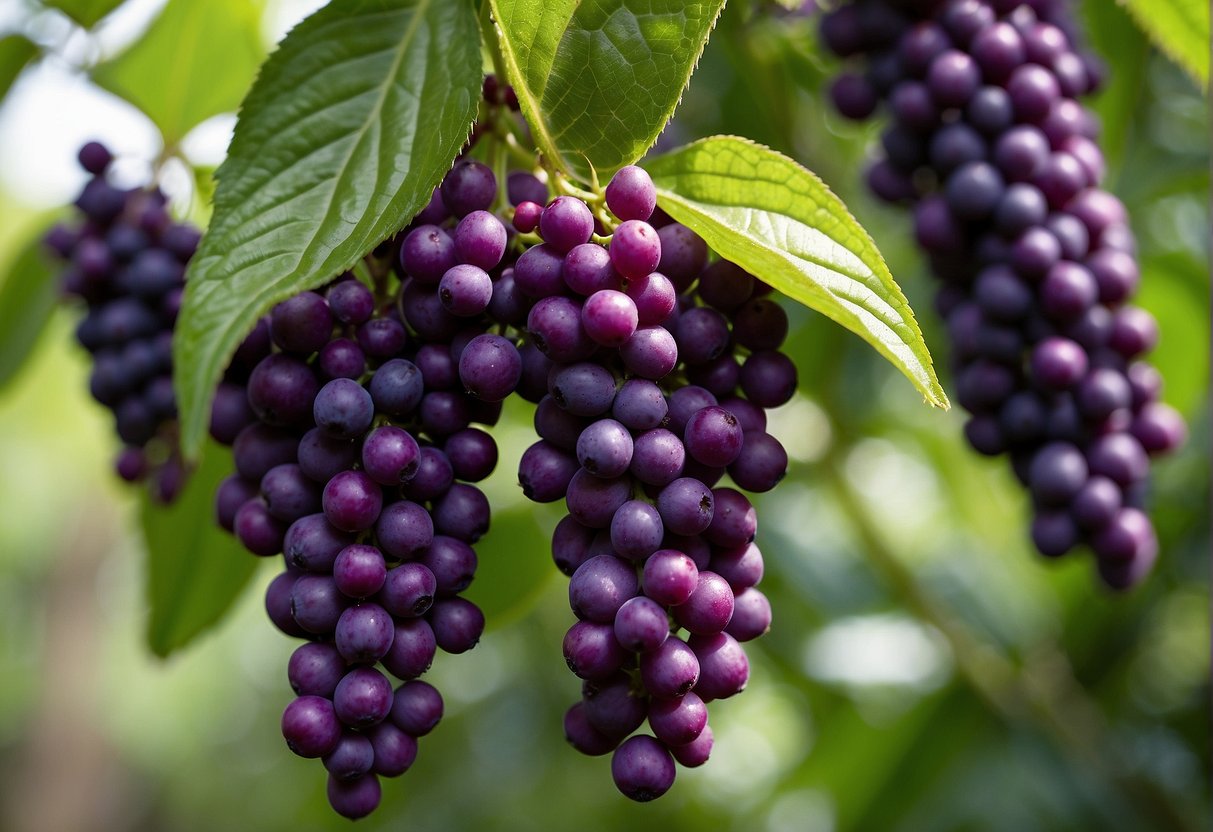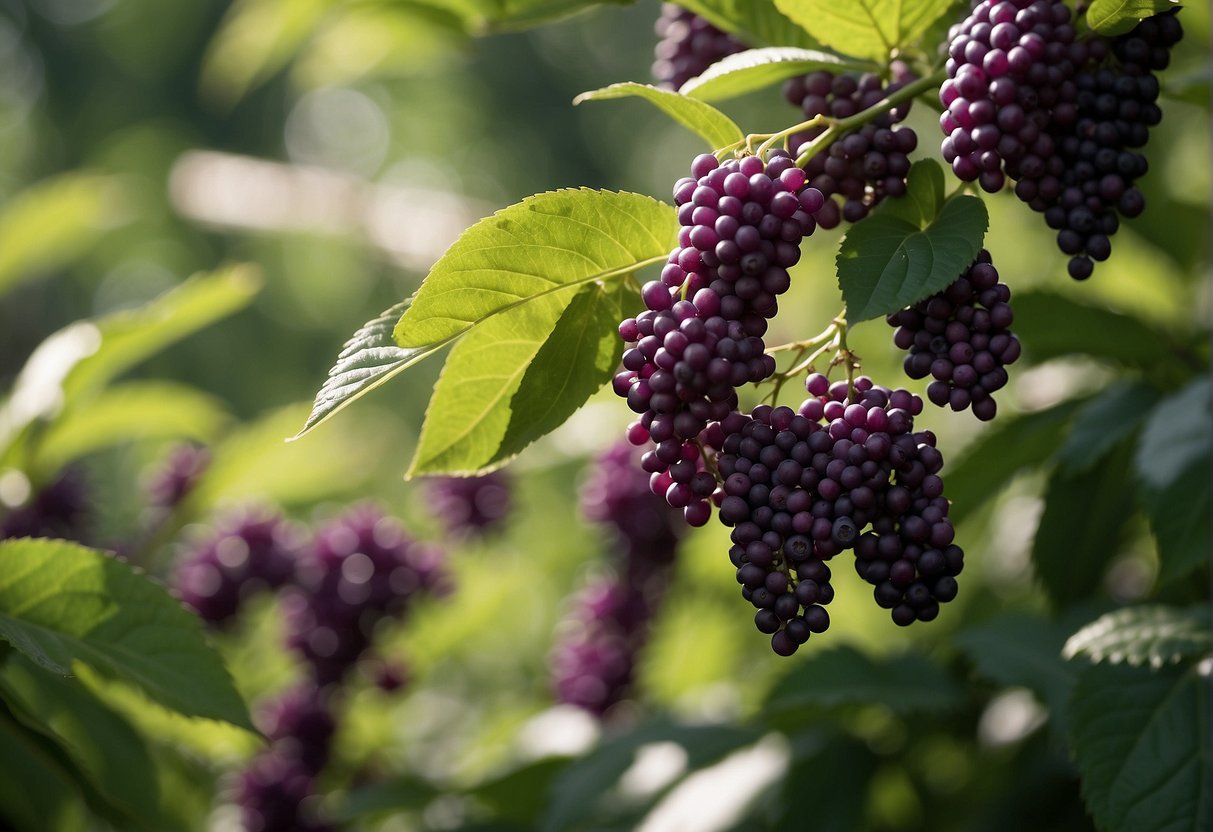

Should you desire to enhance the aesthetic of your garden, beautyberry bushes serve as an excellent option. These bushes yield vivid purple berries during the autumn, providing your garden with a burst of color. For those keen on cultivating beautyberry bushes, grasping the propagation technique and adhering to several crucial steps is vital.
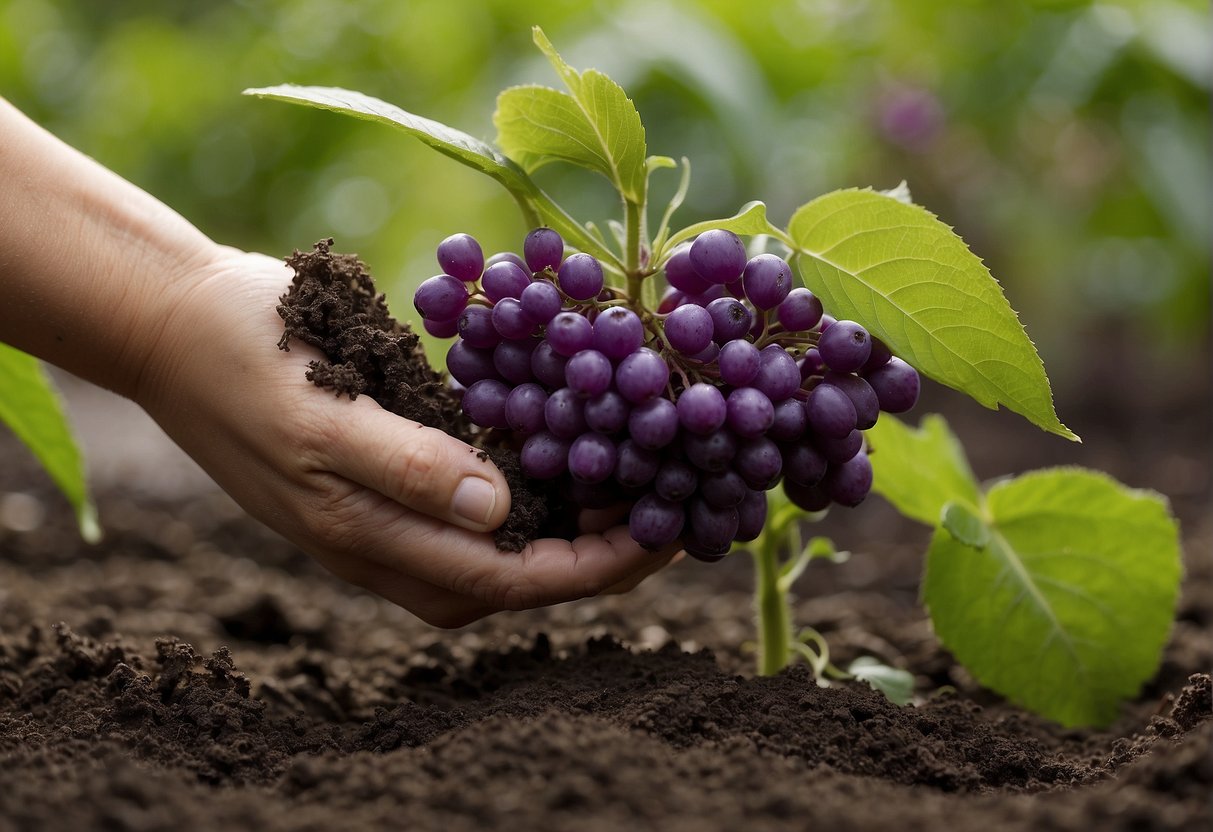
Understanding Beautyberry Propagation is essential before starting the process. Beautyberry bushes can be propagated through cuttings, seeds, or layering. Each method has its own benefits and drawbacks, so it’s important to choose the one that works best for you and your garden. Once you’ve chosen your method, you can follow a step-by-step guide to ensure success. With a little patience and care, you can have a beautiful, thriving beautyberry bush in no time.
Key Takeaways
- Beautyberry bushes are a great addition to any garden, producing bright purple berries in the fall.
- Propagation can be done through cuttings, seeds, or layering, each with its own benefits and drawbacks.
- Following a step-by-step guide is essential to successfully propagating beautyberry bushes.
Understanding Beautyberry Propagation
If you’re interested in propagating beautyberry bushes, there are a few things you should know to maximize your success. Beautyberries can be propagated through cuttings or seeds, but cuttings are generally the preferred method as they are easier and more reliable.
Propagation Basics
Beautyberry bushes can be propagated through softwood cuttings taken in the late spring or early summer, or hardwood cuttings taken in the fall or winter. Softwood cuttings are taken from the stem tips, while hardwood cuttings are taken from mature branches. Both types of cuttings can be rooted in soil or a potting mix, but using rooting hormone can increase the chances of success.
Choosing the Right Time and Method
The best time to take softwood cuttings is when the new growth is still soft and pliable, but has begun to harden off. Hardwood cuttings should be taken after the leaves have fallen in the fall or winter. When choosing a method, consider the time of year, the availability of materials, and your own experience and resources.
Preparing for Propagation
Before taking cuttings, make sure you have a suitable potting mix or soil, rooting hormone, and a container with good drainage. Clean and sterilize your tools to prevent disease transmission. Make sure the parent plant is healthy and disease-free, and that you have permission to take cuttings if it’s not your own plant.
Caring for New Beautyberry Plants
Once your cuttings have rooted, care for them as you would any new plant. Keep the soil moist but not waterlogged, and provide plenty of light. Beautyberries prefer full sun, but can tolerate some shade. They bloom in the summer and produce colorful fall foliage and berries in the fall.
Maximizing Propagation Success
To maximize your chances of success, take multiple cuttings and keep them in a greenhouse or covered with a plastic bag to maintain humidity. Patience is key, as it can take several weeks or months for cuttings to root and develop a strong root system.
Integrating Beautyberries into the Landscape
Beautyberries can be used in a variety of landscape settings, from container gardens to mixed borders. They have arching branches and produce clusters of purple berries that are attractive to wildlife. French mulberry is a popular variety, but there are many other types of beautyberries to choose from.
Special Considerations for Beautyberry Varieties
Different varieties of beautyberry may have specific requirements or characteristics to consider when propagating. For example, Callicarpa americana is a native beautyberry that prefers moist, well-drained soil and full sun. Research the specific variety you’re interested in to ensure you’re providing the best conditions for success.
Troubleshooting Common Issues
Beautyberries are generally low-maintenance and resistant to pests and diseases, but they can be susceptible to root rot if the soil is too moist. Make sure the soil has good drainage, and avoid overwatering. Prune as needed to maintain the shape and size of the shrub, and watch for signs of disease or damage.
Propagation Step-by-Step Guide
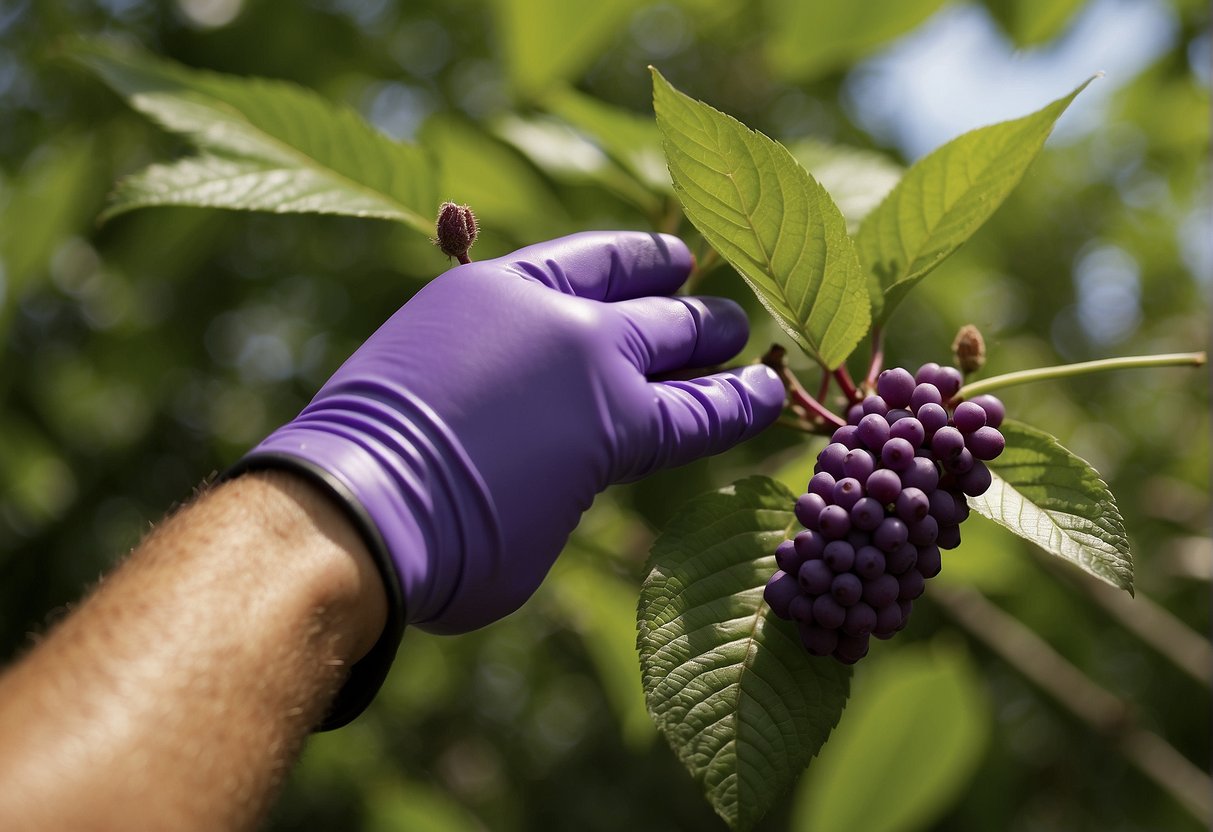
If you want to propagate your beautyberry bushes, there are a few different methods you can try. Each has its own benefits and drawbacks, so it’s up to you to decide which one is right for you. Here’s a step-by-step guide to help you get started:
Stem Cuttings Technique
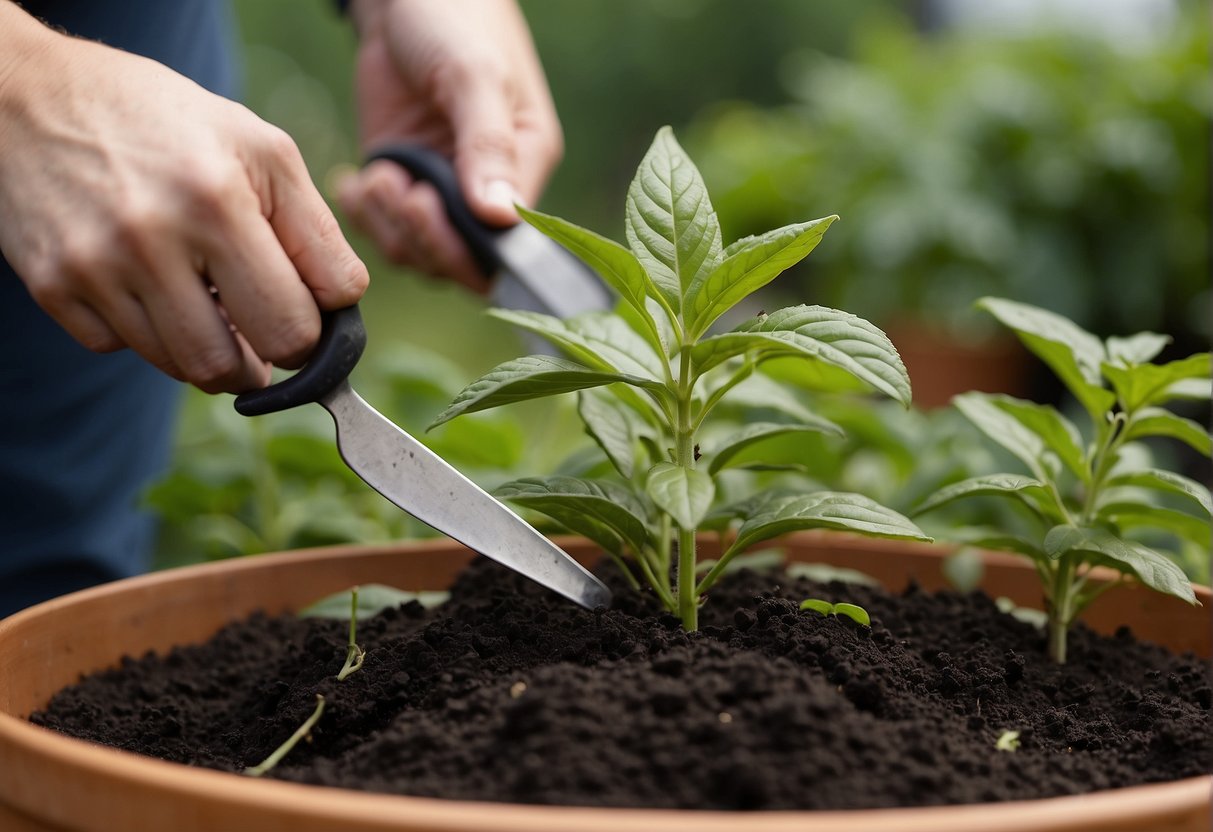
- Select a healthy stem from your beautyberry bush. The stem should be about 4-6 inches long and have several leaves on it.
- Use a sharp, clean pair of pruning shears to cut the stem at a 45-degree angle, just below a node (where a leaf meets the stem).
- Remove any leaves from the lower half of the stem, leaving only a few at the top.
- Dip the cut end of the stem into rooting hormone.
- Fill a small pot with moist potting mix and make a hole in the center.
- Insert the stem into the hole and gently press the soil around it.
- Water the soil until it’s moist, but not soaking wet.
- Cover the pot with a clear plastic soda bottle, with the bottom cut off, to create a mini greenhouse.
- Mist the stem and leaves with a spray bottle of water every few days.
- After a few weeks, check for rooting by gently tugging on the stem. If it resists, roots have formed.
- Once the stem has rooted, remove the plastic bottle and move the pot to a bright, but indirect light location.
- Water the plant regularly to keep the soil moist, but not waterlogged.
- After a few months, the new plant should be ready for transplanting.
Seed Propagation Method
- Collect beautyberry berries from your existing bush.
- Remove the pulp from the berries and wash the seeds.
- Fill a small pot with a mixture of native soil and potting mix.
- Make a small hole in the center of the soil and place the seeds in it.
- Cover the seeds with a thin layer of soil.
- Water the soil until it’s moist, but not soaking wet.
- Place the pot in a bright, warm location.
- Keep the soil moist by watering regularly.
- After a few weeks, the seeds should germinate.
- Once the seedlings have a few leaves, thin them out so that only the strongest ones remain.
- After a few months, the seedlings should be large enough for transplanting.
Aftercare for Successful Growth
- Make sure your new beautyberry plants have enough water, but don’t overwater them.
- Keep the soil moist, but not waterlogged.
- Provide the plants with plenty of light, but avoid direct sunlight.
- Prune the plants regularly to encourage new growth and maintain their shape.
- Fertilize the plants with a balanced fertilizer once a month during the growing season.
- Watch for signs of pests or diseases and treat them promptly to prevent spread.
- Enjoy the fall color and wildlife that beautyberry bushes attract.
Transplanting to Permanent Locations
- Wait until the new plants have a strong root system before transplanting.
- Choose a location with well-draining soil and partial shade.
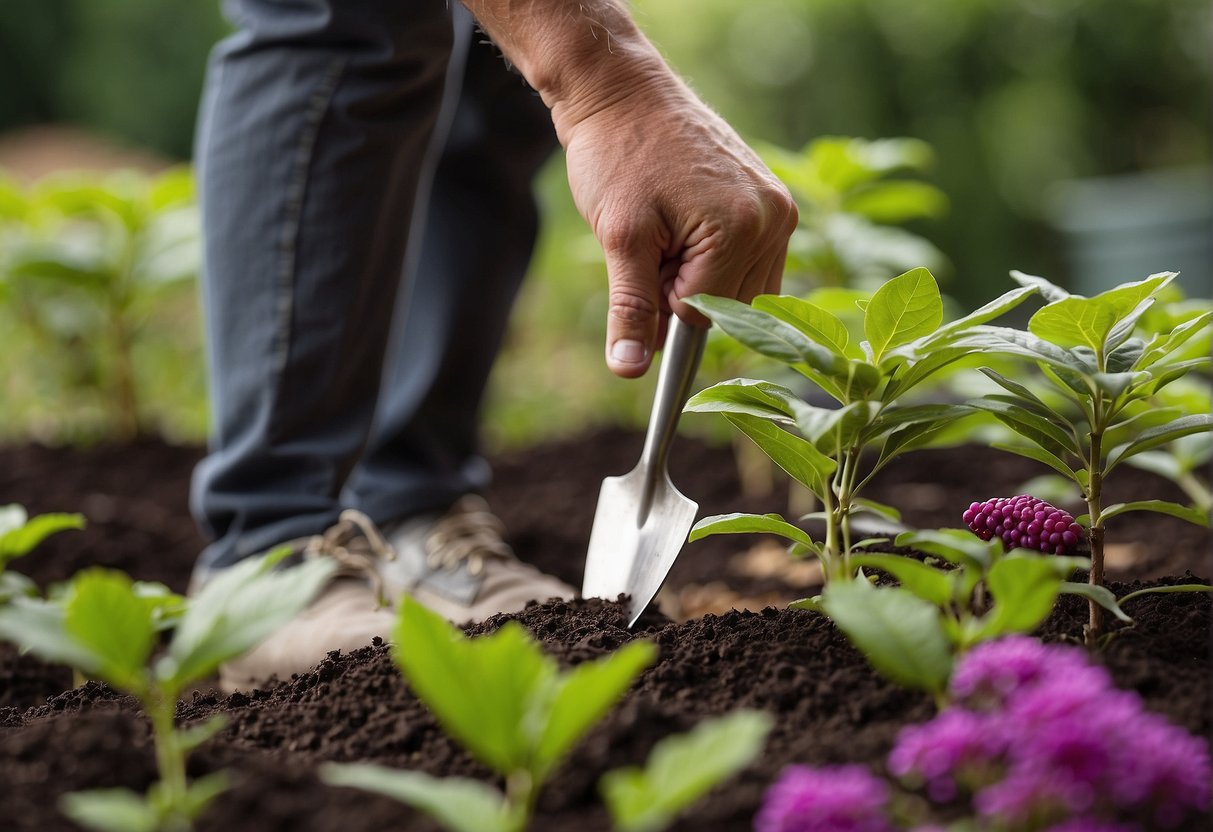
- Dig a hole that’s slightly larger than the root ball of the plant.
- Gently remove the plant from its pot and place it in the hole.
- Backfill the hole with soil and press it down firmly around the plant.
- Water the plant thoroughly.
- Mulch around the base of the plant to help retain moisture.
- Continue to water the plant regularly until it’s established.
Frequently Asked Questions
What is the best method to propagate beautyberry bushes from cuttings?
The best method to propagate beautyberry bushes from cuttings is to take semi-hardwood cuttings in late summer or early fall. Cuttings should be taken from the current year’s growth and should be about 4-6 inches long. Remove the leaves from the bottom half of the cutting and dip the cut end in rooting hormone. Plant the cutting in well-draining soil and keep it moist until it roots.
Can beautyberry bushes be propagated in water, and if so, how?
Yes, beautyberry bushes can be propagated in water. Take a 4-6 inch cutting from the current year’s growth and remove the leaves from the bottom half of the cutting. Place the cutting in a jar of water and change the water every few days. Once roots have formed, plant the cutting in well-draining soil.
What are the steps to successfully grow beautyberry bushes from seeds?
To successfully grow beautyberry bushes from seeds, start by collecting ripe berries in the fall. Remove the seeds from the berries and wash them thoroughly. Plant the seeds in well-draining soil and keep them moist. Germination can take several weeks to several months, so be patient. Once the seedlings have developed several sets of leaves, they can be transplanted into larger pots or into the ground.
How can you propagate beautyberry bushes in pots?
To propagate beautyberry bushes in pots, take a 4-6 inch cutting from the current year’s growth and remove the leaves from the bottom half of the cutting. Dip the cut end in rooting hormone and plant the cutting in a well-draining potting mix. Keep the soil moist and place the pot in a warm, bright location. Once roots have formed, the cutting can be transplanted into a larger pot or into the ground.
What are the requirements for rooting beautyberry cuttings?
The requirements for rooting beautyberry cuttings are well-draining soil, a warm and bright location, and consistent moisture. It’s also important to use a rooting hormone to encourage root development. Cuttings should be taken from the current year’s growth and should be about 4-6 inches long.
Where should a beautyberry bush be planted for optimal growth?
Beautyberry bushes prefer well-draining soil and full to partial sun. They can tolerate some shade, but too much shade can result in leggy growth and fewer berries. Plant beautyberry bushes in a location protected from strong winds and water them regularly, especially during periods of drought.