Home » Blog » How to Plant American Beautyberry Seeds: A Step-by-Step Guide
How to Plant American Beautyberry Seeds: A Step-by-Step Guide
December 27, 2024
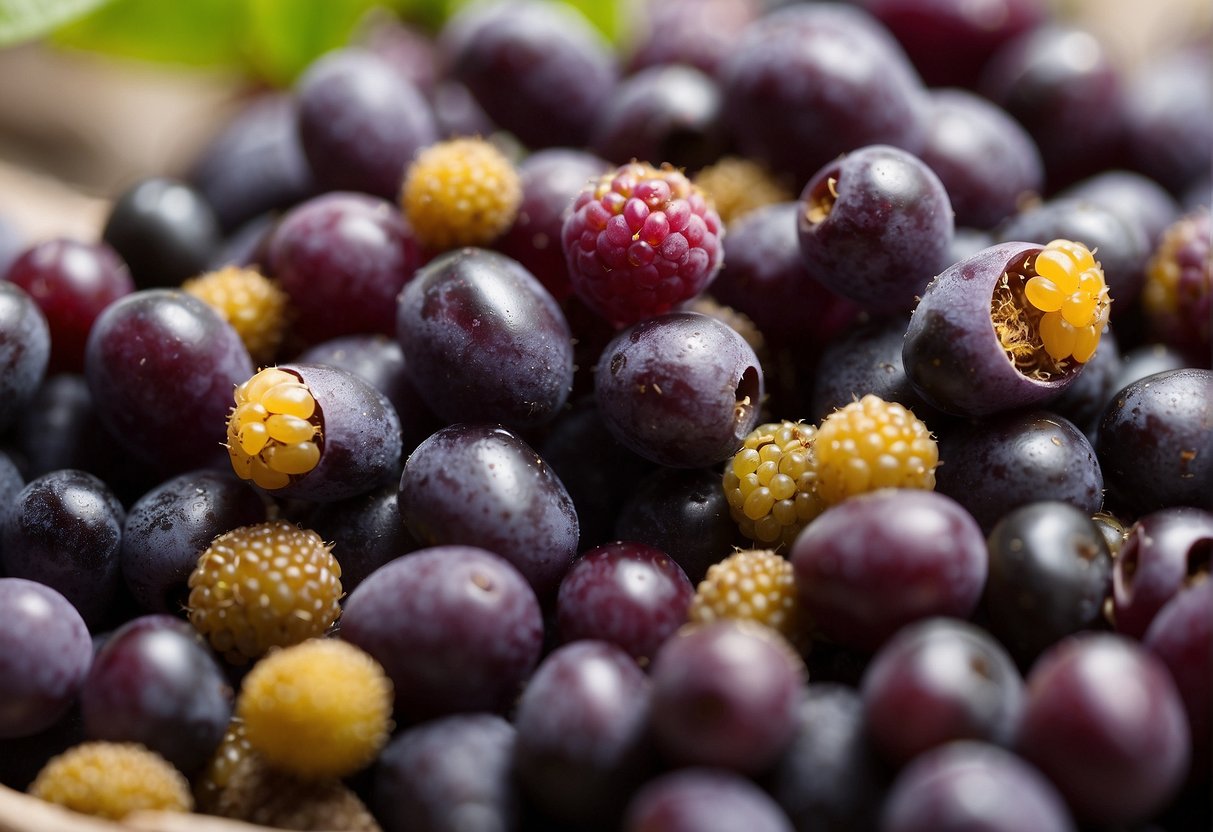
Sowing seeds of the American beautyberry is an excellent method to introduce this indigenous North American bush into your landscaping. Known also as Callicarpa americana, the beautyberry is a deciduous bush that yields vivid purple berry clusters come autumn. The act of seeding beautyberries is straightforward, achievable in either spring or autumn, and with some initial setup, you’ll be able to appreciate the splendor of this flora right in your backyard.
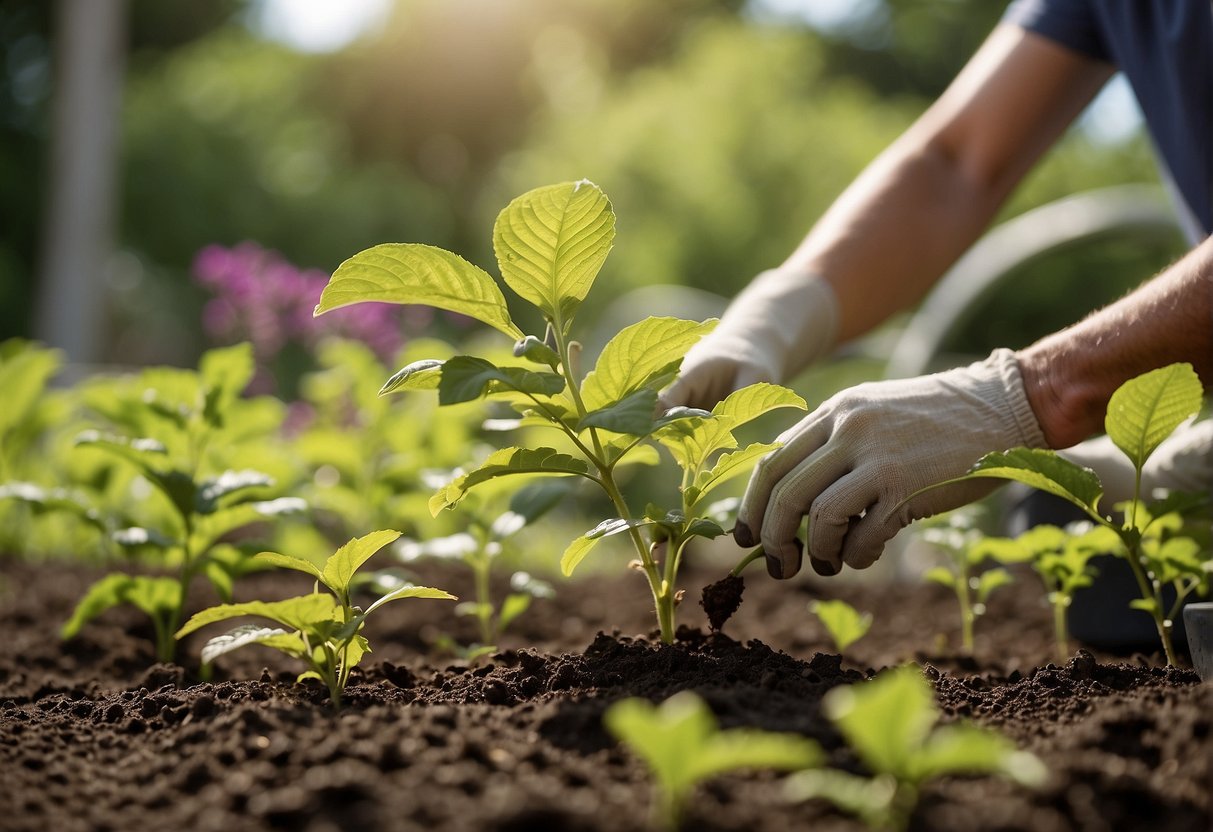
Before you start planting, it’s important to prepare your garden bed. Beautyberry prefers well-draining soil that is rich in organic matter. If your soil is heavy or clay-like, you may want to amend it with compost or other organic material. You should also choose a location that receives partial shade to full sun. Once your garden bed is prepared, you’re ready to start planting your beautyberry seeds.
Key Takeaways
Planting beautyberry seeds is a simple process that can be done in the spring or fall.
Beautyberry prefers well-draining soil that is rich in organic matter and a location that receives partial shade to full sun.
With proper care, your beautyberry shrub will produce clusters of bright purple berries in the fall.
Preparing for Planting
If you’re planning to grow American beautyberries from seeds, there are a few things you need to know before getting started. In this section, we’ll cover everything you need to know about preparing for planting, including choosing the right time and location, soil requirements and preparation, propagation methods, planting techniques, caring for seedlings, pruning and maintenance, and wildlife interaction and benefits.
Choosing the Right Time and Location
American beautyberries are best planted in the fall, when temperatures are cooler and the soil is moist. They prefer full sun to light shade, so choose a location that gets at least six hours of direct sunlight each day. These shrubs are hardy in USDA hardiness zones 6 through 10, but they are most commonly found in the southeastern United States, where they grow in woodland areas and forests.
Soil Requirements and Preparation
American beautyberries prefer well-drained soil with a pH between 5.0 and 6.5. If your soil is heavy in clay, mix in some compost to improve drainage. If you’re growing your beautyberries in pots, use a potting soil that is rich in organic matter and well-draining. Keep the soil consistently moist but not waterlogged.
Propagation Methods
Beautyberries can be propagated from seeds or cuttings. Softwood cuttings taken in the summer can be rooted with the help of rooting hormone and grown in a greenhouse or indoors. If you’re starting from seeds, sow them in seedling trays filled with seed-starter potting mix.
Planting Techniques
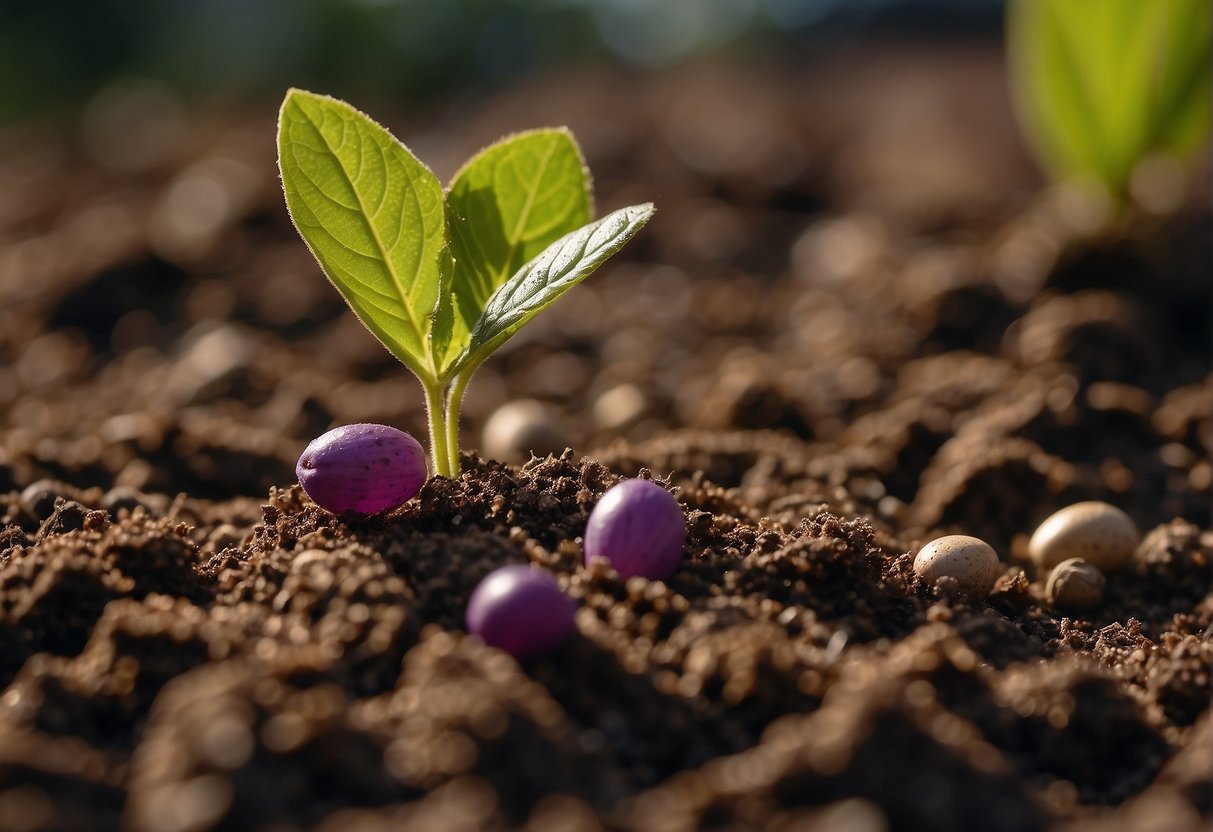
When planting your beautyberry seeds, make sure to water the soil first to ensure that it is moist. Sow the seeds about 1/4 inch deep and cover with soil. Water gently, and keep the soil consistently moist until the seeds germinate.
Caring for Seedlings
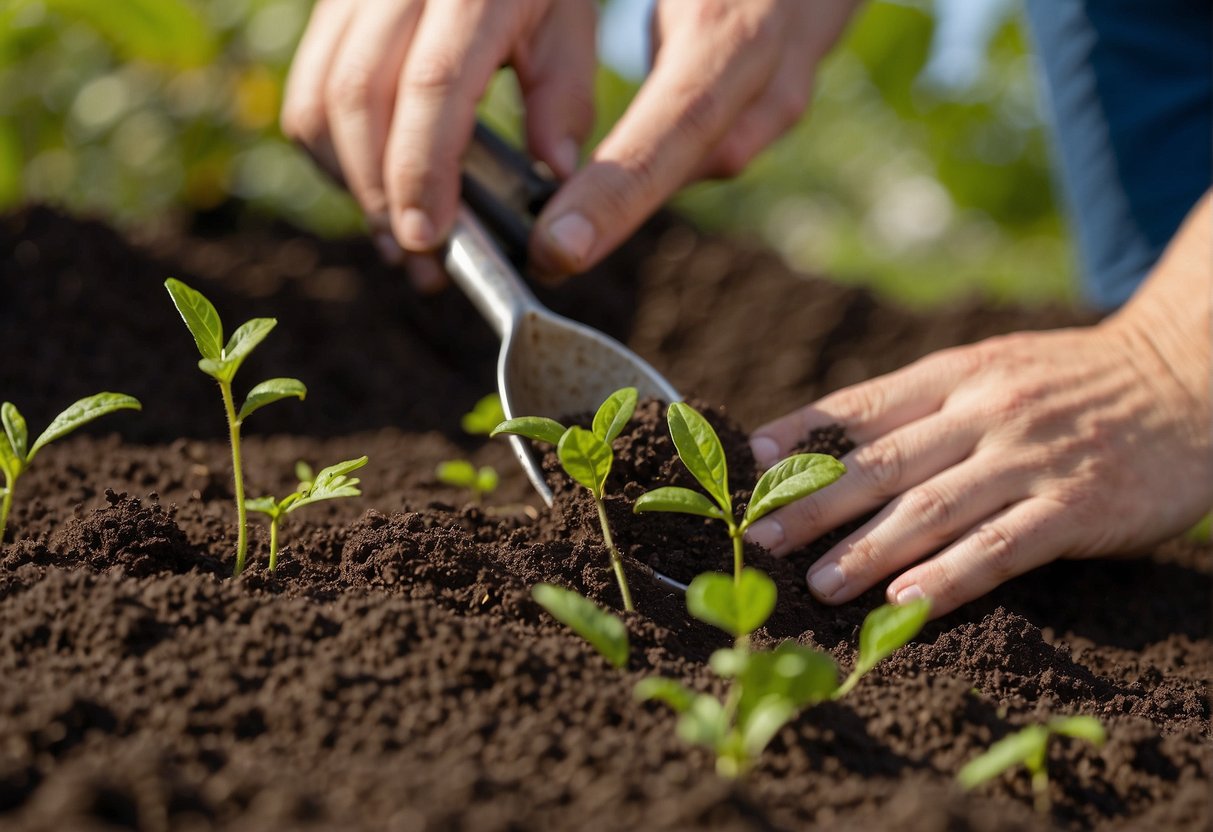
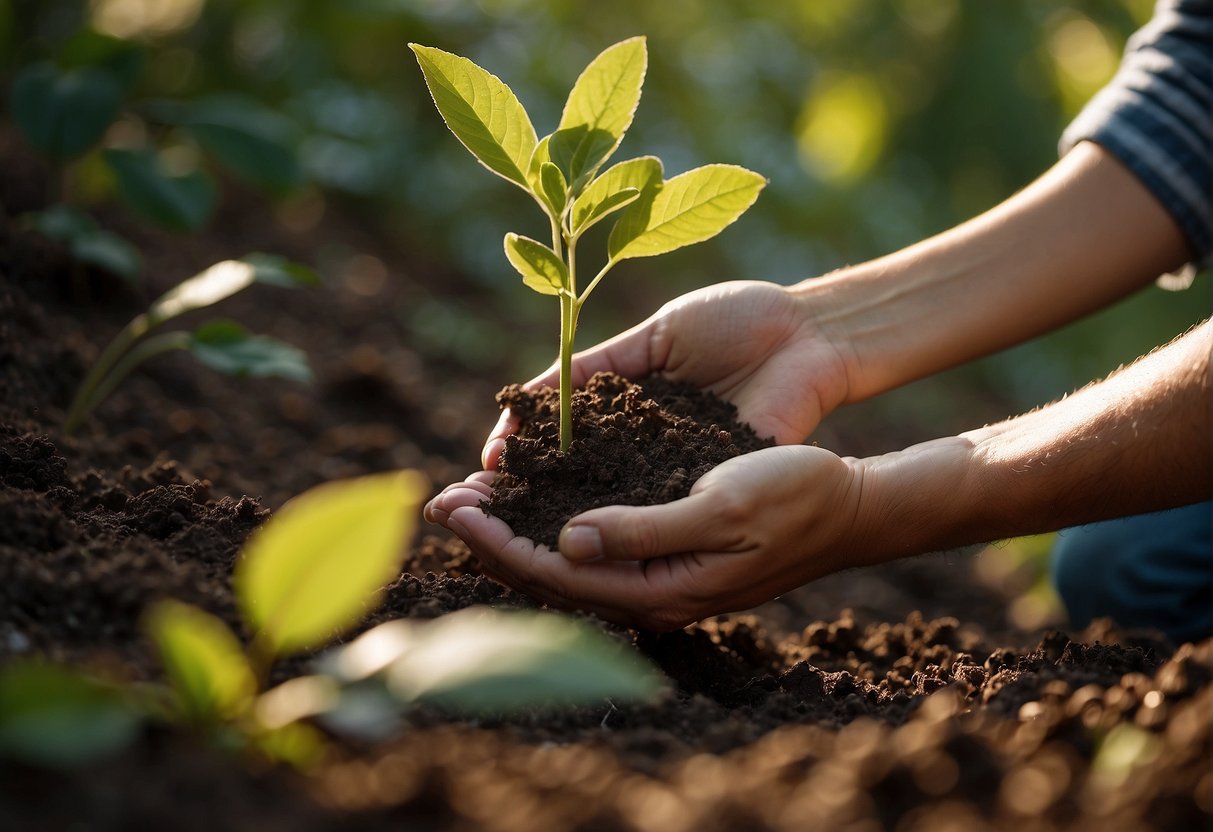
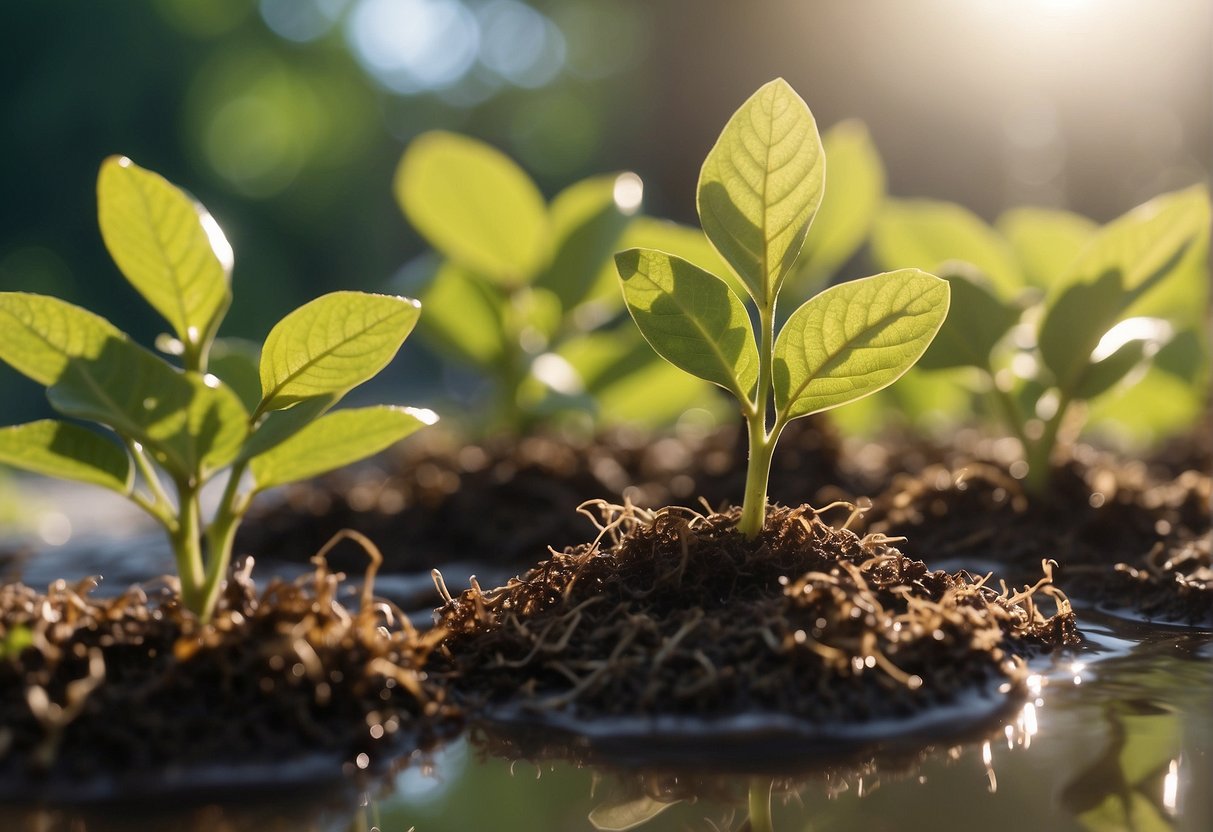
Once your seedlings have sprouted, keep them in a warm, humid location with bright, indirect light. Water them regularly and fertilize with a balanced fertilizer once a month. When they have grown to about 6 inches tall, transplant them to their permanent location in the garden.
Pruning and Maintenance
Beautyberries benefit from regular pruning to encourage new growth and maintain their shape. Prune in late winter or early spring before new growth appears. Remove any dead or diseased wood, and cut back any old or weak stems to encourage new growth.
Wildlife Interaction and Benefits
Beautyberries are a favorite food source for birds and other wildlife, including foxes, squirrels, and raccoons. They also attract butterflies while repelling mosquitoes. Planting them in mass plantings or borders can create a beautiful and functional addition to your garden.
Understanding the Beautyberry
If you are planning to plant American beautyberry seeds, it is important to understand the plant’s botanical profile, growth habits, and cultivation challenges.
Botanical Profile and Varieties
Beautyberries are deciduous shrubs that belong to the Lamiaceae family. The genus Callicarpa includes several species, including C. japonica and C. dichotoma, which are native to Japan and Korea, respectively. The American beautyberry (C. americana) is native to the southeastern United States.
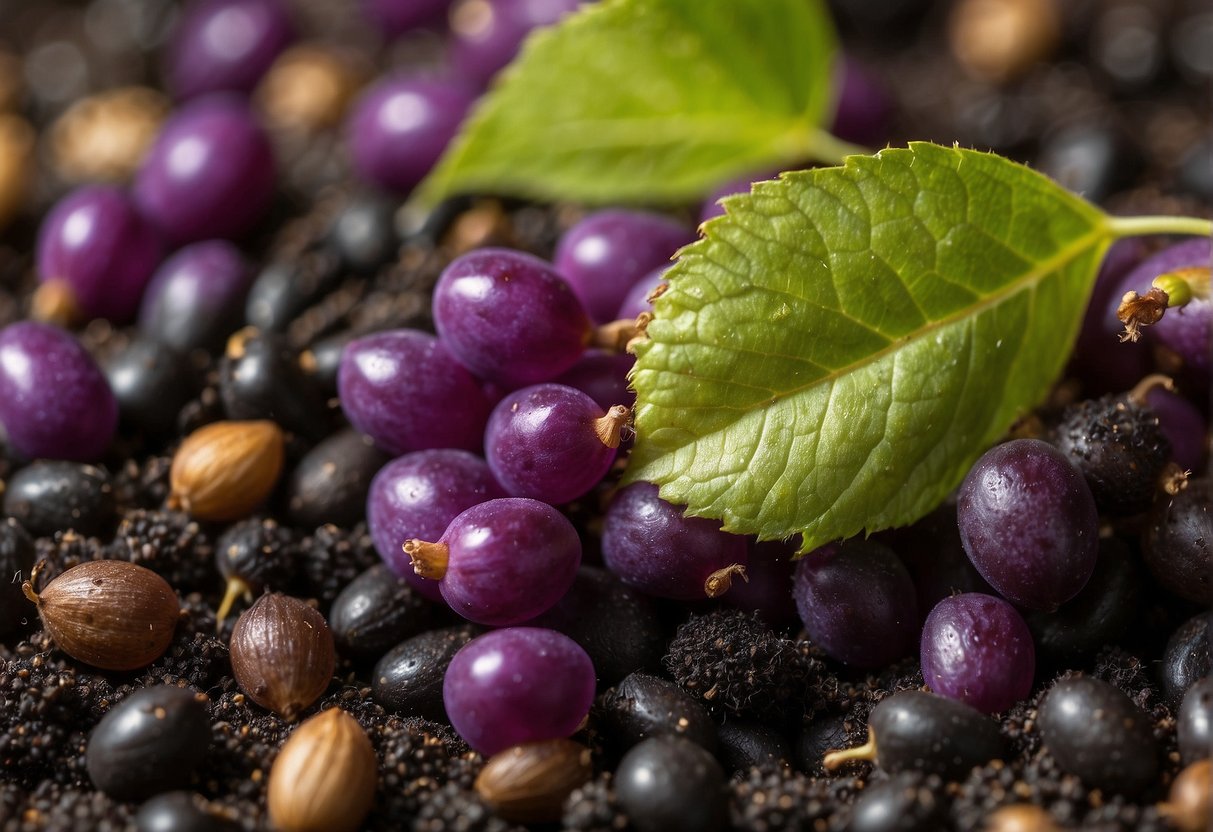
Beautyberry shrubs typically grow up to 6 feet in height and have arching branches that are covered in clusters of small, pink or white flowers in late summer. These flowers are followed by clusters of purple berries that give the plant its common name.
There are several cultivars of beautyberry, including the French mulberry and the Japanese beautyberry. Each variety has its own unique characteristics, such as the color of its berries or the height of the plant.
Growth Habits and Landscape Use
Beautyberry shrubs prefer partial shade and can tolerate a variety of soil types. They are drought-tolerant once established, making them a great choice for low-maintenance landscapes.
In the summer, beautyberry shrubs require plenty of sunlight to produce an abundance of berries. The purple fruit can be used in a variety of ways, including as a natural dye or as a food source for birds and other wildlife.
Beautyberry shrubs have an attractive, arching growth habit that makes them a popular choice for landscaping. They can be used as a specimen plant or as a hedge in a mixed border.
Cultivation Challenges
While beautyberry shrubs are generally easy to grow, they can be susceptible to a variety of problems. Pests such as spider mites and Japanese beetles can damage the leaves and berries, while diseases such as leaf spot and powdery mildew can cause discoloration and defoliation.
To prevent these issues, it is important to provide proper care and maintenance for your beautyberry shrubs. This includes regular pruning to remove dead or diseased wood, as well as providing proper irrigation and fertilization.
Overall, understanding the botanical profile, growth habits, and cultivation challenges of beautyberry shrubs can help you successfully grow and enjoy these beautiful plants in your own landscape.
Frequently Asked Questions
What is the process for germinating American beautyberry seeds indoors?
To germinate American beautyberry seeds indoors, you will need to plant the seeds in a seed-starting mix. Keep the soil moist and warm, ideally between 70-75°F. The seeds should germinate in 2-4 weeks.
Is cold stratification necessary for American beautyberry seed propagation?
Yes, cold stratification is necessary for American beautyberry seed propagation. This process mimics the natural winter conditions that the seeds would experience in the wild. To cold stratify, place the seeds in a damp paper towel in a plastic bag and store them in the refrigerator for 2-3 months before planting.
What are the steps to propagate American beautyberry in pots?
To propagate American beautyberry in pots, start by filling a pot with a well-draining potting mix. Plant the seeds or cuttings in the soil and water thoroughly. Place the pot in a warm, sunny location and keep the soil moist. Transplant the seedlings or cuttings to larger pots or in the ground once they have grown larger.
How do you harvest and store American beautyberry seeds for planting?
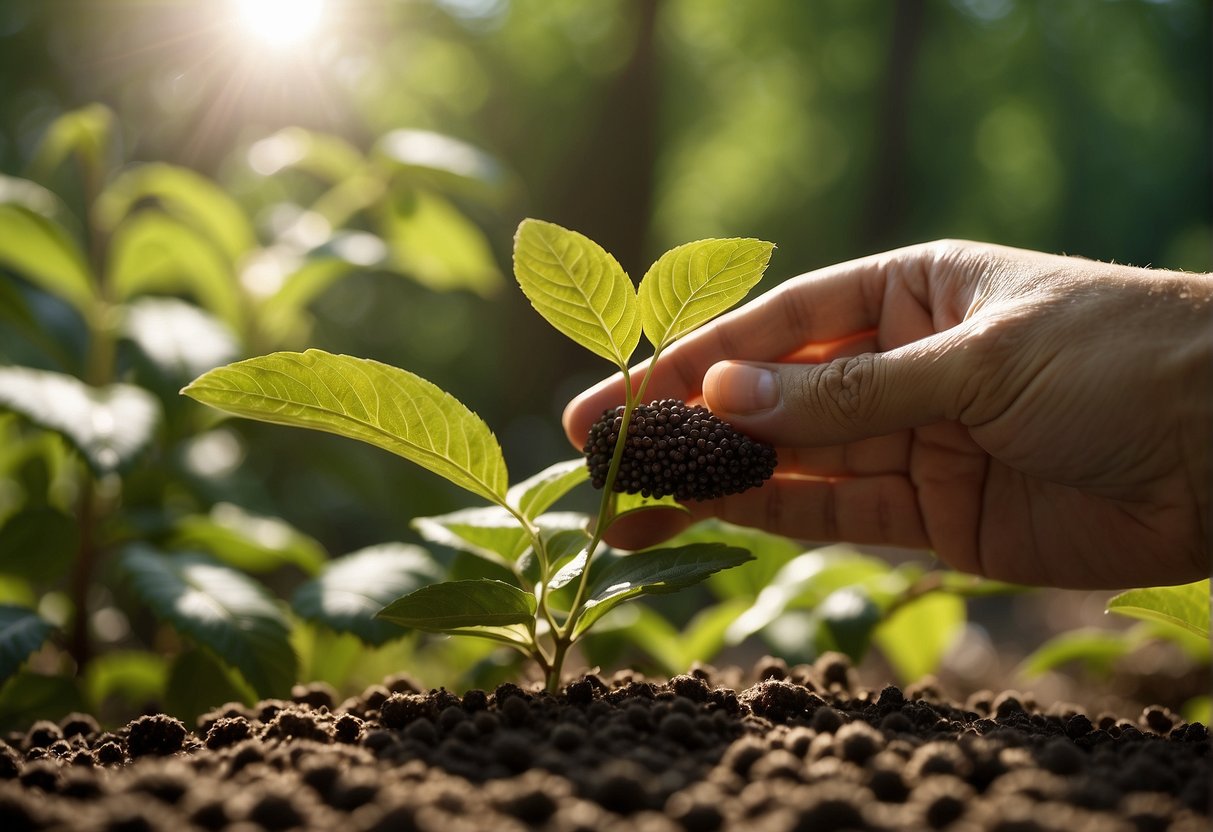
To harvest American beautyberry seeds, wait until the berries are fully ripe and have turned a bright purple color. Remove the berries from the plant and mash them in a bowl. Rinse the seeds and allow them to dry completely before storing them in a cool, dry place.
Can American beautyberry thrive in zone 5 and if so, how to plant there?
Yes, American beautyberry can thrive in zone 5. To plant, choose a location with well-draining soil and full to partial sun exposure. Plant the shrub in the spring or fall and water thoroughly. Mulch around the base of the plant to retain moisture.
What are common issues when growing American beautyberry and how to address them?
Common issues when growing American beautyberry include fungal diseases, pests, and drought. To address these issues, avoid overhead watering, keep the plant well-mulched, and prune regularly to promote air circulation. Use organic pest control methods and water deeply during periods of drought.
Hi Lovelies ! I made this blog to share my tips about Home Improvement, Children, Pets, Food, Gadgets, Automotive, Health & Beauty, and ways to be frugal while maintaining a natural lifestyle. Interested to be a Guest Blogger on my website? Please email me at: [email protected]