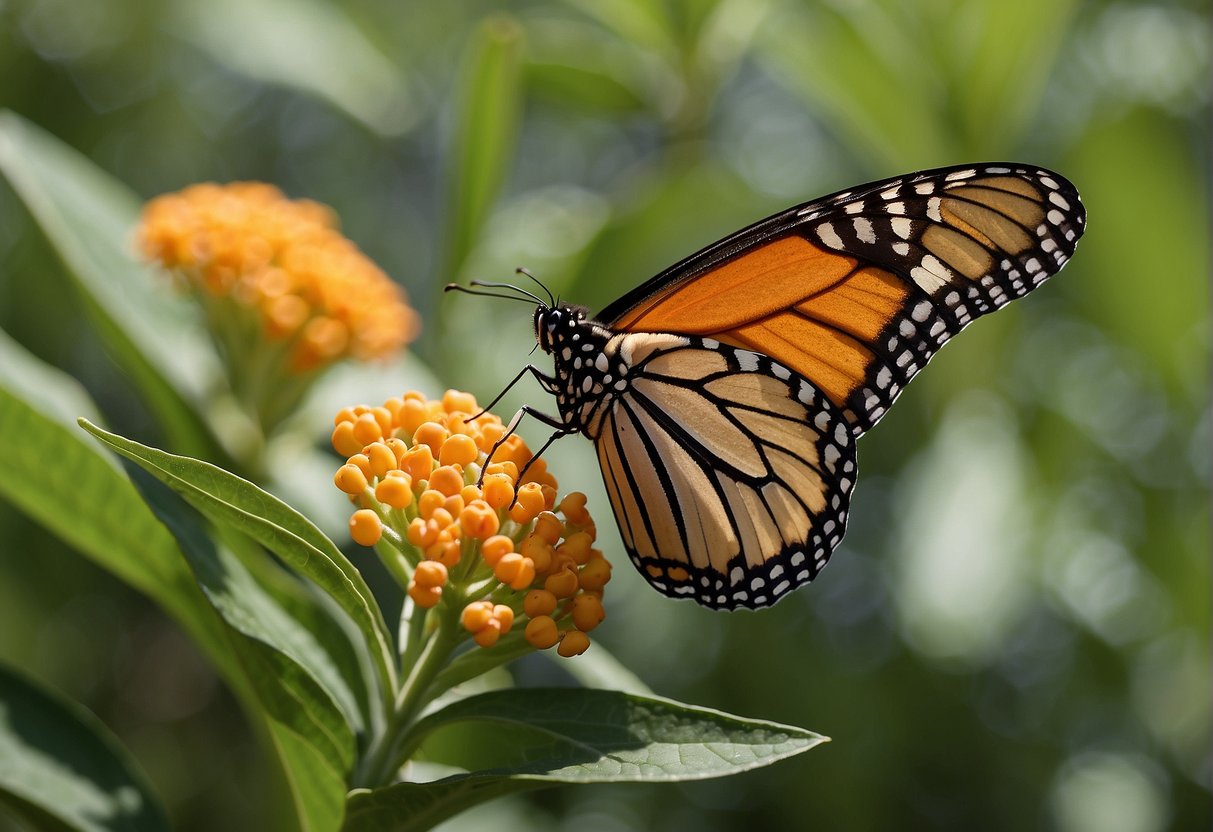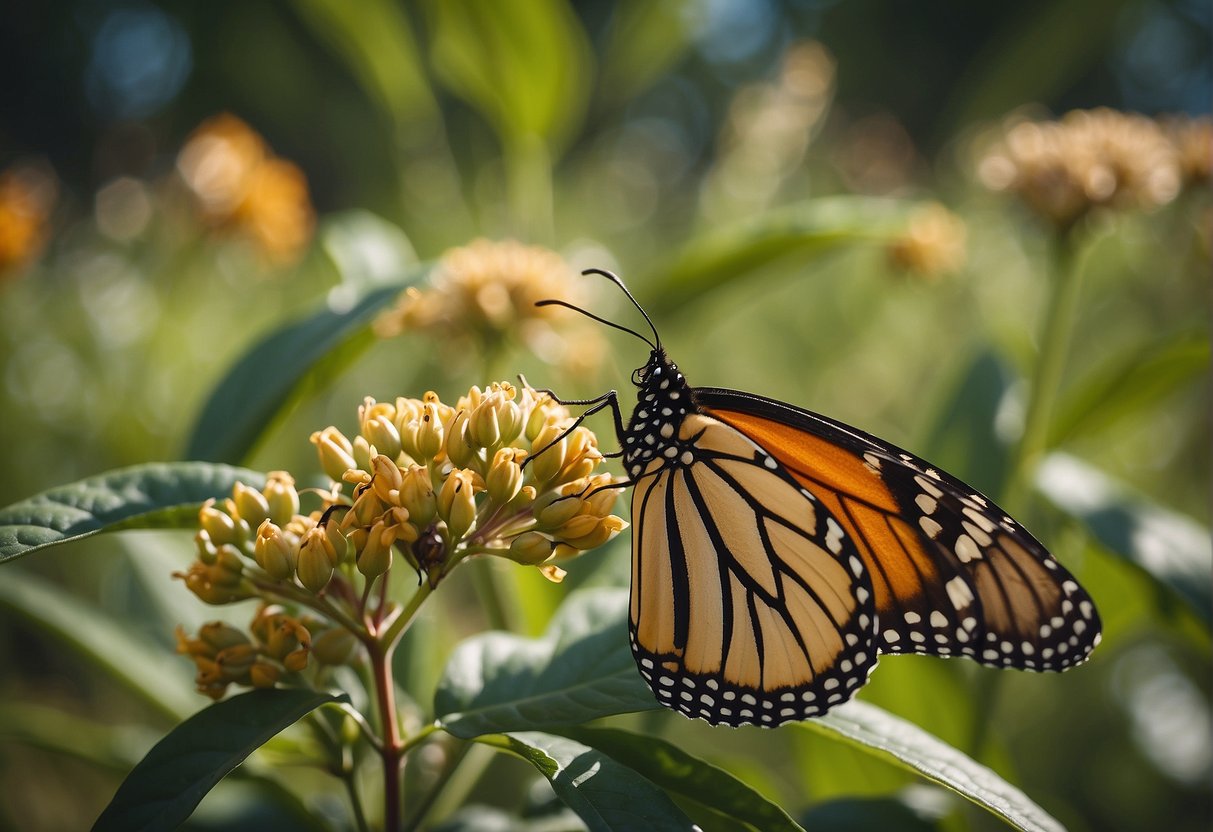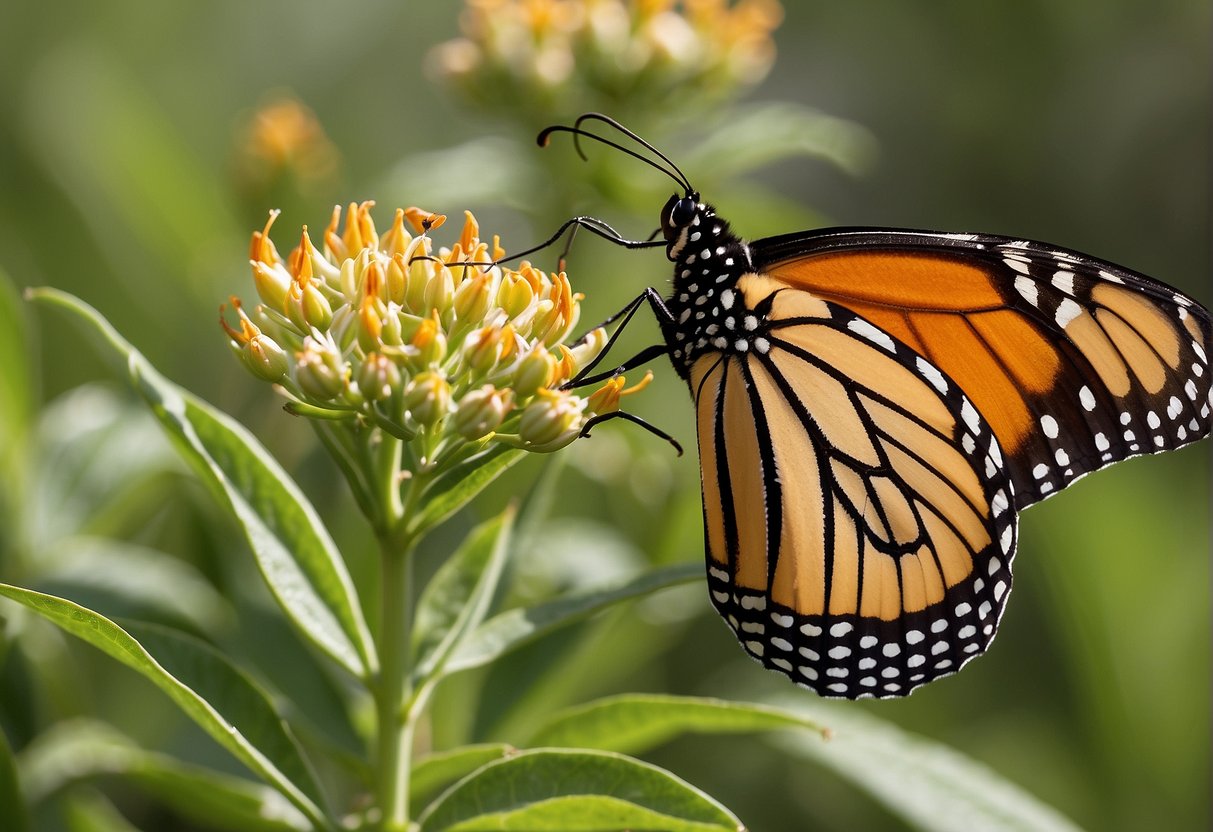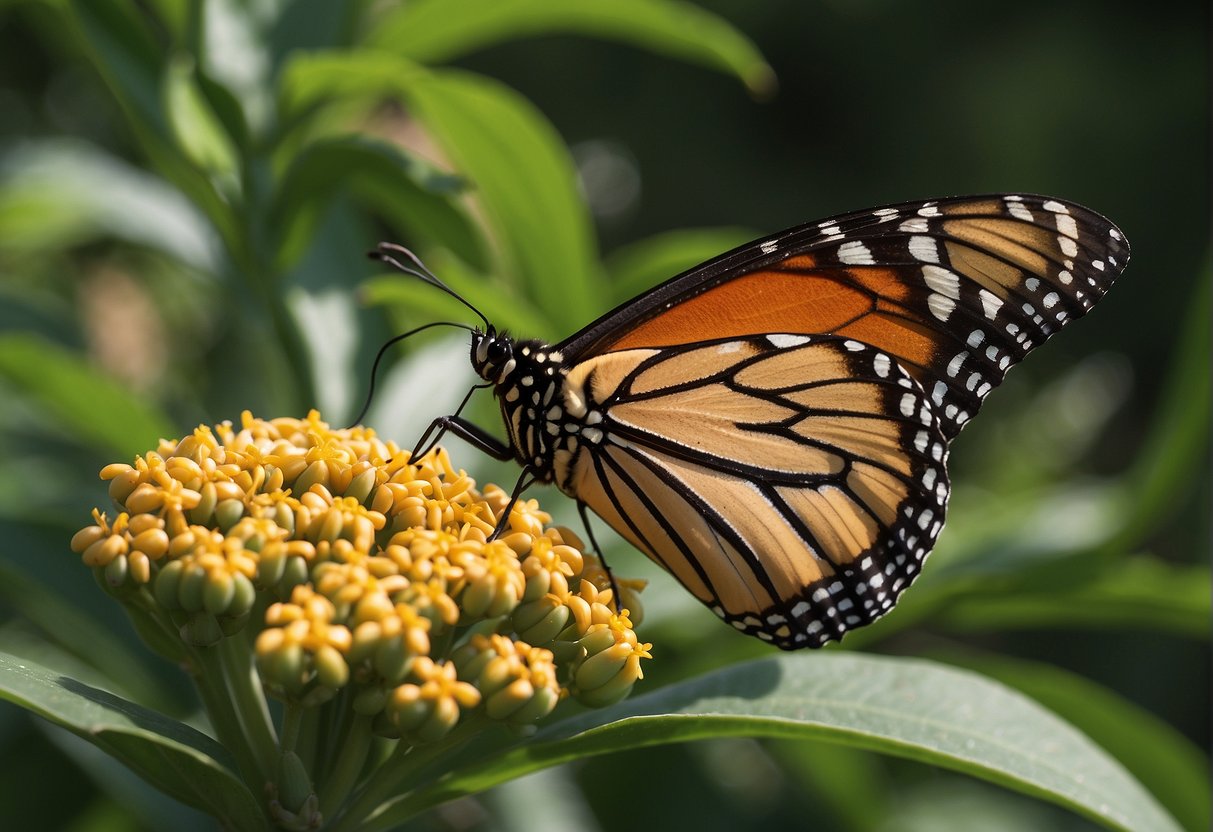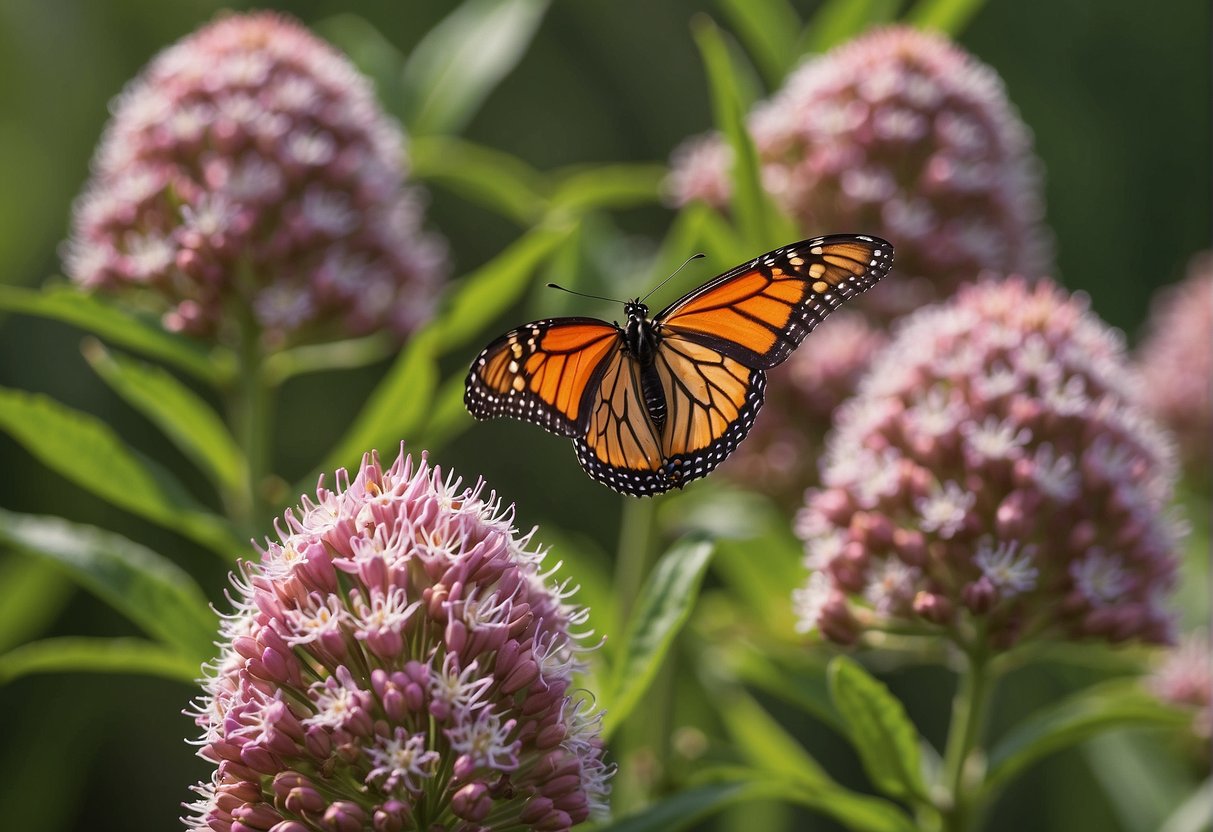

Should you ever find yourself watching a monarch butterfly, it’s likely you’ve seen it linger around a specific plant: milkweed. What exactly does milkweed contribute to the lifecycle of a monarch butterfly, and what makes it so vital for their existence? In this article, we’re going to examine the connection between monarch butterflies and milkweed, along with the ecological significance of this particular plant.
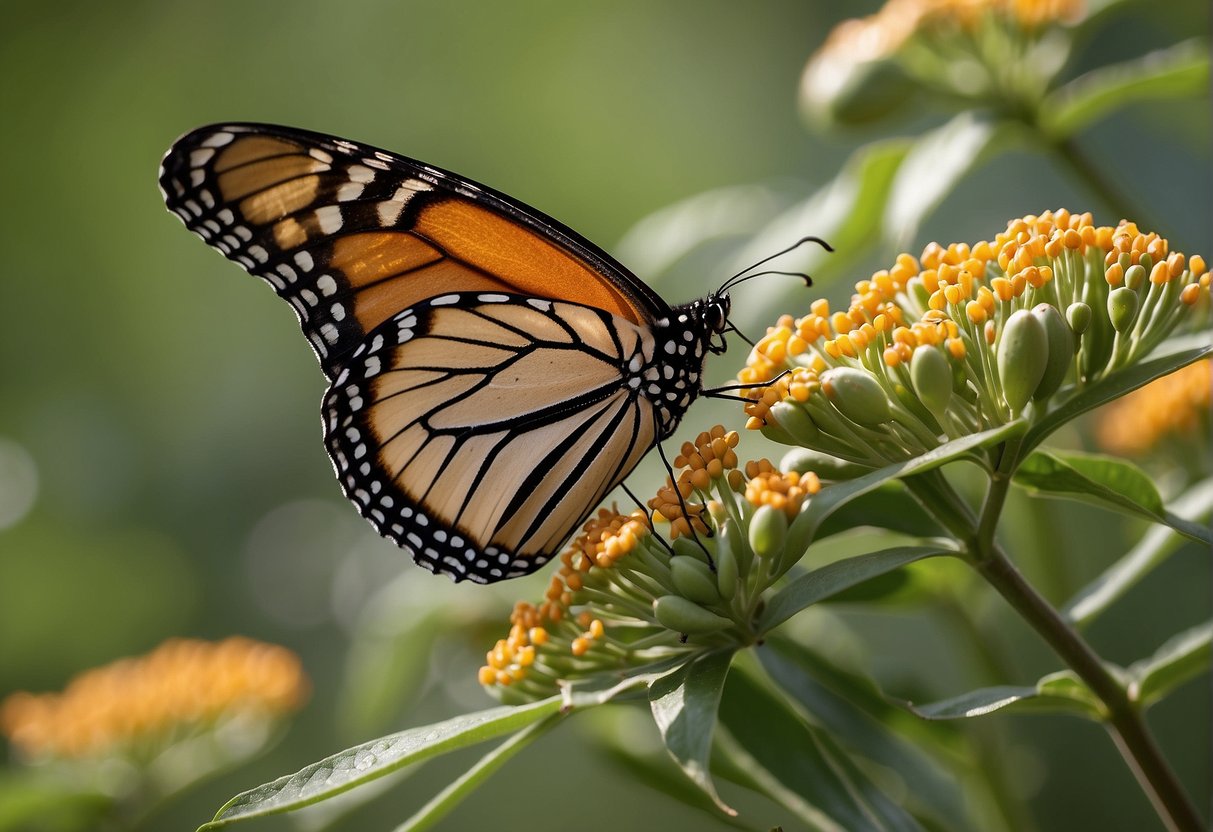
Monarch butterflies have a unique life cycle that involves four distinct stages: egg, larva, pupa, and adult. During the larval stage, monarch caterpillars feed almost exclusively on milkweed leaves, which provide them with the nutrients and energy they need to grow and develop. In fact, monarch caterpillars are so dependent on milkweed that they will often die without it. But milkweed isn’t just important for monarch caterpillars – it also plays a crucial role in the adult butterfly’s life.
Milkweed is the only plant that monarch butterflies lay their eggs on, and it provides a safe haven for their developing offspring. The plant’s toxic sap helps protect the eggs and young caterpillars from predators, while its leaves provide a source of food for the growing larvae. As adults, monarch butterflies continue to rely on milkweed as a source of nectar, which they need to fuel their long migrations and survive through the winter. So, in short, milkweed is essential to the survival of monarch butterflies at every stage of their life cycle.
Key Takeaways
- Milkweed is crucial to the survival of monarch butterflies at every stage of their life cycle.
- Monarch caterpillars feed almost exclusively on milkweed leaves, while adult butterflies rely on milkweed as a source of nectar.
- Milkweed provides a safe haven for monarch eggs and young caterpillars, and helps protect them from predators.
The Lifecycle of Monarch Butterflies and Role of Milkweed
Monarch butterflies are one of the most recognizable and beloved insects in the world. They are known for their vibrant orange and black wings, which are a warning to predators that they are toxic. Monarchs have a complex life cycle that involves four distinct stages: egg, caterpillar, chrysalis, and adult butterfly. Milkweed plays a critical role in the life cycle of monarchs, as it is the only plant that monarch caterpillars can eat.
Egg Laying and Milkweed as a Host Plant
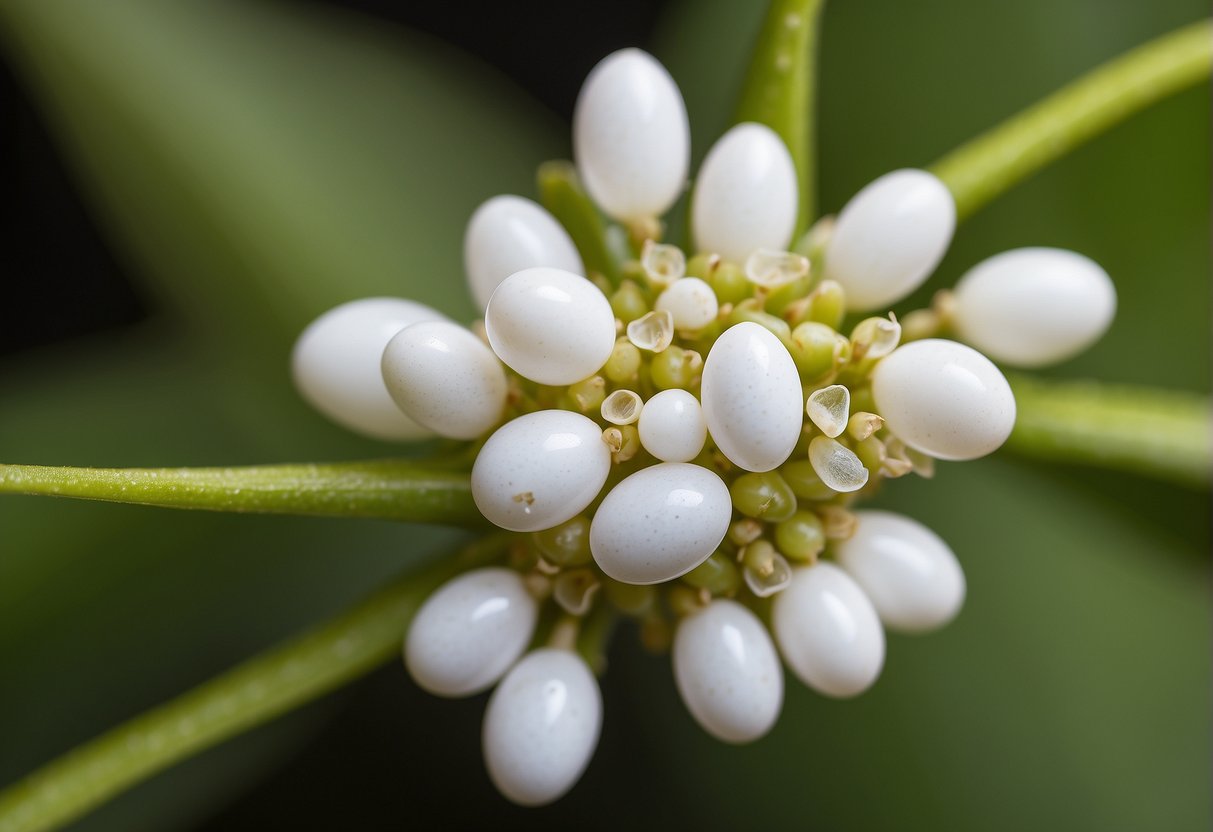
Monarch butterflies lay their eggs on the underside of milkweed leaves. The female butterfly can lay up to 400 eggs in her lifetime, but most of these eggs will not survive to adulthood. The eggs hatch after about four days, and the tiny caterpillars immediately begin to feed on the milkweed leaves. Milkweed is not only the sole food source for monarch caterpillars, but it also provides the necessary nutrients for their growth and development.
Caterpillar Stage and Milkweed Nutrition
Monarch caterpillars go through five instars, or stages of growth, before they are ready to pupate. During this time, they consume vast amounts of milkweed leaves. Milkweed contains toxic compounds called cardenolides, which the caterpillars are able to sequester in their bodies. These toxins make the caterpillars unpalatable to predators, which helps to ensure their survival.
Chrysalis Formation and Milkweed’s Protective Toxins
When the caterpillar is ready to pupate, it attaches itself to a milkweed stem or leaf and forms a chrysalis. The chrysalis provides a protective covering for the developing butterfly, but it also serves another purpose. Milkweed contains latex, which is a sticky, white sap that can be toxic to predators. The chrysalis is able to sequester this latex, which provides an additional layer of protection against predators.
Adult Butterfly Emergence and Nectar Resources
After about two weeks, the butterfly emerges from the chrysalis. The adult butterfly does not feed on milkweed, but instead relies on nectar from a variety of flowers for its nutrition. Milkweed is still important for the survival of monarchs, however, as it is the only plant that monarchs will lay their eggs on. Without milkweed, the monarch butterfly population would be in serious trouble.
In conclusion, milkweed plays a crucial role in the life cycle of the monarch butterfly. From providing a host plant for egg laying to serving as the sole food source for caterpillars, milkweed is essential for the survival of this beloved insect. By planting milkweed in your garden, you can help to ensure that monarch butterflies will continue to thrive for generations to come.
Milkweed’s Ecological Importance and Conservation
Milkweed Habitat and Monarch Migration
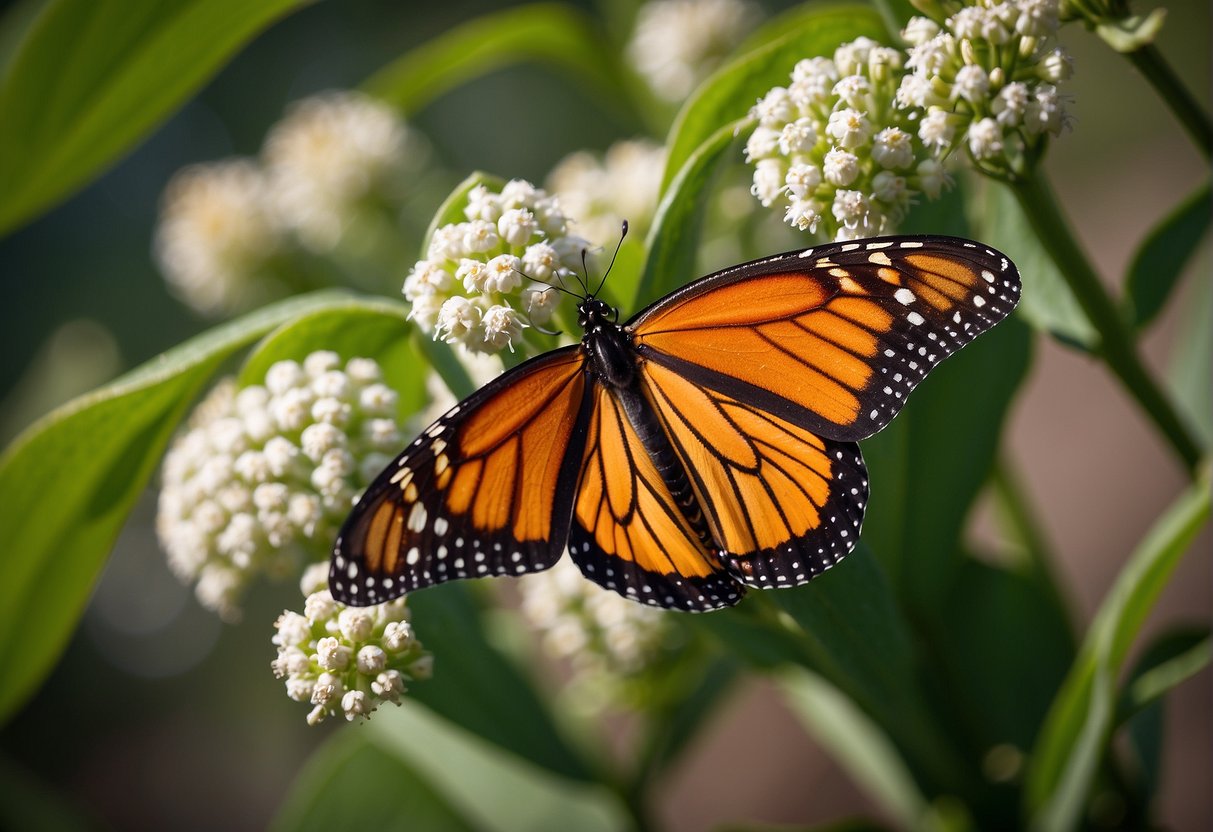
Milkweed is a crucial plant for the survival of monarch butterflies. The plant serves as the only food source for monarch caterpillars. Monarchs lay their eggs on milkweed plants, and the caterpillars feed on the leaves until they are ready to form a chrysalis and become an adult butterfly.
Milkweed is also important for monarch migration. Monarchs migrate from their breeding grounds in North America to their overwintering sites in Mexico. Milkweed plants along the migration route provide essential nectar for the adult butterflies to fuel their journey.
Threats to Milkweed and Monarch Populations
Unfortunately, milkweed populations have been declining due to habitat loss and the use of herbicides. The decline in milkweed has contributed to the decline in monarch populations. In recent years, monarch butterfly populations have declined by over 80%.
Conservation Efforts for Milkweed and Monarch Butterflies
Conservation efforts are underway to protect milkweed and monarch butterflies. Habitat restoration programs are being implemented to increase the availability of milkweed along the migration route. The planting of milkweed in gardens and on farms is also encouraged to provide additional habitat for monarchs.
In addition to habitat restoration, efforts are being made to reduce the use of herbicides in areas where milkweed grows. The creation of monarch butterfly reserves and protected areas is also being considered to provide safe habitat for monarchs during their migration and breeding.
By protecting milkweed and monarch butterflies, we can ensure the survival of these important species and maintain a healthy ecosystem.
Frequently Asked Questions
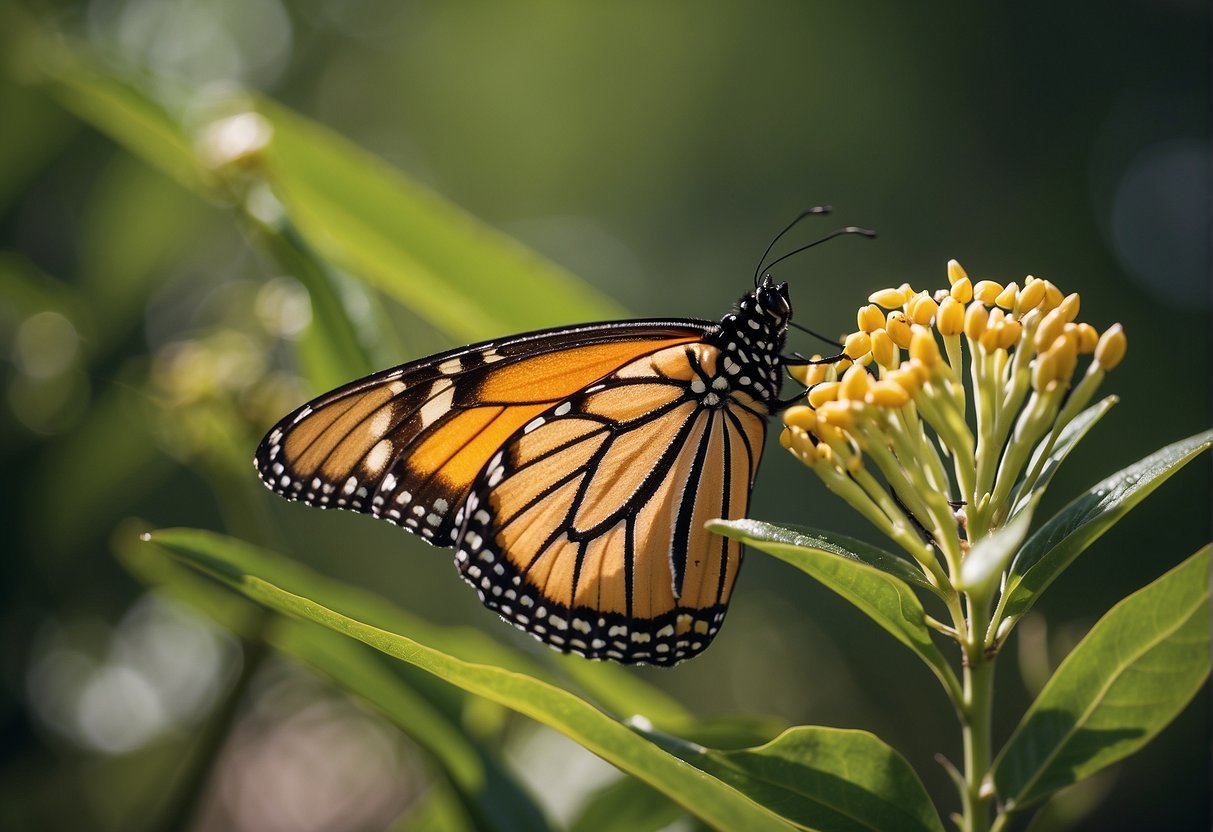
Why do monarch butterflies depend on milkweed plants?
Monarch butterflies depend on milkweed plants because they are the only plants that monarch larvae can feed on. Milkweed contains toxins that are harmful to most animals, but monarchs have evolved to be able to tolerate them. The toxins make the monarch larvae and adult butterflies unpalatable to predators, which helps protect them.
How does milkweed contribute to the monarch butterfly life cycle?
Milkweed is essential to the monarch butterfly life cycle. The female butterfly lays her eggs on the milkweed plant, and the larvae feed on the leaves. The larvae then form chrysalises on the plant, where they undergo metamorphosis and emerge as adult butterflies. Without milkweed, the monarch butterfly would not be able to complete its life cycle.
What impact does the absence of milkweed have on monarch populations?
The absence of milkweed has a significant impact on monarch populations. Without milkweed, monarchs cannot reproduce, and their numbers decline. Habitat loss and the use of herbicides have reduced the amount of milkweed available to monarchs, which has contributed to a decline in their populations.
Can monarch caterpillars survive on alternative food sources besides milkweed?
Monarch caterpillars cannot survive on alternative food sources besides milkweed. Milkweed is the only plant that monarch larvae can digest. If the larvae do not have access to milkweed, they will starve to death.
What are the consequences of milkweed toxicity for monarch butterflies?
Milkweed toxicity can have consequences for monarch butterflies. While monarchs have evolved to tolerate the toxins in milkweed, high levels of toxicity can be harmful to them. Monarchs that consume milkweed with high levels of toxins may become sick or die.
How does the presence of milkweed affect monarch butterfly reproduction?
The presence of milkweed is essential for monarch butterfly reproduction. Without milkweed, female monarchs cannot lay their eggs, and the monarch life cycle cannot continue. The availability of milkweed is a critical factor in the survival of monarch populations.