Home » Blog » How to Grow Butterfly Milkweed: A Comprehensive Guide
How to Grow Butterfly Milkweed: A Comprehensive Guide
December 26, 2024
Should you be interested in enhancing your garden with vibrant hues and diverse life, consider planting butterfly milkweed (Asclepias tuberosa). This indigenous bloom doesn’t just offer aesthetic appeal; it’s also a magnet for different butterfly species, particularly monarchs. Throughout this piece, we will delve into all the essential details regarding the cultivation and maintenance of butterfly milkweed, alongside its role in fostering biodiversity.
Cultivation and Care:
Butterfly milkweed is a hardy plant that can grow in a variety of soil types, but it prefers well-draining soil with full sun exposure. It’s also drought-tolerant, making it a great choice for hot and dry climates. When planting butterfly milkweed, make sure to space the plants about 18-24 inches apart to allow for adequate growth. Water the plants regularly during the first growing season to help establish their roots.
Supporting Biodiversity:
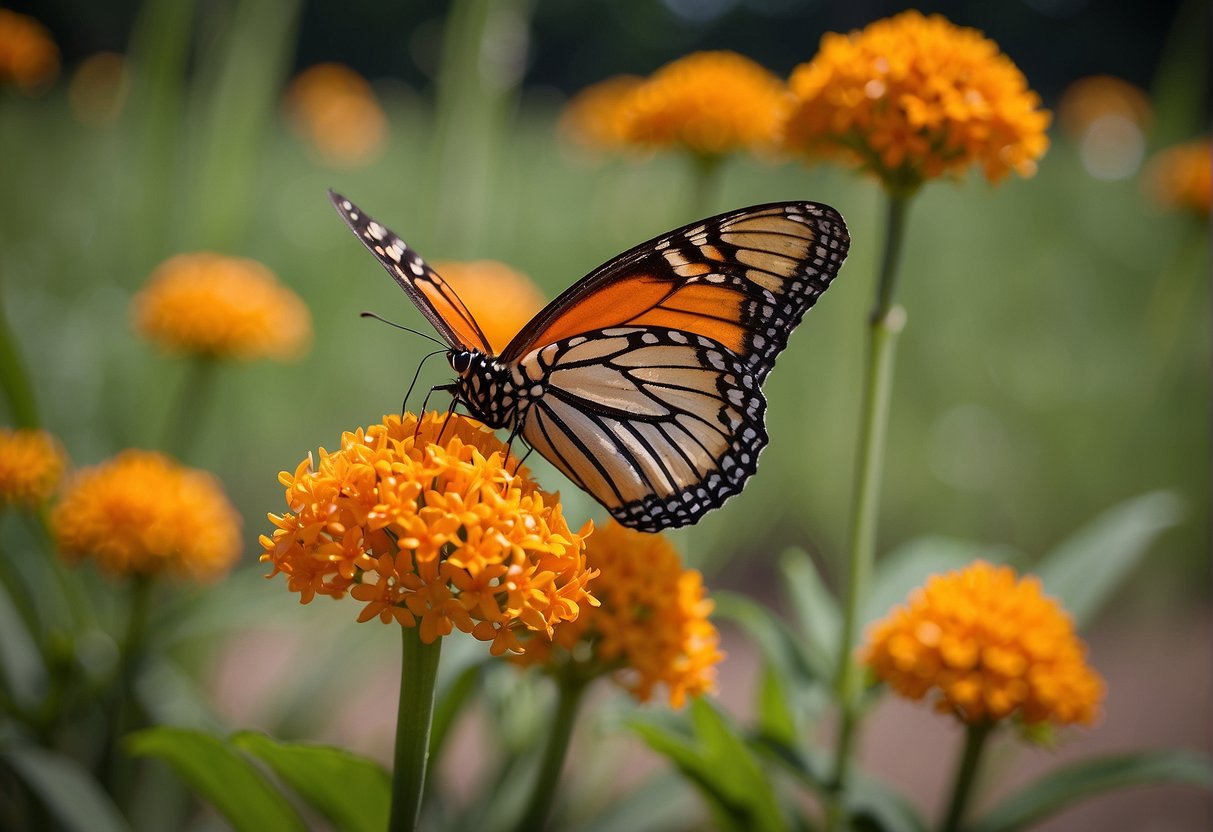
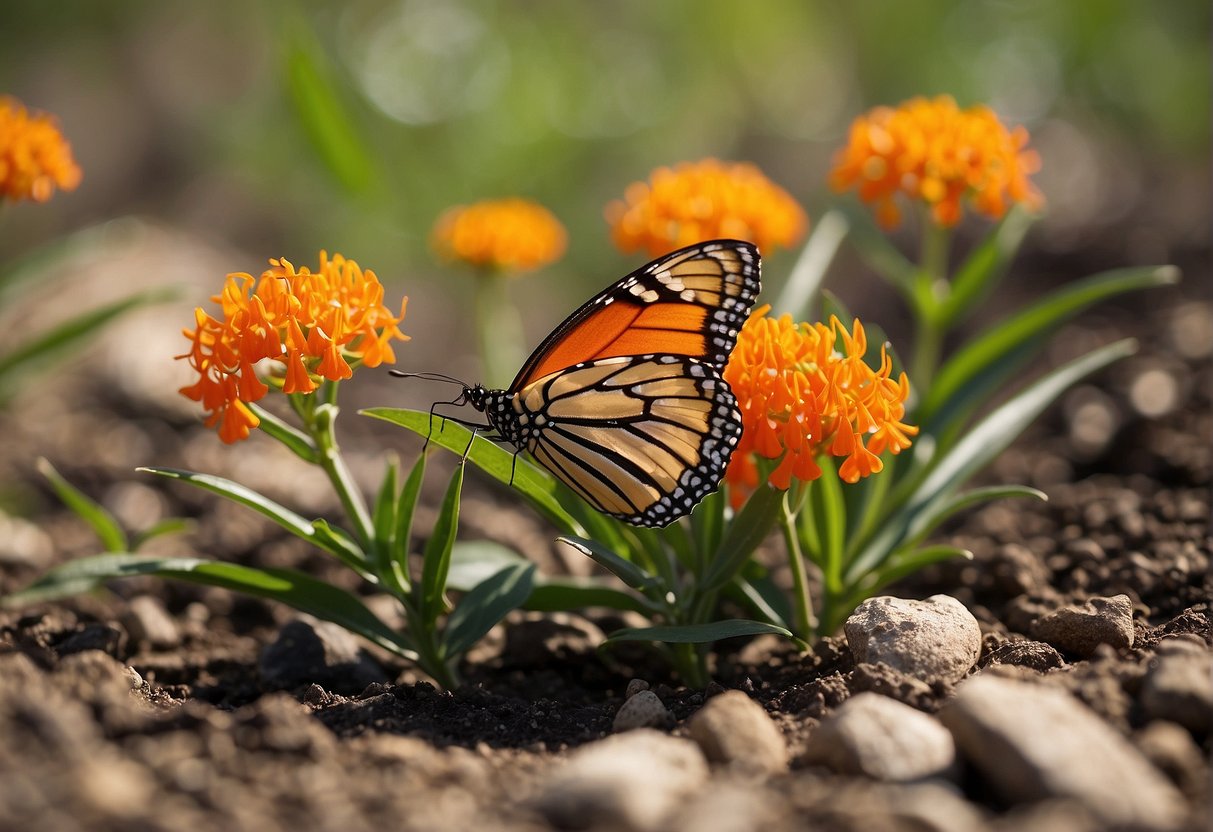
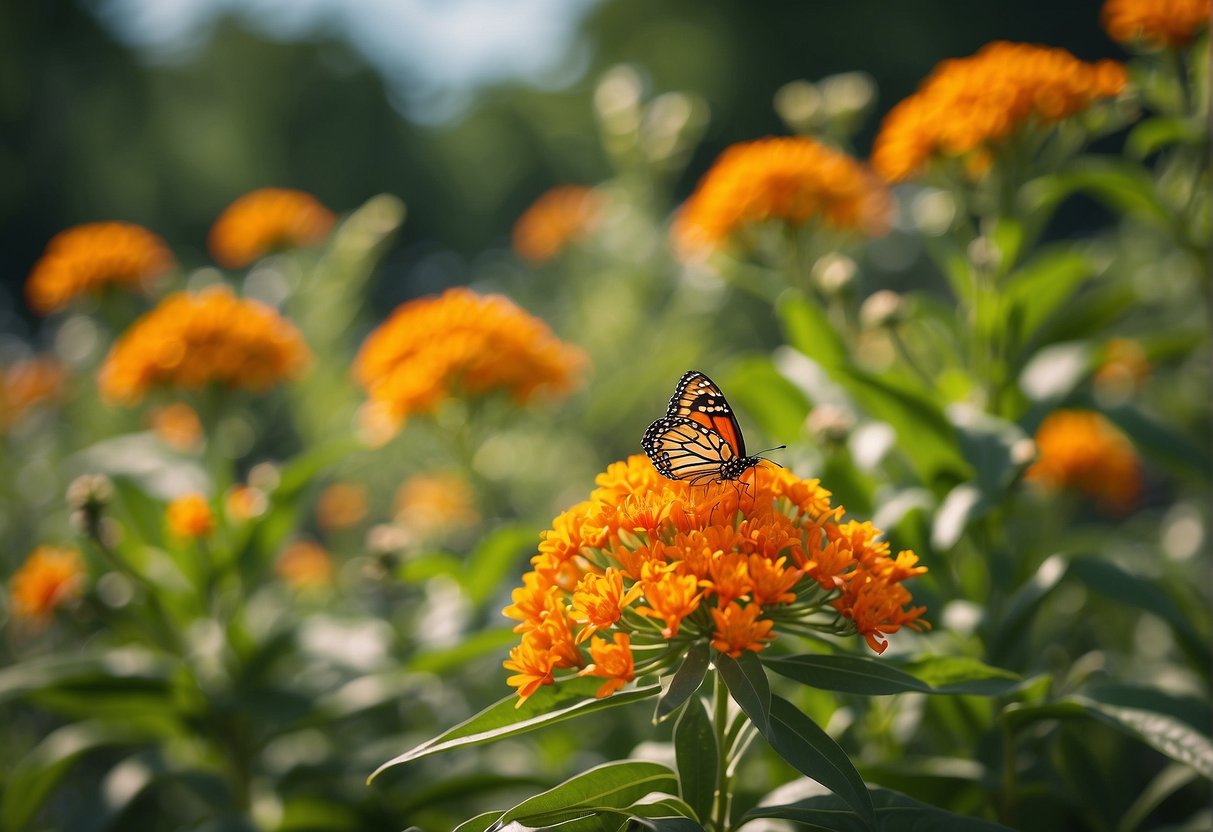
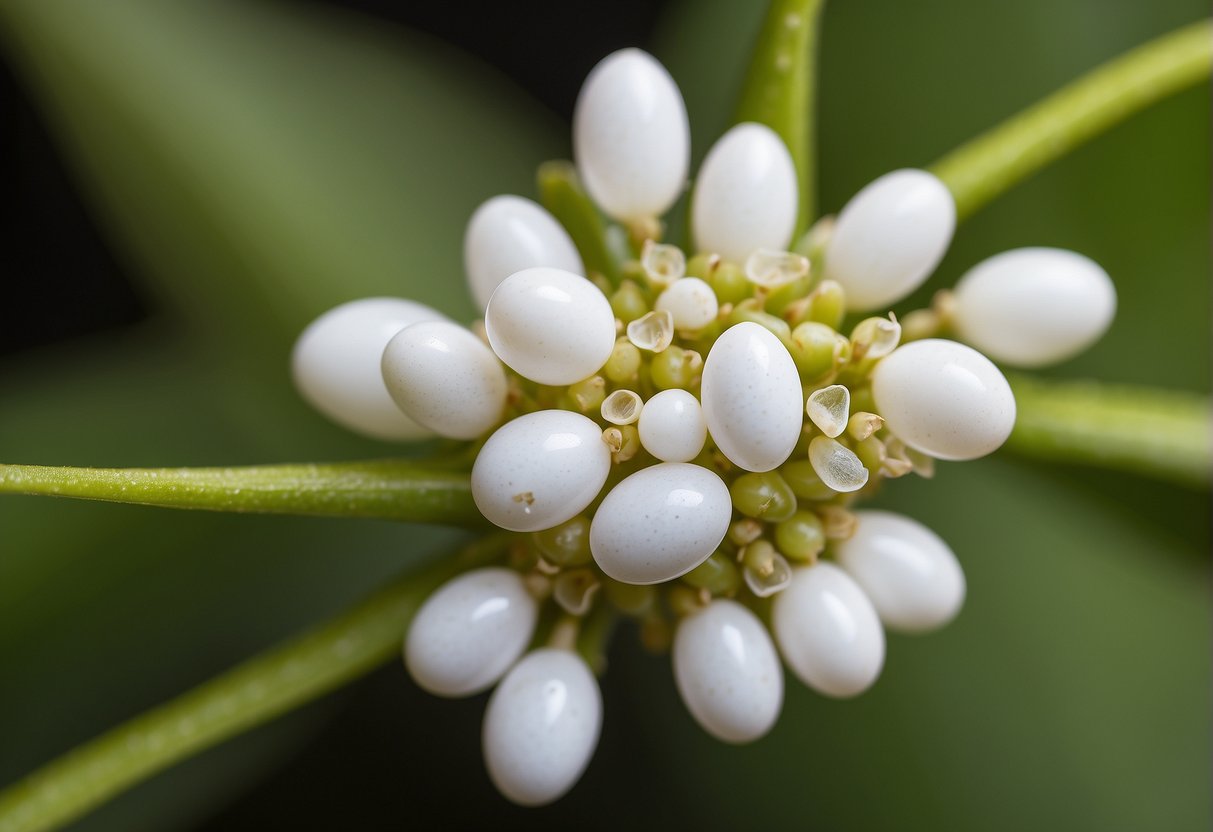
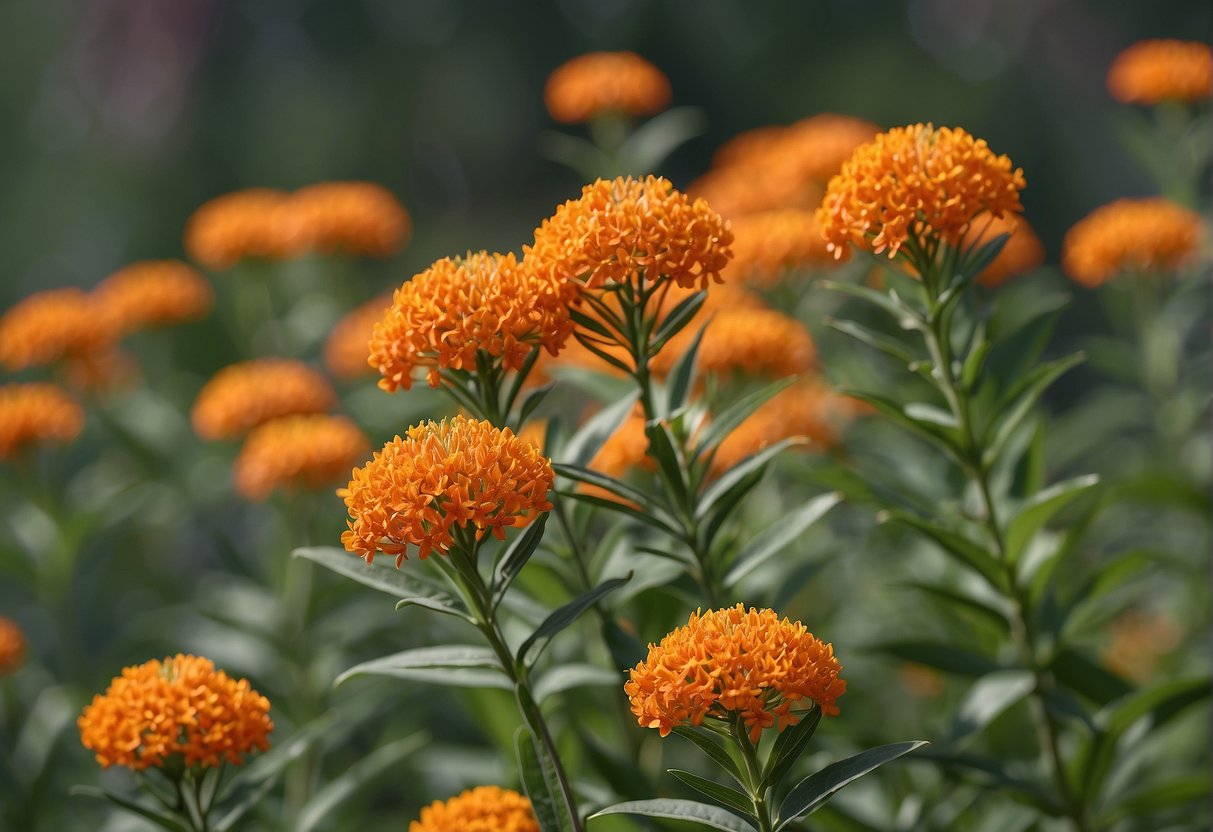
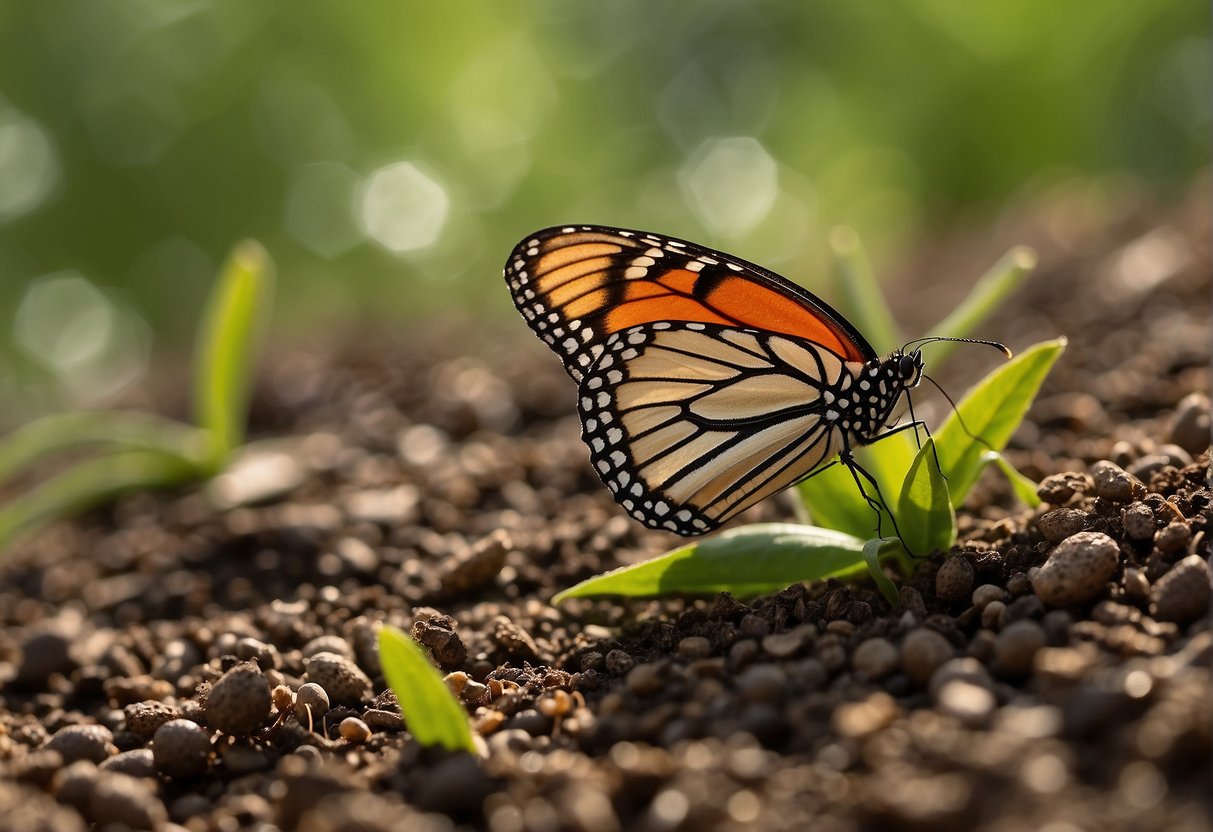
Butterfly milkweed is an important plant for supporting biodiversity, especially for monarch butterflies. Monarchs lay their eggs on the leaves of milkweed plants, and the caterpillars feed on the leaves as they grow. By planting butterfly milkweed in your garden, you’re providing a crucial habitat for monarchs and other pollinators. Plus, the vibrant orange flowers of butterfly milkweed will add a pop of color to your garden all summer long.
Key Takeaways
Butterfly milkweed is a hardy plant that prefers well-draining soil and full sun exposure.
Planting butterfly milkweed supports biodiversity, especially for monarch butterflies.
The vibrant orange flowers of butterfly milkweed add a pop of color to your garden all summer long.
Cultivation and Care
Growing butterfly milkweed (Asclepias tuberosa) is a great way to attract butterflies to your garden. This hardy, drought-tolerant perennial is easy to grow and requires minimal care. Here are some tips on how to cultivate and care for butterfly milkweed.
Planting and Soil Requirements
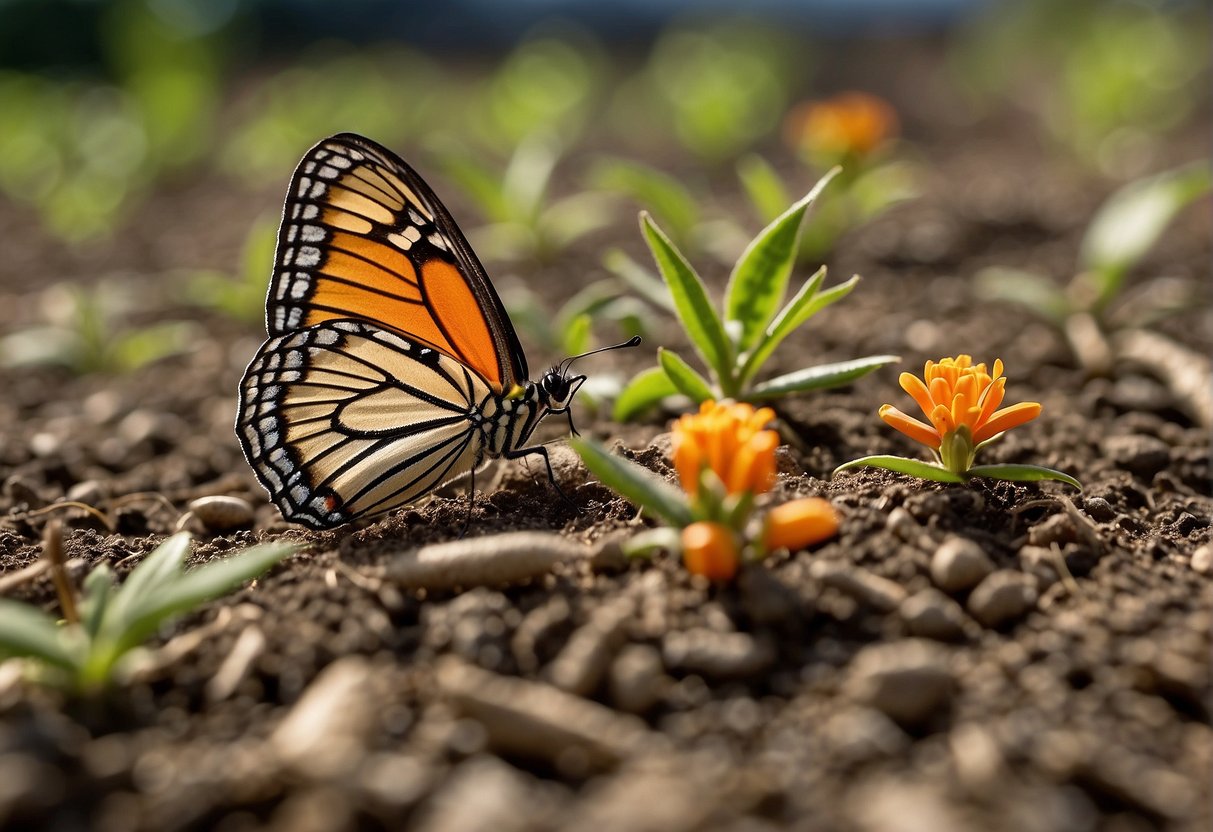
Butterfly milkweed seeds can be sown directly in the garden in early spring or fall. The seeds should be sown about 1/4 inch deep in well-drained soil. If you are starting the seeds indoors, they should be started about 6-8 weeks before the last frost date.
Butterfly milkweed prefers well-drained soil and full sun. It can tolerate a range of soil types, including sandy, loamy, and clay soils. However, it does not do well in wet or poorly-drained soil.
Sunlight and Watering Needs
Butterfly milkweed requires full sun to thrive. It should be planted in an area that receives at least 6 hours of direct sunlight per day. If the plant is grown in too much shade, it may become leggy and not produce as many flowers.
Butterfly milkweed is drought-tolerant and does not require frequent watering. It should be watered deeply once a week during dry spells. Overwatering can cause the plant to rot, so be sure to allow the soil to dry out between waterings.
Fertilizing and Pruning
Butterfly milkweed does not require fertilization, but it can benefit from a light application of compost or a balanced fertilizer in the spring. Avoid using high-nitrogen fertilizers, as this can cause the plant to produce more foliage than flowers.
Butterfly milkweed does not require pruning, but deadheading spent flowers can encourage the plant to produce more blooms. The plant may also benefit from a light pruning in the fall to remove any dead or damaged stems.
By following these tips, you can successfully grow butterfly milkweed in your garden and enjoy the beautiful butterflies it attracts.
Supporting Biodiversity
If you’re looking to support biodiversity in your garden, butterfly milkweed is an excellent choice. This vibrant orange wildflower is native to North America and provides essential habitat for a variety of wildlife, including pollinators like bees and butterflies.
Attracting Pollinators and Beneficial Insects
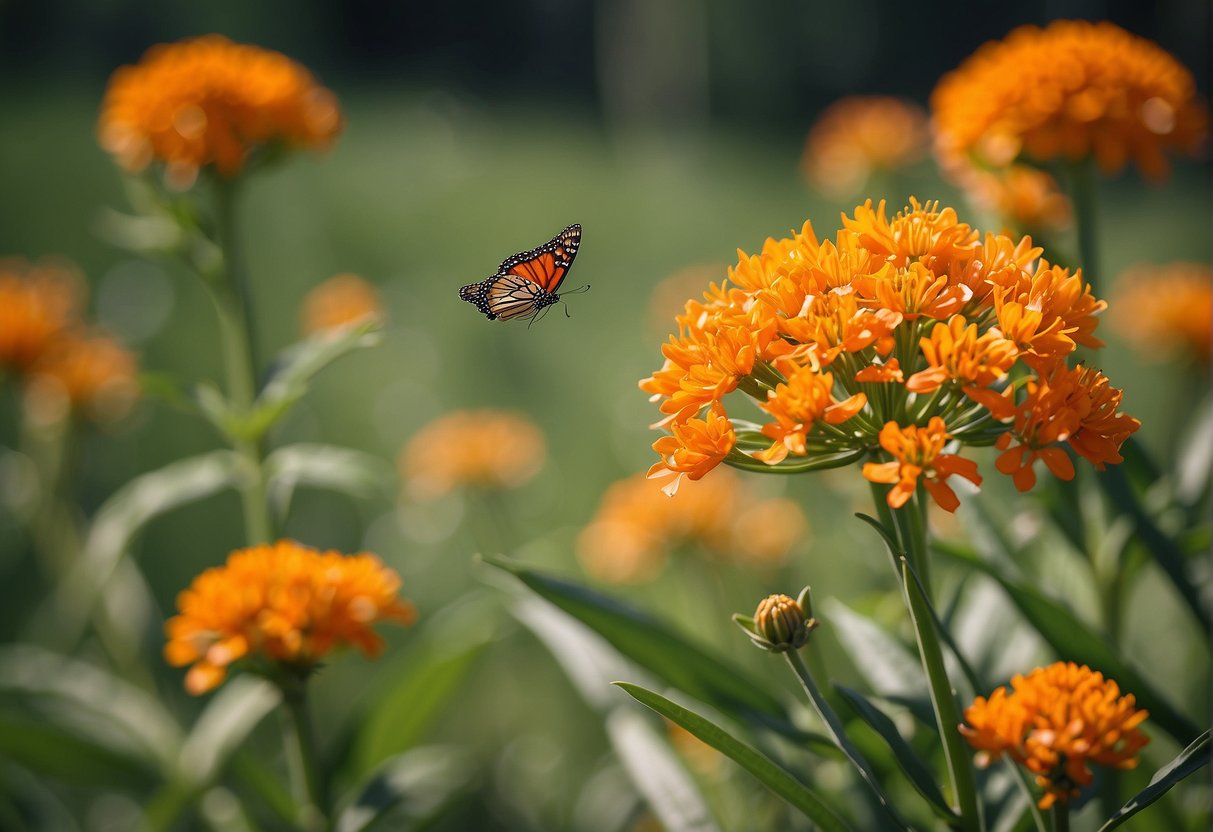
Butterfly milkweed is a nectar-rich flower that attracts a variety of pollinators, including bees, butterflies, and hummingbirds. By planting butterfly milkweed in your garden, you can help support these important pollinators and other beneficial insects like ladybugs and lacewings.
To maximize the benefits of butterfly milkweed for pollinators, plant it in a sunny location with well-draining soil. Be sure to provide a source of water for your pollinators as well, such as a shallow dish filled with water and pebbles.
Protecting Monarch Butterflies
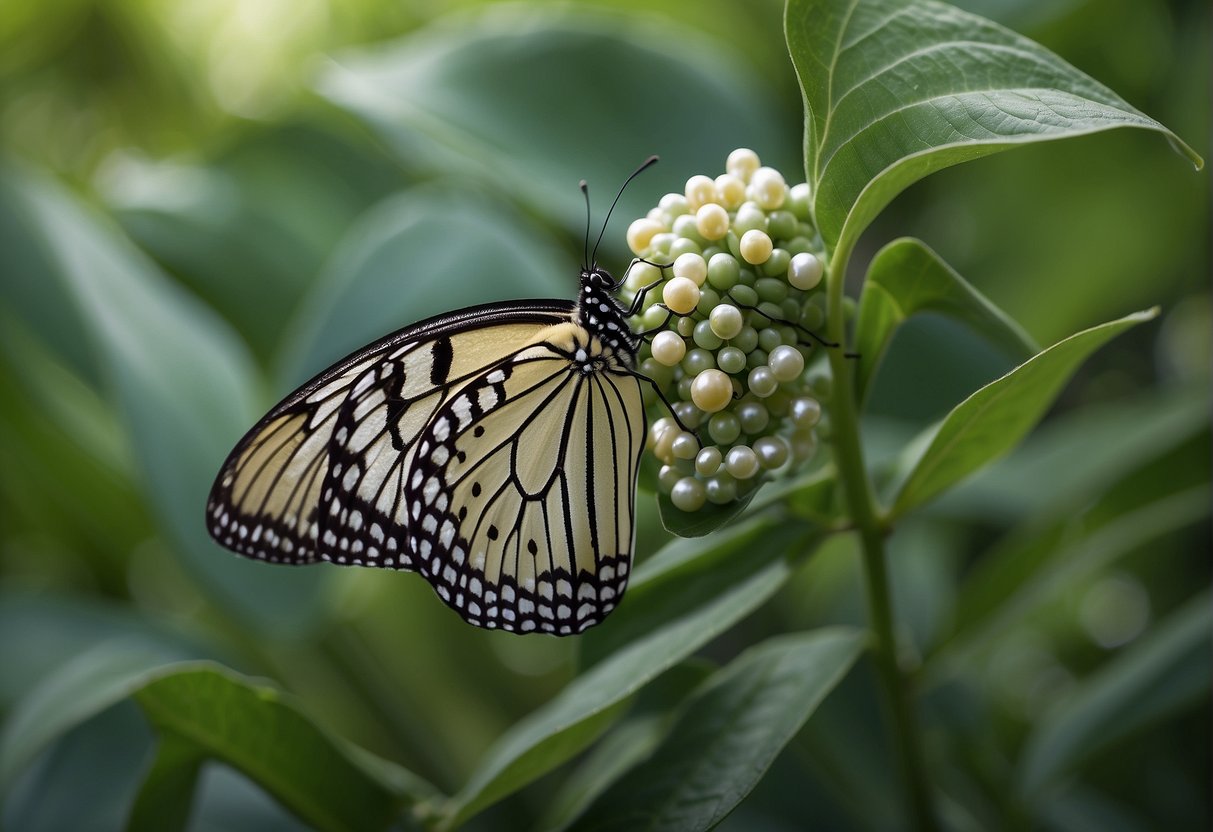
Butterfly milkweed is also an essential host plant for monarch butterflies. Monarch butterflies lay their eggs on the leaves of butterfly milkweed, and the resulting caterpillars feed on the leaves as they grow.
To help support monarch butterflies in your garden, plant butterfly milkweed in a sunny location with plenty of space for the caterpillars to feed and grow. Be sure to avoid using pesticides or other harmful chemicals in your garden, as these can harm the monarchs and other wildlife.
By planting butterfly milkweed in your garden, you can help support biodiversity and create a beautiful, wildlife-friendly habitat.
Frequently Asked Questions
What is the optimal soil condition for growing butterfly milkweed?
Butterfly milkweed thrives in well-drained soil that is slightly acidic to neutral with a pH range of 6.0 to 7.0. The soil should be fertile, loose, and rich in organic matter. It’s best to avoid heavy clay or sandy soils, as they don’t retain moisture well and can cause problems for the plant’s growth.
How can I propagate butterfly milkweed from seeds?
Butterfly milkweed can be propagated from seeds, which are best sown directly in the garden in the fall or early spring. The seeds need to be stratified for at least 30 days before planting to break their dormancy. To stratify, place the seeds in a container with moist sand or vermiculite and keep them in a refrigerator for a month. After stratification, sow the seeds in a sunny spot in the garden, covering them with a thin layer of soil. Keep the soil moist until the seedlings emerge.
What care is required to maintain healthy butterfly milkweed plants?
Butterfly milkweed requires little care once established. Water the plants regularly during the first year to help them establish a deep root system. After that, they are quite drought-tolerant and only need watering during prolonged dry spells. Deadhead the spent blooms to encourage more flowers and prevent self-seeding. Cut back the plants in the fall to about 6 inches above the ground.
How much sunlight does butterfly milkweed need to thrive?
Butterfly milkweed needs full sun to thrive. Plant it in a spot that receives at least 6 hours of direct sunlight per day. In hot climates, it can benefit from some afternoon shade to prevent heat stress.
Are there any common pests or diseases that affect butterfly milkweed?
Butterfly milkweed is generally pest and disease-free. However, aphids, spider mites, and milkweed bugs can occasionally infest the plants. Handpicking or spraying the pests with a strong jet of water can help control them. As for diseases, root rot and fungal leaf spots can occur in poorly drained soil or humid conditions. Avoid overwatering and overcrowding the plants to prevent these problems.
What are the best practices for overwintering butterfly milkweed?
Butterfly milkweed is hardy in USDA zones 3 to 9 and can survive harsh winters if given proper care. In the fall, cut back the plants to about 6 inches above the ground and mulch them with a layer of straw or leaves. This will help insulate the roots and prevent frost heaving. In the spring, remove the mulch and wait for the new growth to emerge.
Hi Lovelies ! I made this blog to share my tips about Home Improvement, Children, Pets, Food, Gadgets, Automotive, Health & Beauty, and ways to be frugal while maintaining a natural lifestyle. Interested to be a Guest Blogger on my website? Please email me at: [email protected]