Home » Blog » What is Butterfly Milkweed? A Comprehensive Guide to This Native Plant
What is Butterfly Milkweed? A Comprehensive Guide to This Native Plant
December 25, 2024
Should you have a fondness for gardening or a keen interest in indigenous plants, you might be familiar with butterfly milkweed. True to its name, this particular plant is highly favored by butterflies and various pollinators, rendering it an excellent choice for inclusion in gardens. However, what is butterfly milkweed precisely, and why is it considered exceptional?
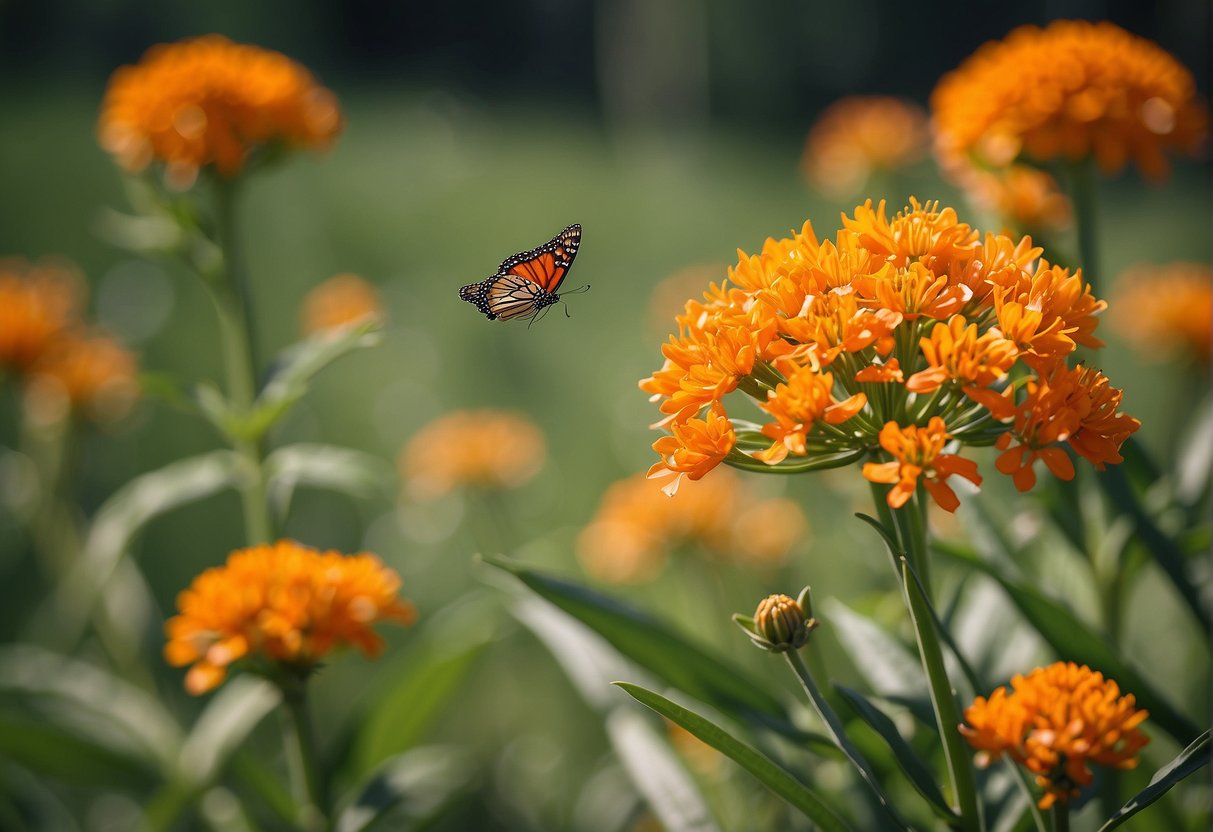
Butterfly milkweed, also known by its scientific name Asclepias tuberosa, is a perennial plant native to North America. It grows in a variety of habitats, from prairies and meadows to roadsides and disturbed areas. The plant is characterized by its bright orange flowers, which bloom from early summer to fall, and its long, narrow leaves. Butterfly milkweed is easy to grow and care for, making it a popular choice for gardeners and landscapers alike.
Key Takeaways
Butterfly milkweed is a native perennial plant with bright orange flowers and long, narrow leaves.
The plant is a favorite of butterflies and other pollinators, making it a valuable addition to any garden.
Butterfly milkweed is easy to grow and care for, and can be found in a variety of habitats across North America.
Botanical Profile and Cultivation
Plant Characteristics
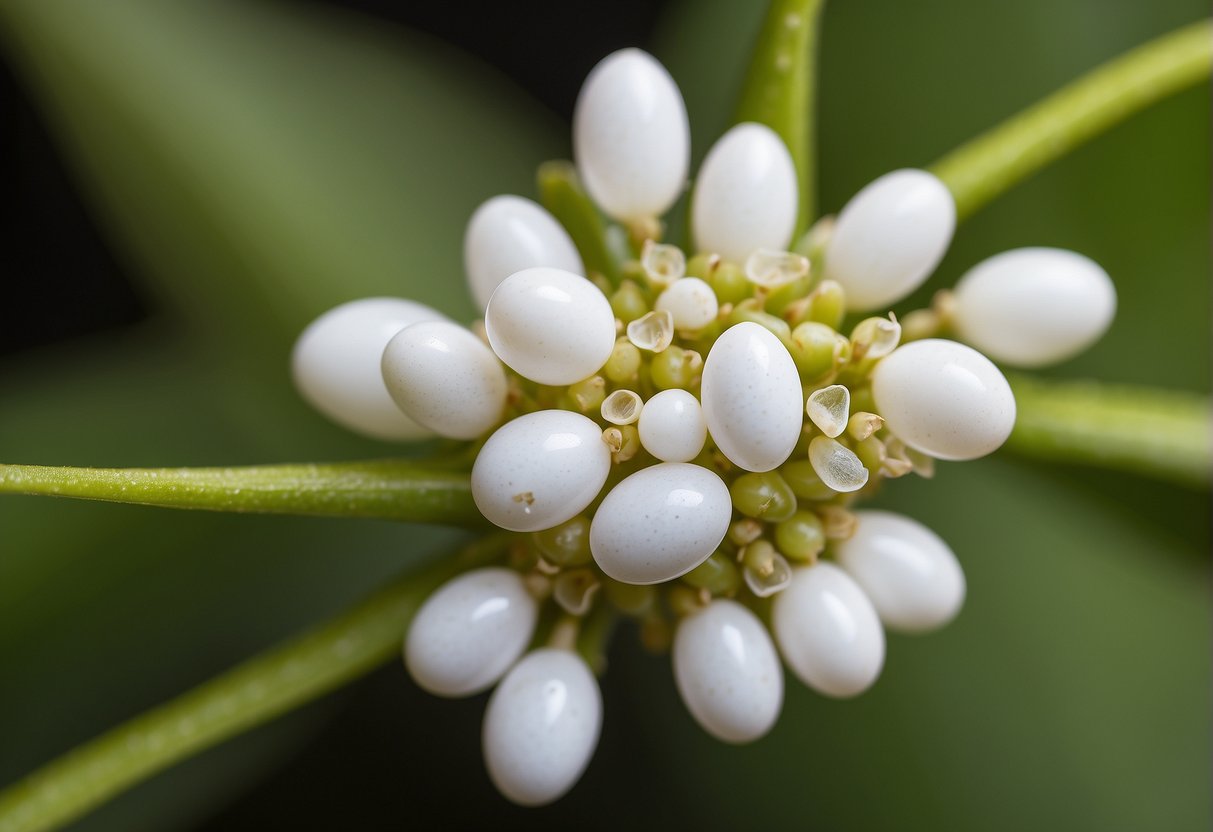
Butterfly milkweed (Asclepias tuberosa) is a herbaceous perennial that belongs to the genus Asclepias. It is native to North America and is a popular plant among gardeners due to its attractive orange flowers and ability to attract butterflies. The plant grows up to 2-3 feet in height and has a spread of about 1-2 feet. The leaves are narrow and lance-shaped, while the flowers are arranged in clusters at the top of the stem. The seed pods of butterfly milkweed are long and narrow, and they split open to release seeds in the fall.
Growing Conditions
Butterfly milkweed thrives in full sun and dry soil. It is hardy in USDA hardiness zones 4-9. The plant can tolerate a wide range of soil types, including sandy, loamy, and clay soils. However, it prefers well-drained soil and does not do well in wet or poorly drained soils. Butterfly milkweed requires little water once established, and overwatering can lead to root rot. The plant also prefers warm temperatures and does not tolerate frost.
Propagation Methods
Butterfly milkweed can be propagated from seed or by division. If propagating from seed, it is important to stratify the seeds by placing them in a plastic bag with moist sand or vermiculite and storing them in a refrigerator for 4-6 weeks. This will help to break the seed dormancy and improve germination rates. Sow the seeds in a well-drained soil mix and keep them moist until they germinate.
If propagating by division, wait until the plant is mature and has formed a clump of shoots. Carefully dig up the clump and use a sharp knife to divide it into smaller sections, making sure each section has roots attached. Replant the sections in well-drained soil and water them thoroughly.
In terms of fertilizer, butterfly milkweed does not require much. A light application of balanced fertilizer in the spring can help to stimulate growth, but too much fertilizer can lead to excessive vegetative growth at the expense of flower production.
Ecological Significance and Conservation
Wildlife Interactions
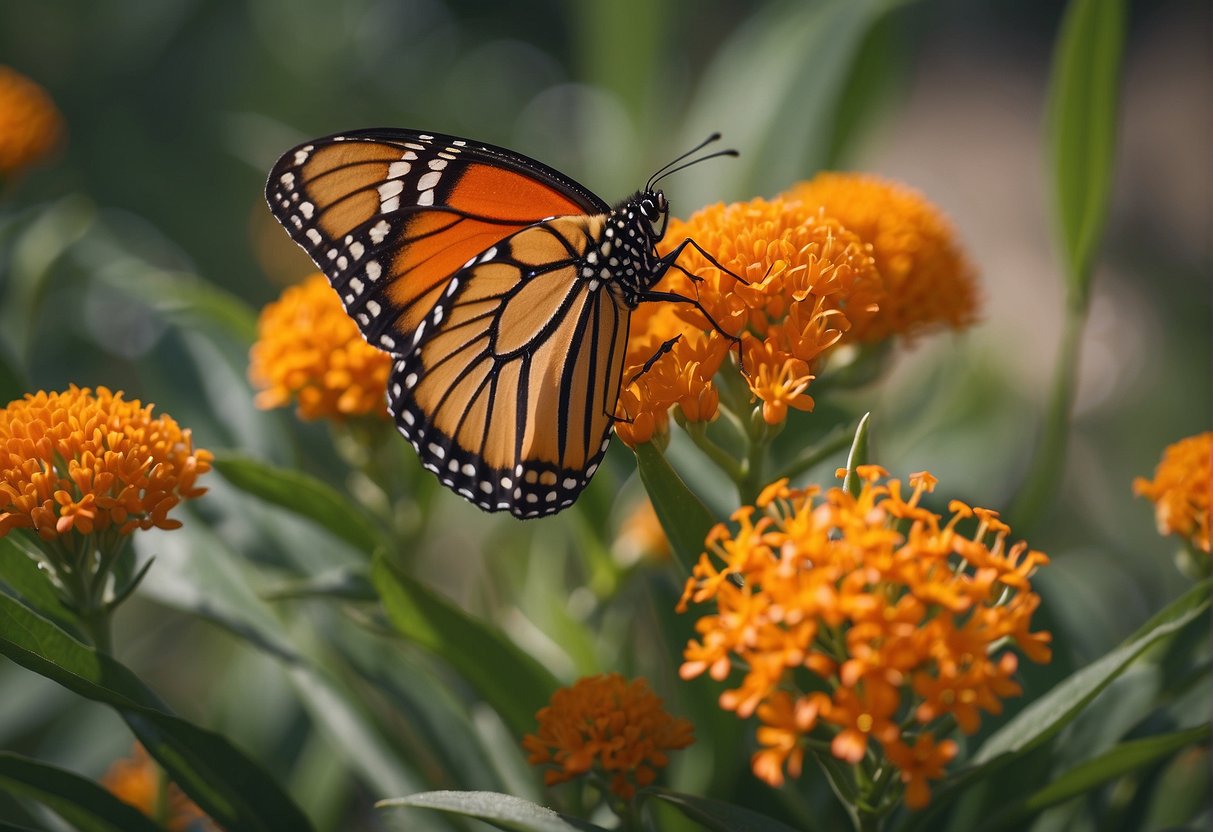
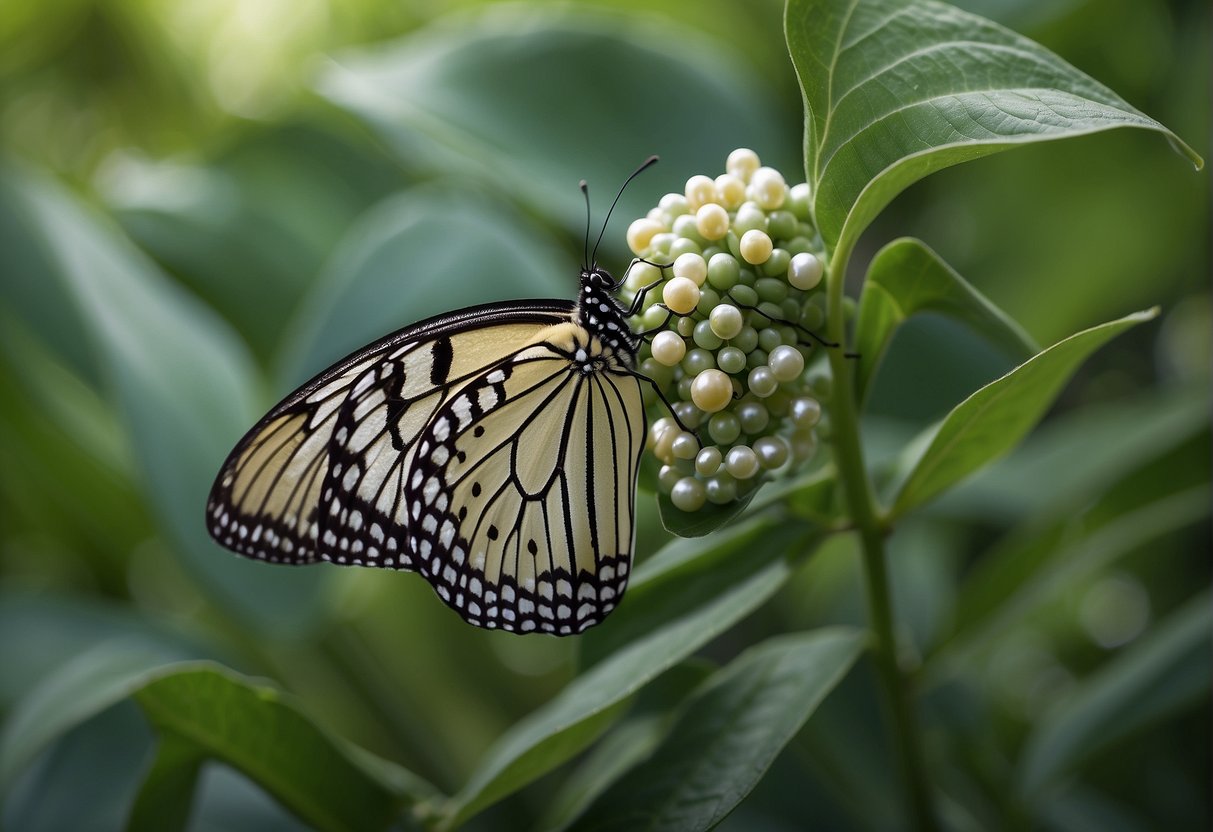
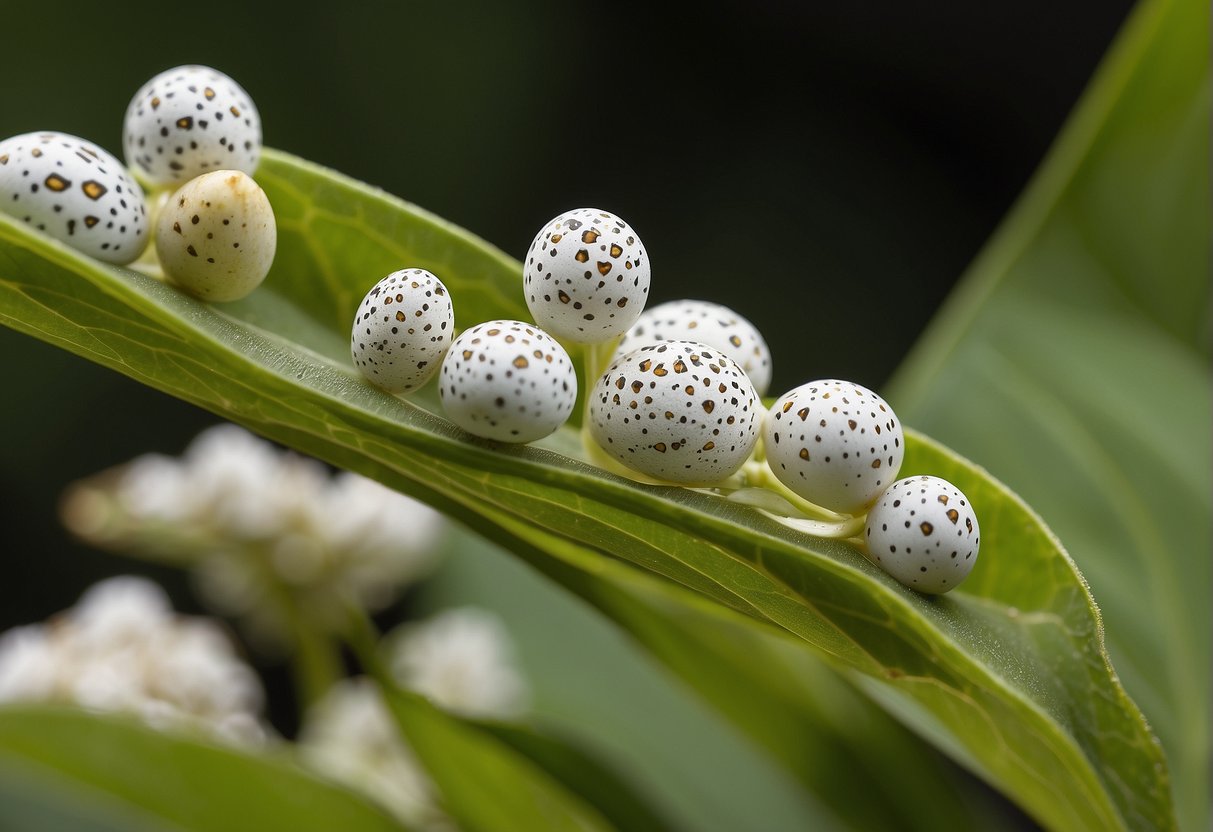
Butterfly milkweed is an important plant for many types of wildlife, particularly butterflies. The plant’s bright orange flowers attract a variety of nectar-seeking insects, including bees and butterflies. In fact, butterfly milkweed is a primary host plant for the caterpillars of the monarch butterfly. Monarch butterflies lay their eggs on the leaves of the plant, and the resulting caterpillars feed on the leaves until they form a chrysalis. The plant also provides a source of nectar for adult monarchs as they migrate through North America.
Environmental Benefits
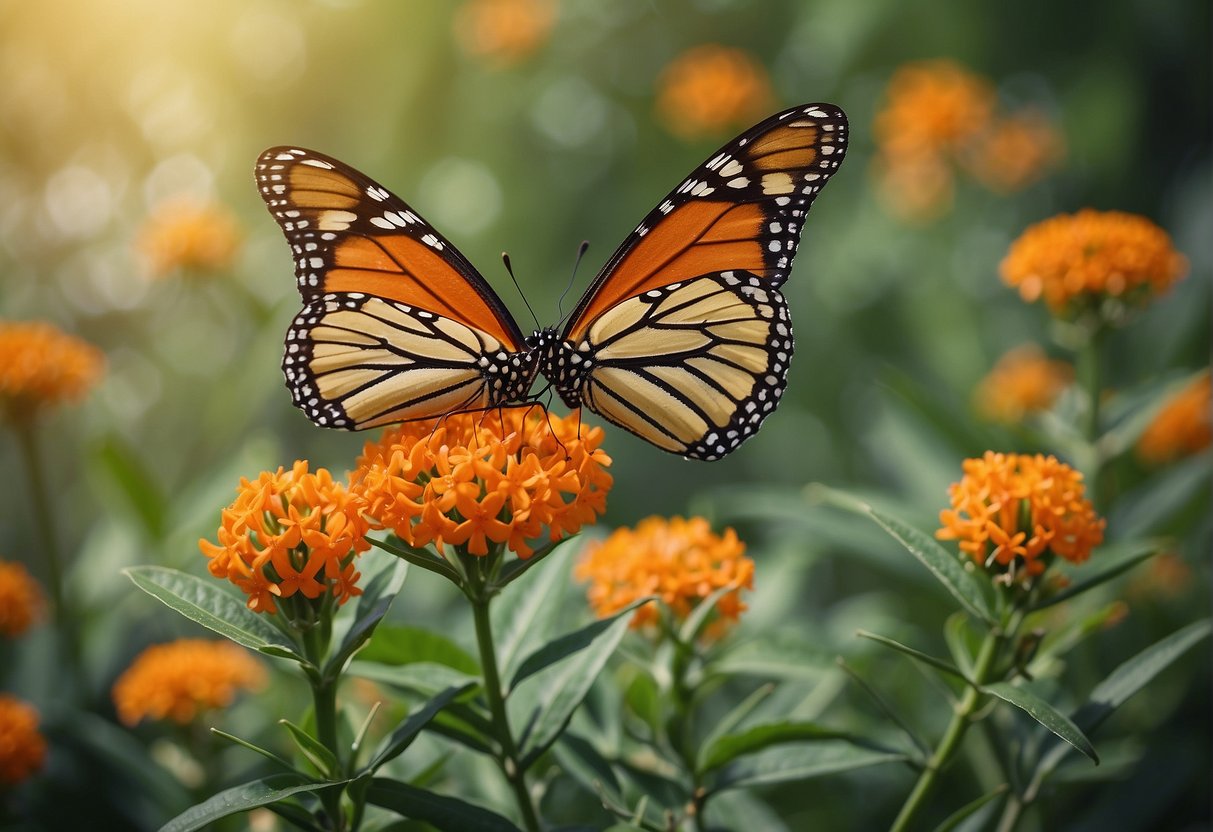
Butterfly milkweed is a member of the milkweed family and is known for its ability to attract and support a variety of pollinators. The plant’s blooms provide a valuable source of nectar for bees, butterflies, and other insects. In addition, butterfly milkweed is a host plant for aphids, which are an important food source for many types of predators.
Conservation Efforts
Butterfly milkweed is native to North America and is an important part of many ecosystems. However, the plant is threatened by habitat loss and other factors. To help protect butterfly milkweed and the wildlife that depend on it, conservation efforts are underway across the region. These efforts include planting butterfly milkweed in butterfly gardens and other habitats, as well as working to control invasive species that can outcompete native plants. By supporting these conservation efforts, you can help ensure that butterfly milkweed and the wildlife it supports continue to thrive for years to come.
Frequently Asked Questions
How does butterfly milkweed benefit monarch butterflies?
Butterfly milkweed is a critical plant for monarch butterflies because it is the only milkweed species that monarch caterpillars can eat. Monarch butterflies lay their eggs on the leaves of butterfly milkweed, and the resulting caterpillars feed on the leaves until they are ready to form a chrysalis. Without butterfly milkweed, monarch populations would decline significantly.
What are the ideal growing conditions for butterfly milkweed?
Butterfly milkweed is a hardy plant that can grow in a variety of conditions, but it prefers well-drained soil and full sun. It can tolerate drought conditions and is often found in prairies and other open areas. It is important to note that butterfly milkweed does not do well in wet or poorly-drained soil.
Can butterfly milkweed be used in a butterfly garden, and if so, how?
Yes, butterfly milkweed is an excellent choice for a butterfly garden. It attracts not only monarch butterflies but also a variety of other pollinators, such as bees and hummingbirds. To use butterfly milkweed in a butterfly garden, plant it in a sunny location with well-drained soil. You can also plant it in containers on a patio or balcony.
What distinguishes butterfly milkweed from other milkweed species?
Butterfly milkweed is easily recognizable by its bright orange flowers and narrow leaves. It is a shorter plant than some other milkweed species, typically growing to a height of 1-2 feet. Unlike some other milkweed species, butterfly milkweed does not produce a milky sap when the leaves or stems are broken.
Are there any common pests or diseases that affect butterfly milkweed?
Butterfly milkweed is relatively pest-free, but it can be susceptible to aphids and spider mites. These pests can be controlled with insecticidal soap or by introducing beneficial insects such as ladybugs or lacewings. Butterfly milkweed can also be affected by fungal diseases such as powdery mildew, which can be treated with fungicides.
How can I propagate butterfly milkweed to attract more butterflies?
Butterfly milkweed can be propagated by seed or by division. To propagate by seed, collect the seeds in the fall and plant them in the spring. To propagate by division, dig up a mature plant in the spring and divide it into smaller sections, each with its own root system. Plant the divided sections in well-drained soil and water regularly until they become established.
Hi Lovelies ! I made this blog to share my tips about Home Improvement, Children, Pets, Food, Gadgets, Automotive, Health & Beauty, and ways to be frugal while maintaining a natural lifestyle. Interested to be a Guest Blogger on my website? Please email me at: [email protected]