Home » Blog » How Tall Does Beautyberry Grow: A Comprehensive Guide
How Tall Does Beautyberry Grow: A Comprehensive Guide
December 27, 2024
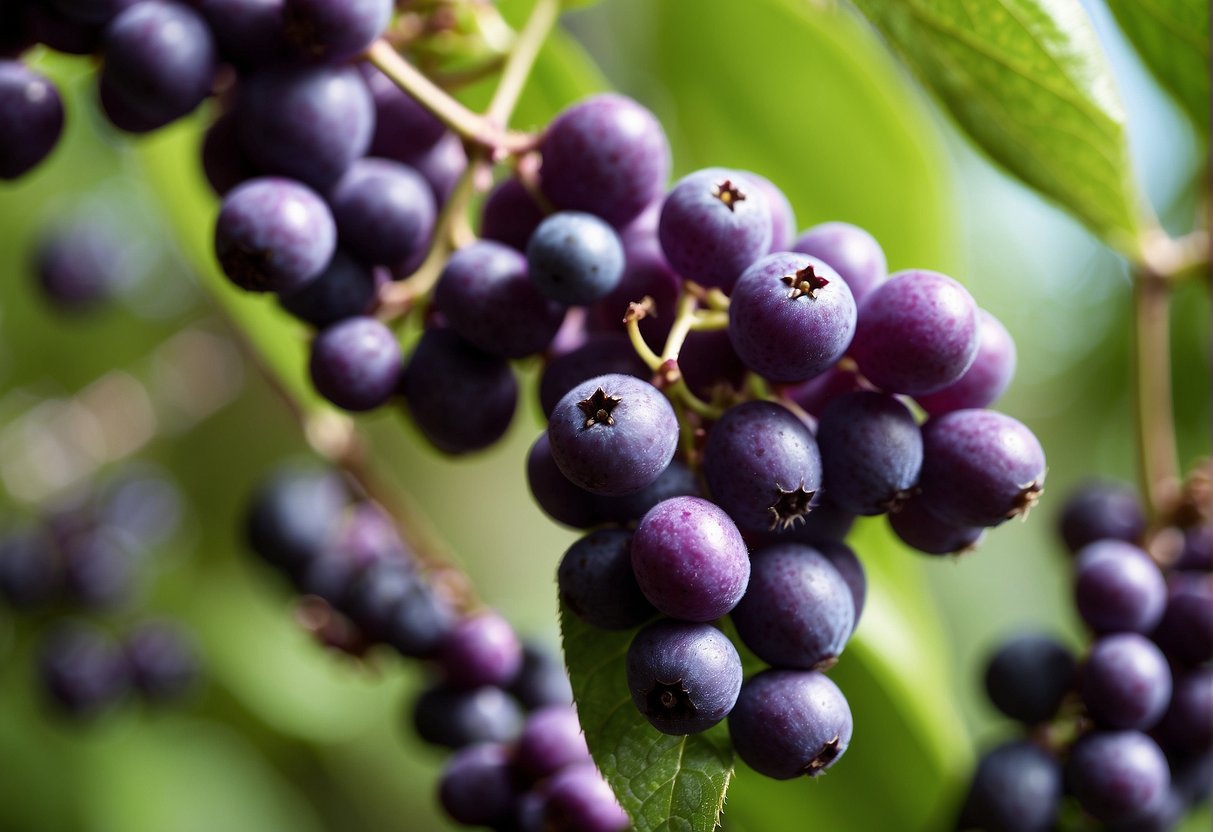
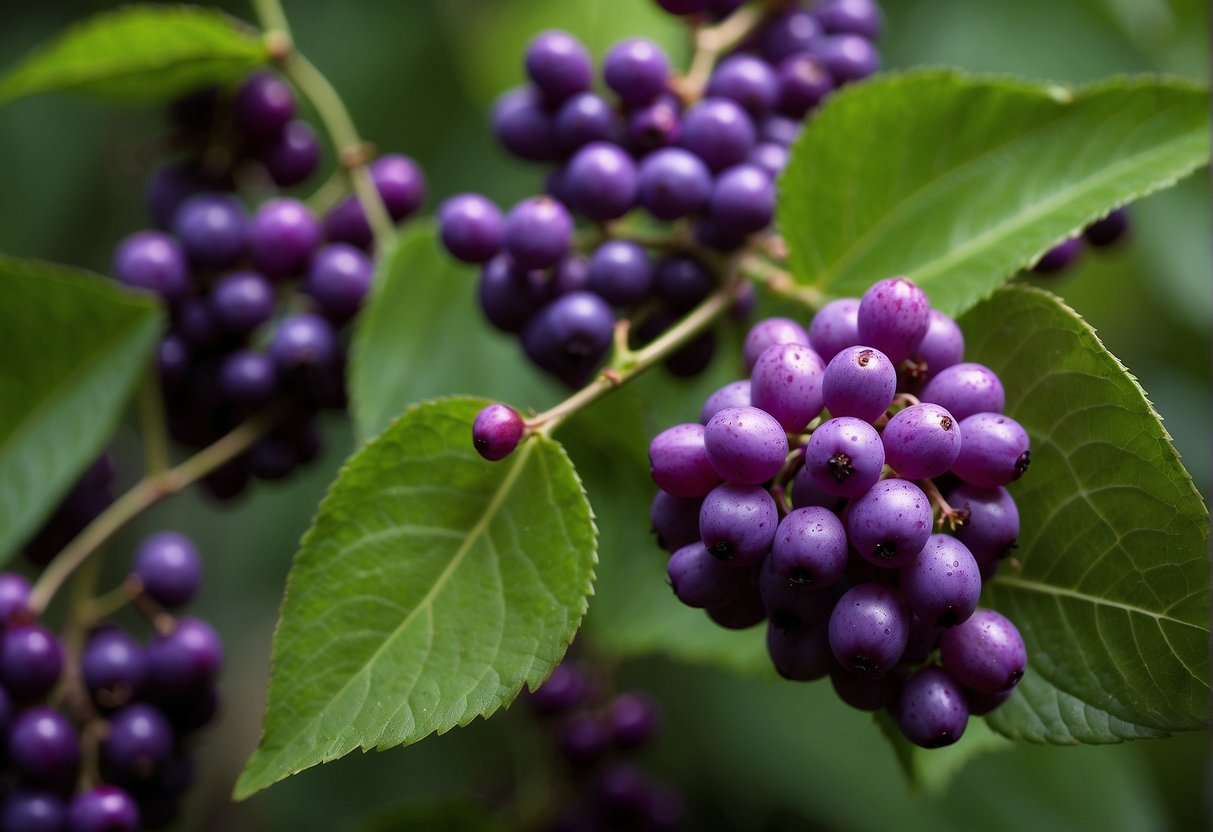
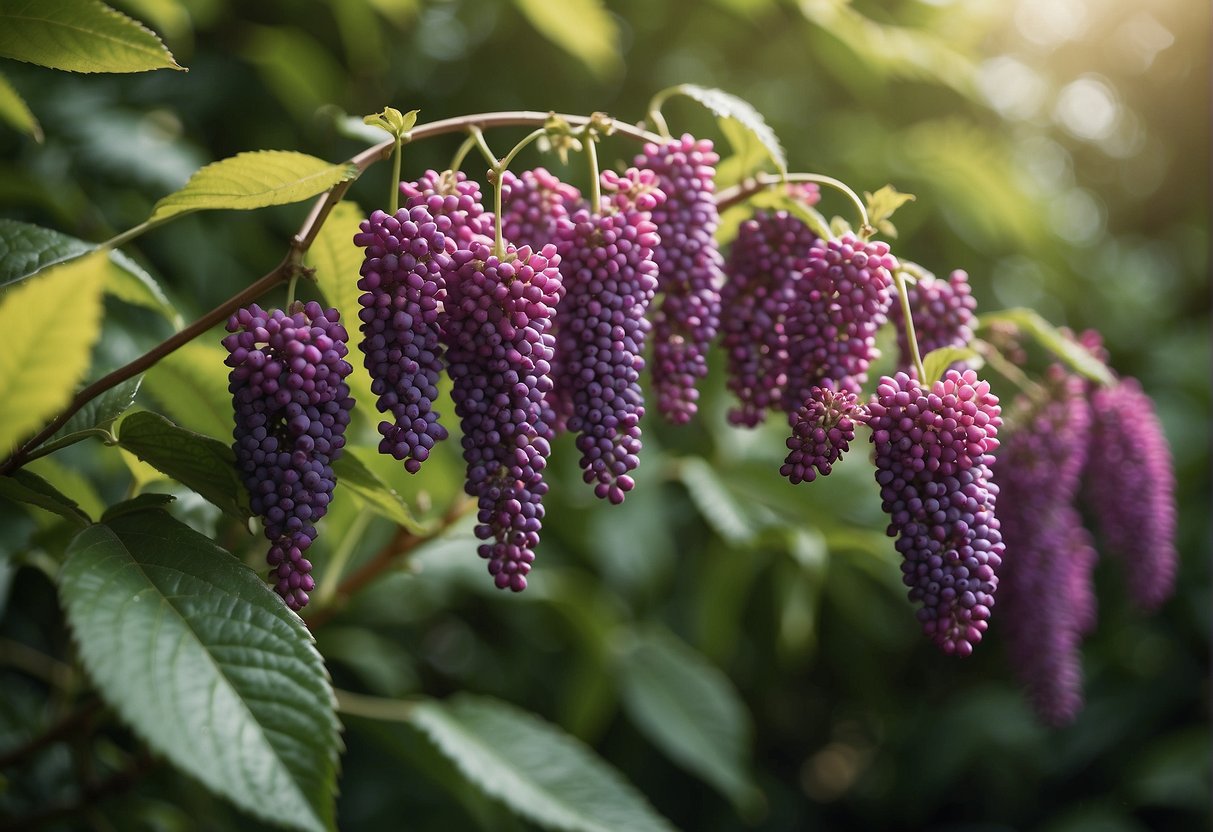
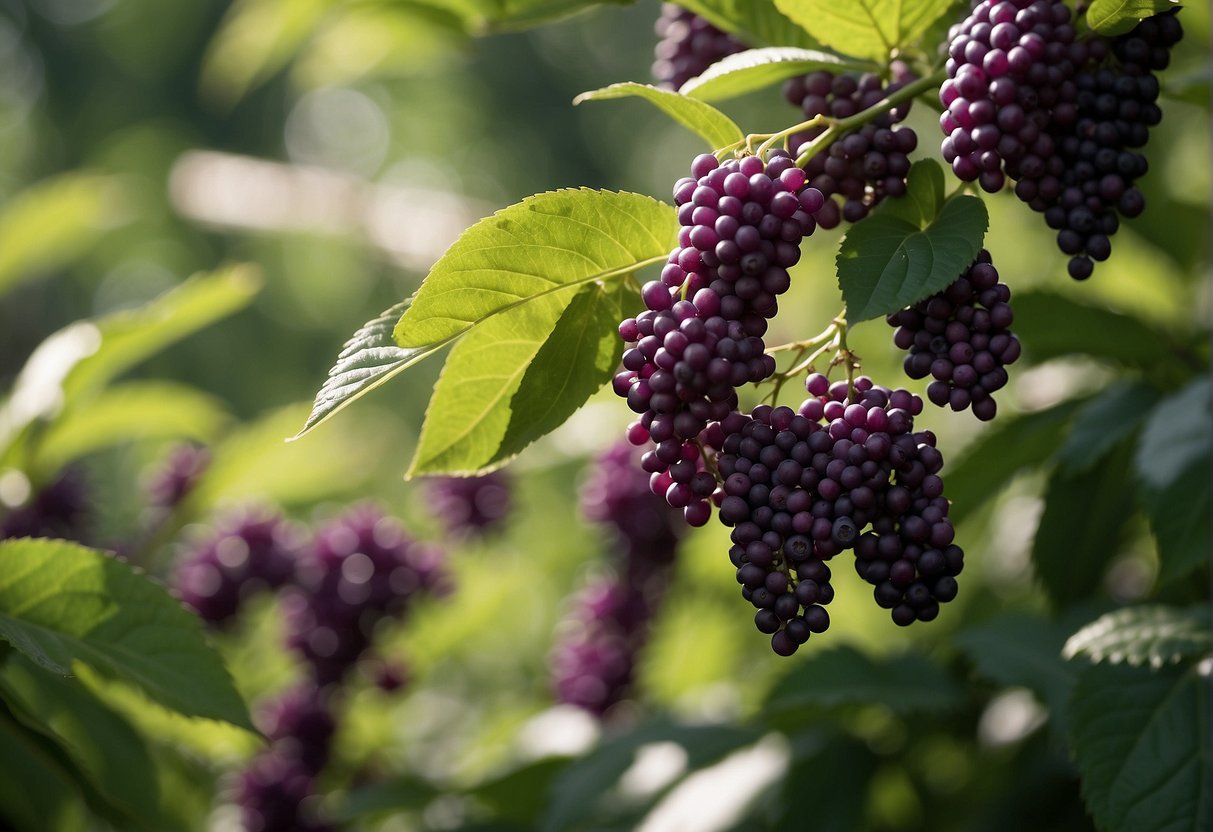
Should you be contemplating the incorporation of beautyberry into your garden landscape, you might be curious about the potential height this shrub can achieve. Known for its eye-catching purple berries that emerge in the autumn, beautyberry (Callicarpa) is a deciduous shrub. Although the berries are the primary feature, the shrub’s overall appearance is also appealing, characterized by its gracefully arching branches and vivid green foliage.
So, how tall does beautyberry grow? The answer is that it can vary depending on the specific cultivar and growing conditions. Most beautyberry shrubs will reach a mature height of around 3 to 6 feet, with a similar spread. However, some cultivars may grow taller or wider than this, so it’s important to do your research before selecting a specific variety.
Key Takeaways
Beautyberry is a deciduous shrub known for its striking purple berries.
Most beautyberry shrubs will reach a mature height of around 3 to 6 feet, but this can vary depending on the cultivar and growing conditions.
Before selecting a specific variety of beautyberry, it’s important to research the plant’s growth habits to ensure it will fit in your garden.
Characteristics of Beautyberry
Beautyberry, scientifically known as Callicarpa, is a deciduous shrub that is often grown for its ornamental value. This plant is native to the southeastern United States and parts of Asia, and it is available in several species varieties. Beautyberry is known for its purple berries, which are produced in large clusters along the stems.
Species Varieties and Identification
There are several species of beautyberry, including Callicarpa americana (American beautyberry), C. japonica, C. dichotoma, and several Asian species. The American beautyberry is the most common species grown in the United States and is easily identified by its green leaves and purple berries. Other species, such as C. lactea and Welch’s pink, produce white or pink berries.
Optimal Growing Conditions
Beautyberry is a relatively easy plant to grow and care for, making it a popular choice for home gardens. It prefers well-drained soil and partial shade, although it can also tolerate full sun. This plant is hardy in USDA zones 6-10 and can grow up to 6 feet tall and wide. Beautyberry is also known for its fall foliage, which can range from yellow to red, depending on the species.
When it comes to flower color, beautyberry typically produces small, pinkish-purple flowers in the summer. However, it is the beautiful fruit that is the main attraction of this plant. The drupes, or berries, are produced in the fall and can be either purple or white, depending on the species.
In conclusion, beautyberry is a stunning ornamental plant that can add beauty to any garden. With its purple berries, fall foliage, and beautiful fruit, it is sure to be a showstopper. Whether you choose the American beautyberry or one of the other species varieties, you are sure to enjoy this plant for years to come.
Cultivation and Care
If you want to grow beautyberry in your garden, it is best to follow some basic cultivation and care guidelines. This will help ensure that your shrubs thrive and produce beautiful flowers and berries.
Planting and Propagation
Beautyberry can be grown from seeds or stem cuttings. It is best to plant them in the fall or early summer, in well-drained soil that is slightly acidic with a pH between 5.5 and 6.5. They prefer full sun but can also tolerate partial shade. When planting, space them about 3-4 feet apart to allow for growth and air circulation. Beautyberry is drought-tolerant once established, but it is important to water them regularly during the first year.
Maintenance and Pruning
Beautyberry is a low-maintenance shrub that requires minimal pruning. You can prune them in late winter or early spring to remove any dead or damaged branches. This will encourage new growth and maintain the shrub’s shape. It is also recommended to prune them after they bloom to promote more flowers and berries the following year.
Pests, Diseases, and Problems
Beautyberry is generally resistant to pests and diseases. However, they can occasionally be affected by Japanese beetles, spider mites, or scale insects. If you notice any signs of infestation, you can use insecticidal soap or neem oil to control them. Beautyberry can also be prone to root rot if planted in poorly-drained soil. If you notice any signs of wilting or yellowing leaves, it may be a sign of root rot. To prevent this, make sure to plant them in well-draining soil and avoid overwatering.
Overall, beautyberry is a hardy and easy-to-grow shrub that can add beauty and interest to your garden. By following these simple cultivation and care guidelines, you can ensure that your beautyberry shrubs thrive and produce beautiful flowers and berries year after year.
Frequently Asked Questions
What is the maximum height of an American Beautyberry?
The American Beautyberry can grow up to 6 feet tall and wide. However, the height can vary depending on the growing conditions and the cultivar.
What are the growth expectations for Beautyberry when planted from seed?
When planted from seed, American Beautyberry can take up to 3 years to establish and start blooming. It is important to provide the plant with proper care and growing conditions to ensure healthy growth.
What considerations are there for growing Beautyberry in zone 5?
American Beautyberry is hardy in zones 6-10. If you are growing Beautyberry in zone 5, it is important to provide winter protection to ensure the plant’s survival. You can use mulch or burlap to protect the plant from harsh winter conditions.
How much space is required for a Beautyberry to grow properly?
American Beautyberry requires plenty of space to grow properly. It is recommended to plant the shrub at least 6 feet apart to ensure proper air circulation and to prevent overcrowding.
Can Beautyberry be pruned to maintain a smaller size?
Yes, Beautyberry can be pruned to maintain a smaller size. It is recommended to prune the shrub in late winter or early spring before new growth appears. This will help maintain the plant’s shape and size.
What are the potential growth issues with American Beautyberry?
American Beautyberry is generally a hardy plant, but it can be susceptible to certain pests and diseases. Some common issues include leaf spot, powdery mildew, and spider mites. It is important to monitor the plant for any signs of damage and to take appropriate measures to prevent and treat any issues that arise.
Hi Lovelies ! I made this blog to share my tips about Home Improvement, Children, Pets, Food, Gadgets, Automotive, Health & Beauty, and ways to be frugal while maintaining a natural lifestyle. Interested to be a Guest Blogger on my website? Please email me at: [email protected]