Home » Blog » How Tall Do Yucca Plants Get: A Comprehensive Guide
How Tall Do Yucca Plants Get: A Comprehensive Guide
December 27, 2024
Should you desire to infuse your living or outdoor space with a hint of desert allure, yucca plants make for a remarkable selection. Recognized for their distinctive look and minimal upkeep needs, these resilient plants are a popular choice. A common curiosity about yucca plants is their potential height. In the following article, we will delve into the growing patterns of yucca plants and resolve the inquiry regarding their maximum height.
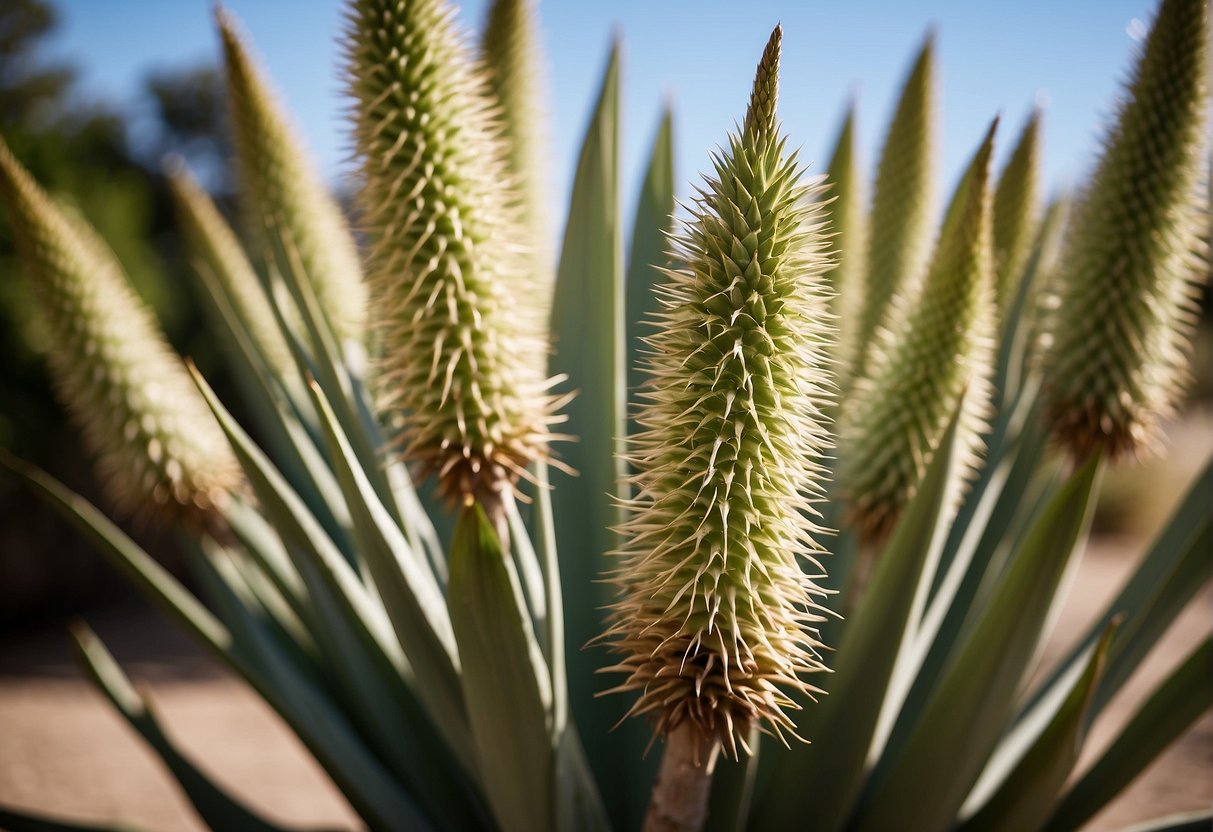
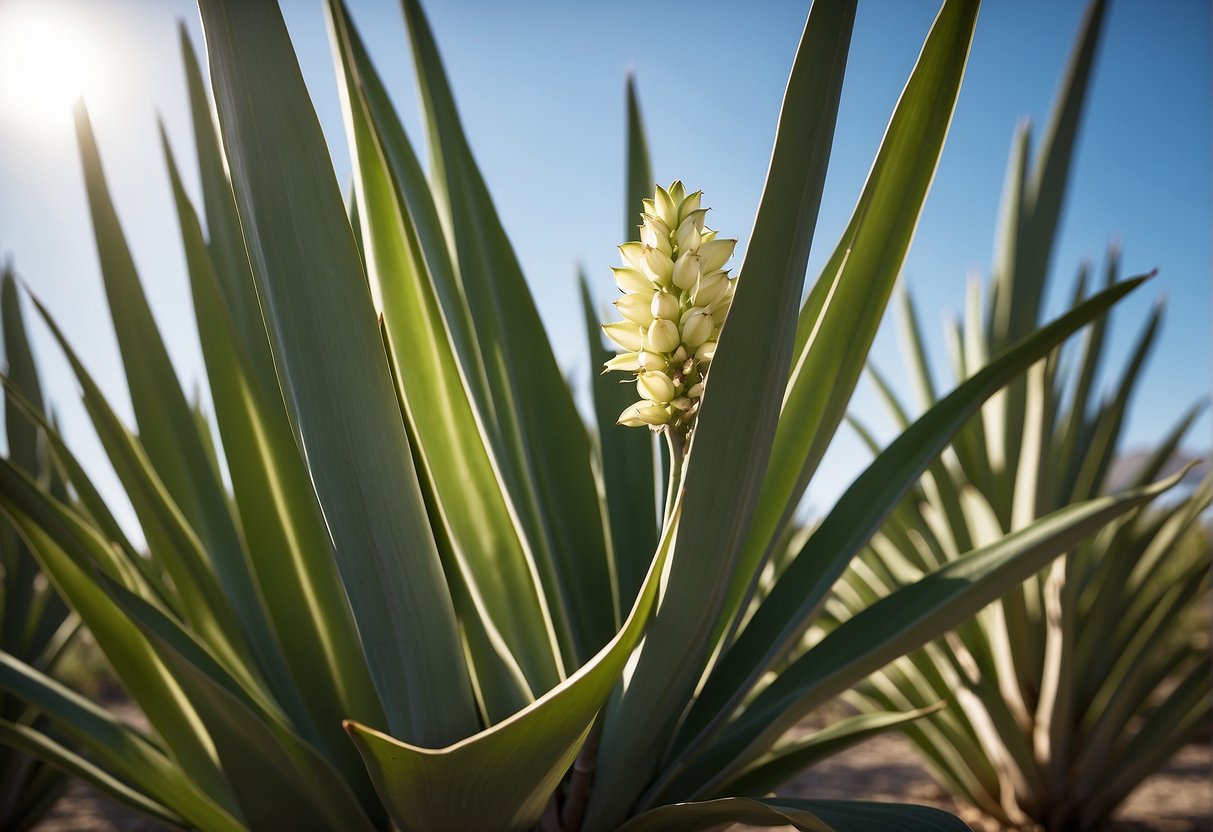
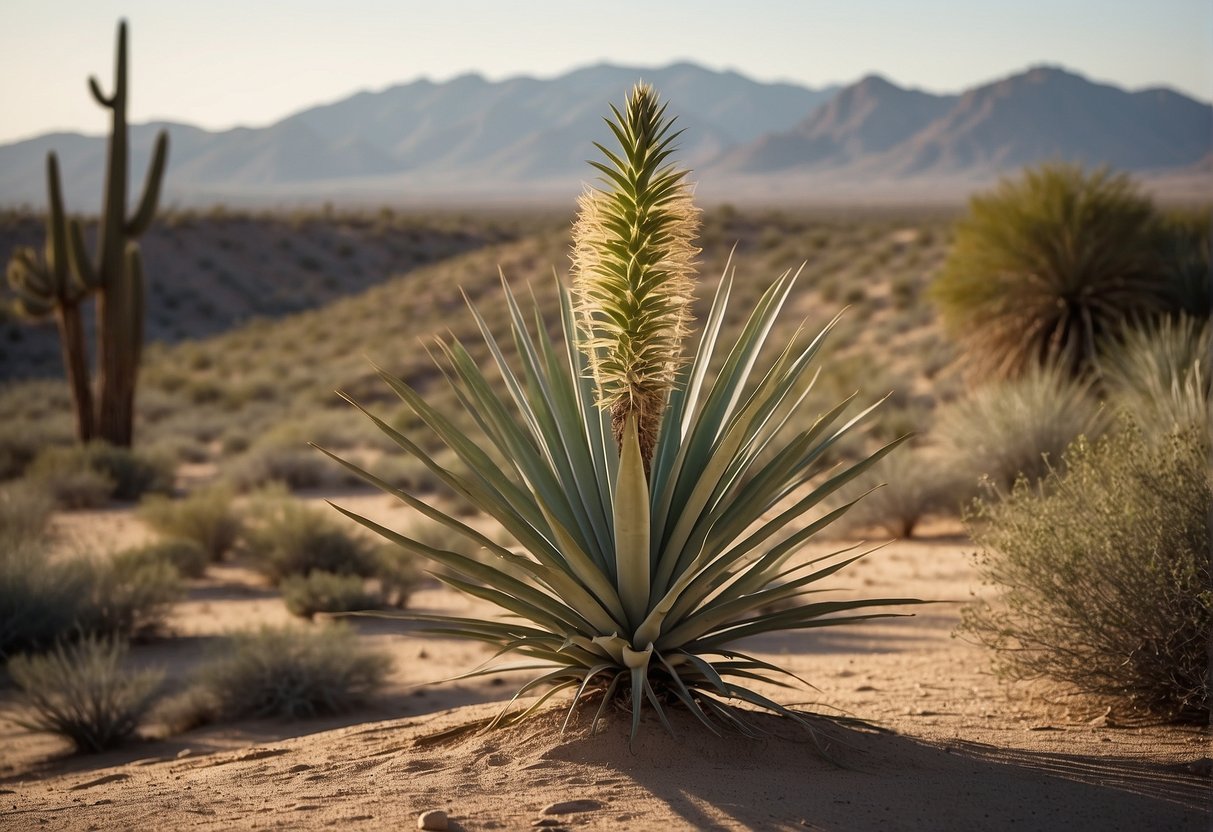
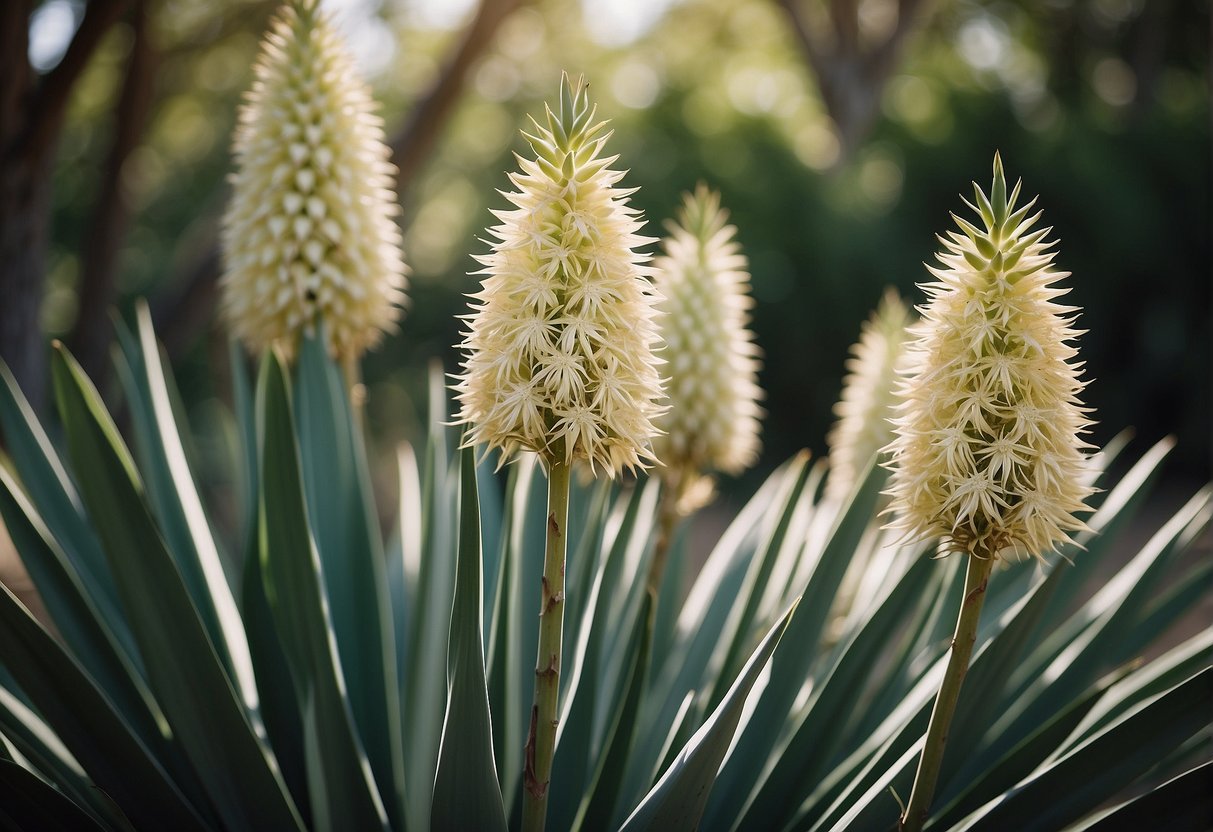
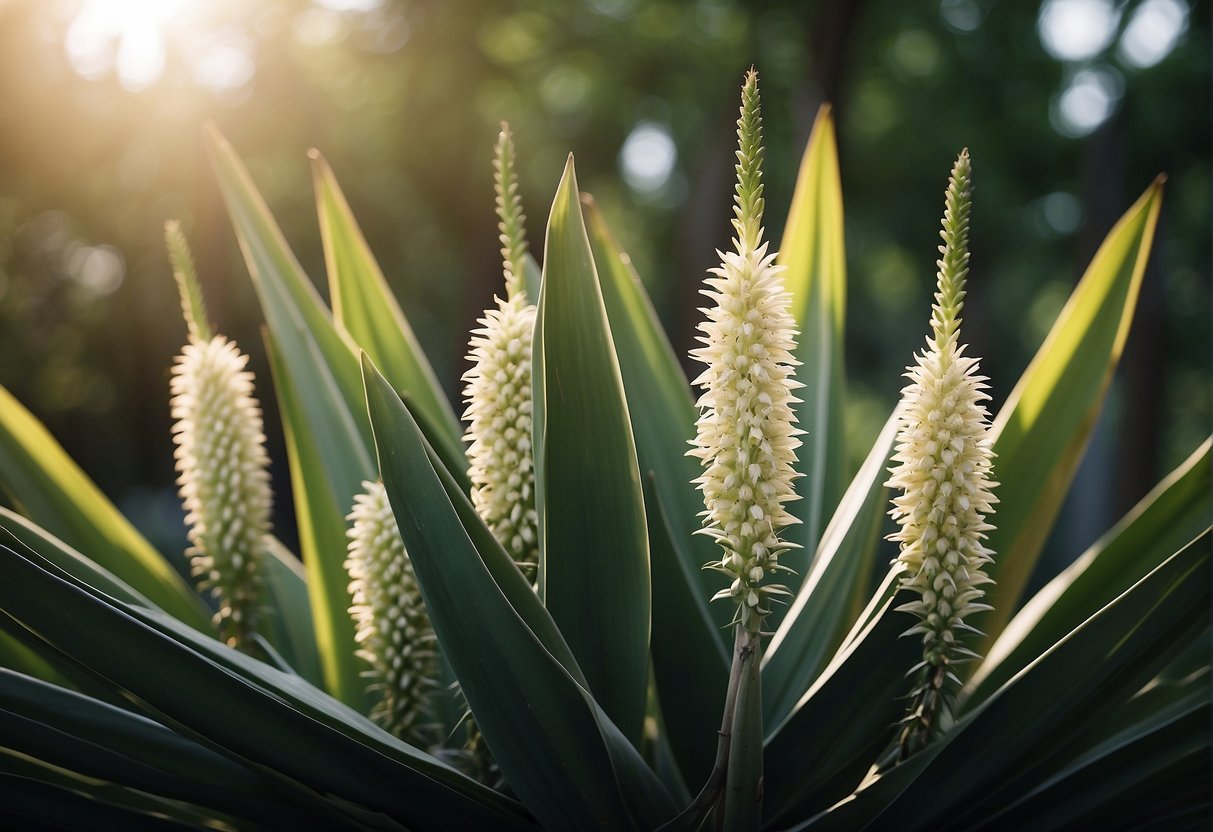
Yucca plants are native to arid regions of North and Central America and have adapted to thrive in harsh conditions. They are known for their long, sword-like leaves and towering flower stalks. While the exact height of a yucca plant will depend on the specific species, growing conditions, and other factors, most varieties can reach impressive heights. In the following sections, we’ll take a closer look at yucca plant growth habits and what you can do to help your yucca reach its full potential.
Key Takeaways
Yucca plants are hardy and low maintenance, making them a popular choice for home and garden decor.
The exact height of a yucca plant will depend on factors such as species and growing conditions, but most varieties can reach impressive heights.
Understanding yucca plant growth habits and providing proper care and maintenance can help your yucca thrive and reach its full potential.
Yucca Plant Growth Habits
Yucca plants are known for their striking appearance and are popular among gardeners and landscapers. If you are planning to grow a yucca plant, it is important to understand its growth habits to ensure optimal growth and health.
Average Heights and Varieties
Yucca plants come in various sizes and shapes. The average height of a yucca plant can range from 1 to 20 feet, depending on the species. Some popular yucca plant varieties include the Yucca elephantipes, Joshua tree, Yucca filamentosa, Soaptree yucca, Spanish bayonet, Yucca rostrata, Beaked yucca, Yucca gloriosa, Yucca aloifolia, and Yucca flaccida.
Optimal Growing Conditions
Yucca plants grow best in full sun and well-draining soil. They are drought-tolerant and can survive in sandy, well-drained soil conditions. Yucca plants are also known to be perennial and can grow in zones 4-11.
When it comes to soil conditions, yucca plants prefer soil that is slightly acidic to neutral. It is important to avoid soil that is too wet or heavy, as this can lead to root rot and other problems.
In terms of growth rate, yucca plants are generally slow-growing. However, with the right growing conditions, they can reach their full height within a few years.
Overall, yucca plants are a great addition to any garden or landscape. By understanding their growth habits and providing optimal growing conditions, you can ensure that your yucca plant thrives and adds beauty to your outdoor space.
Yucca Plant Care and Maintenance
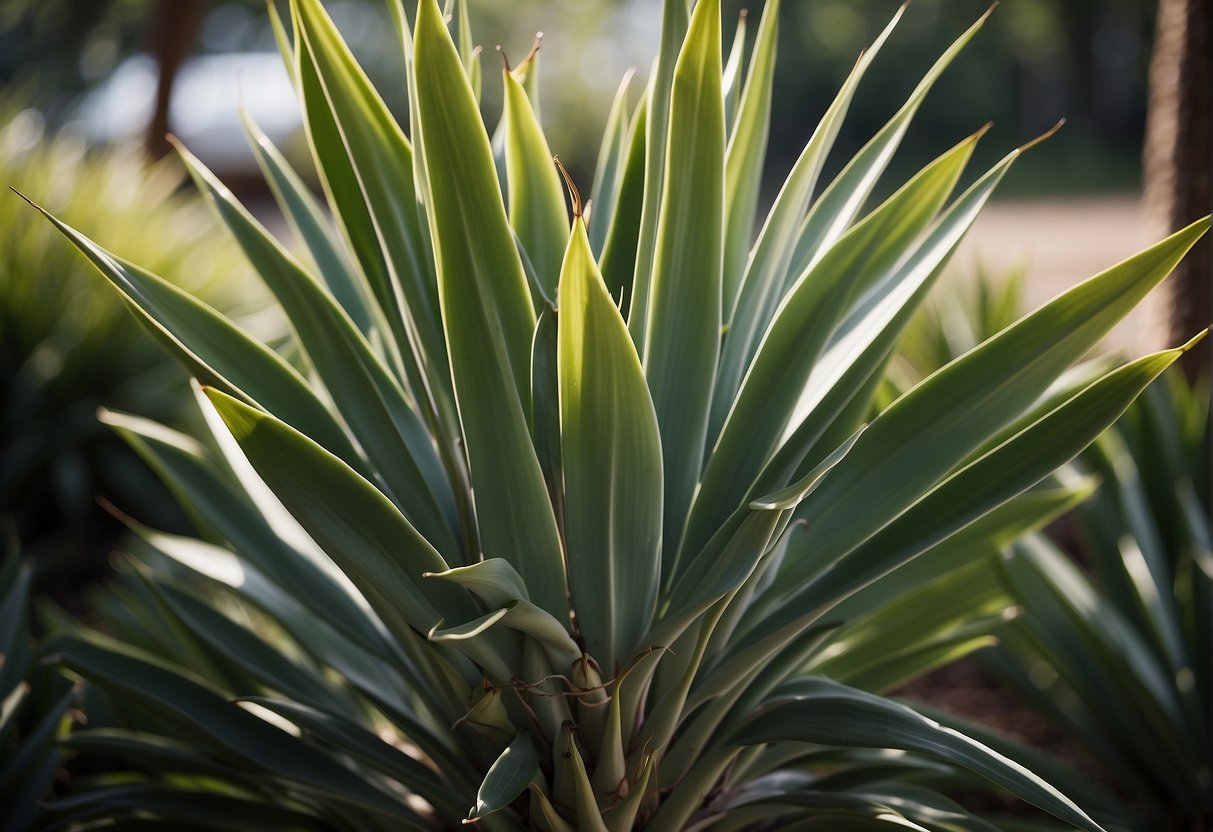
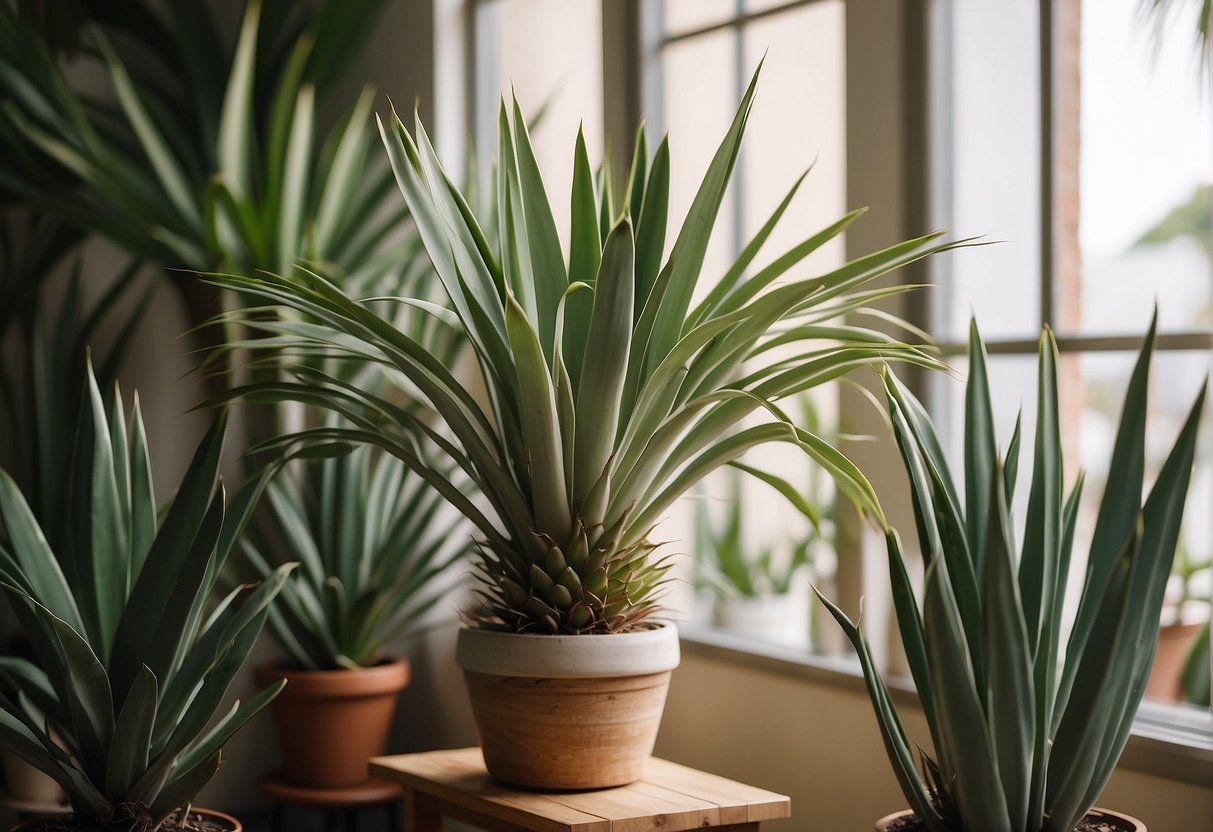
If you’re looking for an ornamental plant that’s easy to care for and adds a touch of the Caribbean to your home, the yucca plant is an excellent choice. With its narrow leaves and woody stems, the yucca plant is part of the asparagaceae family and grows in a rosette form.
Watering and Feeding
Yucca plants are drought-tolerant and don’t require frequent watering. Overwatering can lead to root rot, so it’s essential to ensure proper drainage. When watering, let the soil dry out between waterings. Yucca plants generally don’t require fertilizer, but if you want to give them a nutrient boost, use a balanced fertilizer once a month during the growing season.
Pruning and Propagation
Pruning your yucca plant is not necessary, but if you want to keep it compact, you can cut back the stalk. Propagation is easy with yucca plants. You can start new plants from seed, by cutting the stalk, or by division.
Pest and Disease Management
Yucca plants are generally low maintenance, but they can be susceptible to pests such as mealybugs, scale insects, and aphids. To prevent pest infestations, keep your plant in good health, and avoid overwatering. If you notice pests, use a solution of mild soap and water to wash them off.
In conclusion, the yucca plant is a beautiful and low-maintenance container plant that can add a touch of the Caribbean to your home. With proper yucca plant care and maintenance, you can enjoy its narrow leaves, white flowers, and fragrance for years to come.
Frequently Asked Questions
What is the maximum height of a spineless yucca plant?
Spineless yucca plants, also known as Yucca gigantea or Yucca elephantipes, can grow up to 30 feet tall in their natural habitat. However, when grown as houseplants, they usually reach a maximum height of 10 feet.
How quickly does a Joshua tree reach its full height?
Joshua trees (Yucca brevifolia) grow very slowly, usually only 2-3 inches per year. It can take up to 50 years for them to reach their full height of 15-40 feet.
At what rate do Adam’s needle yucca plants grow?
Adam’s needle yucca plants (Yucca filamentosa) are slow-growing and can take several years to reach their mature height of 2-3 feet. They typically grow about 6 inches per year.
What are the typical growth measurements for a Banana yucca?
Banana yucca plants (Yucca baccata) can grow up to 10 feet tall in their natural habitat. However, when grown as ornamental plants, they usually reach a maximum height of 4-6 feet.
How can I manage the growth of my Yucca aloifolia?
Yucca aloifolia, also known as Spanish bayonet, can grow up to 20 feet tall in its natural habitat. To manage its growth, you can prune the plant regularly to control its height and shape. Pruning also helps to remove dead or damaged leaves.
What height can I expect a Beaked yucca to achieve?
Beaked yucca (Yucca rostrata) is a slow-growing plant that can take several years to reach its full height of 15-20 feet. It typically grows about 6-8 inches per year.
Hi Lovelies ! I made this blog to share my tips about Home Improvement, Children, Pets, Food, Gadgets, Automotive, Health & Beauty, and ways to be frugal while maintaining a natural lifestyle. Interested to be a Guest Blogger on my website? Please email me at: [email protected]