Home » Blog » How to Maintain Yucca Plants: Tips and Tricks
How to Maintain Yucca Plants: Tips and Tricks
December 28, 2024
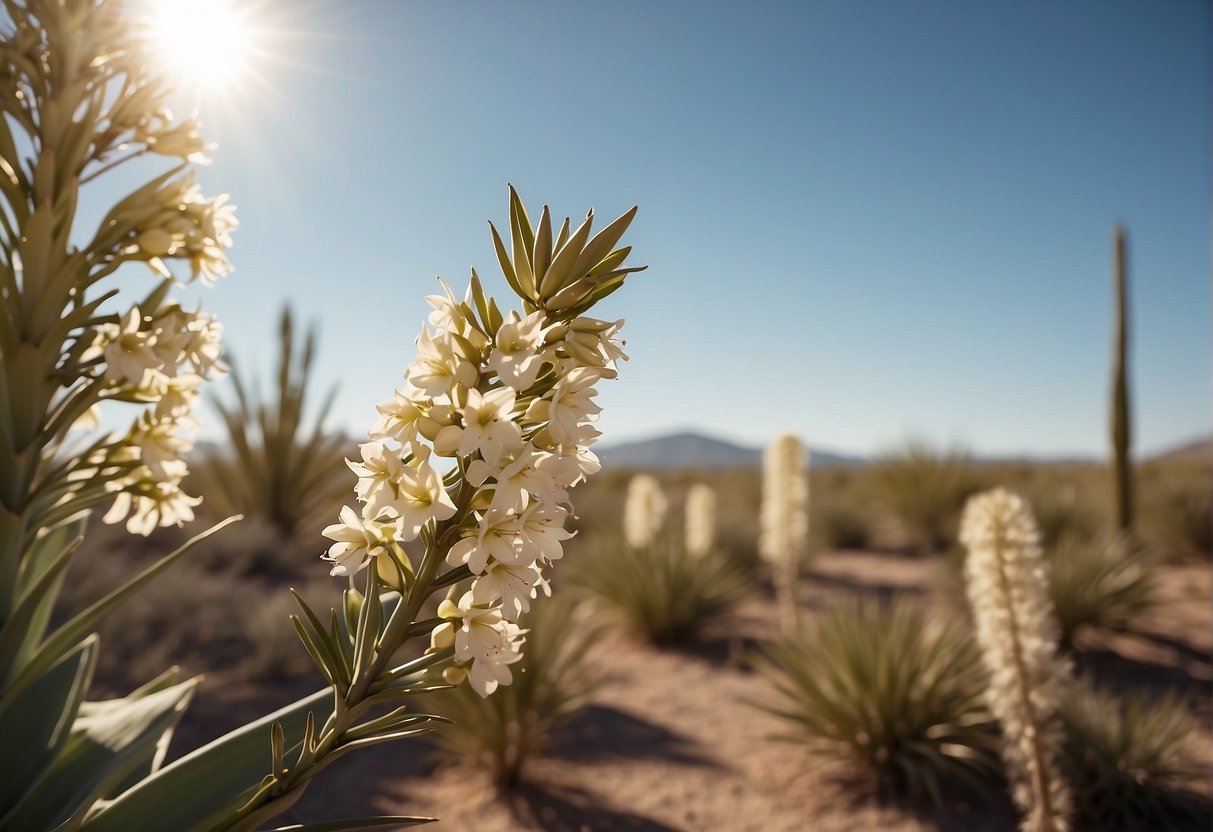
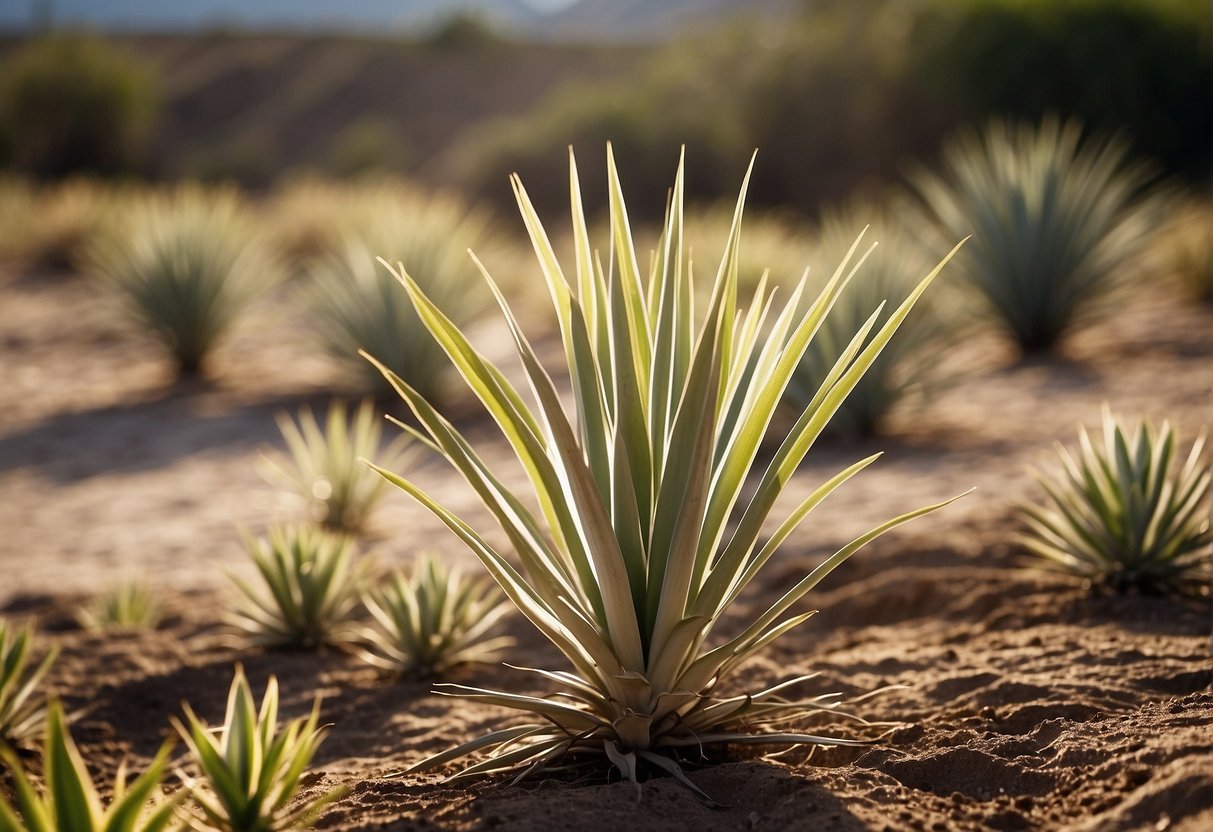
Should you desire a plant that’s easy to care for while bringing a desert vibe into your home, consider the yucca plant. These resilient plants originate from the Americas and boast sharp, spiky leaves alongside a remarkable look. Nonetheless, yuccas do need a bit of attention to remain vibrant and in prime condition. This article will cover the essentials of caring for yucca plants, including tips on planting, soil needs, and continual care.
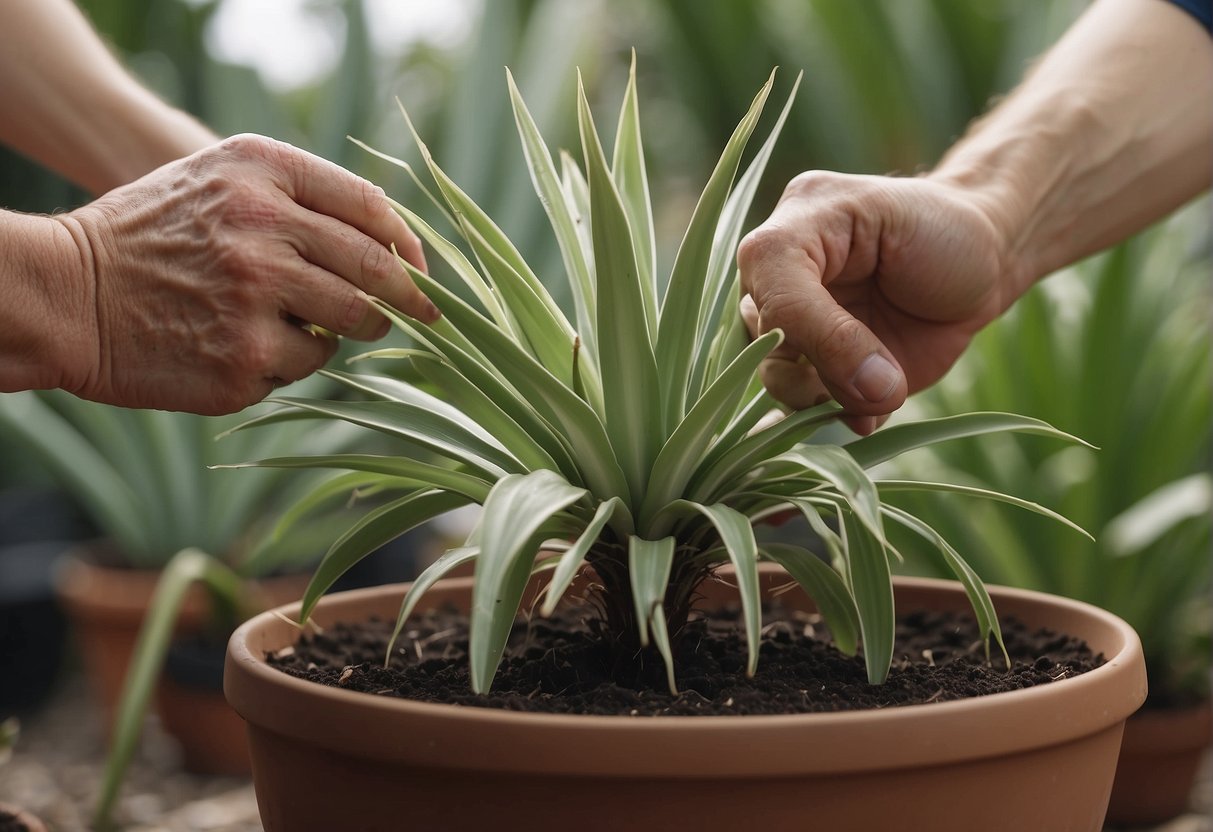
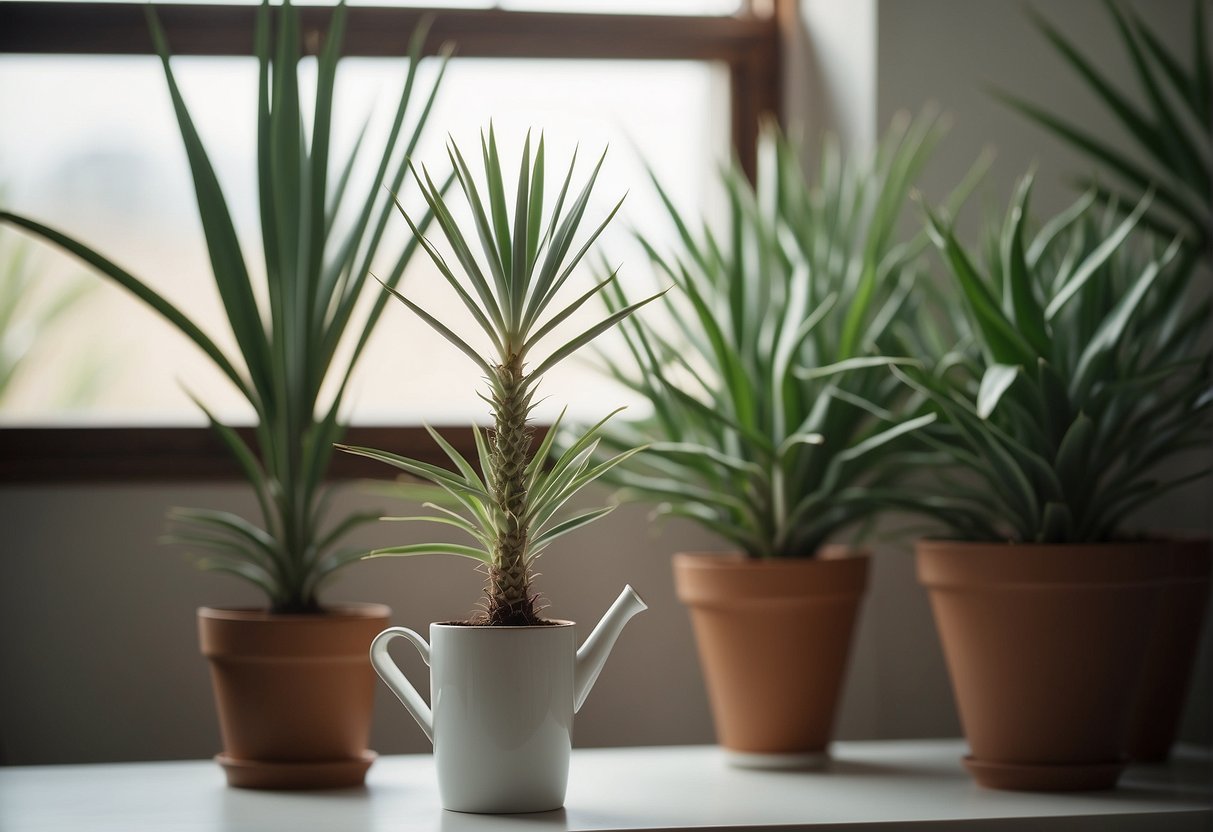
To start, let’s talk about planting and soil requirements. Yucca plants prefer well-draining soil and plenty of sunlight, so make sure to choose a spot in your home that gets plenty of natural light. When planting your yucca, make sure to choose a pot with good drainage to prevent water from pooling around the roots. Yuccas are also fairly drought-tolerant, so be careful not to overwater them.
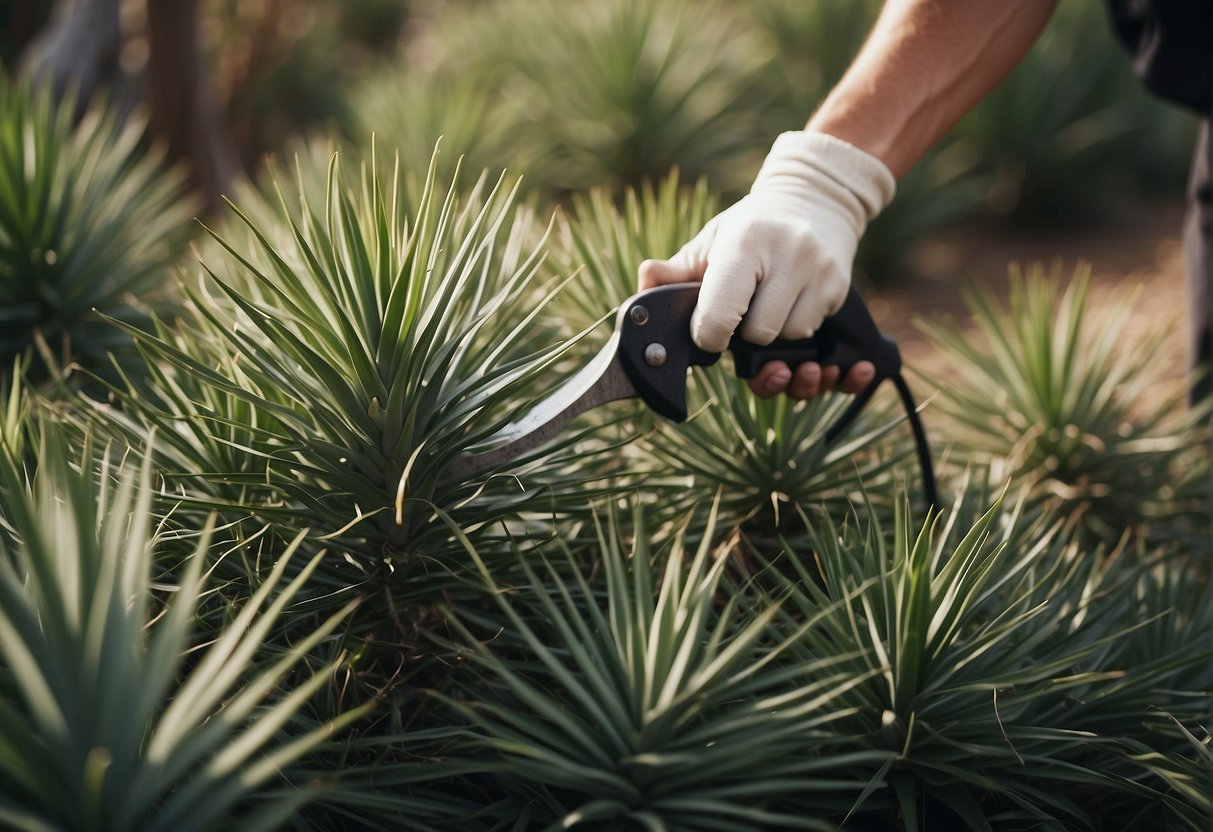
Once your yucca is planted, ongoing care is fairly simple. Yuccas don’t require much fertilizer, but you can use a balanced fertilizer once or twice a year to give them a boost. You should also prune your yucca occasionally to remove any dead or damaged leaves and keep the plant looking neat. With just a little bit of care, your yucca plant can thrive for years to come.
Key Takeaways
Yucca plants prefer well-draining soil and plenty of sunlight.
Yuccas are fairly drought-tolerant and don’t require much fertilizer.
Pruning your yucca occasionally will keep it looking neat and healthy.
Planting and Soil Requirements
Choosing the Right Location
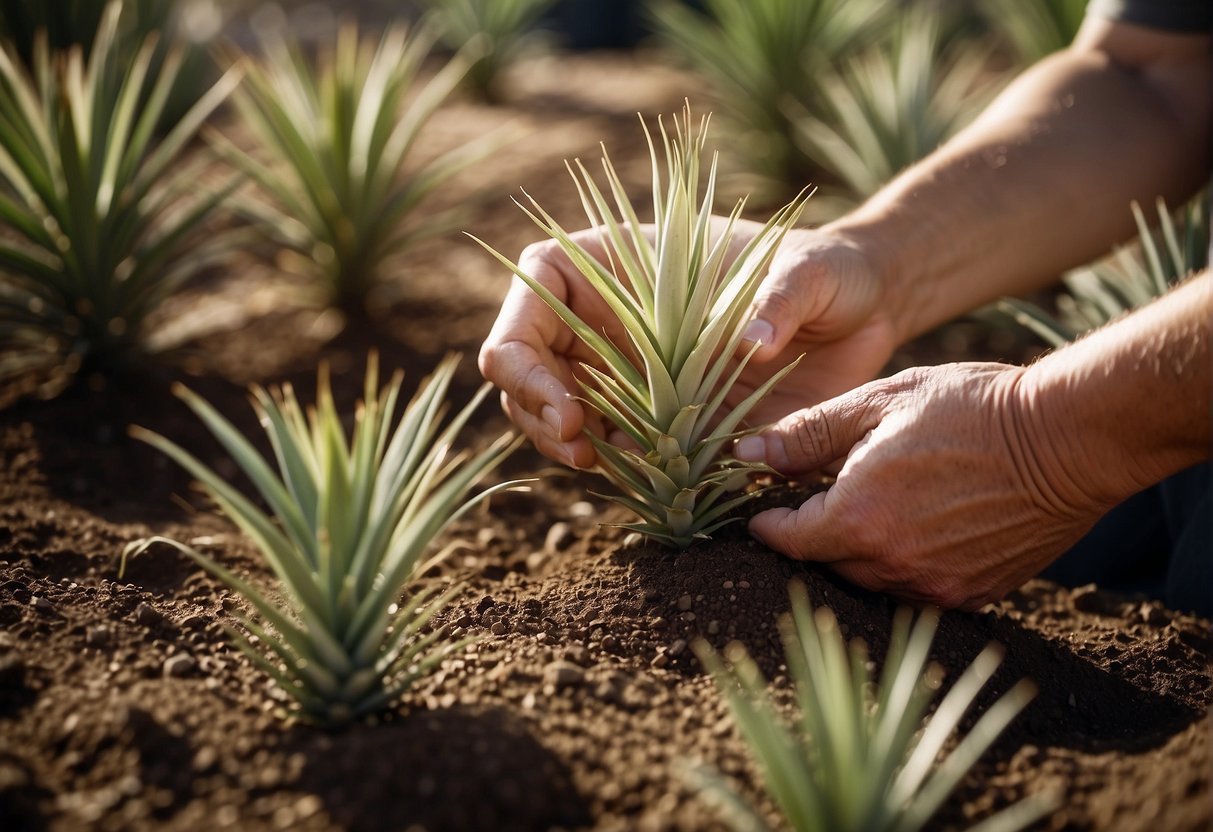
When planting yucca plants, it’s important to choose the right location. Yuccas are a perennial species that thrive in full sun or light shade. They prefer warm temperatures and are hardy in zones 5 through 11. If you’re planting yuccas in a garden, choose a location that receives at least six hours of direct sunlight per day. If you’re planting yuccas in a container, place it in a location that receives bright, indirect light.
Soil Preparation and Drainage
Yuccas require well-draining soil to thrive. If planting in a garden, prepare the soil by adding organic matter such as compost or aged manure to improve the soil’s structure and drainage. If planting in a container, use a potting mix that is well-draining and contains perlite or sand to improve drainage.
When planting yuccas, make sure the soil is well-drained. Yuccas are susceptible to root rot if the soil is too wet. To improve drainage, add sand or perlite to the soil mix. When planting in a garden, make sure the planting hole is deep enough to accommodate the plant’s root ball and has good drainage. When planting in a container, choose a pot with drainage holes and use a well-draining potting mix.
Overall, yucca plants are easy to maintain as long as you choose the right location and provide well-draining soil. With proper care, yuccas can thrive in a garden, container, or as a houseplant.
Ongoing Yucca Care
Yucca plants are low-maintenance and easy to care for, but they still require some attention to thrive. Here are some tips for ongoing yucca care.
Watering and Feeding
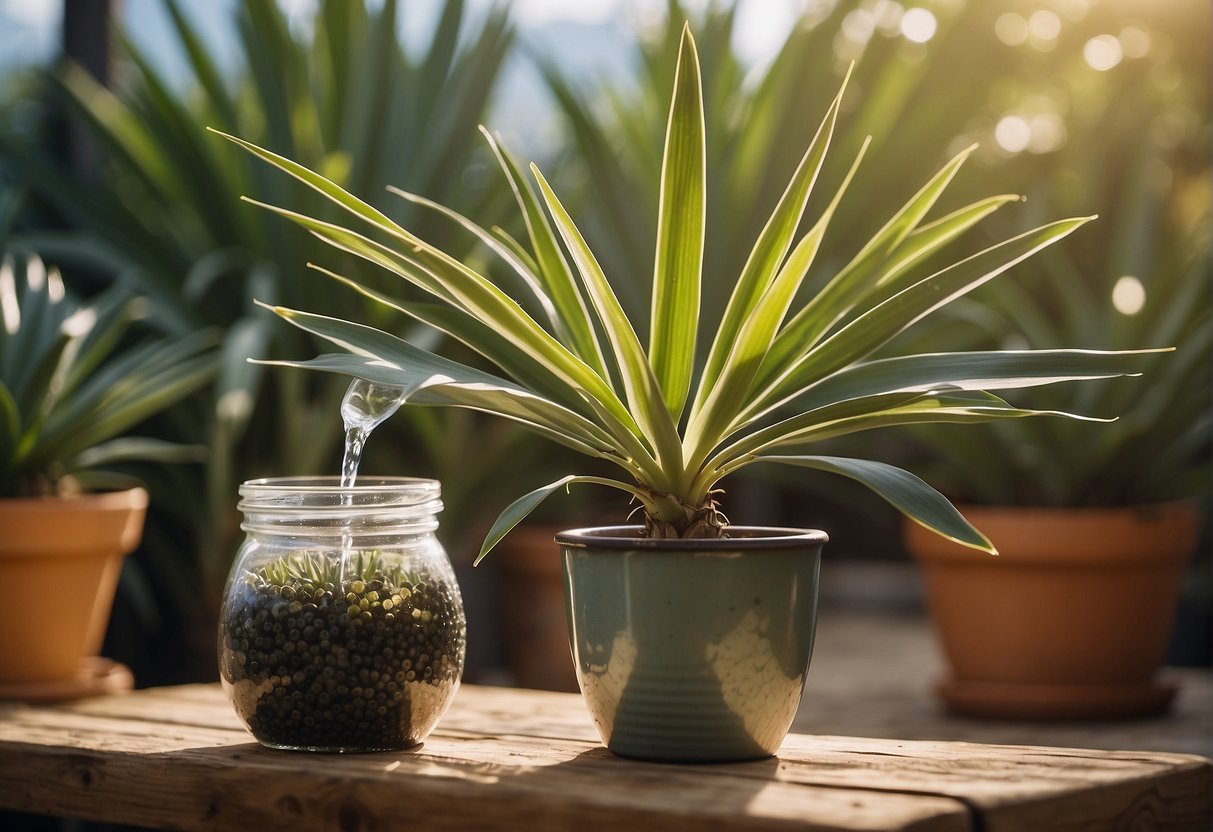
Yucca plants are drought-tolerant and can survive long periods without water, but they still need to be watered occasionally. Water your yucca plant when the soil is dry to the touch, but be careful not to overwater it. Yucca plants prefer well-draining soil, so make sure the pot has drainage holes.
Feed your yucca plant once a month during the growing season with a balanced fertilizer. Avoid fertilizing during the winter months when the plant is dormant.
Pruning and Propagation
Yucca plants don’t require pruning, but you can remove dead or damaged leaves to keep the plant looking neat. If you want to propagate your yucca plant, you can do so by stem cuttings or division. Cut a stem from a mature plant and let it dry for a few days before planting it in well-draining soil. Alternatively, divide a mature plant by separating the offshoots from the main plant and planting them in their own pots.
Pests and Diseases Management
Yucca plants are generally pest and disease-free, but they can still be affected by mealybugs, scale, aphids, root rot, and leaf spot. To prevent pests, keep your yucca plant clean and dust-free. If you notice any pests, treat them with neem oil or insecticidal soap. To prevent diseases, avoid overwatering your yucca plant and make sure it has good air circulation. If you notice any signs of disease, such as yellowing or spotting leaves, remove the affected leaves and treat the plant with a fungicide.
Overall, yucca plants are easy to care for and make great additions to any home. With proper ongoing care, your yucca plant will thrive and grow tall and healthy.
Frequently Asked Questions
What are the ideal lighting conditions for indoor yucca plants?
Indoor yucca plants thrive in bright, indirect light. Place your yucca plant near a window that receives plenty of natural light, but avoid exposing it to direct sunlight. If your yucca plant doesn’t receive enough light, it may become leggy and weak.
How often should I water my outdoor yucca plant?
Outdoor yucca plants are drought-tolerant and do not require frequent watering. Water your yucca plant deeply once every two to three weeks, depending on the weather conditions. Make sure the soil is completely dry before watering again. Overwatering can lead to root rot and other problems.
What are the signs of overwatering in yucca plants and how can I address them?
Overwatering can cause the leaves of your yucca plant to turn yellow and wilt. The soil may also become waterlogged and have a foul odor. To address overwatering, allow the soil to dry out completely before watering again. You may also need to repot your yucca plant in fresh, well-draining soil.
How should I fertilize my yucca plants, and what type of fertilizer is best?
Yucca plants do not require frequent fertilization, but you can feed them once or twice a year with a balanced, slow-release fertilizer. Apply the fertilizer in the spring or early summer, following the package instructions. Avoid over-fertilizing, as this can damage your yucca plant.
When and how should yucca plants be pruned for optimal health?
Yucca plants do not require frequent pruning, but you can remove dead or damaged leaves as needed. You can also trim the stem of your yucca plant to control its size and shape. Use a clean, sharp pair of pruning shears and make clean cuts at an angle.
What are the common pests affecting yucca plants and how can I manage them?
Yucca plants are relatively pest-resistant, but they may be affected by mealybugs, spider mites, and scale insects. To manage these pests, wipe the leaves of your yucca plant with a damp cloth or spray them with a solution of water and mild soap. You can also use insecticidal soap or neem oil to control pests.
Hi Lovelies ! I made this blog to share my tips about Home Improvement, Children, Pets, Food, Gadgets, Automotive, Health & Beauty, and ways to be frugal while maintaining a natural lifestyle. Interested to be a Guest Blogger on my website? Please email me at: [email protected]