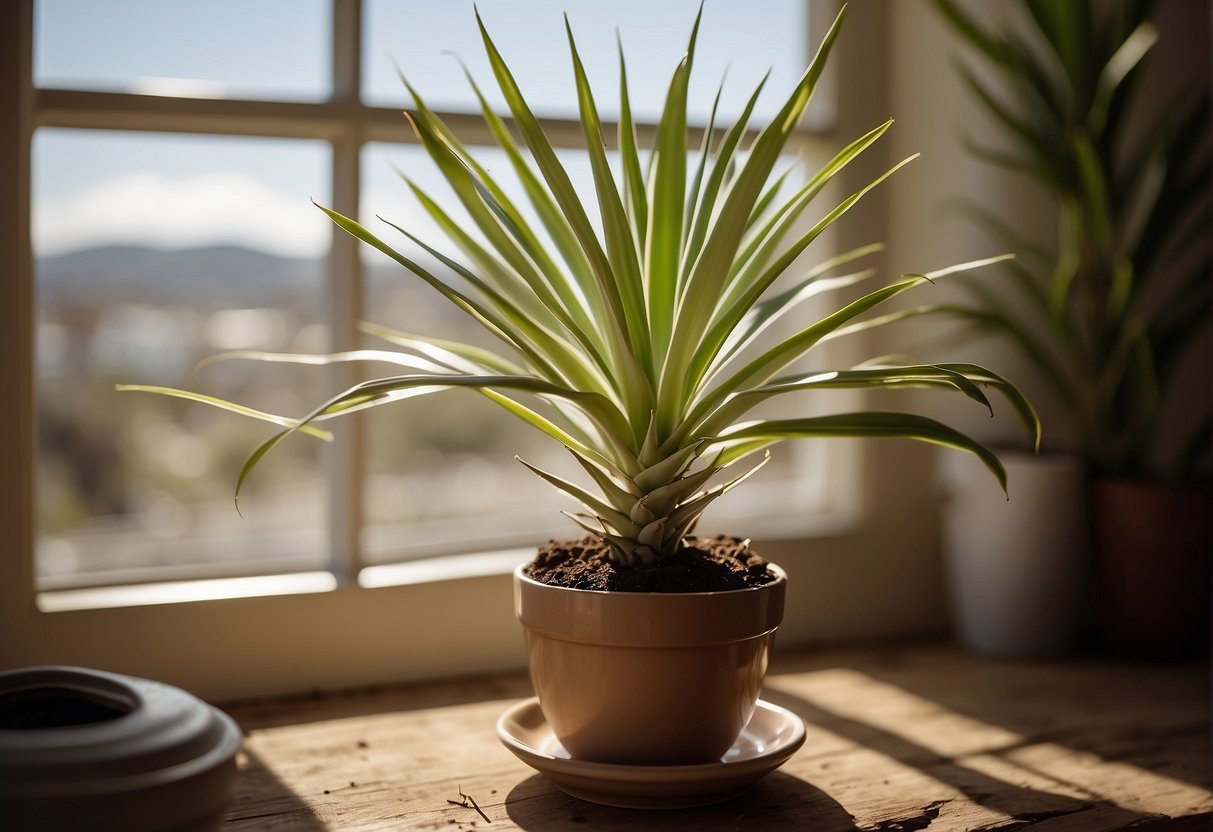
Home » Blog » What to Do with the Flower on Yucca Plants: Tips and Tricks
What to Do with the Flower on Yucca Plants: Tips and Tricks
December 31, 2024
Have you ever been curious about how to handle the long, thin flowers that sprout from the top of yucca plants? These resilient plants from arid regions are celebrated for their eye-catching look and ease of care, yet numerous individuals are at a loss about the proper way to tend to the flowers when they emerge. In this article, we’re going to delve into different methods for managing yucca flowers and offer advice on how to maintain the health and liveliness of your plant.
Understanding Yucca Plants
Before we dive into the specifics of yucca flowers, it’s important to have a basic understanding of these unique plants. Yuccas are native to arid regions of North and Central America and are well adapted to survive in hot, dry conditions. They are characterized by their sword-like leaves and towering flower stalks, which can reach heights of up to 20 feet. Yuccas are relatively low maintenance and can thrive in a variety of soil types, but they do require some special care when it comes to their flowers.
Caring for Yucca Flower Stalks
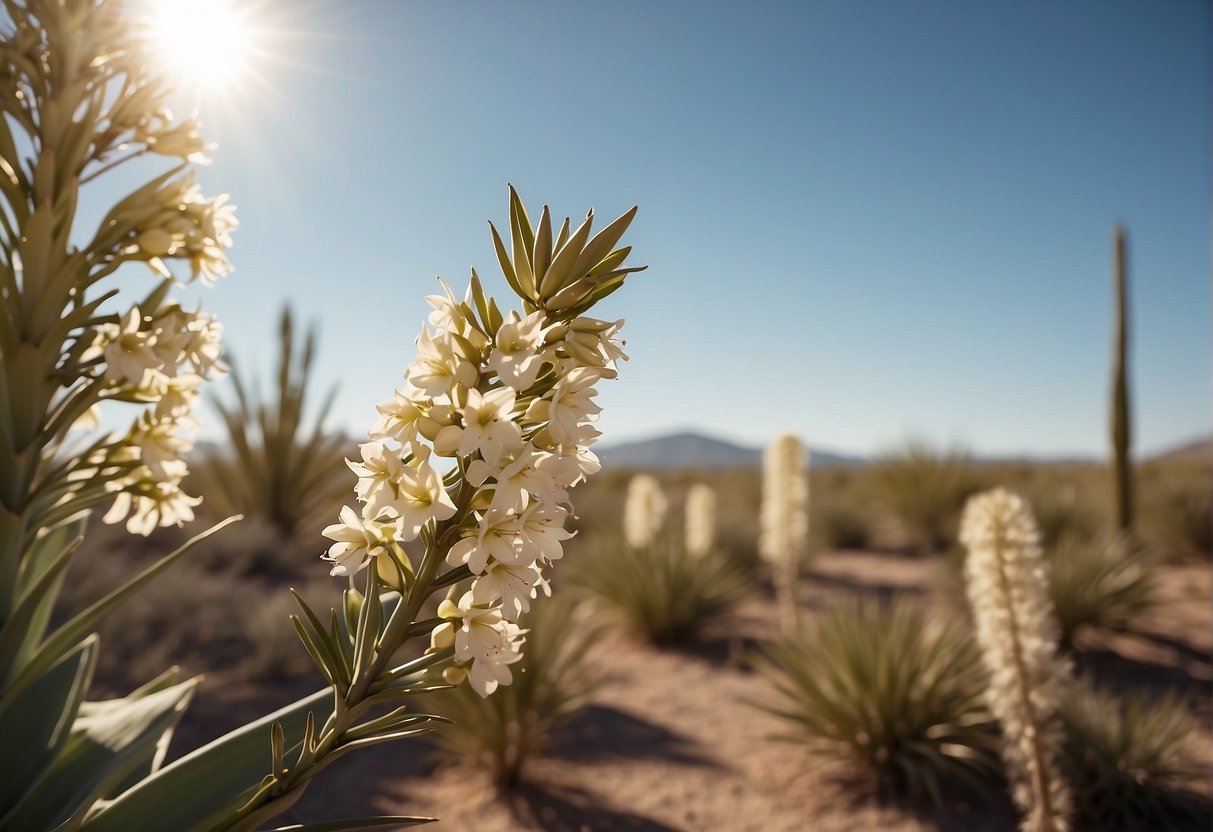
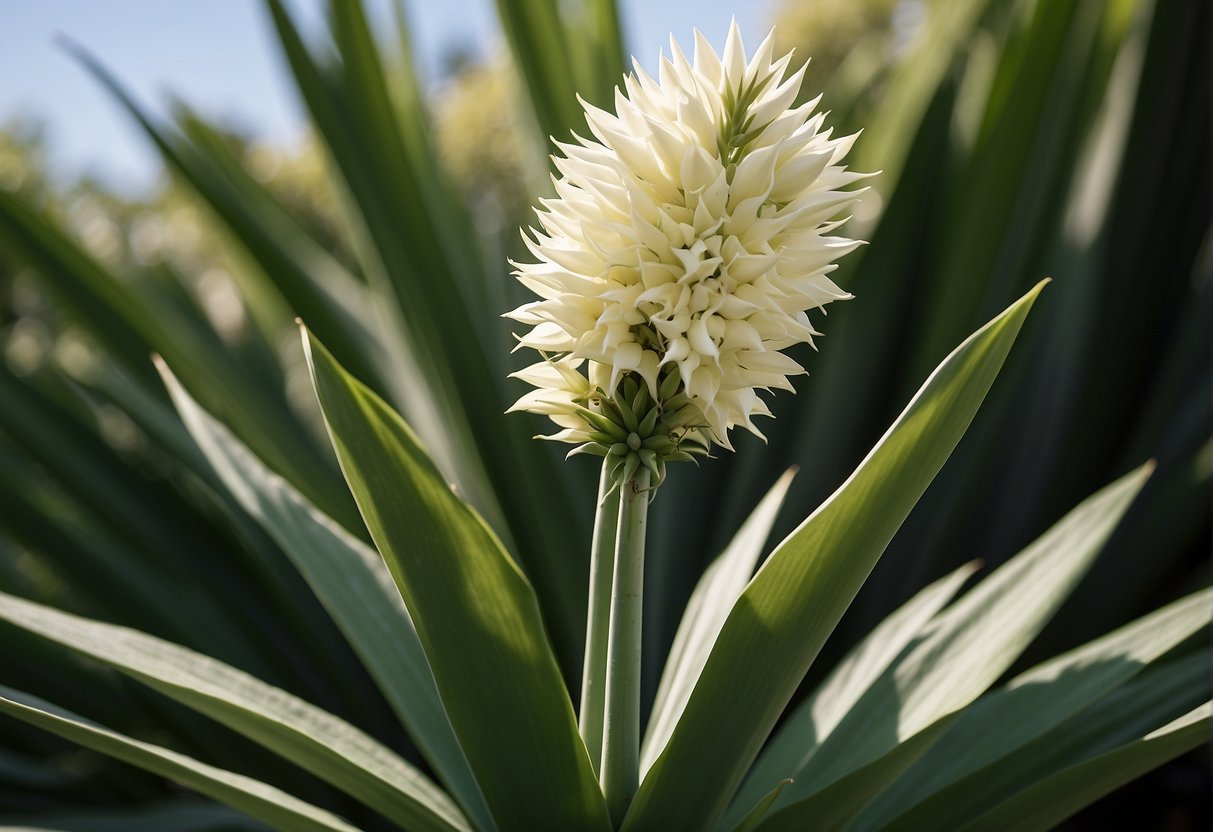
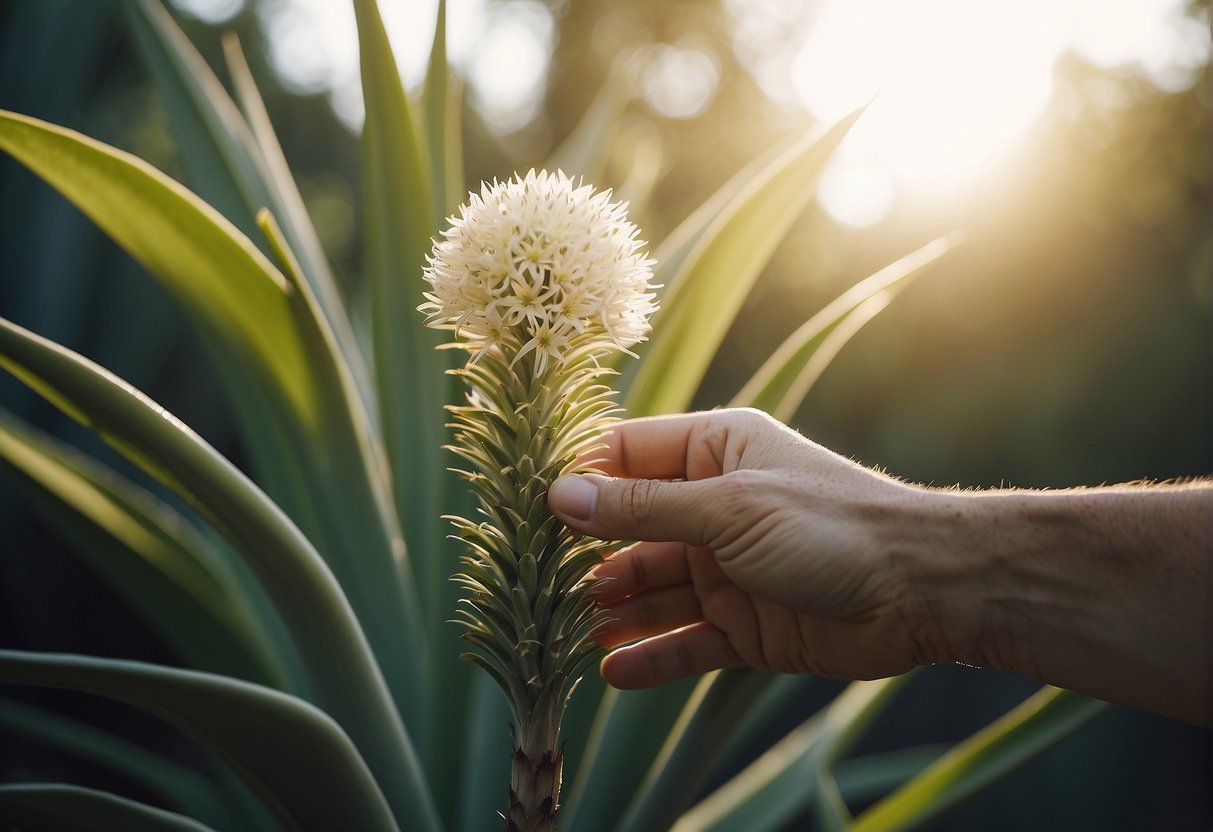
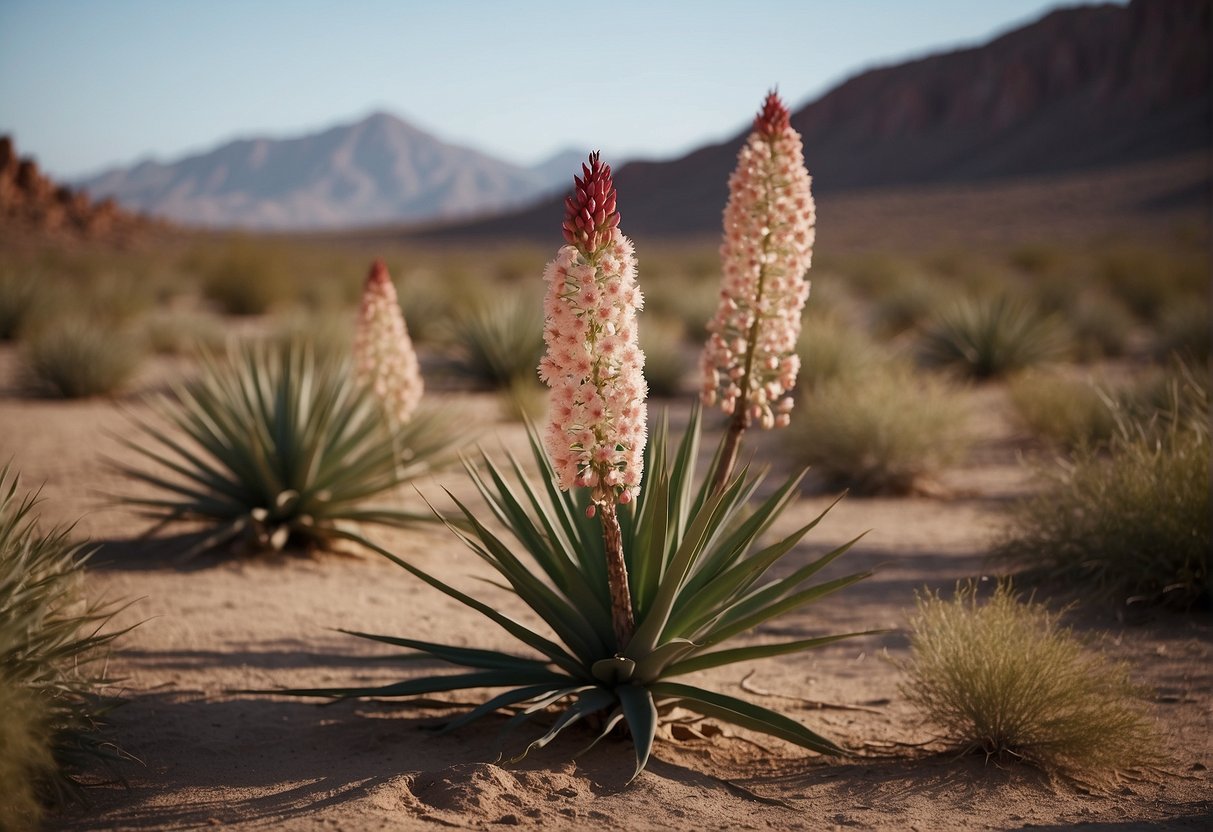
Yucca flowers typically bloom in late spring or early summer, producing a tall stalk covered in small, white or cream-colored flowers. While these flowers are certainly beautiful, they can also be a bit of a hassle to deal with. If left to their own devices, yucca flowers will eventually wither and die, leaving behind a tall, unsightly stalk. However, there are several options for dealing with these flowers, depending on your preferences and the needs of your plant.
Key Takeaways
Yucca plants are known for their striking appearance and low maintenance.
Yucca flowers typically bloom in late spring or early summer and produce a tall stalk covered in small, white or cream-colored flowers.
There are several options for dealing with yucca flowers, including pruning, leaving them to wither naturally, or harvesting them for culinary or medicinal purposes.
Understanding Yucca Plants
Yucca plants are a type of perennial plant that belongs to the Asparagaceae family. These plants are native to North America, Mexico, and the Caribbean. They are known for their sword-like leaves and can grow as shrubs or trees. There are many different species of yucca plants, each with their own unique characteristics.
Species and Characteristics
One of the most common types of yucca plants is the Yucca filamentosa, also known as the Spanish bayonet. This plant has long, narrow leaves that are green in color and have sharp edges. Another popular species is the Yucca elephantipes, which is also known as the Joshua tree. This plant has a tree-like appearance and can grow up to 30 feet tall.
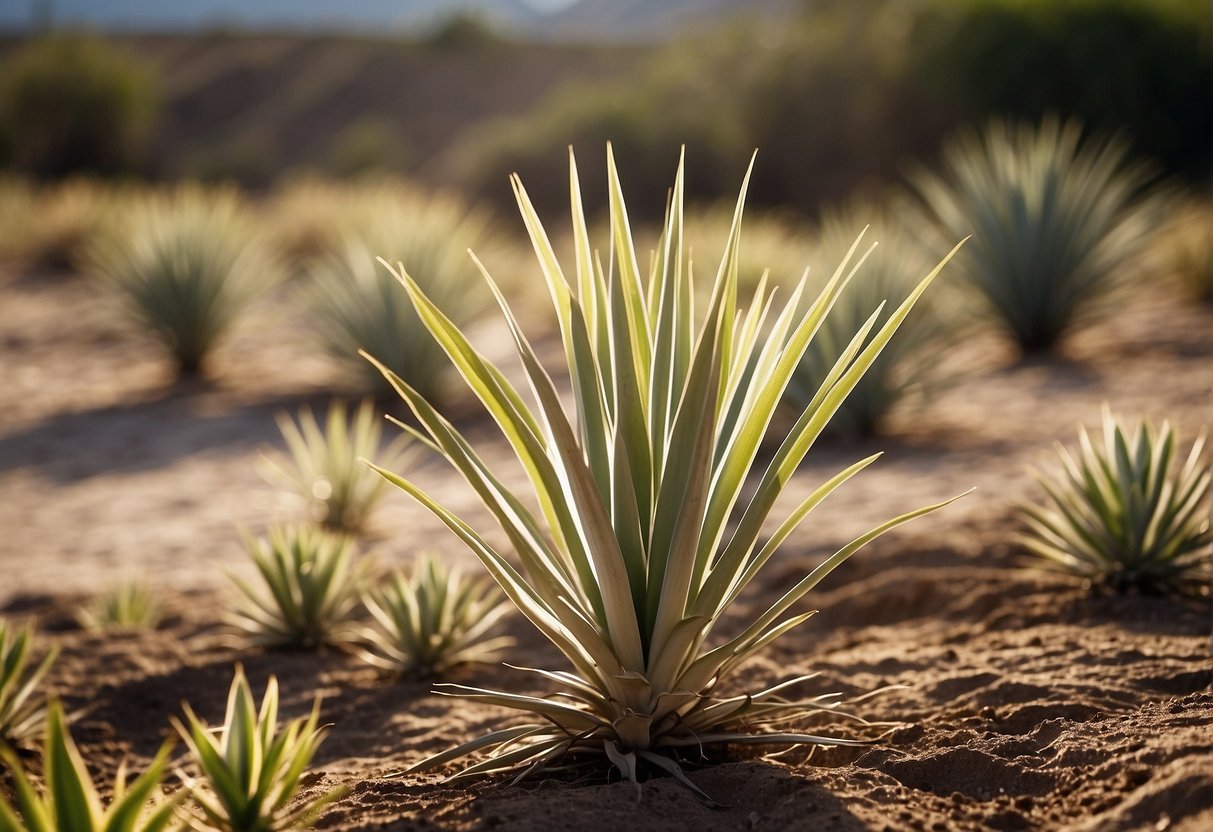
Yucca plants are known for their drought tolerance and can survive in a variety of soil types. They prefer well-drained soil and full sun exposure. As they mature, they can develop a woody stem and grow to be quite large.
Optimal Growing Conditions
To ensure optimal growth of your yucca plant, it’s important to provide it with the right growing conditions. As mentioned earlier, these plants thrive in full sun exposure and well-drained soil. They are also drought tolerant and do not require frequent watering.
When planting your yucca plant, make sure to choose a location with plenty of space for it to grow. These plants can become quite large and require room to spread out. Additionally, make sure to plant your yucca in soil that is free of rocks and other debris.
In conclusion, yucca plants are a unique and beautiful addition to any garden. With the right growing conditions, they can thrive and provide years of enjoyment. Whether you choose a Yucca filamentosa or a Yucca elephantipes, these plants are sure to impress with their striking foliage and impressive size.
Caring for Yucca Flower Stalks
Yucca plants are well-known for their striking white flowers that bloom on tall stalks. These flowers are not only beautiful but also serve as a food source for the yucca moth, which is the plant’s primary pollinator. If you have a yucca plant in your garden or home, it’s important to know how to care for its flower stalks to keep the plant healthy and looking its best.
Pruning and Maintenance
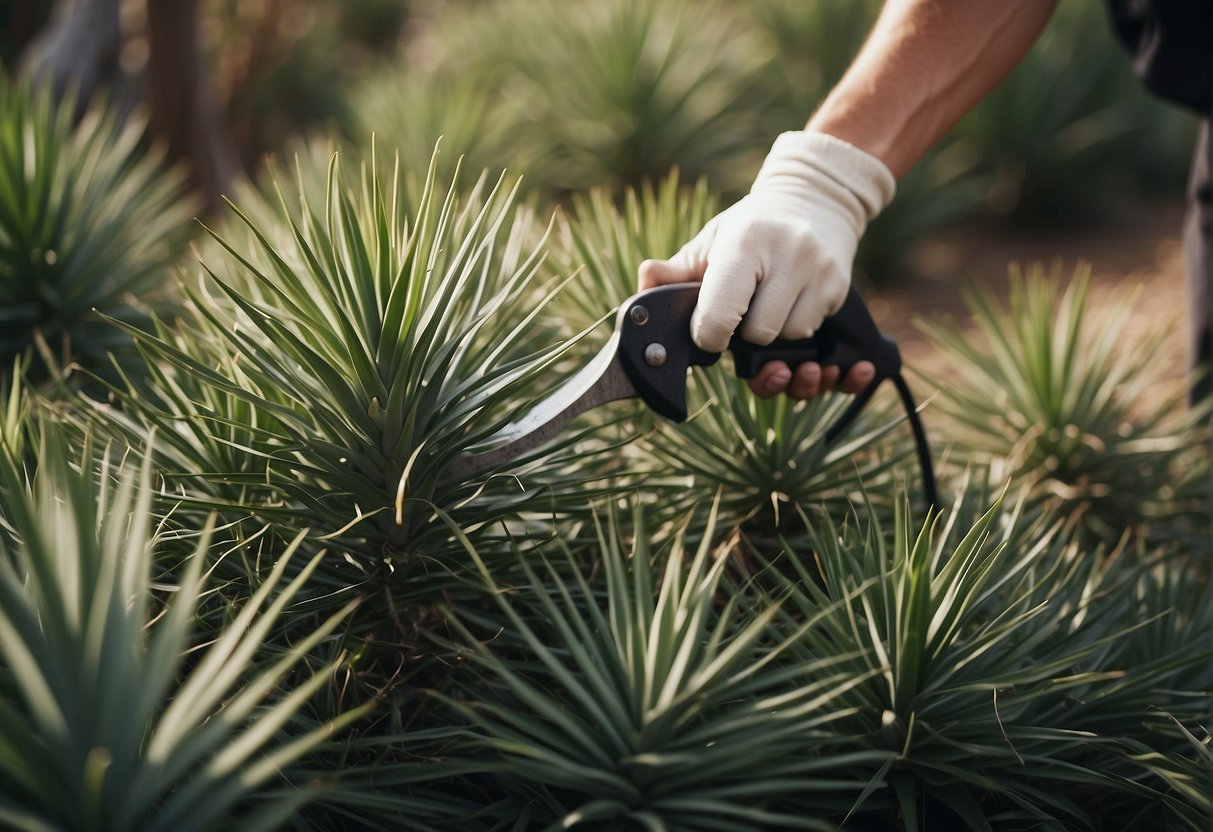
After the yucca plant has finished blooming, it’s important to prune the flower stalks to keep the plant healthy and looking tidy. To do this, simply cut the stalks down to the base of the plant using a sharp pair of pruning shears. This will also encourage the plant to produce new growth and potentially more flowers in the future.
In terms of general maintenance, yucca plants are relatively low-maintenance and require little attention. However, it’s important to keep an eye out for pests such as mealybugs, aphids, and scale, which can damage the plant and its flowers. If you notice any signs of pests, treat the plant with an appropriate insecticide or use a natural method such as neem oil to get rid of them.
Propagation and Repotting
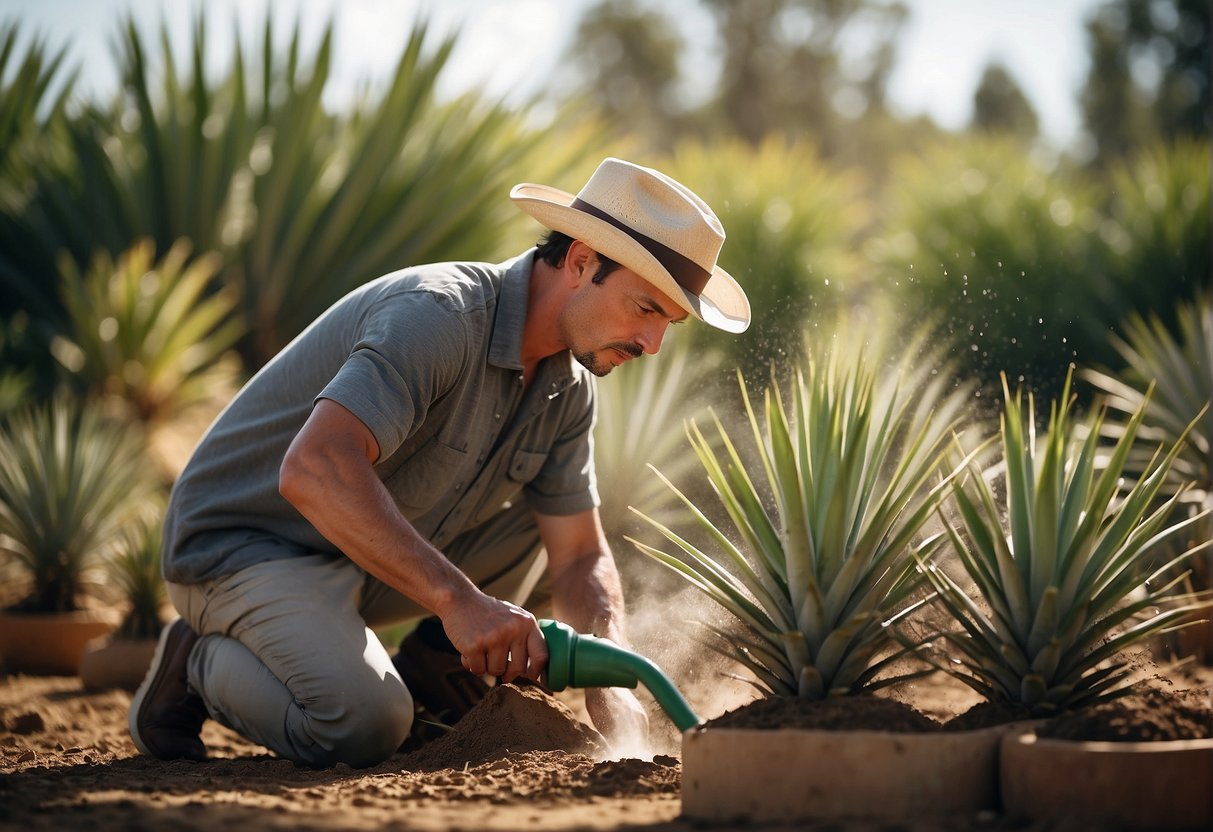
If you want to propagate your yucca plant, the best time to do so is in the spring or summer. You can propagate the plant by taking offsets, which are small plantlets that grow from the base of the mature plant. Simply remove the offsets with a sharp knife or pair of scissors and plant them in a well-draining potting mix.
When it comes to repotting, yucca plants don’t need to be repotted very often. However, if you notice that the plant has outgrown its container or the potting mix has become compacted, it’s time to repot. Choose a container that is slightly larger than the current one and fill it with a well-draining potting mix. Be sure not to overwater the plant, as yuccas are susceptible to root rot if they are overwatered.
In summary, caring for yucca flower stalks involves pruning and maintenance to keep the plant healthy and looking its best, as well as propagation and repotting if desired. With proper care, your yucca plant will continue to produce beautiful bell-shaped flowers and be a stunning addition to your garden or home.
Frequently Asked Questions
How can you use yucca flowers in cooking?
Yucca flowers are a delicacy in many cultures and can be used in a variety of dishes. The flowers have a slightly sweet taste and a crunchy texture. They can be eaten raw in salads, or cooked in soups, stews, and stir-fry dishes. They can also be battered and fried, or used as a garnish.
Are yucca flowers safe to eat?
Yes, yucca flowers are safe to eat. They are not toxic and are actually a good source of vitamins and minerals. However, it is important to note that only the flowers should be consumed, as other parts of the yucca plant, such as the roots and leaves, can be poisonous.
What should be done with the yucca plant after it blooms?
After a yucca plant blooms, it will start to produce seeds. Once the seeds have matured, they can be harvested and used to grow new plants. The bloom stalk can be cut off at the base, as it will not produce any more flowers. The plant will continue to grow and produce new leaves.
Is it necessary to remove the bloom stalk from a yucca plant?
It is not necessary to remove the bloom stalk from a yucca plant, but it can be done if desired. The stalk will eventually dry up and fall off on its own. Removing it can help to improve the appearance of the plant and prevent it from taking up too much space.
Will a yucca plant die after it flowers?
No, a yucca plant will not die after it flowers. It will continue to grow and produce new leaves, and may even produce more blooms in the future.
Do yucca plants bloom indoors, and how is that managed?
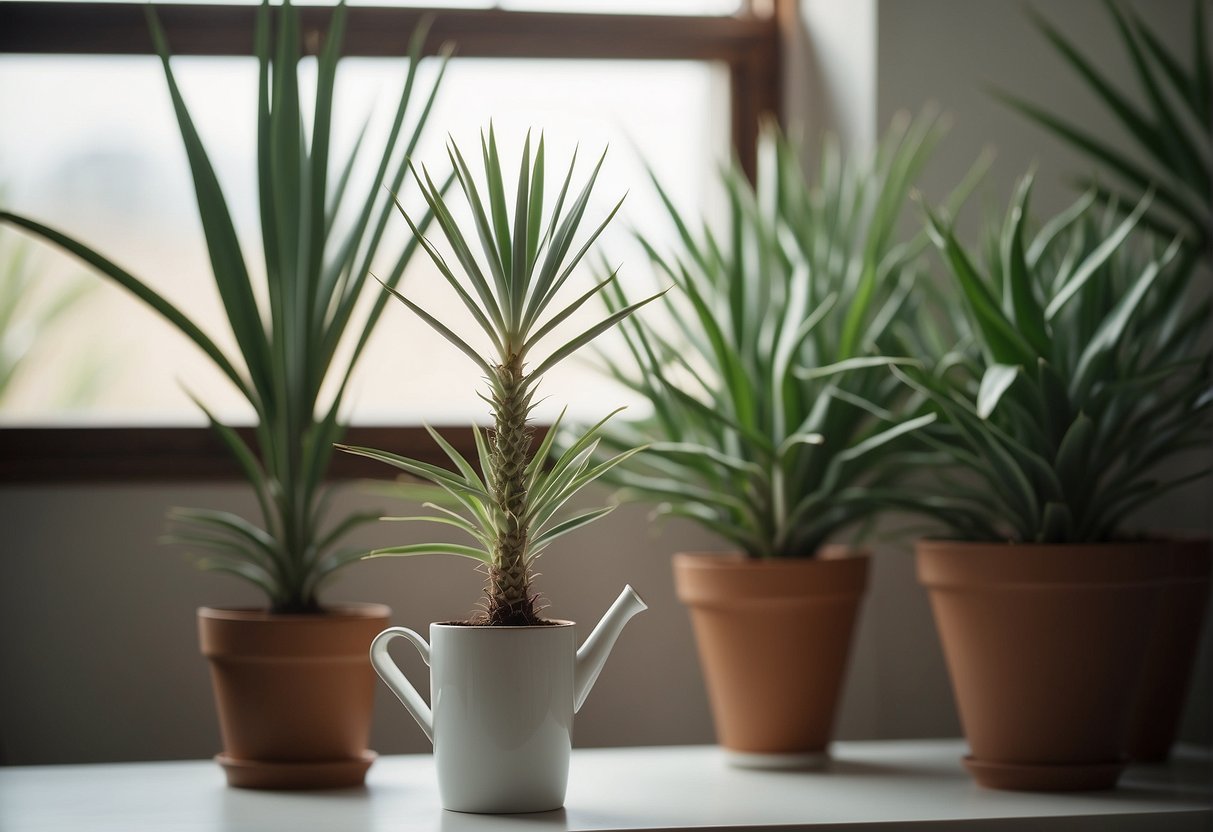
Yes, yucca plants can bloom indoors if they are given the proper care. They require bright, indirect sunlight and well-draining soil. It is important to avoid overwatering, as yucca plants are susceptible to root rot. Fertilizing with a balanced fertilizer every two weeks during the growing season can also help to promote blooming.
Hi Lovelies ! I made this blog to share my tips about Home Improvement, Children, Pets, Food, Gadgets, Automotive, Health & Beauty, and ways to be frugal while maintaining a natural lifestyle. Interested to be a Guest Blogger on my website? Please email me at: [email protected]