Home » Blog » How to Care for Yucca Plants Outside: Tips and Tricks
How to Care for Yucca Plants Outside: Tips and Tricks
December 31, 2024
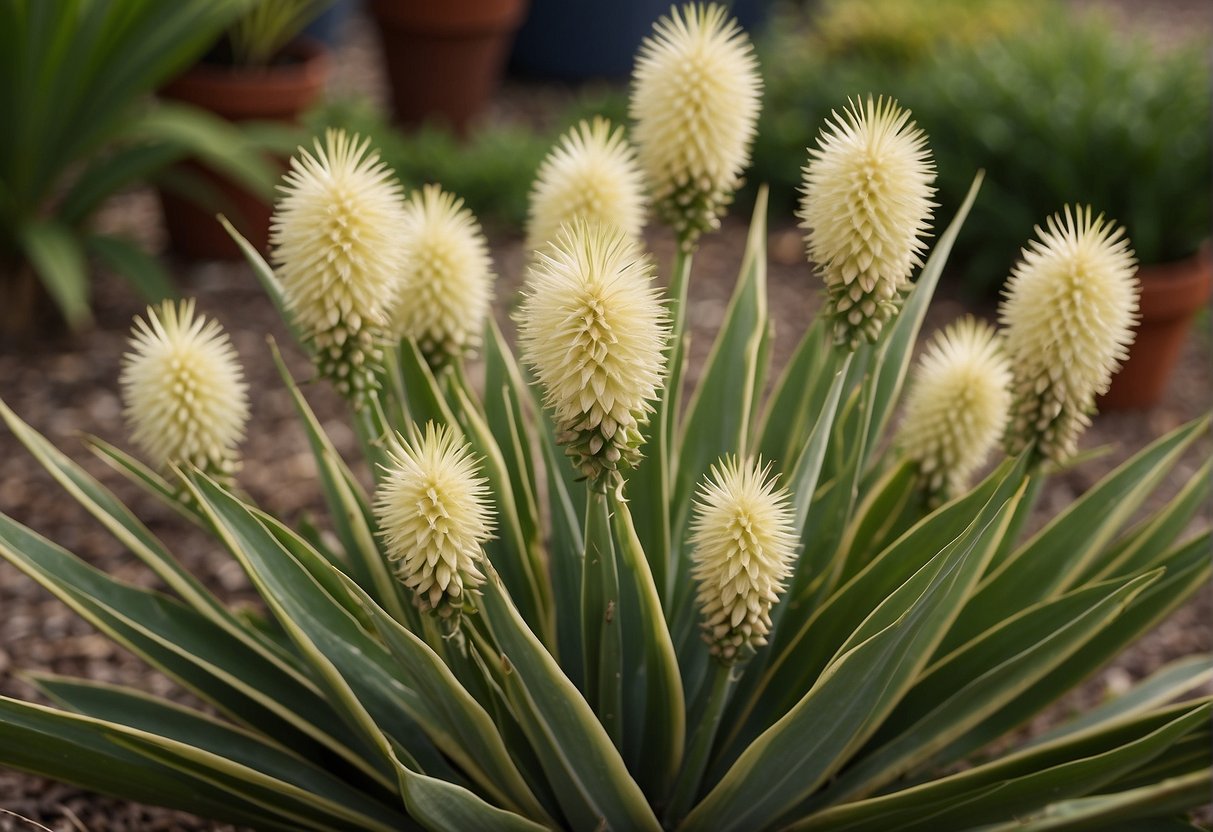
Taking care of yucca plants outdoors can be highly gratifying for gardeners. Yuccas are resilient plants capable of enduring extreme weather and need little upkeep. Despite this, giving them the right care and attention is essential for their best development and long-term survival.
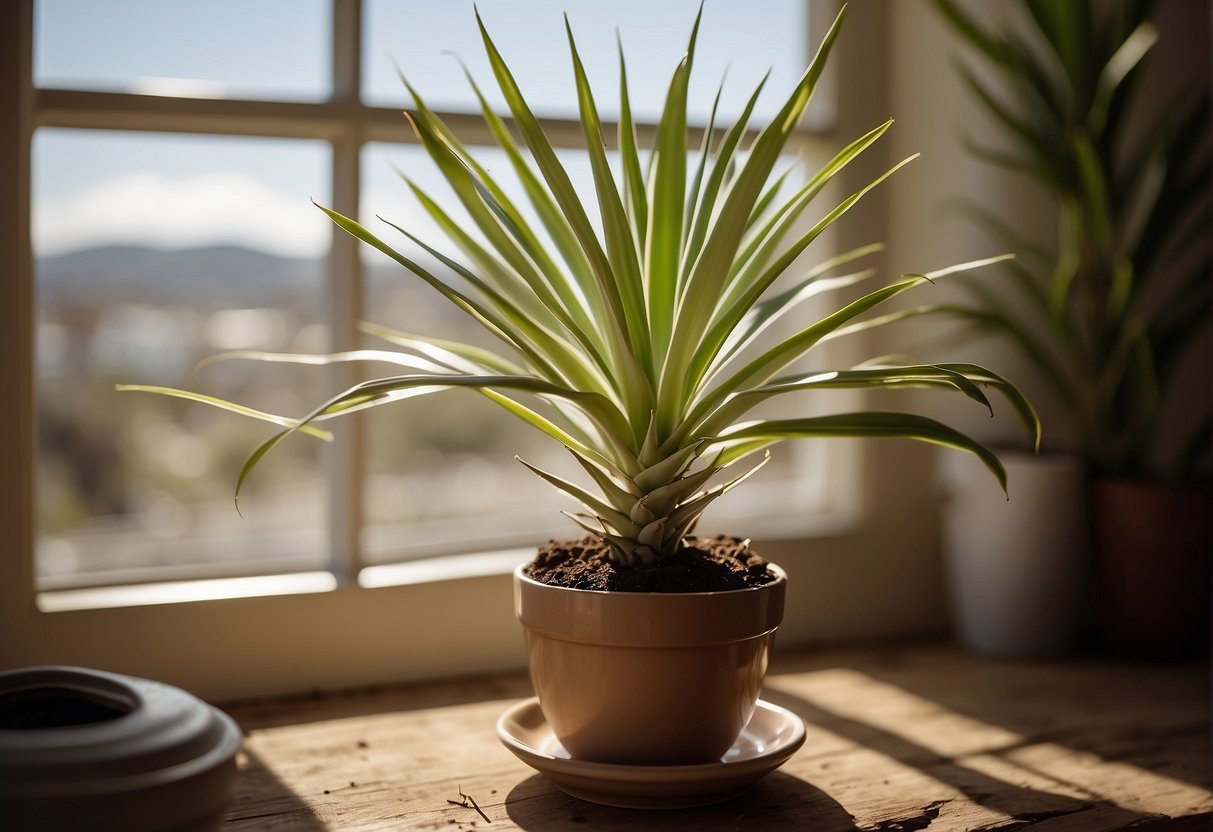
Establishing yucca plants outdoors requires careful consideration of the soil, light, and water requirements. Yuccas thrive in well-draining soil with plenty of sunlight. They are drought-tolerant plants, but they still require regular watering during the growing season. Proper planting techniques and soil preparation are also crucial for the successful establishment of yucca plants.
Key Takeaways
Yucca plants require well-draining soil and plenty of sunlight to thrive.
Regular watering during the growing season is necessary, but yuccas are drought-tolerant plants.
Proper planting techniques and soil preparation are crucial for the successful establishment of yucca plants outdoors.
Establishing Yucca Plants Outdoors
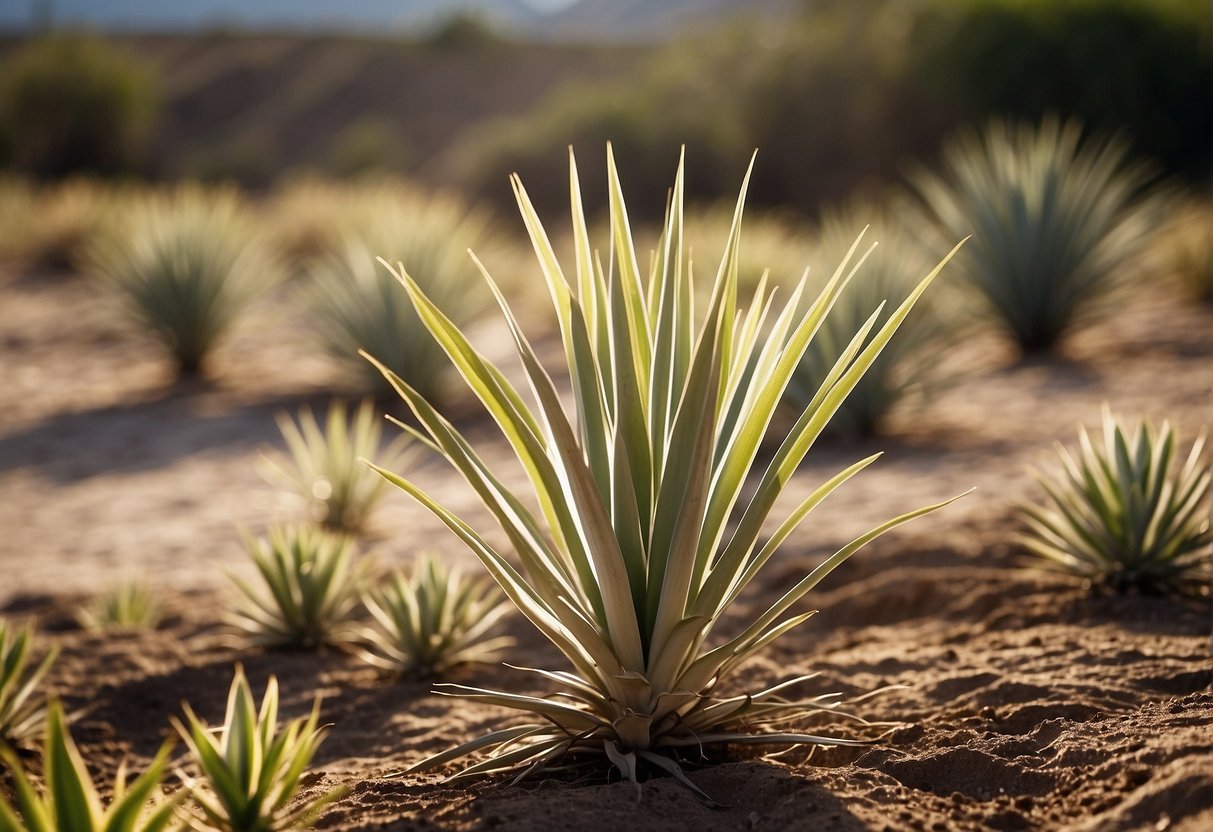
If you’re looking to add some green to your outdoor space, yucca plants are a great option. These perennials are drought-tolerant and thrive in full sun, making them a low-maintenance addition to any garden. Here’s what you need to know to establish your yucca plants outdoors.
Choosing the Right Location
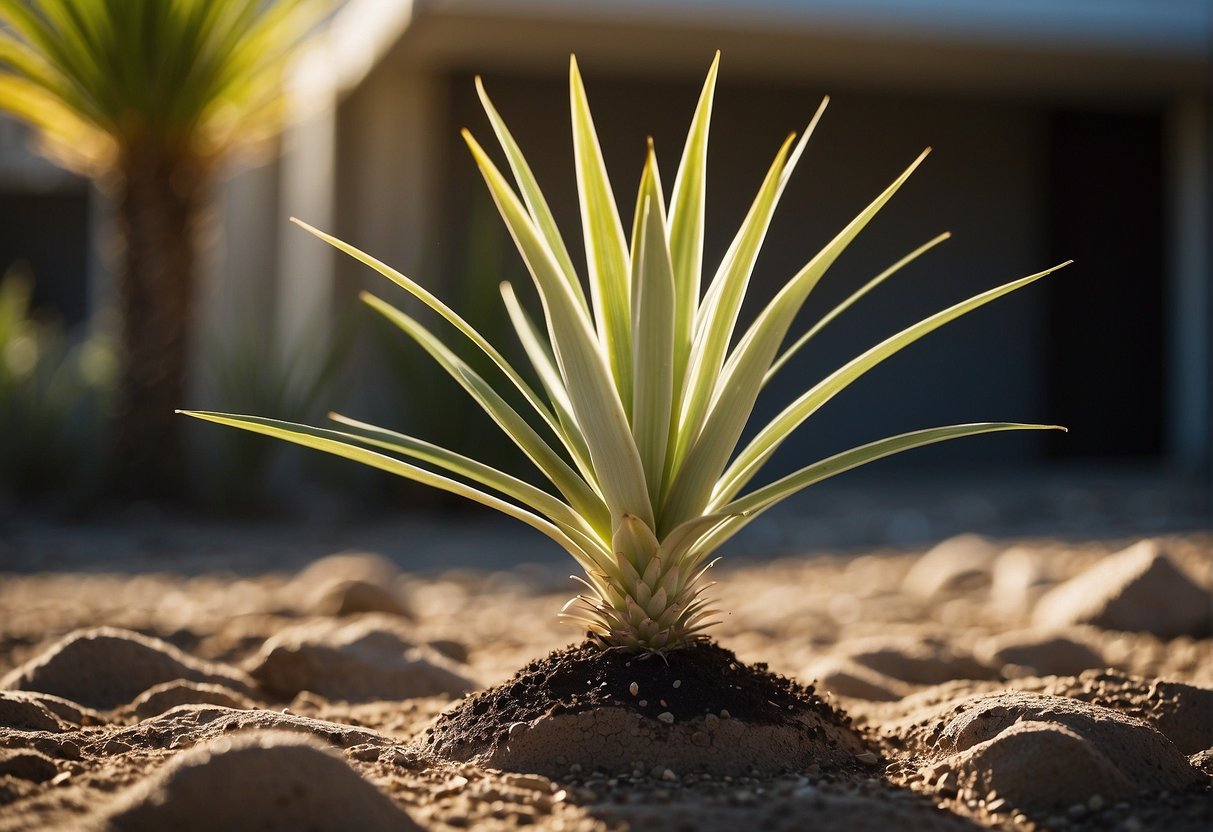
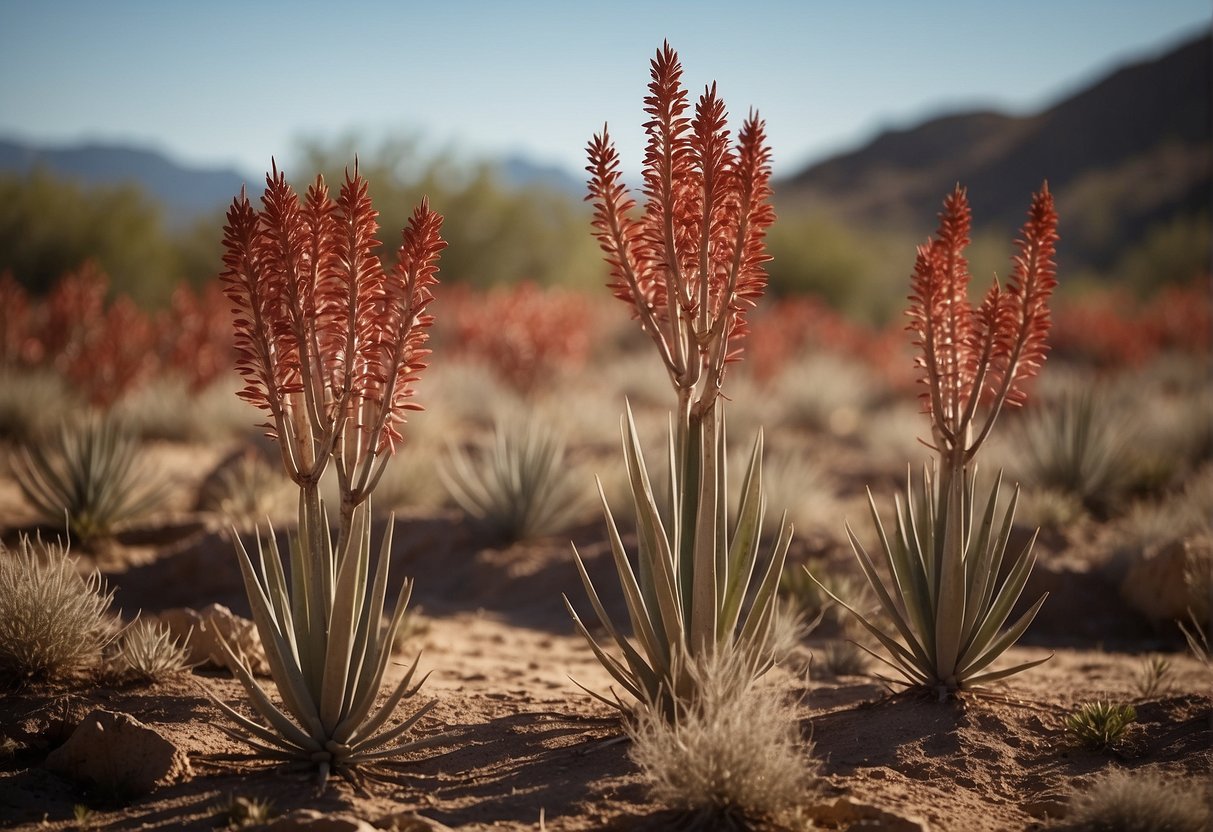
When choosing a location for your yucca plants, keep in mind that they need full sun to thrive. Look for a spot in your garden that gets at least six hours of direct sunlight each day. Yucca plants are also quite hardy and can tolerate a range of temperatures, but they prefer warm weather and are best suited for zones 5-11.
Planting and Soil Requirements
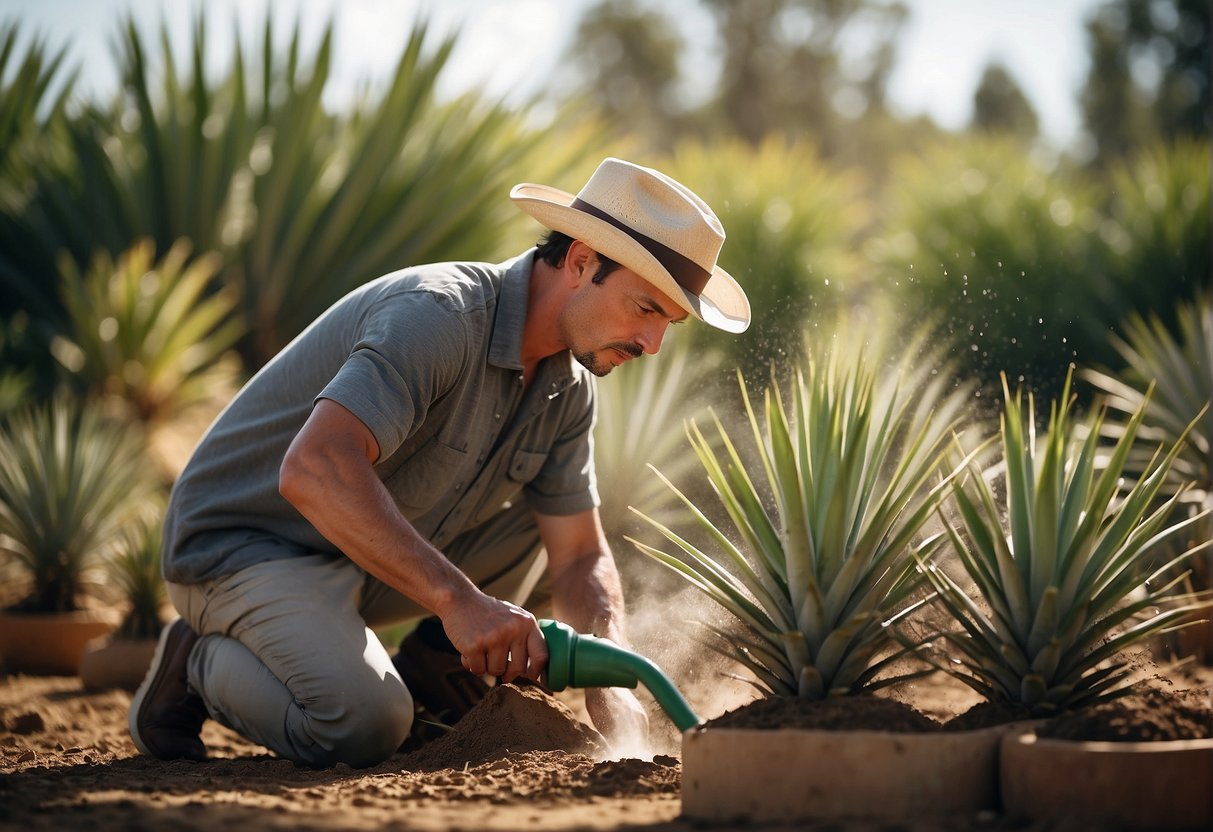
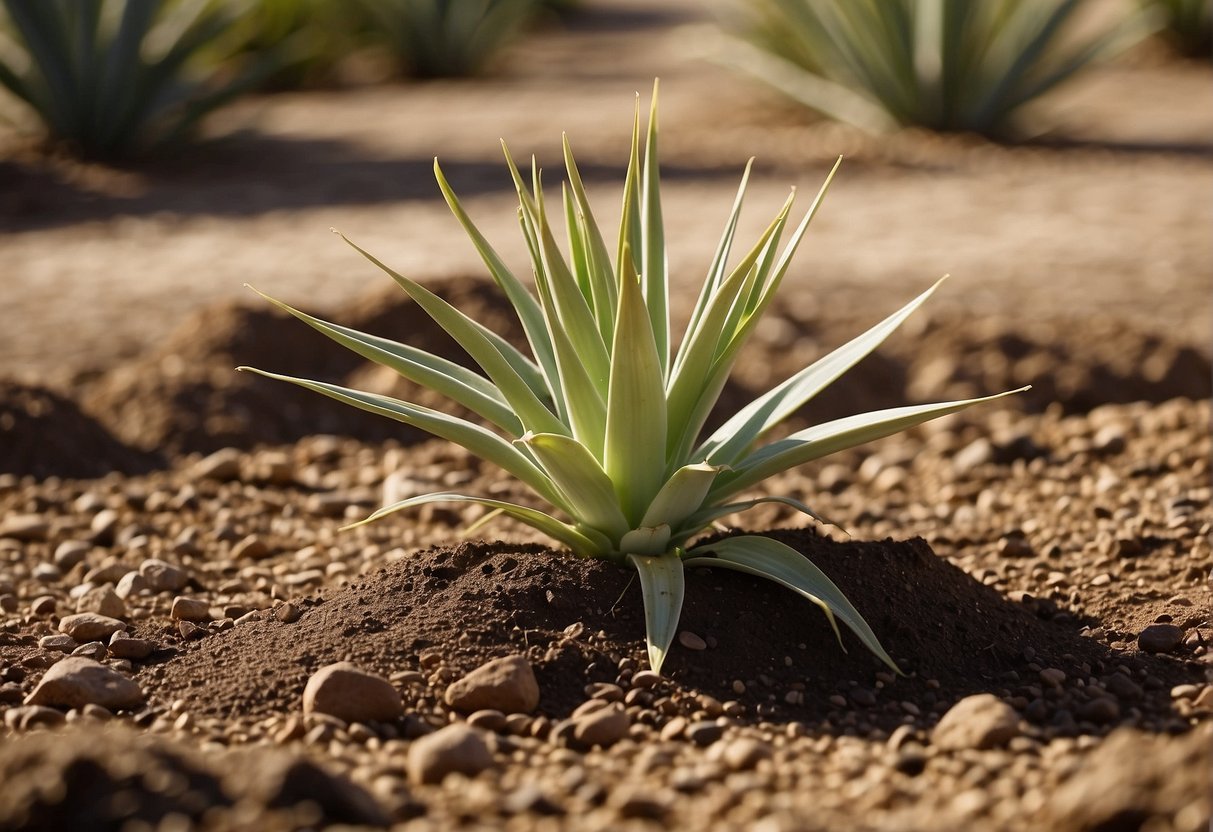
Yucca plants require well-drained soil to prevent root rot. If your soil is heavy or clay-like, add sand or gravel to improve drainage. When planting, make sure the hole is deep enough to accommodate the plant’s root system, but not so deep that the crown of the plant is buried. Once planted, cover the soil with a layer of mulch to help retain moisture.
Watering and Temperature Guidelines
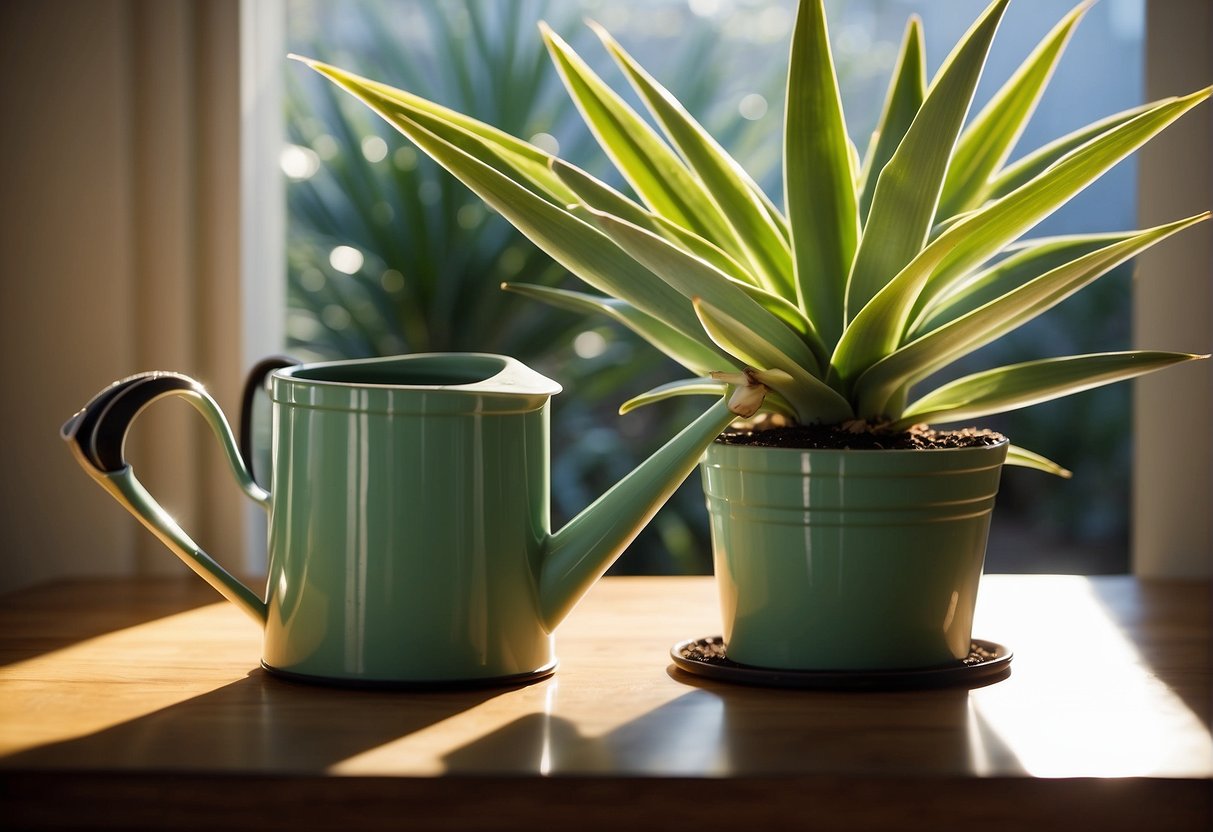
Yucca plants are drought-tolerant and don’t require much water, especially once established. Water your yucca plants deeply once a week during the growing season, and less frequently during the winter months. Avoid over-watering, as this can lead to root rot. Yucca plants are also quite hardy and can tolerate a range of temperatures, but they prefer warm weather and are best suited for zones 5-11.
By following these guidelines for establishing yucca plants outdoors, you can enjoy the beauty of these low-maintenance perennials in your garden for years to come.
Ongoing Care and Maintenance
Once your yucca plant is established and thriving in its outdoor environment, it will require ongoing care and maintenance to continue to flourish. Here are some tips to help you keep your yucca plant healthy and looking its best.
Pruning and Cleaning
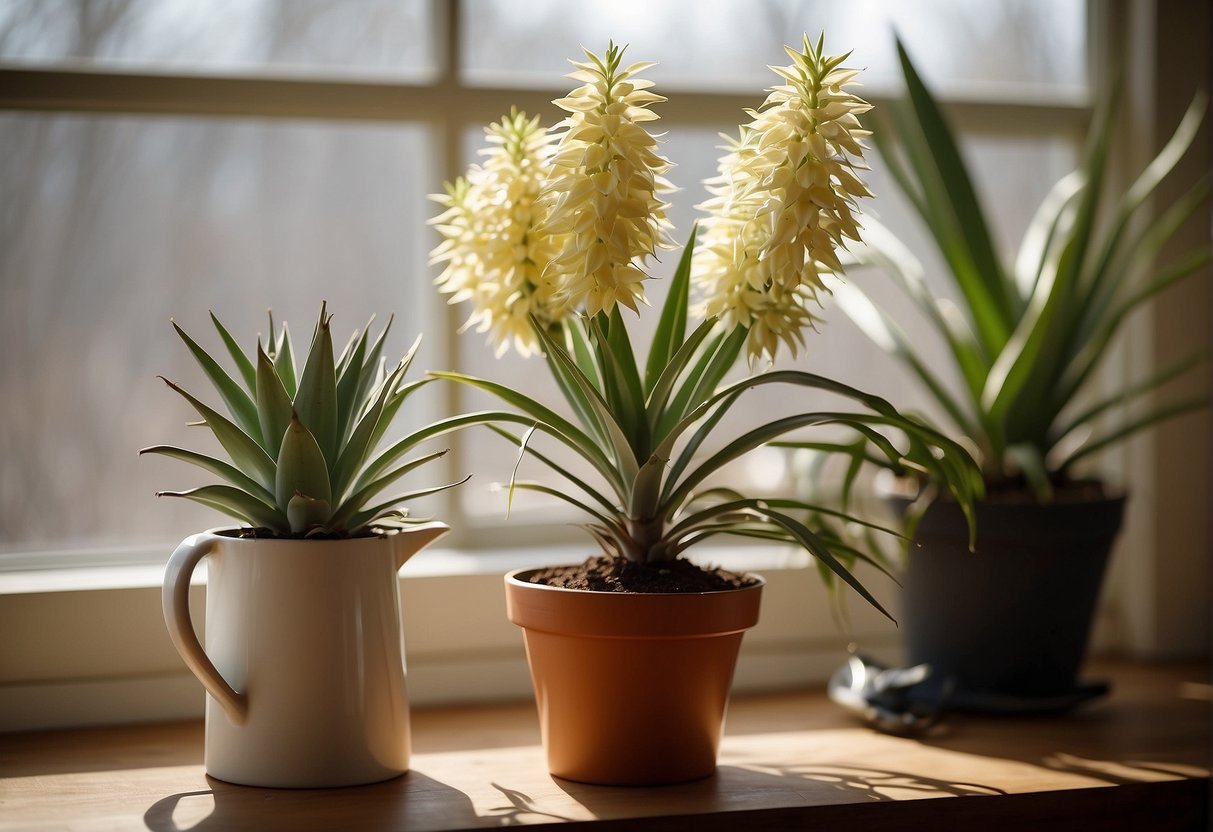
Pruning is an essential part of caring for your yucca plant. Prune away any dead or damaged leaves, as well as any spent flower stalks. You can also remove any lower leaves that are turning yellow or brown. This will help keep your yucca looking neat and tidy.
Cleaning your yucca plant is also important. Dust can accumulate on the leaves, making it difficult for the plant to photosynthesize effectively. Use a soft, damp cloth to gently wipe down the leaves and remove any dust or debris.
Managing Pests and Diseases
Yucca plants are generally hardy and resistant to pests and diseases. However, they can sometimes fall victim to mealybugs, scale, aphids, and other pests. If you notice any signs of infestation, such as sticky residue or black sooty mold on the leaves, treat the plant with an insecticidal soap or neem oil.
Yucca plants can also be susceptible to root rot if they are overwatered or planted in poorly draining soil. To prevent root rot, make sure your yucca is planted in well-draining soil and avoid overwatering.
Fertilization and Repotting
Yucca plants don’t require a lot of fertilizer, but you can give them a boost by fertilizing them once or twice a year with a balanced fertilizer. Be sure to follow the instructions on the fertilizer package carefully, as over-fertilizing can damage the plant.
If your yucca outgrows its container, it may be time to repot it. Choose a pot that is slightly larger than the current one, and make sure it has drainage holes. Use a well-draining potting mix and be careful not to damage the plant’s roots when transplanting.
By following these tips for ongoing care and maintenance, you can keep your yucca plant healthy and thriving for many years to come.
Frequently Asked Questions
What are the ideal conditions for planting a yucca outdoors?
Yucca plants thrive in well-draining soil and full sunlight. They can tolerate a range of temperatures, but prefer warm, dry climates. Choose a spot in your yard that receives at least six hours of direct sunlight per day and has good drainage. Avoid planting yucca in areas that are prone to standing water.
How do I protect my outdoor yucca plant during winter?
Yucca plants are hardy and can survive in temperatures as low as 10°F (-12°C). However, if you live in an area with harsh winters, it’s a good idea to protect your yucca plant. Cover the plant with a frost blanket or burlap and mulch around the base to insulate the roots. Water your yucca plant sparingly during the winter months.
What is the proper watering schedule for an outdoor yucca plant?
Yucca plants are drought-tolerant and prefer to be on the dry side. Water your yucca plant deeply once every two to three weeks during the growing season. Allow the soil to dry out completely between waterings. In the winter, water sparingly, only when the soil is completely dry.
How should I fertilize my yucca plant when it’s outside?
Yucca plants do not require frequent fertilization. Apply a slow-release fertilizer in the spring, following the manufacturer’s instructions. Do not fertilize in the fall or winter.
What common pests and diseases affect yucca plants outdoors, and how can I manage them?
Yucca plants are generally pest and disease-resistant. However, they can be susceptible to root rot if the soil is too moist. To prevent root rot, ensure that the soil is well-draining and that the plant is not overwatered. If you notice signs of root rot, such as yellowing leaves or a foul odor, remove the affected parts of the plant and repot in fresh, well-draining soil.
When and how should I prune my outdoor yucca plant?
Prune your yucca plant in the spring or early summer, before new growth appears. Use sharp, clean pruning shears to remove dead or damaged leaves, as well as any spent flower stalks. Be careful not to remove too much of the plant, as this can damage the yucca’s structure.
Hi Lovelies ! I made this blog to share my tips about Home Improvement, Children, Pets, Food, Gadgets, Automotive, Health & Beauty, and ways to be frugal while maintaining a natural lifestyle. Interested to be a Guest Blogger on my website? Please email me at: [email protected]