Home » Blog » How to Care for Texas Red Yucca Plants: Tips and Tricks
How to Care for Texas Red Yucca Plants: Tips and Tricks
December 29, 2024
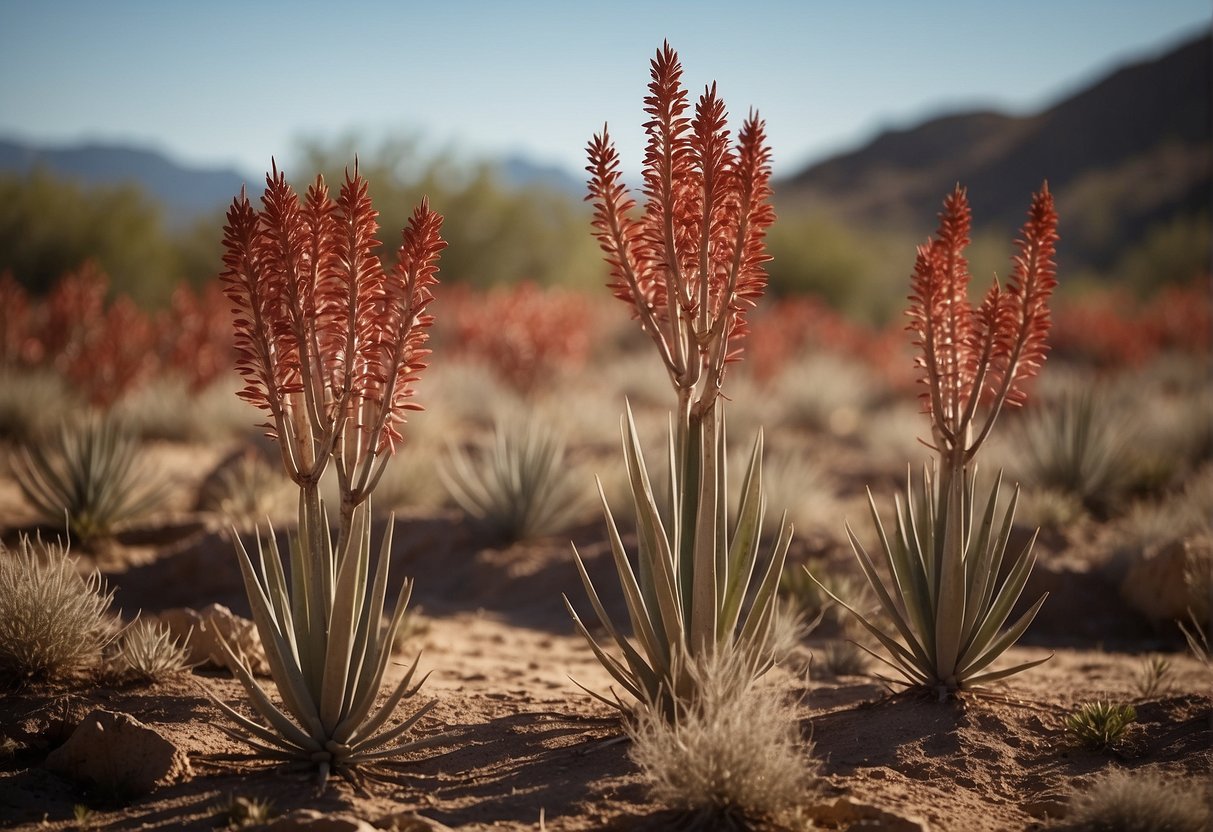
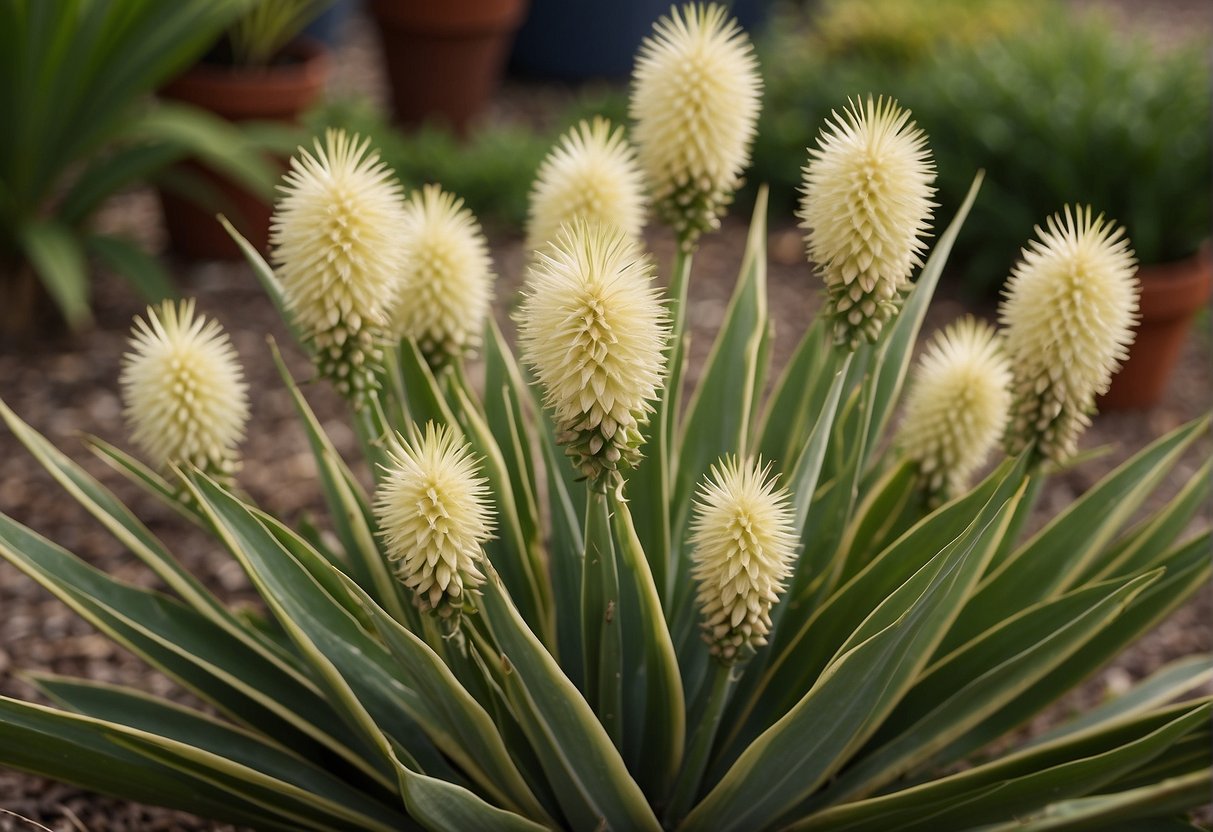
If you’re in search of an easy-care, drought-resistant addition for your garden, think about incorporating the Texas red yucca. This plant indigenous to Texas and Mexico offers stunning red blooms and blade-shaped foliage, injecting both texture and intrigue into any garden setting. Although caring for the Texas red yucca is fairly straightforward, there are several tips you’ll want to remember to make sure your plant flourishes.
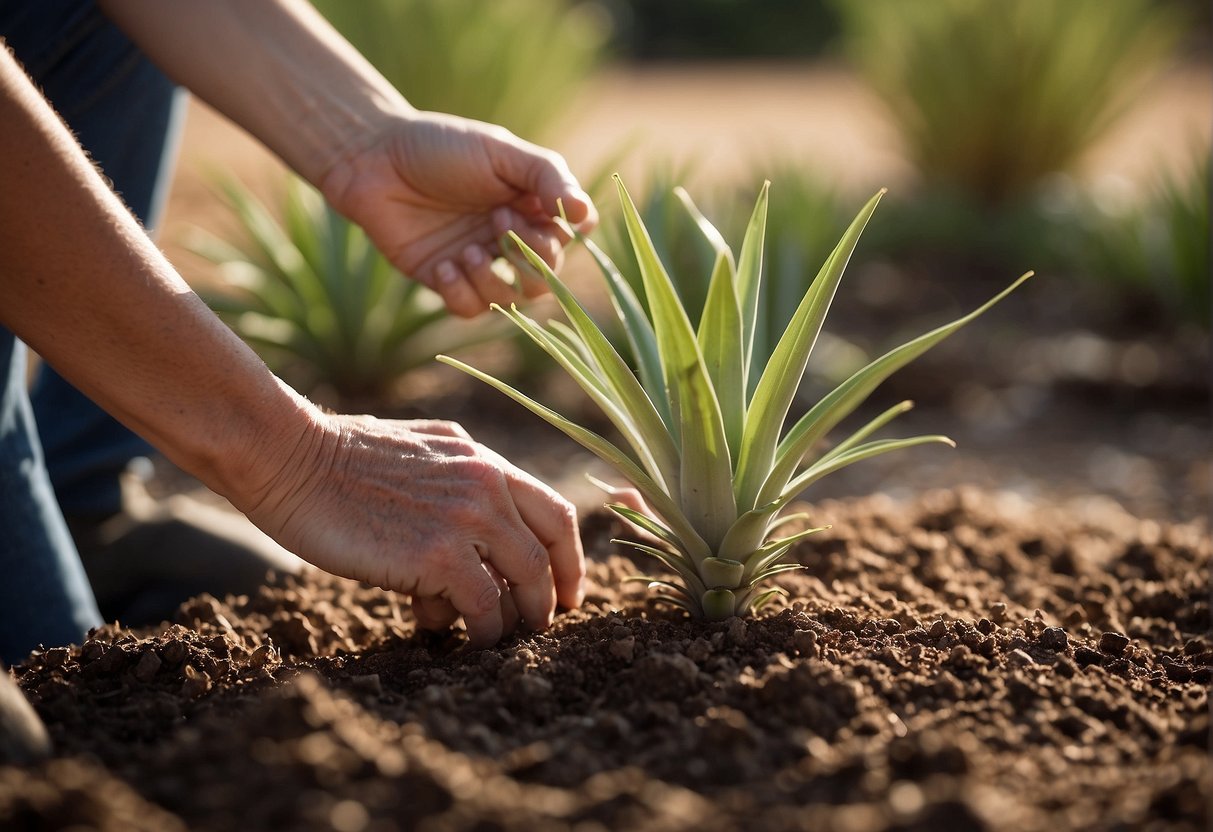
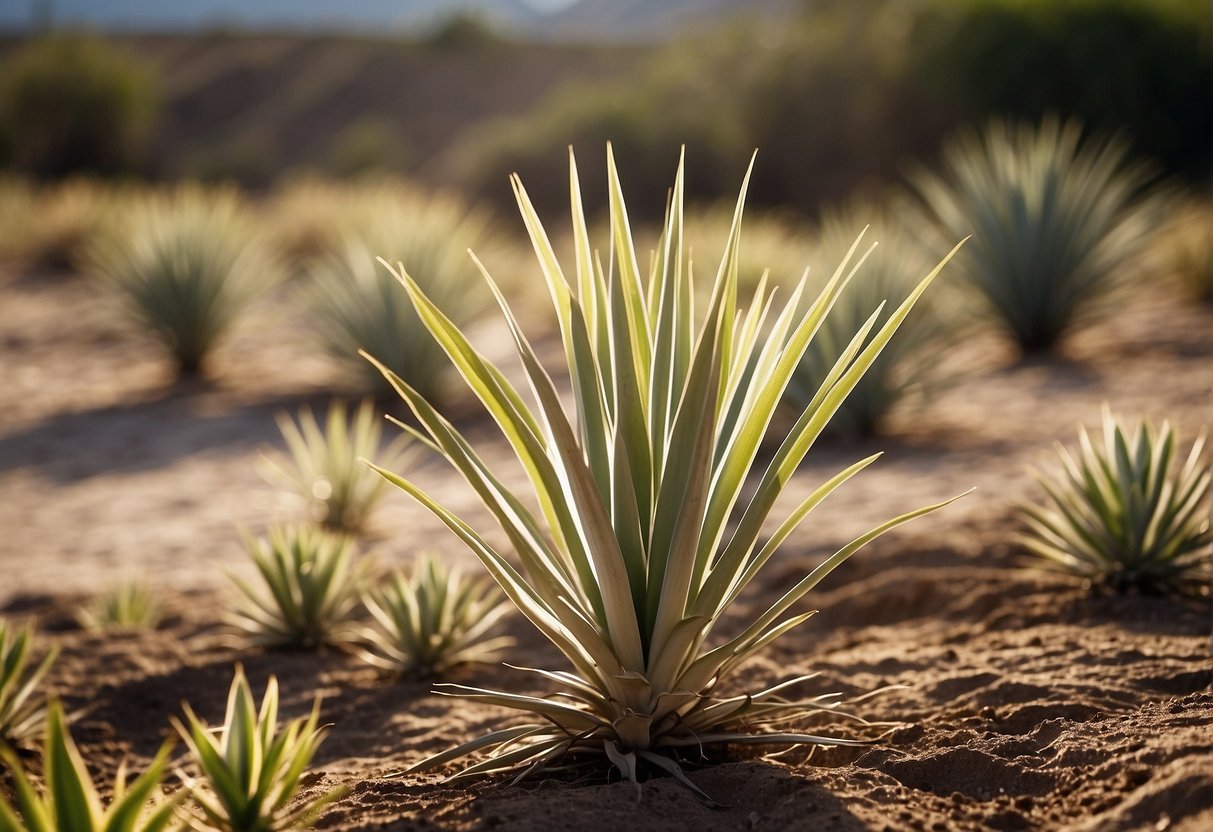
Cultivation and Planting: To get started with Texas red yucca care, it’s important to choose the right location for your plant. These plants prefer well-draining soil and full sun, so make sure you choose a spot that gets plenty of sunlight throughout the day. When planting, make sure to dig a hole that’s slightly larger than the root ball and backfill with a mixture of soil and compost. Water your plant thoroughly after planting, and then allow the soil to dry out slightly before watering again.
Maintenance and Propagation: Once your Texas red yucca is established, it requires very little maintenance. Water your plant deeply once a week during the growing season, and then reduce watering in the fall and winter. You can also fertilize your plant once or twice a year with a slow-release fertilizer. If you want to propagate your Texas red yucca, you can do so by dividing the plant in the spring or fall. Simply dig up the plant and separate the offsets, then replant in a new location.
Key Takeaways
Texas red yucca is a low-maintenance, drought-tolerant plant that adds texture and interest to any garden.
To care for Texas red yucca, choose a sunny location with well-draining soil, water deeply once a week during the growing season, and fertilize once or twice a year with a slow-release fertilizer.
You can propagate Texas red yucca by dividing the plant in the spring or fall.
Cultivation and Planting
Soil and Potting Requirements
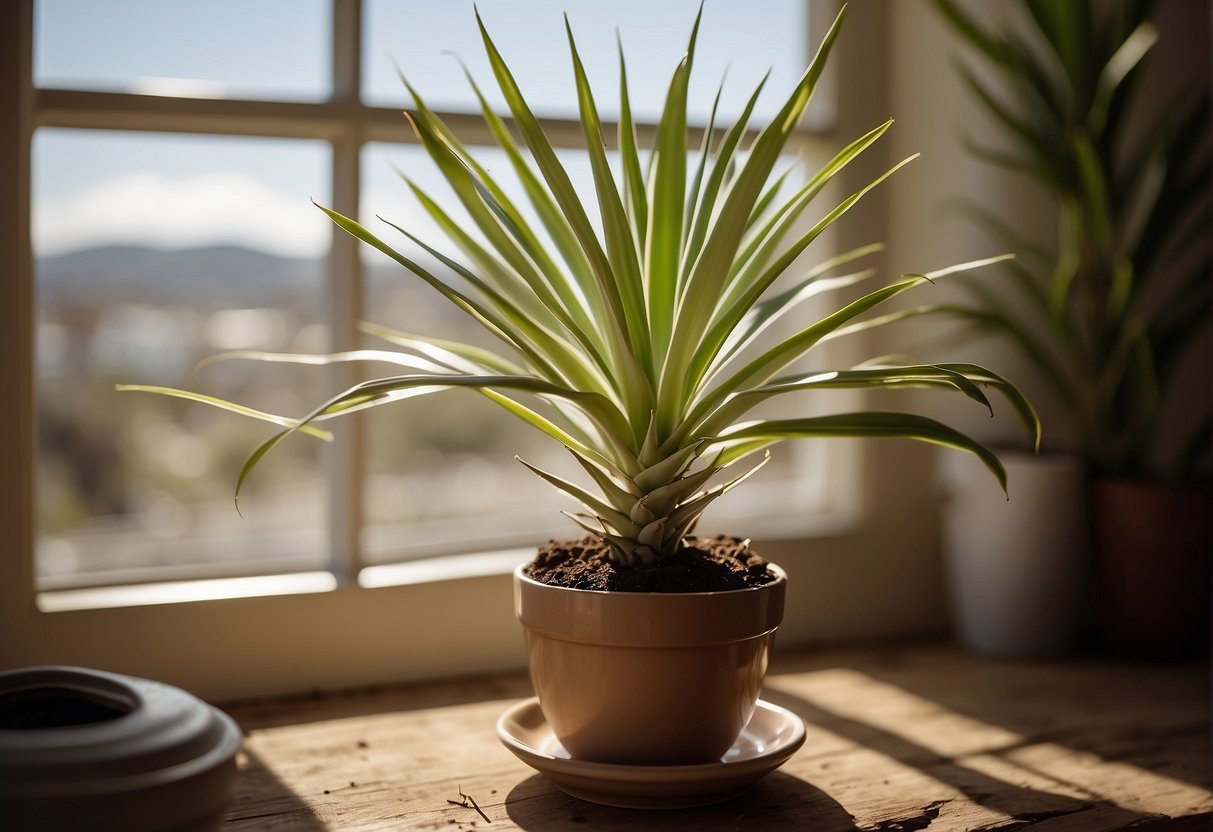
Texas Red Yucca plants, also known as Hesperaloe parviflora, are evergreen and drought-tolerant plants that thrive in warmer climates. To ensure successful growth, it is important to plant them in well-drained soil. When potting, use a mixture of potting soil, sand, and perlite to promote proper drainage. Make sure the pot has a drainage hole to prevent water from accumulating and causing root rot.
Light and Temperature
Texas Red Yucca plants require full sun to thrive. They can tolerate partial shade, but full sunlight is ideal. They are best suited for USDA zones 5 to 11 and can handle hot, dry weather. However, they may struggle in cold winters, so it is important to protect them from frost if you live in a colder climate.
Watering and Feeding
Texas Red Yucca plants are drought-tolerant and do not require frequent watering. Water regularly but be careful not to overwater, as this can lead to root rot. During the growing season, you can fertilize the plant with a balanced fertilizer to promote growth, but be careful not to over-fertilize.
By following these simple guidelines for cultivation and planting, you can ensure that your Texas Red Yucca plants thrive and add a touch of natural beauty to your garden or home.
Maintenance and Propagation
Pruning and Care
Texas Red Yucca plants are easy to grow and maintain, making them a popular choice among gardeners. To keep your Red Yucca plant healthy and disease-free, it is essential to follow proper pruning and care techniques.
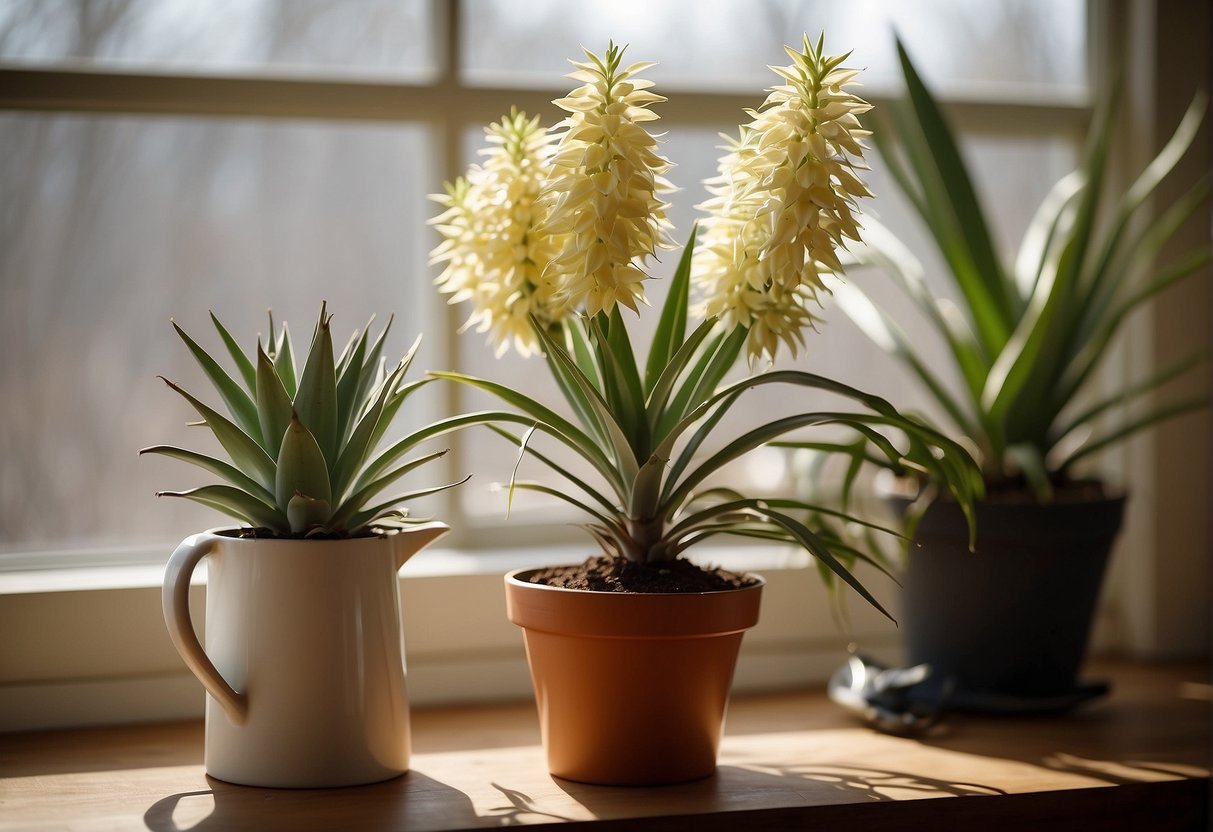
Pruning is necessary to maintain the plant’s shape and promote new growth. You should prune your Red Yucca plant once a year during its dormant period. Cut back any dead or damaged leaves and remove any flower stalks that have finished blooming.
To keep your Red Yucca plant healthy, make sure it is planted in well-draining soil, and avoid overwatering. These desert plants thrive in dry conditions and do not require frequent watering. In fact, too much water can cause root rot and other diseases.
Propagation Techniques
Propagation is the process of creating new plants from existing ones. There are several methods of propagating Texas Red Yucca plants, including seed pods, clump division, and pups or offsets.
Seed pods are the most common method of propagating Red Yucca plants. Wait until the seed pods are fully mature before harvesting them. Then, remove the seeds and plant them in well-draining soil.
Clump division is another propagation method that involves separating the plant into smaller sections. This method is best done in the spring or fall when the plant is not actively growing.
Lastly, pups or offsets are small plants that grow from the base of the mature plant. These can be removed and replanted to create new Red Yucca plants.
Overall, Texas Red Yucca plants are a beautiful and easy-to-maintain addition to any garden. By following proper pruning and care techniques and using the right propagation methods, you can ensure the health and longevity of your Red Yucca plant.
Frequently Asked Questions
What is the ideal soil composition for growing Texas red yucca?
Texas red yucca plants thrive in well-draining soil that is slightly acidic to neutral. A mixture of sand, perlite, and loam is ideal for growing Texas red yucca plants. Avoid using heavy clay soils that tend to retain moisture and cause root rot.
How often should Texas red yucca be watered?
Texas red yucca plants are drought-tolerant and do not require frequent watering. Water your plant once a week during the growing season and reduce watering to once a month during the winter months. Ensure the soil is dry to the touch before watering.
What are the common pests and diseases affecting Texas red yucca plants?
Texas red yucca plants are generally pest and disease-free. However, they can be susceptible to root rot caused by overwatering or poorly draining soil. Watch out for aphids, spider mites, and mealybugs that can infest the plant and cause damage.
When is the best time to fertilize red yucca plants?
Fertilize Texas red yucca plants in the spring and summer months using a balanced fertilizer. Avoid fertilizing during the winter months when the plant is dormant. Over-fertilization can cause the plant to produce excessive foliage and reduce flowering.
How should Texas red yucca be pruned for optimal growth?
Prune Texas red yucca plants in the late winter or early spring before new growth begins. Remove any dead or damaged leaves and cut back the flower stalks to the base. Pruning helps to promote new growth and encourages the plant to produce more flowers.
Can Texas red yucca survive frost, and how can it be protected?
Texas red yucca plants are hardy and can survive frost and freezing temperatures. However, prolonged exposure to frost can damage the plant. Cover the plant with a frost cloth or blanket during cold weather to protect it from frost damage.
Hi Lovelies ! I made this blog to share my tips about Home Improvement, Children, Pets, Food, Gadgets, Automotive, Health & Beauty, and ways to be frugal while maintaining a natural lifestyle. Interested to be a Guest Blogger on my website? Please email me at: [email protected]