Home » Blog » How to Care for Yucca Plants: Tips and Tricks for Healthy Growth
How to Care for Yucca Plants: Tips and Tricks for Healthy Growth
December 30, 2024
Yucca plants stand out in both house corners and garden spaces, grabbing attention with their striking looks and asking for little in return. But, get this—without the right tricks up your sleeve, they might just throw a tantrum. Here, we’ll walk you through the ABCs of caring for yucca plants, from making more yuccas to tackling the usual snags. Dive in, and you’ll uncover secrets to make these green buddies thrive. For those wanting a green thumb without the fuss, this adventure promises a lush payoff. And why stick around? Because flourishing yuccas could become your bragging right.
Basic Yucca Plant Care
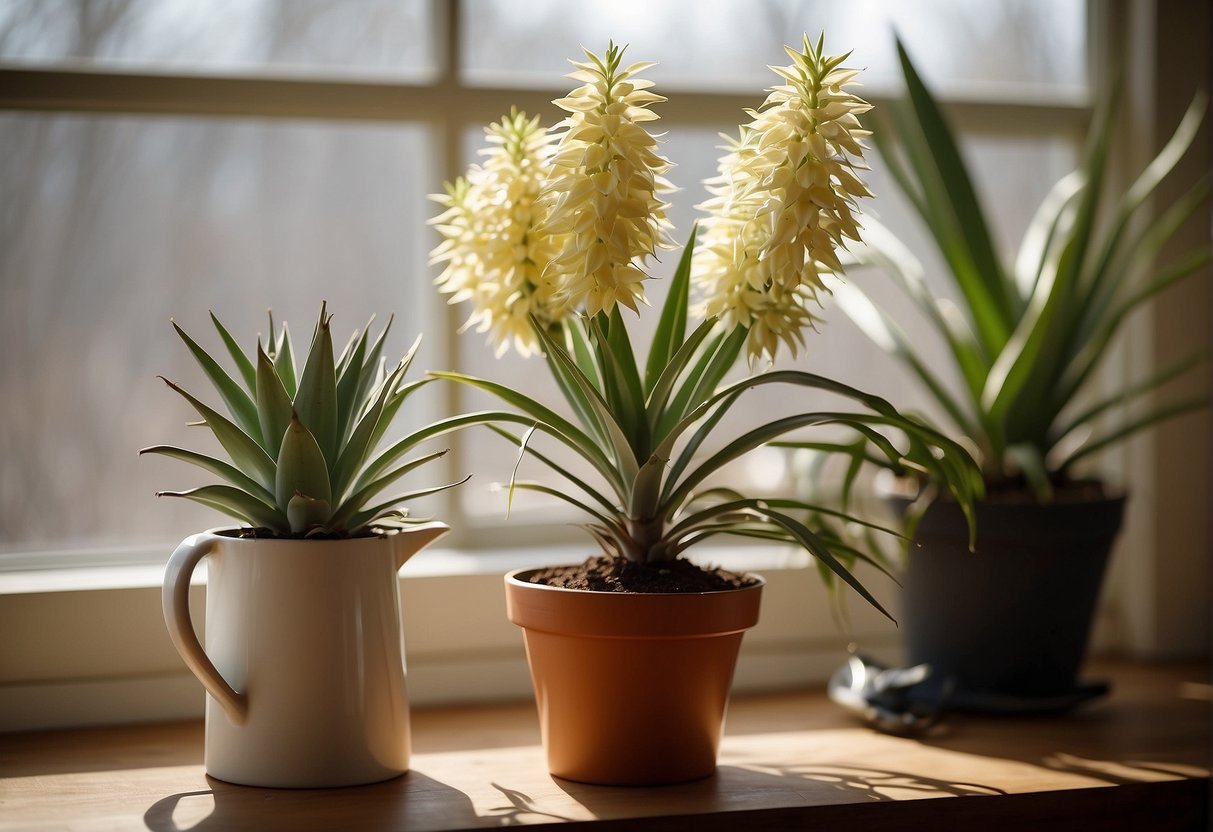
To keep your yucca plant healthy, it’s important to provide it with the right growing conditions. This includes providing it with plenty of sunlight, well-draining soil, and infrequent watering. Additionally, you should fertilize your yucca plant once every two months during its growing season. By following these basic care guidelines, you can help ensure that your yucca plant stays healthy and vibrant.
Propagation and Common Issues
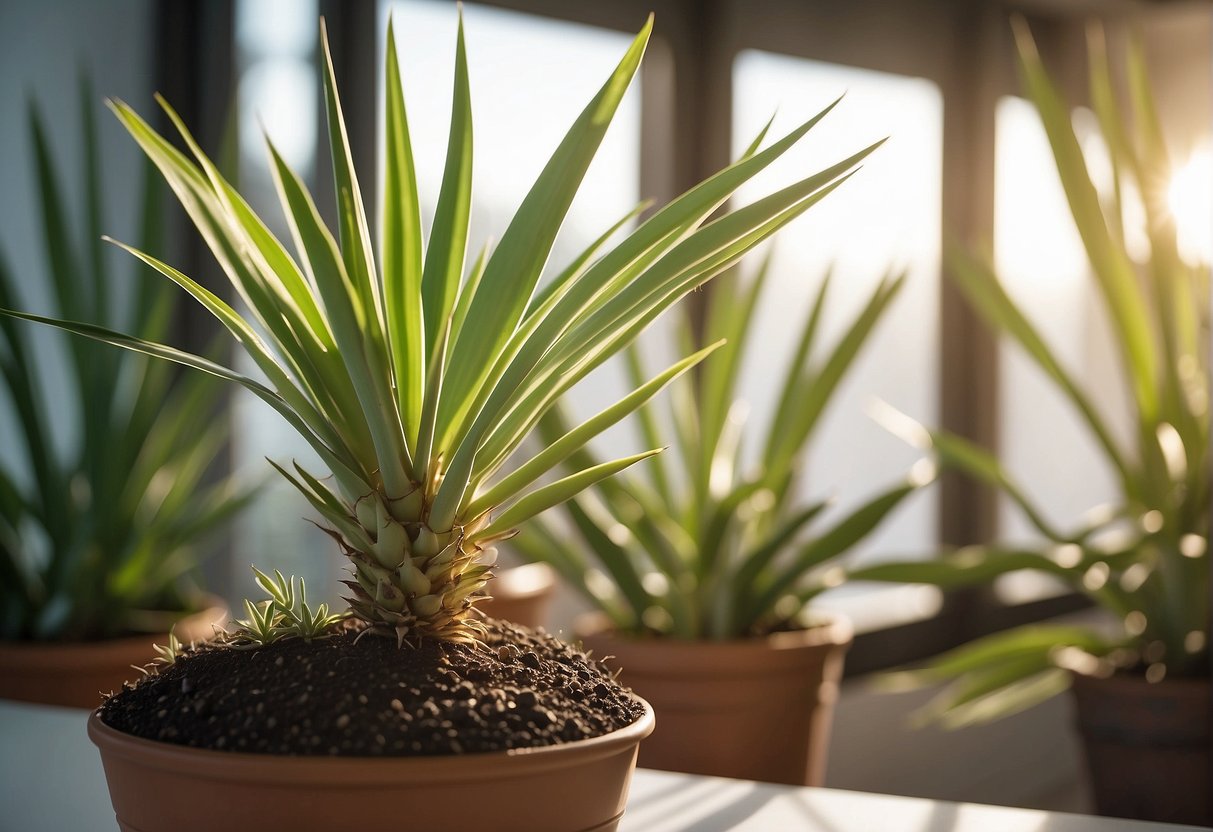
If you want to expand your yucca plant collection, you can propagate your existing plant by removing and replanting the offsets that grow at the base of the plant. However, it’s important to be aware of common issues that can affect yucca plants, such as root rot, spider mites, and scale insects. By taking steps to prevent and address these issues, you can help keep your yucca plant thriving.
Key Takeaways
Yucca plants require plenty of sunlight, well-draining soil, and infrequent watering to stay healthy.
Propagate your yucca plant by removing and replanting offsets that grow at the base of the plant.
Be aware of common issues that can affect yucca plants, such as root rot, spider mites, and scale insects, and take steps to prevent and address them.
Basic Yucca Plant Care
If you are looking for a low-maintenance houseplant or garden addition, yucca plants are a great choice. They can thrive both indoors and outdoors, and with a few basic care instructions, they can last for years. In this section, we will cover the optimal growing conditions, watering and feeding, as well as soil and potting recommendations for your yucca plant.
Optimal Growing Conditions
Yucca plants prefer full sun and well-draining soil. They can tolerate a range of temperatures, but they prefer warm temperatures between 60-95°F. If you are growing your yucca plant indoors, make sure it is placed in an area with indirect light.
Watering and Feeding
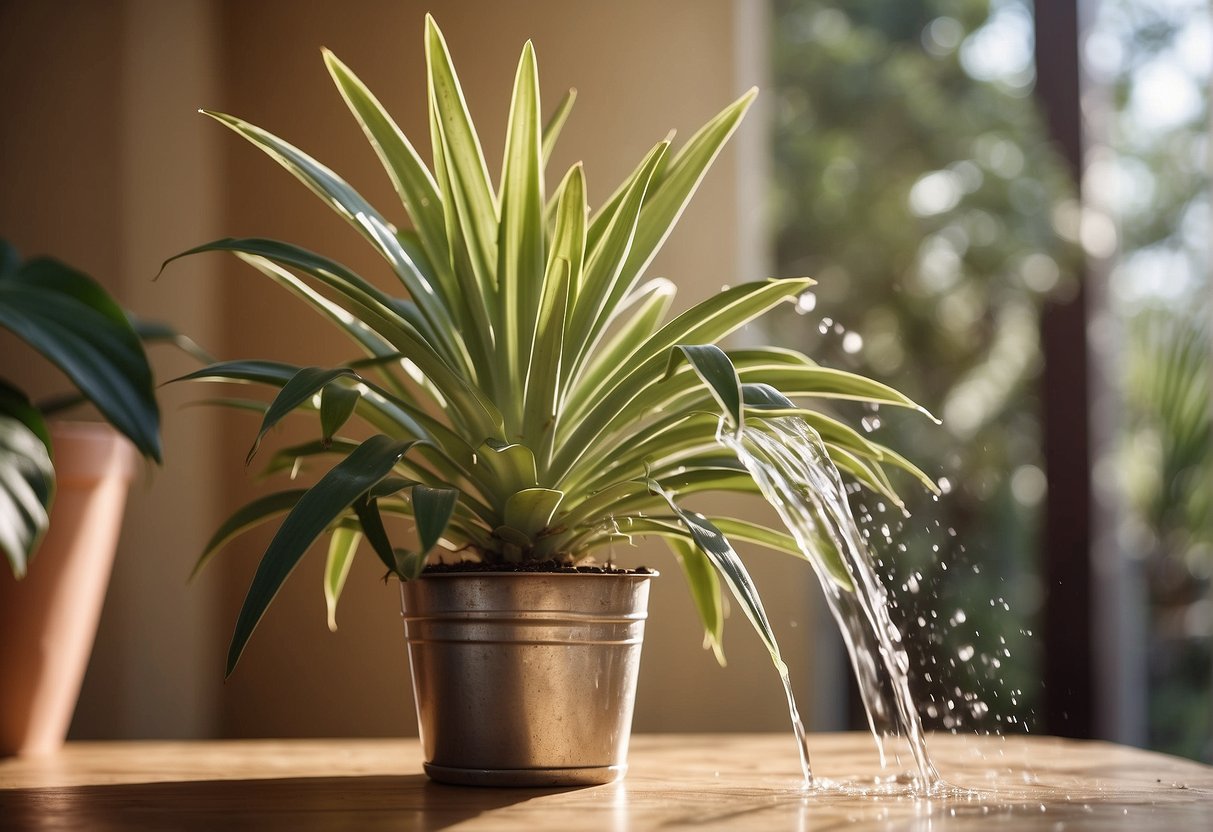
Yucca plants do not require frequent watering and can tolerate periods of drought. Water your yucca plant only when the soil is completely dry to the touch. Overwatering can lead to root rot, so it’s important to ensure that your soil has good drainage.
Fertilize your yucca plant once a month during the growing season with a balanced fertilizer. Avoid fertilizing during the winter months when the plant is dormant.
Soil and Potting
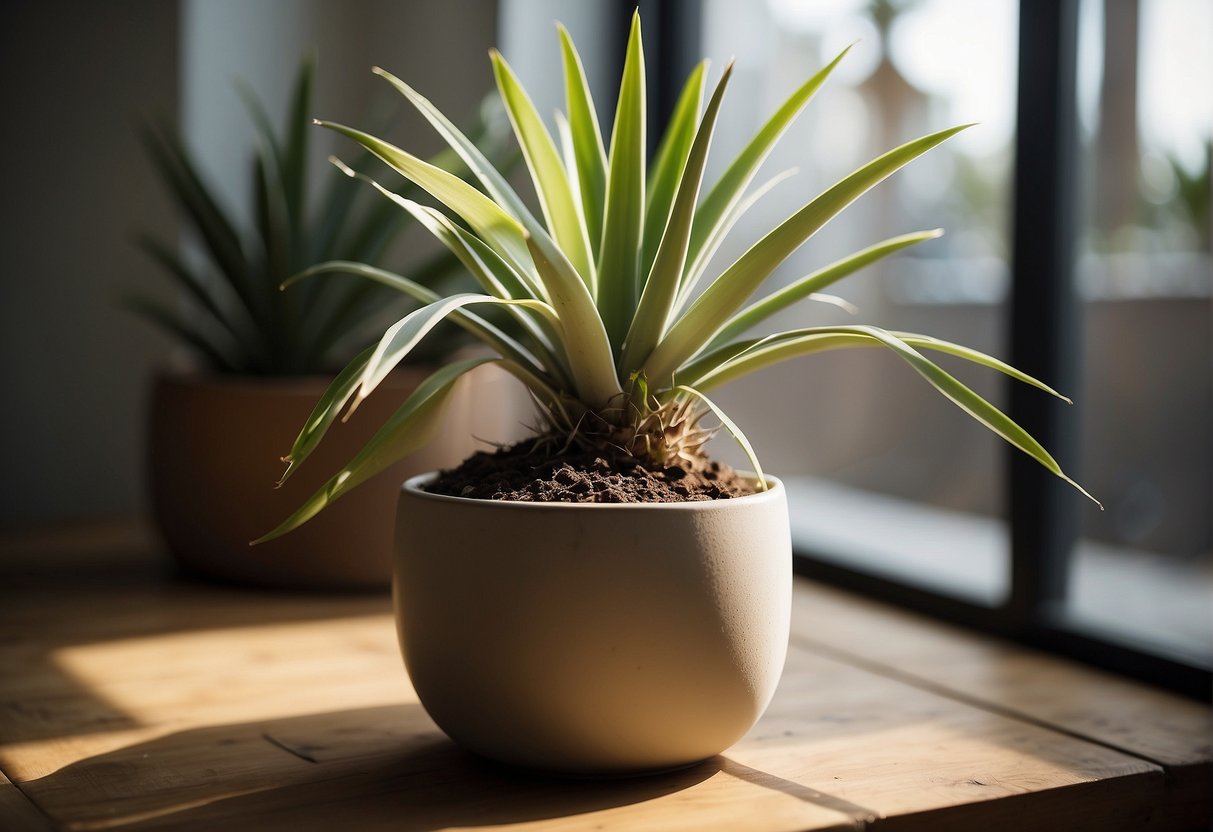
Yucca plants prefer well-draining soil with good aeration. When potting your yucca plant, use a well-draining potting soil with good drainage. Repot your yucca plant only when it has outgrown its current pot or when the soil has become compacted.
In summary, caring for your yucca plant is easy and straightforward. Provide it with optimal growing conditions, water it sparingly, and use well-draining soil with good drainage. With a little bit of care, your yucca plant can thrive both indoors and outdoors for years to come.
Propagation and Common Issues
Propagating Yucca Plants
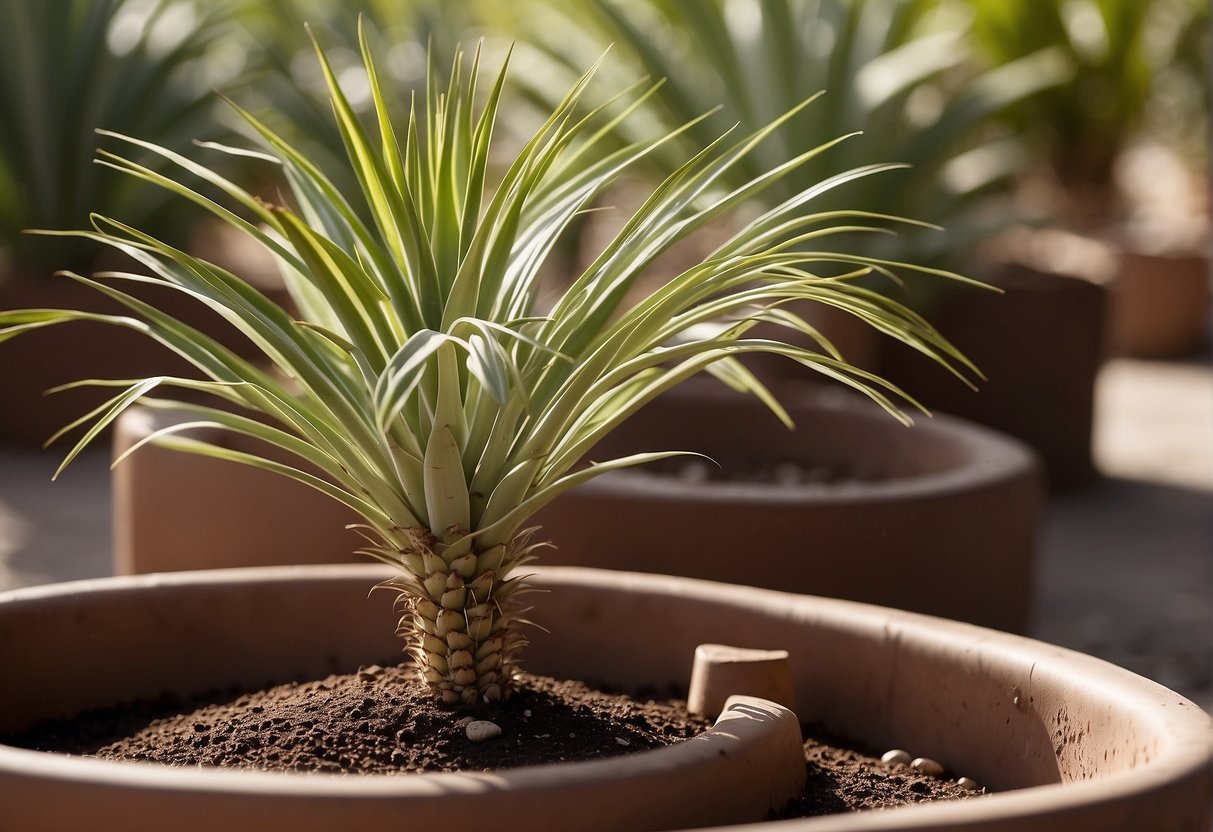
If you want to propagate your yucca plant, there are a few methods you can try. One way is to take stem cuttings from a mature plant. Make sure to use sharp, clean shears to avoid damaging the plant. Another option is to look for offsets, which are small plants that grow off the main stem of the yucca. These can be removed and transplanted to their own pots. Finally, you can try growing yucca plants from seed, although this method requires patience as germination can take several weeks.
Pests and Diseases
Yucca plants are generally hardy and resistant to pests and diseases. However, they can still fall victim to common issues like mealybugs and scale. These pests can be treated with a solution of water and dish soap, or with an insecticidal soap. Yucca plants can also be susceptible to root rot and leaf spot, which can be caused by overwatering or poor drainage. If you notice these issues, make sure to adjust your watering habits and consider repotting your plant.
Pruning and Maintenance
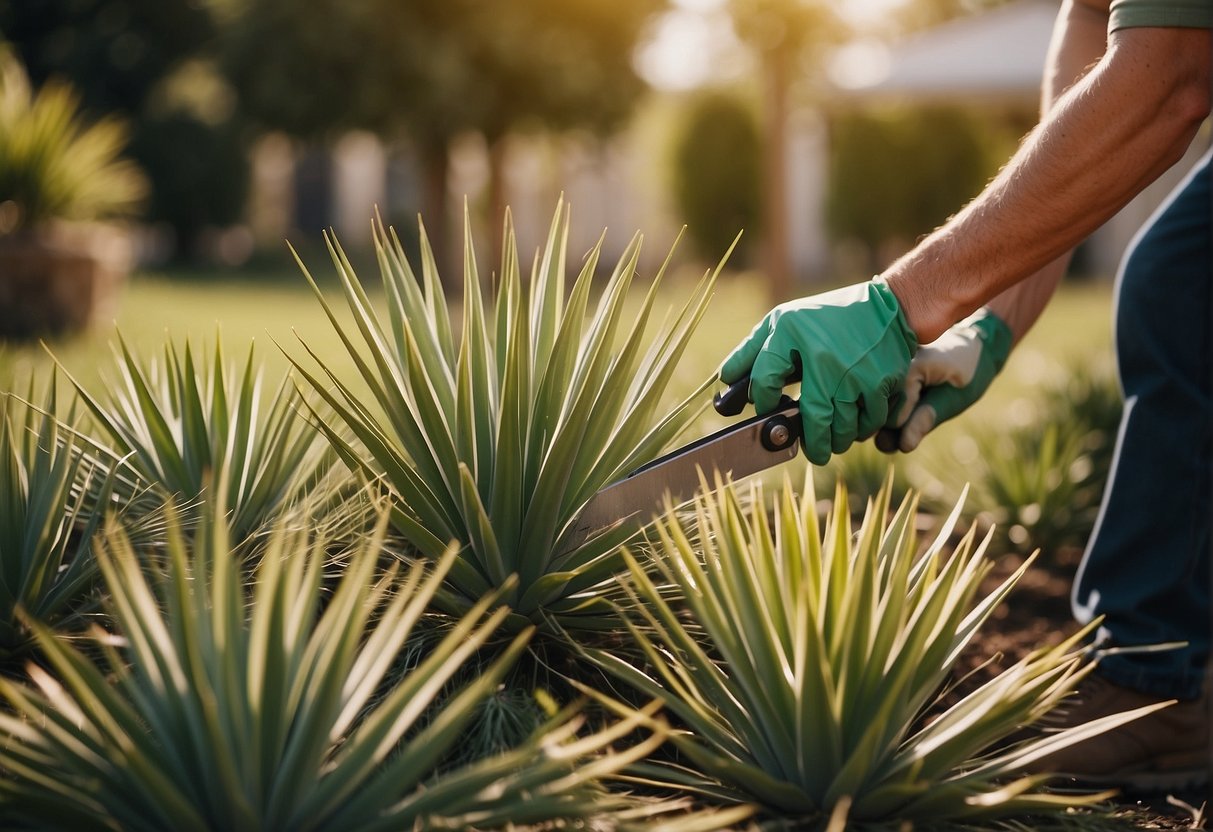
Yucca plants require minimal pruning and maintenance. However, if your plant becomes too tall or unwieldy, you can trim back the top leaves to keep it at a manageable height. Make sure to use sharp, clean shears to avoid damaging the plant. Yucca plants also benefit from occasional fertilization, especially if they are grown indoors. Use a balanced fertilizer and follow the instructions on the package.
Overall, yucca plants are a hardy and low-maintenance species that can thrive both indoors and outdoors. With proper care and attention, your yucca plant can be a beautiful and long-lasting addition to your home or garden.
Frequently Asked Questions
What are the best practices for watering yucca plants?
Yucca plants prefer well-draining soil, so make sure the pot has adequate drainage holes. Water the plant thoroughly, but allow the soil to dry out partially before watering again. Overwatering can lead to root rot, so it’s important not to let the plant sit in standing water.
How often should I fertilize my yucca plant, and what type of fertilizer is recommended?
Yucca plants don’t require frequent fertilization, so once a month during the growing season is sufficient. Use a balanced fertilizer, such as a 10-10-10 formula, and dilute it to half strength before applying.
What is the ideal lighting condition for indoor yucca plant varieties?
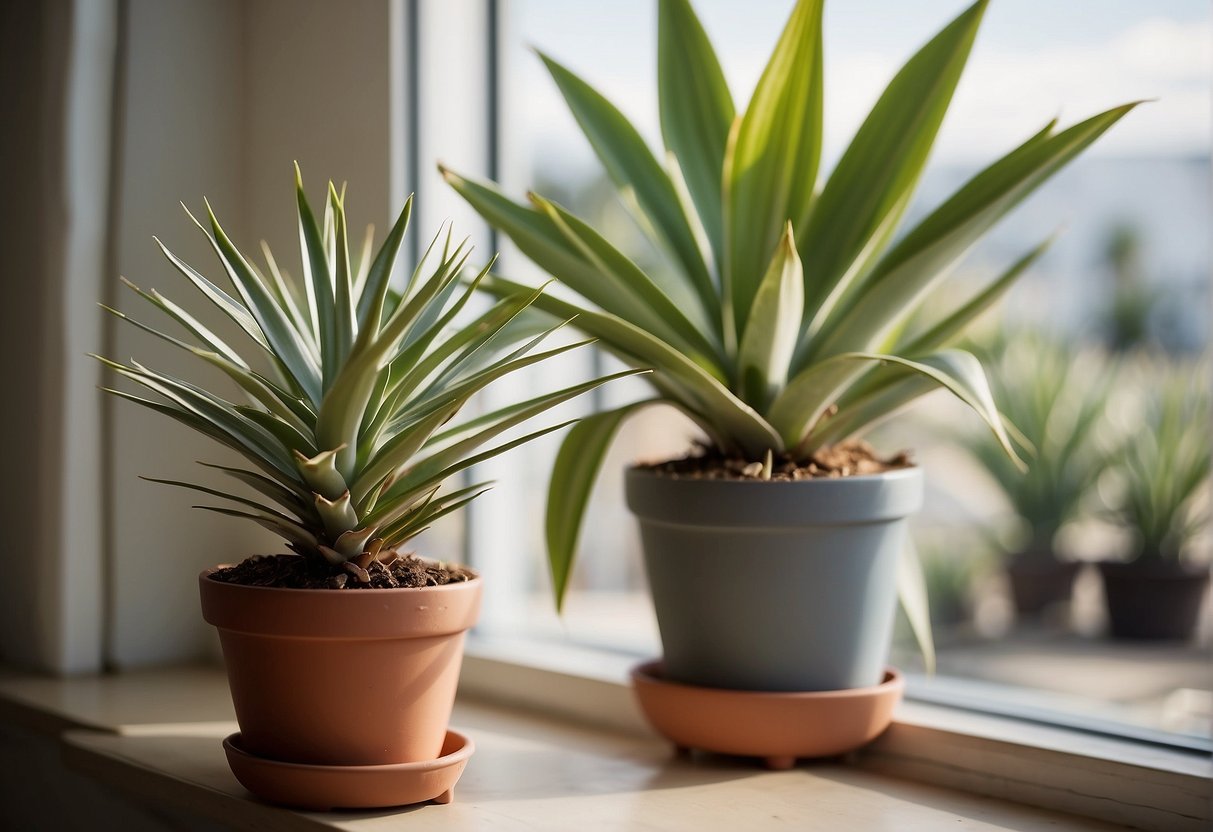
Yucca plants prefer bright, indirect light, so placing them near a sunny window or under a grow light is recommended. Avoid placing them in direct sunlight as this can scorch the leaves.
How should I protect my outdoor yucca plant during winter?
Yucca plants are hardy and can tolerate cold temperatures, but prolonged exposure to freezing temperatures can damage or kill the plant. Cover the plant with a frost cloth or burlap during extreme cold snaps, and avoid overwatering during winter.
What are common problems with yucca plants and how can I troubleshoot them?
Common problems with yucca plants include yellowing leaves, brown tips, and root rot. Yellowing leaves may indicate overwatering or underwatering, while brown tips may indicate low humidity or a buildup of salts in the soil. To troubleshoot, adjust watering practices and consider repotting with fresh soil.
When and how should I prune my yucca plant?
Prune yucca plants in early spring before new growth appears. Use sharp, sterile pruning shears to remove dead or damaged leaves, and cut back any stems that have become too tall or leggy. Avoid cutting into the woody stem as this can damage the plant.
Hi Lovelies ! I made this blog to share my tips about Home Improvement, Children, Pets, Food, Gadgets, Automotive, Health & Beauty, and ways to be frugal while maintaining a natural lifestyle. Interested to be a Guest Blogger on my website? Please email me at: [email protected]