Home » Blog » How to Divide Yucca Plants: A Step-by-Step Guide
How to Divide Yucca Plants: A Step-by-Step Guide
December 28, 2024
Splitting yucca plants is a crucial activity for their thriving growth and reproduction. Yuccas, being drought-tolerant plants, adapt well to different kinds of soil and demand minimal upkeep. Nevertheless, to avoid overpopulation and keep them healthy, periodic separation is necessary. This guide will teach you the steps to efficiently separate and propagate yucca plants.
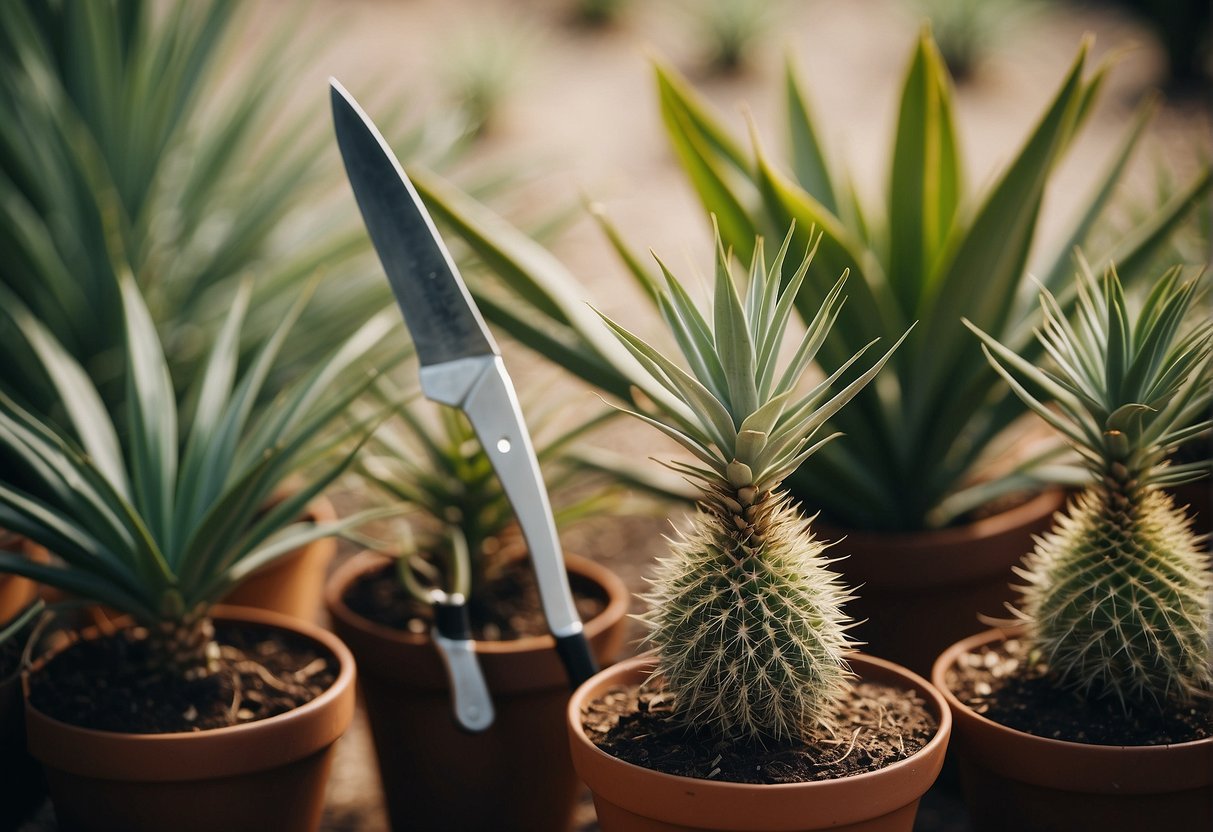
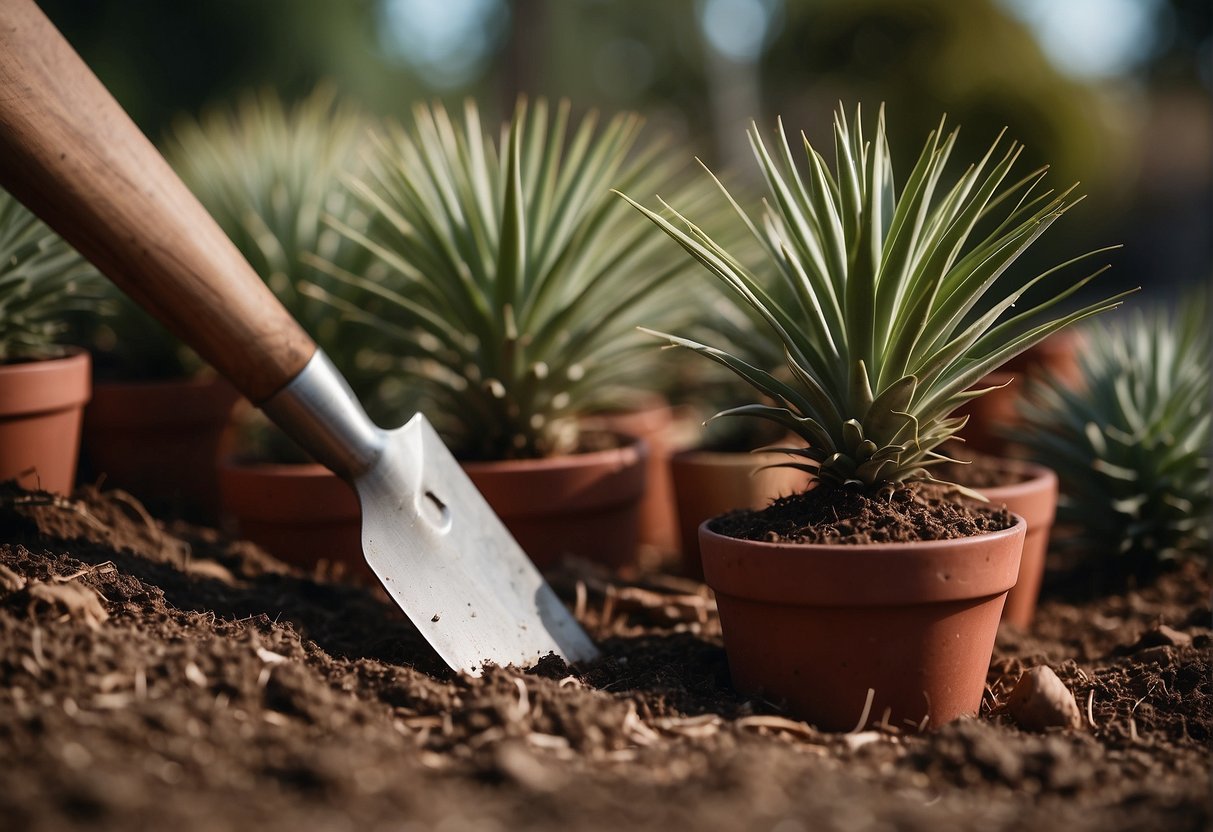
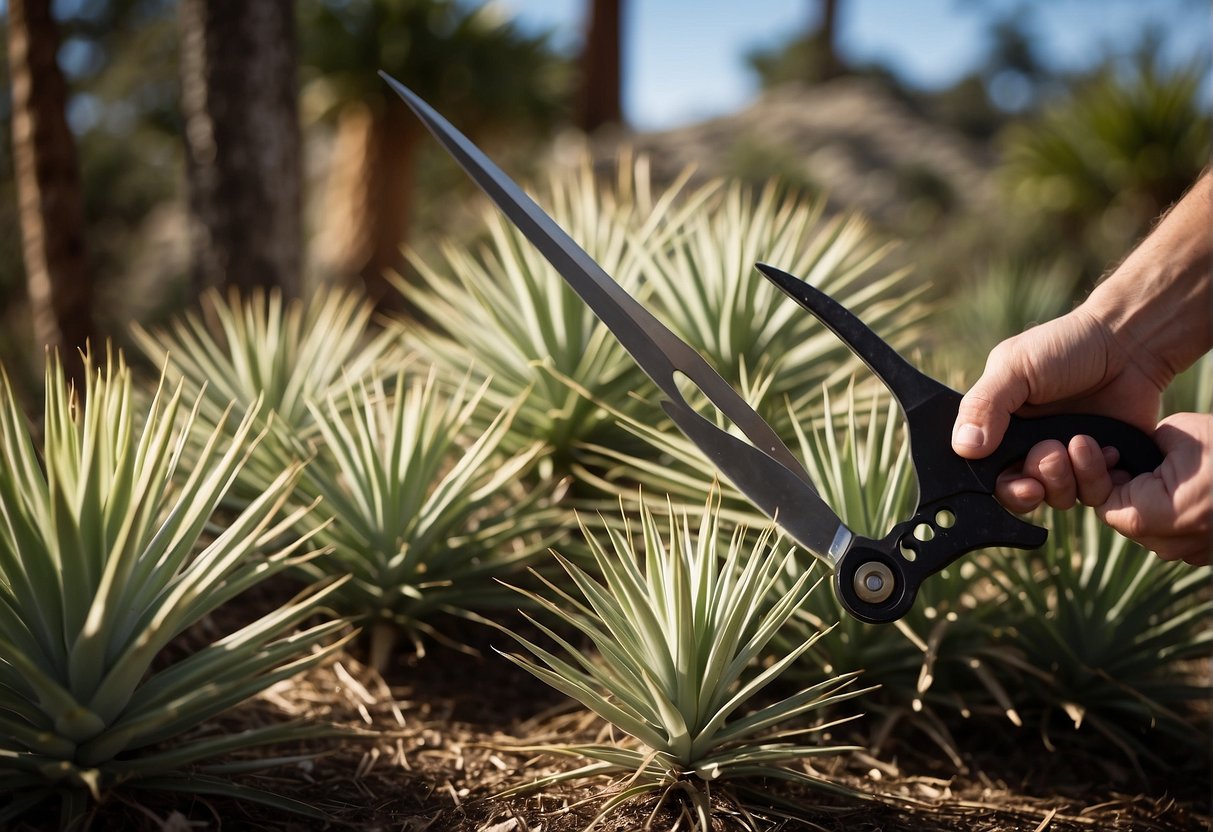
Before you start dividing yucca plants, you need to prepare the necessary tools and materials. You will need a sharp knife or pruning shears, a shovel, a container filled with well-draining soil, and water. Dividing yucca plants can be a messy task, so make sure to wear gloves to protect your hands. Once you have gathered all the necessary materials, you can start the division process.
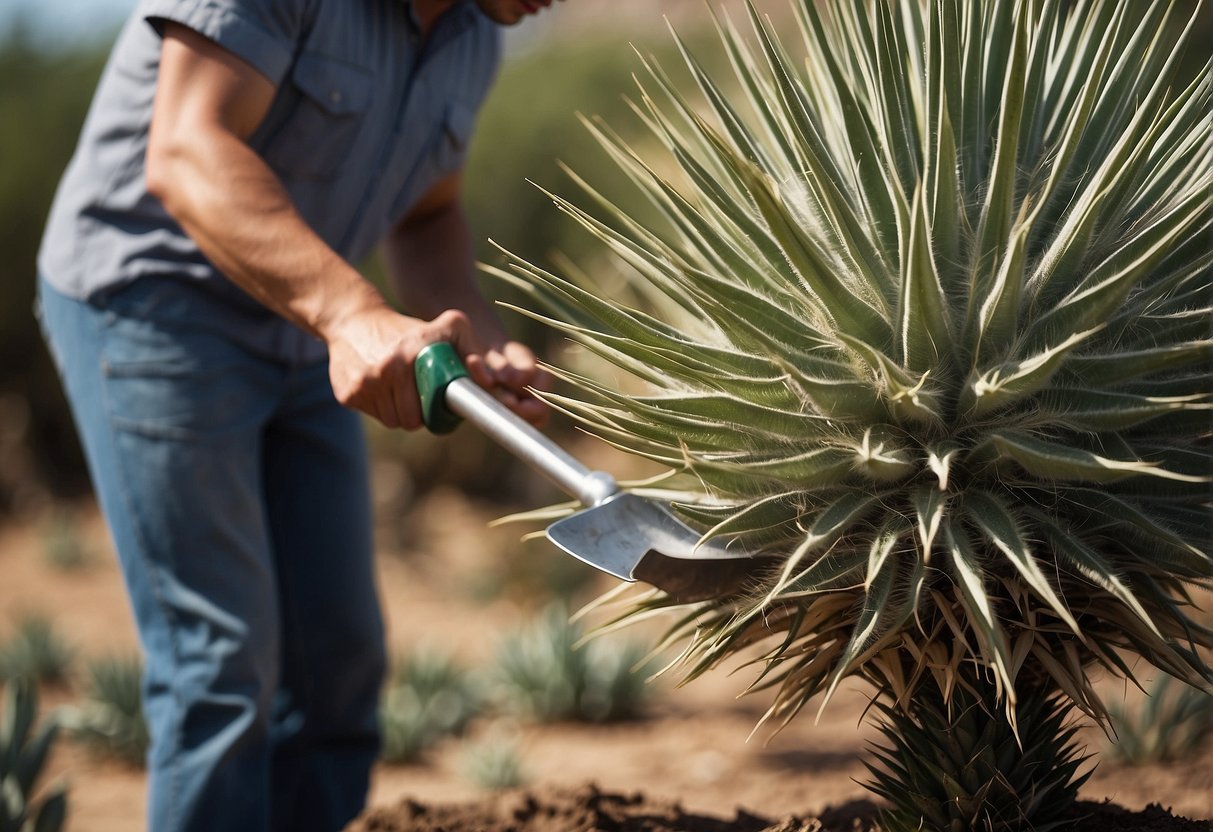
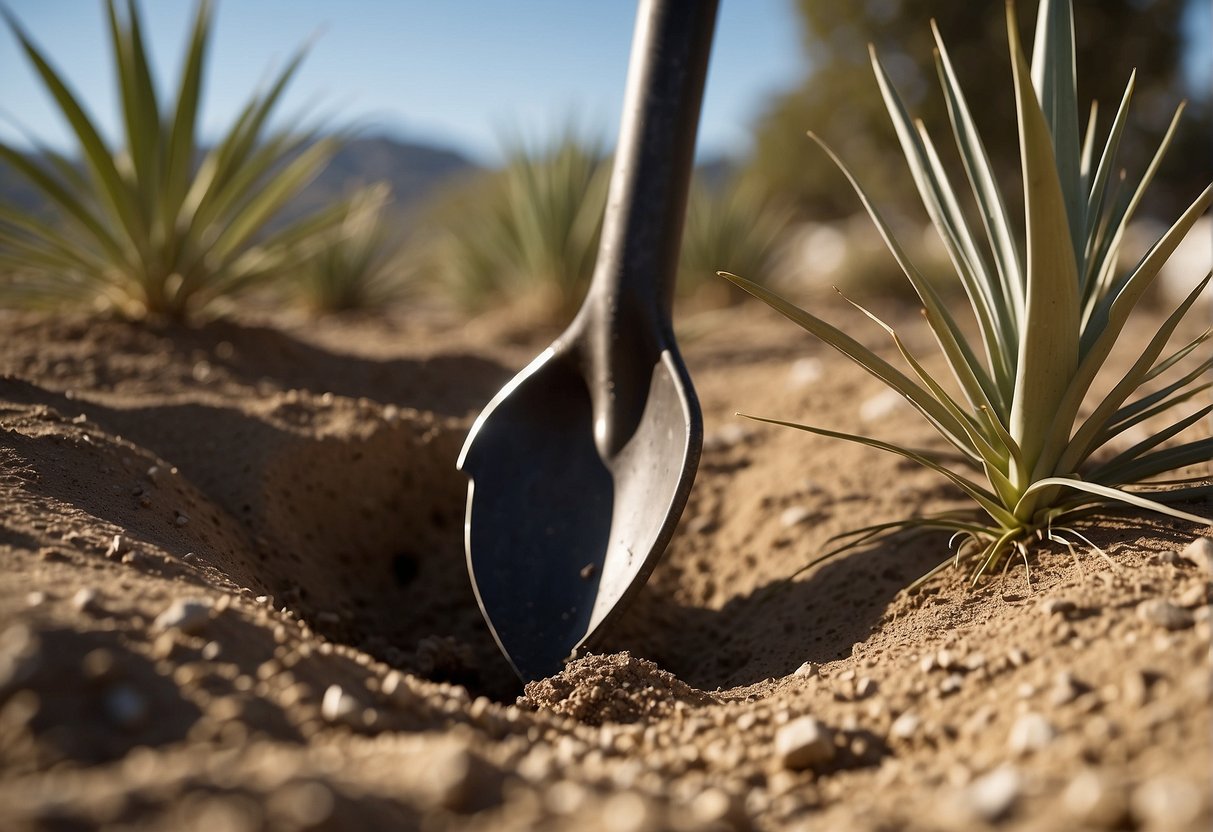
Executing the division of yucca plants requires careful planning and execution. You need to dig around the base of the plant, lift it out of the soil, and separate the root ball into smaller sections. Make sure each section has enough roots and foliage to support its growth. After dividing the plant, you can replant it in a new location or container filled with well-draining soil. Water the plant thoroughly and place it in a location with partial shade to help it recover from the division process.
Key Takeaways
Dividing yucca plants is essential for their healthy growth and propagation.
Before dividing yucca plants, prepare the necessary tools and materials, including a sharp knife or pruning shears, a shovel, a container filled with well-draining soil, and water.
To execute the division, dig around the base of the plant, lift it out of the soil, separate the root ball into smaller sections, and replant each section in a new location or container filled with well-draining soil.
Preparation for Division
When it comes to dividing yucca plants, preparation is key to ensuring the process goes smoothly. This section will cover two important aspects of preparation: assessing the yucca plant’s health and gathering necessary tools.
Assessing the Yucca Plant’s Health
Before dividing a yucca plant, it is important to assess its overall health. Look for signs of disease or damage, such as yellowing leaves or root rot. If the plant appears unhealthy, it may not be a good candidate for division.
On the other hand, if the plant appears healthy, it is likely a good candidate for division. Healthy yucca plants typically have strong, well-established root systems that can be easily divided.
Gathering Necessary Tools
To divide a yucca plant, you will need a few essential tools. These include a sharp knife, a garden fork, a shovel, and gardening gloves.
When selecting a knife, choose one that is sharp and sturdy enough to cut through the yucca plant’s roots. A garden fork is useful for loosening the soil around the plant, while a shovel can be used to dig up the plant and its root system. Finally, gardening gloves will protect your hands from the sharp leaves and spines of the yucca plant.
In addition to these tools, it is important to have well-drained soil on hand for replanting the divided yucca plant. This will help ensure the plant has the nutrients and moisture it needs to thrive after division.
By assessing the yucca plant’s health and gathering the necessary tools, you can set yourself up for success when it comes to dividing your plant. With the right preparation, you can help ensure the process goes smoothly and your yucca plant continues to thrive.
Executing the Division
When it comes to dividing yucca plants, the process can seem intimidating. However, with the right tools and techniques, it can be a simple task that yields new growth and healthier plants. In this section, we will cover the steps to execute the division of your yucca plant.
Separating the Offsets
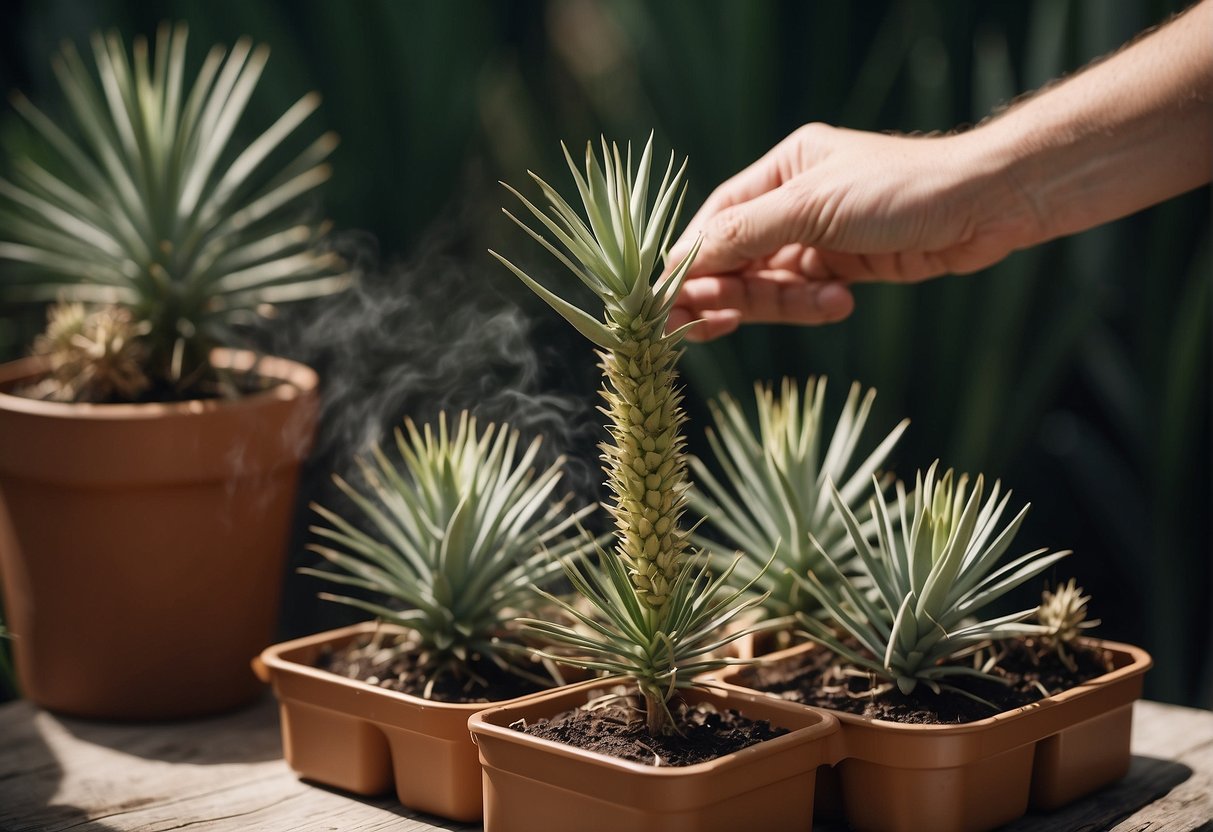
The first step in dividing your yucca plant is to identify and separate the offsets. These are the smaller plants that grow from the main plant’s root system. Using a saw or spade, gently separate the offsets from the main plant. Be sure to leave enough of the root system intact for the new plant to establish itself.
Transplanting Divisions
Once you have separated the offsets, it’s time to transplant them into their new containers. Use a well-draining soil, such as succulent potting soil, mixed with compost or manure to provide the necessary nutrients for growth. Make sure the containers have drainage holes to prevent root rot.
Before planting, prune any dead leaves or stems and remove any debris from the root system. Place the new plant in the container and fill with fresh soil. Water thoroughly and place in a bright, well-lit area. Yucca plants are drought-tolerant, so be sure not to overwater.
During the first growing season, be sure to monitor the new growth and provide any necessary maintenance, such as pruning or replanting. Yucca plants are low maintenance and can be a great addition to a xeriscape garden or as a sturdy plant in a larger landscape.
The best time for dividing yucca plants is in the early spring or fall, when the plant is dormant. Avoid dividing during blazing hot summers or next winter in areas with mild winters. With proper care and cultivation, your yucca plant will thrive and provide new growth for years to come.
Frequently Asked Questions
What is the proper technique for dividing a large yucca plant?
Can yucca cuttings be planted directly into the soil?
Yes, yucca cuttings can be planted directly into the soil. Simply take a cutting from the parent plant and allow it to dry for a few days. Once the cut end has calloused over, plant the cutting in a well-draining soil mix and water it thoroughly. Keep the soil moist until the cutting has established roots.
What steps are involved in dividing yucca plants in pots?
To divide a yucca plant in a pot, start by removing the plant from its container and gently separating the roots. Divide the plant into smaller sections, making sure each section has a healthy root system and at least one or two leaves. Replant each section in a well-draining soil mix and water thoroughly.
How do you propagate Adam’s needle yucca by division?
To propagate Adam’s needle yucca by division, start by removing the plant from its container and gently separating the roots. Divide the plant into smaller sections, making sure each section has a healthy root system and at least one or two leaves. Replant each section in a well-draining soil mix and water thoroughly. Keep the soil moist until the new plants have established roots.
What is the process for replanting a cut yucca plant?
To replant a cut yucca plant, start by allowing the cut end to callous over for a few days. Then, plant the cutting in a well-draining soil mix and water it thoroughly. Keep the soil moist until the cutting has established roots.
How can you effectively thin out an overgrown yucca plant?
To thin out an overgrown yucca plant, start by removing any dead or damaged foliage. Then, carefully remove some of the older, woody stems from the center of the plant, leaving the younger, more flexible stems on the outside. This will help the plant produce new growth and maintain a more compact shape.
Hi Lovelies ! I made this blog to share my tips about Home Improvement, Children, Pets, Food, Gadgets, Automotive, Health & Beauty, and ways to be frugal while maintaining a natural lifestyle. Interested to be a Guest Blogger on my website? Please email me at: [email protected]