Home » Blog » How to Care for Yucca Plants: A Comprehensive Guide
How to Care for Yucca Plants: A Comprehensive Guide
December 29, 2024
Should you be in search of a plant that requires minimal upkeep and brings a desert vibe into your living space, the yucca plant is your perfect match. Renowned for their tough, sword-shaped foliage and bold aesthetics, these robust plants are also incredibly simple to maintain. Ideal for both experienced plant enthusiasts and novices alike, yucca plants make a fantastic contribution to any plant assortment.
To keep your yucca plant healthy and thriving, there are a few key care essentials you’ll need to keep in mind. From proper watering techniques to choosing the right soil, this article will cover everything you need to know to keep your yucca looking its best. Additionally, we’ll cover propagation and planting tips for those looking to expand their yucca collection. So grab your gardening gloves and let’s get started!
Key Takeaways
Yucca plants are a low-maintenance addition to any home.
Propagation and planting are easy ways to expand your yucca collection.
Yucca Plant Care Essentials
If you want to keep your yucca plant looking healthy and beautiful, it is important to follow some basic care guidelines. Here are the essential aspects of yucca plant care that you need to know:
Optimal Growing Conditions
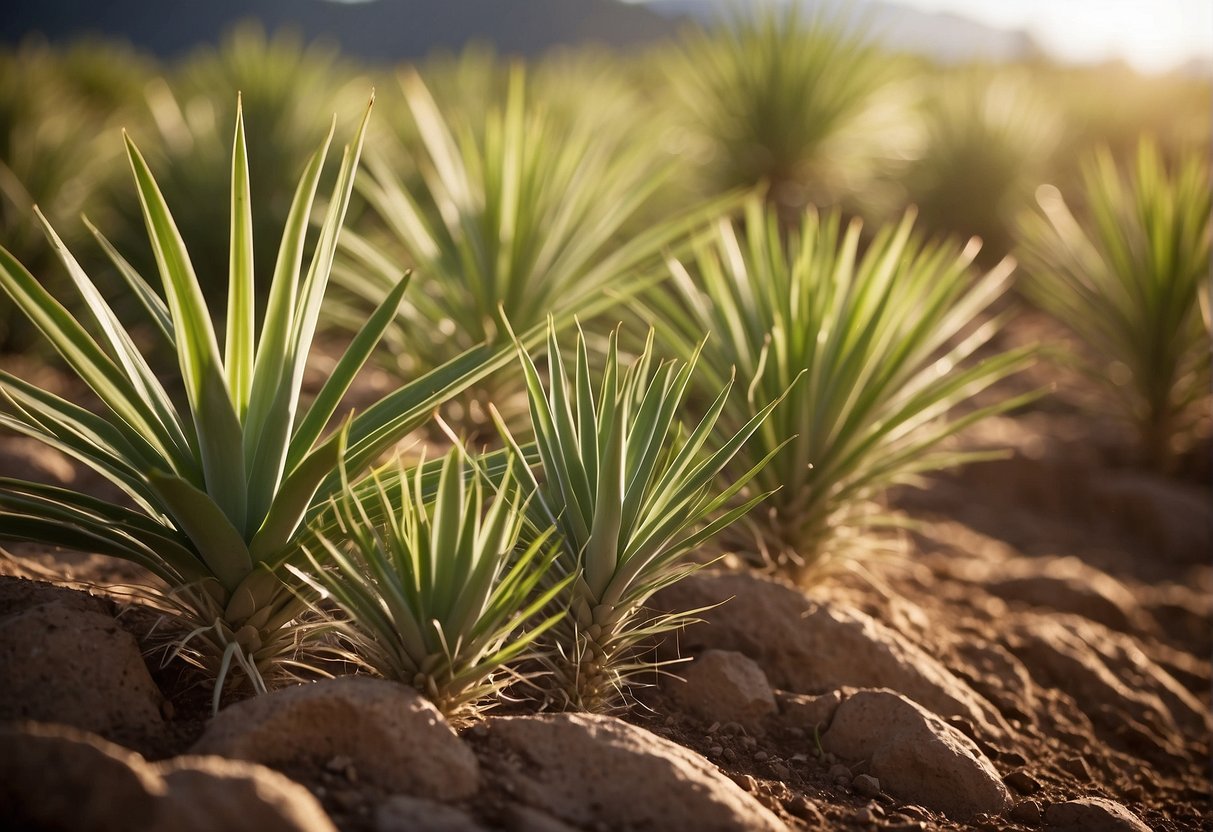
Yucca plants can thrive in a variety of conditions, but they prefer bright, indirect light and well-draining soil. They are hardy plants that can tolerate a wide range of temperatures, but they do best in temperatures between 60-80°F. If you are growing a yucca plant indoors, make sure it is placed in a location that receives plenty of bright light.
Watering and Feeding
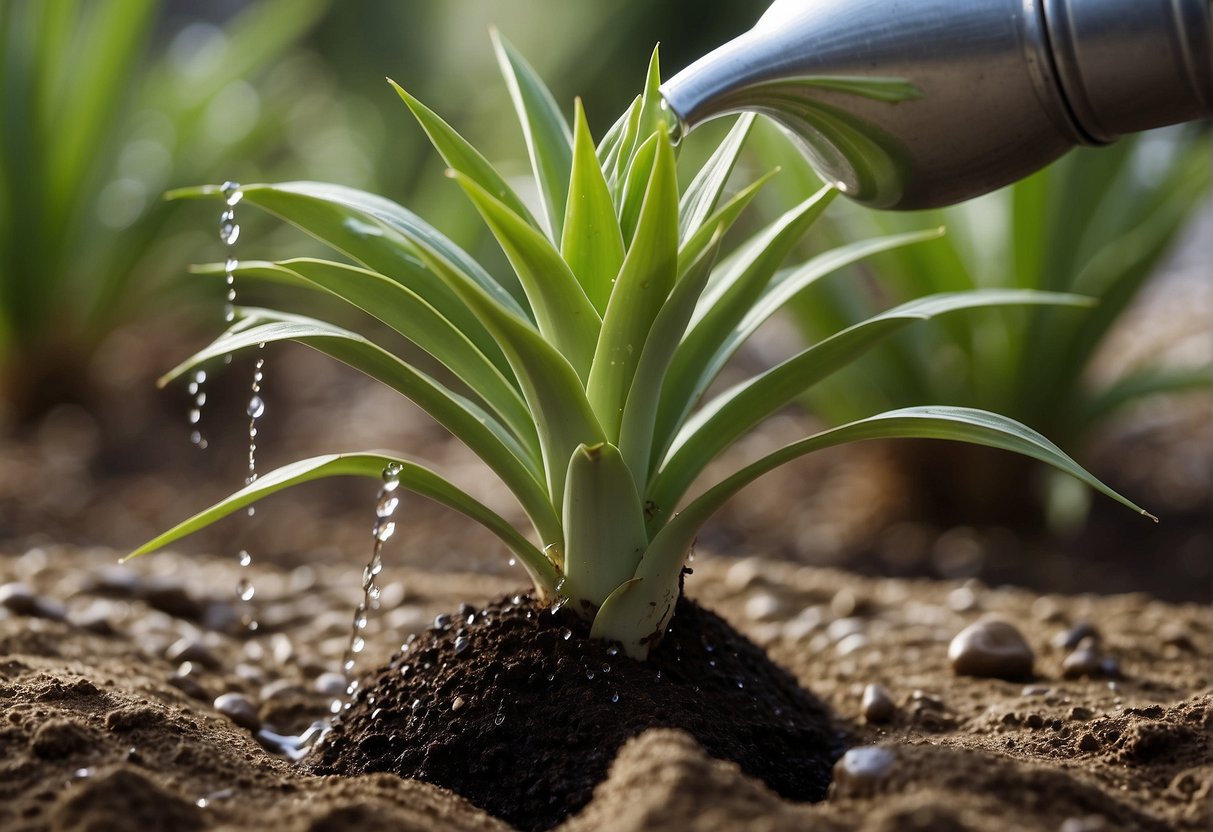
Yucca plants are drought-tolerant, so it is important not to overwater them. Allow the soil to dry out completely between waterings, and make sure the pot has good drainage to prevent water from pooling at the bottom. During the summer and fall, you can feed your yucca plant with a liquid fertilizer to promote growth.
Pruning and Maintenance
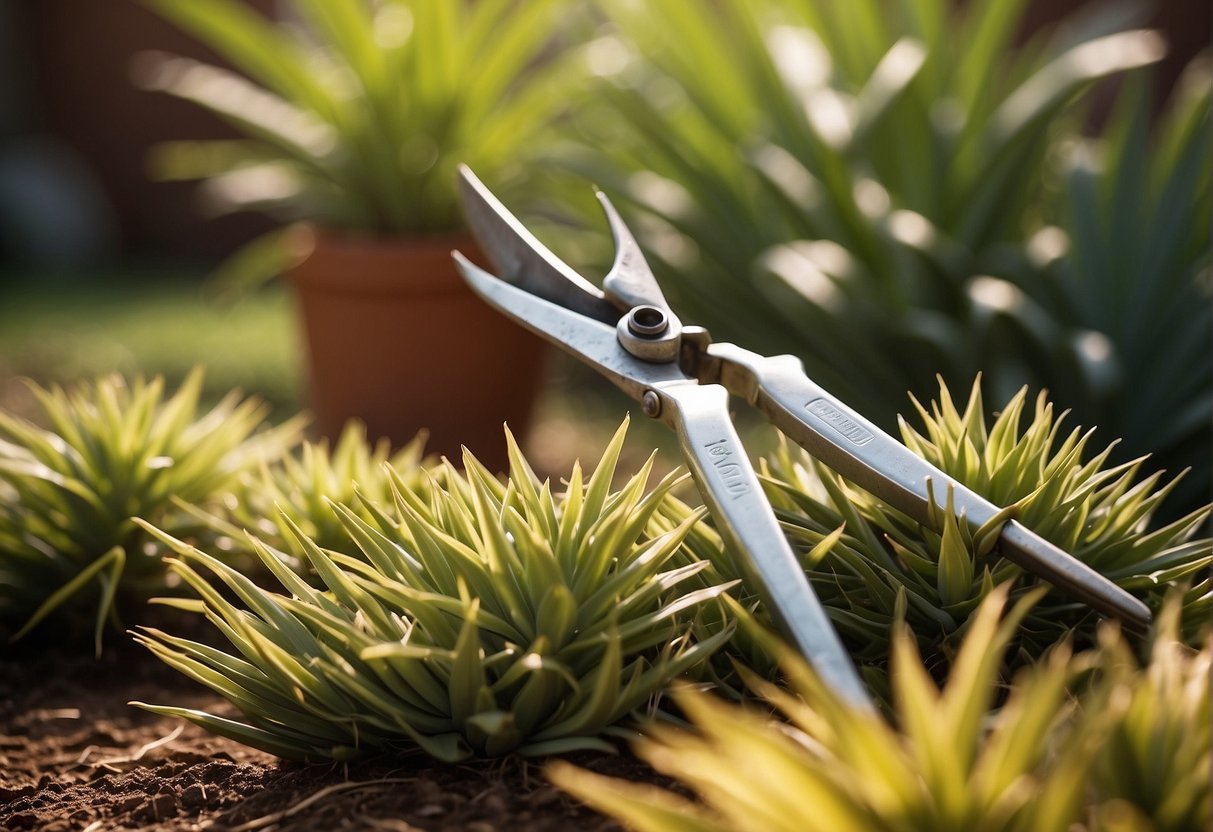
Yucca plants are easy to care for and require very little maintenance. However, if your plant becomes too large or unruly, you can prune it back to a more manageable size. Use clean, sharp pruning shears to remove any dead or damaged leaves, and cut back any stems that are growing too long.
Disease and Pest Management
Yucca plants are generally resistant to pests and diseases, but they can occasionally be affected by mealybugs, scale insects, leaf spot, root rot, and fungi. To prevent these issues, make sure your plant is placed in an area with good air circulation, and avoid overwatering. If you do notice any signs of pests or disease, treat them promptly with an appropriate insecticide or fungicide.
By following these yucca plant care essentials, you can keep your plant looking healthy and beautiful for years to come.
Propagation and Planting
Methods of Propagation
Yucca plants can be propagated through several methods, including offsets, cuttings, and seed germination. Offsets are the easiest method of propagation and are readily available on mature yucca plants. Cuttings can also be taken from the stem of the plant, and seed germination is an option for those who want to start from scratch.
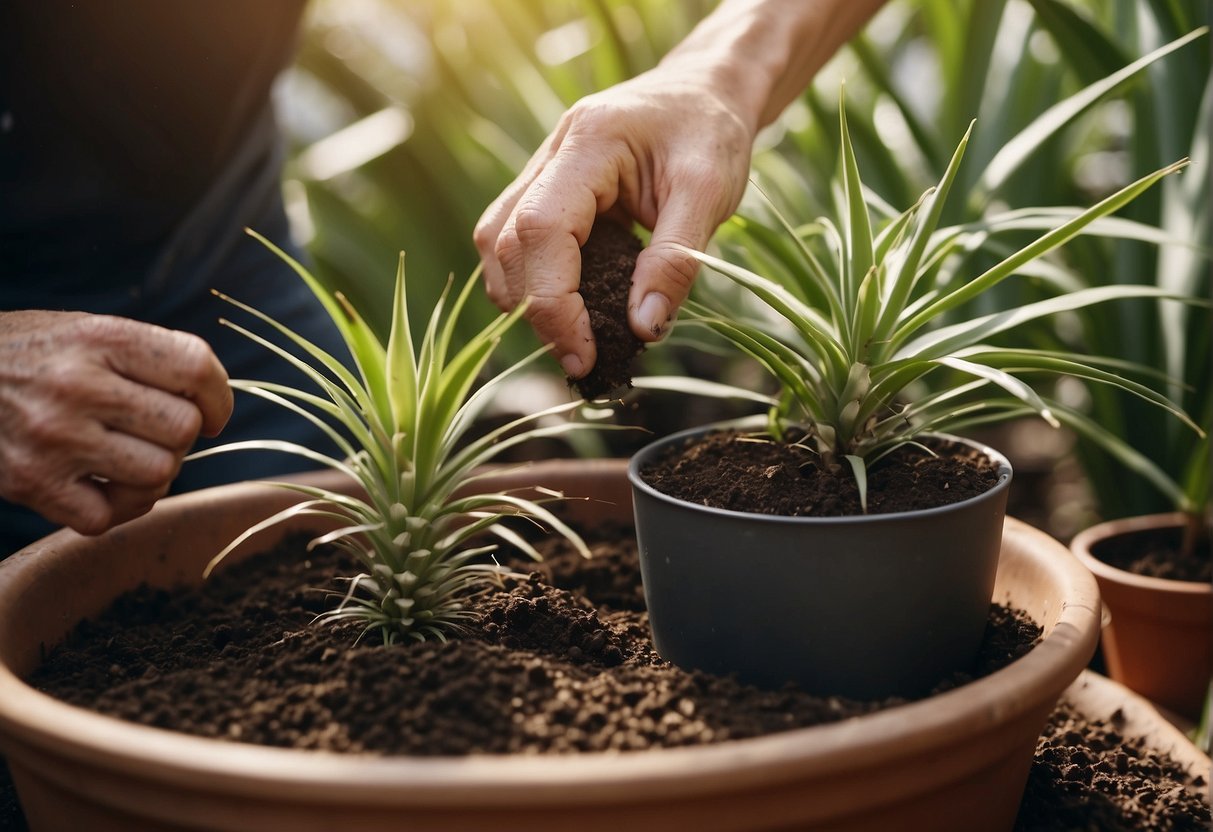
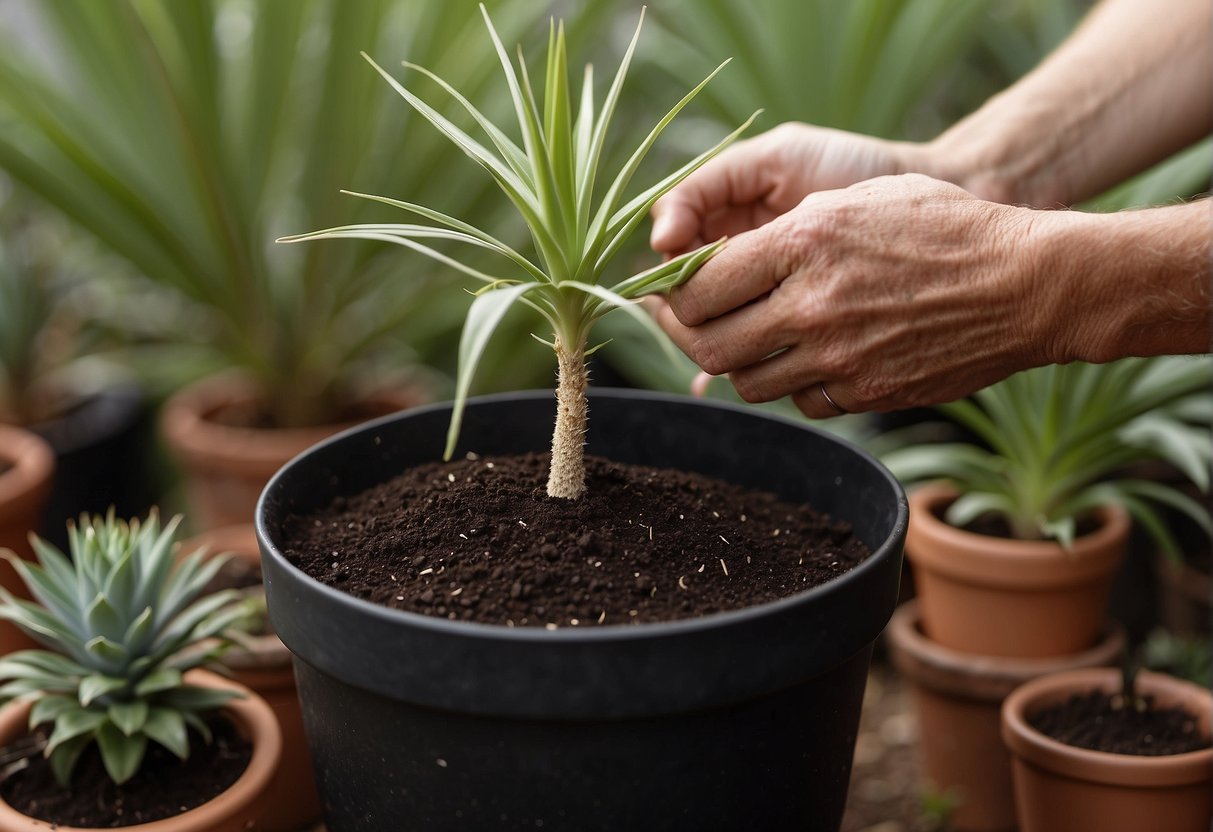
To propagate through offsets, simply remove the offsets from the parent plant and plant them in sandy soil. Cuttings should be taken from the stem of the plant, and the cuttings should be allowed to dry for a few days before being planted in a well-draining soil mix. Seed germination requires patience and care, as the seeds need to be kept moist and warm to germinate.
Planting and Transplanting
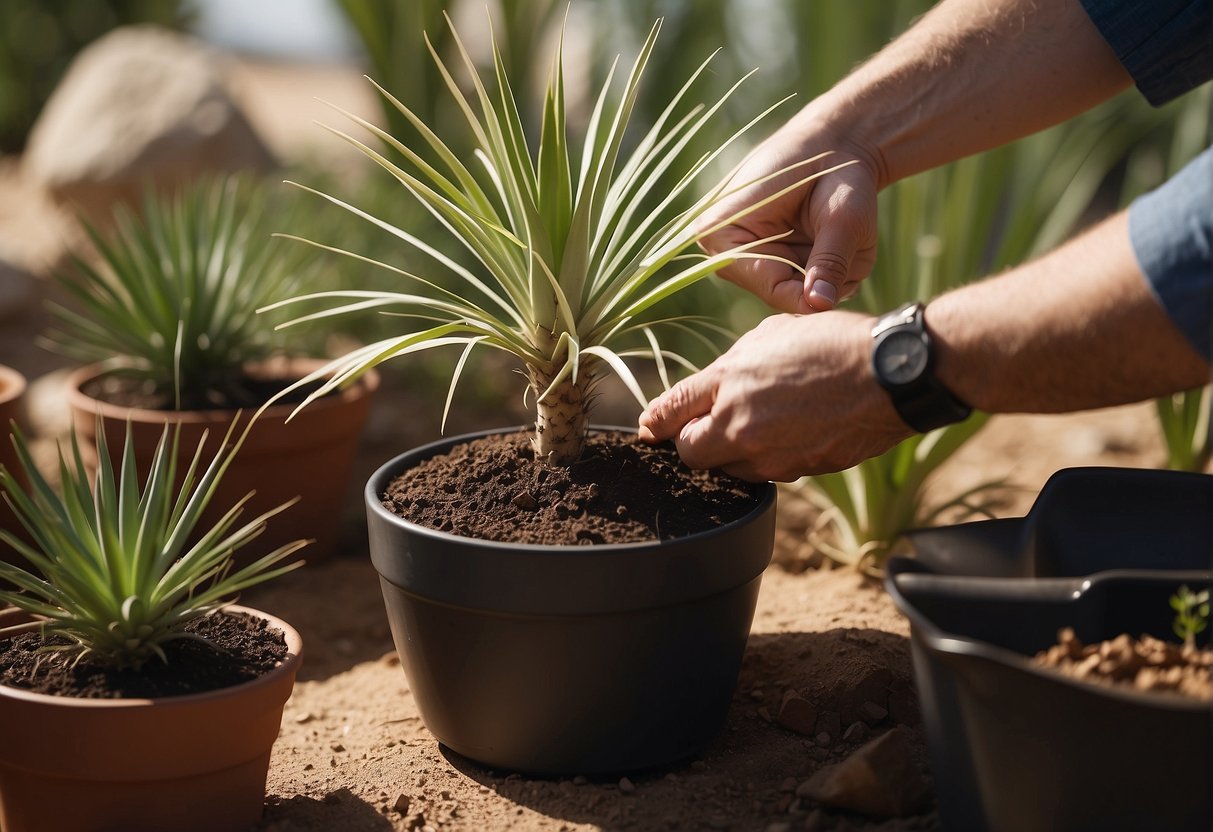
When planting or transplanting yucca plants, it is important to choose a well-draining soil mix. Containers should have drainage holes to prevent waterlogging, and the soil should be slightly moist but not wet. Yucca plants prefer full sun but can tolerate some shade.
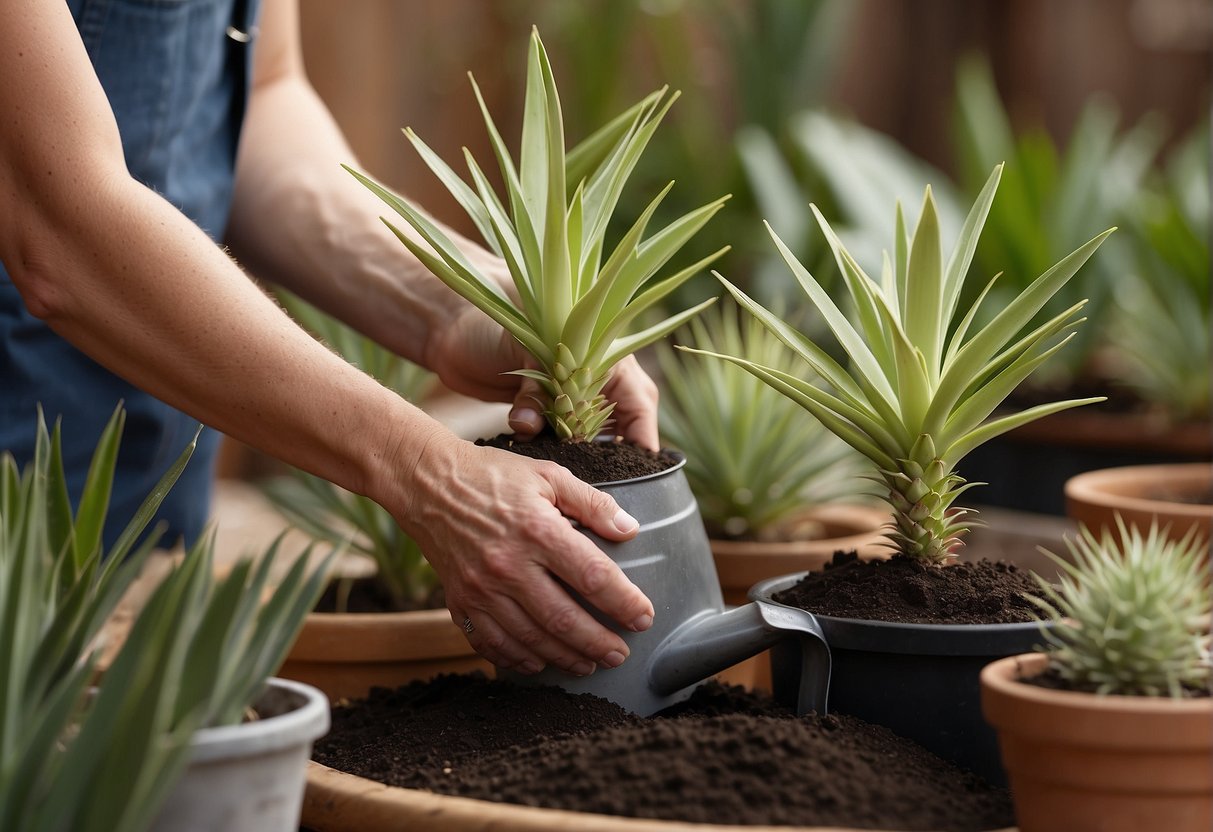
When transplanting a yucca plant, it is important to dig a hole that is slightly larger than the root ball. The yucca plant should be placed in the hole, and the soil should be gently tamped down around the plant. Water the plant thoroughly after transplanting.
Yucca plants are hardy and can tolerate a wide range of soil conditions, including poor soil. However, to encourage healthy growth, it is recommended to add compost to the soil mix when planting or transplanting.
Frequently Asked Questions
What are the ideal lighting conditions for indoor yucca plants?
Yucca plants thrive in bright, indirect light. They can tolerate some direct sunlight, but too much can scorch their leaves. Place your yucca plant near a south-facing window if possible, or use a grow light to supplement natural light.
How often should I water my yucca plant, and what are the signs of overwatering?
Yucca plants are drought-tolerant and prefer to dry out between waterings. Water your yucca plant thoroughly when the top inch of soil feels dry to the touch. Overwatering can lead to yellowing leaves and root rot, so be sure to allow the soil to dry out before watering again.
What is the best soil mix for potting yucca plants?
Yucca plants prefer well-draining soil that is slightly acidic. A mix of sand, perlite, and peat moss can provide the perfect growing medium for your yucca plant.
How do you prune a yucca plant to encourage healthy growth?
To prune a yucca plant, use clean, sharp pruning shears to remove any dead or damaged leaves. You can also remove the top of the plant to encourage branching and new growth. Be sure to wear gloves when handling yucca plants, as their leaves can be sharp and prickly.
What are common issues with yucca plants and how can I troubleshoot them?
Common issues with yucca plants include yellowing leaves, root rot, and pest infestations. Yellowing leaves can be a sign of overwatering or nutrient deficiencies, while root rot can be caused by overwatering or poor drainage. Pest infestations can be treated with insecticidal soap or neem oil.
How should I care for my yucca plant during the winter months?
Yucca plants can tolerate cooler temperatures and lower light levels during the winter months. Reduce watering frequency and avoid placing your yucca plant near drafty windows or doors. If your home is particularly dry, you can also increase humidity levels by using a humidifier or placing a tray of water near your plant.
Hi Lovelies ! I made this blog to share my tips about Home Improvement, Children, Pets, Food, Gadgets, Automotive, Health & Beauty, and ways to be frugal while maintaining a natural lifestyle. Interested to be a Guest Blogger on my website? Please email me at: [email protected]