Home » Blog » How to Care for Yucca Plants: A Comprehensive Guide
How to Care for Yucca Plants: A Comprehensive Guide
December 29, 2024
Yucca plants have gained popularity among homeowners looking to infuse their living space or garden with a Southwest vibe. Recognized for their eye-catching leaves and minimal maintenance needs, these plants are particularly suitable for gardening beginners. Should you think about incorporating a yucca plant into your assortment, understanding the right way to take care of it is crucial.
Optimal Growing Conditions:
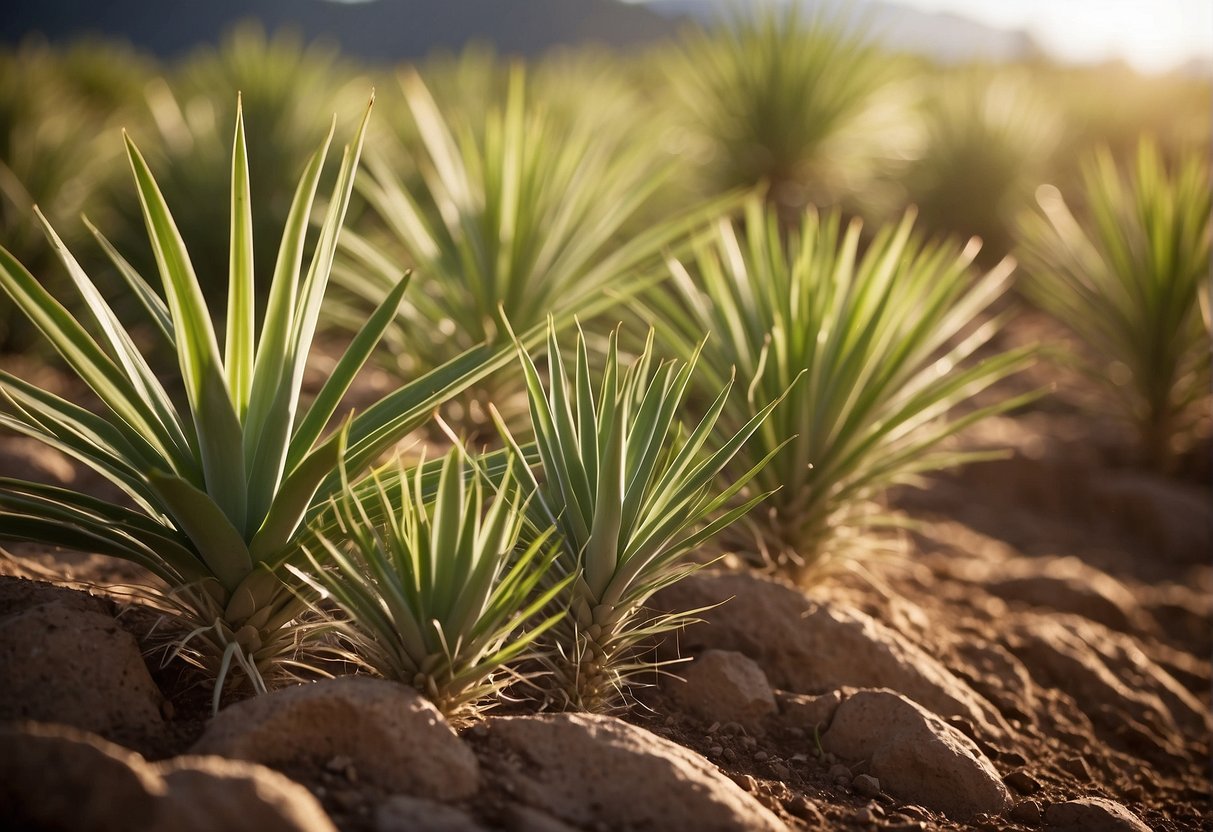
To ensure that your yucca plant thrives, it’s essential to provide it with the proper growing conditions. Yucca plants prefer bright, indirect light and well-draining soil. They can tolerate a range of temperatures, but they prefer warm, dry conditions. If you’re growing your yucca plant indoors, make sure to rotate it regularly to ensure that all sides receive adequate light.
Maintenance and Problem-Solving:
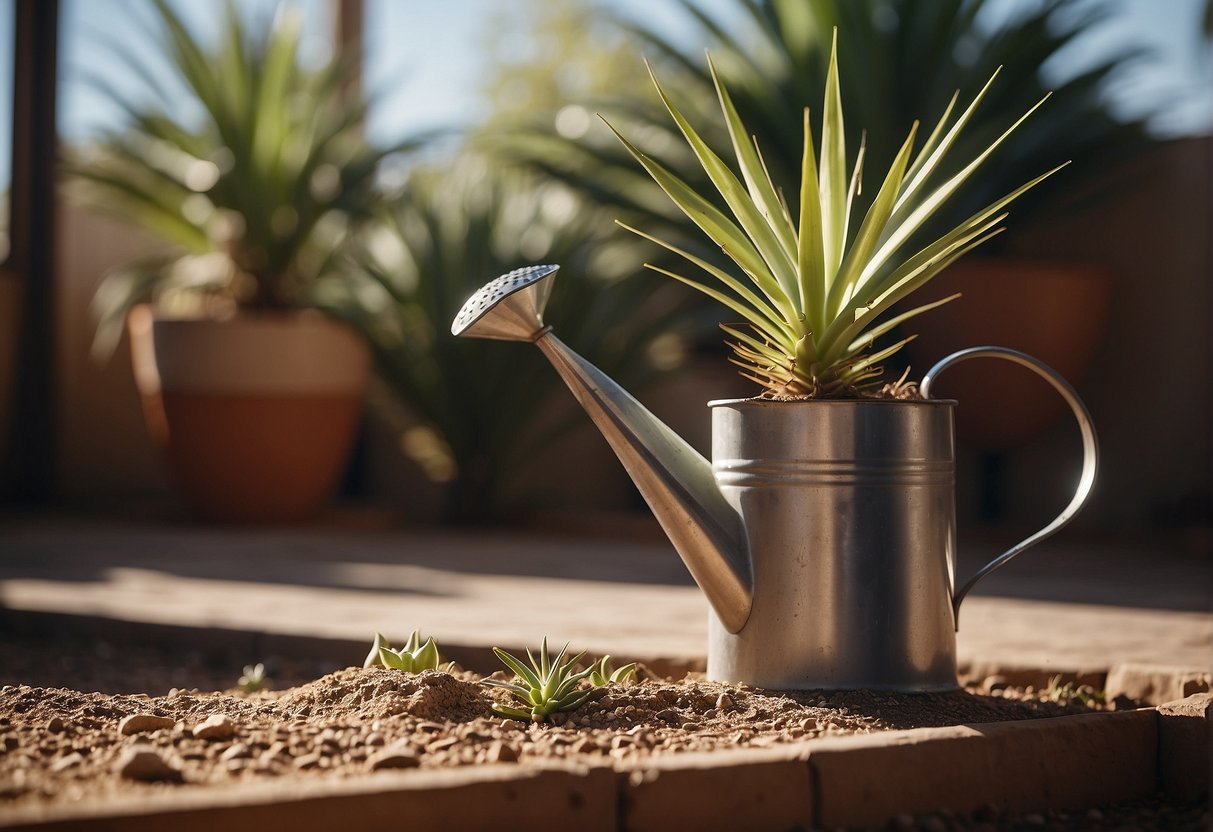
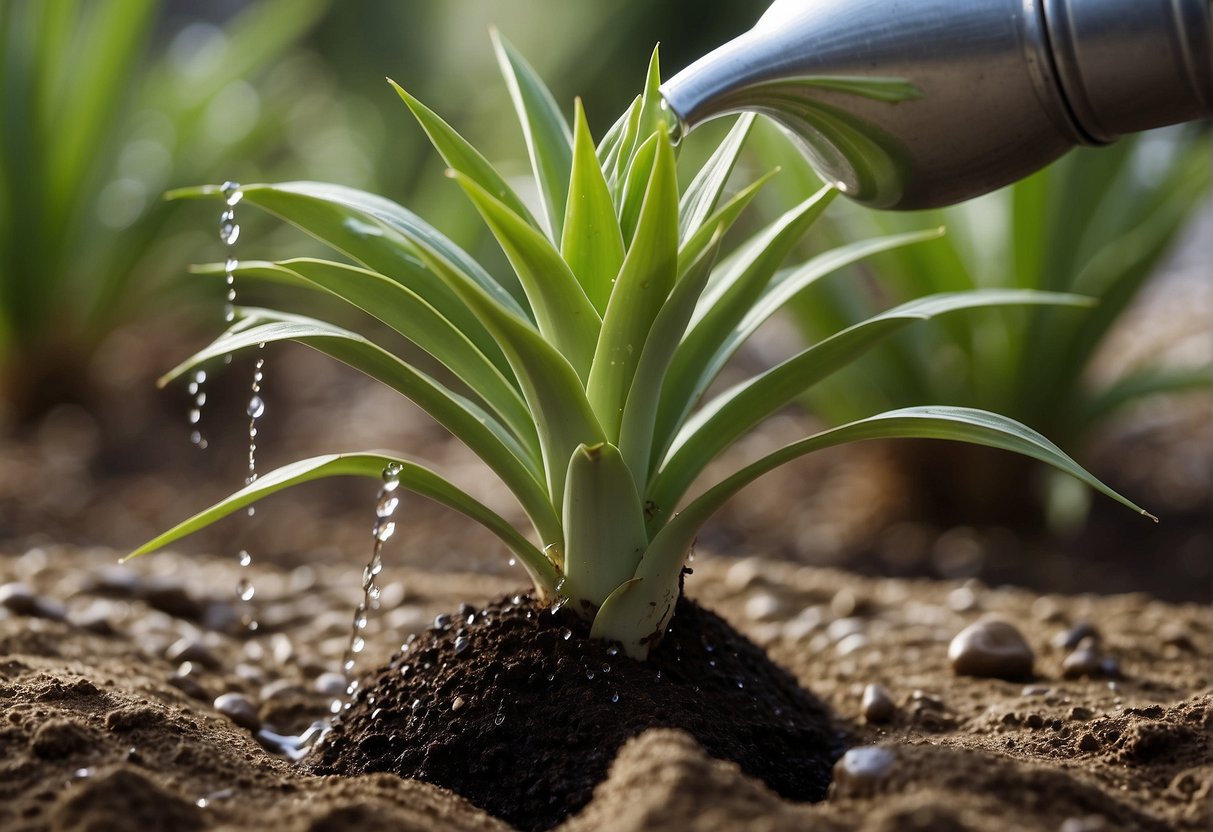
While yucca plants are relatively low maintenance, they still require some care to keep them healthy. Water your yucca plant sparingly, allowing the soil to dry out completely between waterings. Overwatering can lead to root rot, which can kill the plant. Prune your yucca plant as needed to remove dead or damaged leaves. If you notice any pests or other problems, take action immediately to prevent them from spreading.
Key Takeaways
Yucca plants prefer bright, indirect light and well-draining soil.
Water your yucca plant sparingly, allowing the soil to dry out completely between waterings.
Prune your yucca plant as needed to remove dead or damaged leaves.
Optimal Growing Conditions
To ensure that your yucca plants thrive, it is important to provide them with the optimal growing conditions. This includes the right soil, light and temperature, watering and humidity, as well as fertilization and nutrients.
Soil Requirements
Yucca plants prefer well-draining soil that is not too rich in nutrients. They can tolerate a wide range of soil pH levels, but a slightly acidic to neutral soil is ideal. If you’re planting yuccas in a garden, make sure the soil is well-draining and not too heavy. If you’re growing yuccas in containers, use a potting soil that is specifically formulated for cacti and succulents.
Light and Temperature
Yucca plants are hardy and can tolerate a wide range of temperatures, but they prefer warm temperatures and full sun. If you’re growing yuccas indoors, make sure they are placed in a bright spot near a window that receives plenty of sunlight. Yuccas can also tolerate low light conditions, but they will grow more slowly. The ideal temperature range for yuccas is between 60 and 95 degrees Fahrenheit.
Watering and Humidity
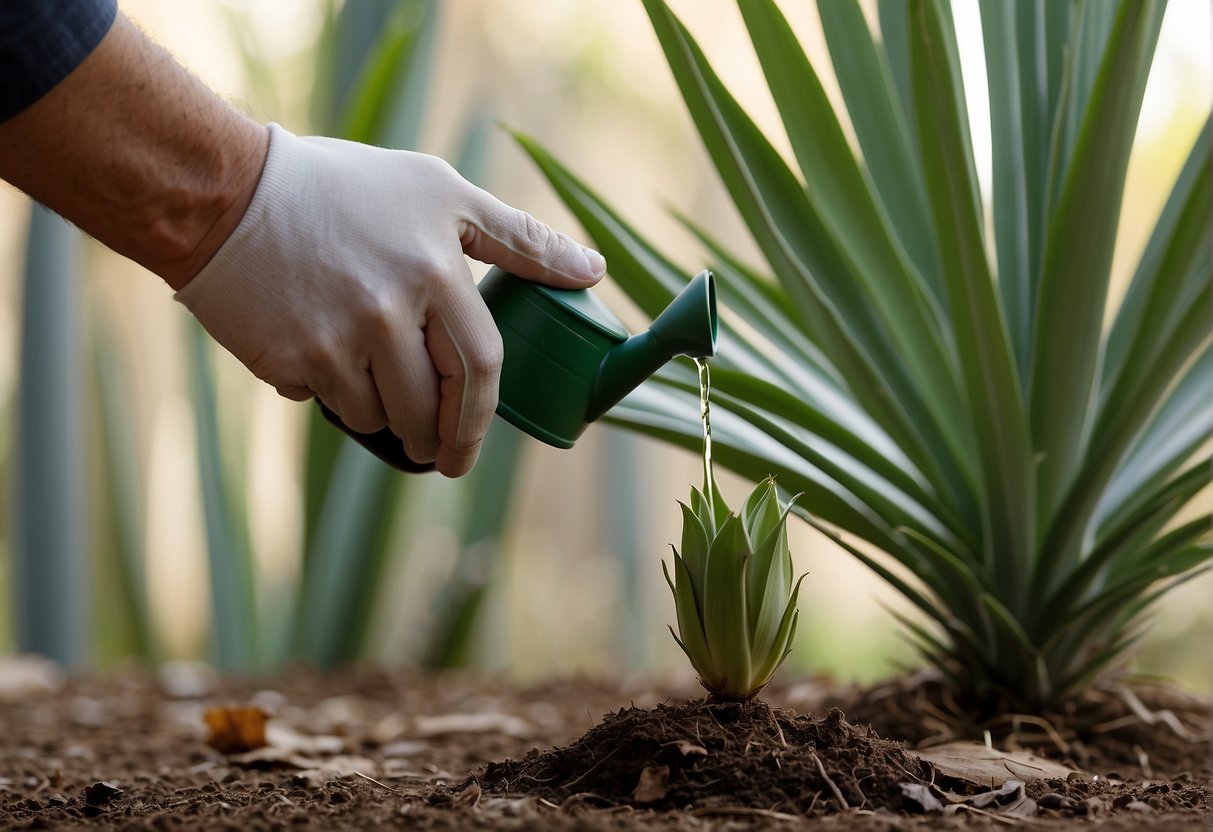
Yucca plants are drought tolerant and can survive long periods without water. However, it is important not to overwater them as this can lead to root rot. Allow the soil to dry out completely between waterings and make sure the pot has drainage holes. Yuccas also prefer low humidity levels, so avoid misting them or placing them in a humid environment.
Fertilization and Nutrients
Yucca plants do not require frequent fertilization, but they can benefit from occasional feedings during the growing season. Use a balanced fertilizer that is specifically formulated for cacti and succulents. Avoid over-fertilizing as this can lead to burned roots and damage to the plant.
Maintenance and Problem-Solving
Yucca plants are generally low maintenance, but they still require some care to thrive. Here are some tips for maintaining and problem-solving your yucca plant.
Propagation and Planting
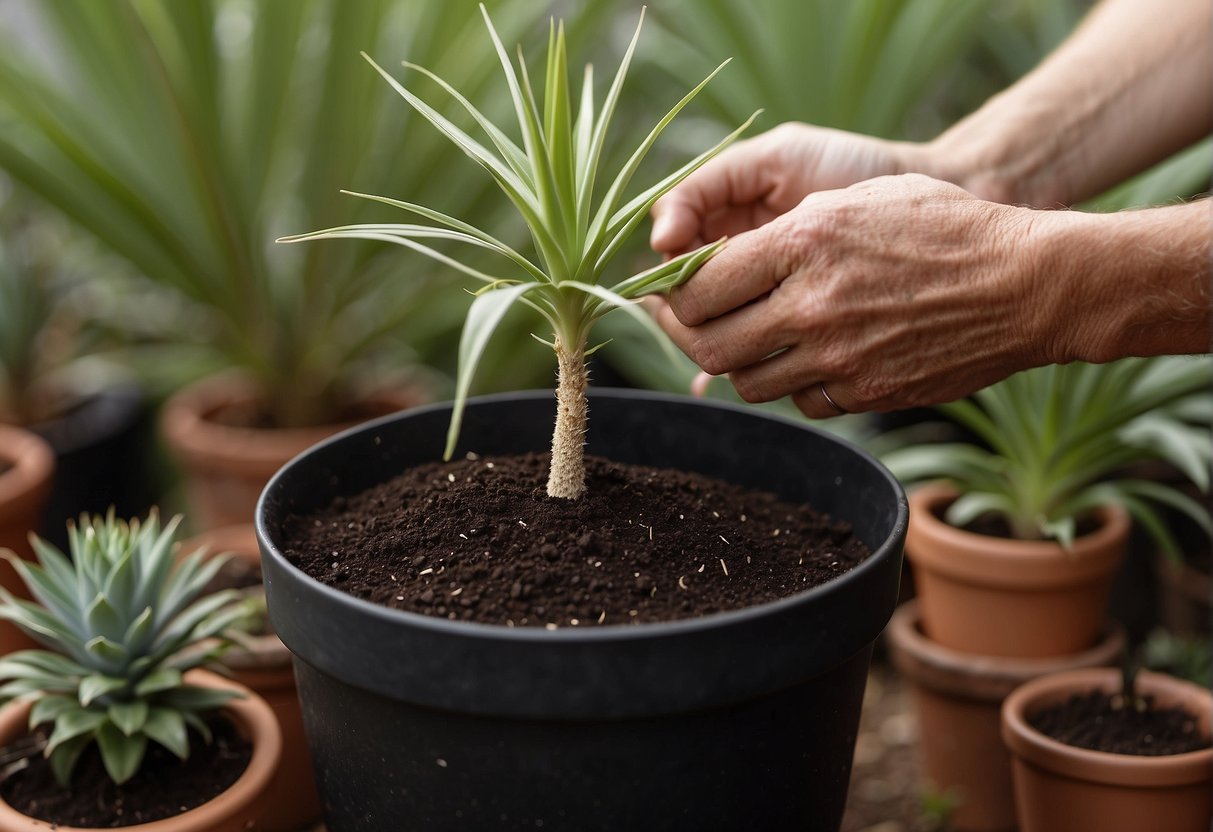
Propagating yucca plants can be done through seed or stem cuttings. To propagate through stem cuttings, use a sharp knife to cut a stem from a mature yucca plant. Allow the cuttings to dry out for a few days before planting. Plant the cuttings in well-draining soil and water sparingly until they establish roots.
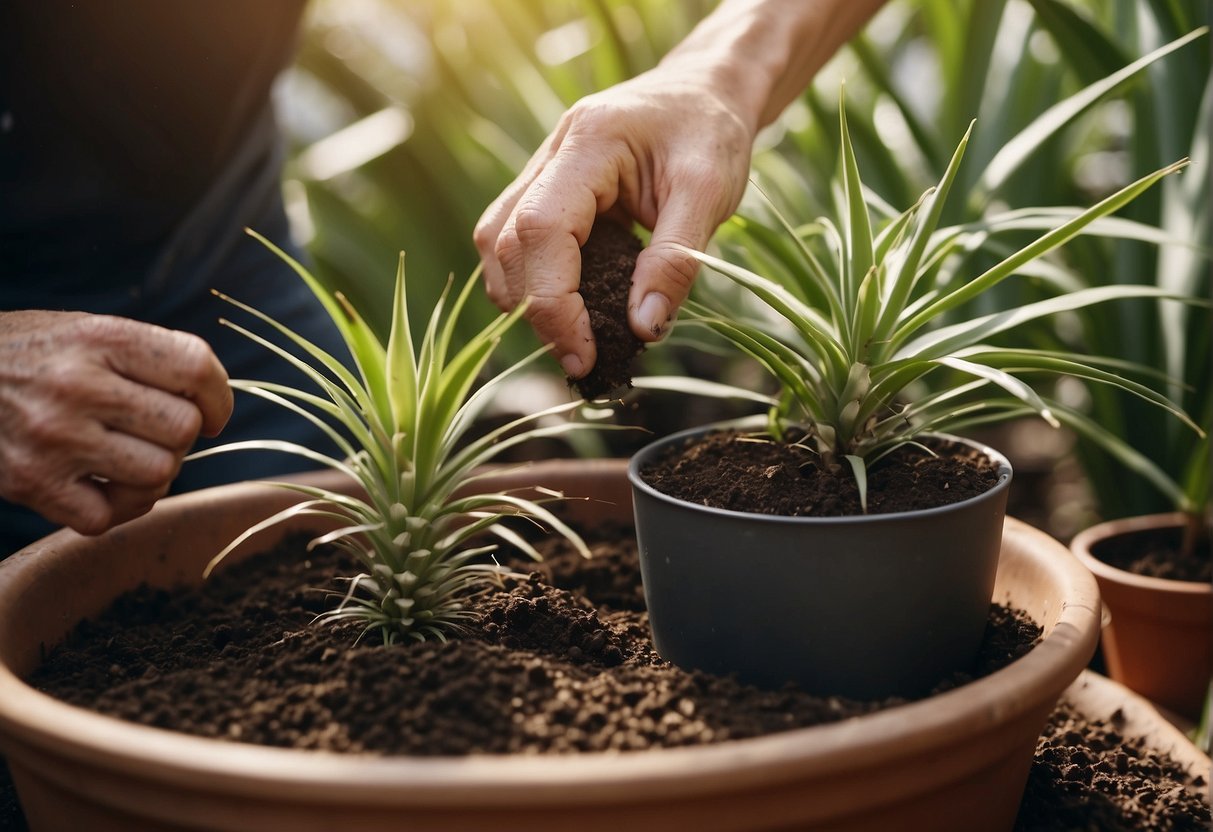
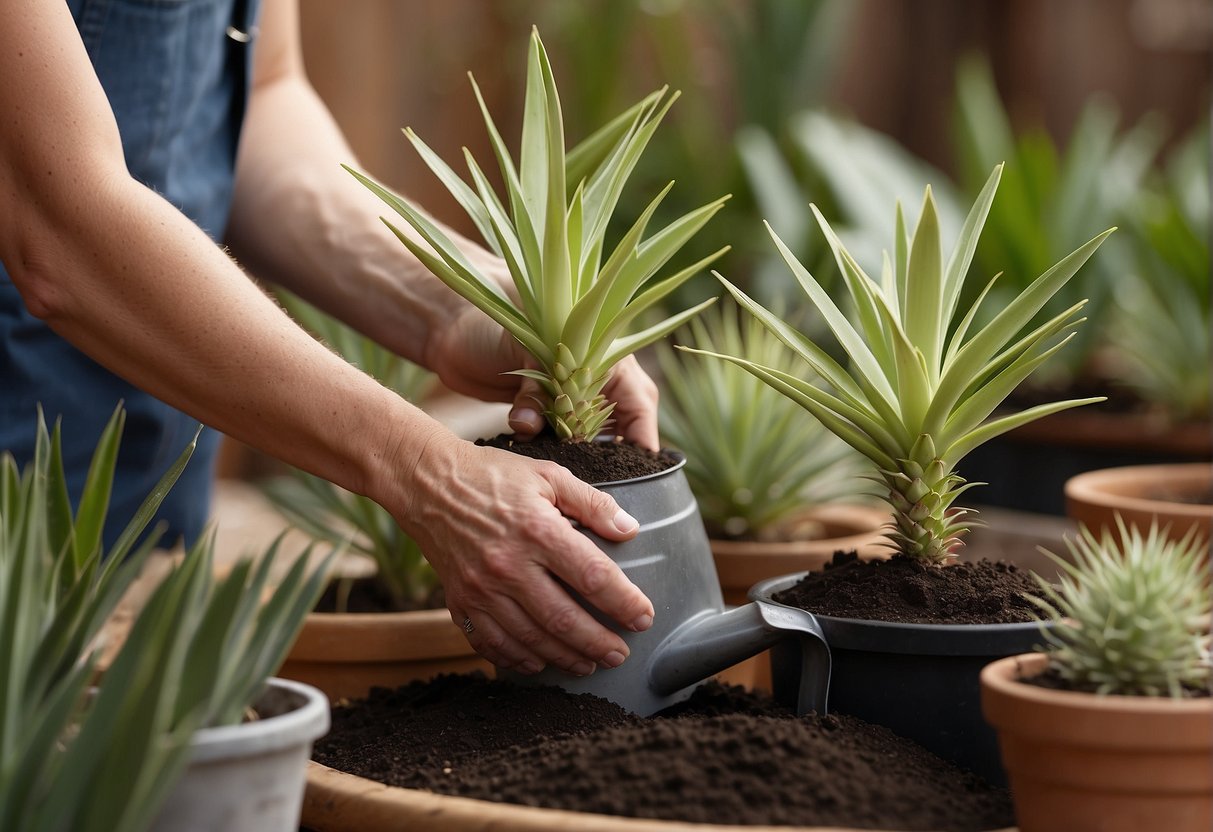
When planting a mature yucca plant, choose a pot that is slightly larger than the current one. Fill the new pot with well-draining soil and carefully transfer the plant to the new pot. Water the plant sparingly until it establishes roots.
Common Pests and Diseases
Yucca plants are generally resistant to pests and diseases, but they can still be affected by mealybugs, scale insects, root rot, and leaf spot. To prevent these issues, keep the plant in a well-ventilated area and avoid overwatering. If you notice any signs of pests or diseases, treat the plant with an appropriate pesticide or fungicide.
Pruning and Repotting
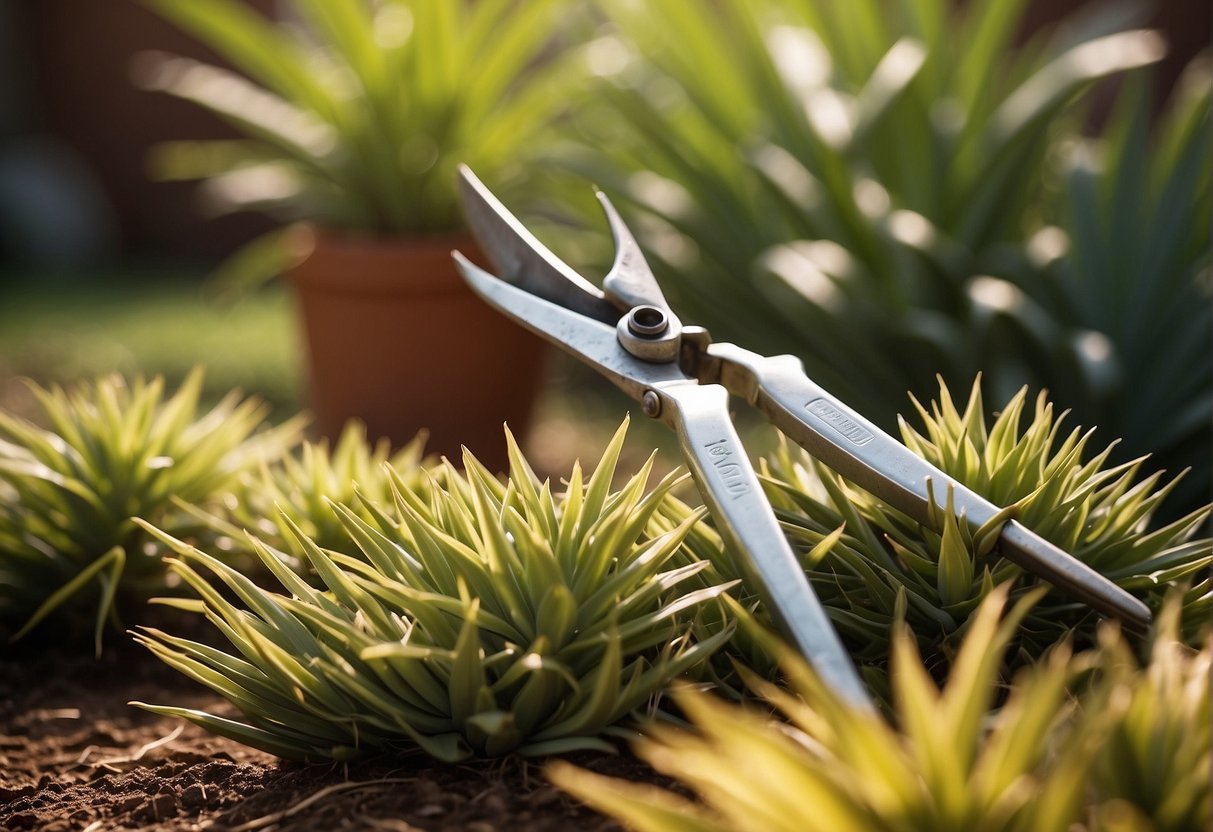
Pruning is not necessary for yucca plants, but you can trim off any yellow leaves or spiky leaves to maintain the plant’s appearance. Repotting should only be done when the plant has outgrown its current pot or if the soil has become too compacted. When repotting, choose a pot that is slightly larger than the current one and fill it with well-draining soil.
Addressing Discoloration and Growth Issues
If your yucca plant is experiencing discoloration or growth issues, it may be due to overwatering or poor soil quality. Ensure that the plant is not being overwatered and that it is receiving enough sunlight. If the soil quality is poor, consider repotting the plant with fresh soil or adding fertilizer to the current soil. If the issue persists, consult a plant expert for further advice.
Frequently Asked Questions
What are the best practices for watering yucca plants indoors?
When it comes to watering yucca plants, it’s important to strike a balance between keeping the soil moist and avoiding overwatering. You should water your indoor yucca plant when the top inch of soil feels dry to the touch. Be sure to use a well-draining potting mix and a container with drainage holes to prevent water from accumulating at the bottom.
How often should I fertilize my indoor yucca plant, and what type of fertilizer should I use?
During the growing season, you should fertilize your indoor yucca plant every two to three weeks with a balanced, water-soluble fertilizer. Follow the instructions on the fertilizer package for the correct amount to use. During the winter months, you can reduce fertilization to once a month or stop entirely.
What is the ideal lighting setup for a yucca plant grown indoors?
Yucca plants require bright, indirect light to thrive indoors. Place your plant near a south- or west-facing window with filtered sunlight. If your home doesn’t receive enough natural light, you can supplement with artificial light using a grow light.
How should I prune an outdoor yucca plant to maintain its health and appearance?
Pruning an outdoor yucca plant is simple. Use sharp, clean pruning shears to remove dead or damaged leaves and stems. You can also remove the spent flower stalks after they’ve finished blooming. Avoid cutting into the trunk or main stem, as this can damage the plant.
What steps can I take to protect my outdoor yucca plant during the winter months?
Yucca plants are hardy and can survive cold temperatures, but it’s still important to protect them during the winter months. Cover the plant with a frost blanket or burlap to prevent frost damage. You can also mulch around the base of the plant to insulate the roots.
How do I identify and treat common problems affecting yucca plants?
Common problems affecting yucca plants include root rot, spider mites, and mealybugs. Look for signs of yellowing or wilting leaves, webbing, or white, cottony masses on the leaves or stems. To treat these issues, you can adjust your watering schedule, use insecticidal soap, or prune affected areas.
Hi Lovelies ! I made this blog to share my tips about Home Improvement, Children, Pets, Food, Gadgets, Automotive, Health & Beauty, and ways to be frugal while maintaining a natural lifestyle. Interested to be a Guest Blogger on my website? Please email me at: [email protected]