Home » Blog » How to Winterize Yucca Plants: A Clear Guide
How to Winterize Yucca Plants: A Clear Guide
December 29, 2024
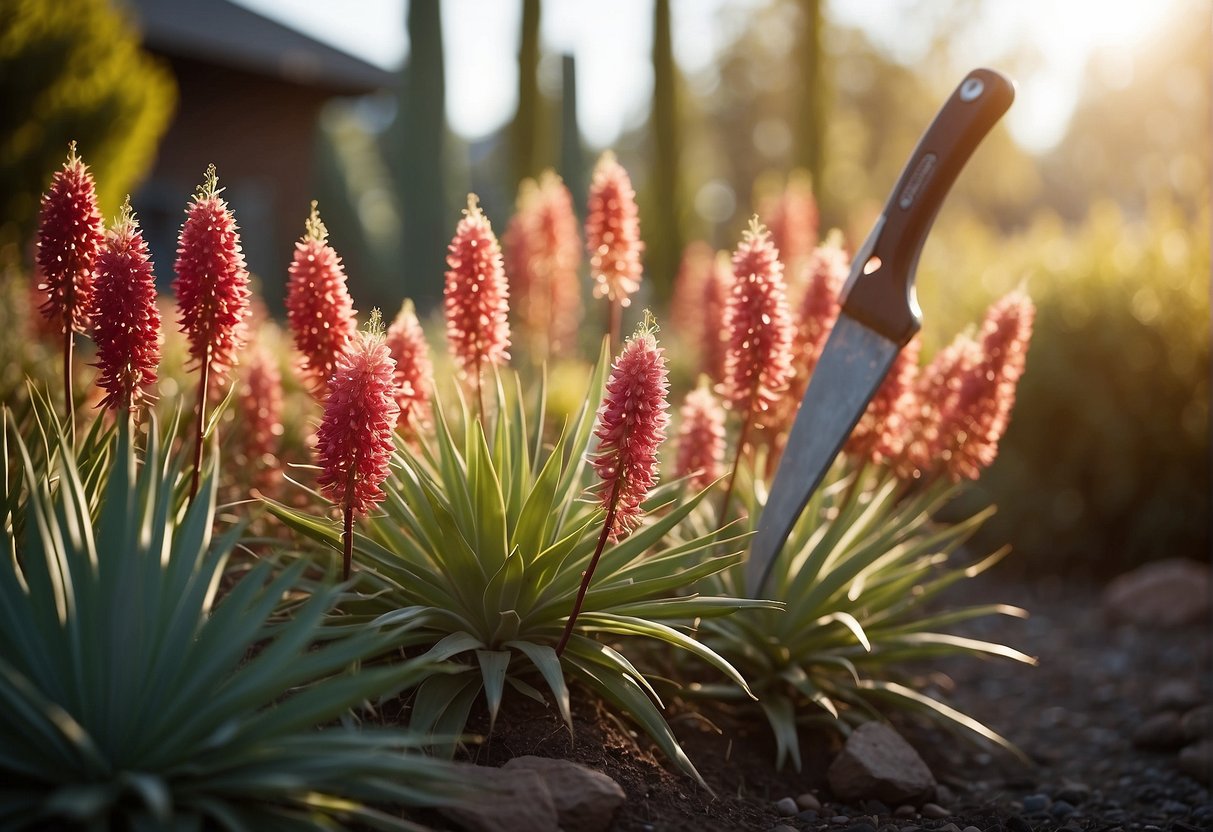
Winter presents difficulties for numerous plant species, yucca plants included. Originating from North America, these resilient perennials are equipped to endure diverse weather conditions. Nevertheless, severe winter climates and frigid temperatures can still harm yucca plants. It is, therefore, essential to implement measures to safeguard your yucca plants during winter and shield them against the cold.
Preparing your yucca plants for winter involves a few key steps. First, you’ll want to make sure they’re healthy and well-nourished before the cold weather sets in. This can involve fertilizing them with a balanced fertilizer and making sure they’re well-watered. You’ll also want to prune any dead or damaged leaves or stems to help the plant conserve energy.
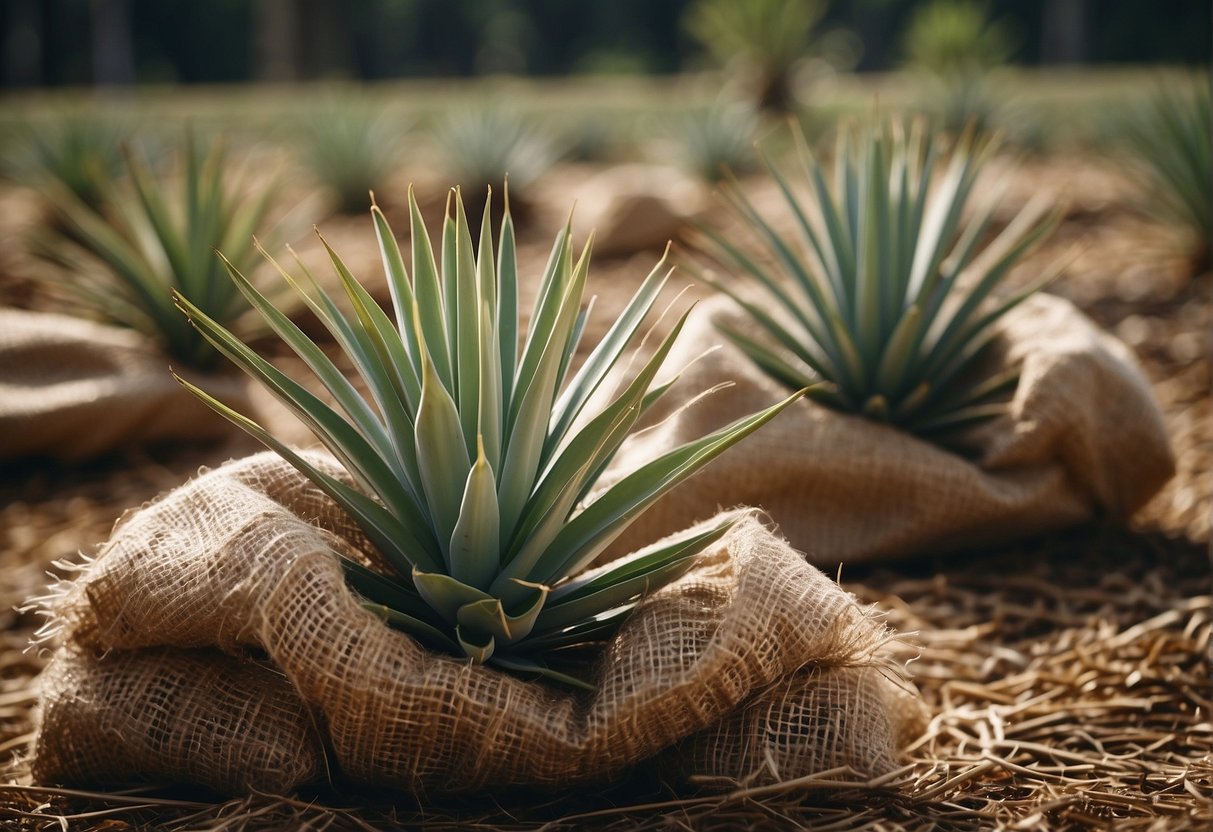
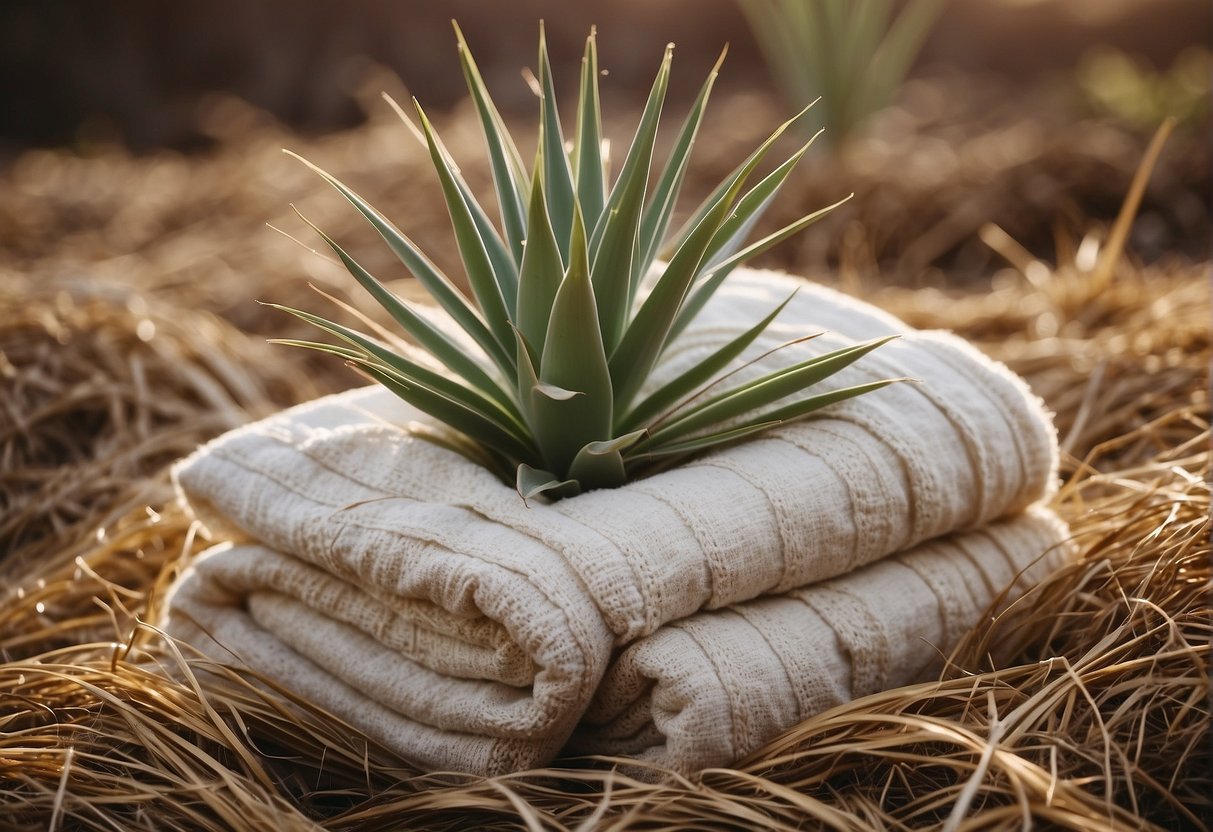
Protecting your yucca plants from extreme cold is also important. This can involve mulching around the base of the plant to help insulate the roots, covering the plant with a frost blanket or burlap, or even moving the plant indoors if possible. By taking these steps, you can help ensure that your yucca plants survive the winter and come back strong in the spring.
Key Takeaways
Preparing yucca plants for winter involves fertilizing, pruning, and ensuring they’re well-nourished.
Protecting yucca plants from extreme cold can involve mulching, covering with a frost blanket, or moving indoors.
Taking steps to winterize your yucca plants can help ensure they survive the winter and thrive in the spring.
Preparing Yucca Plants for Winter
If you live in an area with cold winters, it’s important to prepare your yucca plants for the season. Here are some tips to help your yucca survive the winter and thrive come spring.
Watering and Moisture Control
Yucca plants are drought-tolerant and don’t need much water, especially in the winter when they’re dormant. However, it’s still important to water sparingly to prevent the roots from drying out completely. Water your yucca thoroughly once every few weeks, making sure the soil is well-draining and doesn’t stay soggy.
Pruning and Trimming
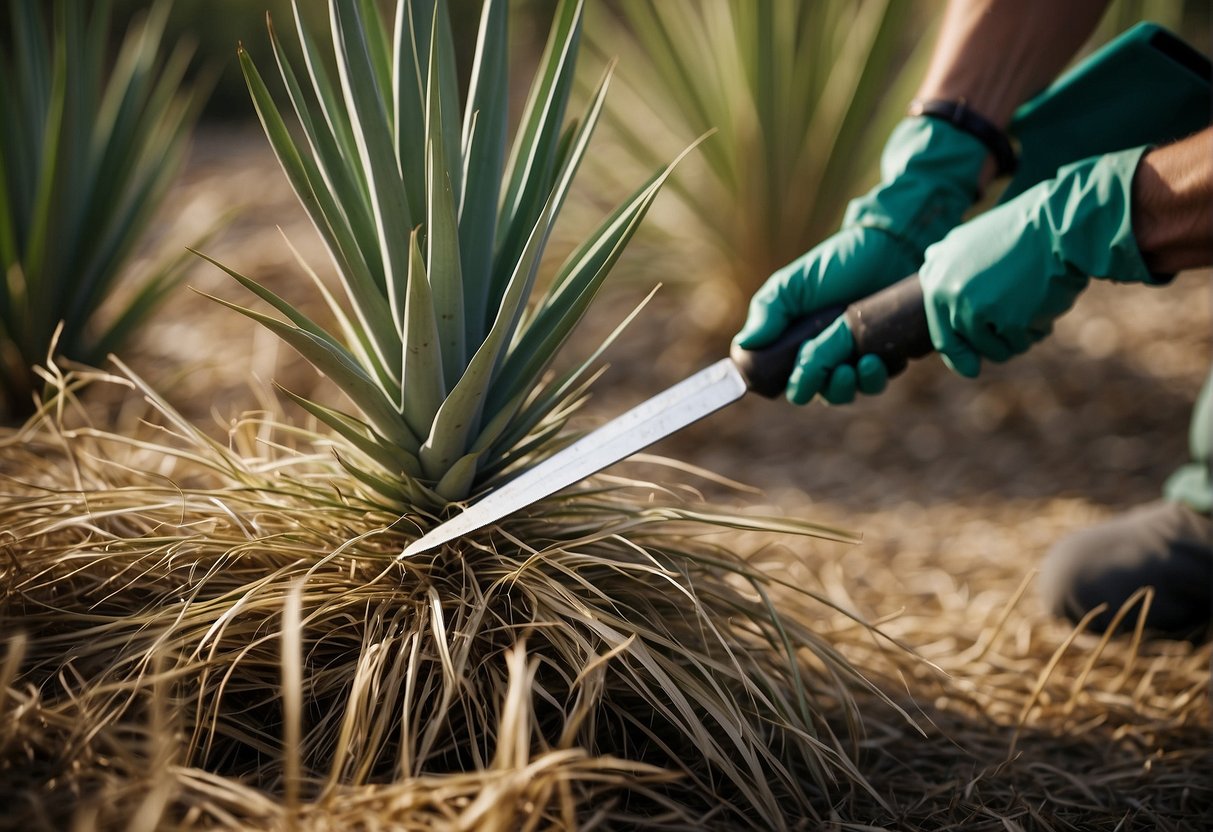
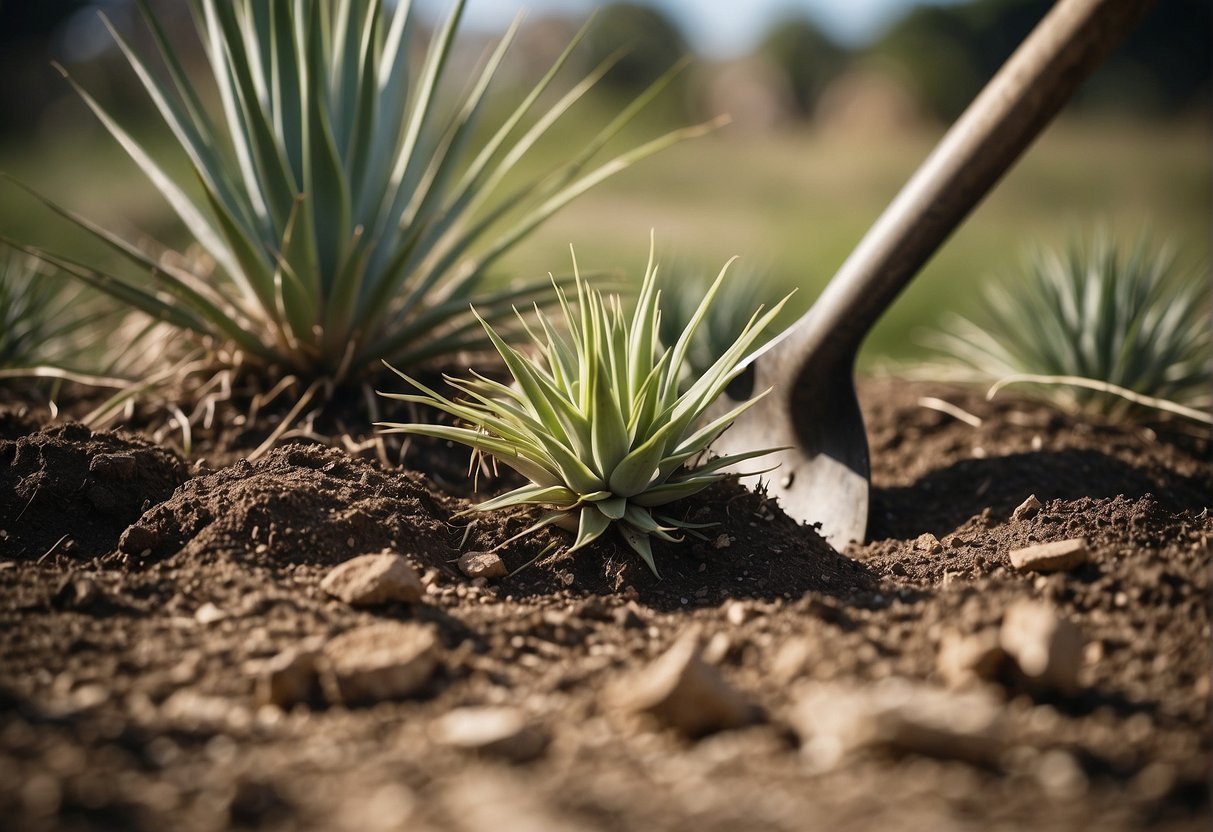
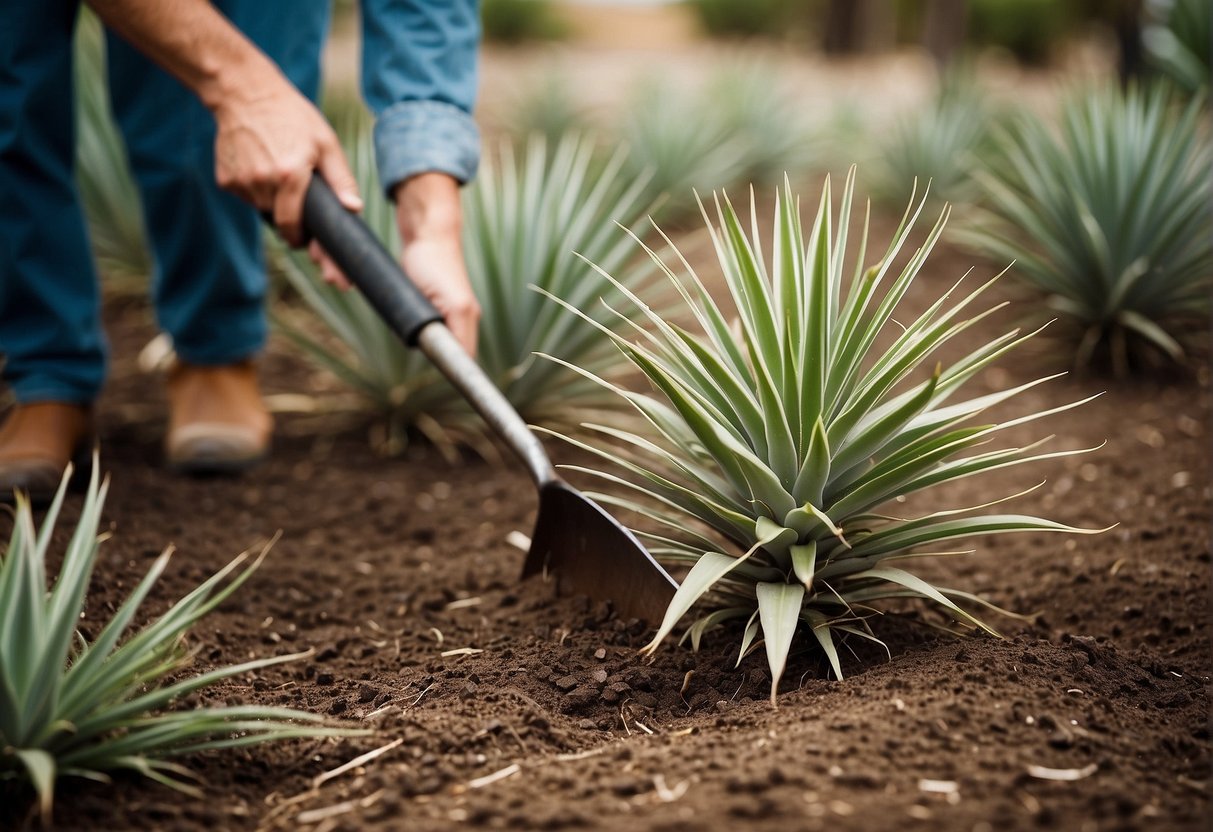
Pruning yucca plants in the fall can help prevent rot and disease from setting in over the winter. Cut back any dead or damaged leaves, flower stalks, or stem tips using sharp, clean shears. Be careful not to damage the main stem or any healthy leaves. Yucca plants can be quite spiky, so wear gloves and protective clothing when pruning.
Mulching and Insulation
Mulching around the base of your yucca plant can help insulate the roots and protect them from freezing temperatures. Use shredded bark, pine straw, or another type of mulching material to create a layer several inches thick. Make sure the mulch doesn’t touch the stem or leaves, as this can cause moisture buildup and lead to rot.
By following these simple steps, you can help your yucca plants survive the winter and come back strong in the spring. Remember to water sparingly, prune and trim as needed, and provide insulation with a layer of mulch. With proper care, your yucca plants will thrive for years to come.
Protecting Yucca Plants from Extreme Cold
If you live in an area with cold temperatures, it is important to protect your yucca plants from frost damage. Here are some techniques you can use to keep your plants healthy during the winter months.
Covering Techniques
One way to protect your yucca plants from the cold is to cover them. You can use burlap, plastic sheeting, or frost blankets to create a barrier between the plant and the cold air. Make sure to secure the coverings tightly to prevent wind damage.
Utilizing Microclimate
Yucca plants prefer full sun and warm weather, but in colder climates, you can create a microclimate to protect them. Plant your yucca near a south-facing wall or in a sheltered area to take advantage of the warmth. You can also use non-LED Christmas lights or an incandescent 60-watt bulb to provide additional heat.
Container Yucca Winterization
If you have yucca plants in containers, you can move them indoors during the winter months. Make sure the container has good drainage and place it in a bright, cool area. Reduce watering and fertilizing during the winter months to allow the plant to go dormant.
Remember, yucca plants are hardy and can withstand cold temperatures, but deep freezes and snow damage can be detrimental. By utilizing these techniques, you can protect your yucca plants and ensure they regrow and bloom in the spring.
Frequently Asked Questions
What are the necessary steps to protect indoor yucca plants during winter?
To protect indoor yucca plants during winter, you should keep them away from cold drafts and provide adequate lighting. Water them only when the soil is dry to avoid overwatering, which can cause root rot. You may also want to consider using a humidifier to maintain proper moisture levels.
How should yucca plants in zone 7 be prepared for cold weather?
Yucca plants in zone 7 should be prepared for cold weather by mulching around the base of the plant with a layer of organic material, such as leaves or straw. You may also want to wrap the plant with burlap or frost cloth to protect it from harsh winds and freezing temperatures.
What is the proper technique for wrapping outdoor yucca plants to ensure winter survival?
To wrap outdoor yucca plants, start by tying the leaves together at the top of the plant to prevent them from splaying out. Next, wrap the plant with burlap or frost cloth, making sure to cover the entire plant. Secure the wrapping with twine or string, and add a layer of mulch around the base of the plant for added insulation.
At what temperature should yucca plants be moved indoors or protected?
Yucca plants should be moved indoors or protected when temperatures drop below 30°F (-1°C). However, keep in mind that different yucca species have varying levels of cold tolerance, so it’s best to research your specific plant to determine the appropriate temperature threshold.
What are the implications of a freeze on yucca plants, and will they recover?
A freeze can damage or kill yucca plants, especially if they are not properly protected. Symptoms of freeze damage include blackened or mushy leaves and stem, and wilting. If your yucca plant is damaged by a freeze, it may recover if the roots are still healthy. However, severe damage may require the plant to be removed and replaced.
Is it necessary to prune yucca plants before the winter season begins?
It is not necessary to prune yucca plants before the winter season begins. However, if your plant has dead or damaged leaves, you may want to remove them to prevent disease and insect infestations. Additionally, pruning can help maintain the overall shape and size of your plant.
Hi Lovelies ! I made this blog to share my tips about Home Improvement, Children, Pets, Food, Gadgets, Automotive, Health & Beauty, and ways to be frugal while maintaining a natural lifestyle. Interested to be a Guest Blogger on my website? Please email me at: [email protected]