Home » Blog » How Dangerous Are Yucca Plants? A Knowledgeable and Clear Guide
How Dangerous Are Yucca Plants? A Knowledgeable and Clear Guide
December 31, 2024
Yucca plants have gained popularity among both garden enthusiasts and homeowners for their distinctive appearance and minimal upkeep needs. Nonetheless, it’s important to note that there are some safety concerns tied to these plants that are often overlooked. Although yucca plants are largely considered safe, there are certain hazards linked to them that you should be mindful of.
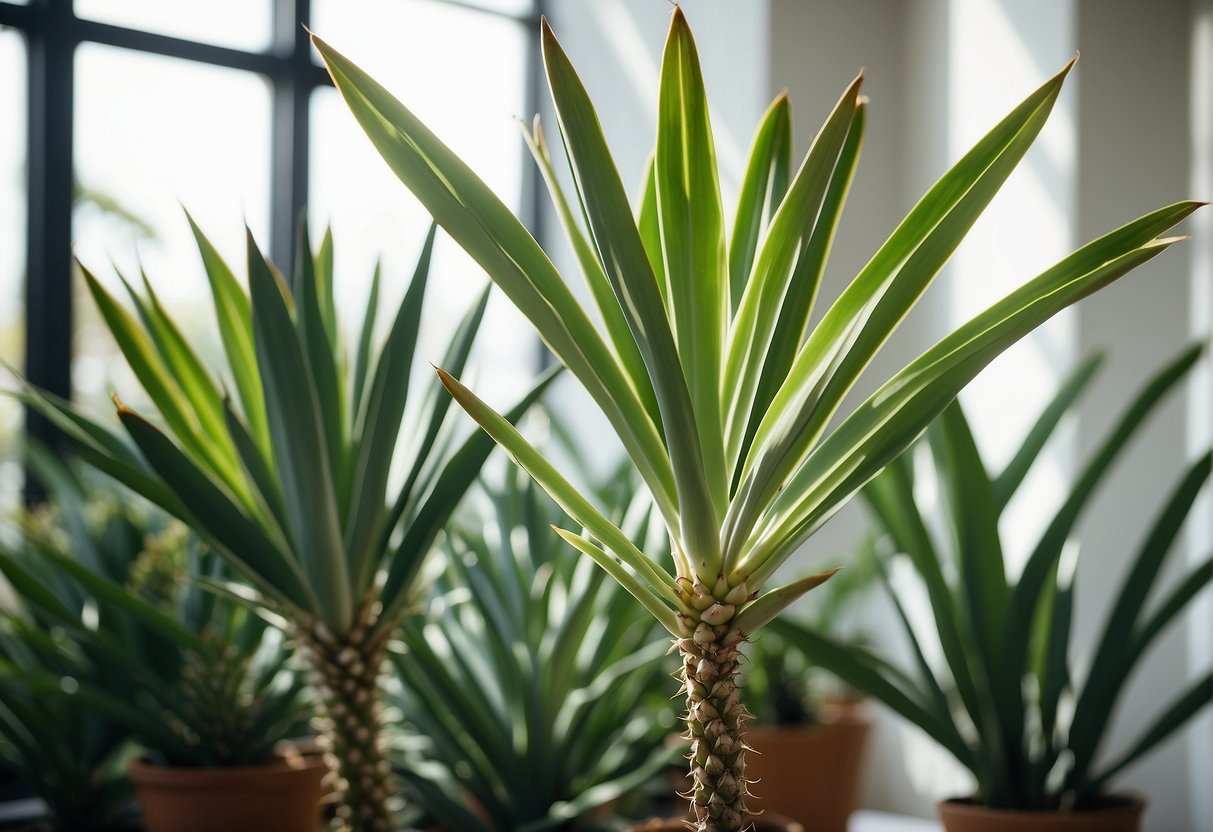
One of the main hazards of yucca plants is their sharp leaves. These leaves can cause injury if you come into contact with them, especially if you accidentally brush against them or fall onto them. Additionally, some species of yucca plants produce a sap that can cause skin irritation or an allergic reaction in some individuals. It’s important to take precautions when handling yucca plants to avoid injury or irritation.
Despite these risks, yucca plants are generally safe as long as you take proper care when handling them. By understanding the potential hazards and taking appropriate precautions, you can enjoy the beauty of these unique plants without putting yourself at risk.
Potential Hazards of Yucca Plants
Yucca plants are a popular choice for adding a touch of greenery to your home or garden, but it’s important to be aware of the potential hazards they can pose. Here are some of the risks associated with yucca plants:
Toxicity to Pets and Humans
Yucca plants contain saponins, which are toxic to both pets and humans. If ingested, these chemicals can cause vomiting, diarrhea, and even a rash. While the toxicity of yucca plants is generally low, it’s still important to keep them out of reach of children and pets.
If you have cats or dogs, it’s especially important to be cautious. Pets are more likely to chew on plants, and the sword-like leaves of yuccas can cause physical injury to their mouths and digestive systems.
Physical Injuries from Yuccas
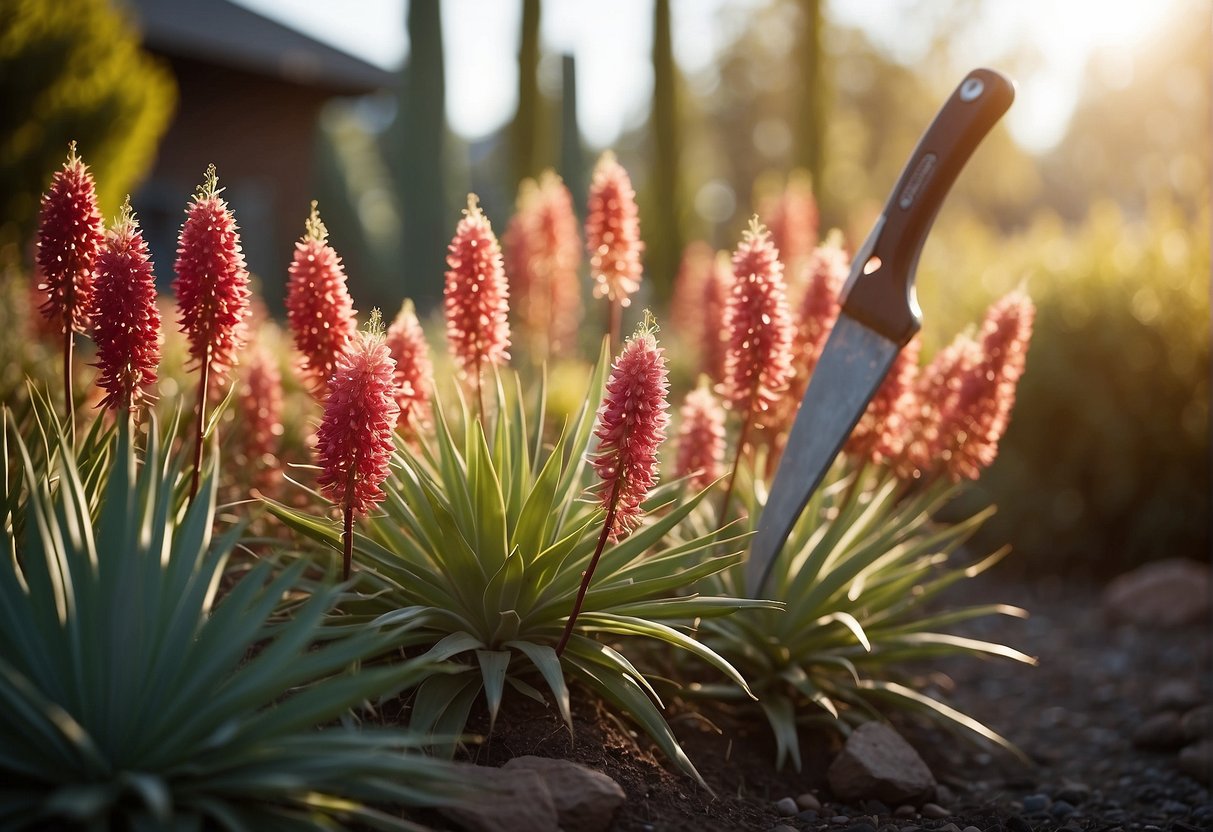
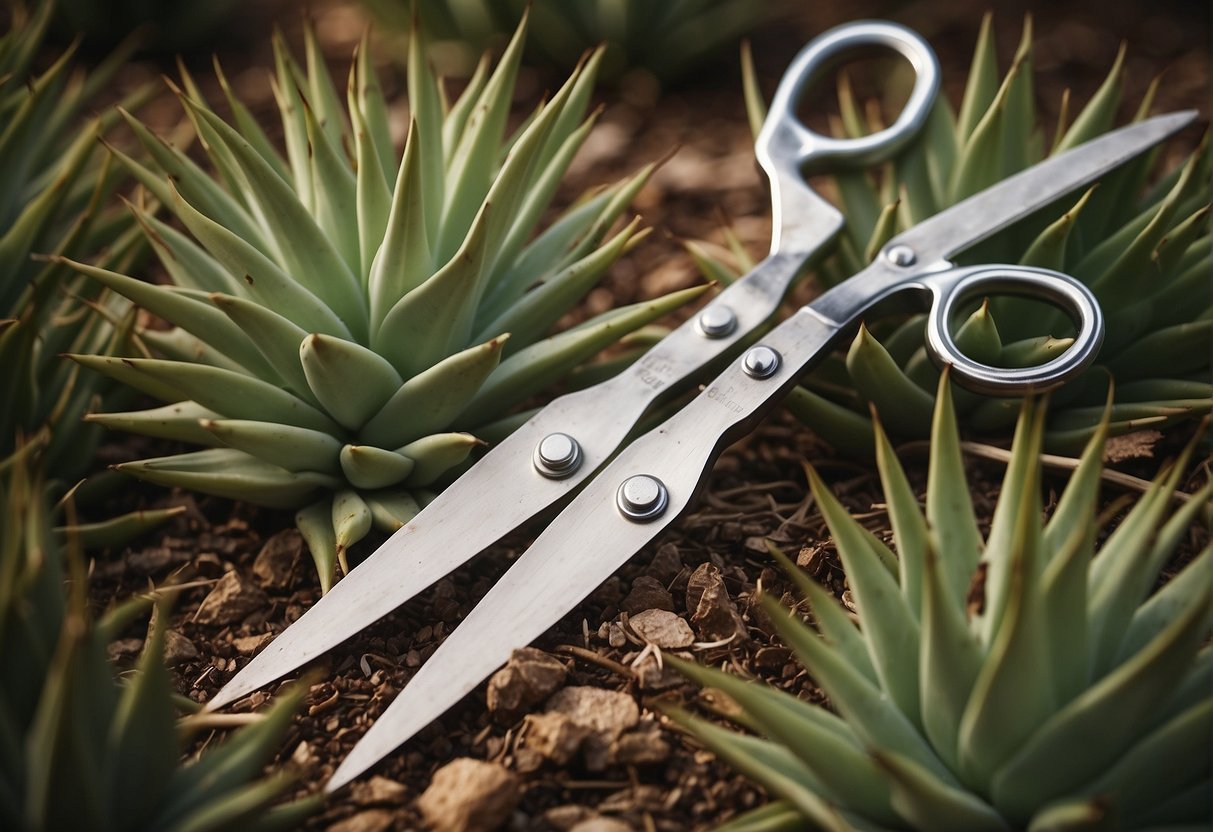
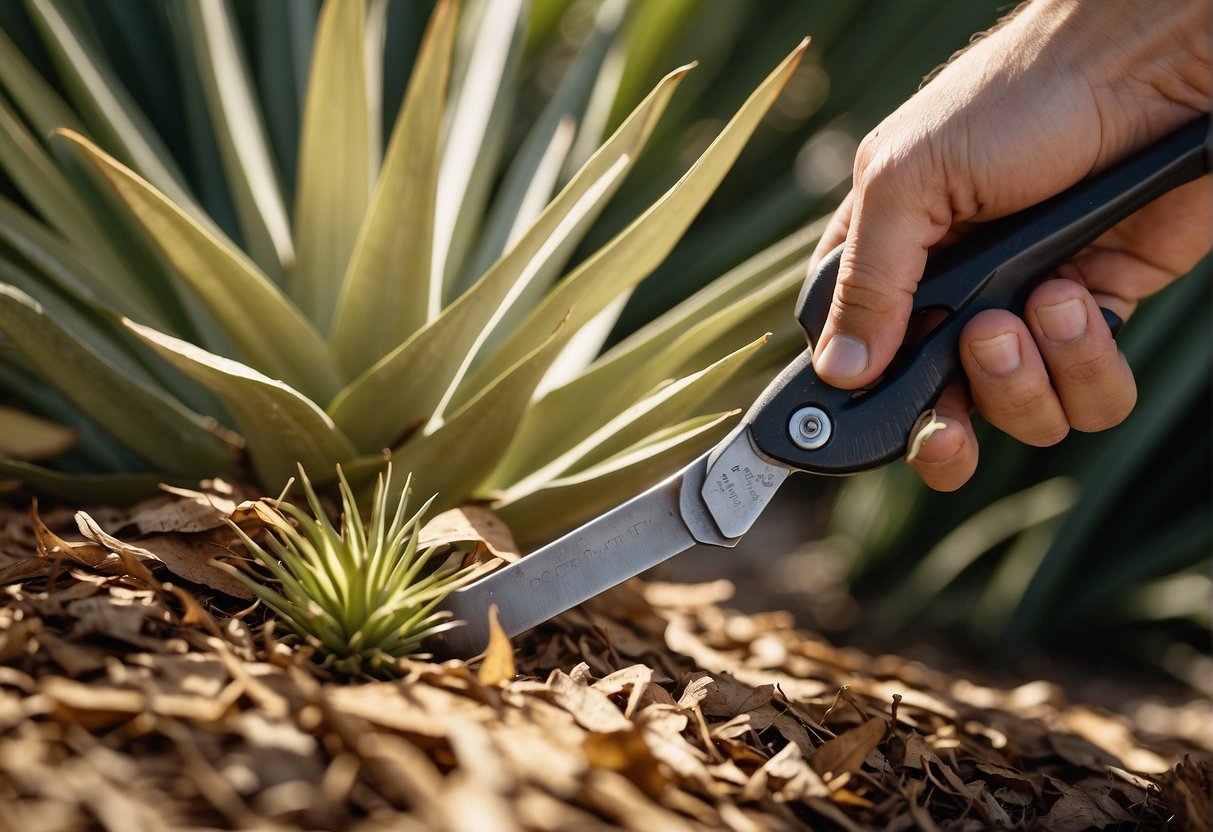
In addition to their toxicity, yucca plants can also cause physical injuries. The leaves of yuccas are sharp and can cause eye injuries if they come in contact with your face. When pruning yuccas, it’s important to wear protective clothing and gloves to avoid injury.
Overall, while yucca plants can be a beautiful addition to your home or garden, it’s important to be aware of the potential hazards they can pose. By taking appropriate precautions, you can enjoy the beauty of yuccas while minimizing the risks they present.
Caring for Yucca Plants
Yucca plants are known for their hardiness and drought tolerance, making them a popular choice for gardens and indoor spaces. However, caring for yucca plants requires proper planting, soil, watering, and maintenance techniques. Here are some tips to help you care for your yucca plants:
Planting and Soil Requirements
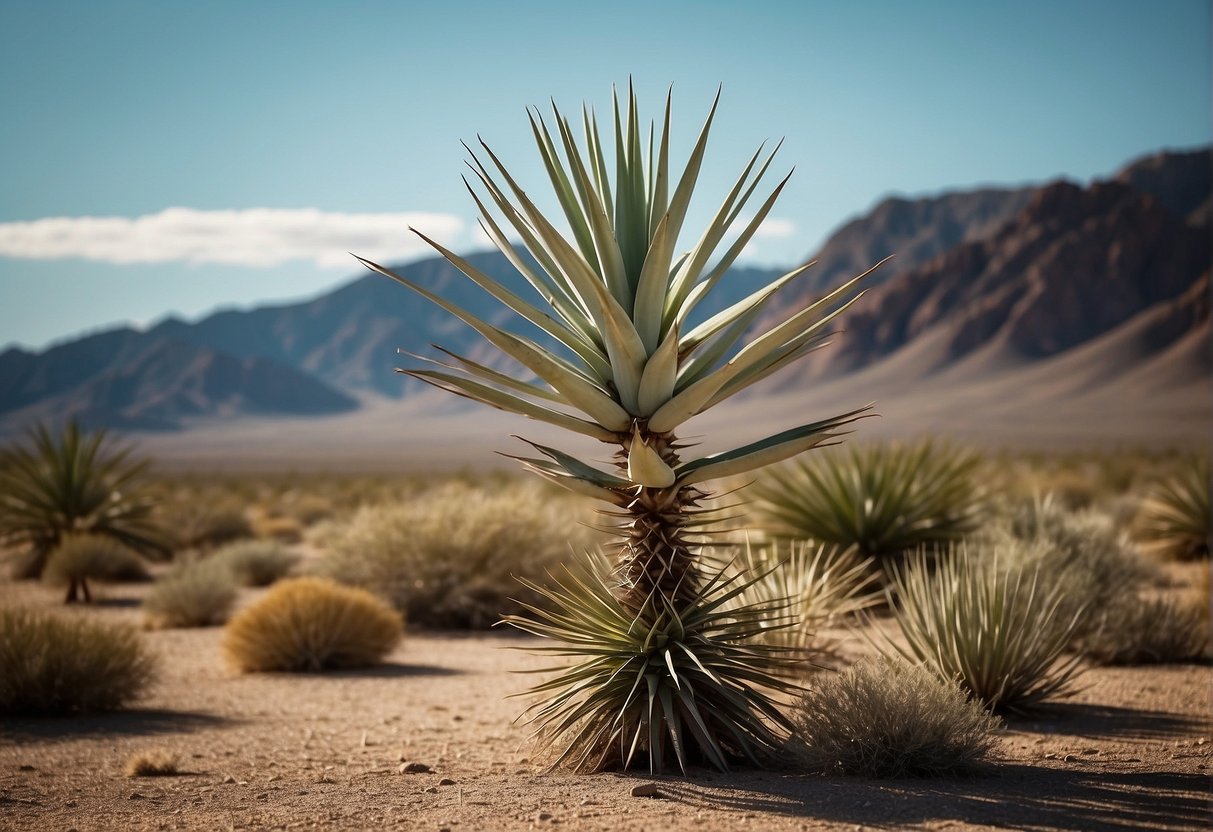
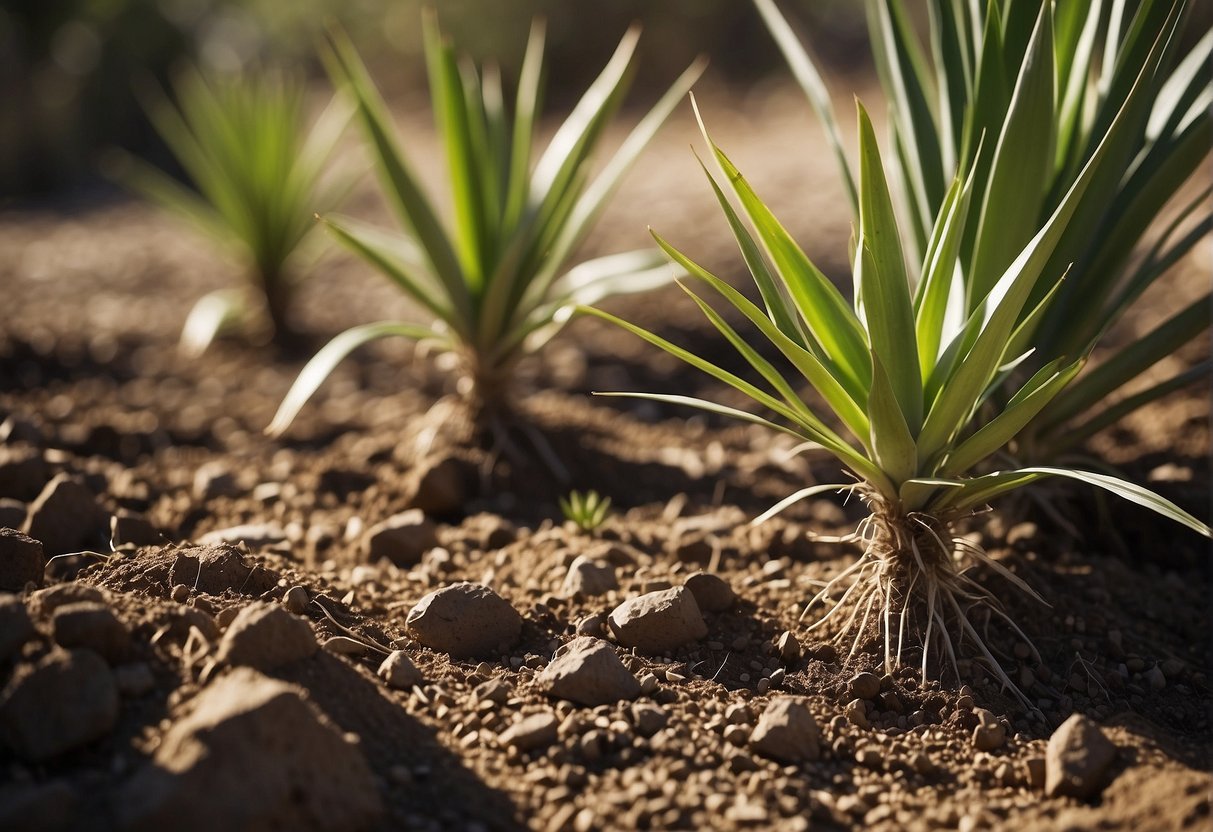
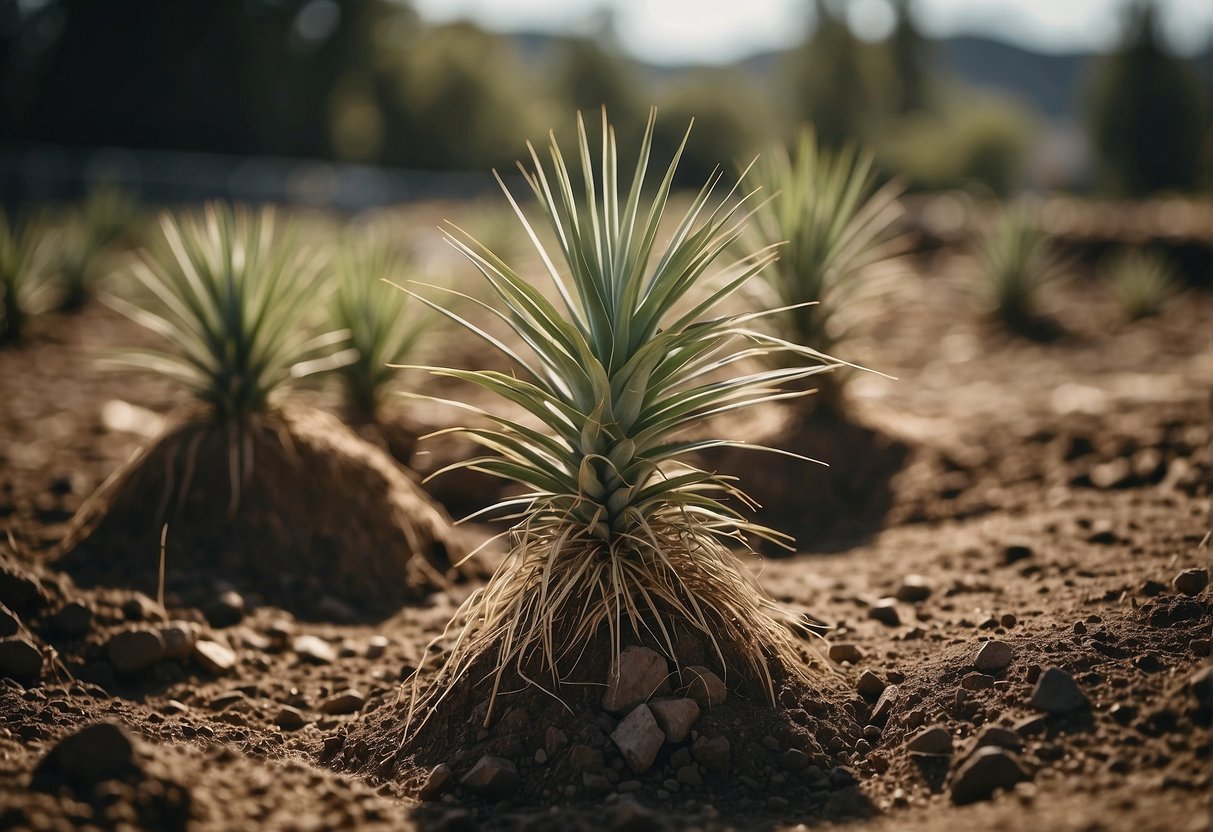
When planting yucca, it is important to choose a well-draining soil that is not too rich in nutrients. Yucca plants prefer a location with full sun exposure and are hardy in zones 5-11. If planting in a pot, make sure it has drainage holes to prevent waterlogging the roots.
Watering and Maintenance
Yucca plants are drought-tolerant, so they do not require frequent watering. Water the plant thoroughly when the soil is completely dry, but avoid overwatering as this can lead to root rot. Yucca plants require minimal maintenance, but you should remove dead or damaged leaves regularly to promote new growth.
Propagation and Pruning
Yucca plants can be propagated by seeds or stem cuttings. To propagate by stem cuttings, cut a stem from the parent plant and let it dry for a few days before planting in well-draining soil. Yucca plants do not require regular pruning, but you can remove dead or damaged leaves as needed to maintain the plant’s appearance.
By following these care tips, you can ensure that your yucca plants thrive in your garden or indoor space. Remember to provide them with well-draining soil, minimal watering, and occasional maintenance to keep them healthy and happy.
Frequently Asked Questions
What are the symptoms of yucca poisoning in humans?
If ingested, yucca can cause symptoms such as vomiting, diarrhea, and abdominal pain. In severe cases, it can also cause liver damage. Contact with the skin can cause irritation or an allergic reaction in some individuals.
What should I do if I receive a puncture wound from a yucca plant?
If you receive a puncture wound from a yucca plant, clean the wound thoroughly with soap and water. If the wound appears to be deep or becomes infected, seek medical attention immediately.
Are there any risks associated with planting yucca near residential areas?
Yucca plants can be dangerous if ingested or if the sharp leaves puncture the skin. It is not recommended to plant yucca near residential areas where children or pets may come into contact with the plant.
Can yucca plants cause allergic reactions?
Yes, yucca plants can cause allergic reactions in some individuals. Symptoms may include skin irritation, hives, and difficulty breathing. If you experience any of these symptoms after coming into contact with a yucca plant, seek medical attention immediately.
Is it safe for dogs to ingest cooked yucca?
In small amounts, cooked yucca is safe for dogs to ingest. However, it is important to note that yucca should not be a staple in a dog’s diet and should only be given in moderation.
What precautions should be taken when handling yucca plants?
When handling yucca plants, it is important to wear gloves and protective clothing to prevent injury from the sharp leaves. If ingesting yucca, be sure to properly wash and prepare the plant to avoid any potential health risks.
Hi Lovelies ! I made this blog to share my tips about Home Improvement, Children, Pets, Food, Gadgets, Automotive, Health & Beauty, and ways to be frugal while maintaining a natural lifestyle. Interested to be a Guest Blogger on my website? Please email me at: [email protected]