Home » Blog » How Do Yucca Plants Reproduce: A Clear and Knowledgeable Guide
How Do Yucca Plants Reproduce: A Clear and Knowledgeable Guide
December 27, 2024
Yucca plants are favored for both indoor and outdoor gardens, thanks to their eye-catching look and easy upkeep. Yet, the process of reproduction and propagation for these plants often leaves many puzzled. Getting to know how yucca plants reproduce and spread can improve your ability to care for them effectively and possibly allow you to propagate them on your own.
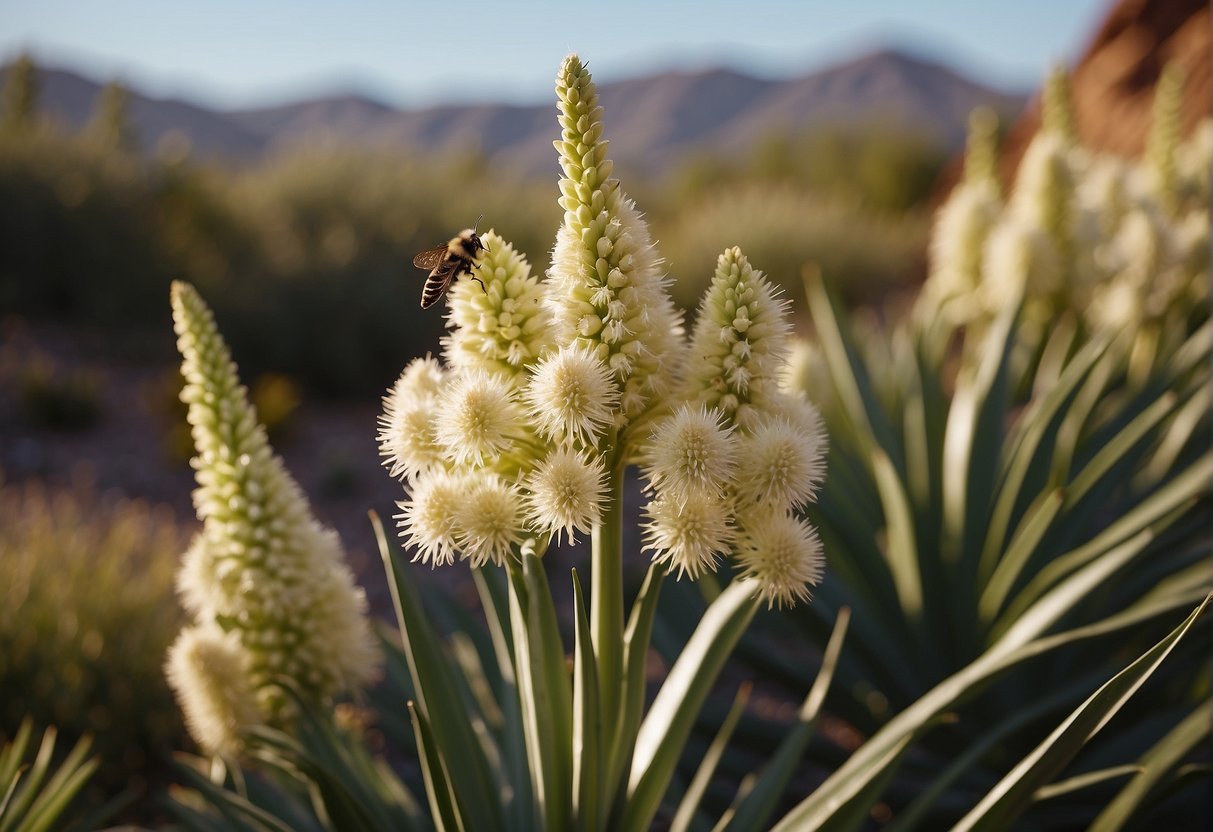
Yucca plants have a unique reproductive strategy that involves a mutualistic relationship with yucca moths. The moths pollinate the yucca flowers and lay their eggs inside the developing fruit. As the larvae feed on the seeds, they also help to disperse them. However, not all yucca species rely on this relationship, and some can reproduce asexually through offsets or bulbils.
If you are interested in propagating yucca plants, there are several methods you can use depending on the species and your preferences. Some yucca species can be propagated through stem cuttings, while others can be grown from seeds. It is important to follow proper care instructions to ensure the success of your propagation efforts.
Key Takeaways
Yucca plants have a unique reproductive strategy that involves a mutualistic relationship with yucca moths.
Yucca plants can reproduce asexually through offsets or bulbils, or sexually through pollination and seed production.
Yucca plants can be propagated through stem cuttings or seeds, but proper care instructions must be followed to ensure success.
Reproductive Strategies of Yucca Plants
Yucca plants are a species of succulent that are known for their distinctive appearance and their ability to thrive in arid environments. Reproduction is an essential part of the growth and survival of any species, and yucca plants have developed several strategies to ensure the continuation of their species.
Sexual Reproduction via Seeds
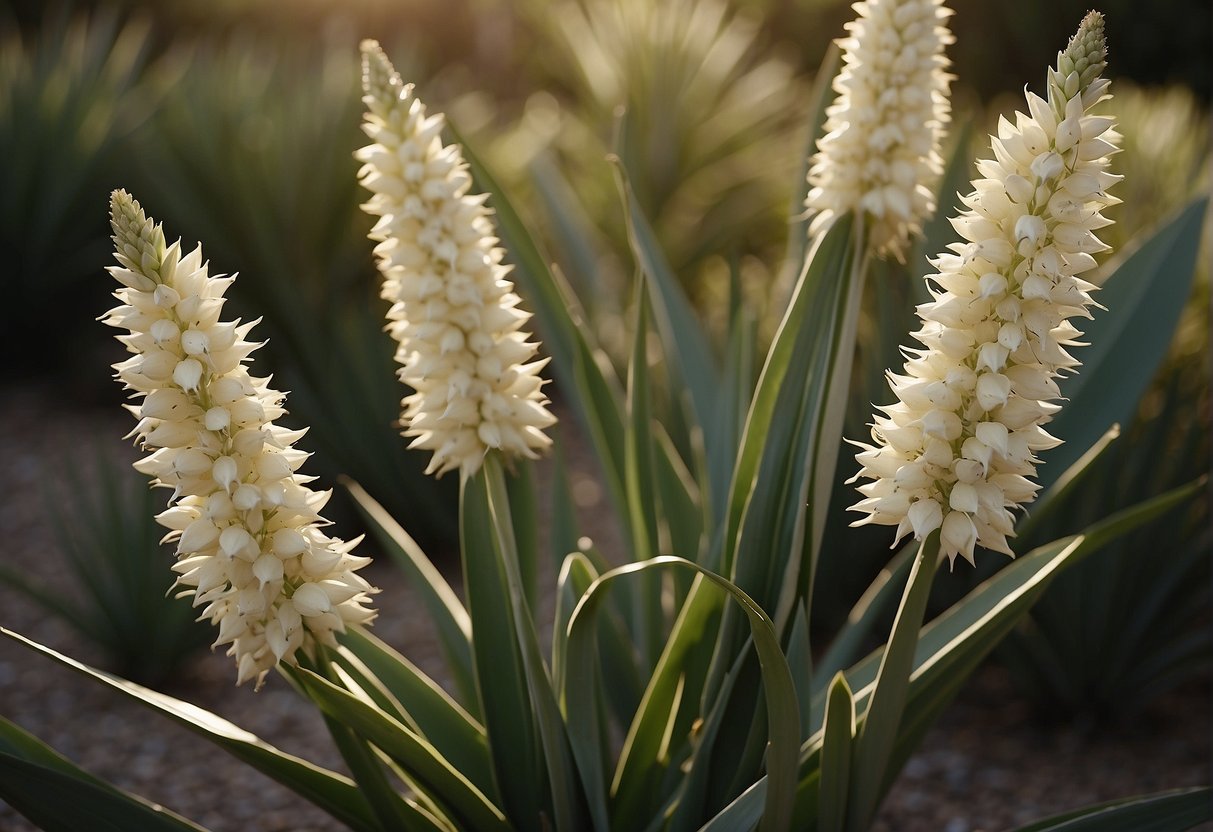
One of the most common ways that yucca plants reproduce is through sexual reproduction via seeds. Mature yucca plants produce flowers that are pollinated by specialized insects such as yucca moths. The yucca moth lays its eggs in the flower, and the hatching larvae feed on some of the developing seeds.
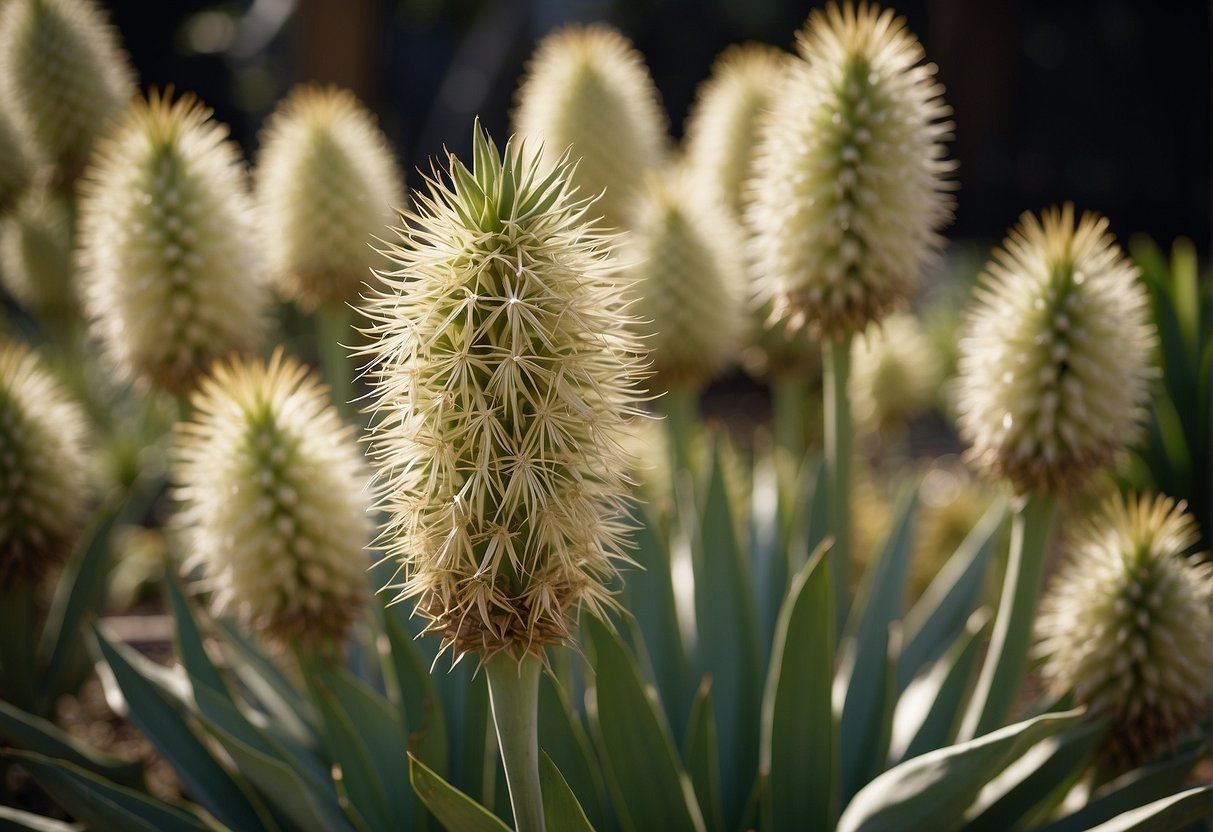
After pollination, the flower develops into a seed pod that contains several yucca seeds. These seeds can be harvested and planted in the spring or summer. To promote germination, the seeds should be soaked in water for several hours before planting.
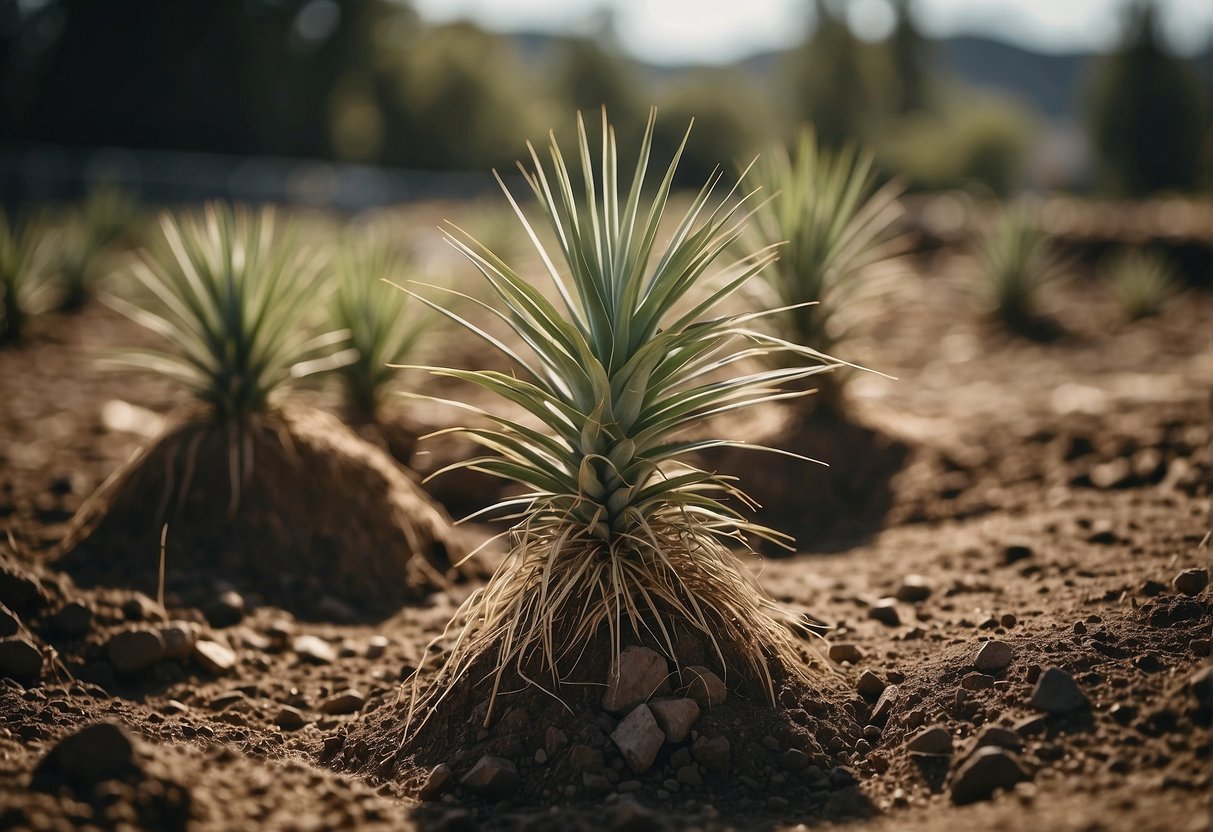
Once the seeds have germinated, they will grow into seedlings that can be transplanted into larger pots or directly into the ground. It can take several years for a yucca plant to mature and produce its own flowers.
Asexual Reproduction Methods
In addition to sexual reproduction via seeds, yucca plants can also reproduce asexually through several methods. One of the most common methods is propagation via rhizome division. This involves separating a portion of the plant’s underground stem, or rhizome, and planting it in a new location.
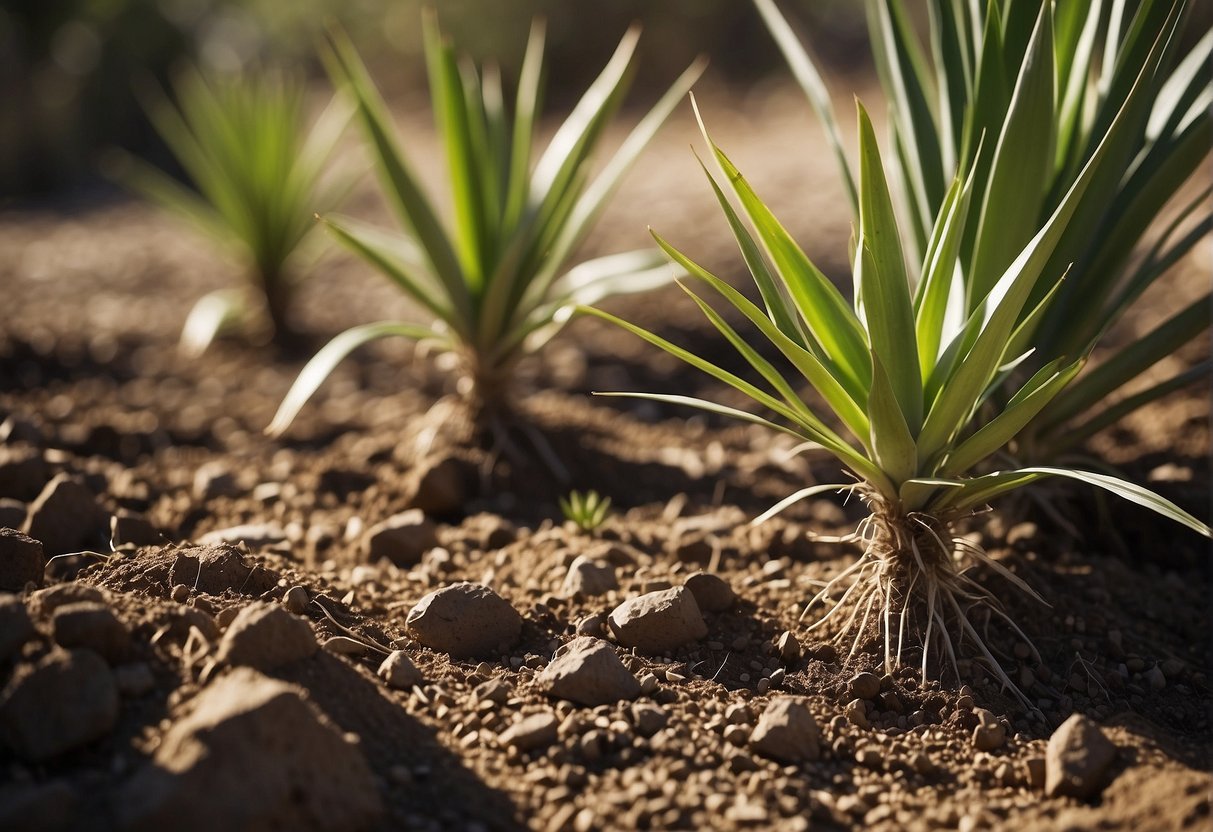
Another asexual reproduction method is through offsets or “pups.” These are small plantlets that grow from the base of the parent plant and can be separated and replanted in a new location.
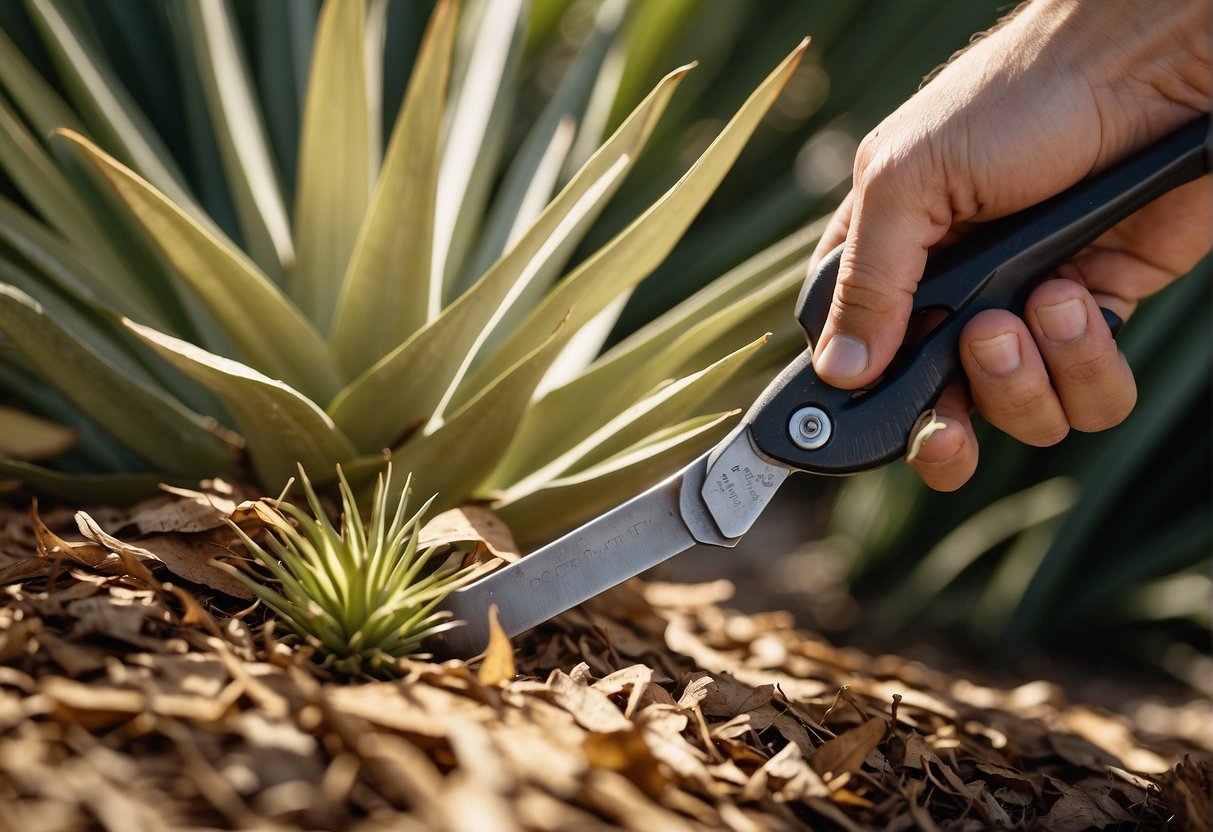
Finally, yucca plants can also be propagated through cuttings. This involves taking a cutting from the parent plant and rooting it in soil with the help of rooting hormone. Early spring is the best time to take cuttings and root them.
Overall, yucca plants have developed several reproductive strategies to ensure the continuation of their species. Whether through sexual reproduction via seeds or asexual reproduction methods such as rhizome division, offsets, or cuttings, yucca plants are well-equipped to grow and thrive in a variety of environments.
Caring for Yucca Plants
Yucca plants are relatively easy to care for and can thrive in a variety of conditions. In this section, we will cover optimal growing conditions, maintenance, and troubleshooting tips to help you keep your yucca plant healthy and happy.
Optimal Growing Conditions
Yucca plants are native to arid regions and are well adapted to dry, desert-like conditions. To ensure your yucca plant thrives, it’s important to replicate these conditions as closely as possible. Here are some optimal growing conditions to keep in mind:
Light: Yucca plants prefer direct sunlight, but they can also thrive in indirect light. Place your yucca plant near a south-facing window or in a spot that receives at least 6 hours of direct sunlight per day.
Temperature: Yucca plants can tolerate a wide range of temperatures, but they prefer warm temperatures between 60-95°F (15-35°C).
Moisture: Yucca plants are drought-tolerant and prefer dry conditions. Water your yucca plant only when the soil is completely dry, and be sure to use well-drained soil to prevent root rot.
Soil: Yucca plants prefer well-drained soil that is slightly acidic. A mix of sand and potting soil can be used to create the perfect growing medium for your yucca plant.
Maintenance and Troubleshooting
Maintaining your yucca plant is relatively easy, but there are a few things to keep in mind to ensure its health. Here are some maintenance and troubleshooting tips:
Watering: Yucca plants do not require frequent watering. Water your yucca plant only when the soil is completely dry, and be sure to use well-drained soil to prevent root rot.
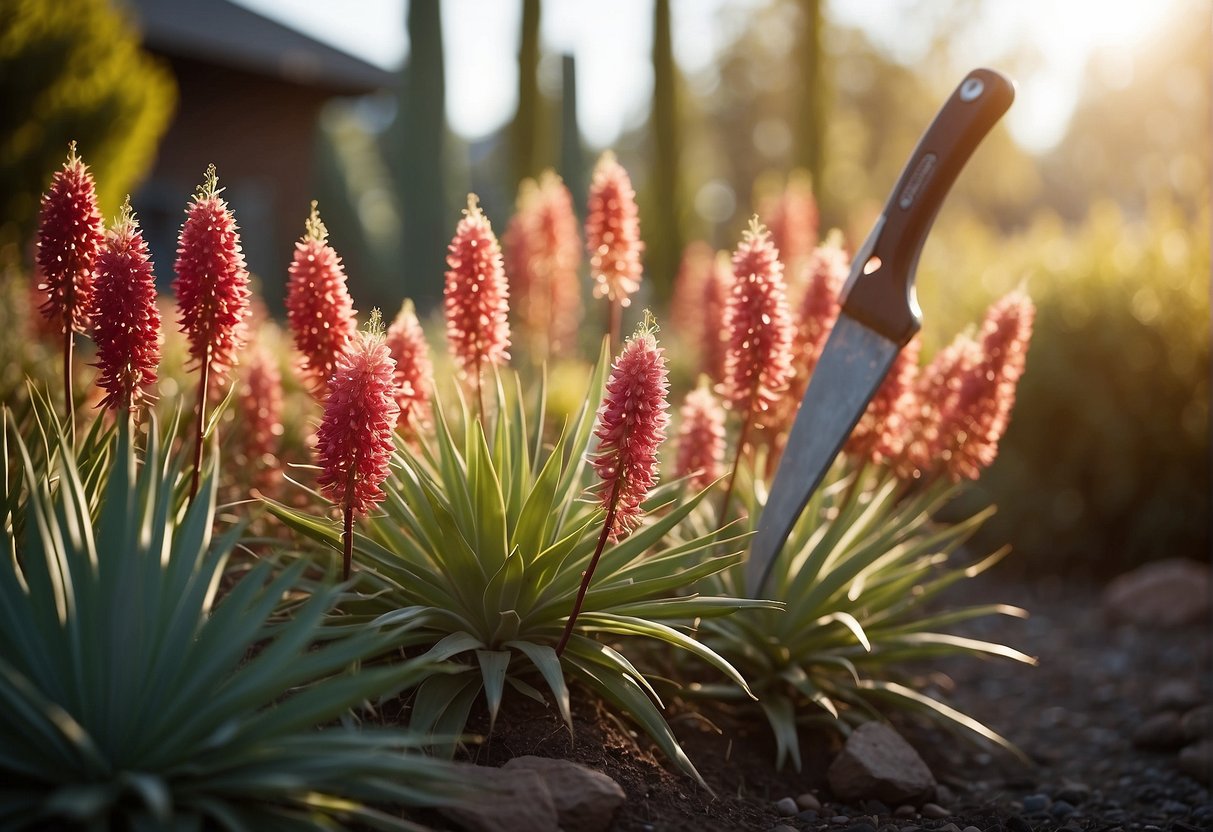
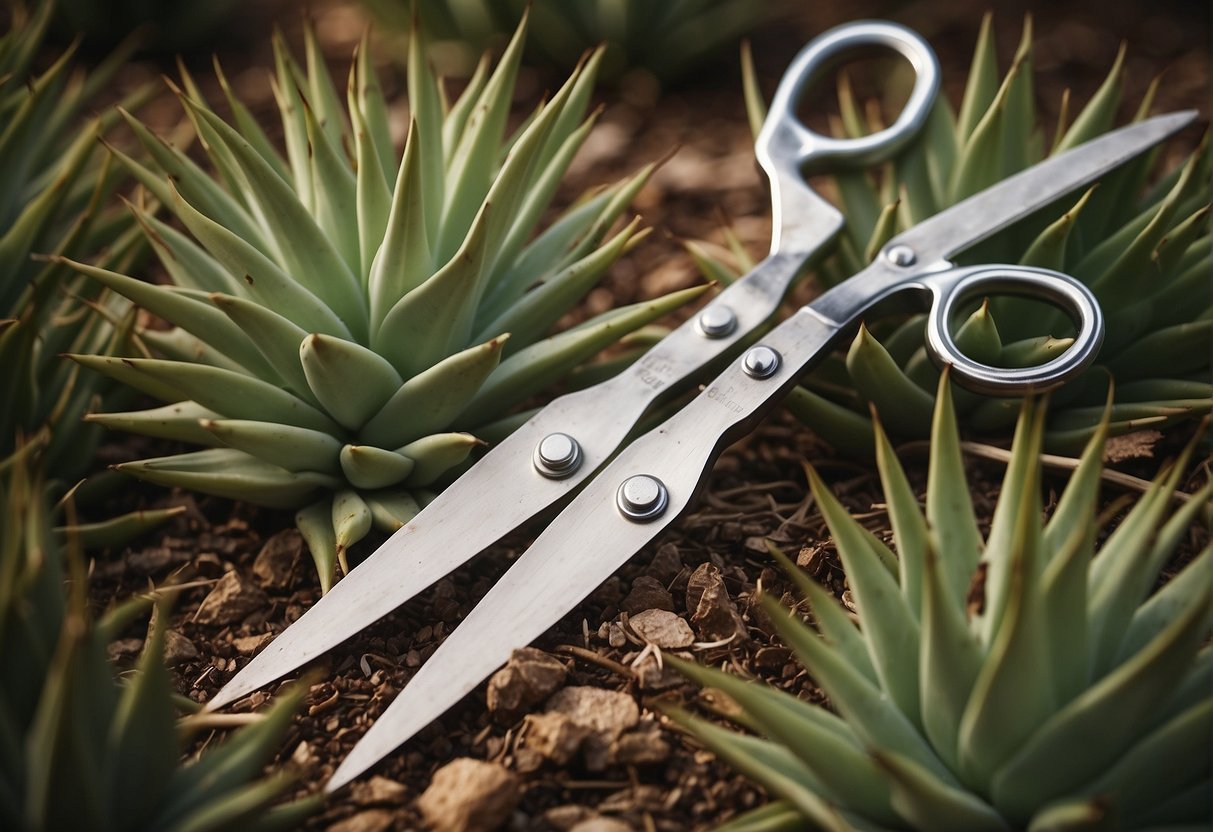
Pruning: Yucca plants do not require frequent pruning, but you can remove dead or damaged foliage as needed. Use gloves and shears to prevent injury and infection.
Pests and Diseases: Yucca plants are relatively pest and disease-resistant, but they can still fall victim to aphids and other pests. If you notice signs of pests or disease, treat your yucca plant with an appropriate pesticide or fungicide.
Rot: Yucca plants are susceptible to root rot if they are overwatered or planted in poorly-drained soil. To prevent root rot, use well-drained soil and water your yucca plant only when the soil is completely dry.
By following these tips, you can ensure your yucca plant stays healthy and beautiful for years to come.
Frequently Asked Questions
What is the process for propagating yucca plants from cuttings?
To propagate yucca plants from cuttings, select a healthy stem and cut it into several pieces. Be sure to remove any leaves from the bottom of each cutting and allow the cuttings to dry for a few days before planting them in well-draining soil. Keep the soil moist but not waterlogged and place the cuttings in a bright and warm location.
How can you grow a new yucca plant from a segment of the stem?
To grow a new yucca plant from a segment of the stem, select a healthy stem and cut it into several pieces, making sure each segment has at least one node. Plant the segments in well-draining soil and keep the soil moist but not waterlogged. Place the plant in a bright and warm location.
What are the steps to obtain and plant yucca seeds?
To obtain yucca seeds, collect the seed pods from a mature yucca plant and allow them to dry out completely. Once the pods are dry, remove the seeds and plant them in well-draining soil. Keep the soil moist but not waterlogged and place the plant in a bright and warm location.
Can yucca plants reproduce asexually, and if so, how?
Yes, yucca plants can reproduce asexually through the process of vegetative propagation. This can be done by removing and planting yucca offsets or by planting stem cuttings.
How do you propagate yucca side shoots effectively?
To propagate yucca side shoots effectively, wait until the shoots are at least 4 inches tall before removing them from the parent plant. Plant the shoots in well-draining soil and keep the soil moist but not waterlogged. Place the plant in a bright and warm location.
What is the best method to ensure successful yucca plant propagation indoors?
To ensure successful yucca plant propagation indoors, provide the plant with plenty of bright, indirect light and keep the soil moist but not waterlogged. Use well-draining soil and fertilize the plant regularly with a balanced fertilizer.
Hi Lovelies ! I made this blog to share my tips about Home Improvement, Children, Pets, Food, Gadgets, Automotive, Health & Beauty, and ways to be frugal while maintaining a natural lifestyle. Interested to be a Guest Blogger on my website? Please email me at: [email protected]