Home » Blog » How to Eliminate Yucca Plants: A Clear and Confident Guide
How to Eliminate Yucca Plants: A Clear and Confident Guide
December 29, 2024
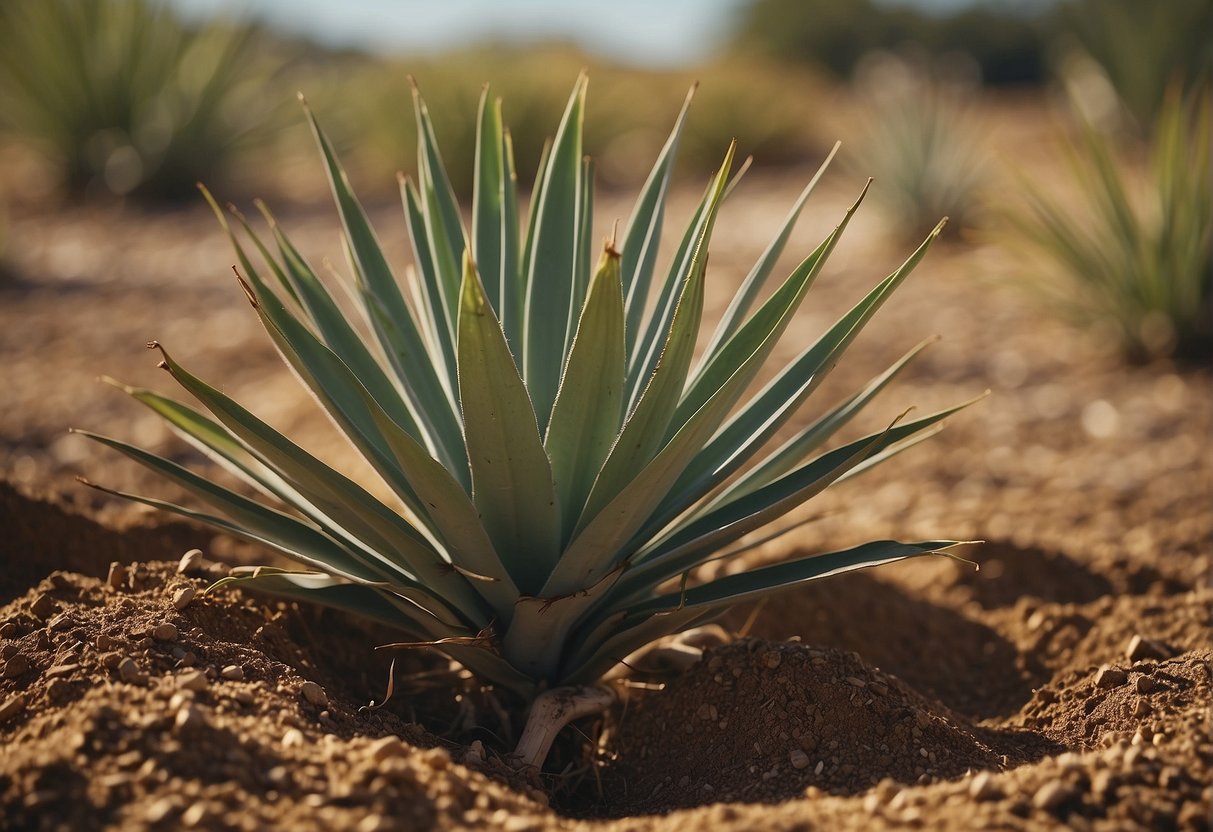
Should you be considering the removal of yucca plants from your lawn or garden, rest assured you’re in good company. These hardy, spiky plants have a penchant for dominating space, posing a challenge for the growth of other flora. Luckily, several effective strategies exist to permanently clear your outdoor spaces of yucca plants.
One option is physical removal. This involves digging up the entire plant, including the roots, and disposing of it. While this method can be time-consuming, it is often the most effective way to ensure that the yucca plant doesn’t grow back. Another option is chemical eradication, which involves using herbicides or other chemicals to kill the plant. This method can be quicker than physical removal, but it may not be as effective in the long term.
Regardless of which method you choose, it’s important to take steps to prevent the yucca plant from growing back. This may involve treating the area with herbicides or other chemicals, or simply keeping a close eye on the area to ensure that the yucca plant doesn’t return. With a little effort and persistence, you can eliminate yucca plants from your yard or garden and enjoy a healthier, more vibrant outdoor space.
Key Takeaways
Physical removal involves digging up the entire plant, while chemical eradication uses herbicides or other chemicals to kill the plant.
To prevent the yucca plant from growing back, you may need to treat the area with herbicides or keep a close eye on the area.
With persistence, you can eliminate yucca plants from your yard or garden and enjoy a healthier outdoor space.
Physical Removal Methods
If you’re looking for a quick and effective way to eliminate yucca plants, physical removal methods are the way to go. These methods involve physically removing the plant and its roots from the ground. Here are some of the most effective physical removal methods:
Digging Out the Root System
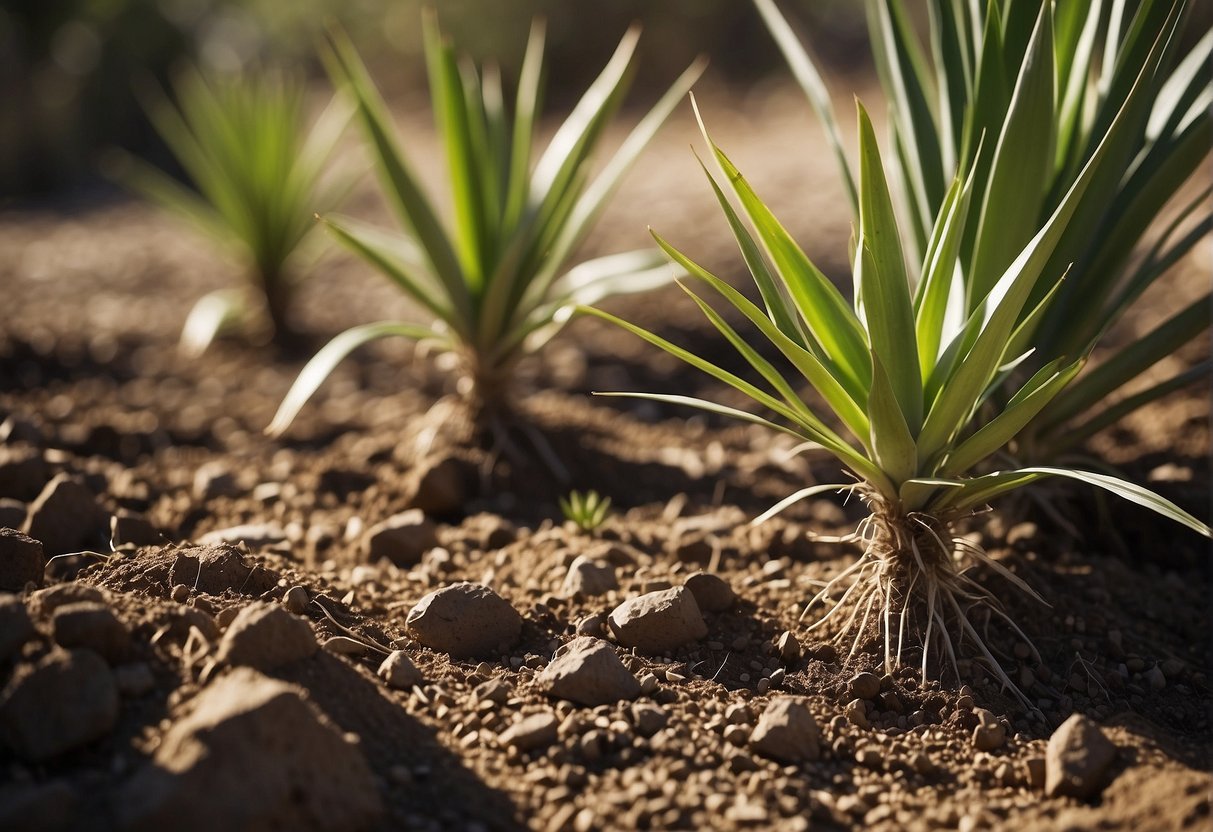
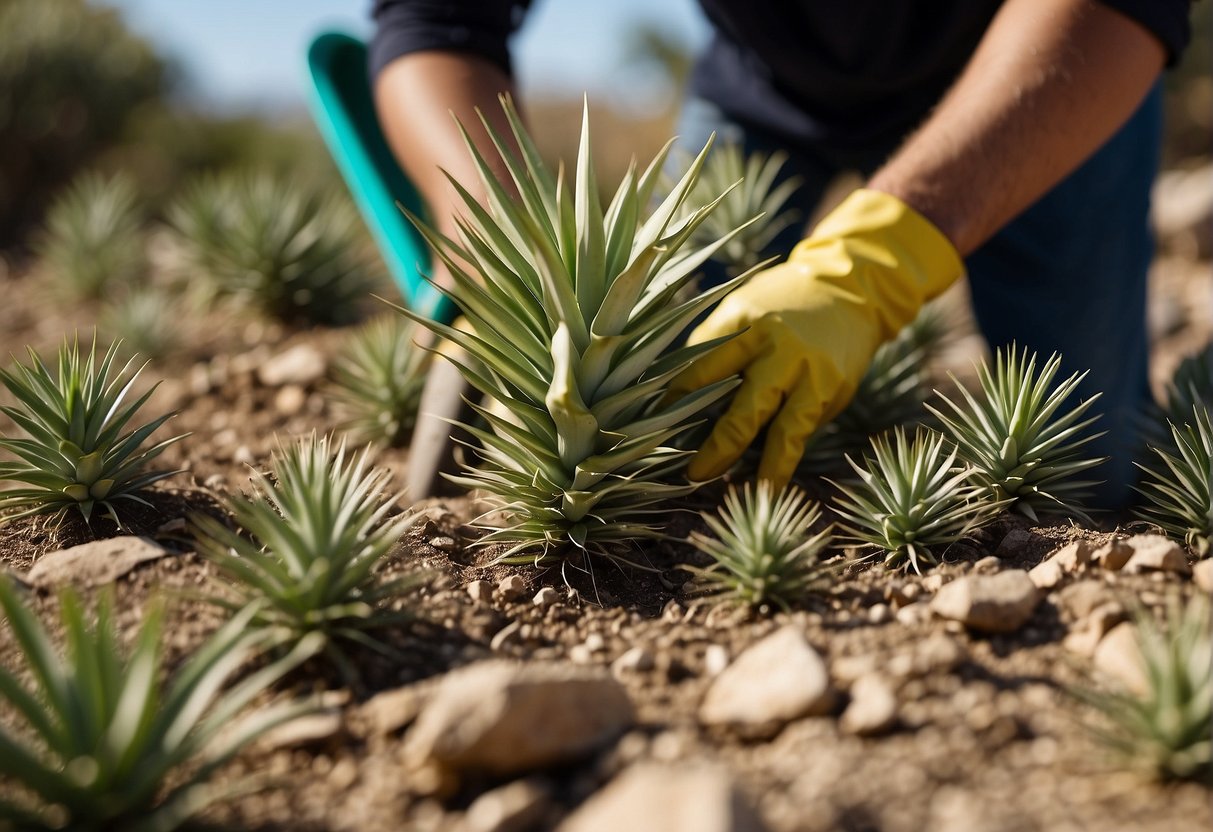
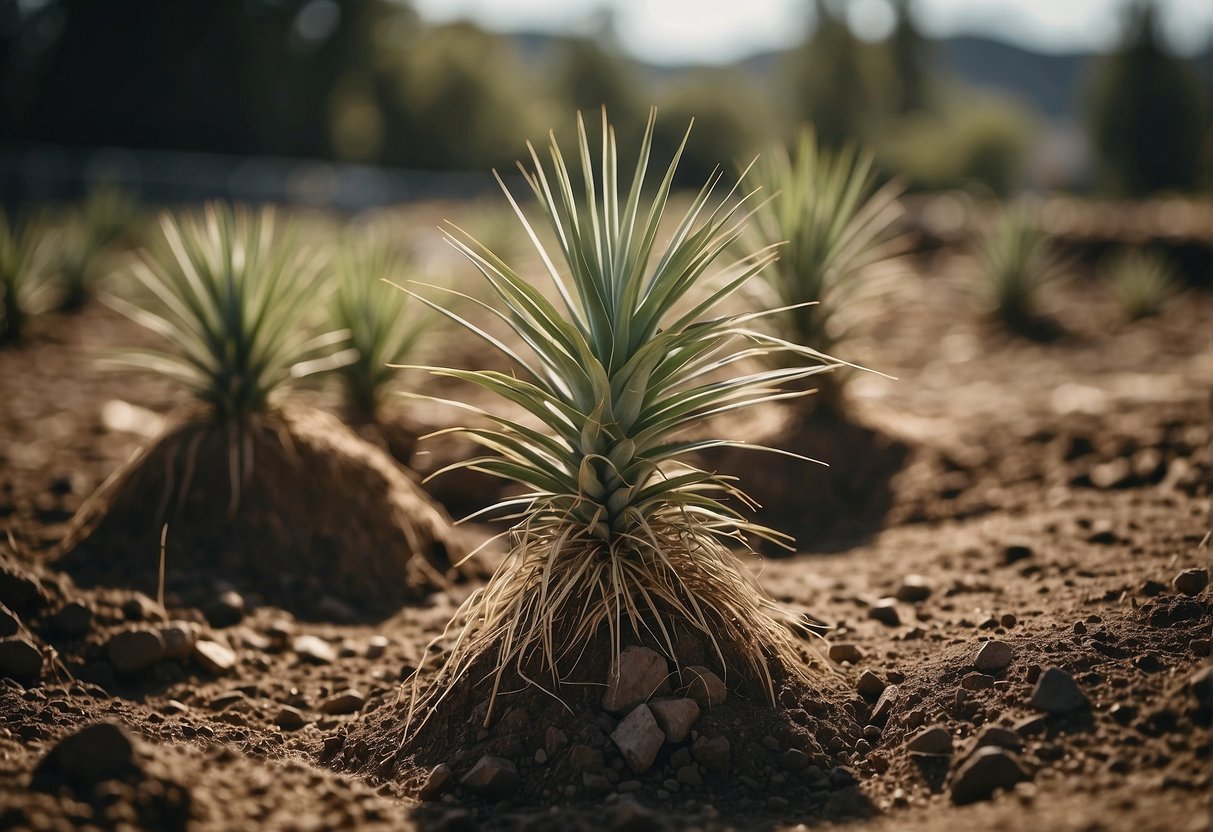
One of the most effective ways to remove yucca plants is by digging out the entire root system. This method is best for small to medium-sized plants, as larger plants may have an extensive root system that is difficult to remove. To do this, you will need a shovel and gloves.
Start by digging around the base of the plant, making sure to dig deep enough to get the entire root system. Once you have loosened the soil around the plant, use your hands to gently pull the plant out of the ground. Be sure to wear gloves and protective clothing to avoid any injuries.
Cutting and Removing the Stump
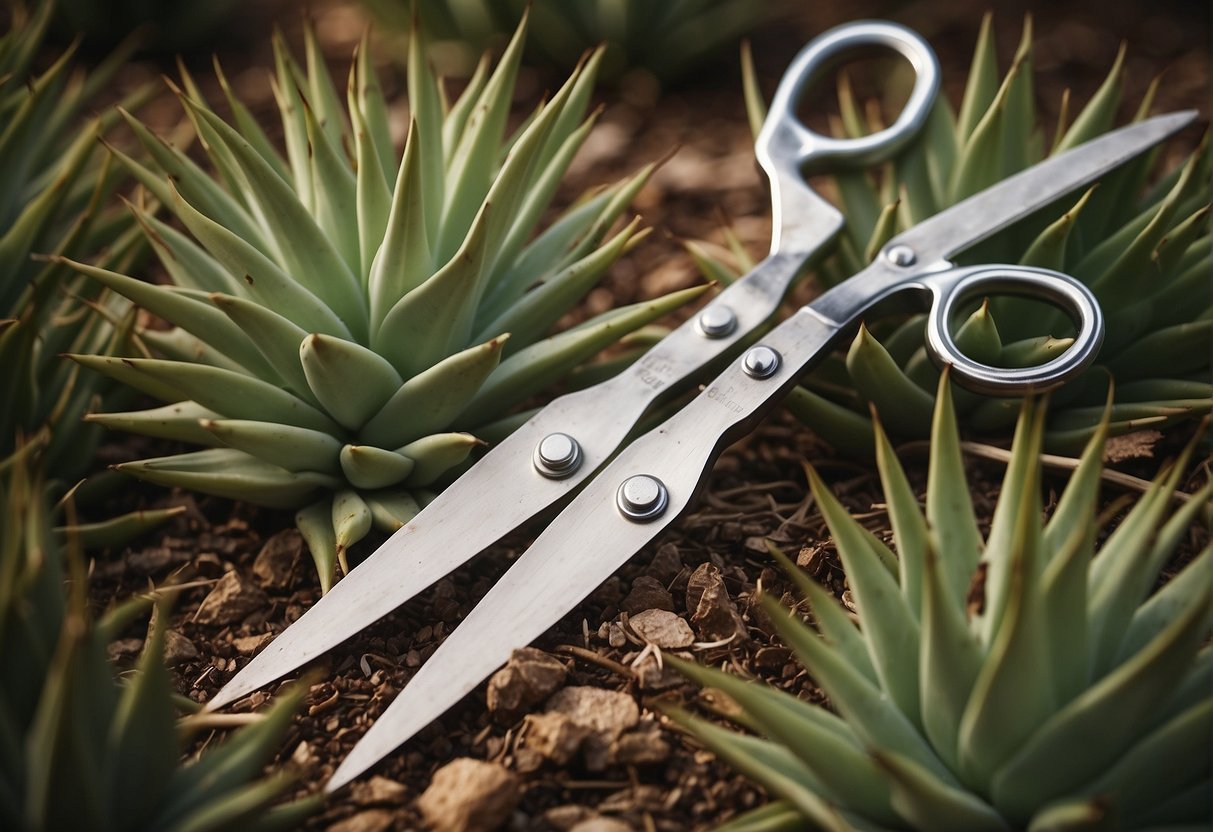
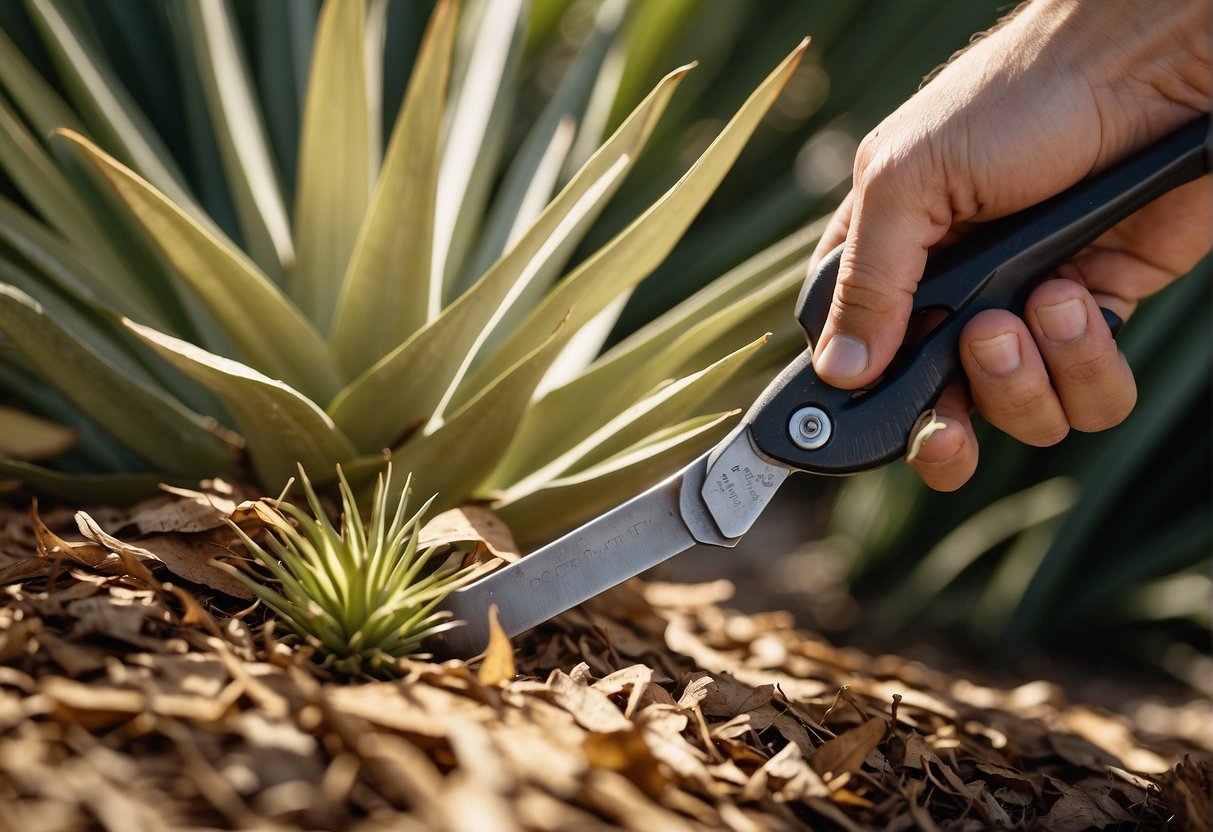
If you have a larger yucca plant with a persistent root system, cutting and removing the stump may be the best option. To do this, you will need pruning shears and a saw.
Start by cutting the plant down to the ground using pruning shears. Then, use a saw to cut the stump as close to the ground as possible. Be sure to wear gloves and protective clothing to avoid any injuries.
Suppressing Regrowth
Even after removing the yucca plant, new shoots may still appear. To suppress regrowth, you can cover the area with cardboard, newspaper, mulch, or thick plastic. This will prevent sunlight from reaching the soil and will help to kill any remaining roots.
In conclusion, physical removal methods are an effective way to eliminate yucca plants. Whether you choose to dig out the root system, cut and remove the stump, or suppress regrowth, be sure to wear gloves and protective clothing to avoid any injuries.
Chemical Eradication Methods
If you want to eliminate yucca plants, chemical eradication methods can be an effective solution. However, it is important to use herbicides with caution and follow the instructions carefully.
Applying Herbicides
One of the most common herbicides used to kill yucca plants is glyphosate. Glyphosate is a non-selective herbicide that kills all plants it comes into contact with, so it should be applied carefully to avoid damaging surrounding vegetation. Triclopyr is another herbicide that can be used to kill yucca plants, but it is selective and only kills woody plants.
When applying herbicides, it is important to use the right equipment. A sprayer is the most effective way to apply herbicides, as it allows you to cover large areas quickly and evenly. Be sure to wear protective clothing and follow the instructions on the herbicide label.
Alternative Chemical Solutions
If you prefer to use alternative chemical solutions, there are a few options available. Vegetable oil or diesel fuel can be used to suffocate the plant by coating the leaves and stems. However, this method can be messy and may not be as effective as herbicides.
Another option is to use salt as a natural herbicide. Salt can be applied to the soil around the yucca plant to prevent it from absorbing water and nutrients. However, this method can also kill surrounding vegetation and may not be suitable for all situations.
Stump killer is a non-selective herbicide that can be used to kill the entire yucca plant, including the roots. This method is effective but may take longer to see results.
Overall, chemical eradication methods can be an effective way to eliminate yucca plants. However, it is important to use herbicides with caution and follow the instructions carefully to avoid damage to surrounding vegetation.
Frequently Asked Questions
What methods can effectively remove large yucca plants?
Removing large yucca plants can be a challenging task, but there are a few methods that can effectively eliminate them. One way is to dig out the entire plant, including the roots. This method is labor-intensive but ensures complete removal. Another way is to cut the plant down to the ground and apply an herbicide to the remaining stump. This method is less labor-intensive but may require multiple applications to fully eradicate the plant.
Can household chemicals like bleach or vinegar be used to kill yucca roots?
Household chemicals like bleach or vinegar are not effective in killing yucca roots. These chemicals may cause damage to the plant’s leaves or stem, but they will not penetrate the root system. Using these chemicals can also harm other plants in the surrounding area.
What is the best herbicide for eradicating yucca plants?
Glyphosate-based herbicides are the most effective for eradicating yucca plants. These herbicides work by penetrating the plant’s leaves and traveling down to the roots, killing the entire plant. It is important to follow the manufacturer’s instructions when using herbicides and to wear protective gear.
How can I prevent yucca plants from regrowing after removal?
To prevent yucca plants from regrowing after removal, it is important to remove the entire root system. If any roots are left behind, the plant may regrow. Applying an herbicide to the remaining stump can also help prevent regrowth. Regularly monitoring the area for any new growth and promptly removing it can also prevent regrowth.
What are the implications of yucca plant root depth and invasiveness?
Yucca plants have deep and extensive root systems, which can make them difficult to remove. Invasive yucca species can also spread quickly and compete with native plants for resources. It is important to properly identify the species of yucca and take appropriate measures to prevent its spread.
Is it possible to eliminate yucca plants using natural methods?
Natural methods such as hand pulling, cutting, or smothering with mulch can be effective in eliminating small yucca plants. However, larger plants may require more intensive methods such as digging or using herbicides. It is important to carefully consider the size and location of the plant before choosing a removal method.
Hi Lovelies ! I made this blog to share my tips about Home Improvement, Children, Pets, Food, Gadgets, Automotive, Health & Beauty, and ways to be frugal while maintaining a natural lifestyle. Interested to be a Guest Blogger on my website? Please email me at: [email protected]