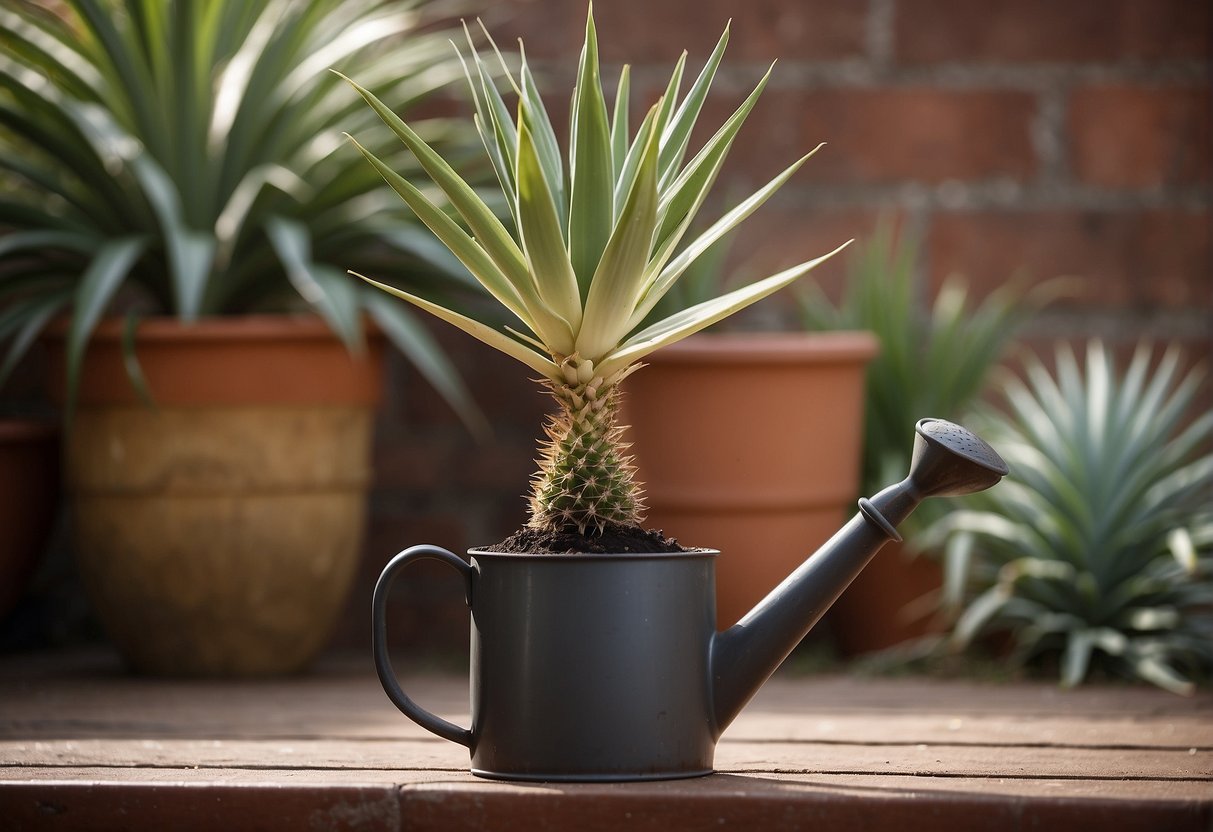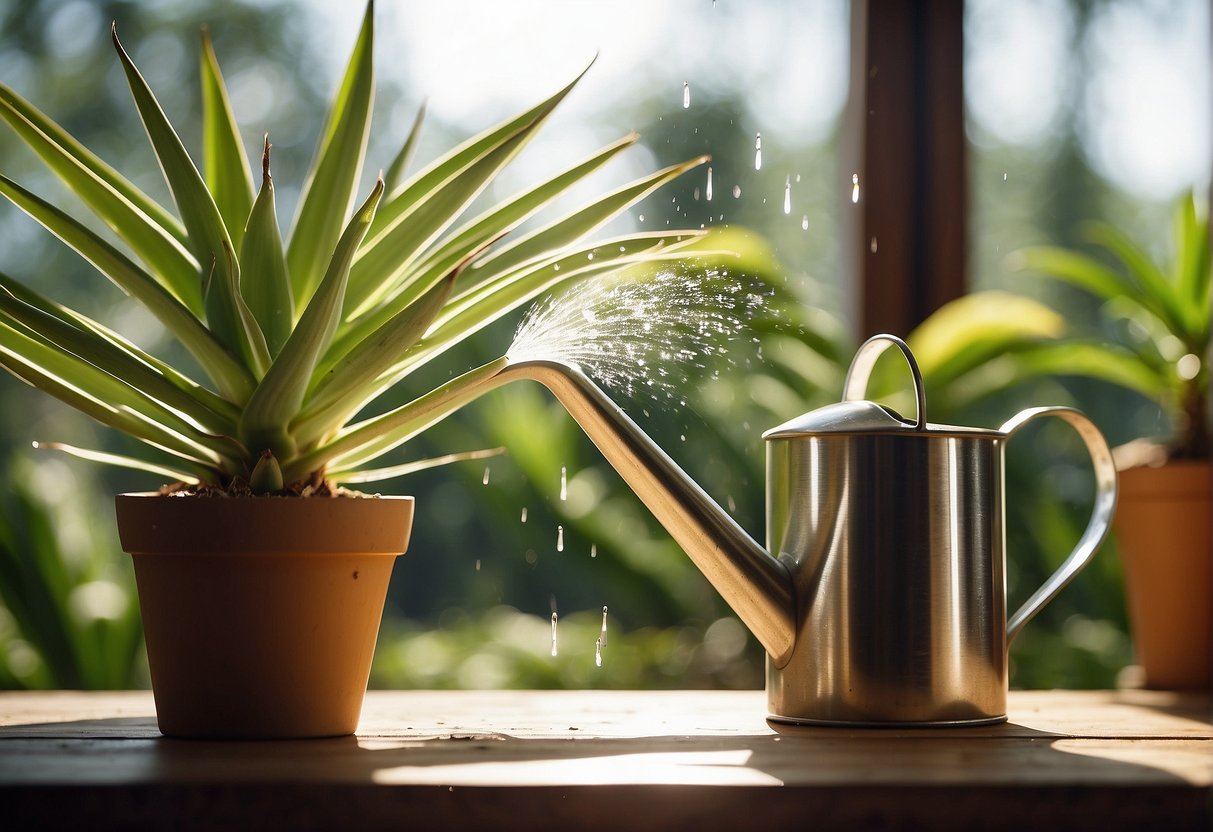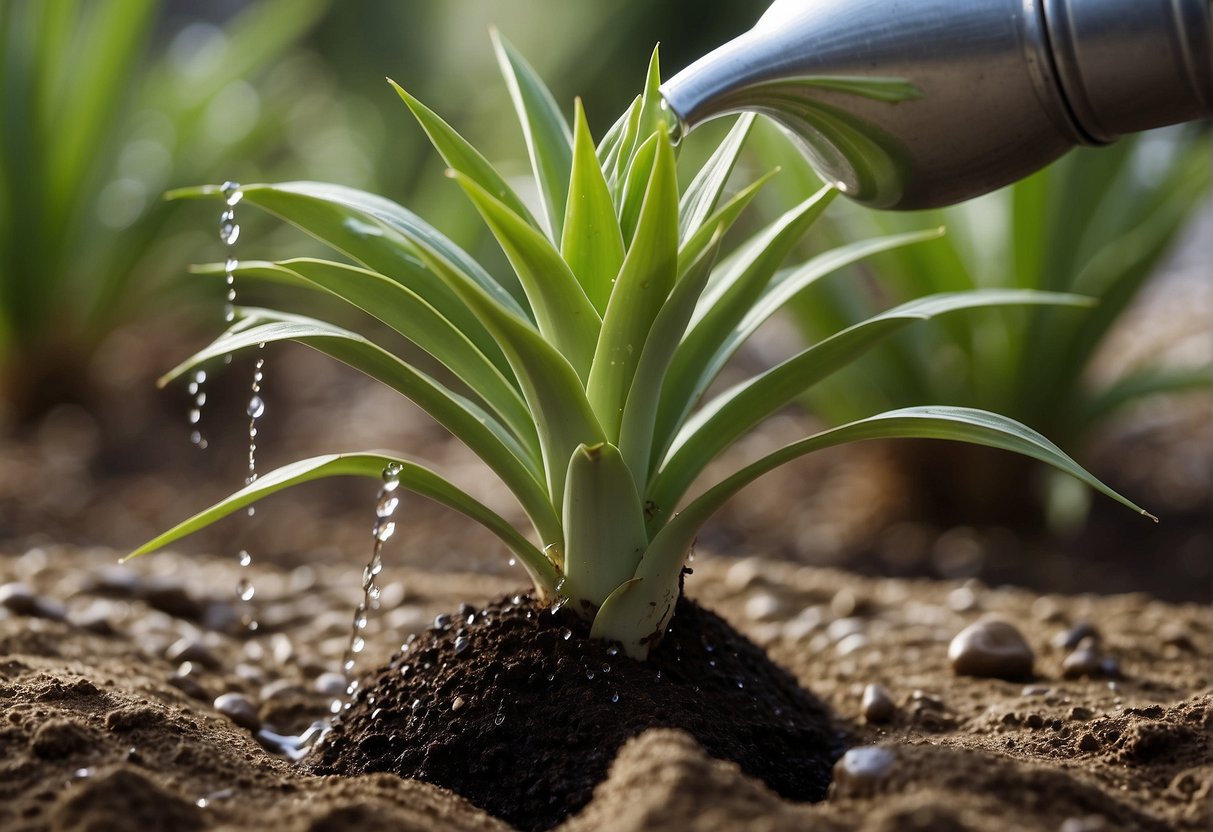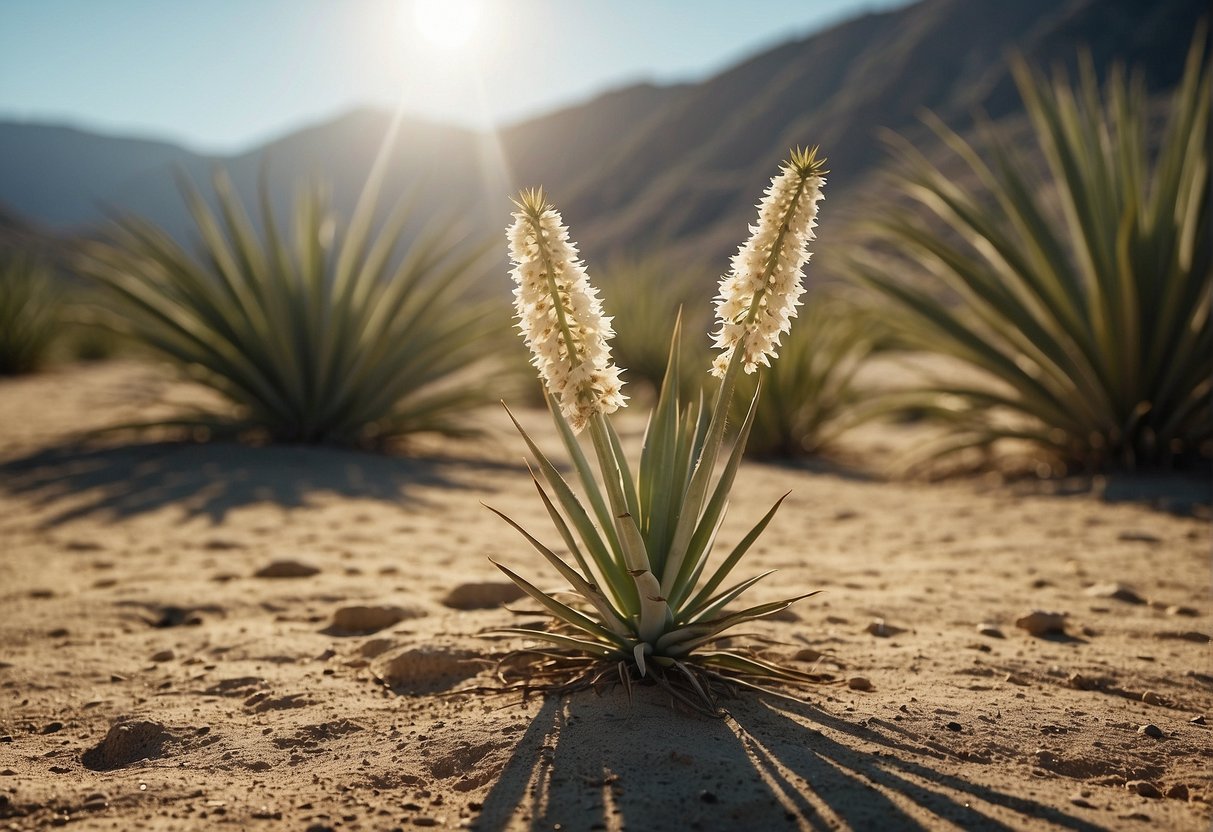

If you’re into desert flora, chances are you’ve encountered the yucca plant. Renowned for its blade-like leaves and impressive stature, it has become a favored option in garden designs. But, if your experience with yucca plant care is limited, you might be curious about the proper watering routine. In this piece, we dive into the hydration requirements of yucca plants and offer advice on how to maintain their vigor.
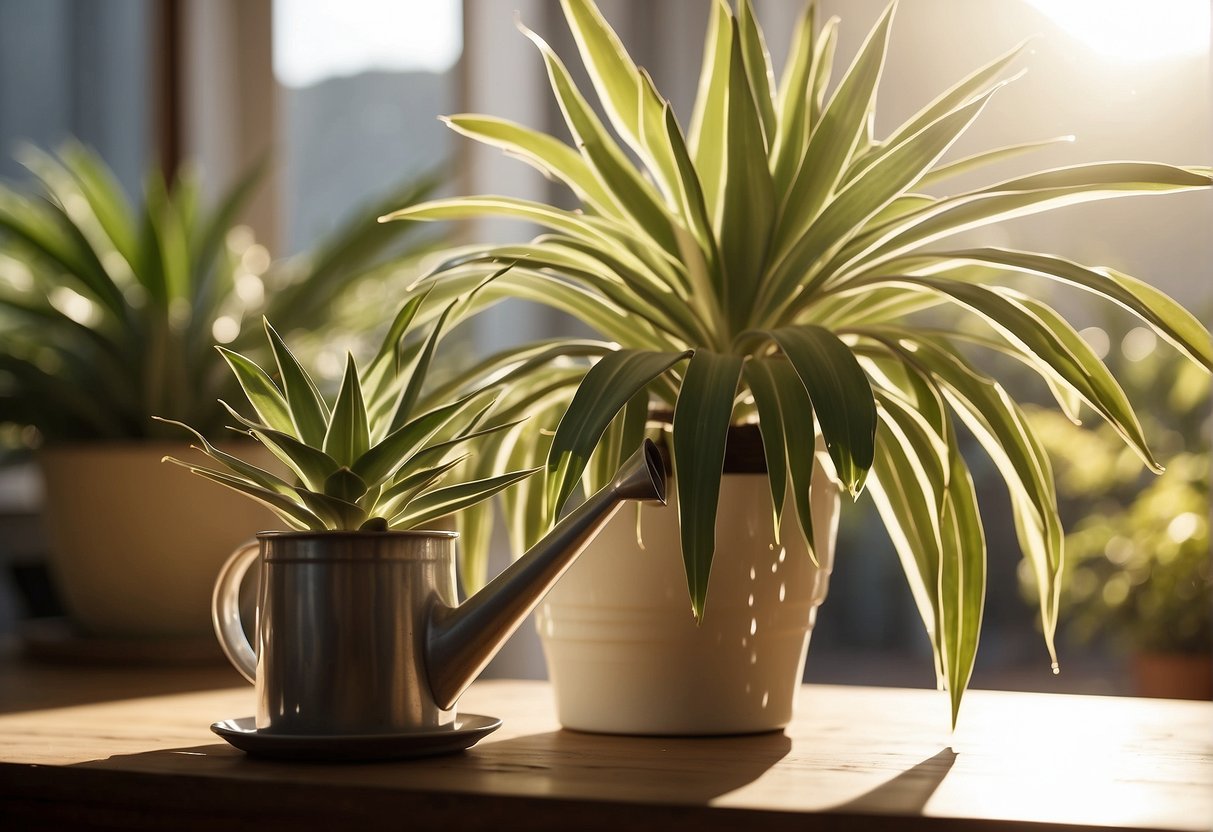
Understanding Yucca Plant Watering Needs
Yucca plants are native to arid regions, which means they’re adapted to surviving in dry conditions. As a result, they don’t require as much water as other types of plants. Overwatering can actually harm yucca plants by causing root rot and other issues. On the other hand, underwatering can lead to wilting and other signs of stress.
Preventing and Addressing Common Issues
To keep your yucca plants healthy, it’s important to water them correctly. One common mistake is to water too frequently, which can lead to waterlogged soil and root rot. To prevent this, make sure the soil is completely dry before watering again. You can also improve drainage by adding sand or perlite to the soil mix. If you notice signs of overwatering, such as yellowing leaves or a foul odor, you may need to repot the plant and trim away any damaged roots.
Key Takeaways
- Yucca plants don’t require as much water as other types of plants due to their adaptation to arid conditions.
- Overwatering can harm yucca plants, while underwatering can lead to wilting and other signs of stress.
- To prevent common issues like root rot, it’s important to water yucca plants correctly and improve soil drainage.
Understanding Yucca Plant Watering Needs
Yucca plants are a popular choice for indoor and outdoor gardening due to their drought-tolerant nature and low maintenance requirements. However, like all plants, they require proper watering to thrive. In this section, we will discuss the various factors that influence the watering needs of yucca plants.
Soil and Drainage Requirements
Yucca plants require well-draining soil to prevent root rot and other issues caused by overwatering. A good potting mix for yucca plants should include perlite, horticultural sand, or grit to improve drainage. When planting in the ground, make sure the soil is well-draining and not compacted.
Watering Frequency and Techniques
The frequency of watering yucca plants depends on various factors such as the climate, humidity, and temperature. Generally, yucca plants require watering once every 2-3 weeks during the growing season and once a month during the dormant season. However, it’s crucial to monitor the soil’s moisture level and adjust the watering schedule accordingly.
To check if your yucca plant needs water, perform the finger test by sticking your finger into the soil up to the second knuckle. If the soil feels dry, it’s time to water. Avoid overwatering as it can lead to root rot and other issues.
Effects of Climate and Environment
The climate and environment also play a significant role in the watering needs of yucca plants. In hot and dry climates, yucca plants require more frequent watering, while in cooler and humid climates, they can go longer without water.
Indoor yucca plants require less frequent watering than outdoor ones due to lower light intensity and humidity levels. To increase humidity levels, you can place a tray of water near the plant.
In conclusion, understanding the watering needs of yucca plants is crucial for their overall health and growth. By providing well-draining soil, monitoring the soil moisture level, and adjusting the watering schedule based on climate and environment, you can ensure your yucca plants thrive.
Preventing and Addressing Common Issues
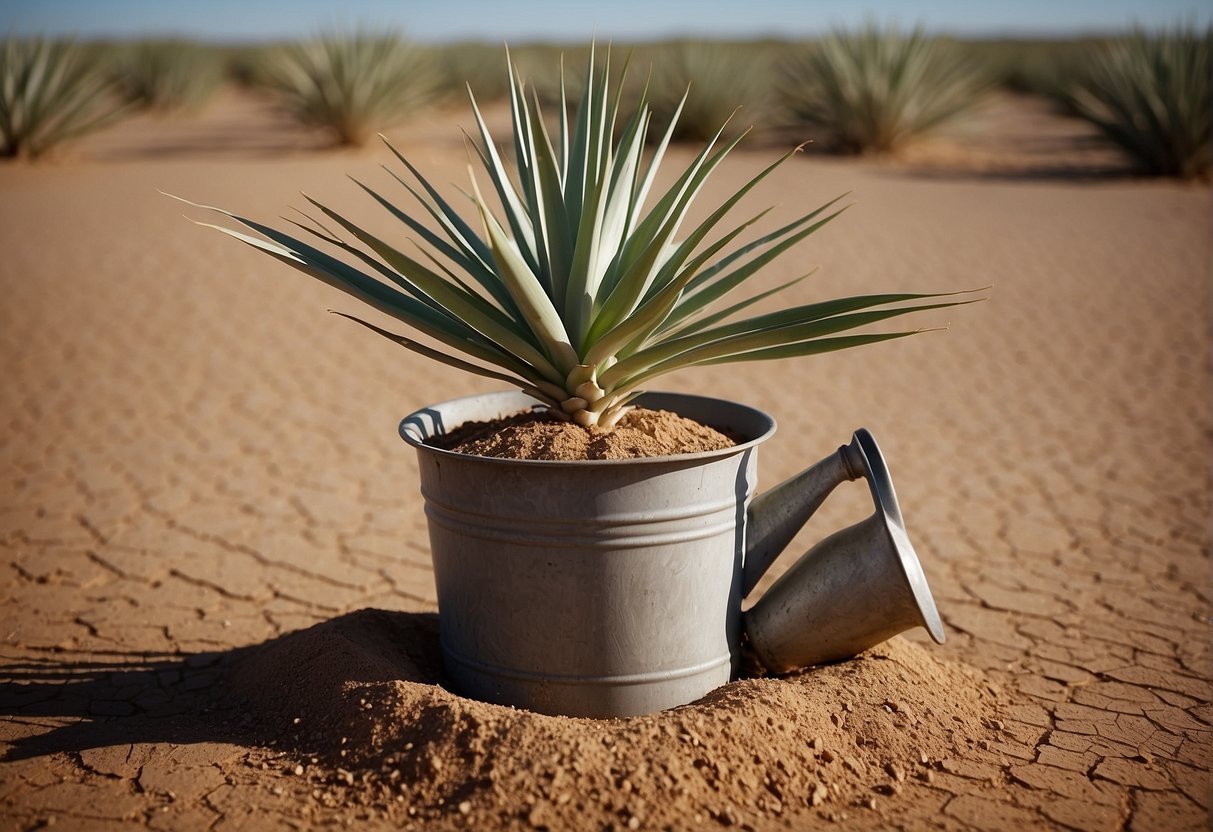
Yucca plants are generally easy to care for, but there are some common issues that can arise if not properly taken care of. Here are some tips for preventing and addressing these issues.
Identifying and Treating Overwatering
Overwatering is a common issue with yucca plants. Yucca canes are sensitive to damage from excess water, so it’s important to make sure the soil is well-draining and not kept too wet. Signs of overwatering include yellowing leaves, soft or mushy stems, and a foul smell coming from the soil. If you suspect your yucca plant is overwatered, stop watering immediately and let the soil dry out completely before watering again. Repotting in fresh, well-draining potting mix can also help prevent overwatering.
Protecting Against Pests and Diseases
Yucca plants are generally pest-resistant, but they can still be susceptible to mealybugs, scale, spider mites, and fungal diseases like root rot. To protect against pests, inspect your plant regularly for any signs of infestation, such as white or black spots on the leaves or stems. If you notice any pests, remove them manually with a sharp tool or use an insecticidal soap. To prevent fungal diseases, make sure your plant is in well-draining soil and avoid overwatering. If you notice signs of root rot, such as soft or mushy roots, treat with a fungicide and repot in fresh soil.
Best Practices for Yucca Plant Care
To keep your yucca plant healthy and thriving, follow these best practices:
- Water sparingly, allowing the soil to dry out completely between waterings.
- Provide plenty of bright, indirect sunlight.
- Prune any dead or damaged leaves or stems with a sharp tool.
- Propagate by removing offsets from the base of the plant and repotting in fresh soil.
- Repot every 2-3 years in fresh, well-draining potting mix.
- Fertilize sparingly with a balanced fertilizer during the growing season.
By following these tips, you can help prevent and address common issues with yucca plants and keep your plant looking its best.
Frequently Asked Questions
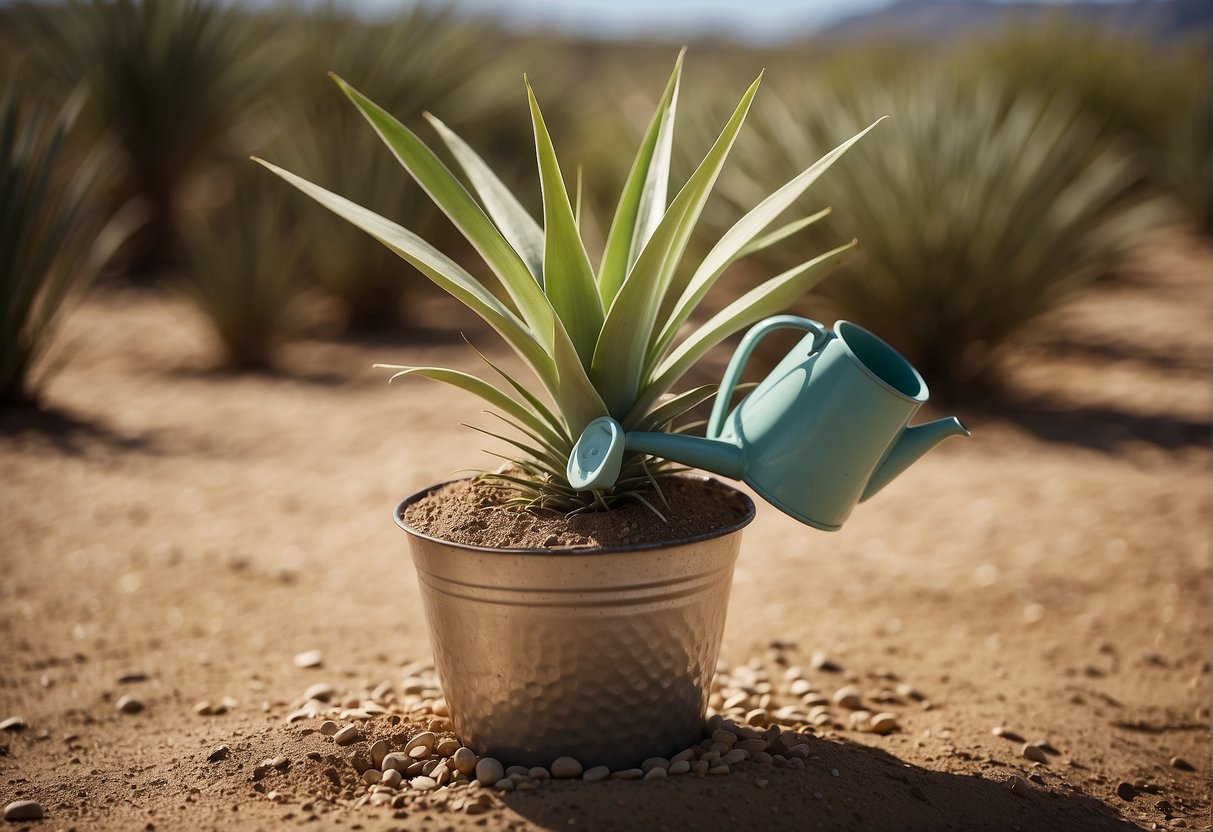
What is the ideal watering schedule for indoor yucca plants?
Yucca plants prefer to be watered thoroughly but infrequently. The general rule of thumb is to water your yucca plant once every 2-3 weeks. However, the frequency of watering may vary depending on the humidity and temperature of your indoor environment.
How should I adjust yucca plant watering in different seasons?
During the summer months, when temperatures are warmer and the air is drier, you may need to water your yucca plant more frequently. In the winter, when temperatures are cooler and the air is more humid, you may be able to reduce the frequency of watering.
What are the signs that a yucca plant is receiving too much water?
Overwatering can lead to root rot and other issues, which can be detrimental to the health of your yucca plant. Signs that your yucca plant is receiving too much water include yellowing leaves, soft or mushy stems, and a foul odor coming from the soil.
Is direct sunlight necessary for the health of my yucca plant?
Yucca plants do best in bright, indirect sunlight. While they can tolerate some direct sunlight, too much can cause the leaves to burn and turn brown.
How does overwatering affect yucca plants?
Overwatering can lead to root rot and other issues, which can be detrimental to the health of your yucca plant. Signs that your yucca plant is receiving too much water include yellowing leaves, soft or mushy stems, and a foul odor coming from the soil.
What are the water requirements for yucca plants during winter?
During the winter months, you may be able to reduce the frequency of watering for your yucca plant. However, it’s important to ensure that the soil doesn’t dry out completely. Water your yucca plant when the top inch of soil feels dry to the touch.