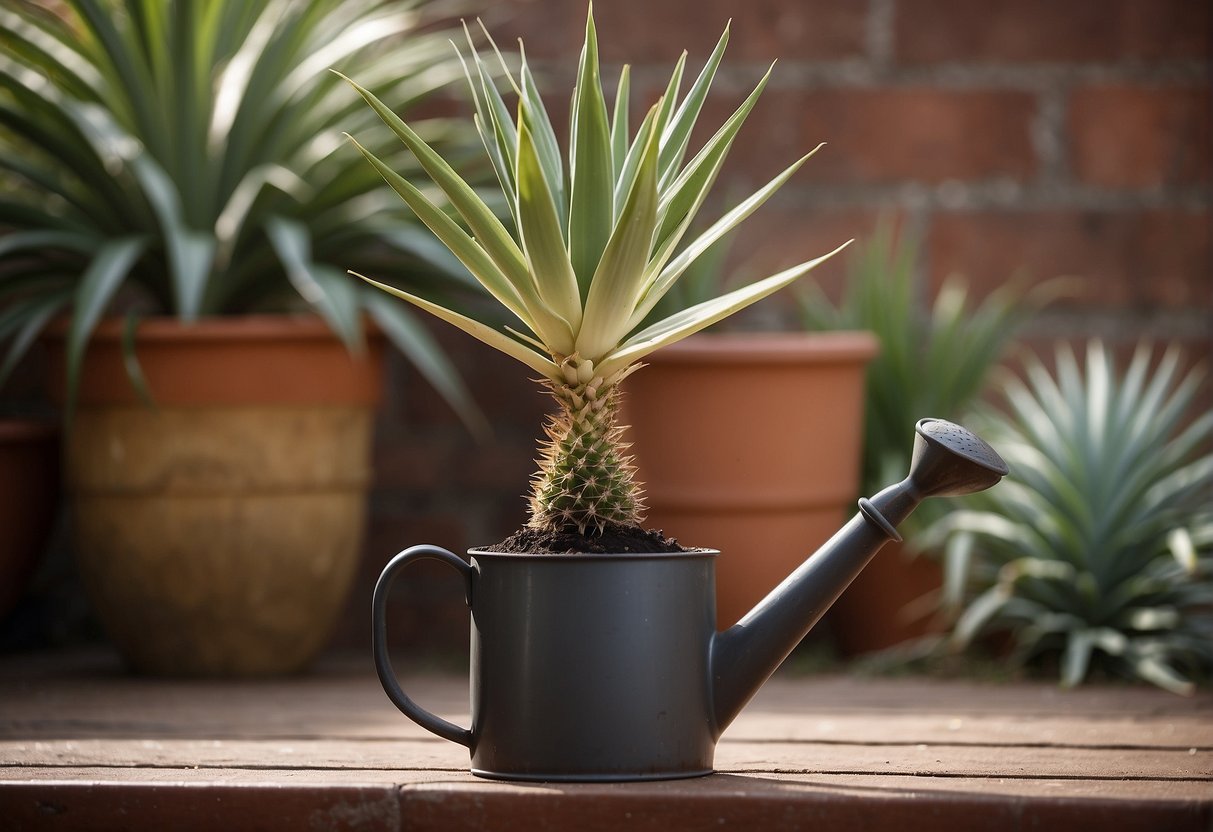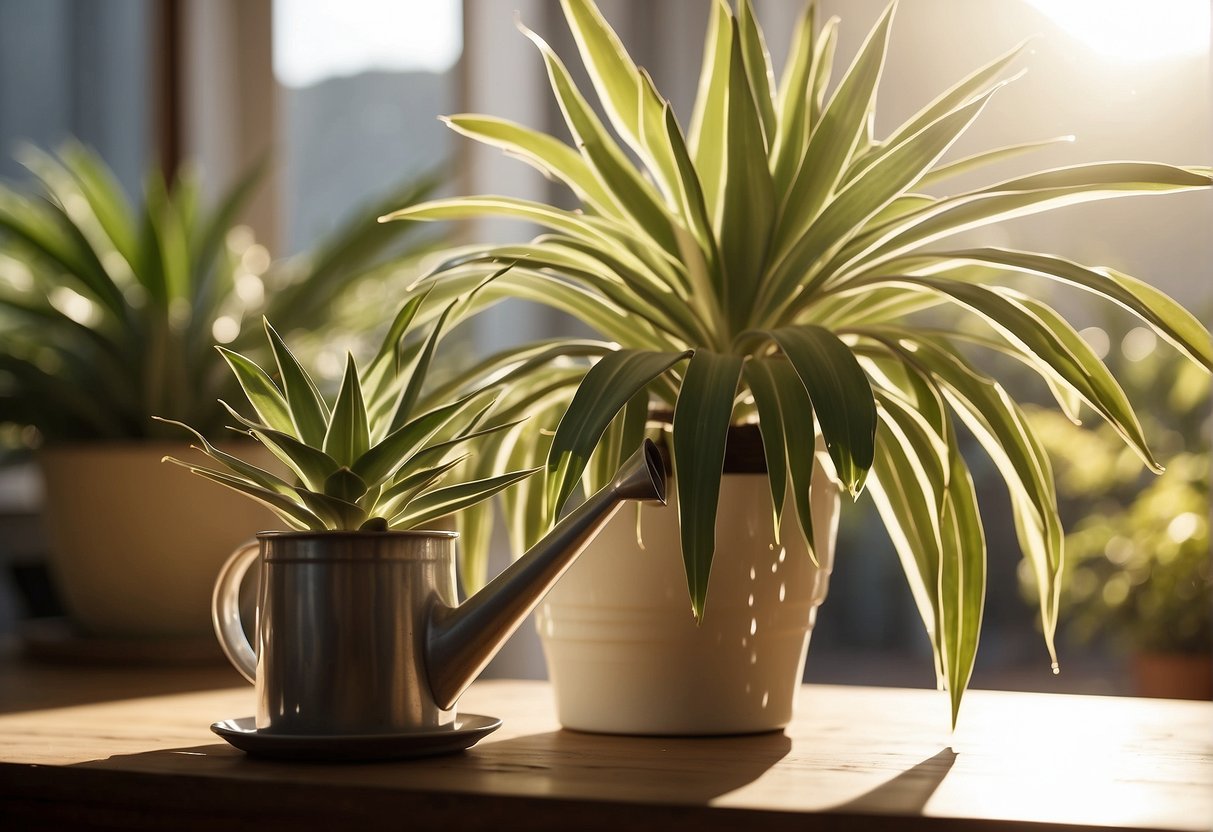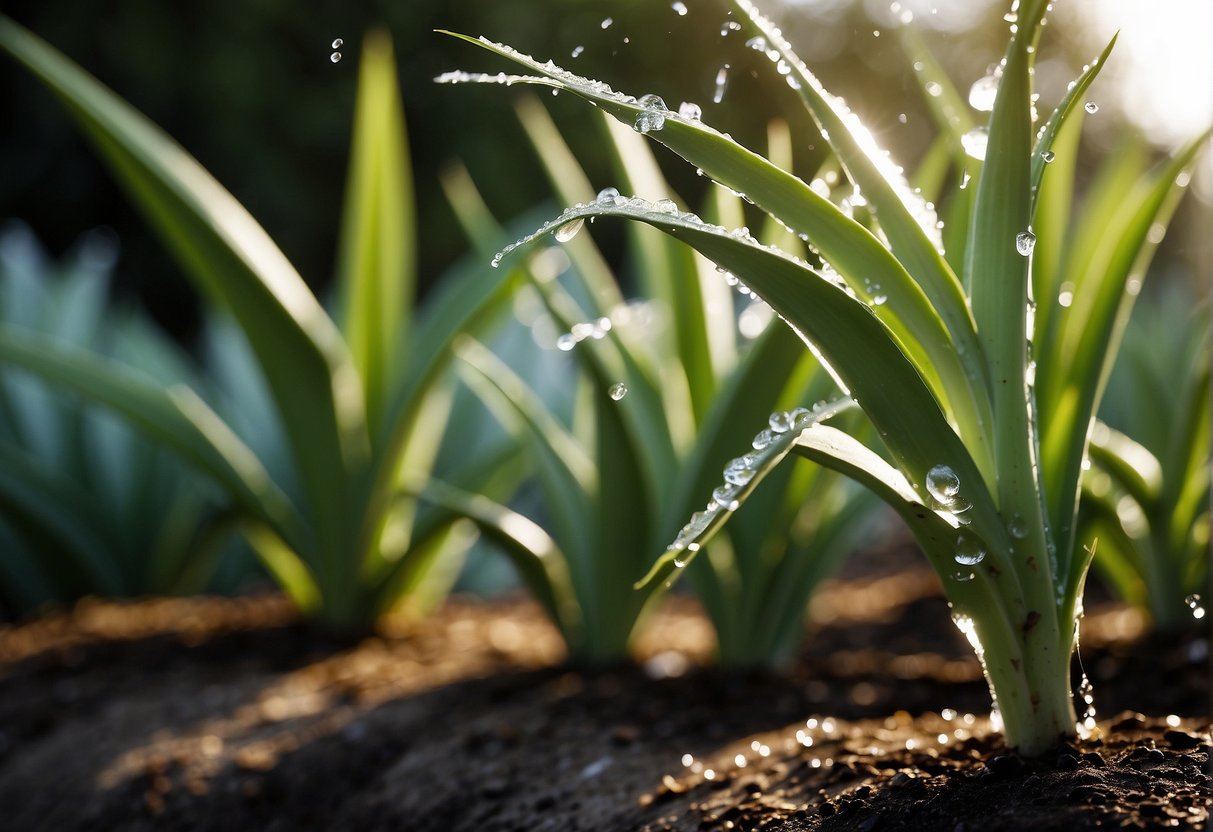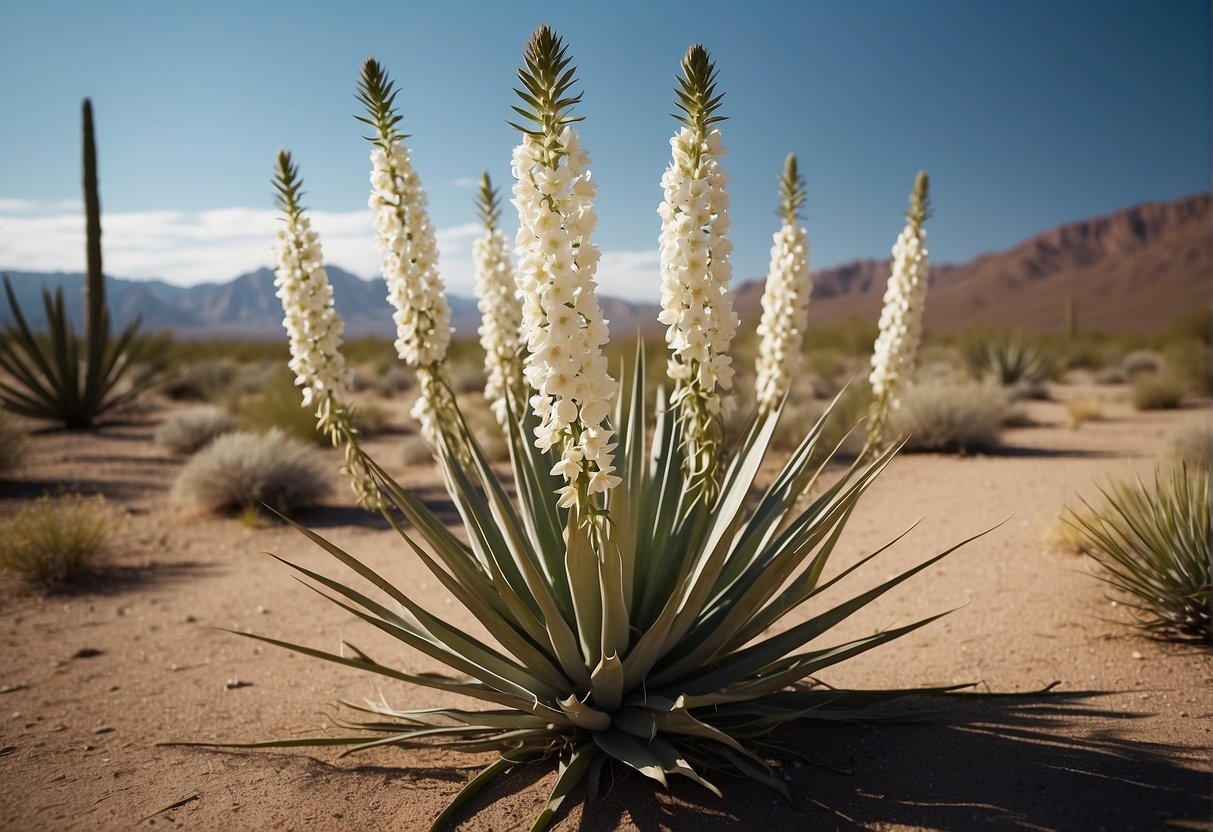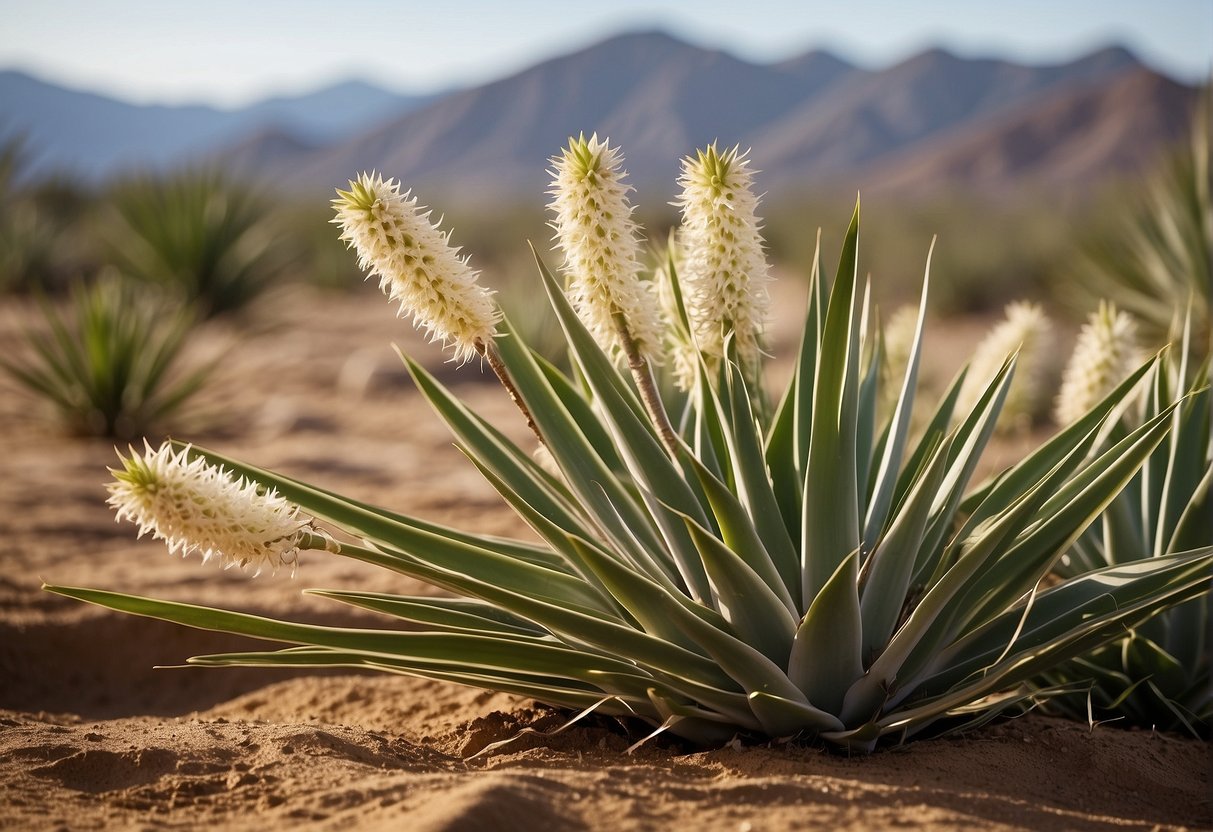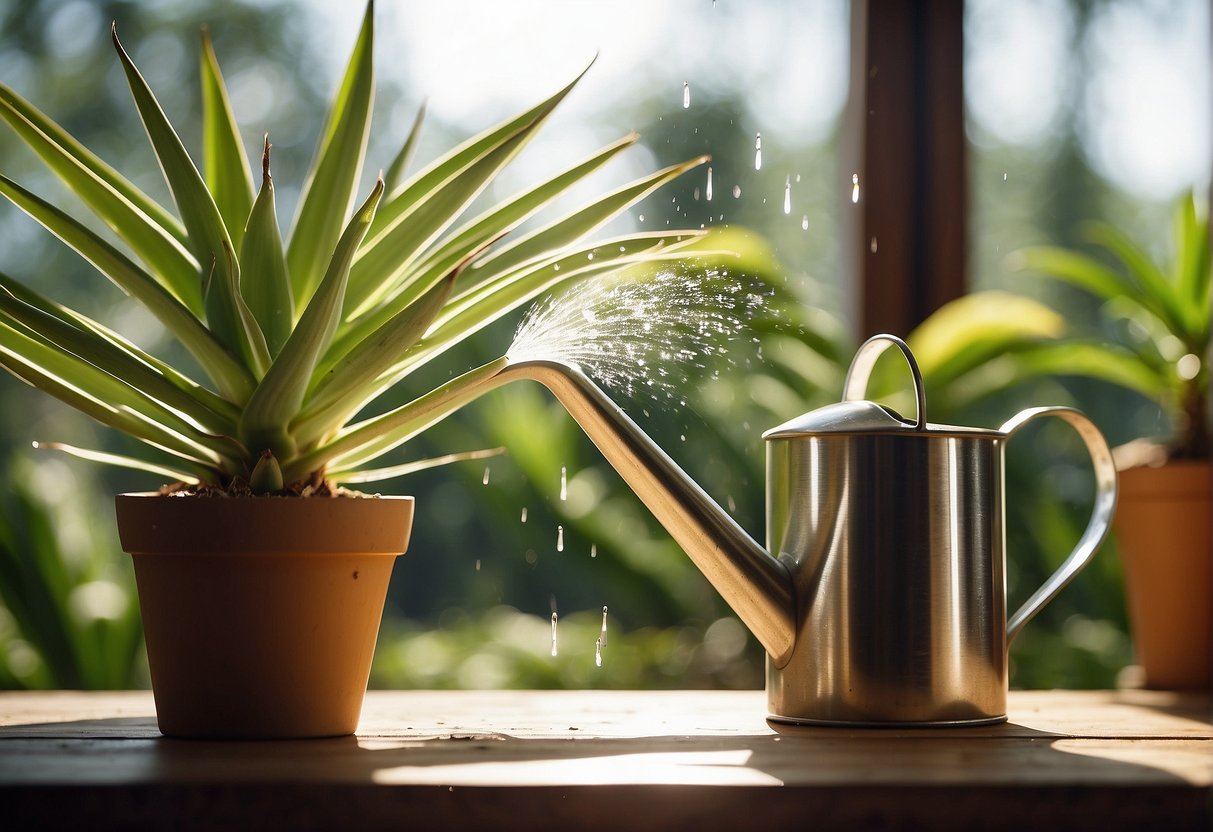

Should you be in search of a resilient, easy-care plant that flourishes in diverse settings, consider the yucca plant as your ideal choice. Grasping the watering necessities of yucca plants is crucial for their prosperity. Although they are equipped to endure drought and can persist under arid circumstances, they do necessitate a certain level of hydration to flourish.

So how often do yucca plants need watering? The answer depends on a variety of factors, including the climate where you live, the type of soil you have, and the size of your plant. In general, yucca plants should be watered deeply and infrequently, allowing the soil to dry out between waterings. Overwatering can be just as harmful as underwatering, so it’s important to strike the right balance.
Understanding Yucca Plant Watering Needs
Yucca plants are low-maintenance and drought-tolerant, but they still need proper watering to thrive. Overwatering or underwatering can cause problems like root rot, yellow leaves, and wilting. In this section, you’ll learn how to identify signs of overwatering and underwatering, the soil requirements for optimal watering, and seasonal watering variations.
Identifying Overwatering and Underwatering Signs
Overwatering is a common mistake that many people make when caring for yucca plants. Signs of overwatering include yellow leaves, mushy roots, and a foul odor. Underwatering, on the other hand, can cause wilting, dry soil, and brown tips on the leaves.
To avoid overwatering or underwatering, you need to check the soil moisture level regularly. Insert your finger into the soil about an inch deep. If it feels dry, it’s time to water the plant. If it’s still moist, wait a few more days before checking again.
Soil Requirements for Optimal Watering
Yucca plants prefer well-draining soil that allows water to pass through easily. They don’t like to sit in water, so make sure your pot has drainage holes. You can use a mixture of sand, perlite, and potting soil to create a well-draining soil mix.
When watering your yucca plant, make sure to saturate the soil thoroughly. You want the water to reach the roots, but you don’t want to leave the soil soggy. After watering, allow the soil to drain completely before returning the pot to its saucer.
Seasonal Watering Variations
Yucca plants have different watering needs depending on the season. During the spring and summer, when the plant is actively growing, you’ll need to water it more frequently. In the winter, when the plant is dormant, you can reduce the watering frequency.
As a general rule, you should water your yucca plant once a week during the growing season and once every two to three weeks during the winter. However, you should always check the soil moisture level before watering to avoid overwatering or underwatering.
By understanding the watering needs of your yucca plant, you can ensure that it stays healthy and vibrant for years to come.
Yucca Plant Care and Maintenance
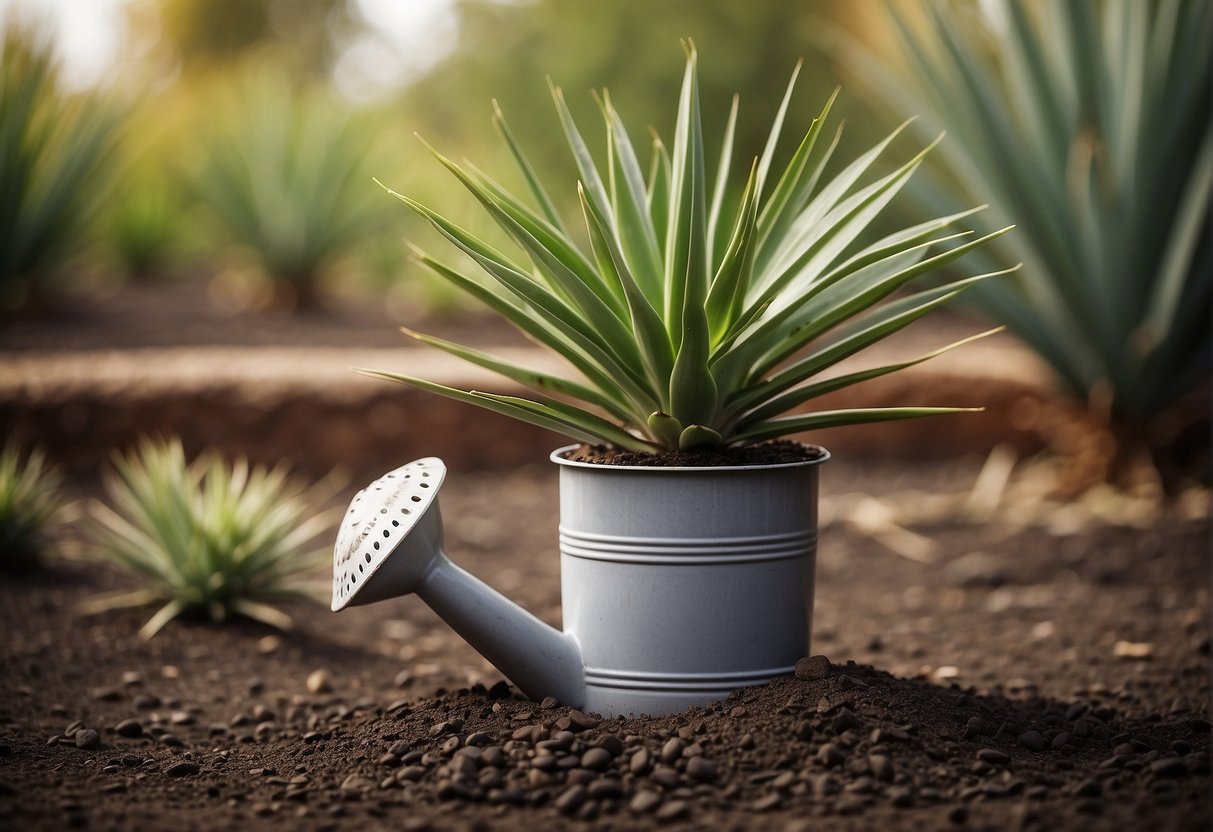
Yucca plants are relatively easy to care for, making them a popular choice for indoor and outdoor gardening. Proper care and maintenance will ensure that your yucca plant thrives and remains healthy. Here are some essential tips for caring for your yucca plant.
Proper Potting and Repotting Techniques
When potting your yucca plant, make sure to choose a pot that is slightly larger than the plant’s root ball. The pot should have drainage holes to prevent waterlogging, which can cause root rot. Use well-draining soil and add some sand or perlite to improve drainage.
Yucca plants do not require frequent repotting, but if the plant has outgrown its pot, it is time to repot. Repotting should be done in the spring or early summer. Gently remove the plant from its pot and remove any dead or damaged roots. Place the plant in a new pot with fresh soil and water thoroughly.
Sunlight, Temperature, and Humidity Factors
Yucca plants thrive in bright, indirect sunlight. Place your plant near a window that receives plenty of light, but avoid direct sunlight, which can scorch the leaves. Yucca plants can tolerate a wide range of temperatures, but they prefer temperatures between 60 and 80 degrees Fahrenheit.
Yucca plants are adapted to arid conditions and do not require high humidity levels. However, if you live in a dry climate, you may want to increase the humidity around your plant by misting it occasionally or placing a humidifier nearby.
Pruning and Propagation for Healthy Growth
Pruning your yucca plant is essential to promote healthy growth and maintain its shape. Cut back any dead or damaged leaves or stems as soon as you notice them. You can also prune your plant to control its size and shape. Use clean, sharp pruning shears to avoid damaging the plant.
Yucca plants are relatively easy to propagate. You can propagate your plant by taking stem cuttings or by dividing the plant. Stem cuttings should be taken in the spring or summer and should be allowed to dry for a few days before planting in well-draining soil. To divide your plant, gently remove it from its pot and separate the root ball into smaller sections. Plant each section in a new pot with fresh soil.
With proper care and maintenance, your yucca plant will thrive and add beauty to your home or garden. Remember to fertilize your plant occasionally and watch out for pests such as mealybugs and scale. With a little attention, your yucca plant will reward you with years of healthy growth and beauty.
Frequently Asked Questions
What is the ideal watering schedule for indoor yucca plants?
Yucca plants prefer well-draining soil and do not like to be overwatered. It is recommended to water indoor yucca plants once a week during the growing season and reduce watering to once every two to three weeks during the winter months. The frequency of watering may vary depending on the temperature and humidity of your indoor environment.
How should the watering frequency for yucca plants be adjusted during winter months?
Yucca plants are dormant during the winter months and require less water. Reduce watering to once every two to three weeks, and ensure that the soil is dry before watering again. Overwatering during the winter months can lead to root rot and other issues.
What are the signs that indicate a yucca plant is receiving too much or too little water?
If a yucca plant is receiving too much water, the leaves may turn yellow and mushy, and the roots may become soft and brown. If a yucca plant is not receiving enough water, the leaves may turn brown and dry, and the plant may wilt.
Does the watering frequency for outdoor yucca plants differ from indoor ones?
Yes, outdoor yucca plants require less frequent watering than indoor ones. Water outdoor yucca plants once a week during the growing season and reduce watering to once every two to three weeks during the winter months. The frequency of watering may vary depending on the temperature and humidity of your outdoor environment.
What care adjustments are needed for outdoor yucca plants during the winter season?
Outdoor yucca plants are hardy and can tolerate cold temperatures, but they still require some care during the winter months. Reduce watering to once every two to three weeks, and protect the plant from frost by covering it with a blanket or burlap. Remove any snow buildup from the leaves to prevent damage.
How does the need for water vary among different varieties of yucca plants?
The watering needs of different varieties of yucca plants may vary depending on their size, location, and environment. It is important to research the specific needs of your yucca plant and adjust your watering schedule accordingly. As a general rule, yucca plants prefer well-draining soil and do not like to be overwatered.