Home » Blog » How Often Do Yucca Plants Flower: A Comprehensive Guide
How Often Do Yucca Plants Flower: A Comprehensive Guide
December 28, 2024
Yucca plants are favored for use in both interior and exterior gardens, thanks to their distinctive, spiny look and the minimal care they need. Nonetheless, a common inquiry among gardeners is about the frequency of flowering in yucca plants. The frequency of flowering in these plants can differ based on several elements, such as the type of yucca, the environment it’s cultivated in, and the level of care it receives.
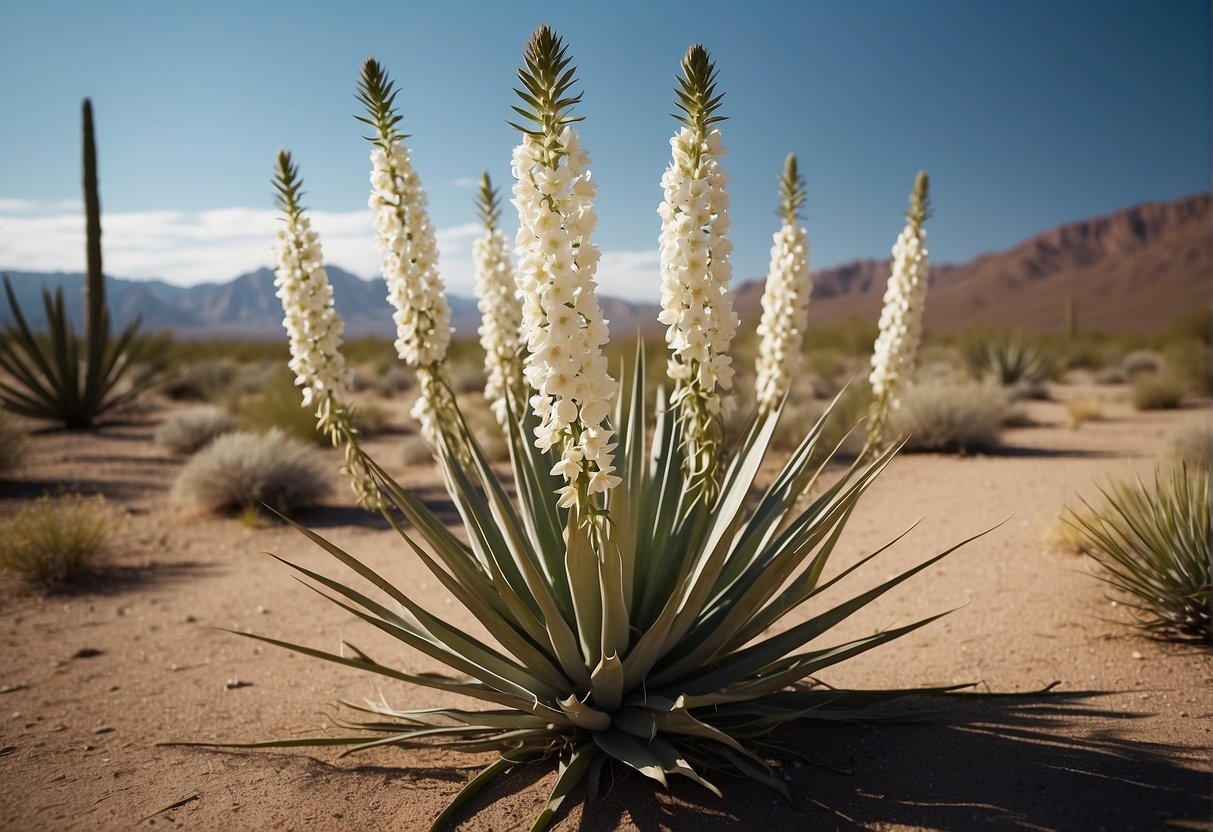
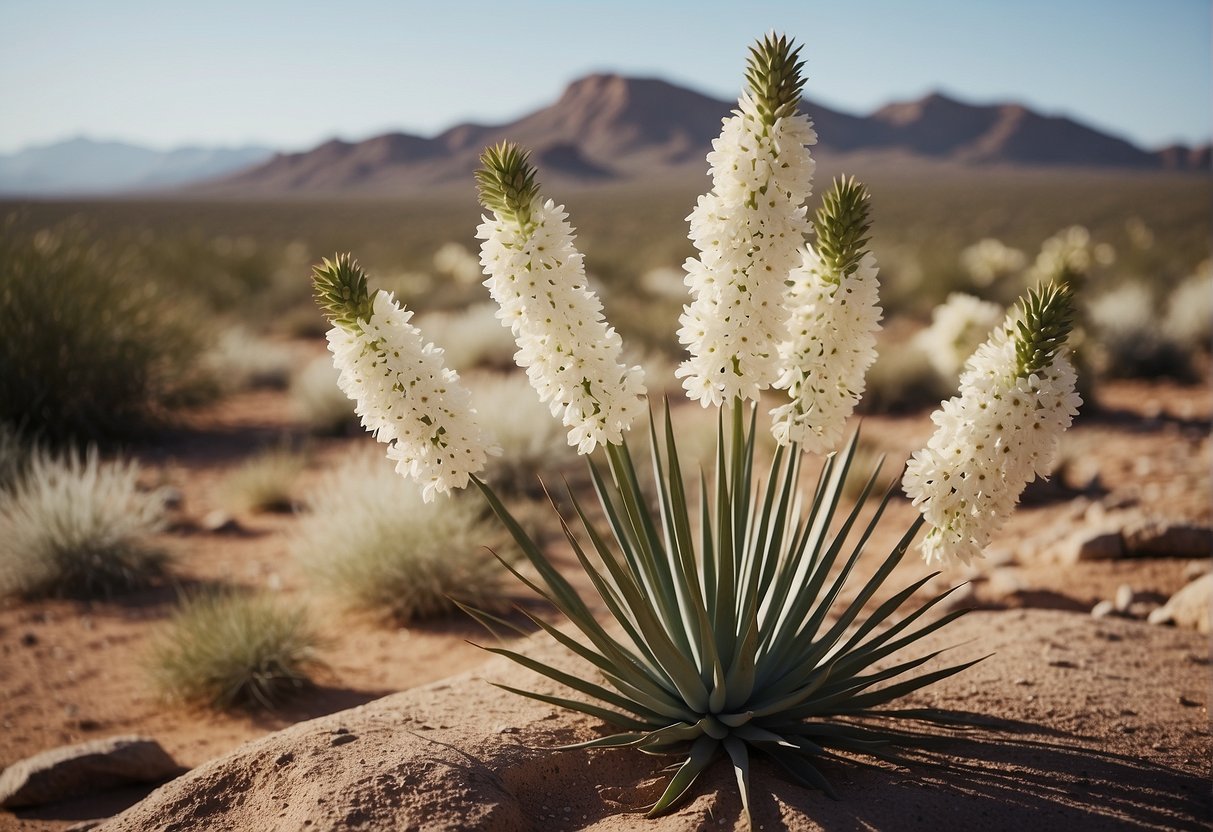
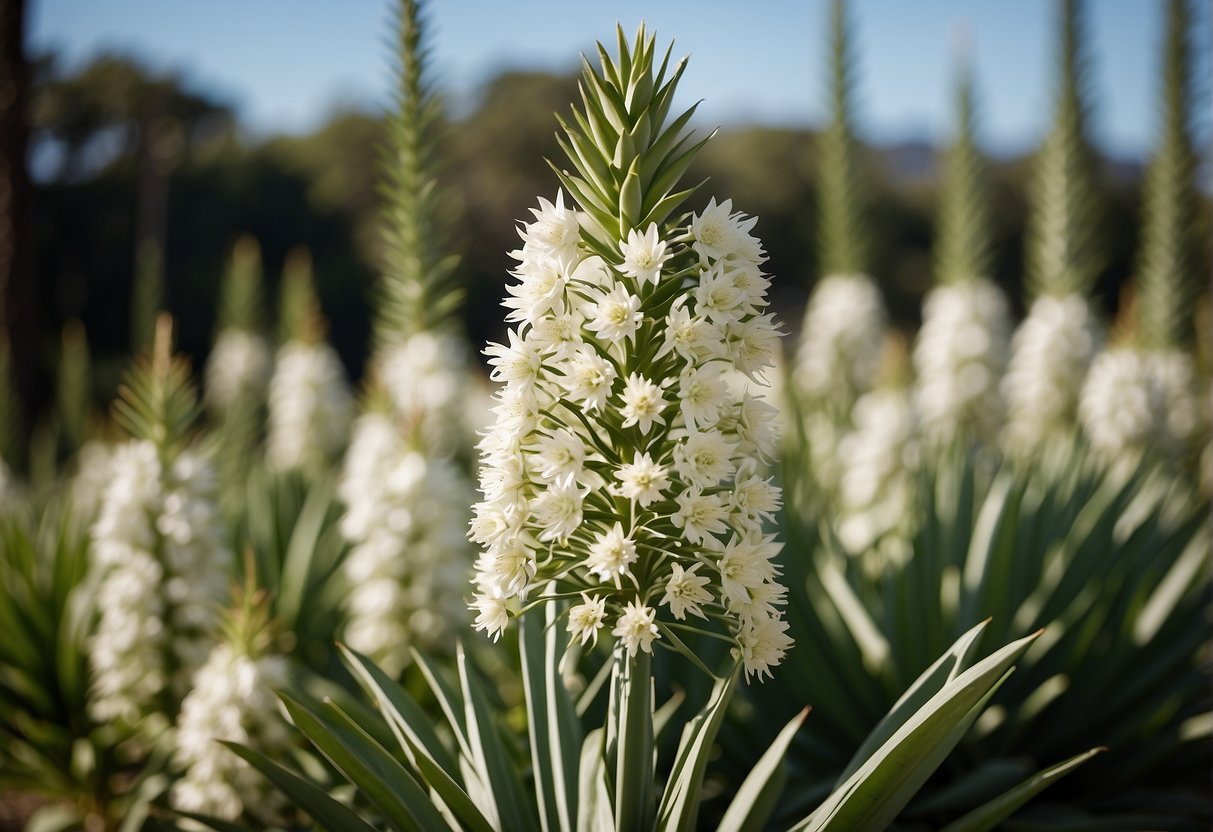
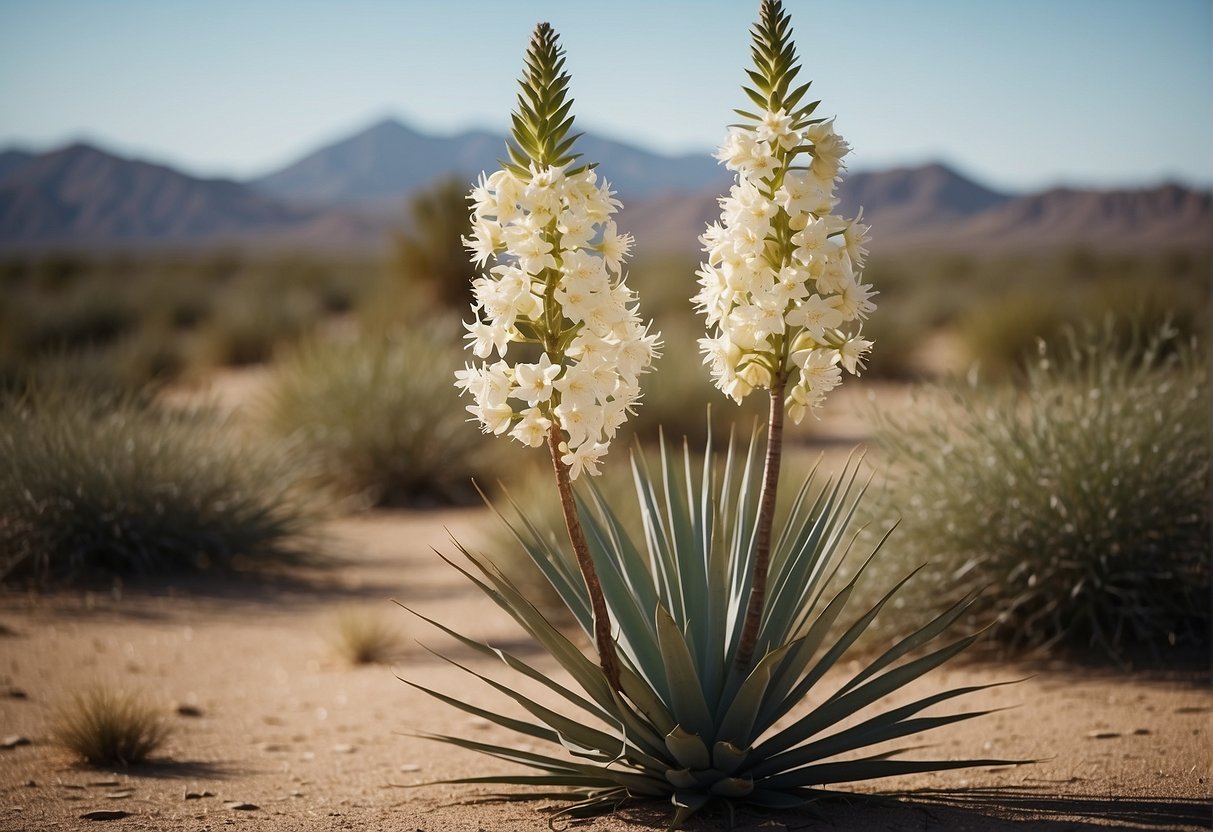
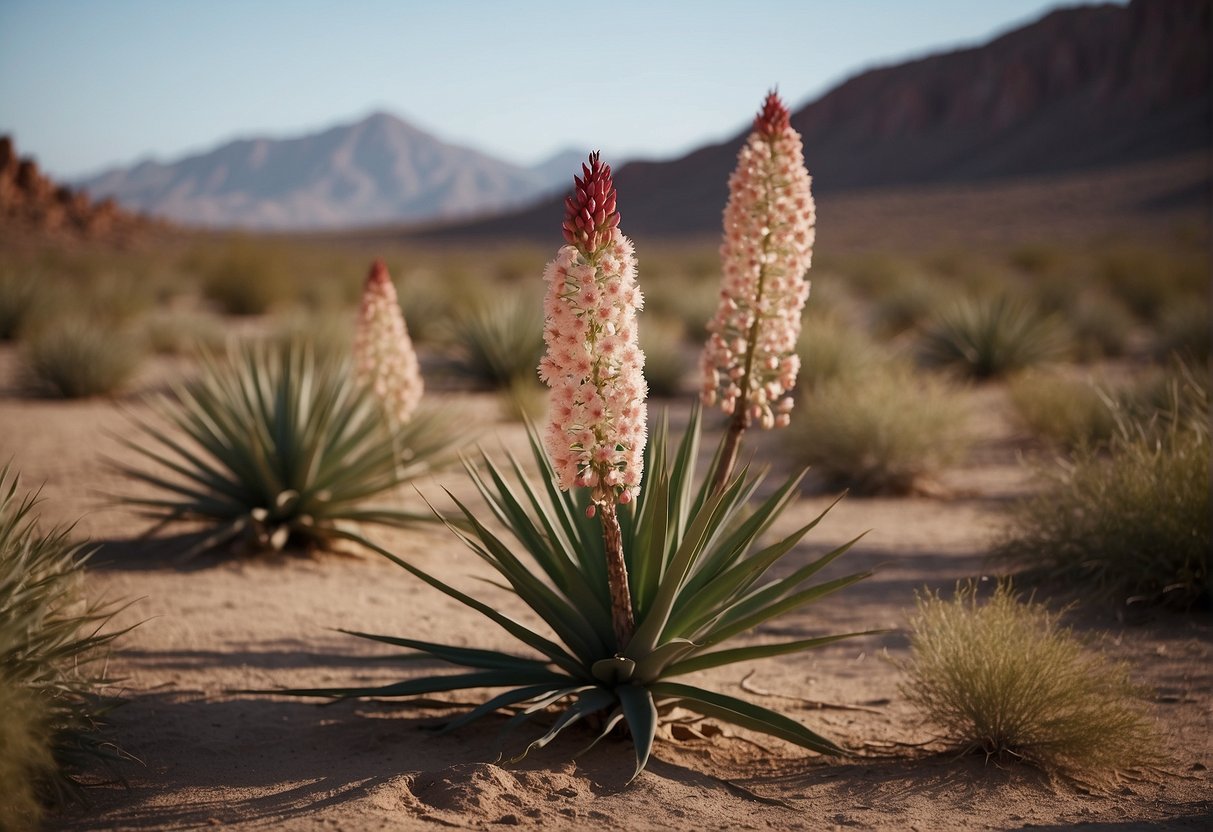
Yucca plants are known for their striking, tall spikes of flowers that can add a dramatic touch to any garden or indoor space. However, not all yucca species flower at the same rate, and some may only bloom once every few years. Additionally, yucca plants require specific growing conditions in order to produce flowers, including plenty of sunlight, well-draining soil, and proper watering and fertilization. Understanding the flowering habits of yucca plants and how to care for them can help you get the most out of your gardening efforts and enjoy beautiful blooms year after year.
Key Takeaways
Yucca plants can produce striking, tall spikes of flowers that add a dramatic touch to any garden or indoor space.
The flowering habits of yucca plants can vary depending on the species, growing conditions, and care provided.
Understanding how to care for flowering yuccas and provide the right growing conditions can help you enjoy beautiful blooms year after year.
Yucca Flowering Habits
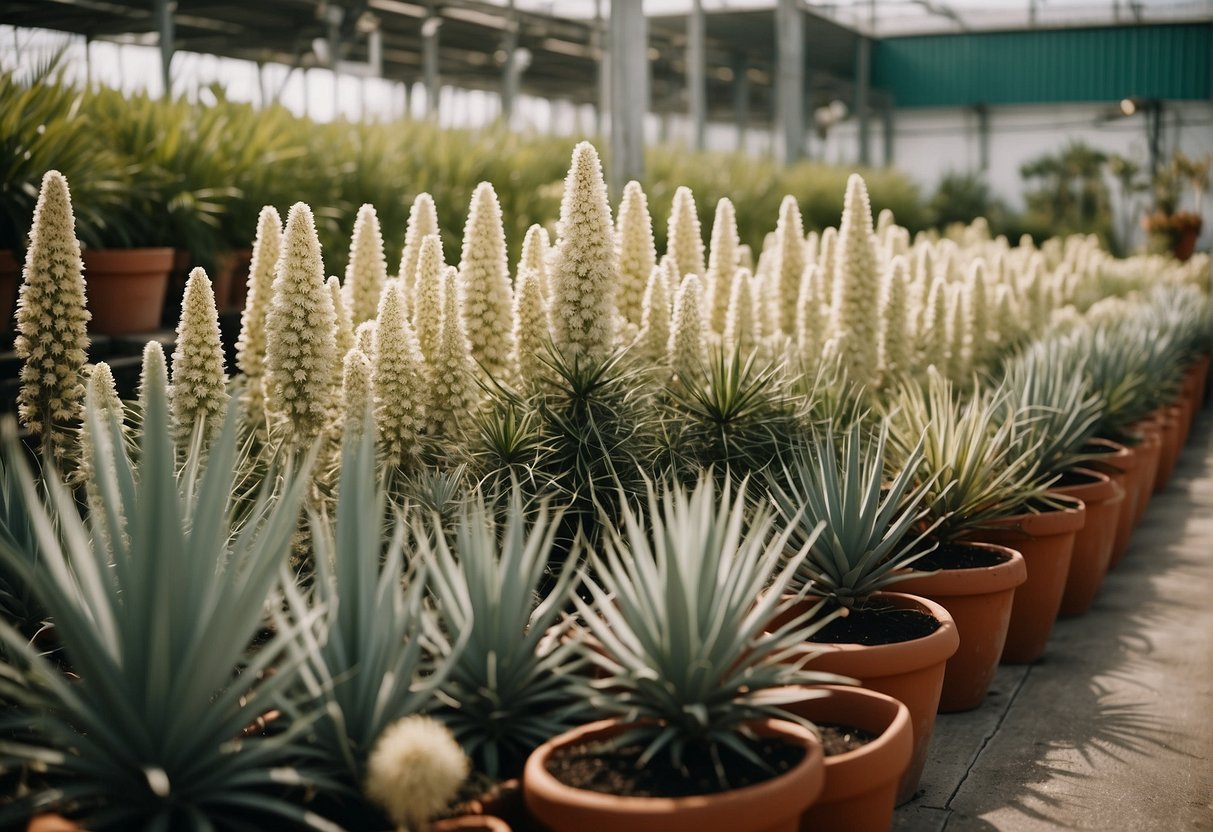
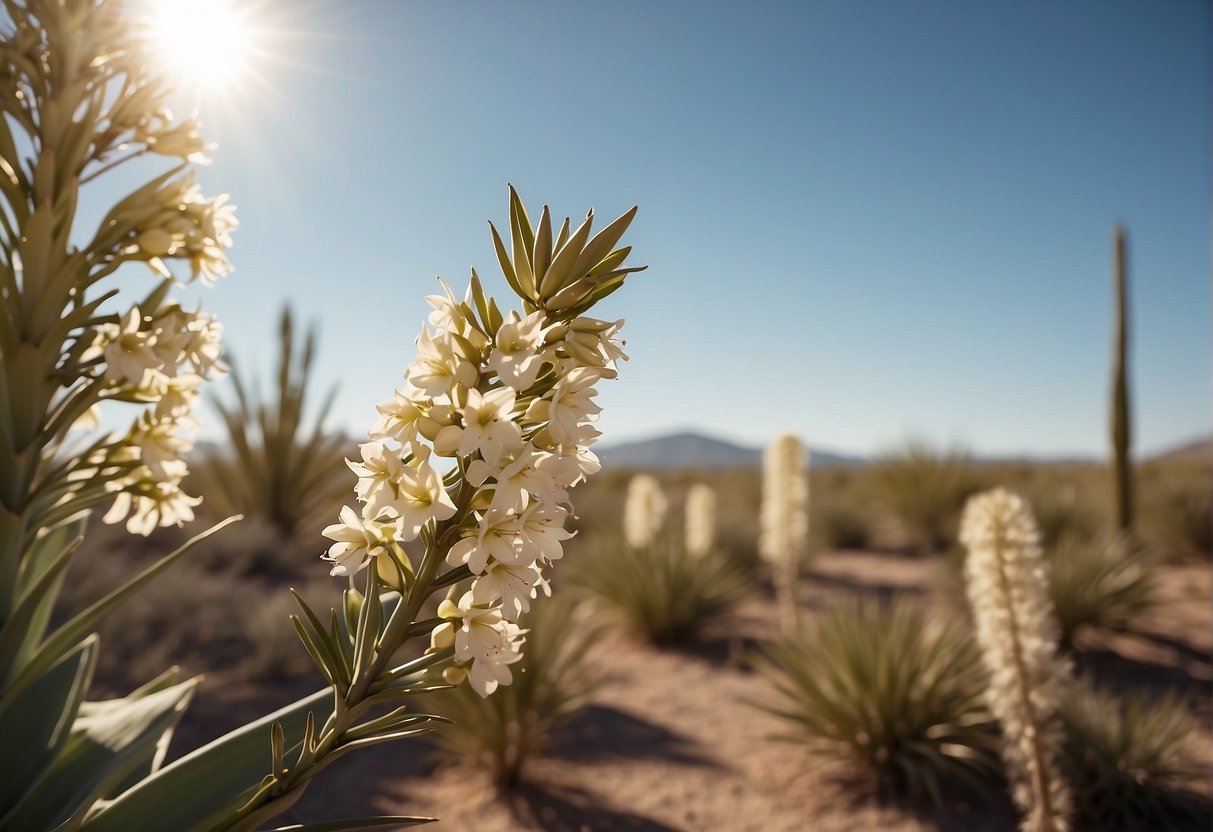
If you have a yucca plant, you may be wondering how often it will flower. Yucca plants are known for their tall, spiky foliage and beautiful, fragrant flowers. Here’s what you need to know about their flowering habits.
Bloom Frequency and Triggers
Yucca plants typically flower once a year, usually in the spring or summer. However, the frequency of flowering can vary depending on the species and growing conditions. Some yucca plants may only flower every few years, while others may bloom more frequently.
The trigger for yucca flowering is often related to age and maturity. Yucca plants typically need to reach a certain age and size before they are able to produce flowers. Additionally, certain environmental factors such as temperature, sunlight, and growing season can also trigger flowering.
Species Variation in Flowering
Different yucca species have different flowering habits. Some species, such as Yucca filamentosa, are known for their frequent and abundant flowering. Other species, such as Yucca gloriosa, may only flower occasionally.
It’s important to note that not all yucca plants produce flowers. Some species, such as Yucca aloifolia, are grown primarily for their ornamental foliage rather than their flowers.
In conclusion, yucca plants are known for their striking flowers, but the frequency of flowering can vary depending on the species and growing conditions. By understanding the triggers for flowering and the variation in species, you can better care for your yucca plant and enjoy its beauty for years to come.
Caring for Flowering Yuccas
Yucca plants are a great addition to any garden due to their unique appearance and low maintenance requirements. While they may not flower every year, when they do, it is a sight to behold. Here are some tips for caring for flowering yuccas.
Optimal Growing Conditions
Yuccas thrive in full sun and well-drained soil. Make sure to plant them in an area with good drainage to prevent waterlogging. Watering should be done sparingly, as yuccas are drought-tolerant plants. During the growing season, water once a week, and during the dormant season, water once a month.
Maintenance and Pruning
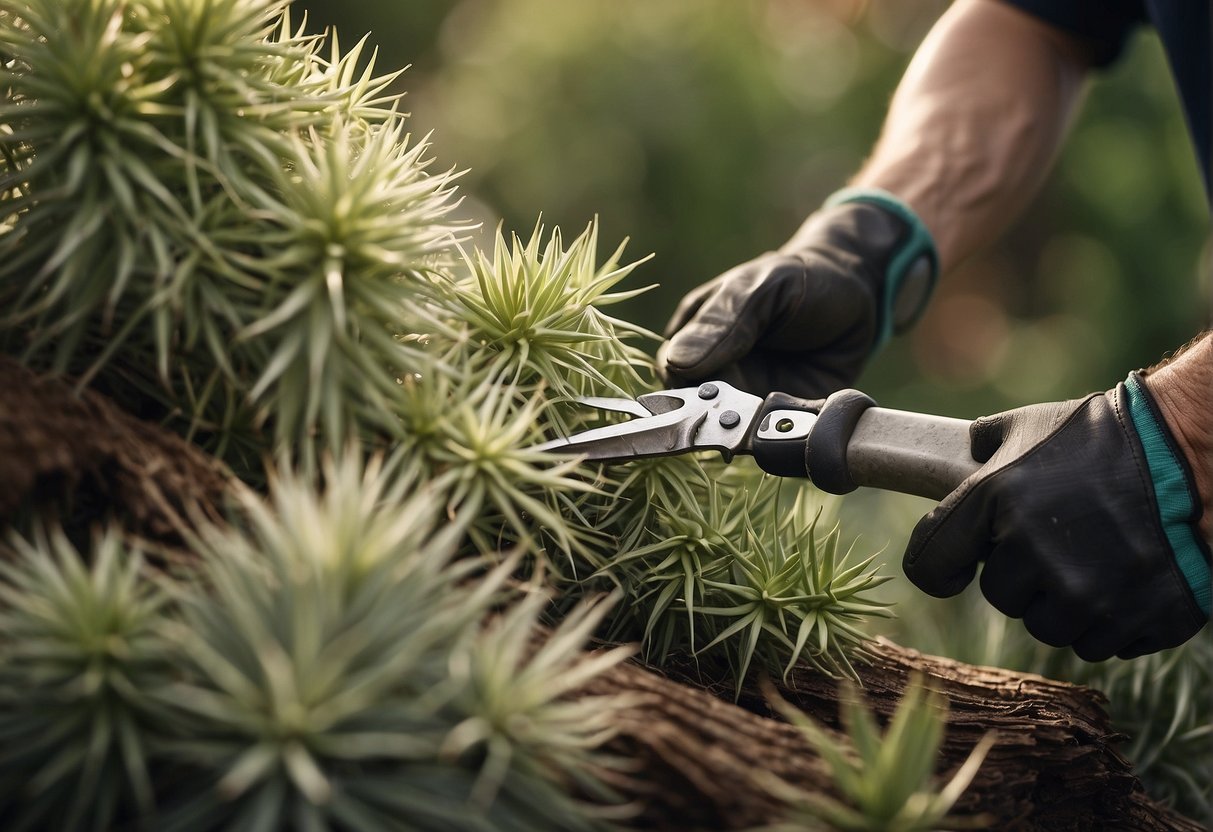
Yuccas require minimal maintenance and pruning. Dead leaves and flowers can be removed to keep the plant looking tidy. If you notice any yellowing or brown leaves, remove them immediately to prevent the spread of disease.
Post-Blooming Care
After the yucca has finished blooming, it is important to remove the flower stalk to redirect the plant’s energy back into growth. You can do this by cutting the stalk as close to the base of the plant as possible.
Fertilizing should be done once a year in the spring with a balanced fertilizer. Be careful not to over-fertilize as this can damage the plant.
Common Diseases and Pests
Yuccas are generally resistant to diseases and pests. However, they can be affected by root rot if they are overwatered or planted in poorly drained soil. To prevent this, make sure to plant them in well-drained soil and water sparingly.
Overall, yucca plant care is easy and requires minimal effort. By following these tips, you can ensure that your yucca plant will thrive and produce beautiful flowers for years to come.
Frequently Asked Questions
What triggers a yucca plant to start flowering?
Yucca plants typically start flowering in the spring or early summer. Flowering is triggered by a combination of factors, including age, environmental conditions, and genetics. Generally, yucca plants will begin to flower once they reach maturity, which can take several years depending on the species.
How can you encourage yucca plants to bloom?
To encourage yucca plants to bloom, it’s important to provide them with the right growing conditions. This includes plenty of sunlight, well-draining soil, and regular watering. Fertilizing the plant with a balanced fertilizer in the spring can also help promote flowering. Additionally, removing any dead or damaged leaves can help redirect the plant’s energy towards flower production.
Are yucca plant blooms affected by seasonal changes?
Yucca plant blooms are generally not affected by seasonal changes, although some species may have specific blooming periods. In general, yucca plants will bloom once a year, although some may bloom more frequently.
What should be done with a yucca plant after it blooms?
After a yucca plant blooms, it will begin to produce seed pods. These pods can be left on the plant to mature, or they can be removed to prevent the plant from expending energy on seed production. Once the seed pods have dried out, they can be harvested and planted to grow new yucca plants.
Can yucca plants bloom indoors, and if so, how often?
Yes, yucca plants can bloom indoors if they are provided with the right growing conditions. To encourage indoor yucca plants to bloom, it’s important to provide them with plenty of sunlight and well-draining soil. Additionally, fertilizing the plant with a balanced fertilizer in the spring can help promote flowering. Indoor yucca plants will generally bloom once a year, although some may bloom more frequently.
What are the implications of a yucca plant flowering?
Yucca plant flowering is a natural process that can have a number of implications. For one, it can be a sign that the plant is healthy and well-cared for. Additionally, yucca plant blooms can attract pollinators such as bees and butterflies, which can help promote biodiversity in your garden or outdoor space. Finally, yucca plant flowers can be quite beautiful, adding a splash of color and texture to your landscape.
Hi Lovelies ! I made this blog to share my tips about Home Improvement, Children, Pets, Food, Gadgets, Automotive, Health & Beauty, and ways to be frugal while maintaining a natural lifestyle. Interested to be a Guest Blogger on my website? Please email me at: [email protected]