Home » Blog » What to Feed Yucca Plants: A Comprehensive Guide
What to Feed Yucca Plants: A Comprehensive Guide
December 28, 2024
If you possess a yucca plant and are curious about the optimal feeding methods, you’re in the right place. Despite their resilience and capacity to flourish in tough environments, yucca plants require appropriate nutrition to remain robust and lively. This piece will delve into the most effective ways to nourish your yucca plant, helping it to maintain its strength and health.
One of the most important factors to consider when feeding your yucca plant is the soil and water it receives. Yucca plants prefer well-draining soil and can be sensitive to overwatering, so it’s important to find a balance between keeping the soil moist and not letting it become waterlogged. In addition, yucca plants thrive in bright, indirect light, so be sure to place your plant in a location where it can receive plenty of natural light.
When it comes to feeding your yucca plant, there are a few key things to keep in mind. Yucca plants generally don’t require a lot of fertilizer, but they do benefit from occasional feedings with a balanced, all-purpose fertilizer. Additionally, you can help your yucca plant stay healthy by regularly removing any dead or damaged leaves. In the following sections, we’ll dive deeper into the specifics of optimizing soil and water for yucca plants, as well as feeding and maintaining healthy yucca plants.
Key Takeaways
Yucca plants prefer well-draining soil and can be sensitive to overwatering.
Yucca plants benefit from occasional feedings with a balanced, all-purpose fertilizer.
Regularly removing dead or damaged leaves can help your yucca plant stay healthy.
Optimizing Soil and Water for Yucca Plants
Yucca plants are easy-to-care-for plants that thrive in well-draining soil and require minimal watering. Proper soil and water management are essential for the healthy growth of yucca plants. Here are some tips to optimize soil and water for yucca plants.
Soil Requirements and Drainage
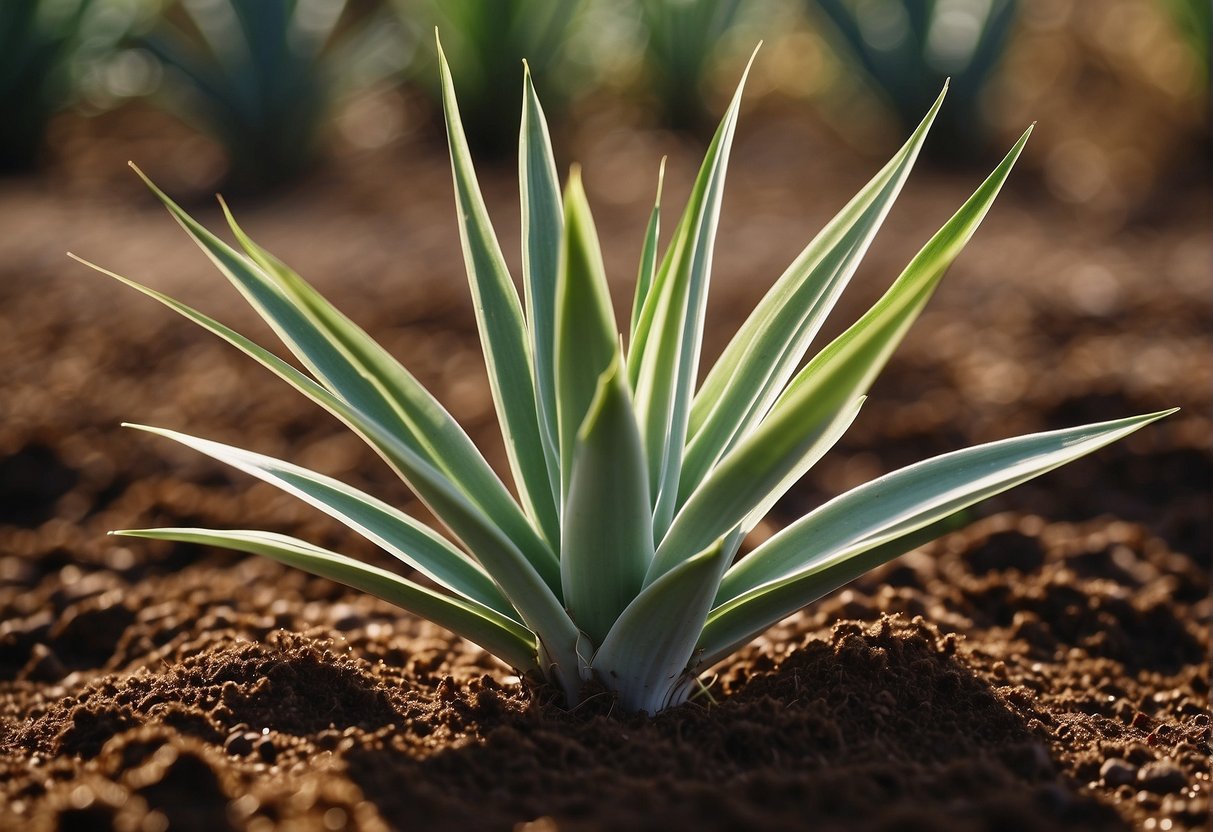
Yucca plants prefer well-draining soil that is slightly acidic to neutral. Soil that is too compact or retains too much moisture can lead to root rot and other fungal diseases. To ensure good drainage, mix perlite or sand with your potting mix. You can also add compost to improve soil fertility.
When planting yucca in a pot, make sure to choose a container with drainage holes at the bottom. This will help excess water to drain out and prevent waterlogged soil. If you are planting yucca in the ground, make sure the soil is well-draining and amend it with compost or sand if necessary.
Watering Practices and Hydration
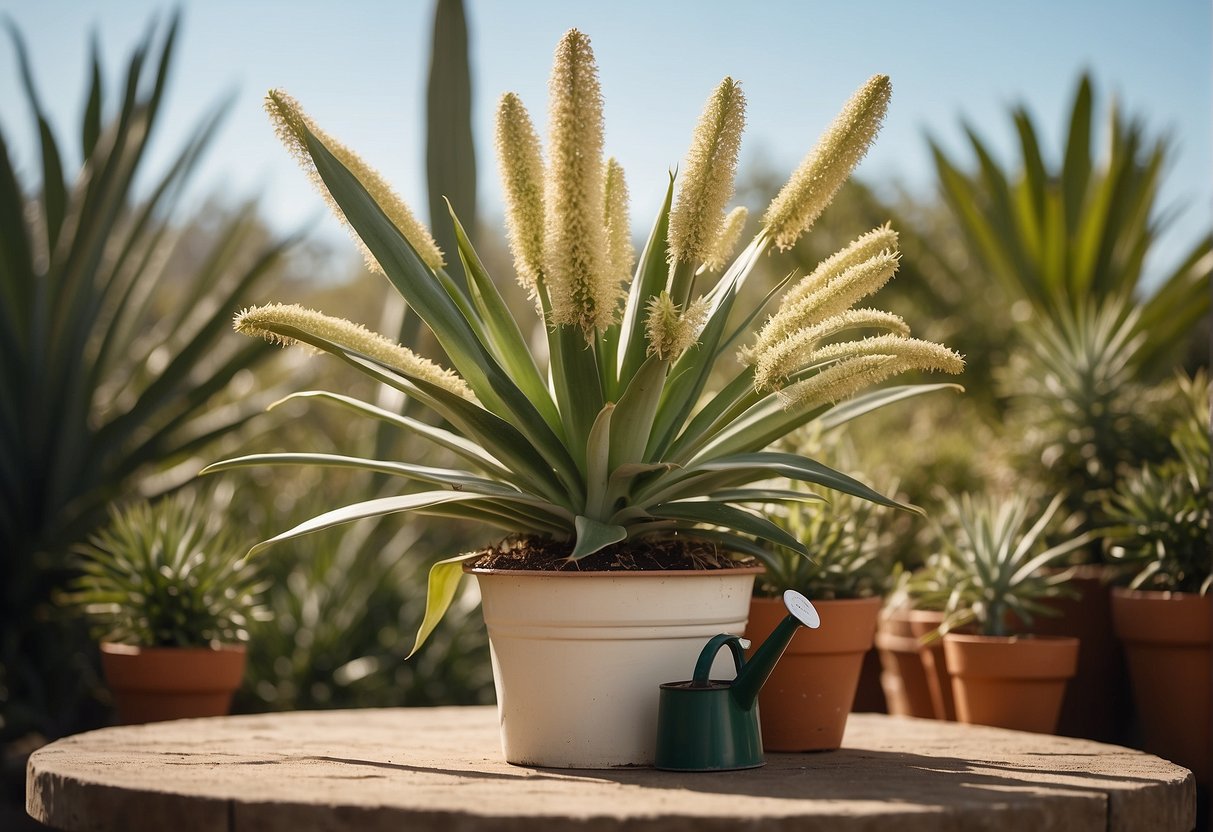
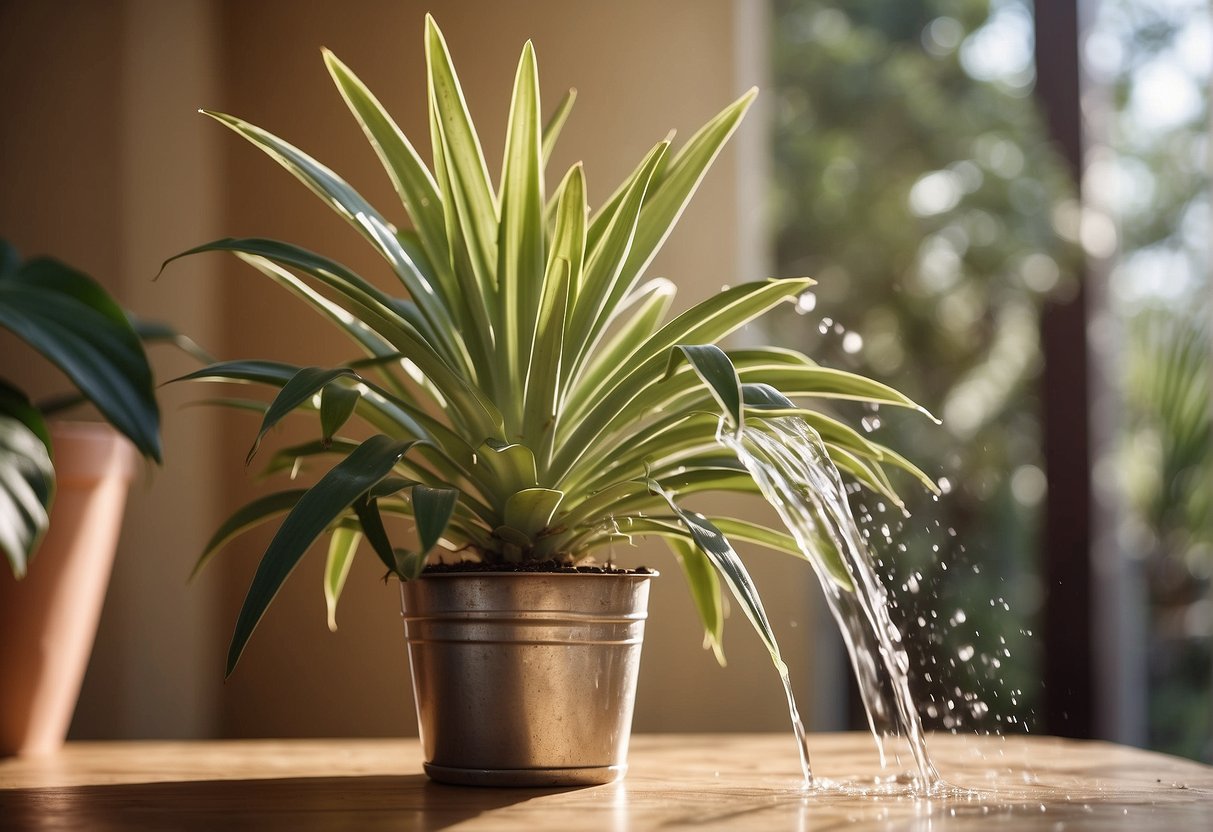
Yucca plants are drought-tolerant and can survive long periods without water. However, they still require occasional watering to stay hydrated and healthy. When watering yucca plants, make sure to water deeply and allow the soil to dry out completely between watering. Overwatering can lead to root rot and other fungal diseases.
To check if your yucca plant needs watering, insert your finger into the soil up to the second knuckle. If the soil feels dry, it’s time to water your plant. During the winter months, reduce watering frequency as the plant goes into dormancy.
In conclusion, optimizing soil and water for yucca plants is crucial for their healthy growth. Yucca plants prefer well-draining soil and require occasional watering to stay hydrated. By following these tips, you can ensure your yucca plant thrives and adds a touch of greenery to your home or garden.
Feeding and Maintaining Healthy Yucca Plants
Yucca plants are known for their hardiness and low maintenance. However, to keep them healthy and looking their best, it’s important to provide them with proper care and feeding. In this section, we’ll go over some tips for fertilizing and maintaining healthy yucca plants.
Fertilizing for Growth and Color
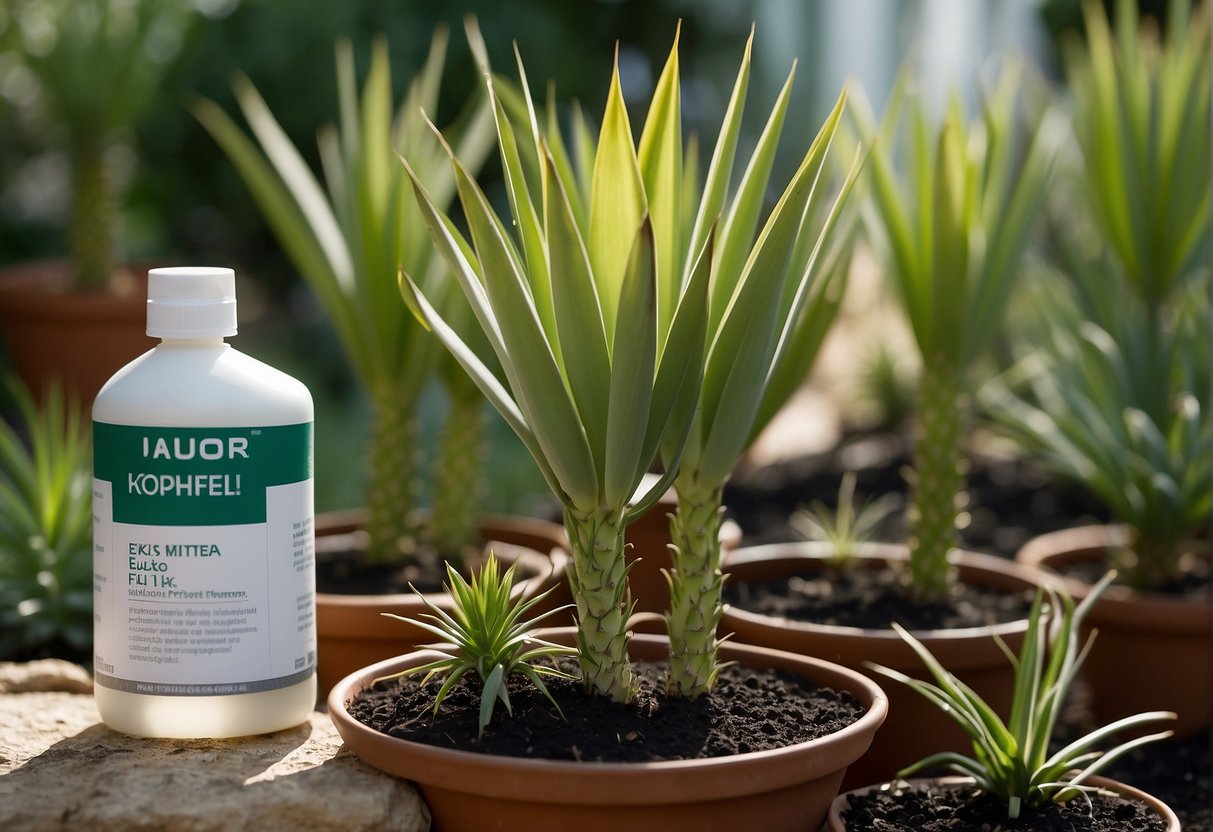
Yucca plants don’t require a lot of fertilizer, but they do benefit from occasional feeding. During the growing season, which typically runs from spring to fall, you can feed your yucca plant once a month with a balanced fertilizer. A good fertilizer for yucca plants should have equal amounts of nitrogen, phosphorus, and potassium.
To promote healthy growth and vibrant color, you can also use a fertilizer that’s high in phosphorus. Phosphorus helps plants develop strong roots and encourages blooming. You can apply a phosphorus-rich fertilizer once or twice a year, following the instructions on the package.
Light, Temperature, and Humidity Considerations
Yucca plants thrive in bright, indirect light and can tolerate some direct sun. However, too much direct sunlight can scorch their leaves. If your yucca plant is not getting enough light, it may become leggy and lose its shape.
Yucca plants prefer warm temperatures and can tolerate temperatures as low as 30°F (-1°C) and as high as 90°F (32°C). However, they don’t like sudden temperature changes or drafts.
Yucca plants are adapted to dry conditions and don’t require a lot of humidity. However, if the air in your home is very dry, you can increase the humidity around your plant by placing a tray of water near it or by using a humidifier.
Preventing and Treating Pests and Diseases
Yucca plants are generally resistant to pests and diseases. However, they can sometimes be affected by mealybugs, scale insects, spider mites, and fungal diseases.
To prevent pests and diseases, it’s important to keep your yucca plant clean and healthy. Remove any dead or yellowing leaves and debris from around the plant. Avoid overwatering, as this can lead to root rot and other fungal diseases.
If you notice signs of pests or diseases, such as yellowing leaves, distorted growth, or webbing, you can treat your plant with insecticidal soap or a fungicide, following the instructions on the package. Be sure to isolate the affected plant from other plants to prevent the spread of pests and diseases.
Frequently Asked Questions
How often should I fertilize my indoor yucca plant?
Indoor yucca plants require fertilization about once a month during the growing season, which is typically from spring to fall. During the winter months, you can reduce the frequency to once every two months. However, the exact timing and frequency of fertilization may vary based on the specific needs of your yucca plant and the type of fertilizer you are using.
What specific nutrients are required for healthy yucca plant growth?
Yucca plants require a balanced blend of nitrogen, phosphorus, and potassium (NPK) for healthy growth. Nitrogen is essential for leaf growth, phosphorus for root development, and potassium for overall plant health and stress tolerance. In addition to these macronutrients, yucca plants also require micronutrients like iron, magnesium, and calcium for optimal growth.
Can you recommend a suitable fertilizer type for yucca plants in containers?
A balanced, water-soluble fertilizer with an NPK ratio of 10-10-10 or 20-20-20 is ideal for yucca plants in containers. You can also use a slow-release granular fertilizer, which will release nutrients gradually over time. Be sure to follow the instructions on the fertilizer package for best results.
What are the signs of nutrient deficiency in yucca plants?
Yellowing leaves, stunted growth, and poor overall health are all signs of nutrient deficiency in yucca plants. Nitrogen deficiency can cause yellowing of older leaves, while phosphorus deficiency can cause stunted growth and poor root development. Potassium deficiency can cause yellowing and browning of leaf edges, as well as increased susceptibility to pests and diseases.
Is there a seasonal feeding schedule to optimize yucca plant health?
Yes, adjusting your feeding schedule based on the season can help optimize yucca plant health. During the growing season, fertilize once a month with a balanced fertilizer. During the winter months, reduce the frequency to once every two months. You can also adjust the amount of fertilizer you use based on the size and age of your yucca plant.
How should I adjust yucca plant feeding in different seasons?
In spring and summer, when yucca plants are actively growing, you should fertilize once a month with a balanced fertilizer. In fall, reduce the frequency to once every six to eight weeks. During the winter months, when growth slows down, you can reduce the frequency to once every two months. Be sure to follow the instructions on the fertilizer package and adjust the amount of fertilizer based on the size and age of your yucca plant.
Hi Lovelies ! I made this blog to share my tips about Home Improvement, Children, Pets, Food, Gadgets, Automotive, Health & Beauty, and ways to be frugal while maintaining a natural lifestyle. Interested to be a Guest Blogger on my website? Please email me at: [email protected]